The 1980s had a very specific idea of luxury. It wasn’t just designer labels and flashy cars; it was also what you served at dinner parties, what you ordered at restaurants, and what you proudly displayed in your kitchen. The decade was the peak of “aspirational living,” and food played a huge role in showing you had taste, money, and a little bit of sophistication.
What’s funny is that many foods we now think of as totally normal, things you can grab at any grocery store, once felt upscale, exclusive, or reserved for special occasions. Some were expensive imports, some were trendy “gourmet” items, and others were considered fancy simply because they weren’t part of everyday home cooking yet. Here are 20 surprisingly common foods that used to be considered a luxury in the 1980s.
Sun-Dried Tomatoes

In the 80s, sun-dried tomatoes were the ultimate gourmet ingredient. They were associated with upscale Italian cooking and fancy pasta dishes, and they felt exotic compared to standard canned tomatoes or jarred sauces. Today they’re still popular, but back then they screamed “trendy restaurant food.”
Brie Cheese
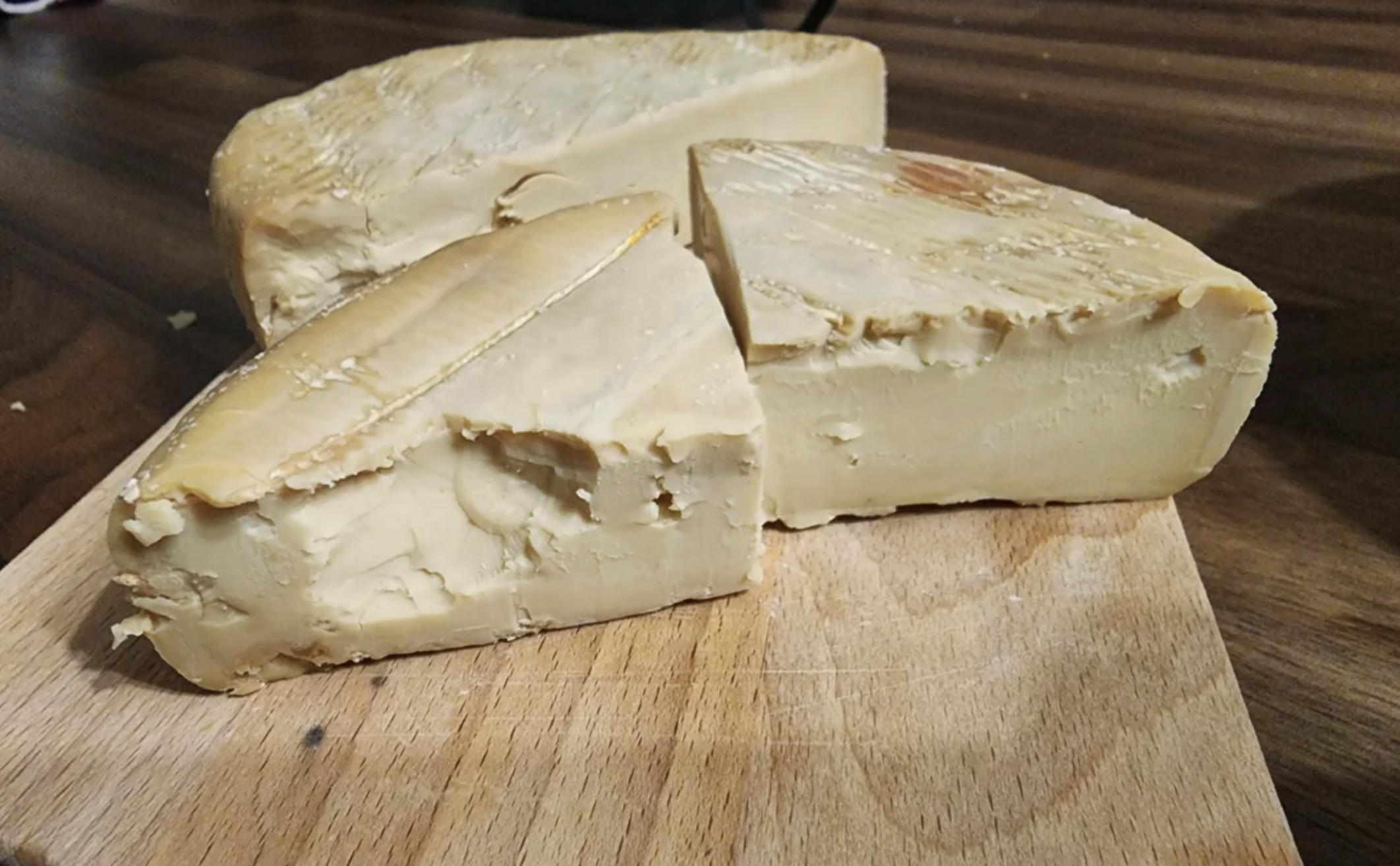
Brie wasn’t something you casually threw in your cart. In the 80s, serving brie at a party made you look sophisticated, especially if it came wrapped in pastry or served with crackers and grapes. It was the kind of food people brought out when they wanted to impress guests.
Smoked Salmon
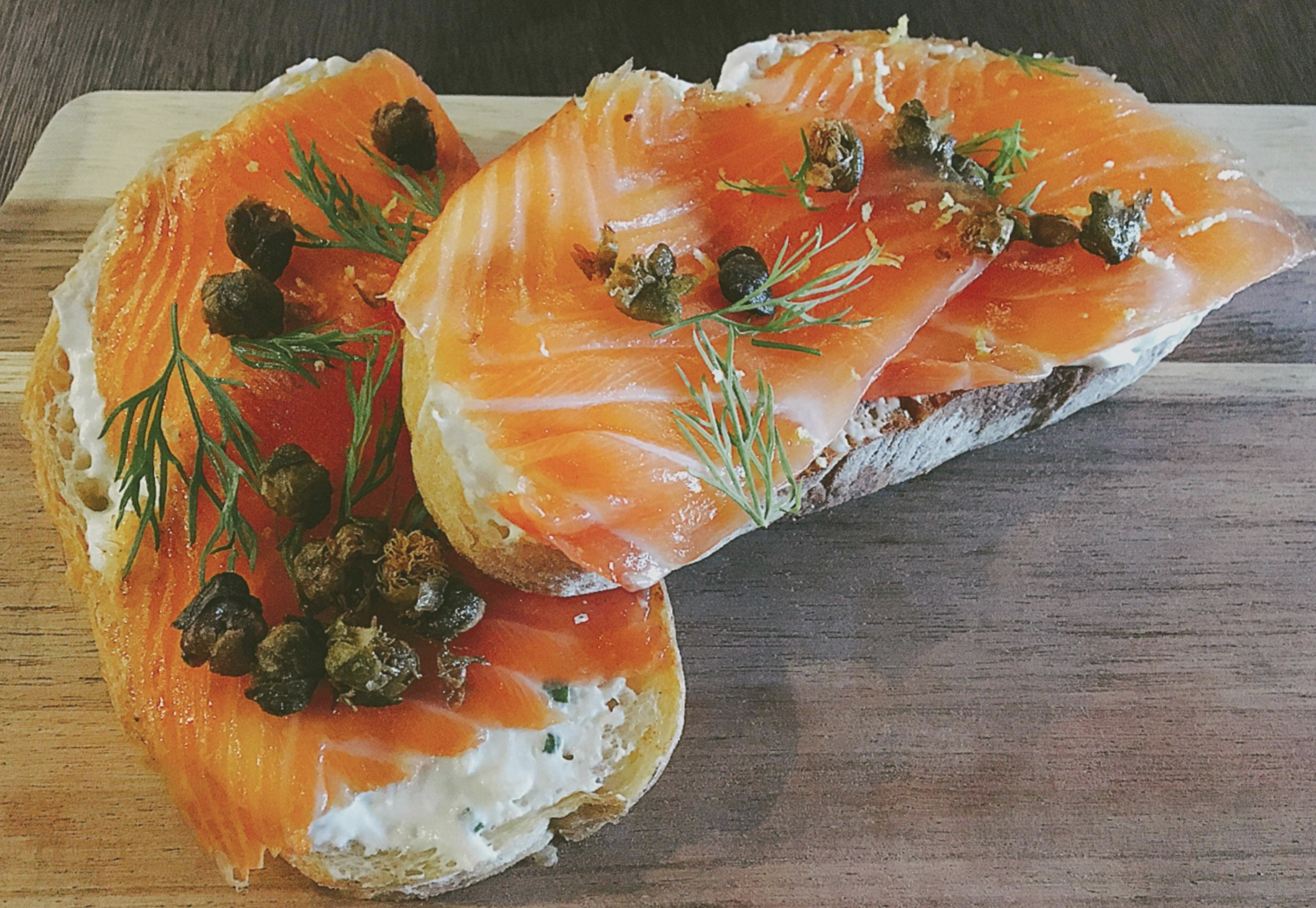
Smoked salmon was a brunch flex in the 80s. It was expensive, not something every grocery store carried, and often reserved for special occasions. Ordering a bagel with lox or serving smoked salmon at home felt luxurious and a little glamorous.
Pasta Primavera

Pasta primavera became a symbol of “upscale Italian-American dining” in the 80s. It was lighter, more colorful, and felt more refined than heavier red-sauce dishes. Restaurants used it to show they were modern, fresh, and fancy.
Quiche
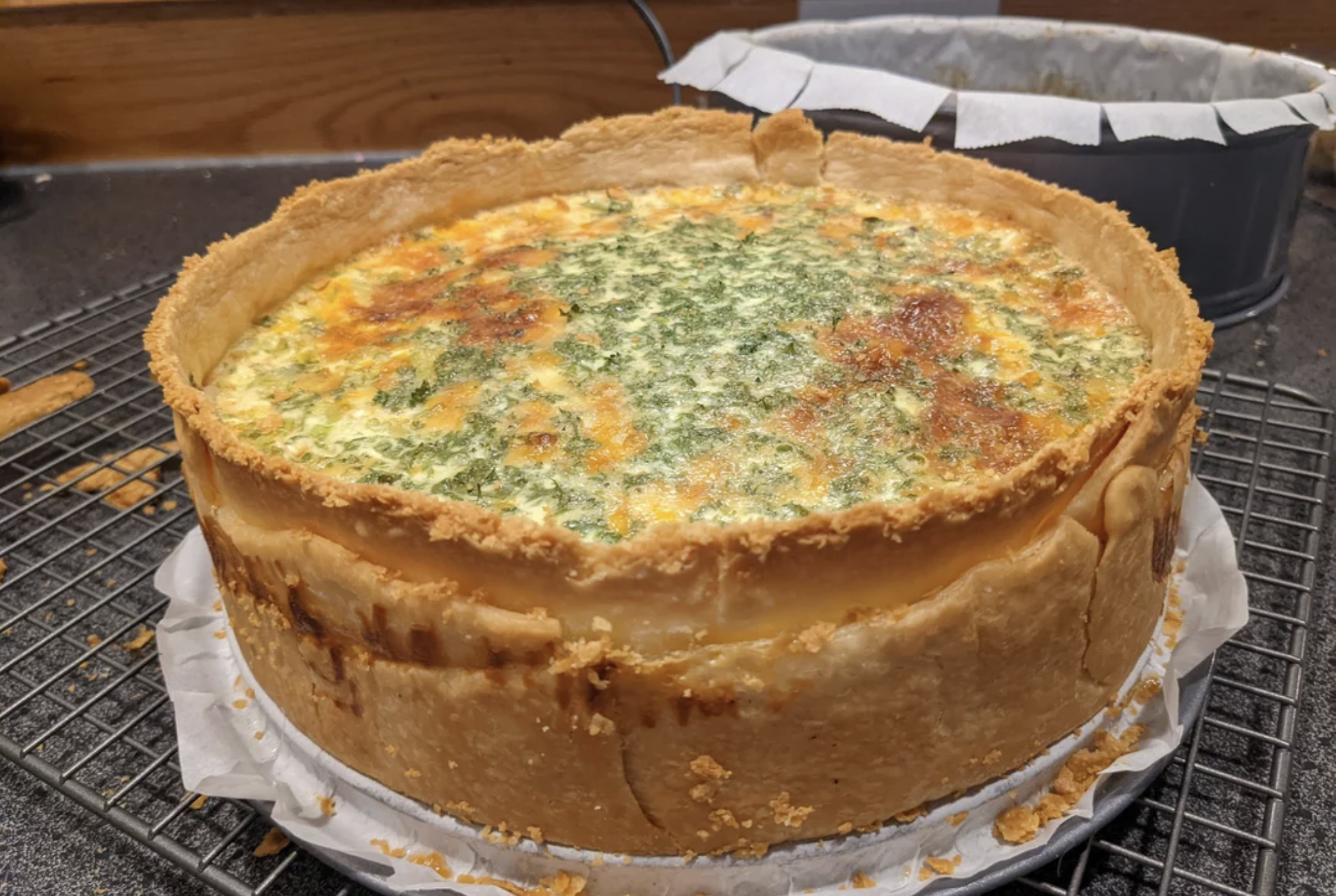
Quiche had a major moment in the 80s. It was associated with brunch, entertaining, and a certain kind of middle-class elegance. A homemade quiche made you seem like someone who hosted gatherings with linen napkins and wine glasses.
Trending on The Scroller

Pesto
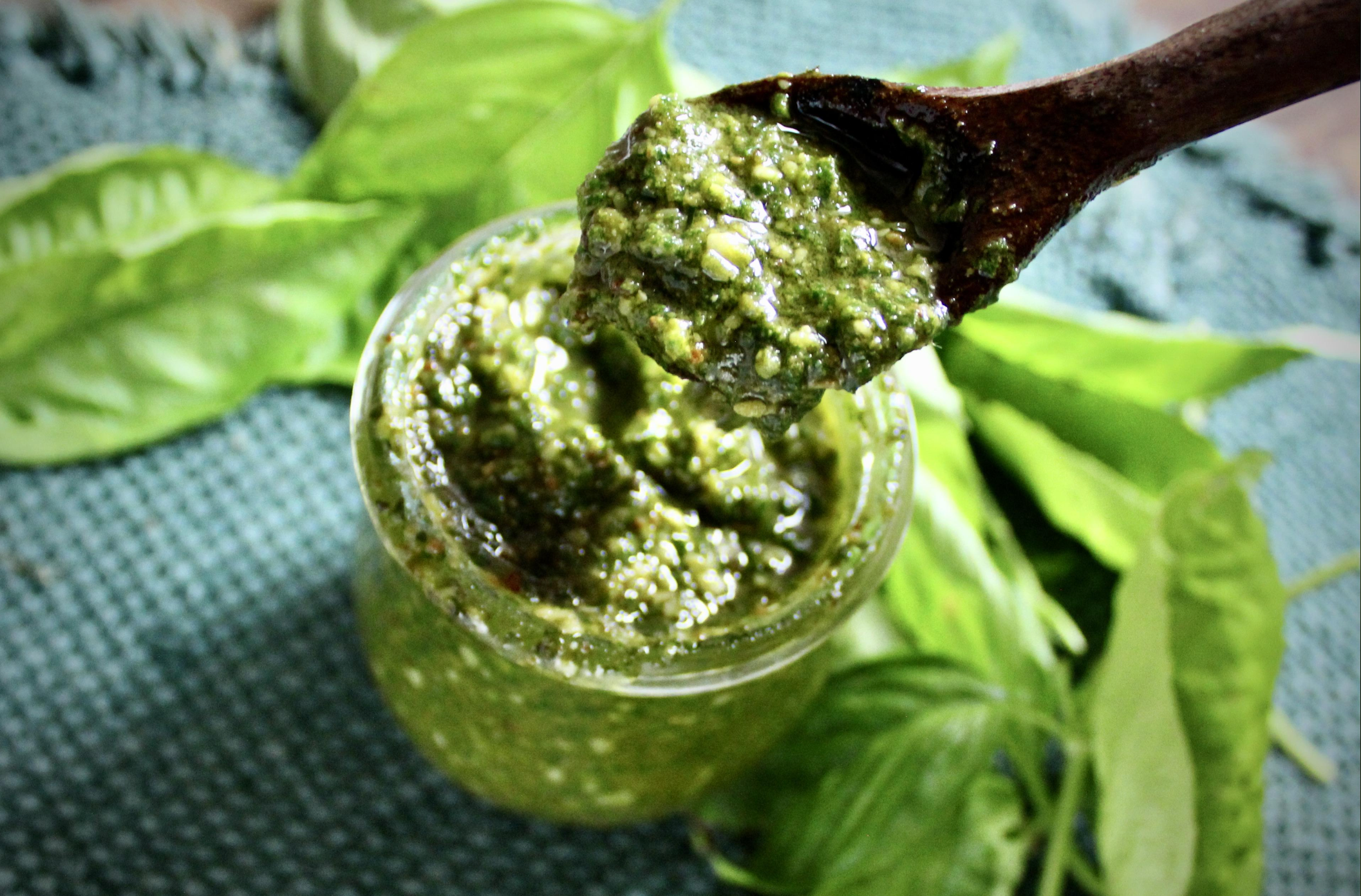
Pesto wasn’t a standard pantry staple yet. In the 80s, it was still seen as a specialty sauce, something you might buy at a gourmet store or make if you were adventurous. It felt like a “real Italian” ingredient that elevated any dish.
Balsamic Vinegar
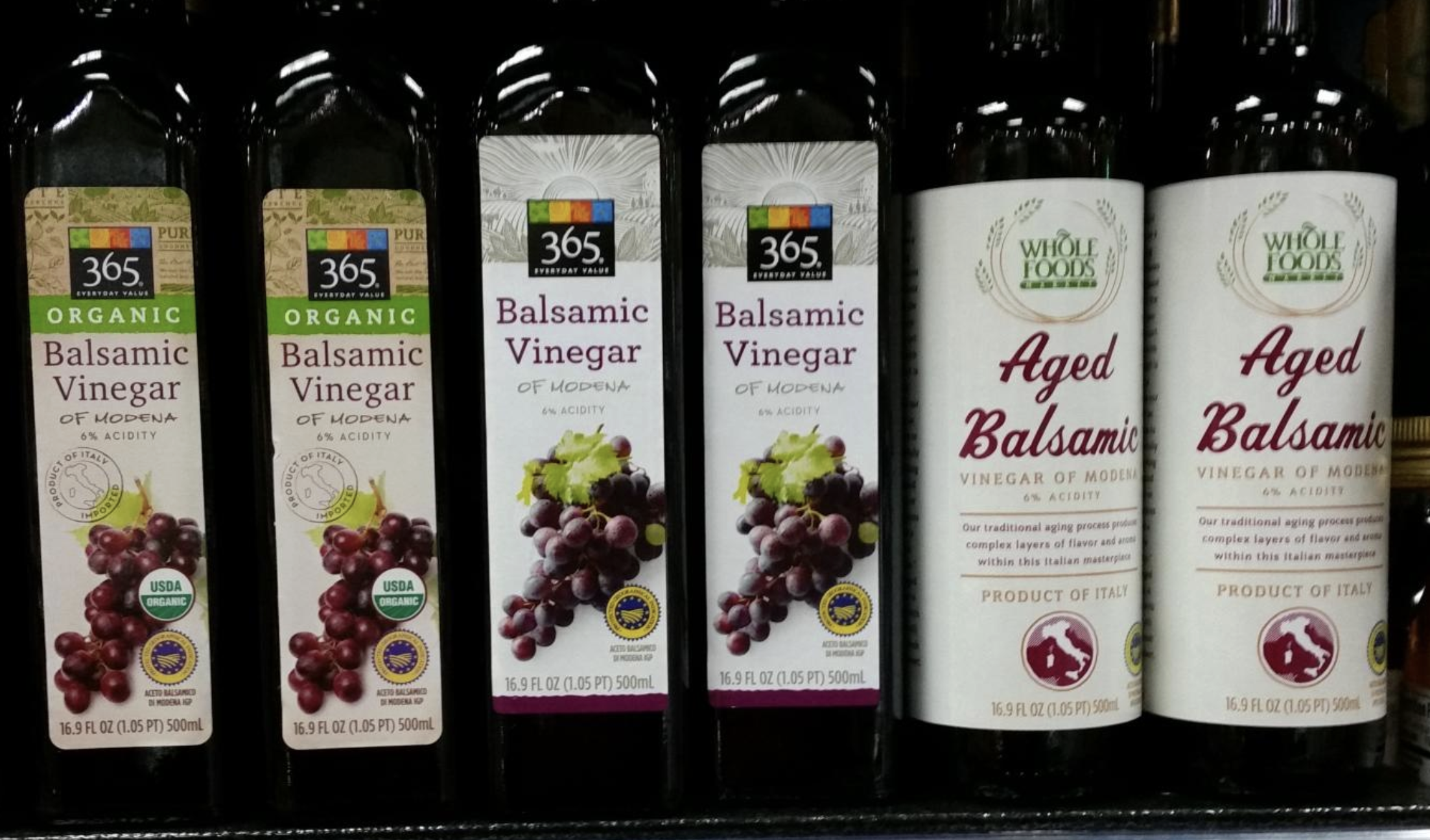
Balsamic vinegar was once a fancy import that made salads feel restaurant-level. In the 80s, it wasn’t a basic condiment in most kitchens. If you had balsamic vinegar on your shelf, you probably also had fancy olive oil and a matching salad bowl set.
Olive Oil (Extra Virgin)
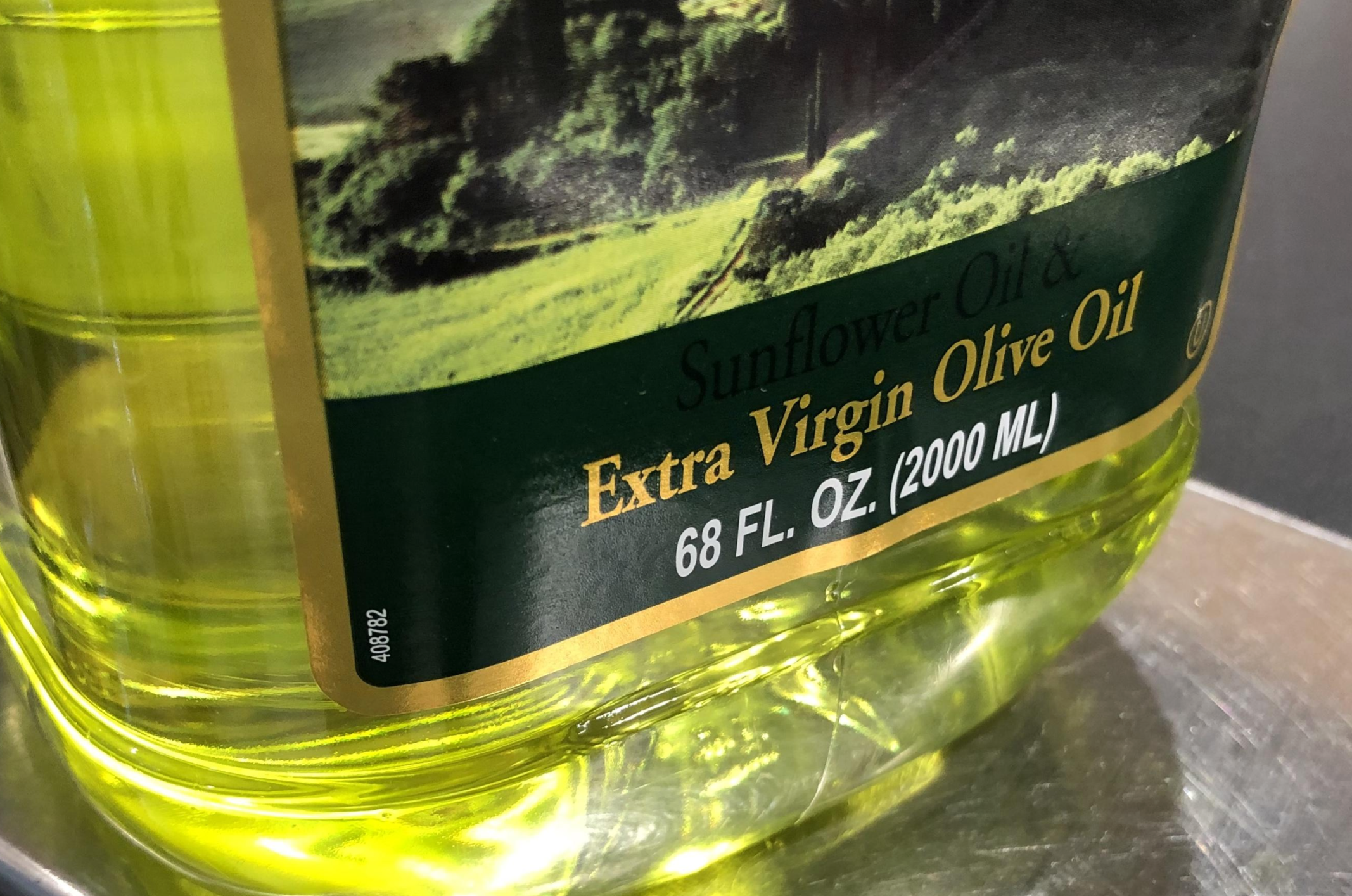
It’s hard to imagine now, but olive oil wasn’t always the default cooking oil. In the 80s, extra virgin olive oil was a sign of elevated taste. It was seen as healthier, more European, and more expensive than vegetable oil or margarine.
Sign up for our newsletter
Gourmet Coffee
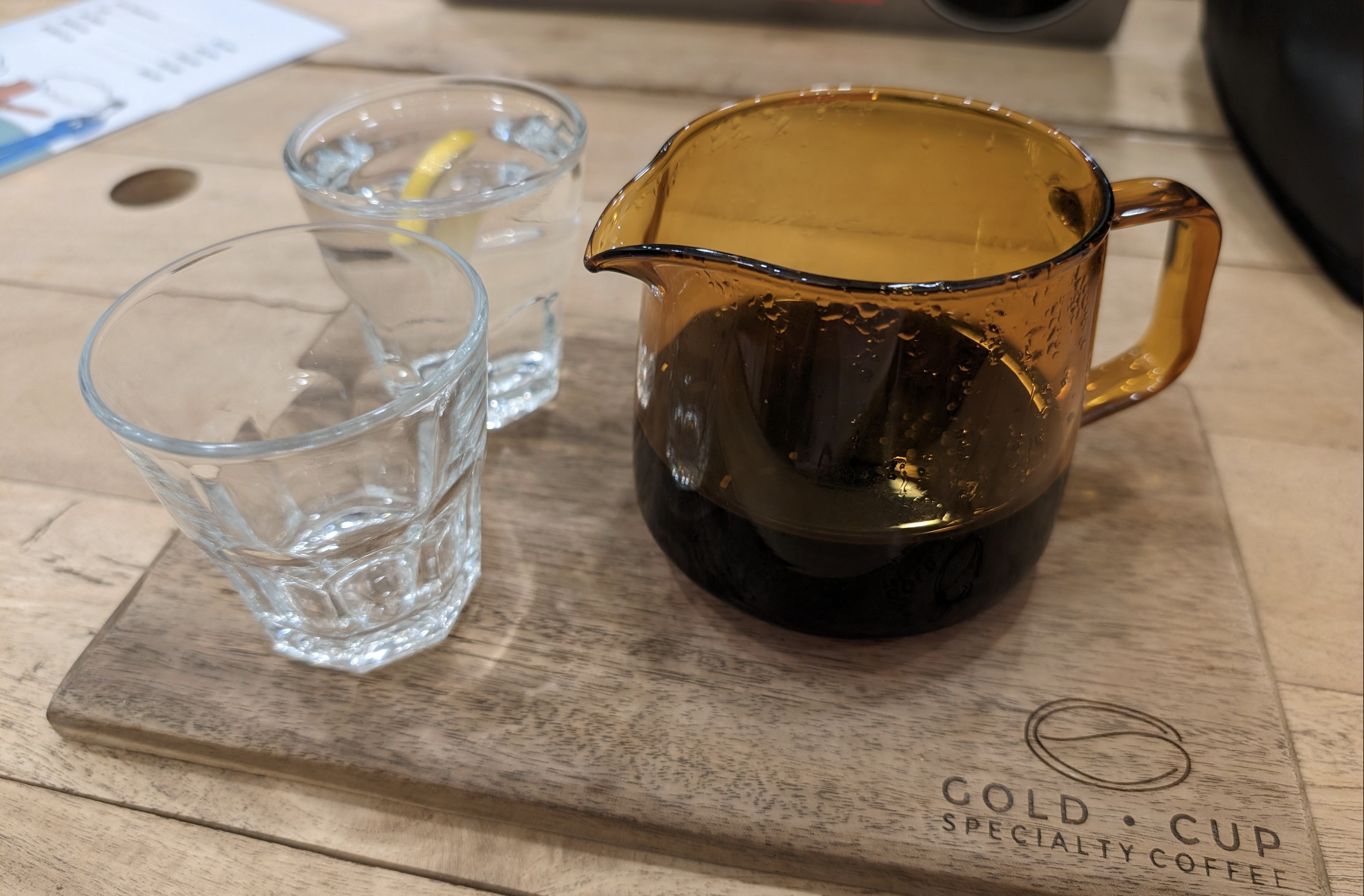
Coffee culture was changing in the 80s. Gourmet coffee beans and specialty blends felt upscale, especially if you bought them from a café or had a grinder at home. Drinking “real coffee” instead of instant felt like a luxury lifestyle choice.
Sushi

In the 80s, sushi was still exotic to many Americans. It was associated with business lunches, big-city dining, and sophistication. Going out for sushi felt like a special event, and knowing what to order made you seem worldly.
Avocados
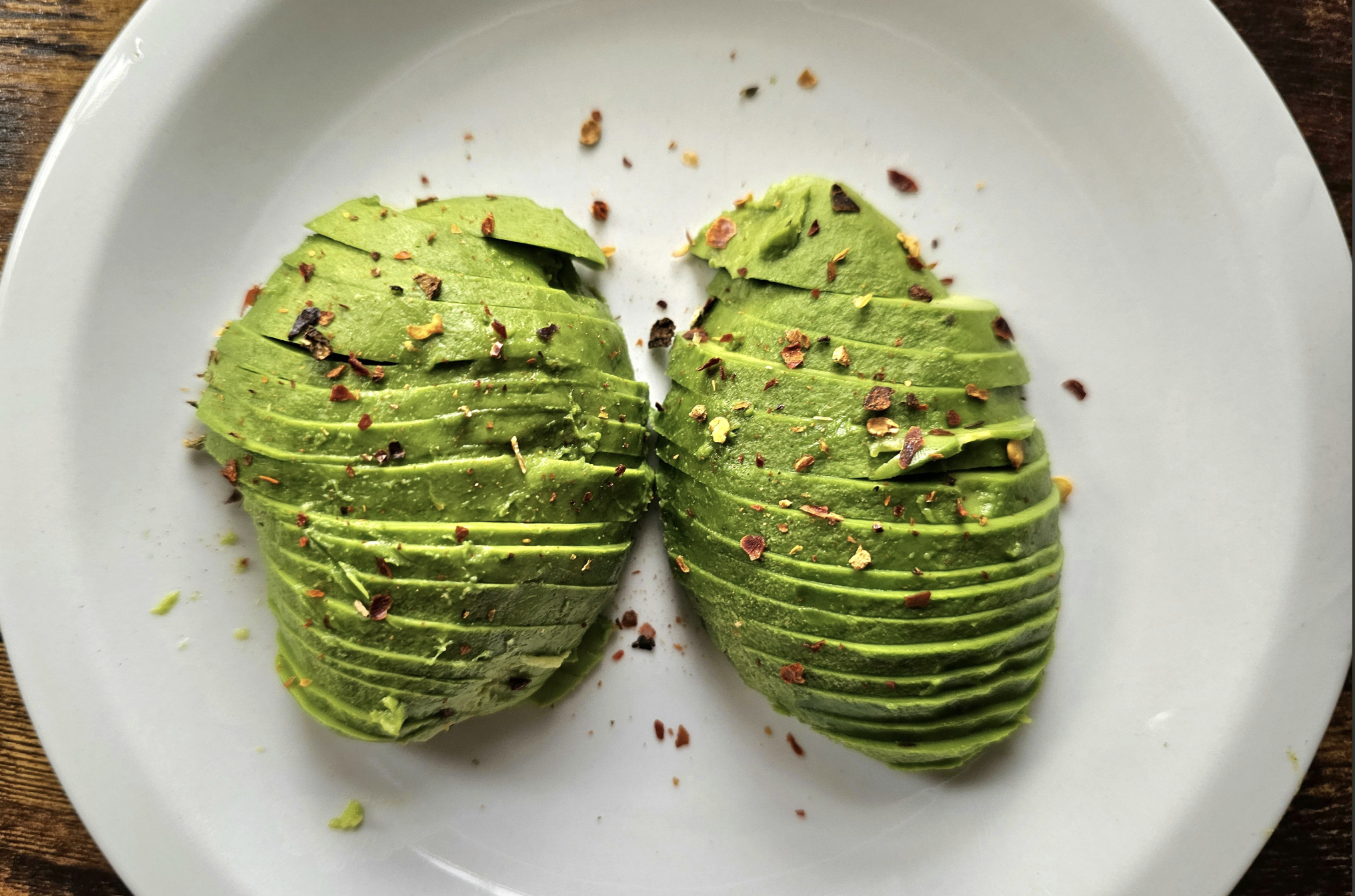
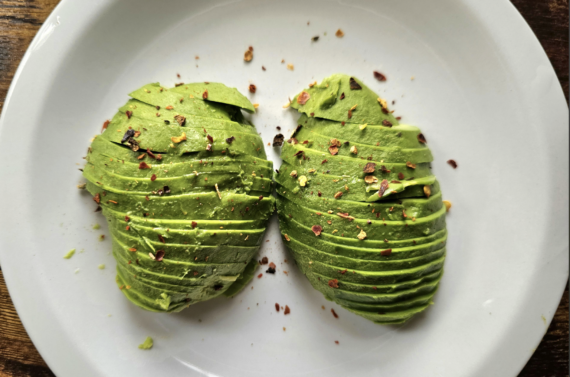
Avocados weren’t everywhere yet. In the 80s, they were more regional and less common nationwide. Serving avocado in salads or on sandwiches felt trendy and upscale, especially because they were harder to find and often pricier.
Shrimp Cocktail
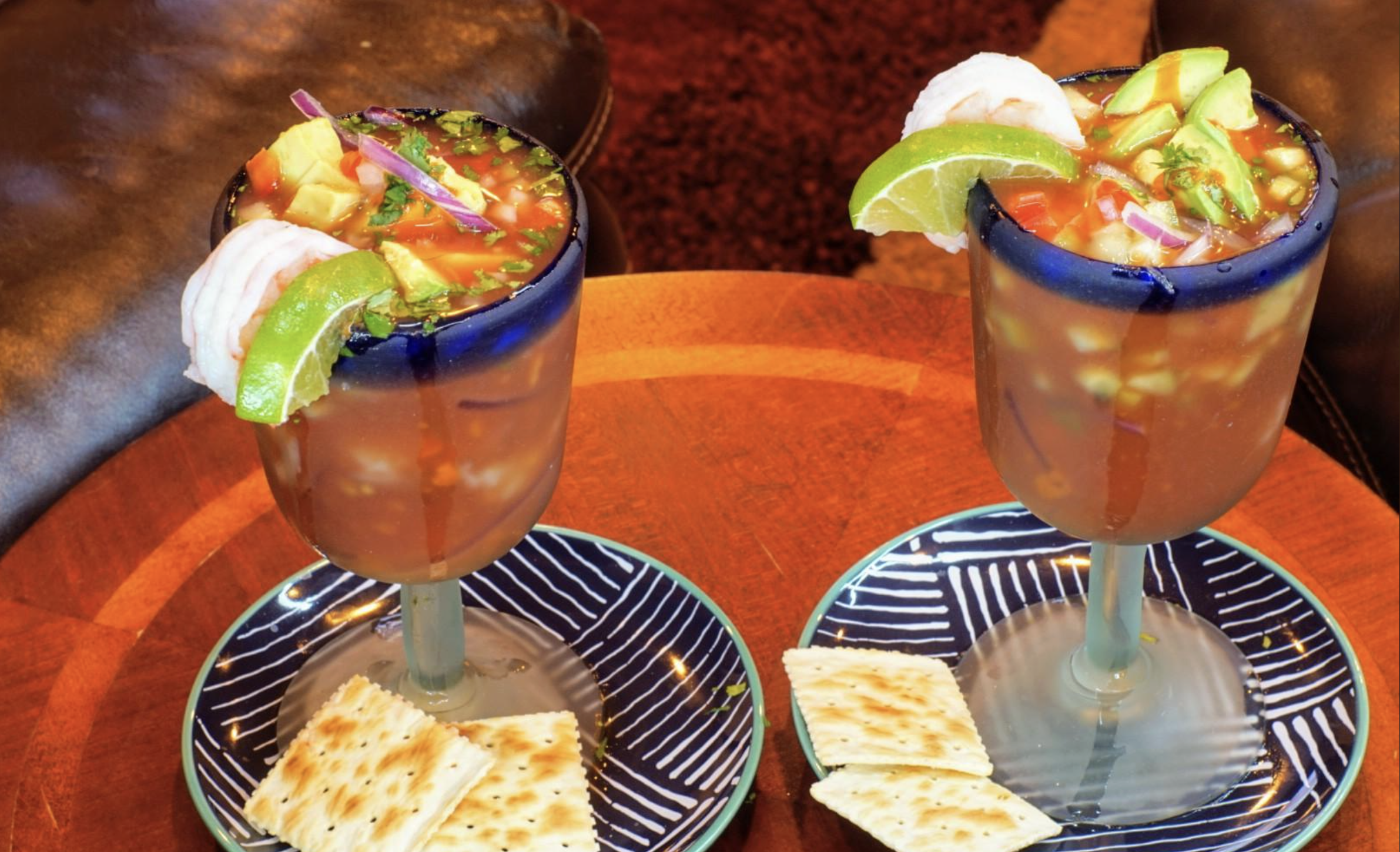
Shrimp cocktail was peak ’80s luxury. It was a party staple at upscale gatherings, often served on ice with dramatic presentation. Shrimp wasn’t as affordable or widely available as it is now, so it was considered an indulgence.
Fresh Berries (Out of Season)
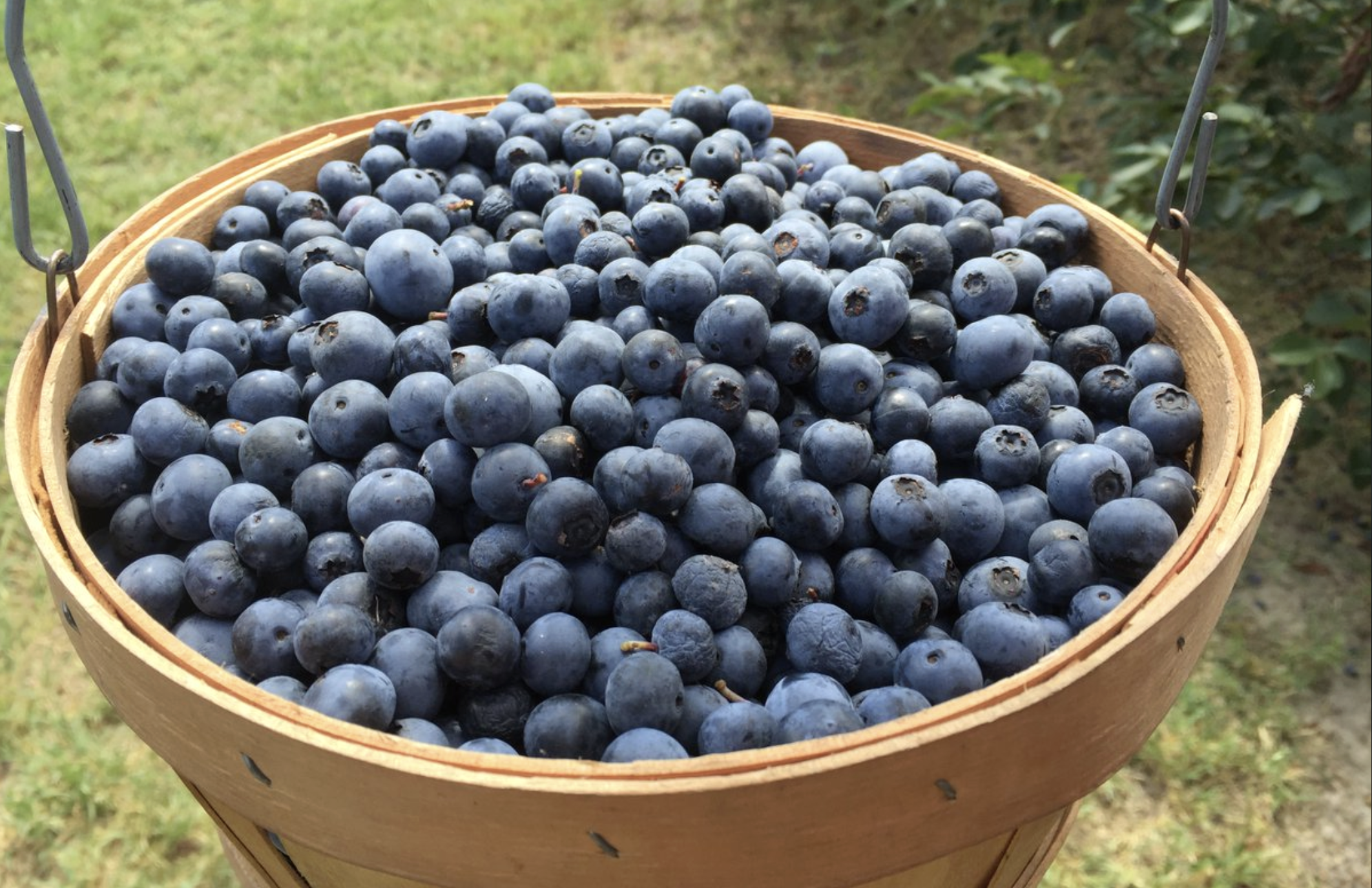
In the 80s, buying fresh berries in winter felt like a serious splurge. They were expensive, often imported, and seen as a luxury item. A bowl of strawberries on the table wasn’t just food, it was a statement.
Artichokes
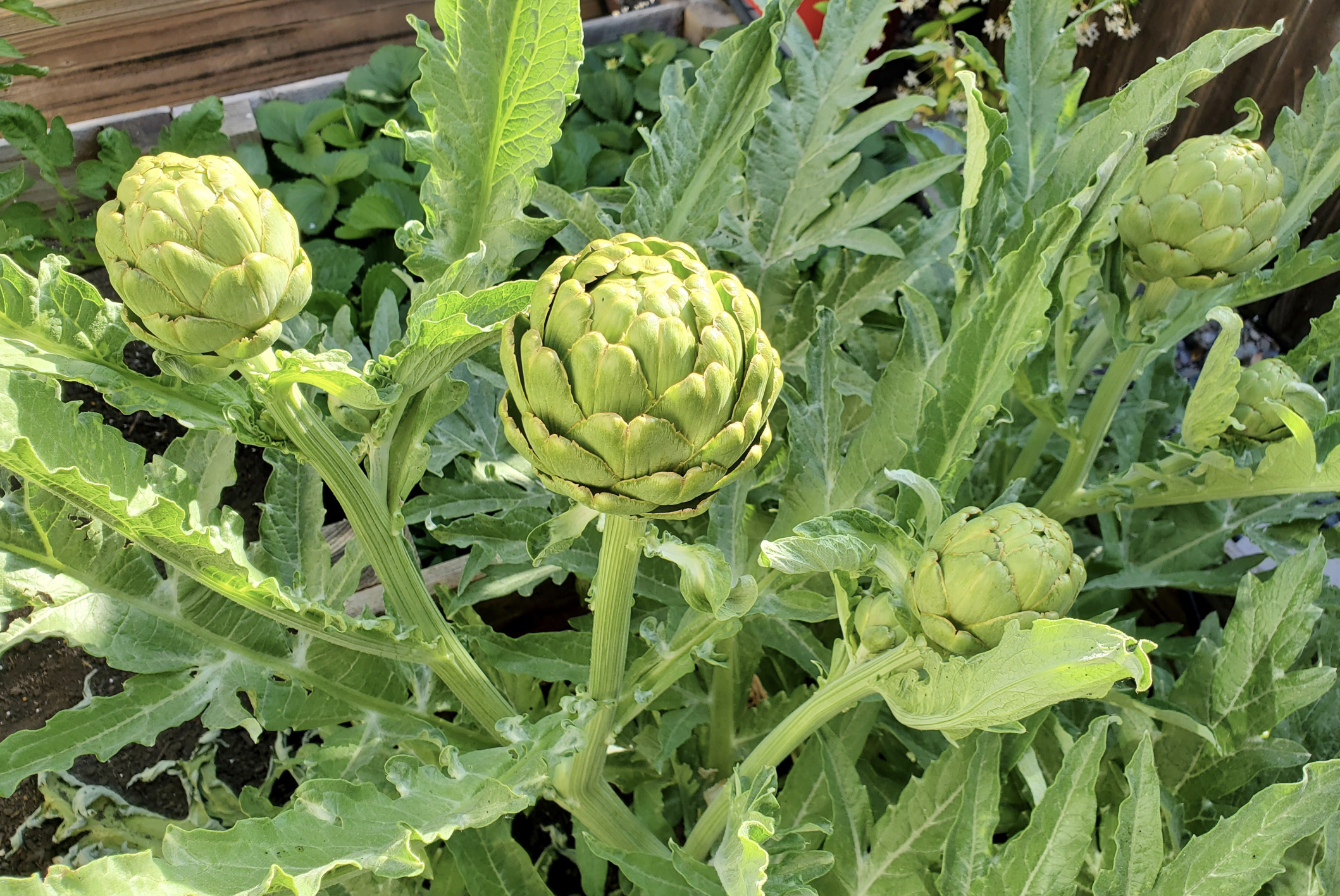
Artichokes were considered intimidating and fancy. They weren’t a typical weeknight vegetable, and eating them felt like a whole event. If you served artichokes with butter or lemon, it meant you were cooking something “special.”
Bagels With Cream Cheese
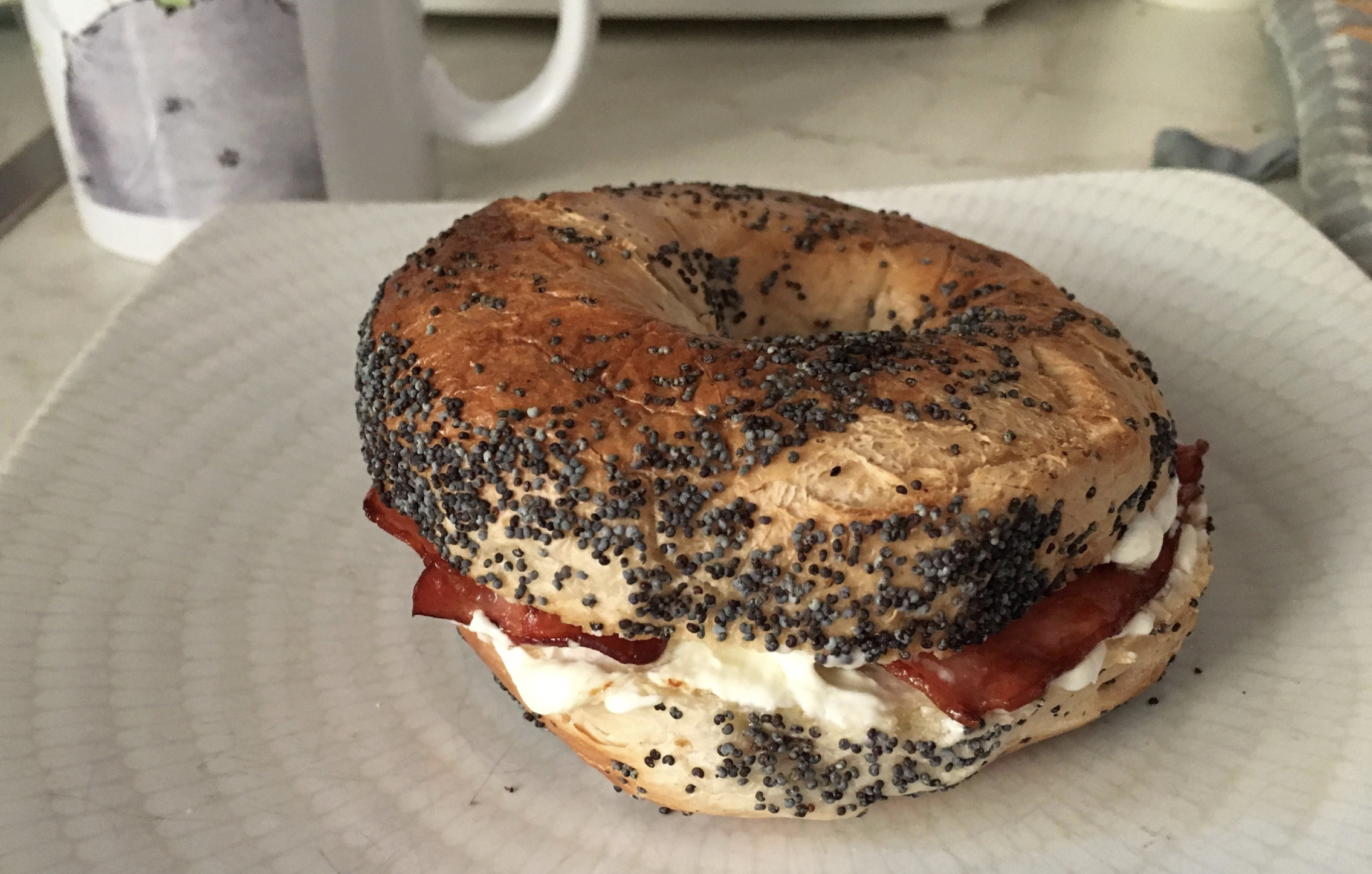
Bagels weren’t the everyday breakfast item they are now. In many places, they were still a specialty food associated with New York delis and upscale brunch culture. Bagels with cream cheese felt trendy and a little elite.
Specialty Mustards
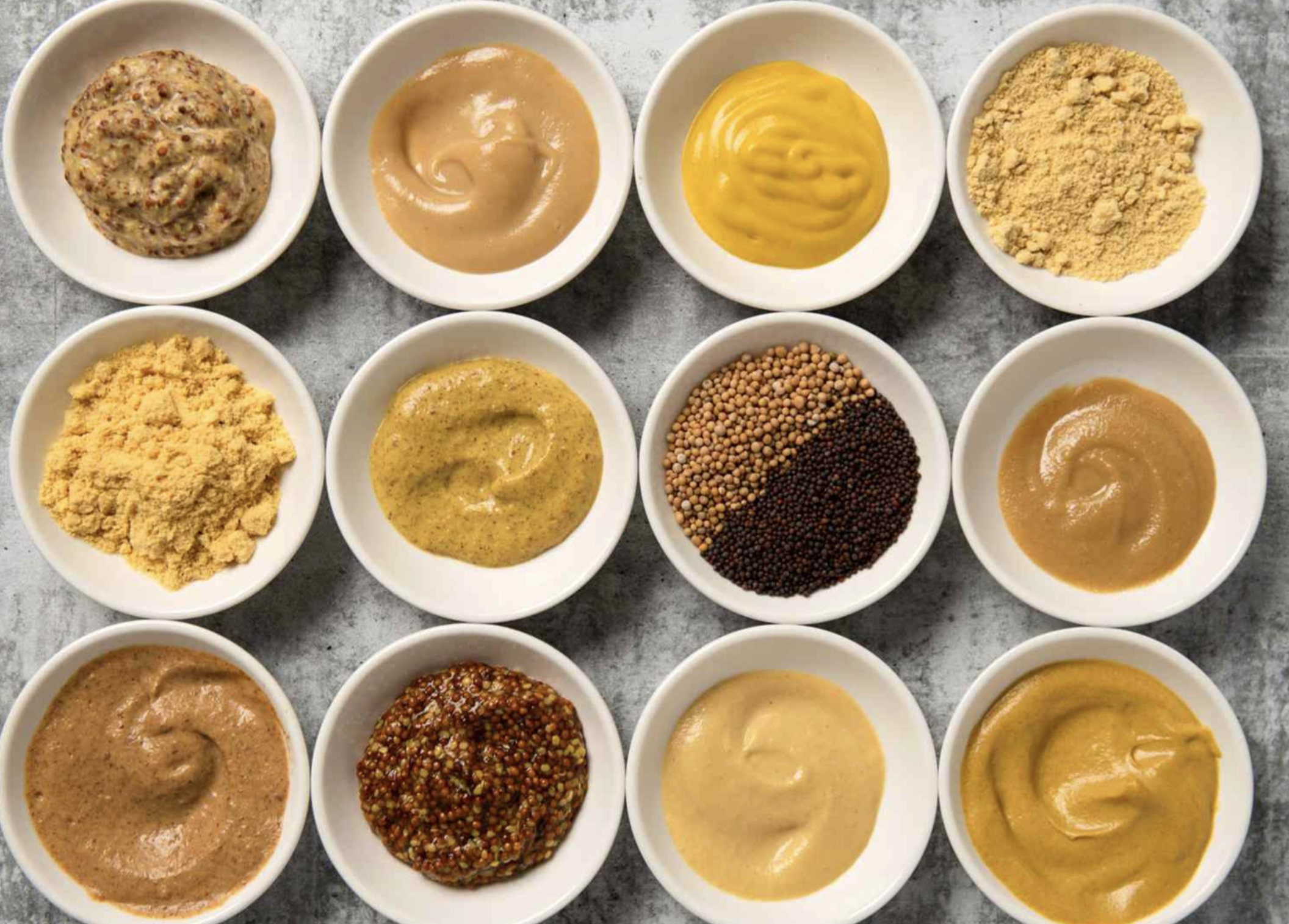
Grey Poupon wasn’t just mustard; it was a status symbol. In the 80s, having Dijon mustard or specialty mustards made your kitchen feel elevated. It was the kind of thing people referenced in commercials as shorthand for “fancy.”
Cheesecake
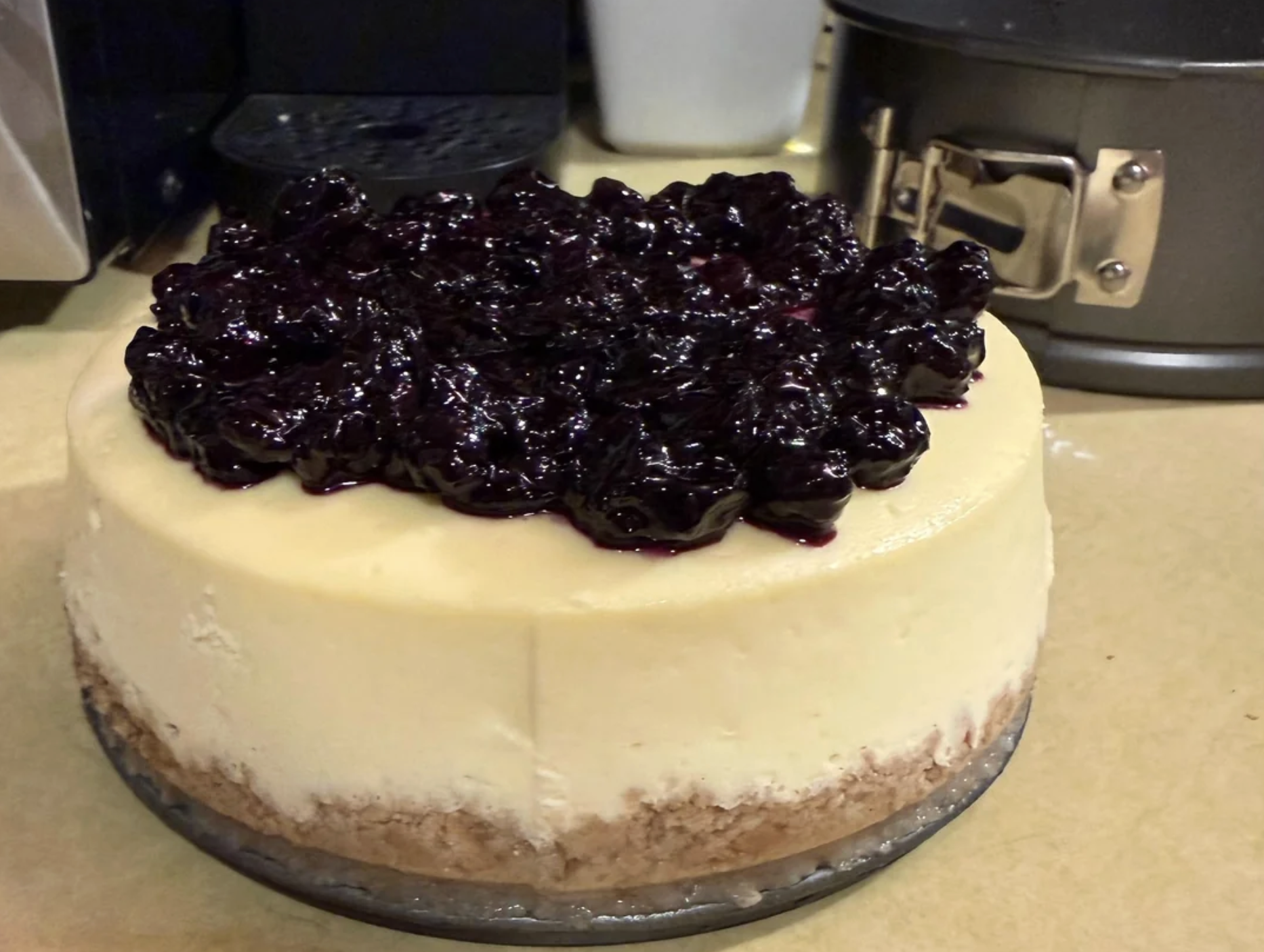
Cheesecake was a dessert that felt indulgent and upscale, especially when served at restaurants or bought from a bakery. It wasn’t a casual weeknight dessert for most households; it was something you got for celebrations or guests.
Imported Chocolate
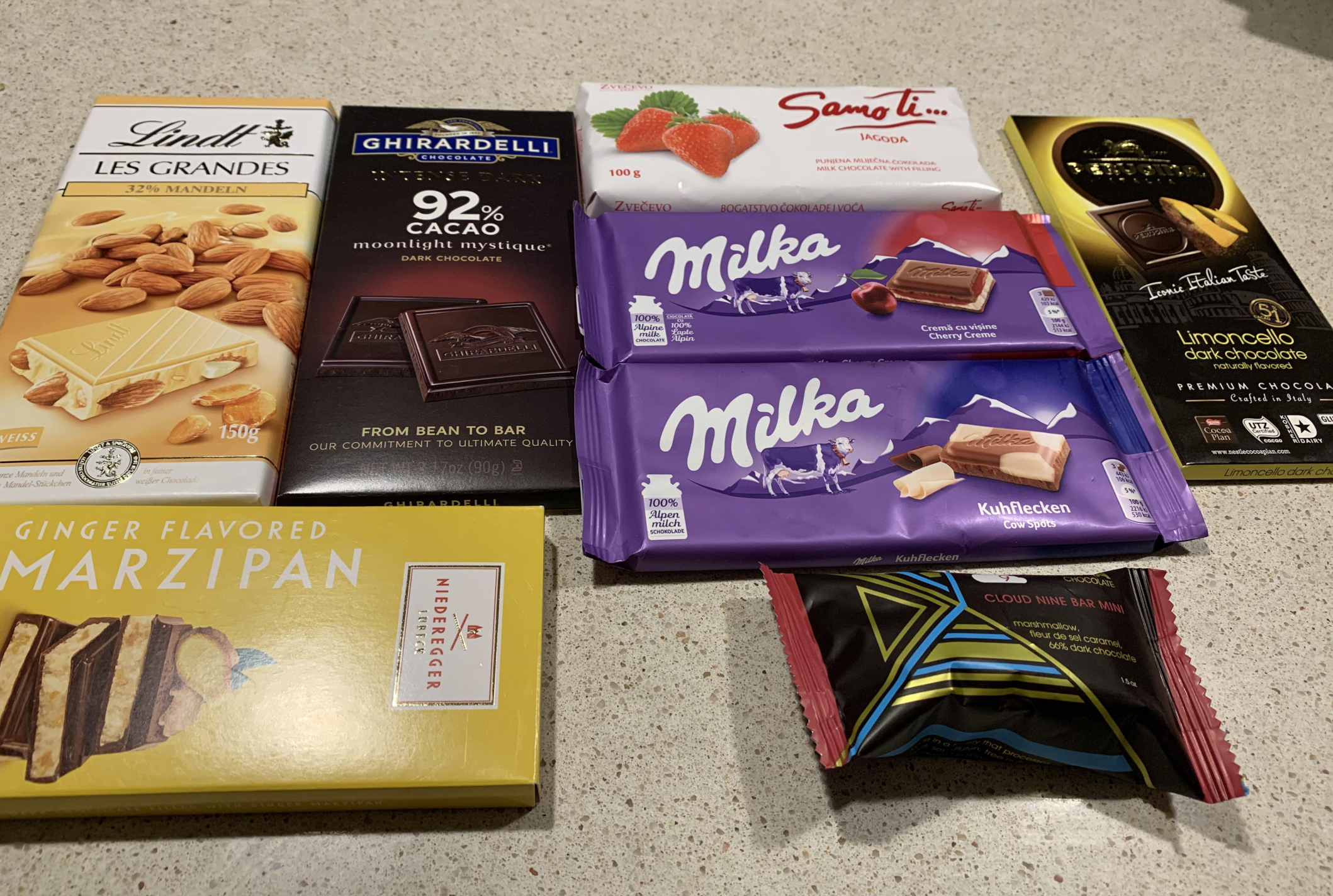
Chocolate wasn’t just candy in the ’80s. Imported European chocolate felt refined and expensive. Giving someone a box of fancy chocolates was a classic luxury gift, and serving it at home felt like you had high-end taste.
Sparkling Water
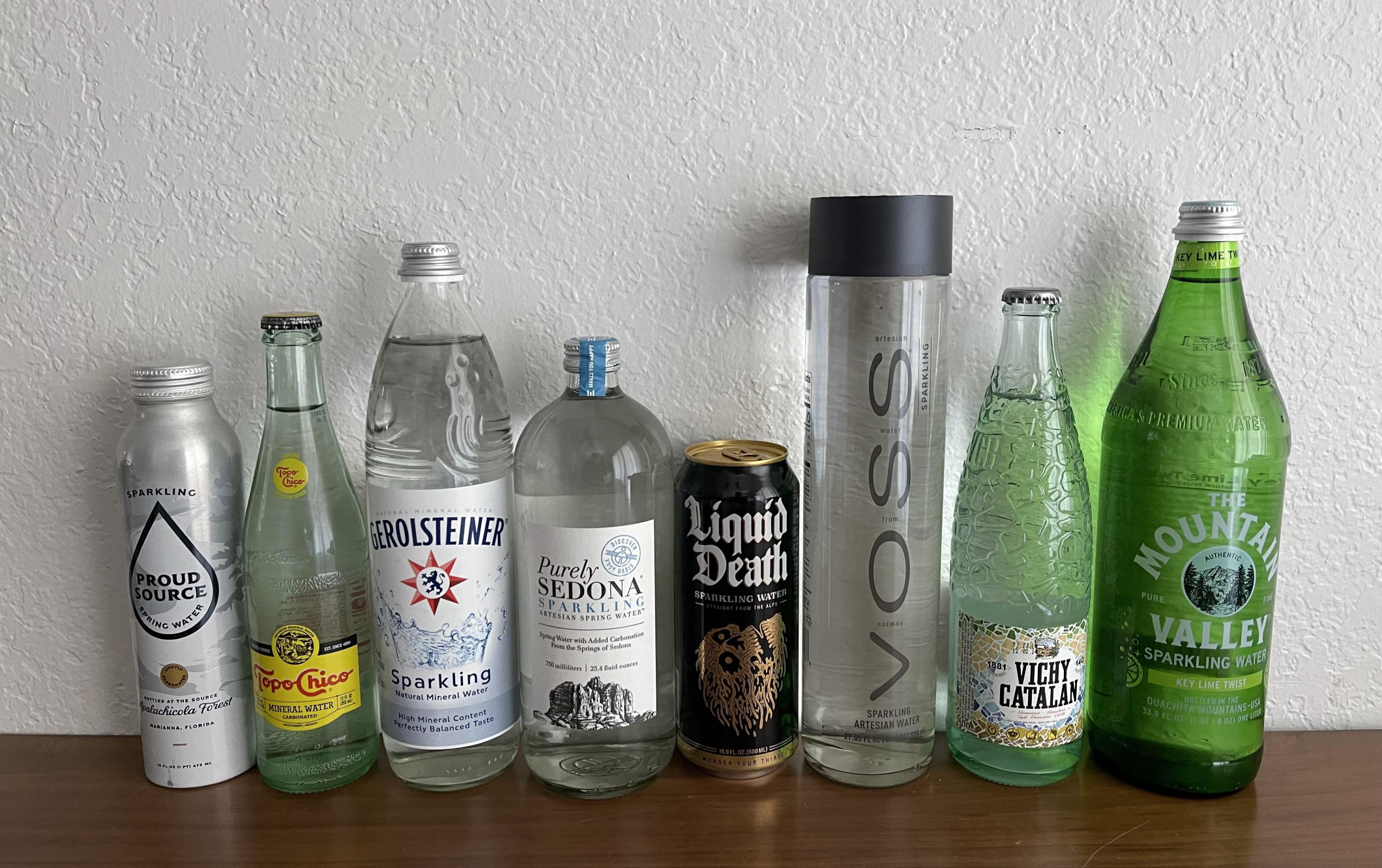
In the 80s, sparkling water was associated with upscale dining and European habits. It wasn’t a basic fridge staple. Ordering sparkling water at a restaurant made you seem classy, and keeping it at home felt like a luxury upgrade.
Frozen Yogurt
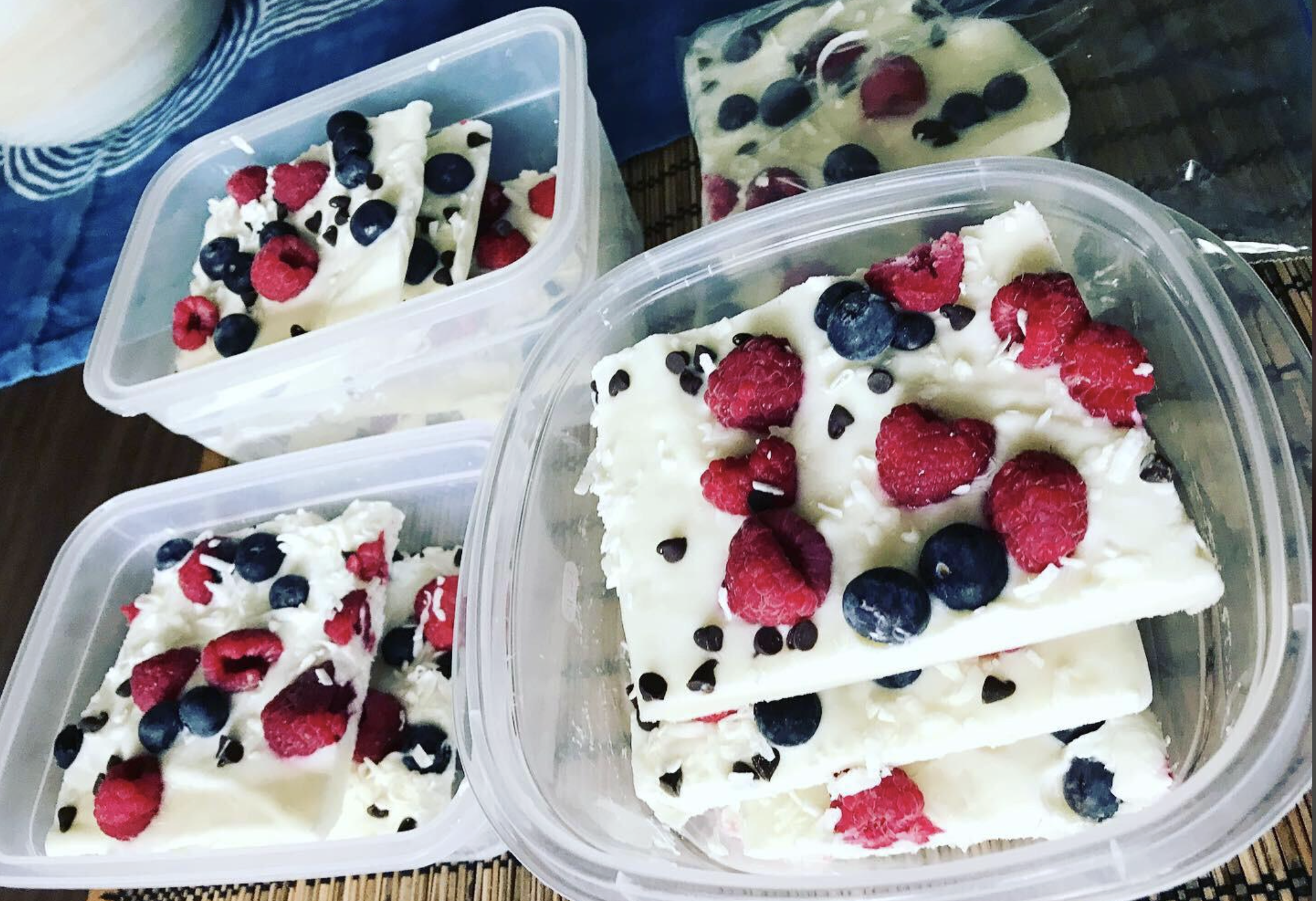
Frozen yogurt became a health-conscious luxury treat in the 80s. It felt trendy and modern, and going out for frozen yogurt was part of the decade’s obsession with wellness, diet culture, and “lighter” indulgences.
Explore more vintage content:
Luxury foods in the 1980s weren’t always about rare ingredients; they were about what felt new, imported, sophisticated, or trendy. Many of the foods that once seemed reserved for fancy restaurants or special occasions are now everyday grocery staples.
And that’s what makes food history so fun. The next time you drizzle balsamic vinegar on a salad or grab sushi on a Tuesday night, remember: in the 80s, that would’ve been a major flex. If you loved this content, check out 15 Grammy Winners Who Changed Music Forever, or 15 Service Dogs Who Did a Great Job (and We’ll Never Forget).