
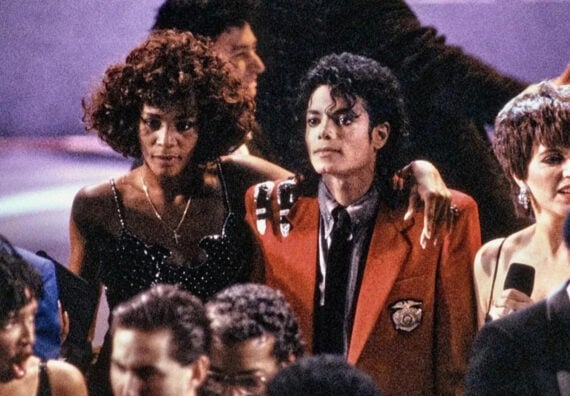
The Grammy Awards have long been one of music’s biggest stages, not just a place to honor the year’s best work, but a platform that can cement a legacy. While many artists have won Grammys, only a handful have truly reshaped the sound of popular music, pushed genres into new territory, or inspired generations of musicians who came after them. These Grammy winners didn’t just collect trophies, they changed the culture, rewrote the rules, and helped define what music could be.
The Beatles

Few Grammy winners have had a cultural impact as enormous as The Beatles, whose music didn’t just dominate charts, it transformed modern pop forever. Their evolution from catchy early rock into more experimental and studio-driven masterpieces helped redefine what an album could be, influencing everything from songwriting structure to production techniques. The Beatles proved that mainstream music could be innovative, artistic, and emotionally complex, and their influence still echoes in nearly every genre today.
Aretha Franklin

Aretha Franklin’s Grammy-winning legacy helped set the gold standard for soul music, vocal performance, and emotional storytelling. Her voice carried power, grit, and grace all at once, and she brought gospel intensity into pop and R&B in a way that changed how singers approached performance. Beyond her technical brilliance, Aretha’s music became symbolic, an anthem of empowerment, identity, and resilience that shaped the sound and spirit of American music.
Michael Jackson

Michael Jackson didn’t just win Grammys, he helped redefine what it meant to be a global pop star. His music fused pop, R&B, funk, and rock with unmatched precision, while his performances and music videos turned pop culture into spectacle. With albums like Thriller, Jackson elevated production, choreography, and visual storytelling into essential parts of music artistry, influencing nearly every modern pop artist who followed.
Stevie Wonder

Stevie Wonder changed music by proving that soul, funk, pop, and social commentary could coexist in one genius body of work. His Grammy-winning era in the 1970s helped set new standards for songwriting and production, especially through the innovative use of synthesizers and layered instrumentation. Wonder’s music balanced optimism with truth, and his ability to blend catchy melodies with deep meaning created a blueprint for artists who wanted both mainstream success and artistic credibility.
Whitney Houston

Whitney Houston’s Grammy-winning voice became the benchmark for modern vocal performance, influencing generations of singers across pop and R&B. Her ability to combine technical perfection with emotional force reshaped expectations for what a lead vocalist could do, both on record and on stage. Houston’s impact wasn’t just in her hits, it was in the way her sound defined an era and turned vocal excellence into a cultural obsession.
Trending on The Scroller


Prince

Prince was a musical revolution wrapped in one artist, and his Grammy-winning career helped break boundaries around genre, image, and creative control. He blended funk, rock, pop, R&B, and electronic music into something uniquely his own, while also pushing the industry to respect artists as complete visionaries. Prince changed music not only through his sound, but through his fearless individuality and insistence on artistic freedom.
Madonna

Madonna’s Grammy-winning career didn’t just shape pop, it helped invent modern pop stardom. She mastered reinvention, turning each era into a new sound and a new identity, while using music videos, fashion, and controversy as artistic tools. Madonna made pop performance as important as pop music, and her influence can be seen in nearly every major female artist who has dominated the charts since.
Bob Dylan

Bob Dylan’s Grammy-winning legacy rests in his ability to reshape songwriting itself, bringing poetic language and political consciousness into popular music. He helped prove that lyrics could carry the same weight as literature, inspiring artists to treat songwriting as serious art. Dylan’s influence stretches across folk, rock, and beyond, and his work helped define the idea of the musician as a storyteller and cultural commentator.
Sign up for our newsletter
Beyoncé

Beyoncé has changed music by merging vocal excellence, performance mastery, and cultural storytelling into one unstoppable force. Her Grammy-winning projects, especially her later albums, expanded what mainstream pop and R&B could say and represent, centering identity, empowerment, and experimentation. Beyoncé also raised the standard for visual albums and live performance, proving that pop can be both commercially dominant and artistically ambitious.
Kendrick Lamar

Kendrick Lamar’s Grammy wins represent a major cultural shift: hip-hop not just as entertainment, but as literature, journalism, and art. His albums blend complex narratives with jazz, funk, and experimental production, elevating rap into a space where concept albums can still top charts. Kendrick changed music by proving that deeply thoughtful, socially aware hip-hop could be mainstream, and that lyrical brilliance can drive popular culture.
Taylor Swift

Taylor Swift has reshaped modern music by mastering both storytelling and reinvention, moving from country roots into pop and indie-inspired sounds while maintaining massive commercial success. Her Grammy-winning albums reflect her ability to capture emotion with detail and clarity, influencing how modern artists approach songwriting. Swift also changed the industry by fighting for artist rights and ownership, inspiring a new generation to treat their catalogs as legacies.
Jay-Z

Jay-Z helped redefine hip-hop as an empire-building art form, turning rap into both cultural commentary and business mastery. His Grammy-winning career spans decades, and his influence can be seen in how artists today build brands, labels, and platforms alongside their music. Jay-Z’s storytelling, swagger, and evolution helped move hip-hop into the center of global culture.
Billie Eilish

Billie Eilish changed music by proving that whispery, minimalist, genre-blending pop could dominate the mainstream. Her Grammy-winning sound rejected the glossy formula of radio pop and embraced mood, intimacy, and experimental production. Eilish opened the door for a new generation of artists who value authenticity and atmosphere over traditional pop polish.
Daft Punk

Daft Punk’s Grammy-winning impact reshaped electronic music’s place in the mainstream, blending futuristic production with emotional warmth and irresistible groove. Their work helped push dance music into pop’s center, influencing everything from club culture to global radio hits. Daft Punk also changed how music audiences think about image, anonymity, and performance identity.
Adele

Adele’s Grammy-winning career helped revive the power of classic ballads in a world dominated by fast-paced pop trends. Her voice, emotional honesty, and timeless songwriting reminded listeners that simplicity can be revolutionary when it’s done with truth. Adele changed music by making heartbreak feel universal and proving that raw vocals and real emotion can still rule the charts.
Explore more vintage content:
Grammy winners come and go, but the artists who truly change music leave something permanent behind: a new sound, a new standard, or a new way of thinking about art itself. These 15 winners didn’t just make hit songs, they shifted genres, influenced generations, and shaped the culture that surrounds music. Long after awards are handed out, their impact continues in every playlist, every performance, and every artist daring enough to do something different. If you loved this content, check out 20 Foods You Didn’t Know You Needed to Try, or 20 Best Places to Visit in Your 20s.