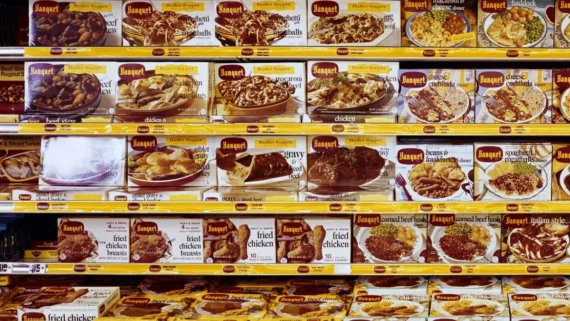
Nutrition advice hasn’t always been consistent. Over the decades, certain foods have been labeled unhealthy due to early research, diet trends, or misunderstandings about ingredients. As scientists have learned more about how nutrition actually affects the body, many of those foods have been reevaluated. In some cases, foods that were once widely avoided are now considered perfectly reasonable choices when eaten in moderation as part of a balanced diet. Here are 18 everyday foods that once had a bad reputation but have since been reconsidered.
Popcorn

Popcorn often gets lumped in with junk food, especially because of movie theater versions loaded with butter and salt. However, air-popped popcorn is a whole grain and naturally high in fiber, making it a surprisingly nutritious snack when kept simple.
Pickles

Pickles were once criticized mainly for their sodium content. While it’s true they can be salty, they’re also low in calories and can provide beneficial probiotics when fermented naturally.
Cottage Cheese
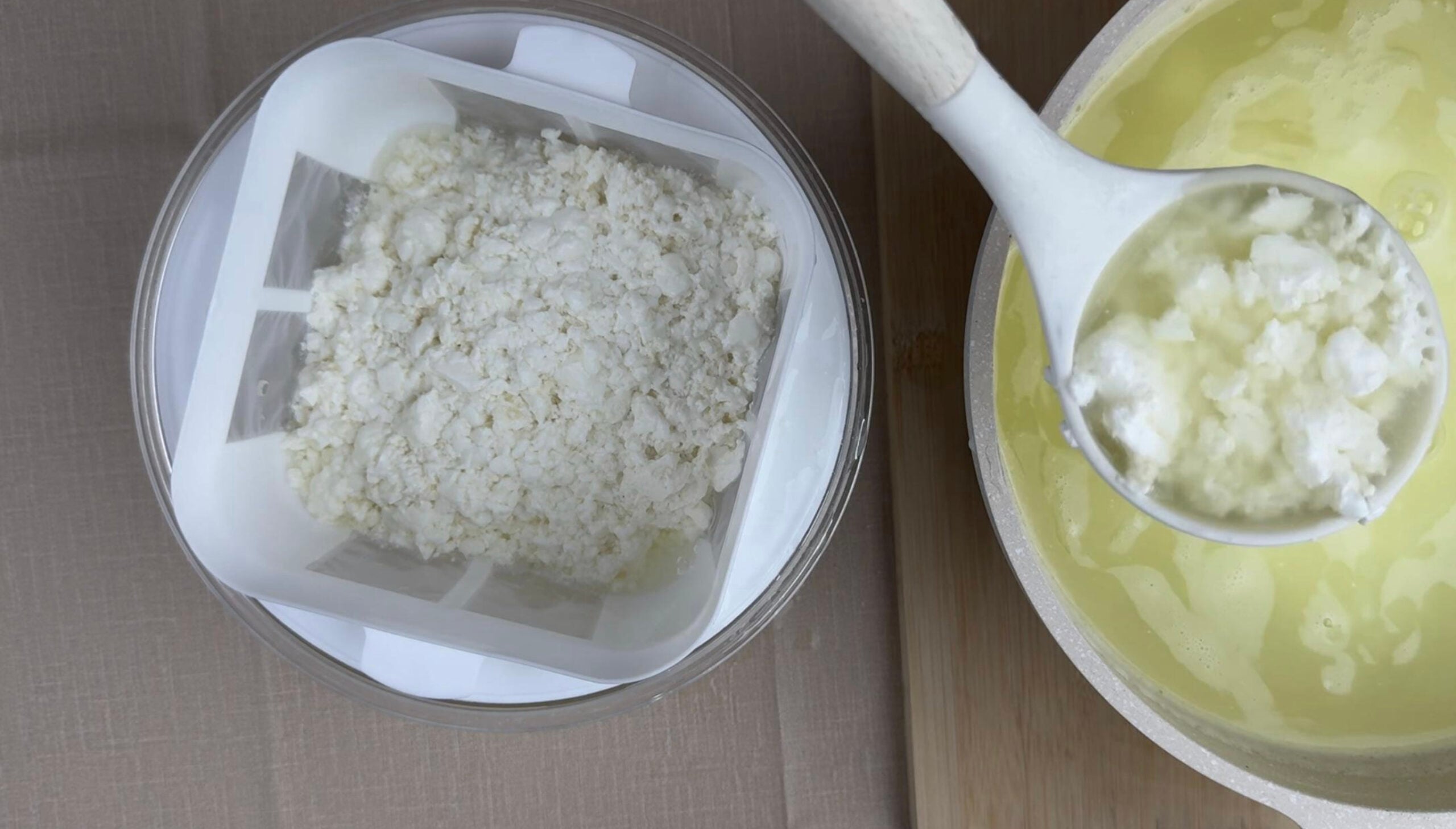
Cottage cheese sometimes gained a reputation as a “diet food” to avoid due to its sodium levels or bland flavor. In reality, it’s a strong source of protein, calcium, and several important nutrients.
Hummus

Because hummus contains oil and calories from chickpeas and tahini, it was occasionally dismissed as too fatty. Today, it’s widely recognized as a nutrient-dense dip rich in plant protein, fiber, and healthy fats.
Corn

Corn has sometimes been criticized for its starch and sugar content. However, it’s technically a whole grain and contains fiber, antioxidants, and important vitamins.
Trending on The Scroller


Oatmeal

Some older diet trends discouraged grains like oats because of their carbohydrate content. Now oatmeal is often recommended thanks to its soluble fiber, which may support heart health.
Yogurt
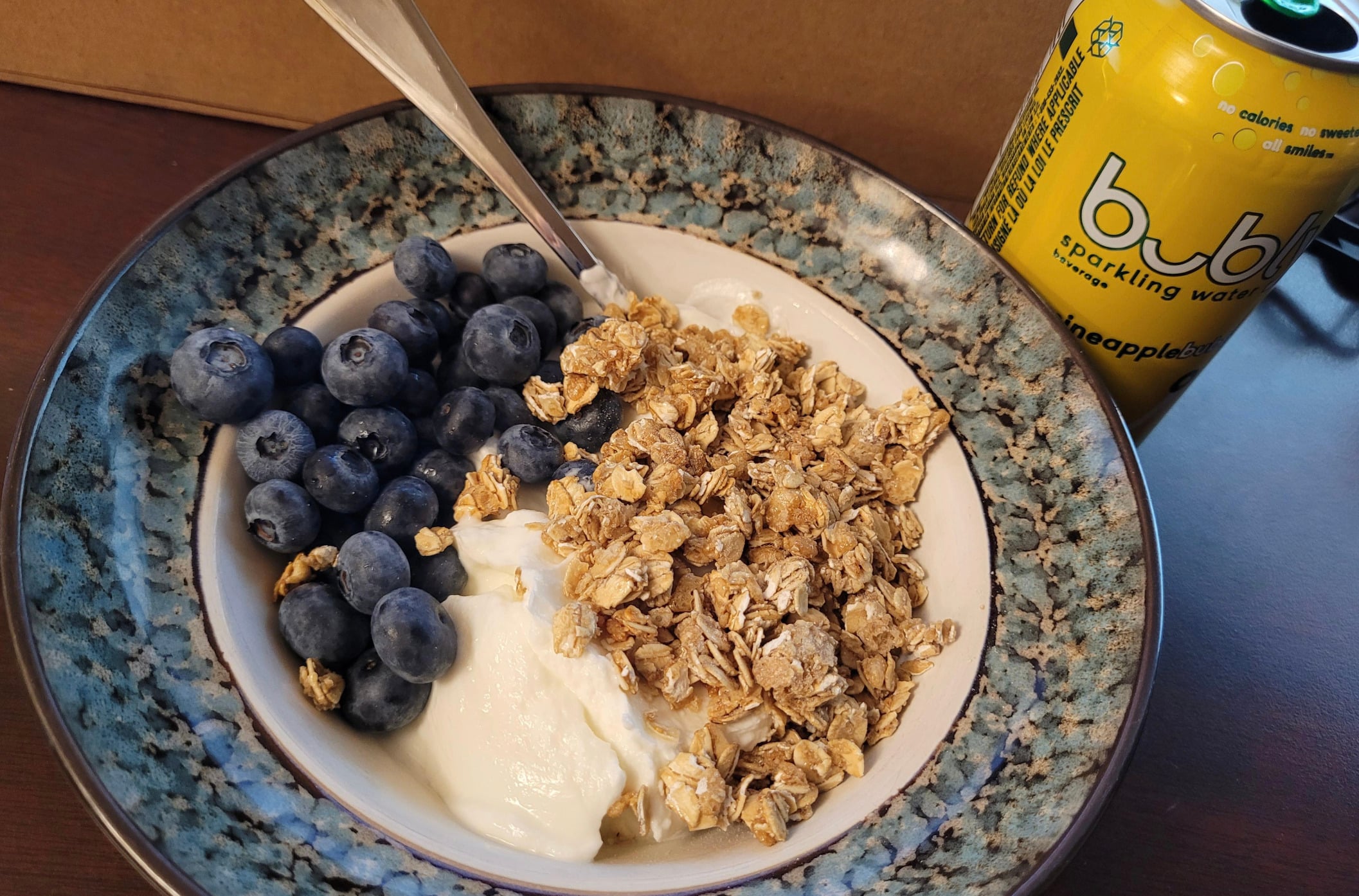
Certain yogurt products were once avoided due to fat content or sugar concerns. Today, many varieties, especially plain or Greek yogurt, are valued for their protein and probiotic benefits.
Tofu
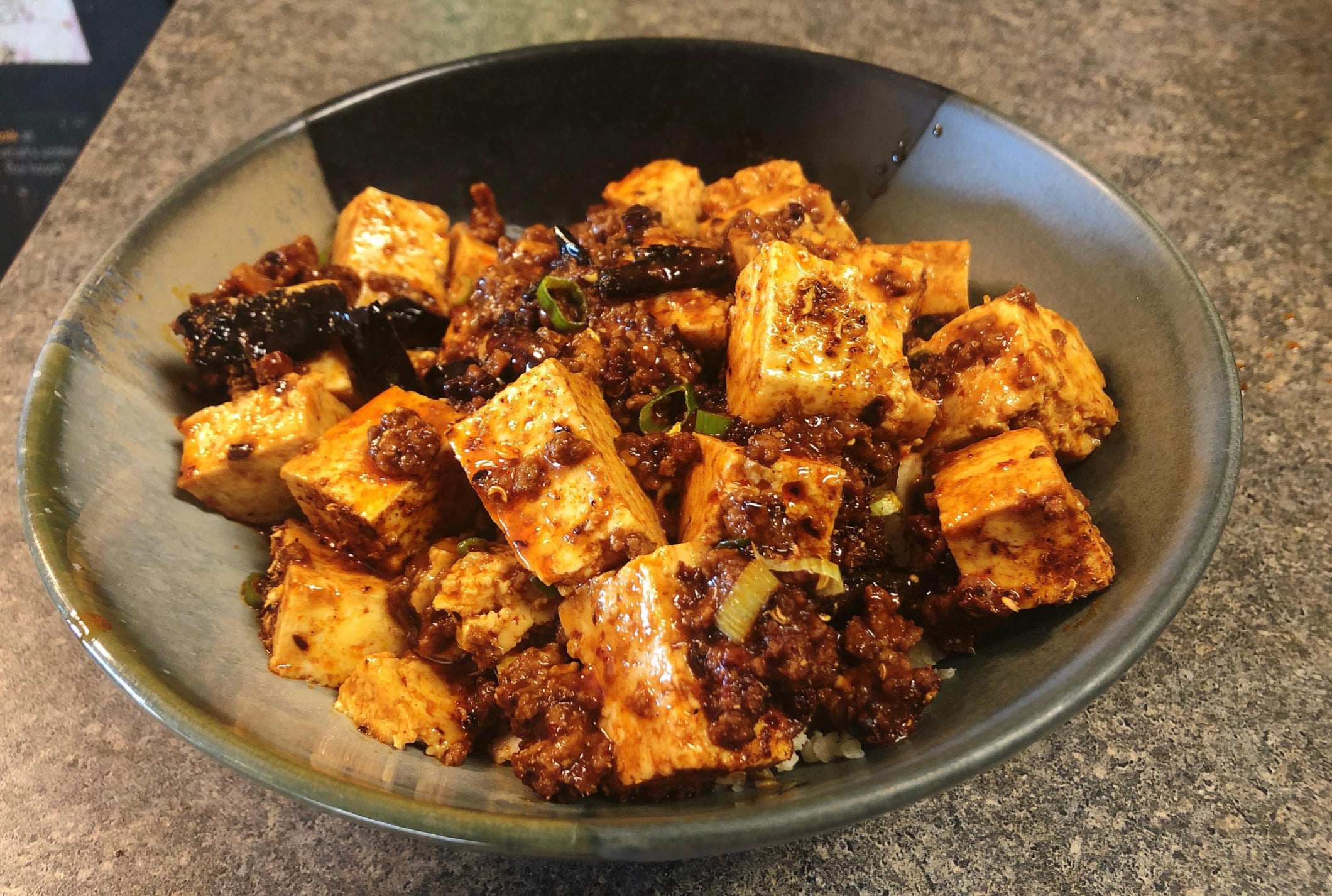
Tofu has faced skepticism over the years, particularly due to misconceptions about soy. Current research generally supports soy foods like tofu as nutritious sources of plant-based protein.
Sign up for our newsletter
Granola

Granola developed a mixed reputation because some store-bought versions contain added sugar and oils. However, simpler varieties made with oats, nuts, and seeds can offer fiber, healthy fats, and energy.
Rice
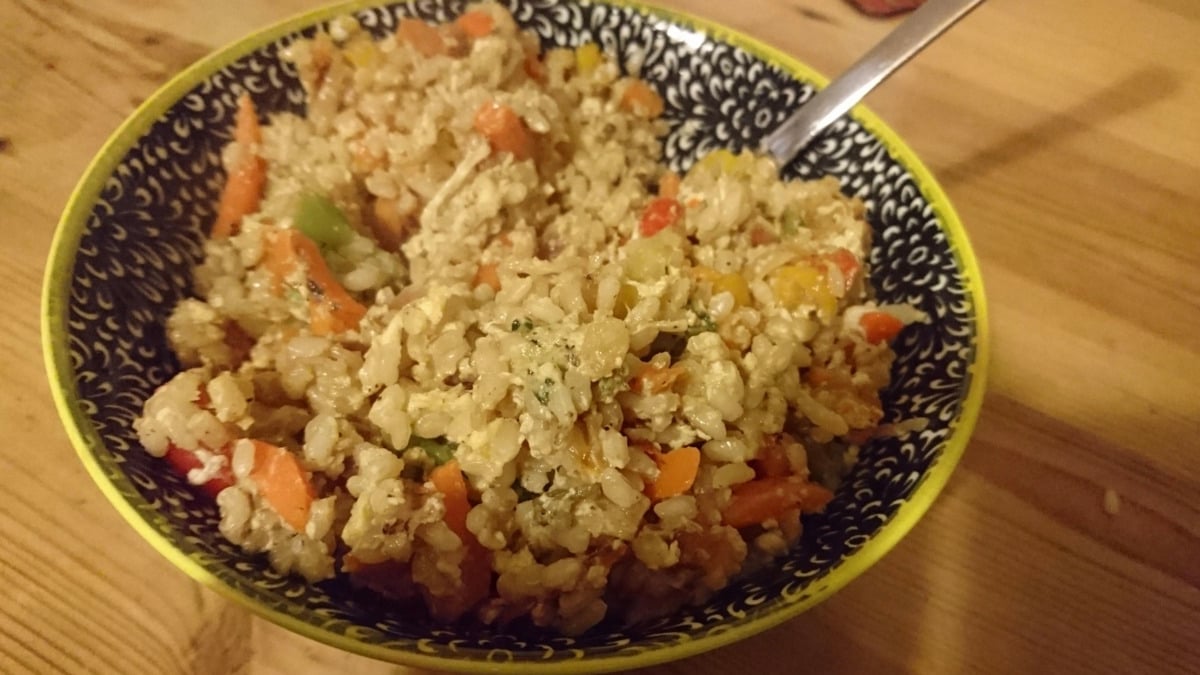
Rice became controversial during low-carb diet trends. Yet many cultures rely on rice as a staple food, and varieties like brown rice offer fiber and essential nutrients.
Salsa

Some people once dismissed salsa as just a salty condiment. In reality, tomato-based salsa can provide vitamins, antioxidants, and flavor with very few calories.
Trail Mix
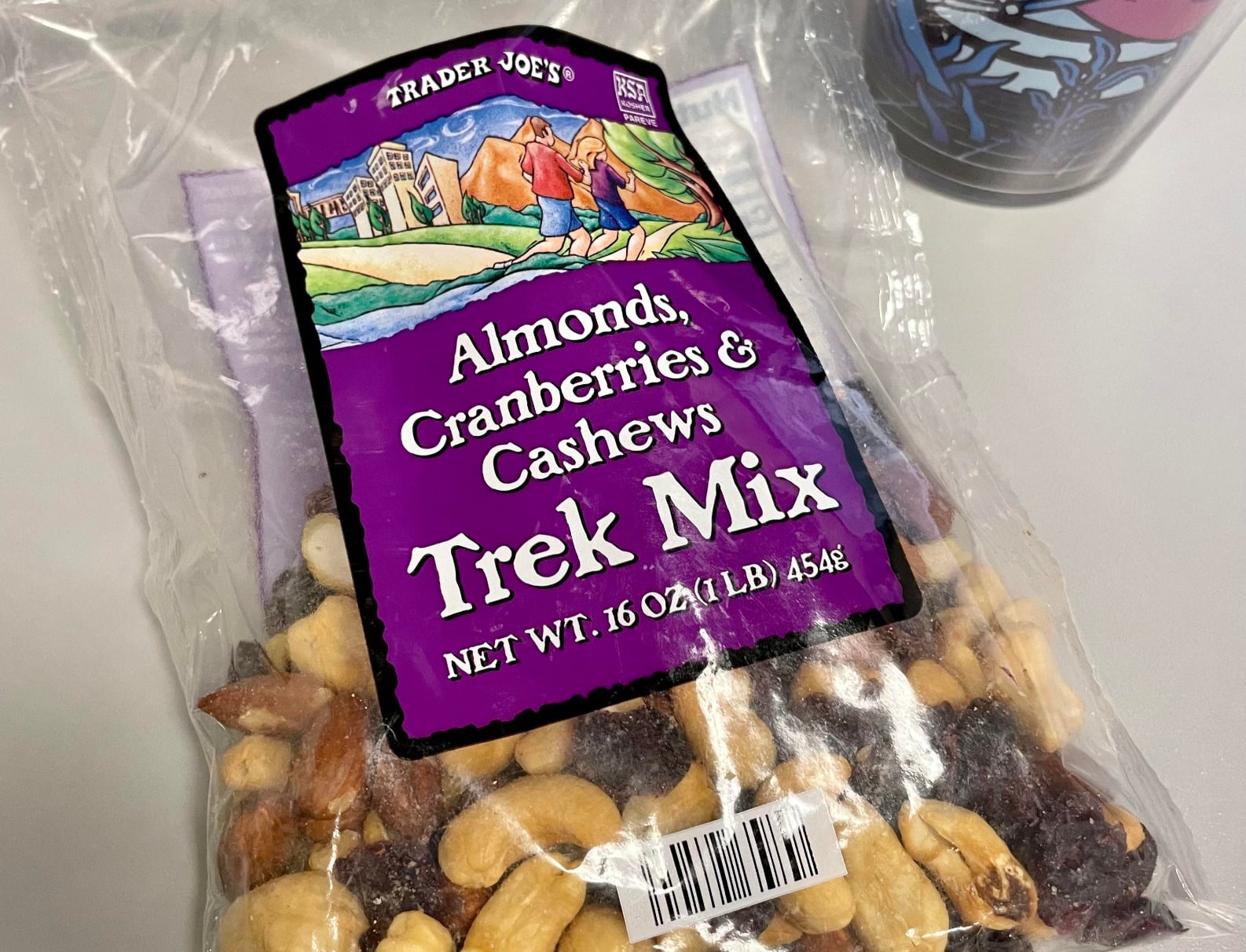
Trail mix sometimes gets criticized because of its calorie density. Still, mixes containing nuts, seeds, and dried fruit can provide protein, fiber, and healthy fats.
Sweet Potatoes

Sweet potatoes were once lumped into the same category as other starchy foods that certain diets discouraged. Today, they’re recognized for nutrients like beta-carotene, fiber, and vitamin A.
Bagels

Bagels were heavily criticized during the rise of low-carb dieting. While they are calorie-dense, they can still fit into a balanced diet, especially when paired with protein and healthy toppings.
Peanut Oil

Peanut oil was sometimes avoided because of its fat content. However, it contains mostly unsaturated fats and is commonly used in cooking because of its high smoke point.
Canned Tuna

Concerns about mercury made many people wary of canned tuna. While moderation is recommended, tuna remains a convenient source of protein and omega-3 fatty acids.
Mushrooms

Mushrooms were occasionally viewed with suspicion in earlier decades, partly due to myths about safety. Today, they’re appreciated for their nutrients, antioxidants, and savory flavor.
Chili Peppers

Spicy foods were once blamed for causing stomach problems. Modern research suggests that capsaicin, the compound responsible for heat, may even provide certain health benefits.
Want to know more about food?
Food reputations can change quickly as science evolves and diet trends come and go. Many foods once viewed with suspicion have since earned a place in balanced eating patterns. The shift is a reminder that nutrition is rarely about labeling foods as strictly “good” or “bad.” Instead, variety, moderation, and overall dietary habits tend to matter far more than any single ingredient. If you loved this content, check out 15 Famous Foods That Were Invented by Accident in The 1960s (and Became Icons), or 15 Bizarre Reasons Why Food Tastes Different Depending on Where You Are.