

We all love a good cup of coffee. Its aroma, flavor, and that much-needed caffeine boost make it one of the most popular drinks around the world. But beyond waking you up, coffee can have a surprising range of effects on your body. Some of these effects are beneficial, some are strange, and some are downright unexpected.
From subtle changes in your mood to surprising impacts on digestion and alertness, this everyday beverage is impacting you in more ways than most people realize. We’ve been drinking it for centuries, yet we are still discovering all the ways it interacts with our bodies. Let’s dive into 15 weird things coffee does to your body.
1. Coffee enhances your endurance

Caffeine dumps adrenaline into the blood, which prepares the body for fight or flight. It also encourages the body to burn fat for energy instead of relying on glycogen. This can seriously improve endurance in activities like running or cycling. Studies of athletes consistently show better performance with moderate caffeine intake.
2. It acts as a mild pain reliever

Caffeine enhances the effects of common painkillers like ibuprofen or acetaminophen. It also constricts blood vessels, which can help alleviate migraines as well. This is why many headache medications include caffeine as an active ingredient. For some people, a cup of coffee is all they need for migraine relief.
3. Coffee changes your gut bacteria

Coffee contains antioxidants and compounds called polyphenols that act as food for good gut bacteria. These compounds can help shift your microbiome toward a healthier balance, supporting digestion and immune function. Regular coffee consumption is linked to increased microbial diversity.
4. It improves your reaction time

Caffeine blocks adenosine, a neurotransmitter that promotes relaxation, keeping your brain alert and responsive. This leads to faster decision-making and improved reflexes for a short period after consumption. It’s not just mental energy; your body is primed to react better as well.
5. It affects sleep even hours later

Caffeine has a half-life of about 5 to 6 hours, which means it stays in your system long after your morning cup. As we mentioned earlier, it blocks adenosine, which delays the onset of rest. Drinking coffee in the afternoon or evening can shift your internal clock, making it harder to sleep at night. Even if you don’t feel wired or jittery, your sleep quality can still be affected.
Trending on The Scroller


6. It can make you hungrier

While many think coffee suppresses appetite, it’s actually a common misconception. Caffeine increases levels of cortisol and adrenaline, which increase hunger once that initial energy boost wears off. That familiar crash doesn’t just leave you feeling tired; it can also send you reaching for food. Drinking coffee on an empty stomach may cause blood sugar fluctuations, making cravings more intense later in the day. That midnight urge to snack might not be so random after all; it could be your body’s response to those earlier spikes and crashes.
7. Coffee may reduce your risk of liver diseases
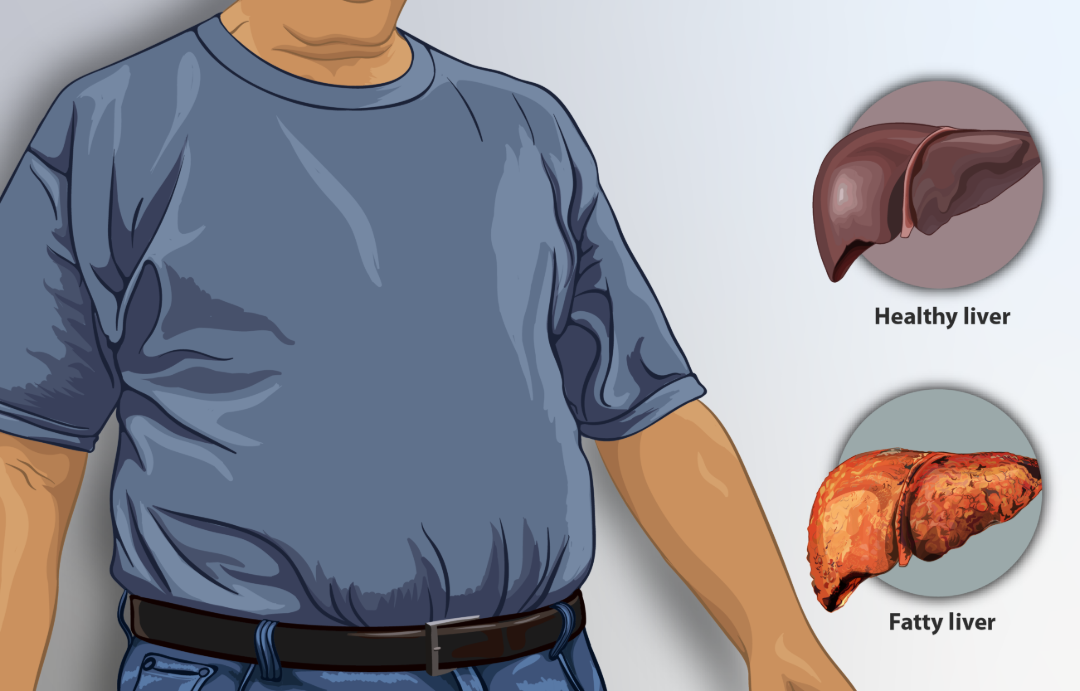
Regular coffee consumption has been found to lower rates of liver cirrhosis and fatty liver disease. Researchers believe antioxidants and anti-inflammatory compounds in coffee help protect liver cells from damage. Interestingly, both regular and decaf appear to offer the same benefit.
8. It can make medications absorb differently
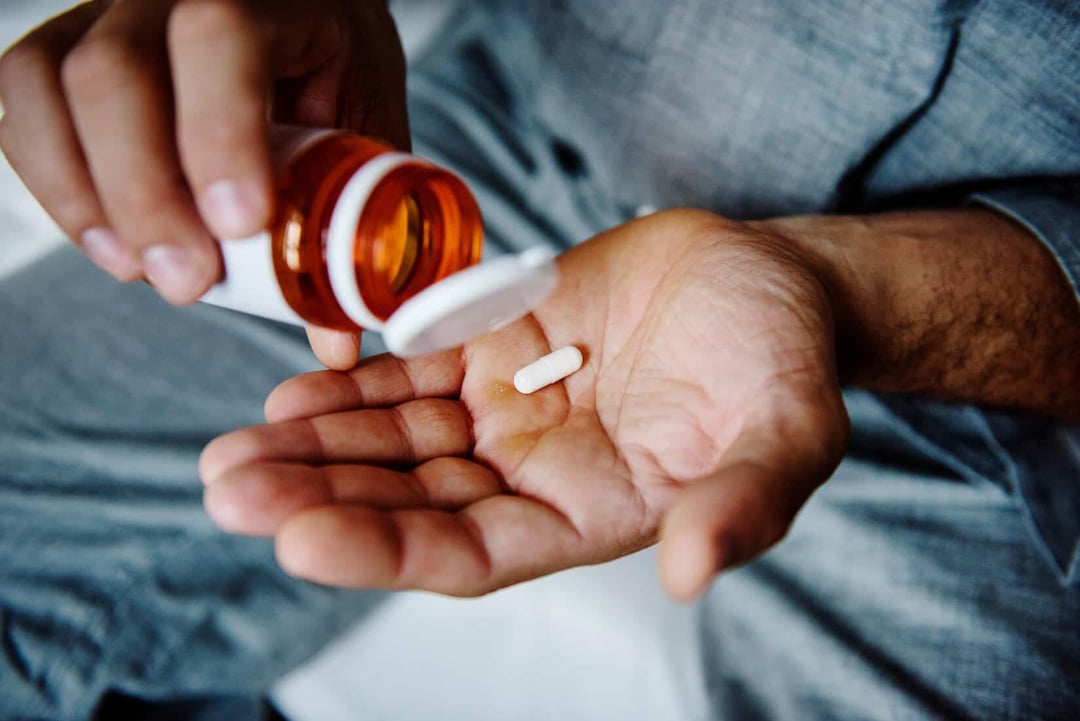
Coffee can alter how quickly certain medications are absorbed in the digestive tract. For example, it can speed up stomach emptying or interact with certain drug compounds. This means that taking some medications with coffee instead of water could slightly change their effectiveness.
Sign up for our newsletter
9. It lowers your risk of developing type 2 diabetes

Large population studies consistently show a lower risk of type 2 diabetes in regular coffee drinkers, including decaf. Compounds in coffee appear to support glucose metabolism and reduce overall inflammation.
10. Coffee could reduce the risk of certain neurodegenerative diseases

Research has linked moderate coffee intake with a lower risk of conditions like Alzheimer’s and Parkinson’s disease. Scientists believe caffeine’s protective effects on brain cells and its anti-inflammatory properties play a role. While it isn’t a cure, the association is consistently observed in population studies.
11. Coffee affects your hormones

Caffeine temporarily influences hormones such as cortisol and, in some studies, estrogen levels. These changes are usually subtle, but are noticeable in hormonally sensitive people.
12. Coffee consumption can interfere with iron absorption

Coffee contains compounds that can bind to non-heme iron, the type found in plant-based foods. Drinking coffee alongside meals may reduce how much iron your body absorbs. For individuals who are prone to anemia, spacing coffee away from meals can really help.
13. Coffee can increase calcium excretion
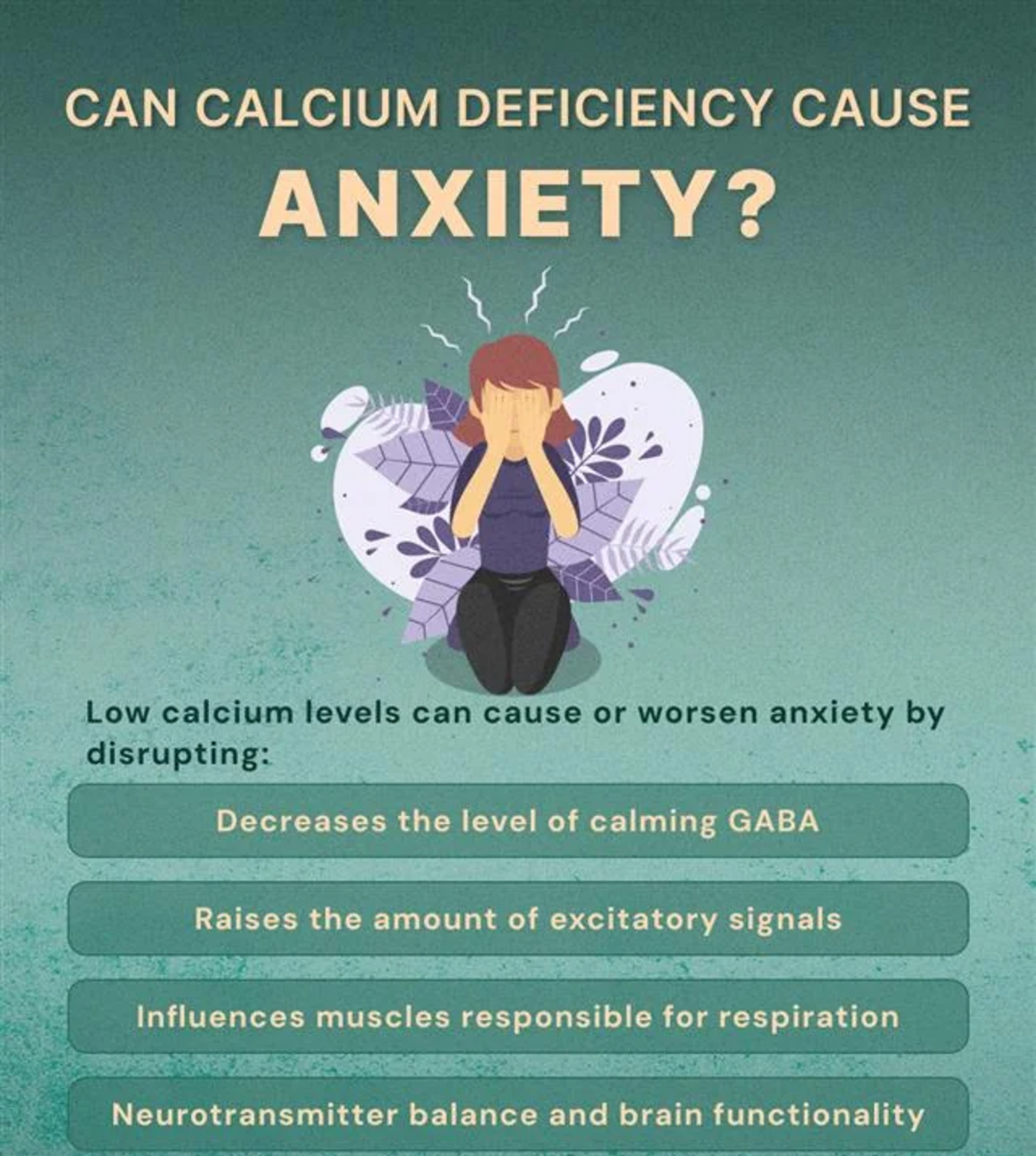
Caffeine can cause the kidneys to release more calcium into urine. While the amount is small, excessive intake over long periods could matter for people who don’t get enough calcium.
14. It may affect fertility if overconsumed
Very high caffeine intake has been associated with reduced fertility in many studies. Researchers suspect hormone shifts or effects on reproductive cells could be the reason, though evidence is still evolving. Moderate consumption is considered completely safe, but balance matters more than people think. If you’re drinking 3 or more cups of coffee or energy drinks a day, maybe it’s time to cut back.
15. Coffee changes your dreams

Caffeine alters sleep structure when it’s consumed later in the day. Changes in REM sleep may affect dream intensity and how well you remember them. As stated earlier, it can also affect overall sleep quality and make it harder to fall asleep, even if you don’t feel noticeably alert.
Want to see more fun facts?
Check out 20 Fun Facts About Sleep, or take a look at 25 Fun Facts To Break Out At The Bar. Finally, if you want to see strange facts about the human body, check out 15 Strange Facts About the Human Body That Sound Like Pure Science Fiction.