

Small talk at the bar can get boring fast. One minute you’re talking, the next, everyone is scrolling their phones or staring off into space. That’s where a perfectly timed fun fact can save the conversation and make you the person everyone actually remembers. Whether you’re on a date or with friends, a little random knowledge can go a long way.
These facts are both weird and surprising, making them perfect for sparking laughs and starting debates. Keep a few in mind, and you could become the most interesting person in the room, or at least get a few impressed nods. Let’s dive into 25 fun facts to break out at the bar.
1. The first oranges weren’t orange
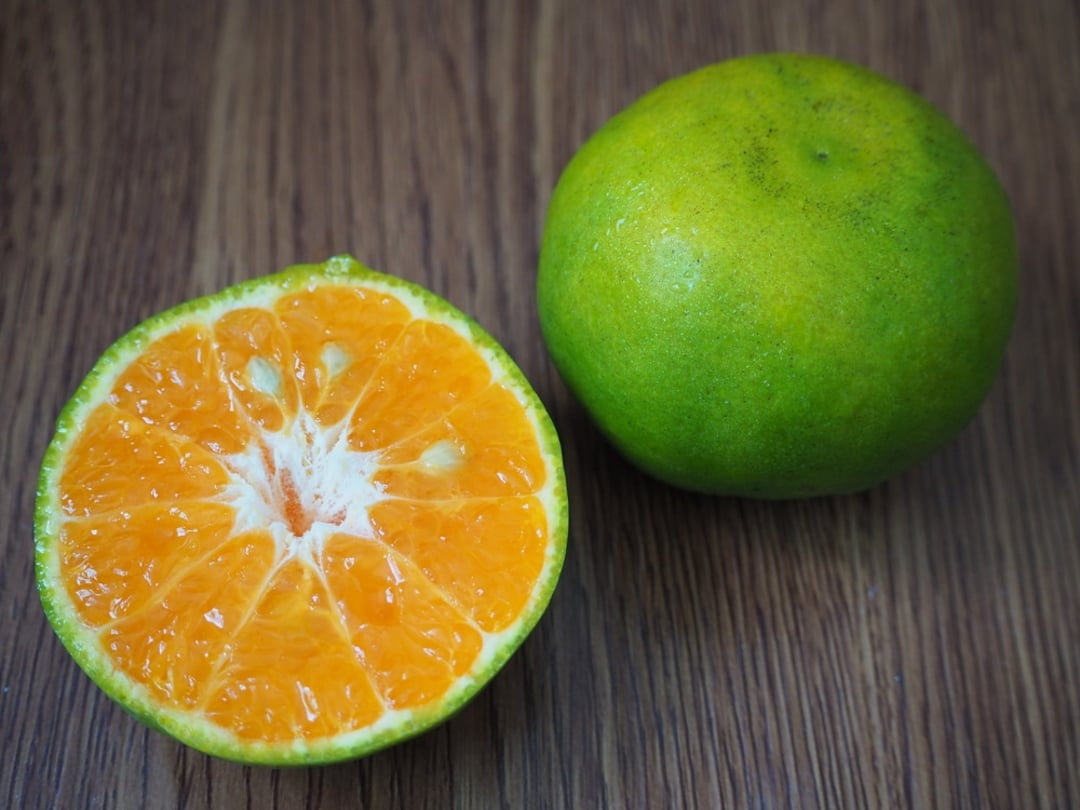
Ancient oranges that came from Southeast Asia were actually green. Only through selective cultivation and certain climates did the sweet orange we know today become orange. In some tropical regions, oranges still stay green when ripe.
2. There’s a pink lake in Australia that is completely natural
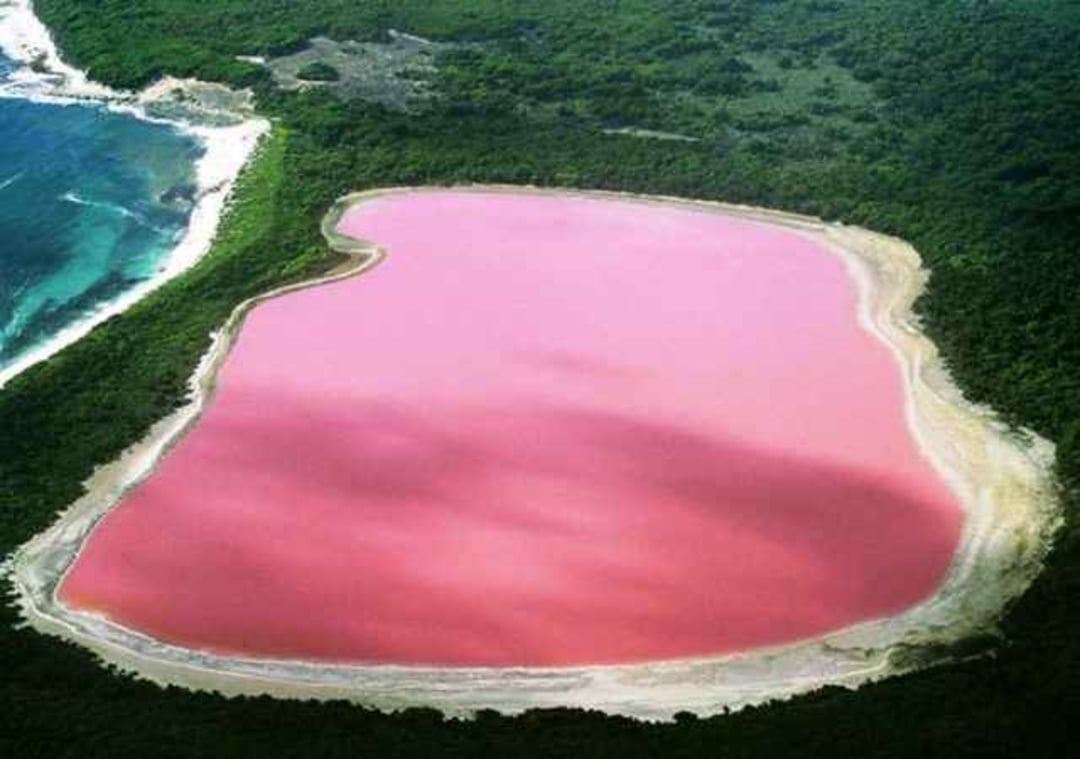
Lake Hillier gets its right pink color from a type of algae that produces carotenoids. The color doesn’t fade when the water is taken out, making it a permanent spectacle. It’s one of the world’s wildest natural wonders.
3. The inventor of the frisbee became a frisbee after he passed
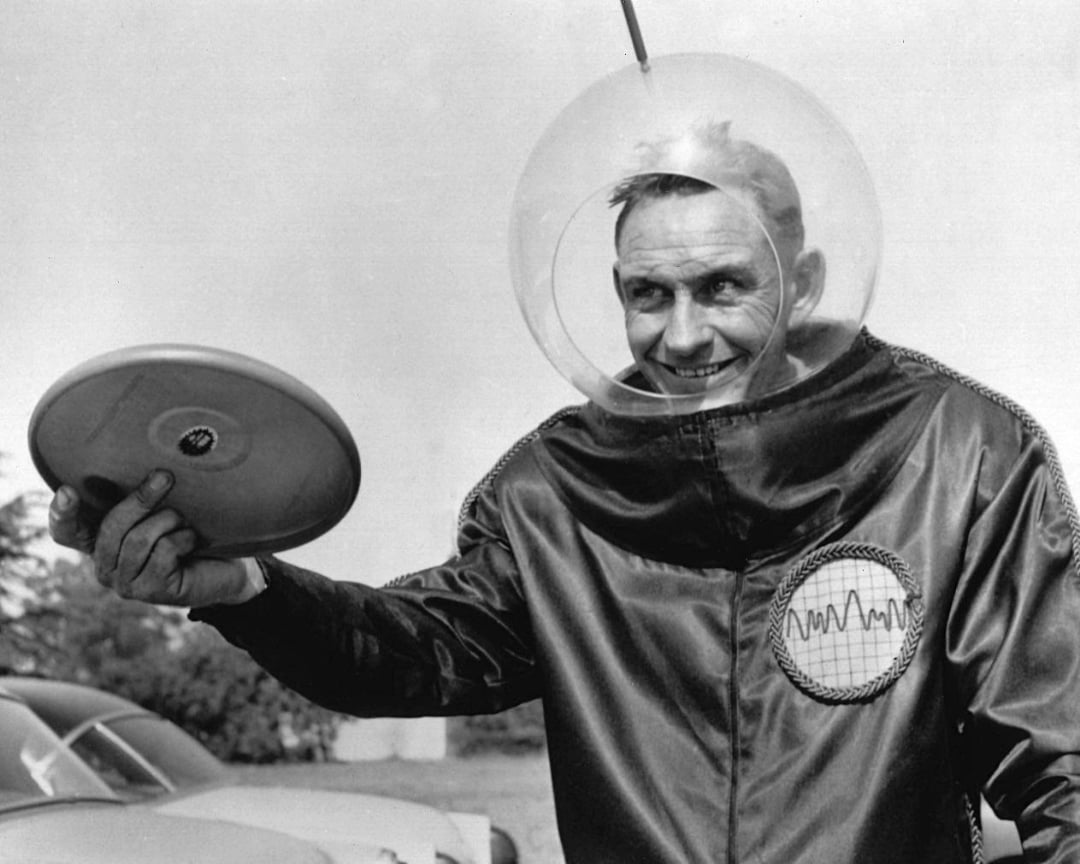
Walter Morrison, who invented the frisbee, had his ashes molded into frisbees. His family carried on the tradition as a tribute to his invention. It’s a literal way of becoming part of your own creation.
4. Sloths can turn green
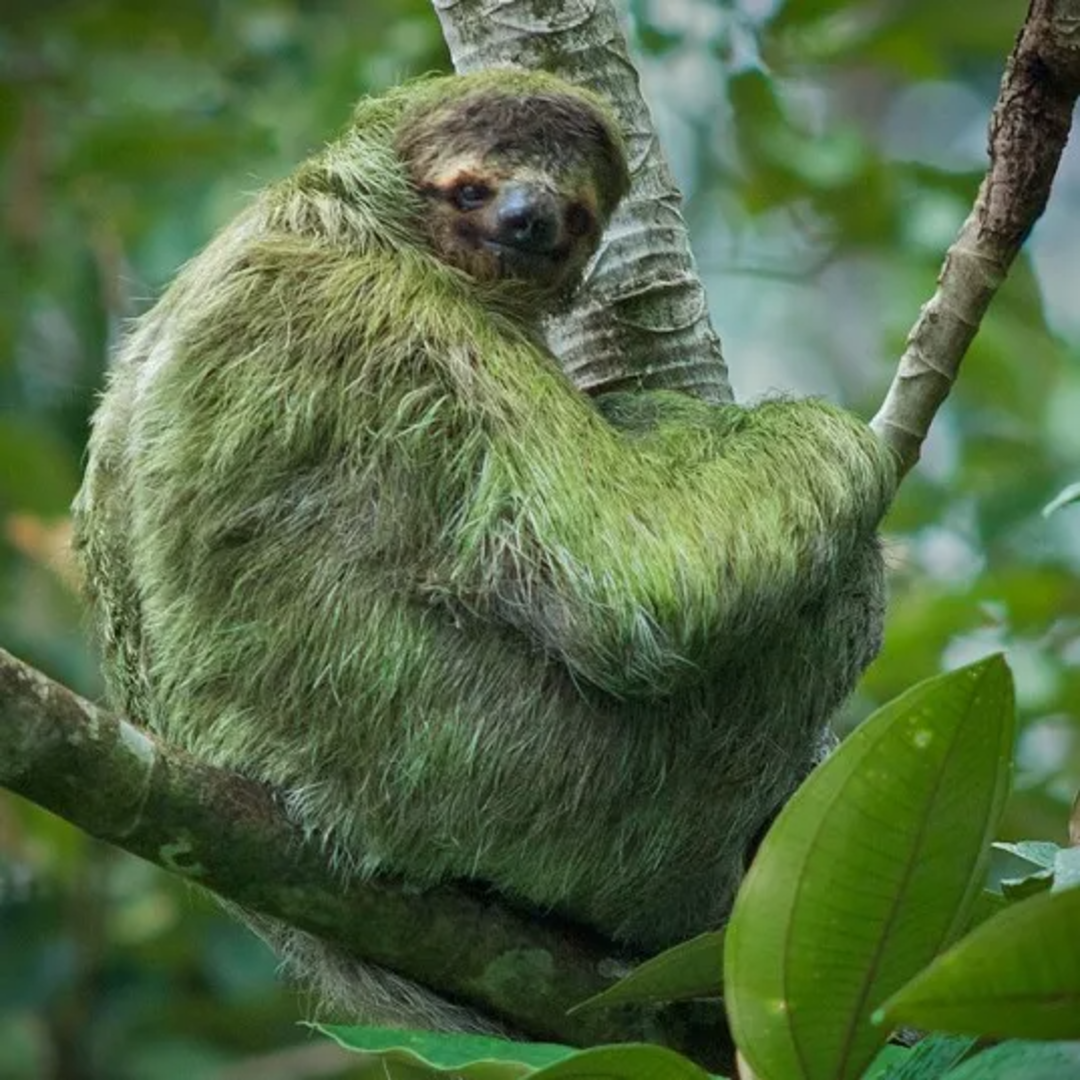
Algae often grows on a sloth’s fur, giving it a greenish look. This provides natural camouflage in the tree tops and is an eco-friendly disguise that keeps them safe from predators.
5. There’s a hotel made entirely out of ice in Sweden

The ice hotel in Jukkasjärvi is rebuilt every year from ice that’s harvested from the nearby river. Guests sleep in rooms sculpted by artists, complete with ice beds and furniture. It melts each spring, making it a beautiful yet temporary work of art.
Trending on The Scroller

6. There’s a museum dedicated entirely to bad art

The Museum of Bad Art in Massachusetts celebrates the worst art that’s still “too good to ignore.” It’s a silly reminder that even the biggest failures can be entertaining. Some exhibits are unintentionally brilliant.
7. There’s a planet where it rains liquid iron

On the exoplanet WASP-76b, temperatures are so high that iron vaporizes and condenses into rain. The winds and heat create a truly alien weather system. Space can be both beautiful and completely terrifying.
8. Monopoly was originally designed to teach about wealth inequality

Elizabeth Magie created it in 1903 as the “Landlord’s Game.” She wanted players to understand how rents and property could create inequality. The game evolved into the version we know today, losing its original lesson along the way.
Sign up for our newsletter
9. There’s a species of bird that sleeps while it flies

Albatrosses can engage in unihemispheric slow-wave sleep, resting one half of their brain while the other navigates. This allows them to fly for days without stopping. They are true long-distance sleep-flyers.
10. The first computer virus was created in the 1970s

Called the creeper virus, it was more of an experiment than malware. It displayed a message saying, “I’m the creeper, catch me if you can.” It laid the groundwork for understanding digital security risks in the future.
11. There’s a lake that’s actually boiling hot

In Nicaragua, the “Laguna Caliente” lake is so hot it can boil at the surface. Its water is highly acidic and unsafe to touch. It’s a rare natural example of extreme geothermal activity.
12. Peanuts aren’t technically nuts

They’re legumes, related to beans and lentils. Unlike true nuts, peanuts grow underground. Despite this, peanuts are still classified as nuts in cooking and snacking.
13. A single strand of spaghetti is called a “spaghetto”

A fact has never made me so happy. The Italian language treats singular and plural differently, so one piece of spaghetti is technically a spaghetto.
14. There’s a volcano that spews blue lava

Kawah Ijen in Indonesia produces blue flames caused by burning sulfur gases. At night, the effect is almost magical, and it’s one of the few naturally blue phenomena in nature.
15. There’s a tree that produces red sap called “blood wood”

The red sap looks like blood when this tree is cut. Aboriginal Australians historically used it for medicine and dye. It’s one of nature’s most dramatic trees.
16. Scientists believe it rains diamonds on Saturn

Extreme pressure can turn carbon into diamond rain. Scientists imagine there are literally sparkling storms.
17. The smell of fresh-cut grass is actually a distress signal

Plants release chemicals called green leaf volatiles when cut. These molecules warn nearby plants of danger. What smells pleasant to us is actually a plant SOS.
18. A teaspoon of honey represents the life work of 12 bees

Bees work insanely hard, visiting thousands of flowers in their lifetime. It can take millions of flowers to produce a single jar of honey. Think about this next time before you dump a few spoonfuls of honey into your tea.
19. Plants “listen” for water

The roots of some plants grow toward the sound of running water. They respond to vibrations even without touching the water. Plants are surprisingly tuned into their environment.
20. Sloths can hold their breath longer than dolphins

Sloths can slow their heart rate and stay underwater for up to 40 minutes. Dolphins, by comparison, usually hold their breath for around 10 minutes. Sloths may be slow, but they’re efficient underwater.
21. Dr. Seuss coined the term “Nerd”

The word nerd first appeared in “If I Ran the Zoo” in 1950. It wasn’t originally meant to describe someone smart, but it stuck. Now it’s a badge of honor for many.
22. The tongue is the fastest-healing part of the body

Cuts on the tongue heal within a few days. This is thanks to its rich blood supply.
23. Human bones are stronger than concrete

Ounce for ounce, bone can withstand more pressure than concrete. This makes the skeleton surprisingly resilient. It’s an impressive feat of nature’s engineering.
24. Dolphins have unique names

Each dolphin develops its own “signature whistle” that identifies it to the group. It’s a true form of individual recognition.
25. A blue whale’s heart is as big as a small car

It only makes sense that the biggest animal on Earth has the biggest heart. It can weigh over 1,200 pounds and pump 60 gallons of blood per bear. Humans could crawl through its arteries due to their massive size. It’s a living example of nature’s grand scale.
Want to see more fun facts?
Check out 20 Ocean Facts That Might Spark Thalassophobia, or take a look at 20 Animal Facts That Prove Our World Is More Mysterious Than We Thought. Finally, if you want to see crazy facts about the human brain, take a look at 20 Mind-Bending Facts About The Human Brain That Most People Don’t Know.