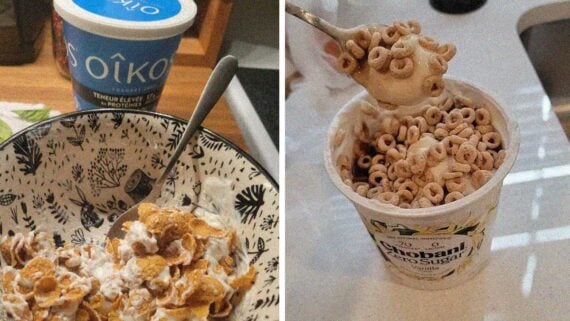
Foods have always played a massive role in human life. We rely on foods every single day to stay energized, healthy, focused, and strong enough to handle everything from work and school to exercise and daily responsibilities. For generations, families passed down eating habits and trusted certain products simply because they were marketed as healthy or commonly found in homes around the world. But just like science, medicine, and lifestyle habits evolve over time, our understanding of foods has changed as well.
Many everyday foods that were once considered smart or healthy choices are now viewed very differently by nutrition experts. Some were packed with hidden sugars, others contained heavily processed ingredients, and many were advertised in misleading ways that convinced people they were better than they actually were. That does not necessarily mean these foods suddenly became “bad” overnight, but modern research has helped people understand more about what they are truly consuming. The way we look at foods today is completely different from decades ago, and some of these changes may surprise you. Think you already know which foods are still considered healthy and which ones are not? Keep reading to find out.
1. Sugary Breakfast Cereals
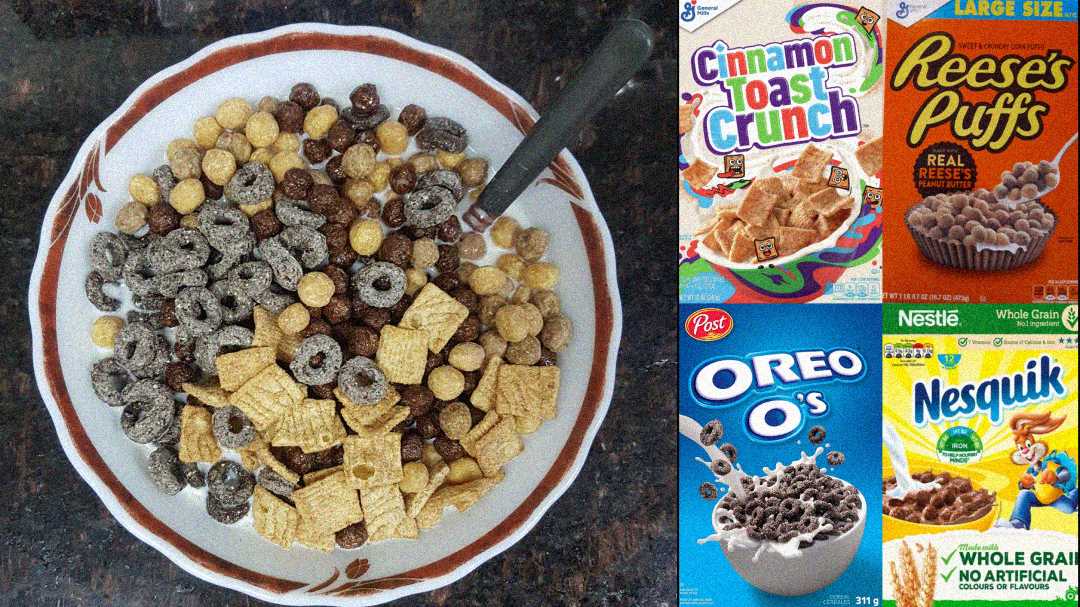
Many colorful breakfast cereals were once promoted as part of a balanced morning meal, but nutrition experts now criticize them for containing large amounts of added sugar and highly processed ingredients
2. Margarine

Margarine became popular as a “healthier” alternative to butter, but older versions often contained trans fats that were later linked to heart health concerns.
3. Fruit Yogurt
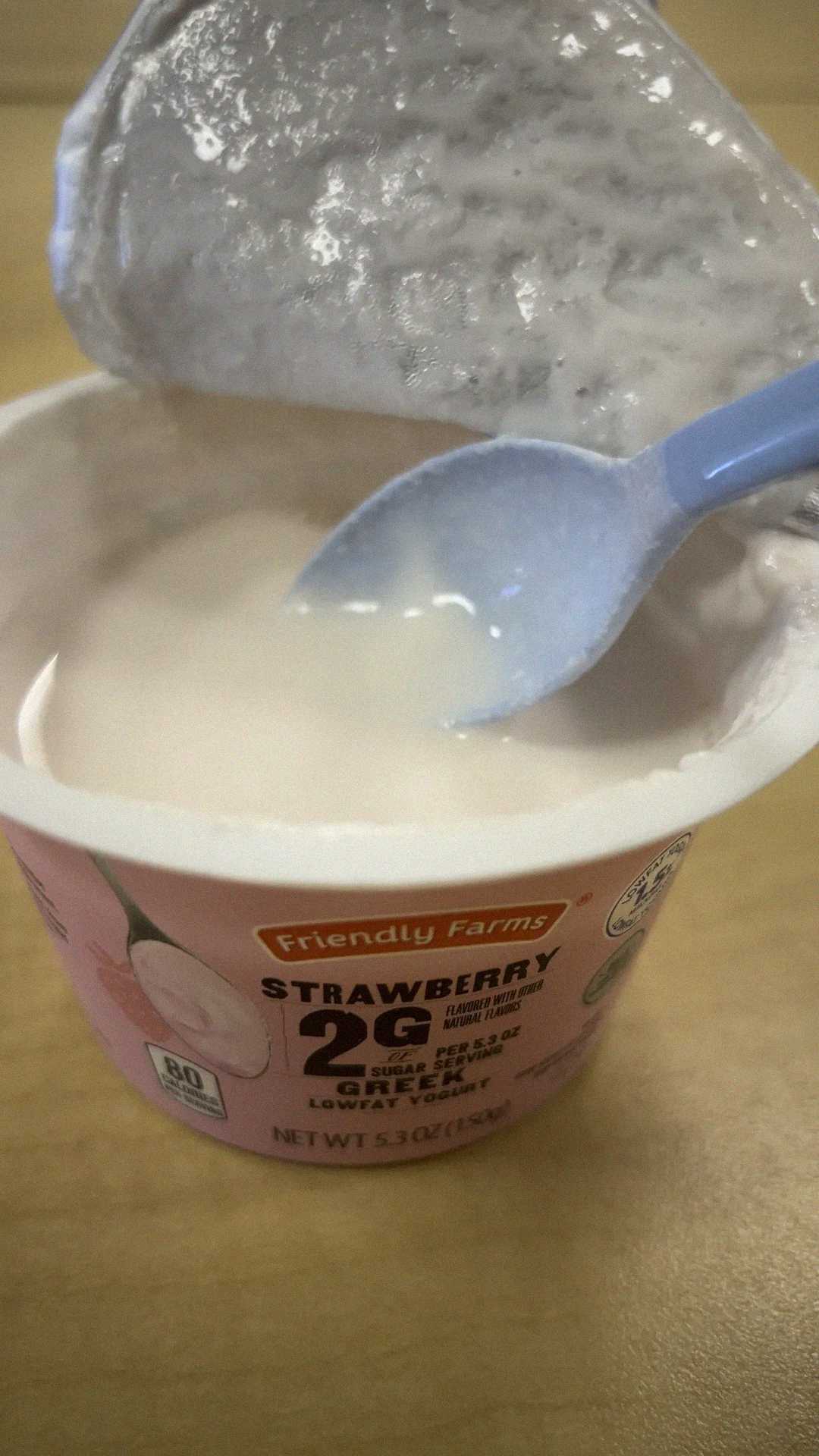
Fruit yogurt sounded healthy because of the fruit and calcium, yet many commercial versions contain so much added sugar that they resemble desserts more than nutritious snacks.
4. White Bread

For years, white bread was a pantry staple, but experts later pointed out that refining grains strips away fiber and important nutrients.
5. Diet Soda
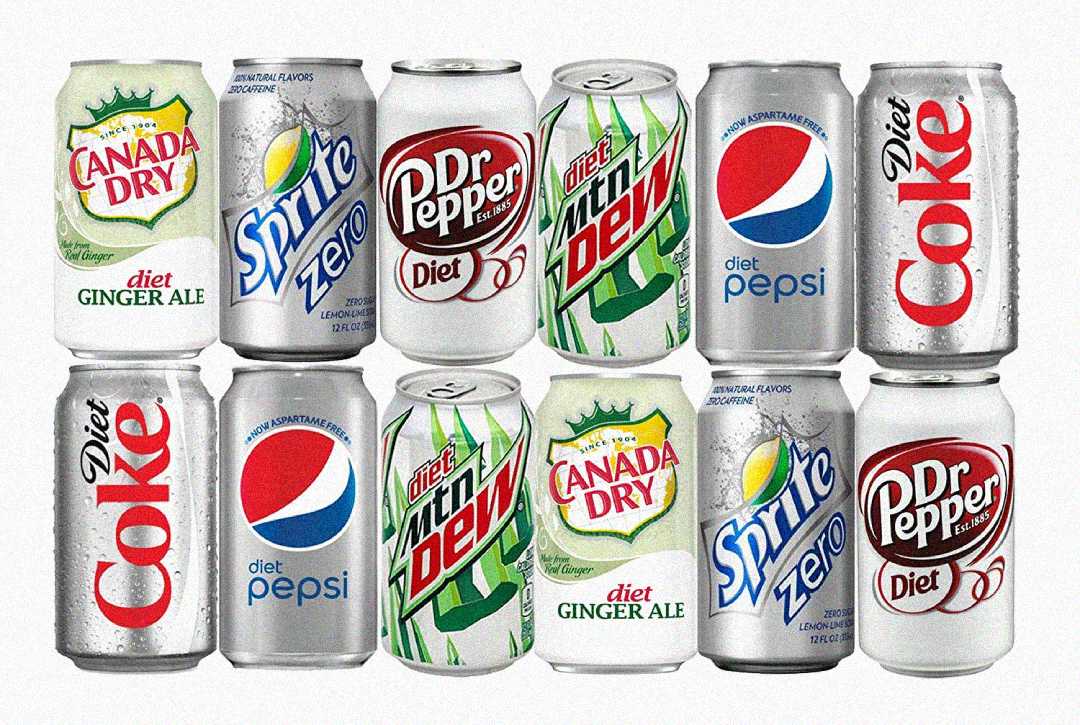
Diet sodas became famous for being sugar-free, though growing concerns about artificial sweeteners and ultra-processed drinks changed how many people view them today.
Trending on The Scroller


6. Granola Bars
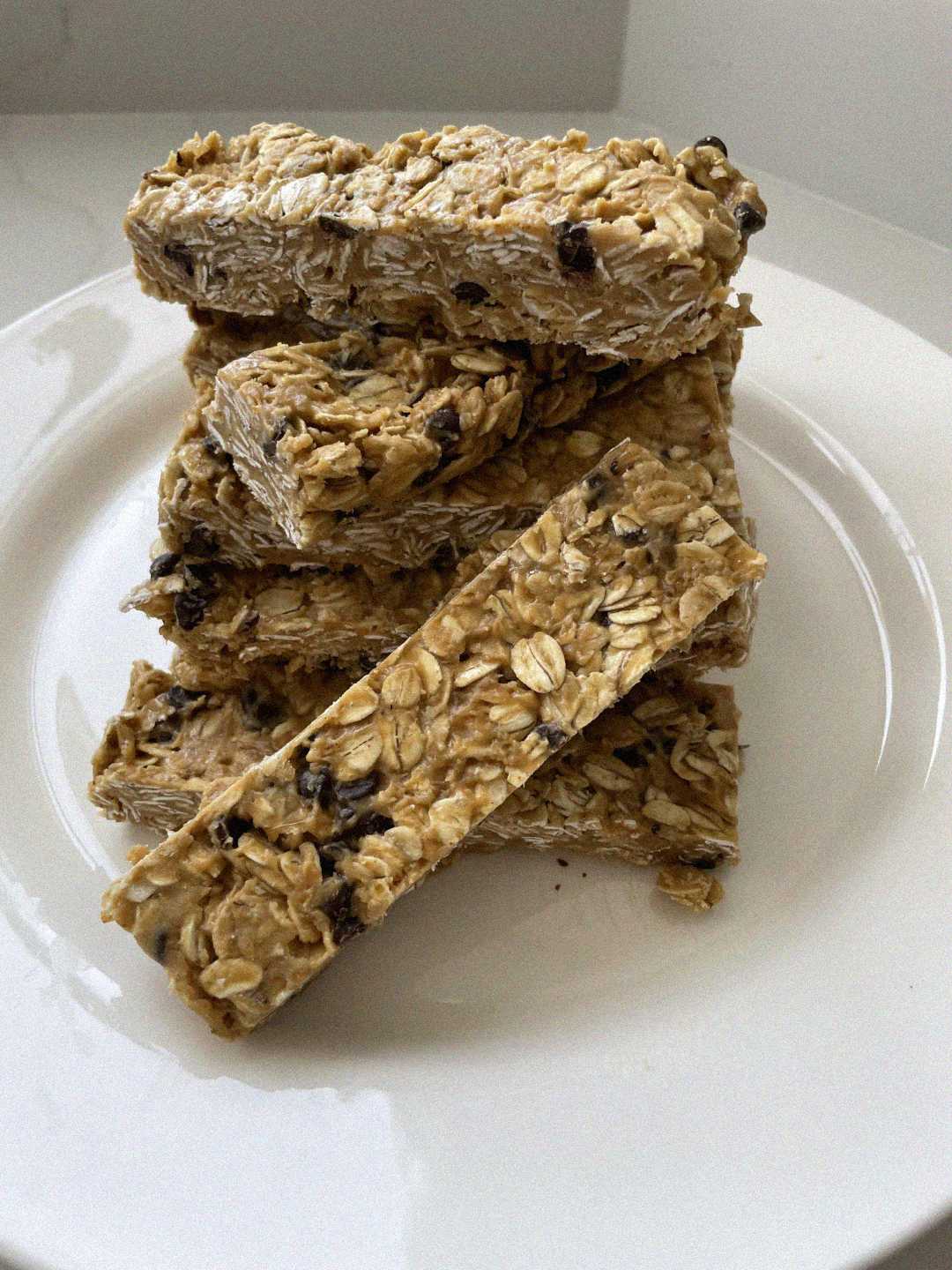
Granola bars were advertised as fitness-friendly foods, but many contain syrups, sugars, and preservatives that make them closer to candy bars.
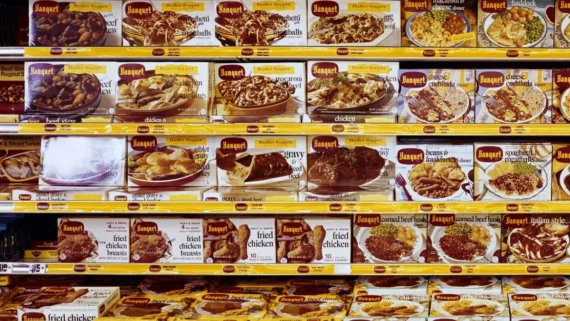
7. Frozen TV Dinners
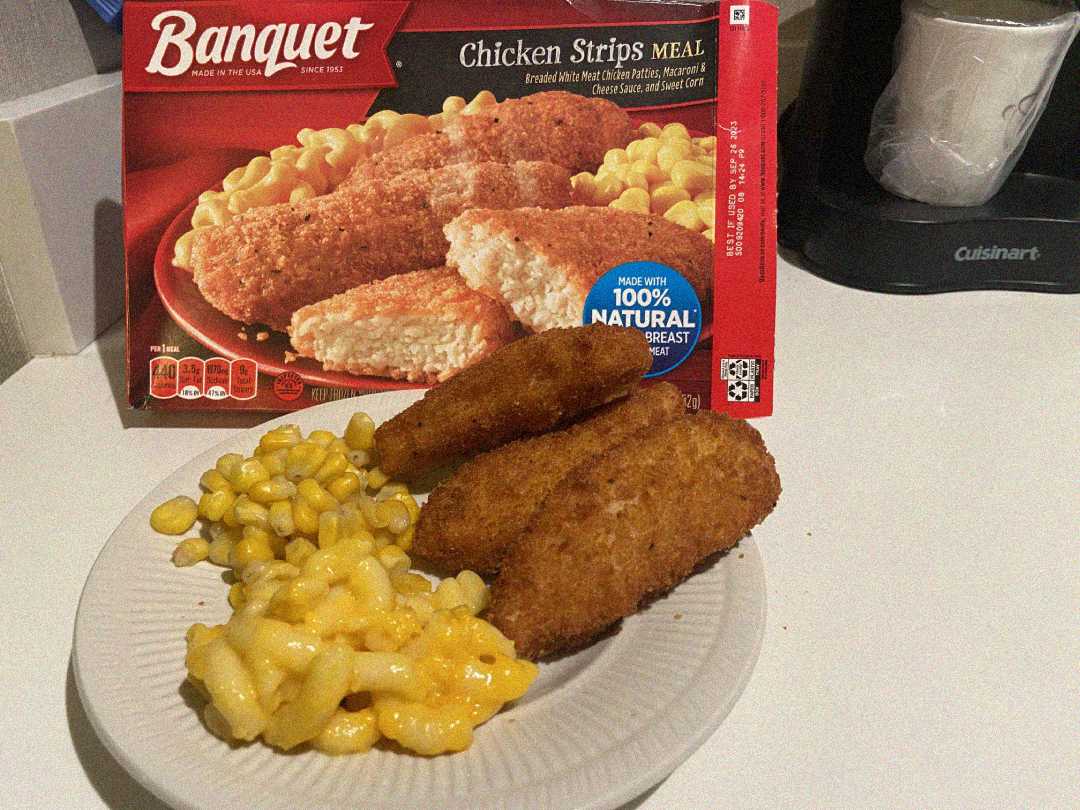
Quick frozen meals once felt modern and practical, but they are now criticized for excessive sodium, preservatives, and processed components.
8. Fruit Juice
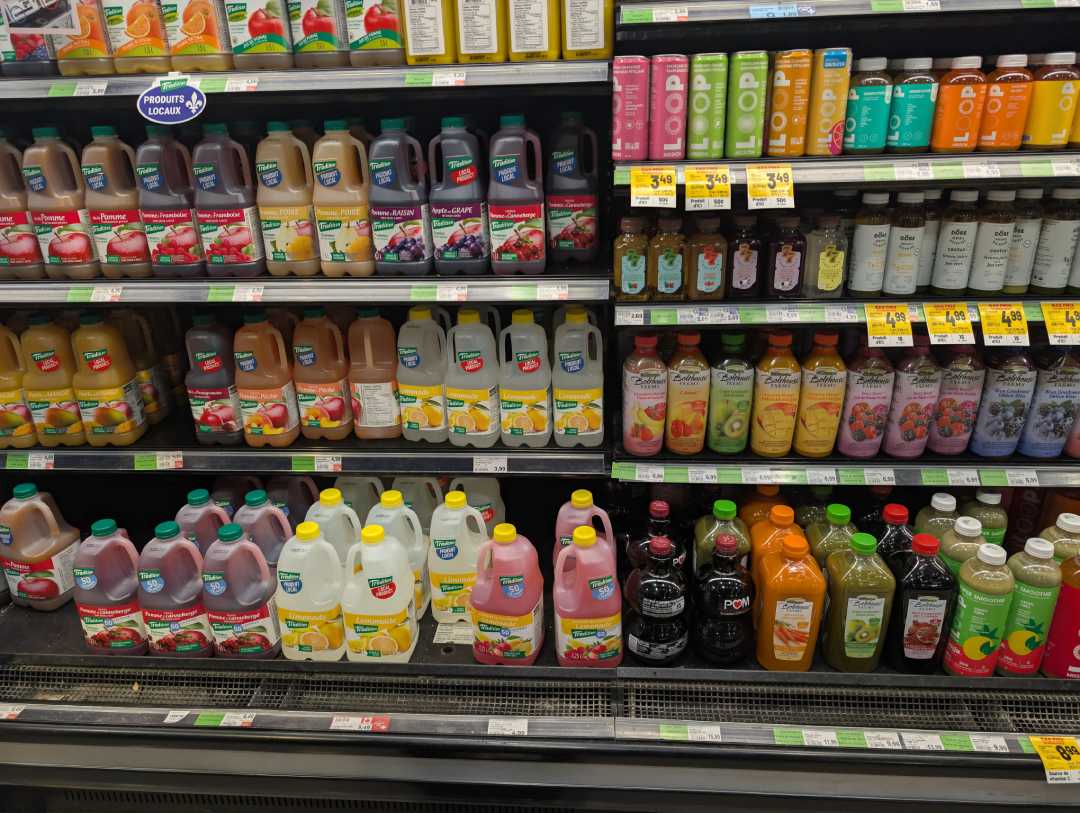
Many people believed fruit juice was just as healthy as whole fruit, yet nutrition experts now emphasize that juices often remove fiber while concentrating sugar.
Sign up for our newsletter
9. Low-Fat Snack Foods

During the low-fat craze, companies replaced fats with sugars and additives, creating foods that were not always healthier despite the marketing.
10. Processed Deli Meat

Cold cuts and processed meats were once everyday lunch staples, but studies later associated heavy consumption with long-term health concerns.
11. Instant Noodles
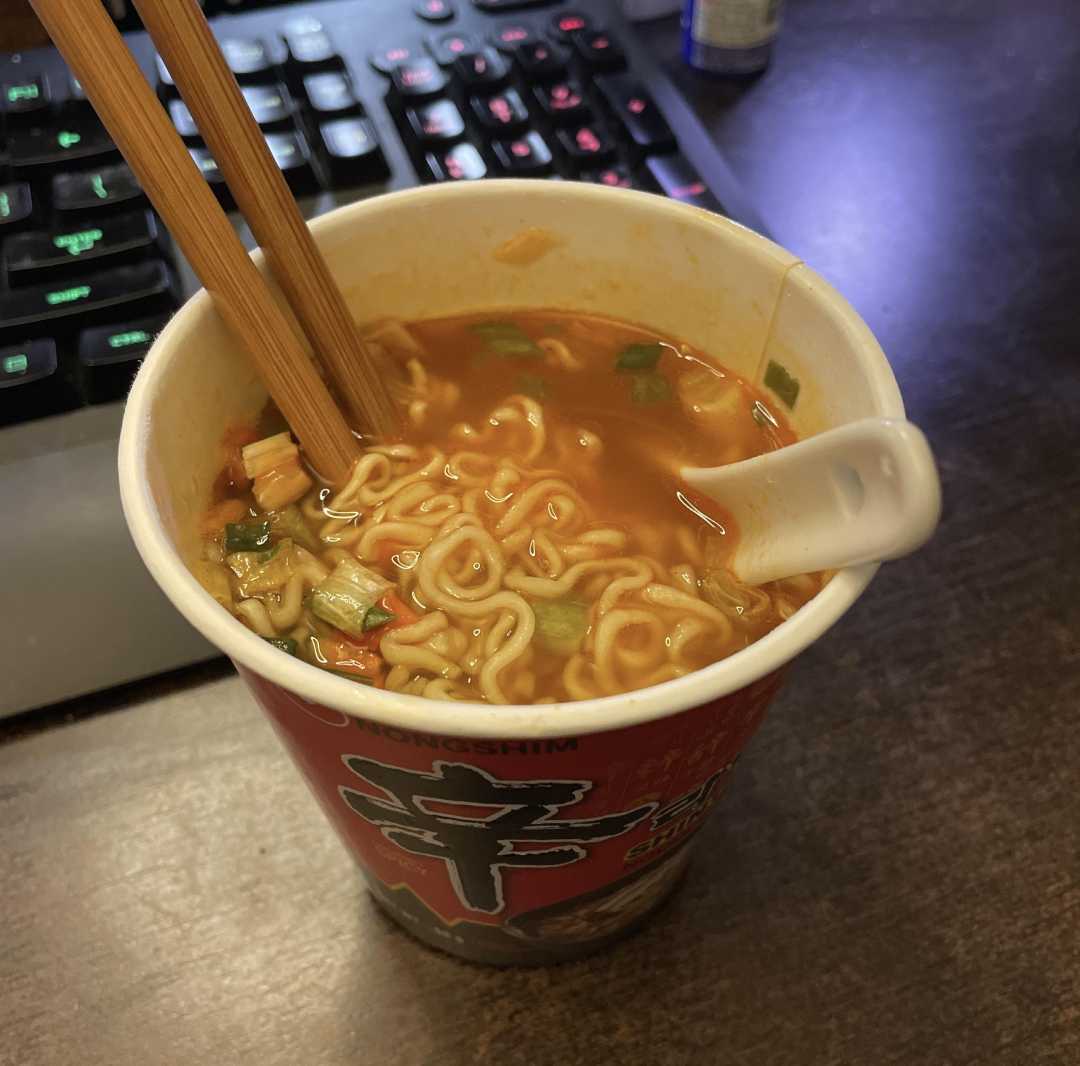
nstant noodles became incredibly popular worldwide, though many varieties are high in sodium and low in nutritional value.
12. Microwave Popcorn

Microwave popcorn once seemed like the perfect snack, but concerns over artificial butter flavorings and additives changed public opinion.
13. Sports Drinks

Sports drinks were designed for athletes, yet many people consumed them casually despite their high sugar content and unnecessary calories.
14. Flavored Oatmeal Packets
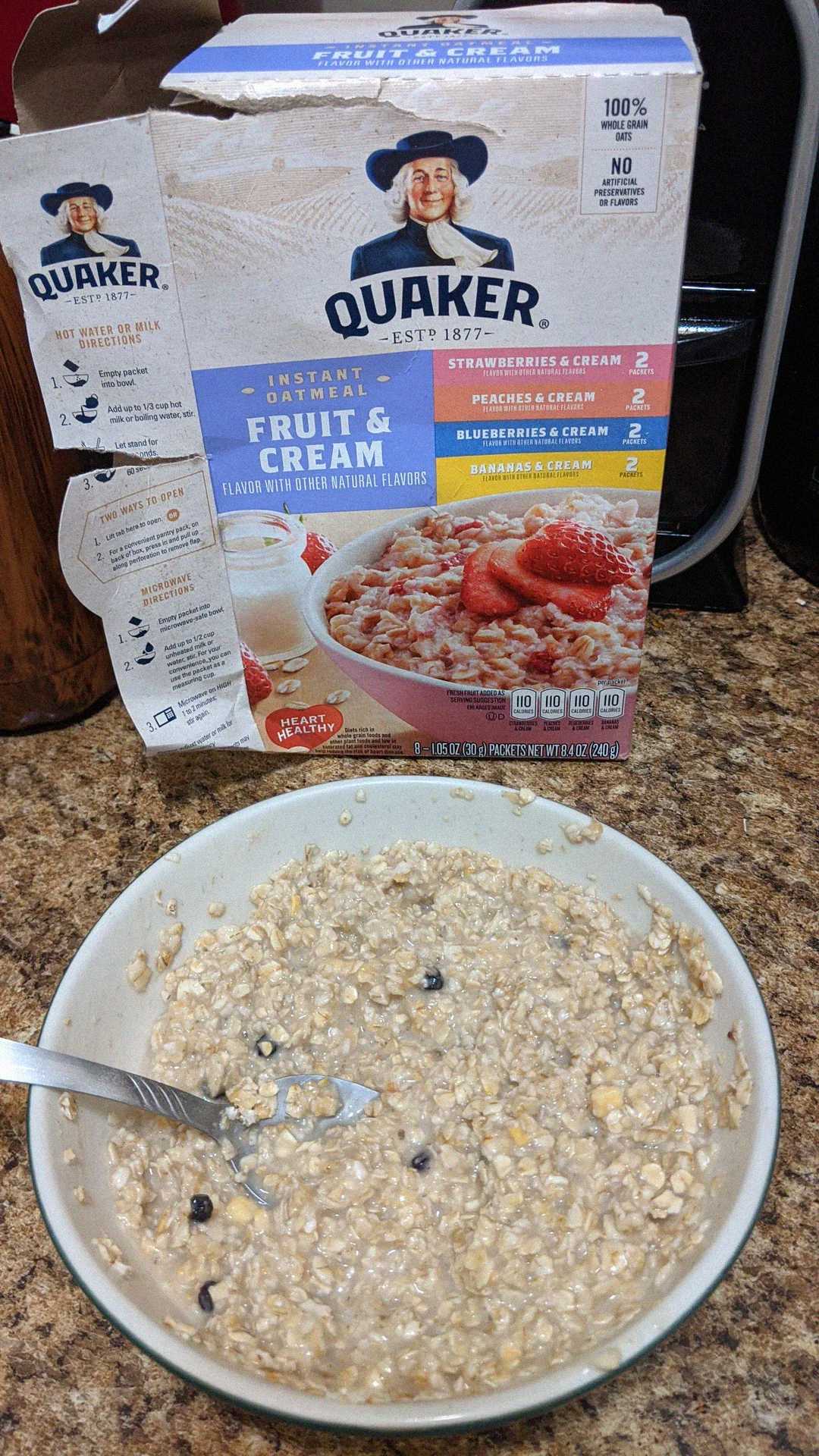
Oatmeal itself remains healthy, but many flavored instant packets contain added sugars and artificial ingredients that reduce the nutritional benefits.
15. Fat-Free Salad Dressing
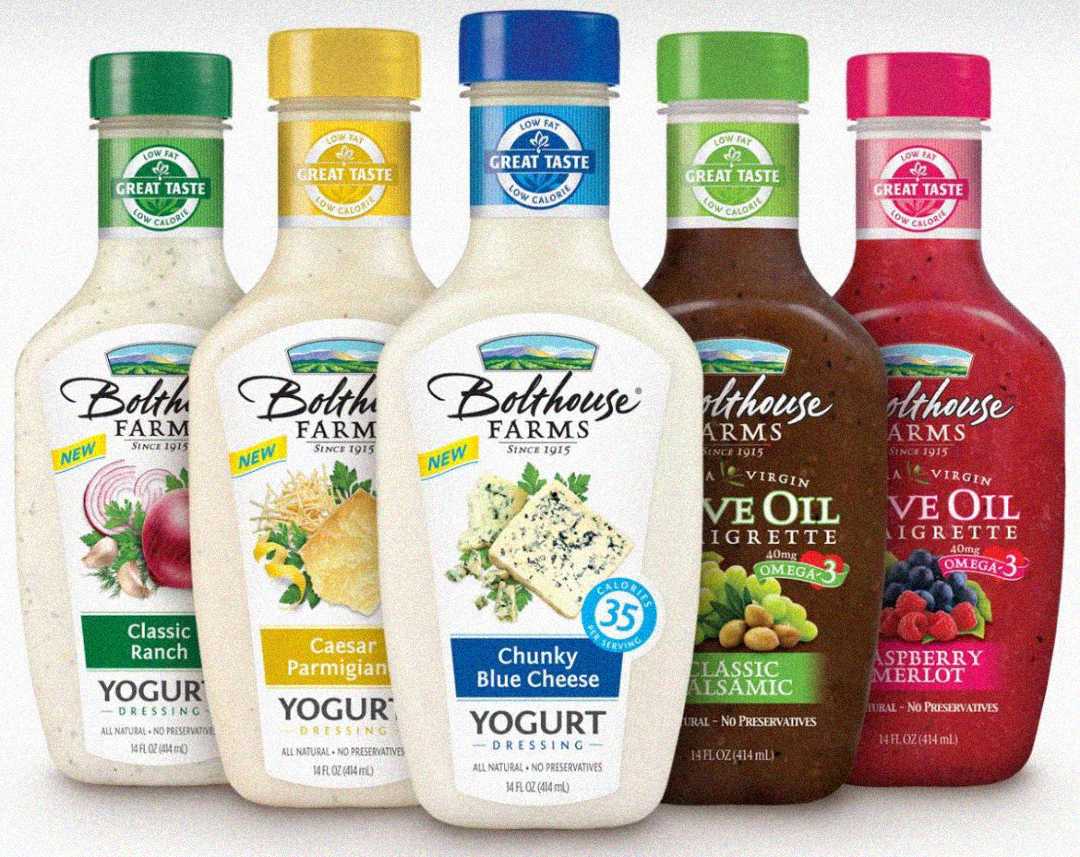
Fat-free dressings sounded healthier, though many versions replaced fats with sugar, sodium, and artificial thickeners.
Keep reading for more interesting content about foods, trends, traditions, and the many ways society continues to evolve over the years.
Conversations about everyday foods can easily become controversial because entire generations grew up believing these products were healthy. Many people were encouraged to consume them regularly, and in some cases, they were even recommended by advertisements, schools, or health campaigns. Because of that, it is understandable why opinions on these foods can still spark debate today.
It is also important to remember that this topic should not be viewed in an extreme way. Many of these everyday foods are still consumed by millions of people around the world, and eating them occasionally does not automatically make someone unhealthy. Modern nutrition is much more about balance, moderation, and understanding what is actually inside the foods we eat. The goal is not fear, but awareness. Knowing more about these foods simply gives people the chance to make more informed choices than previous generations could.
Did you enjoy learning about these everyday foods and how public opinion changed over time? We have plenty of additional content exploring the evolution of foods, traditions, movies, pop culture, and much more. If you are not sure where to start next, do not worry, check out our daily recommendations and continue discovering fascinating stories from the past and present: 18 Everyday Foods People Once Thought Were Bad for You, 20 Foods That Make Pineapple on Pizza Look Normal, and 15 Famous Foods That Were Invented by Accident in The 1960s (and Became Icons).