Surprising food origins reveal that some of the world’s most familiar dishes have traveled farther than their names suggest. A Hawaiian pizza from Canada? A Caesar salad from Mexico? Sometimes the story behind dinner is more interesting than what’s on the plate.
Immigration, creative cooks, restaurant rivalries, and clever marketing have shaped the foods we recognize today. These 18 dishes have unexpected histories, and a few still have competing origin stories.
1. Hawaiian Pizza: Canada’s Tropical Creation
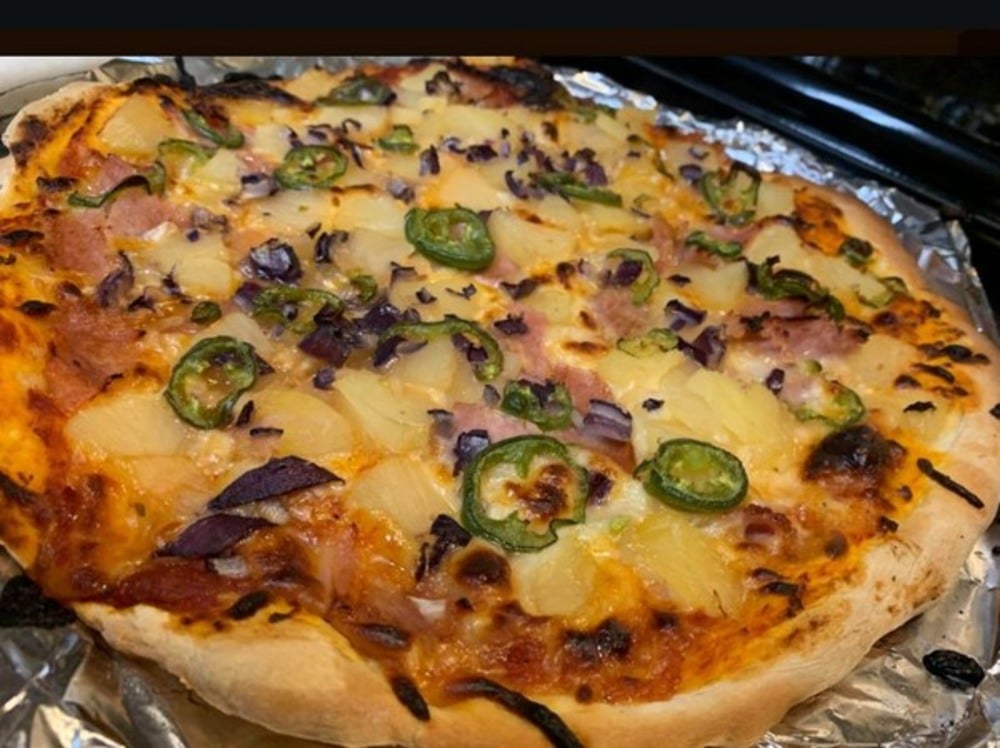
Despite its island-inspired name, Hawaiian pizza has Canadian roots. In 1962, Sam Panopoulos began serving ham-and-pineapple pizza at his restaurant in Chatham, Ontario. The name came from the canned pineapple, not Hawaiian cooking. Whether he was the first to combine pineapple and pizza remains debatable, but his version became the famous combination that still divides dinner tables.
2. Caesar Salad: Born in Tijuana, Not Rome
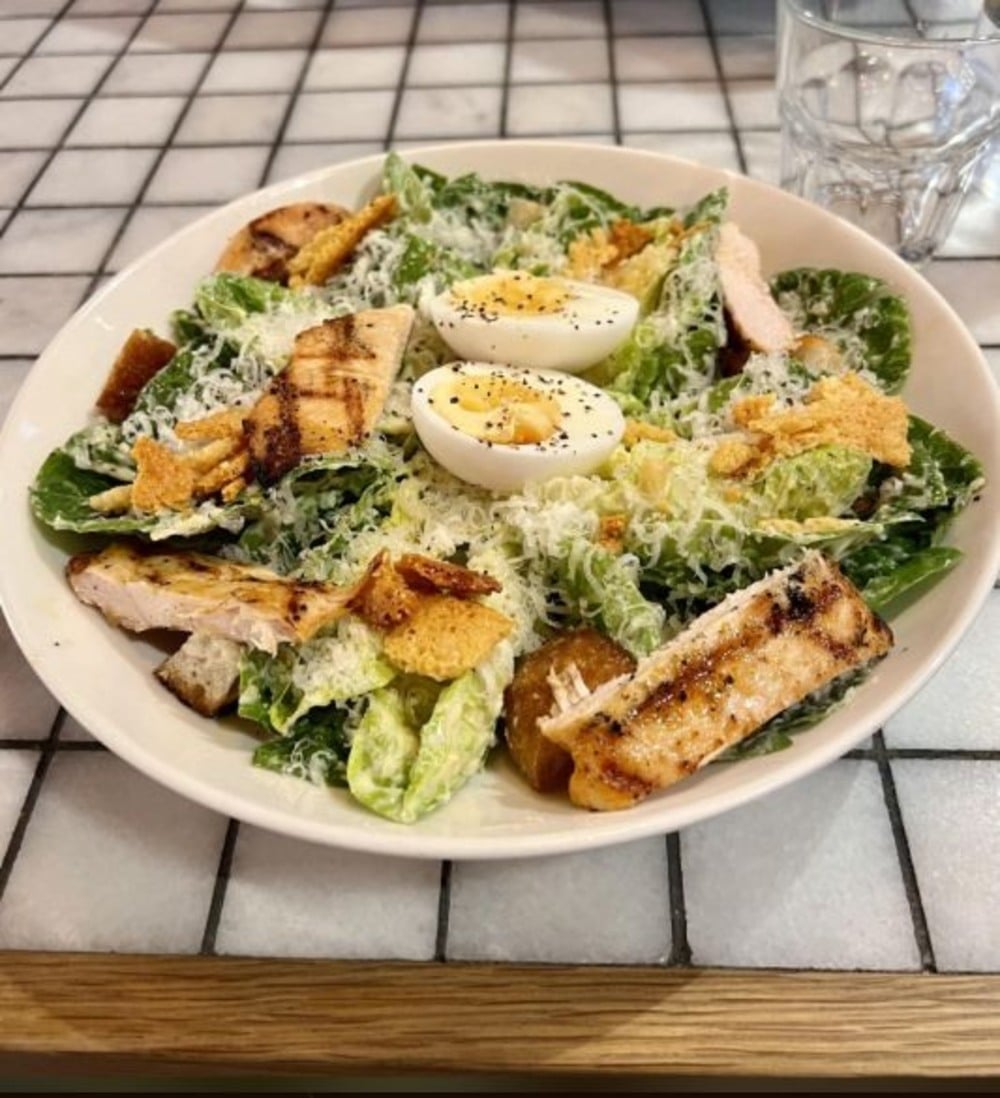
Forget Roman emperors. Caesar salad is named after Caesar Cardini, an Italian immigrant restaurateur credited with creating it in Tijuana, Mexico, in 1924. The border city attracted American visitors during Prohibition, helping the dish gain popularity. Although the Cardini family offered competing accounts of its invention, the salad’s Mexican restaurant roots are much clearer than any supposed connection to ancient Rome.
3. German Chocolate Cake: An American Sweetheart
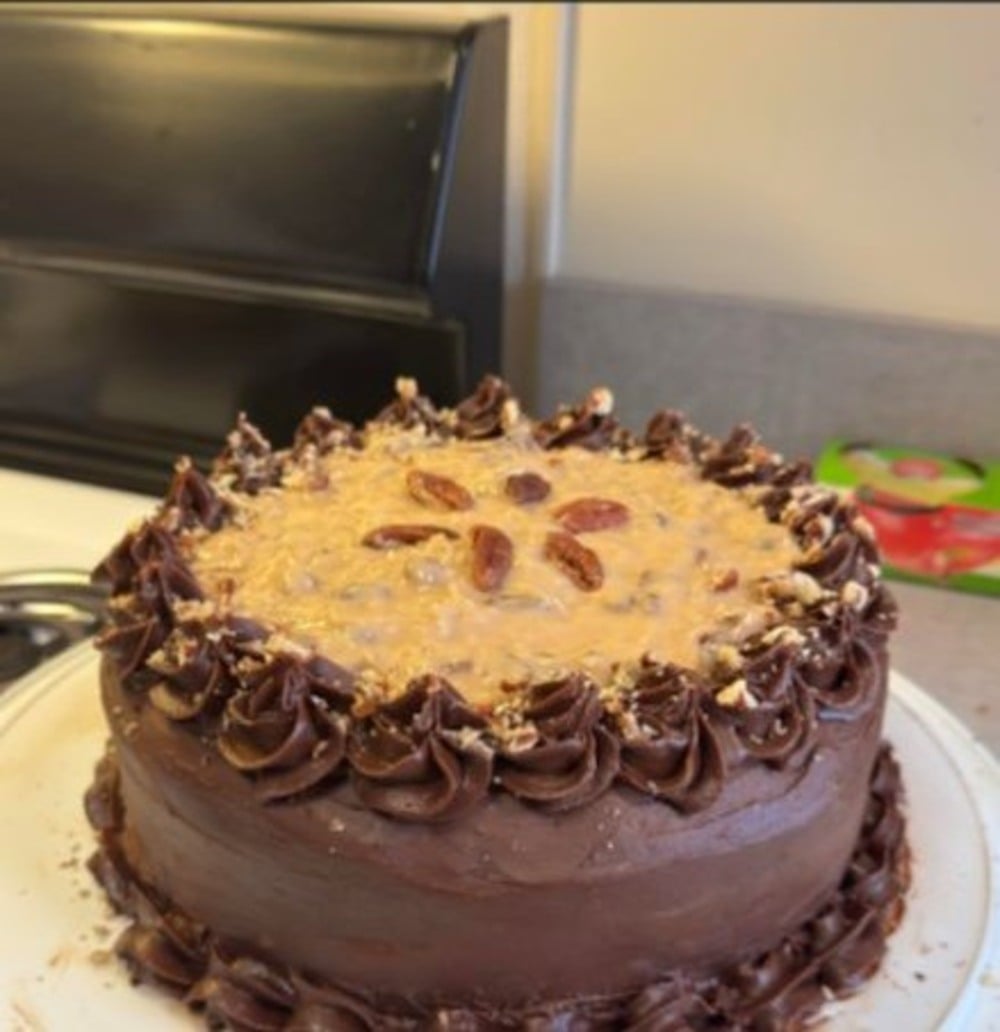
The most misleading ingredient in German chocolate cake is its name. The dessert is American, and “German” refers to Samuel German, who developed a baking chocolate in the United States. A 1957 Dallas newspaper recipe helped popularize the coconut-and-pecan-frosted cake nationwide. Similar recipes existed earlier, so that year marks its rise to fame rather than its definite invention.
4. Fortune Cookies: A Japanese-American Twist
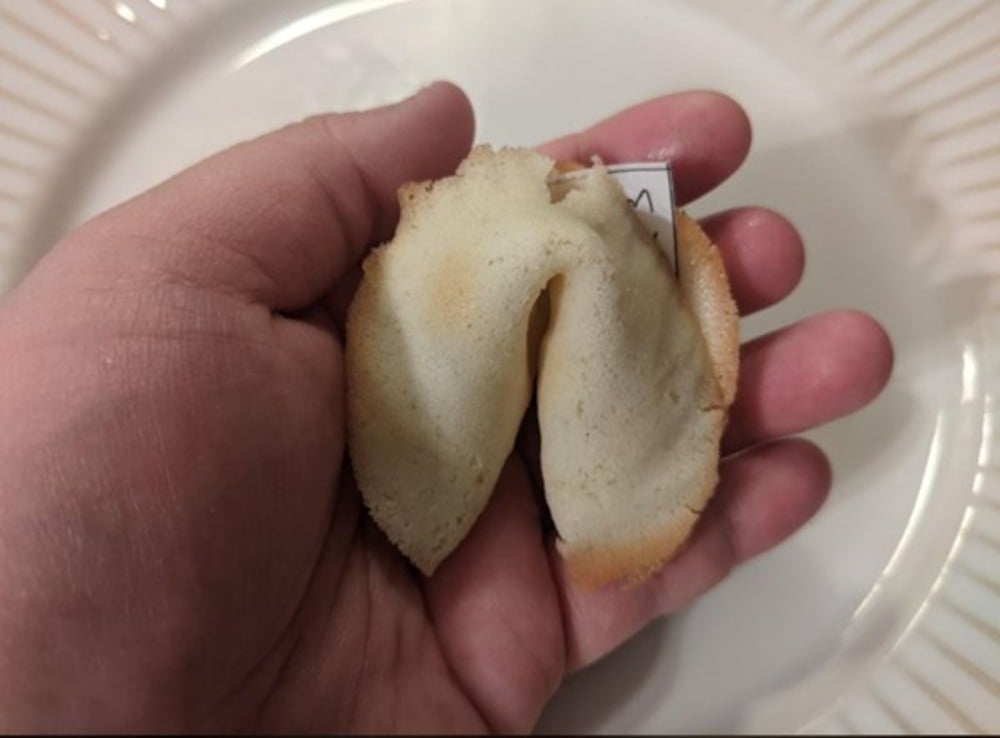
Those little cookies served at Chinese restaurants have an unexpected past. Evidence connects them to Japanese confectionery traditions and Japanese American businesses, including San Francisco´s Japanese Tea Garden. They later became fixtures of Chinese American restaurants, particularly around and after World War II. No single inventor owns the entire story, but their history shows how foods can become associated with a different cuisine.
5. English Muffins: A New York Breakfast Favorite
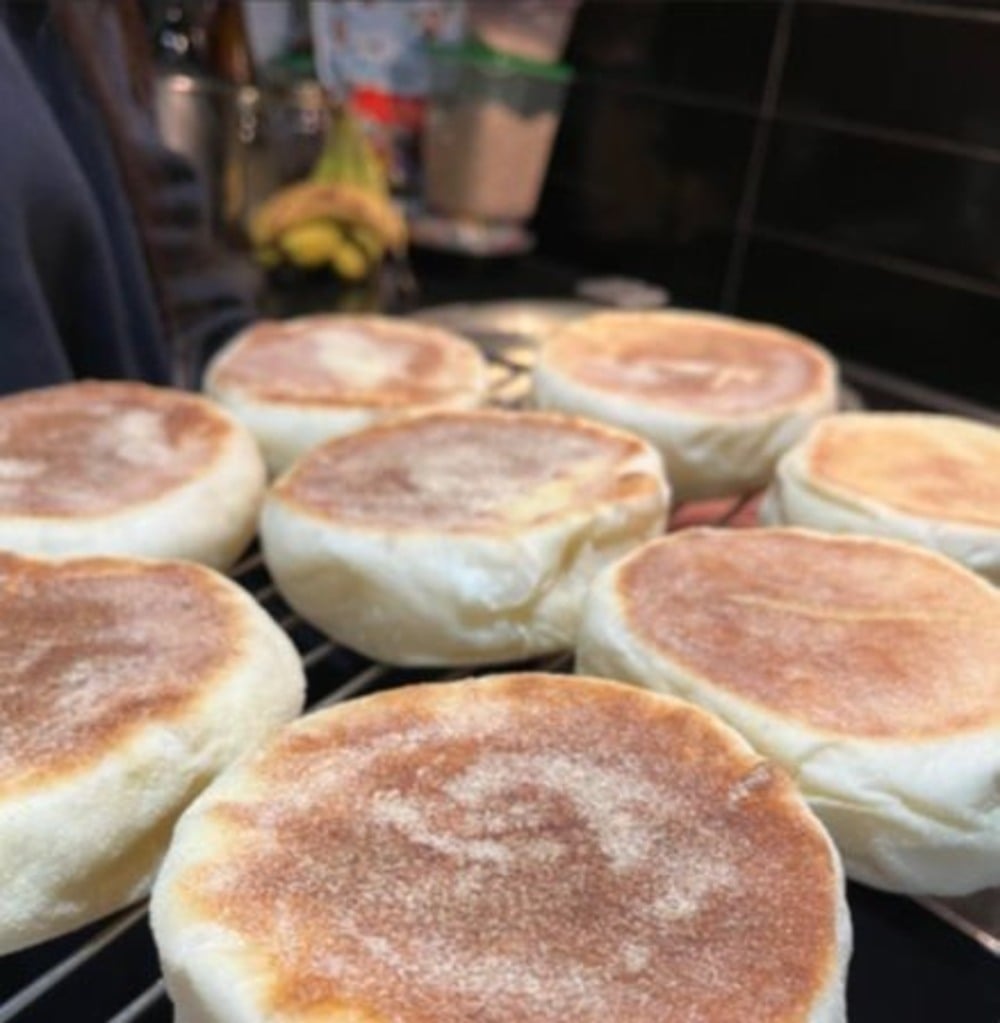
What Americans call an English muffin has a distinctly New York chapter. English immigrant Samuel Bath Thomas began producing his version there during the 1880s, helping establish the familiar split-and-toast breakfast bread. Britain already had muffins and related griddle breads, so Thomas wasn’t inventing the category. His contribution was the American-style version that became a breakfast staple. How many supposedly foreign foods are actually local reinventions?
Trending on The Scroller

6. French Dip Sandwich: Los Angeles Takes the Credit
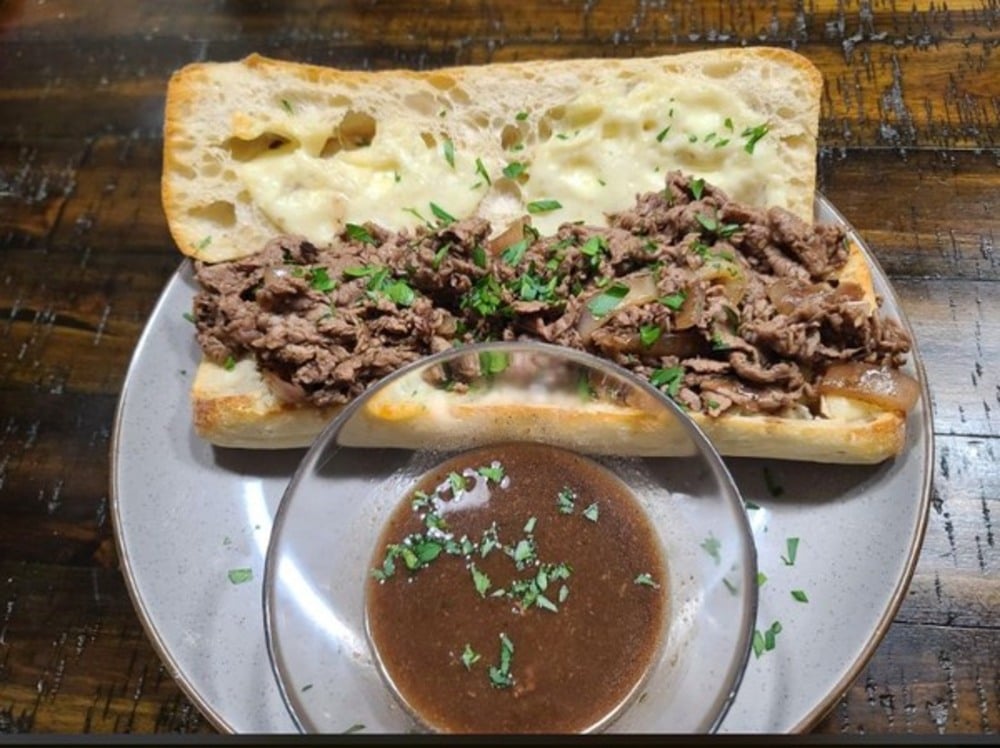
A roast beef sandwich dipped in savory juices sounds French, but its famous origin story belongs to Los Angeles. Two longtime restaurants, Philippe´s and Cole´s, both claim to have invented it. Although neither has conclusively established priority, both helped make the sandwich an L.A. classic. The French in its name doesn’t establish a French birthplace, and its California history is interesting enough without choosing a winner.
7. Russian Dressing: An American Salad Surprise
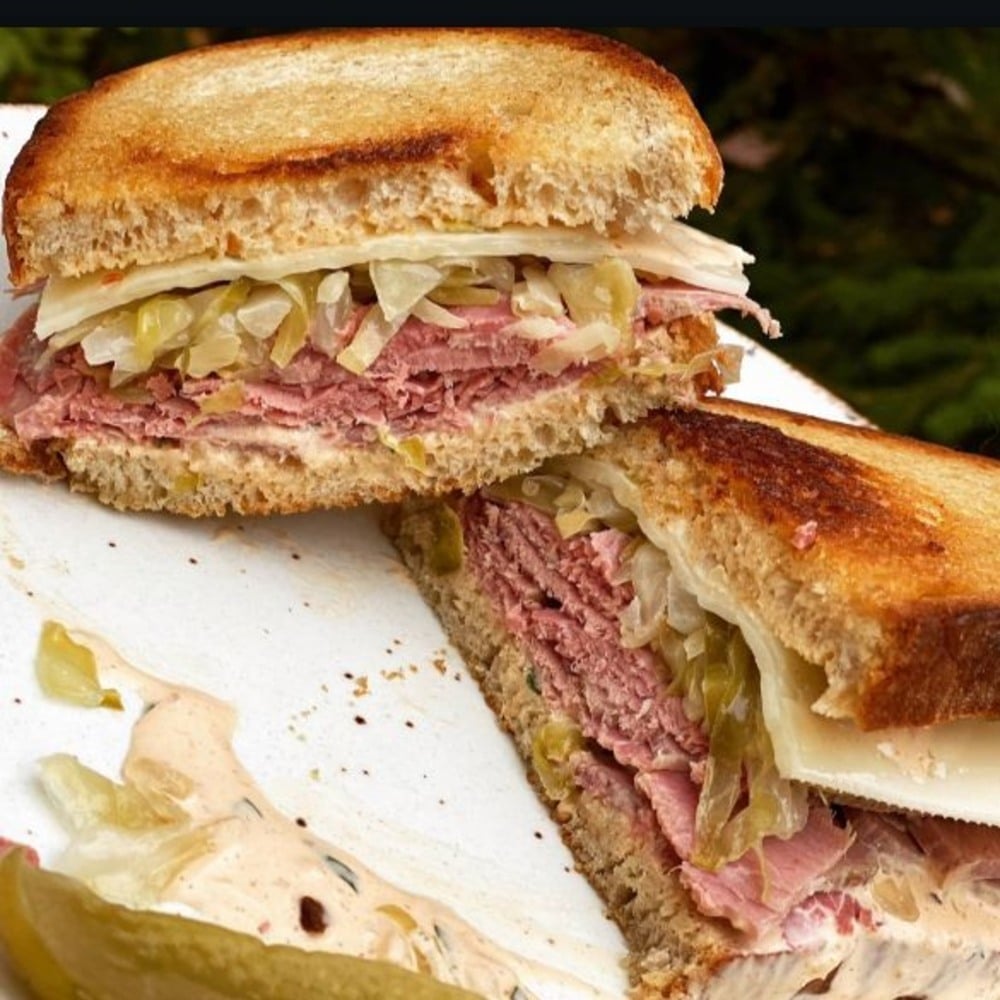
Russian dressing sounds imported from Moscow, but its recognizable history is American. Recipes for the creamy, tangy condiment appeared in the United States during the early twentieth century. Some explanations connect its name to caviar used in certain early versions, although that story remains uncertain. What is clear is that the dressing became an American favorite for salads and sandwiches.
8. French Onion Dip: California’s Party Trick
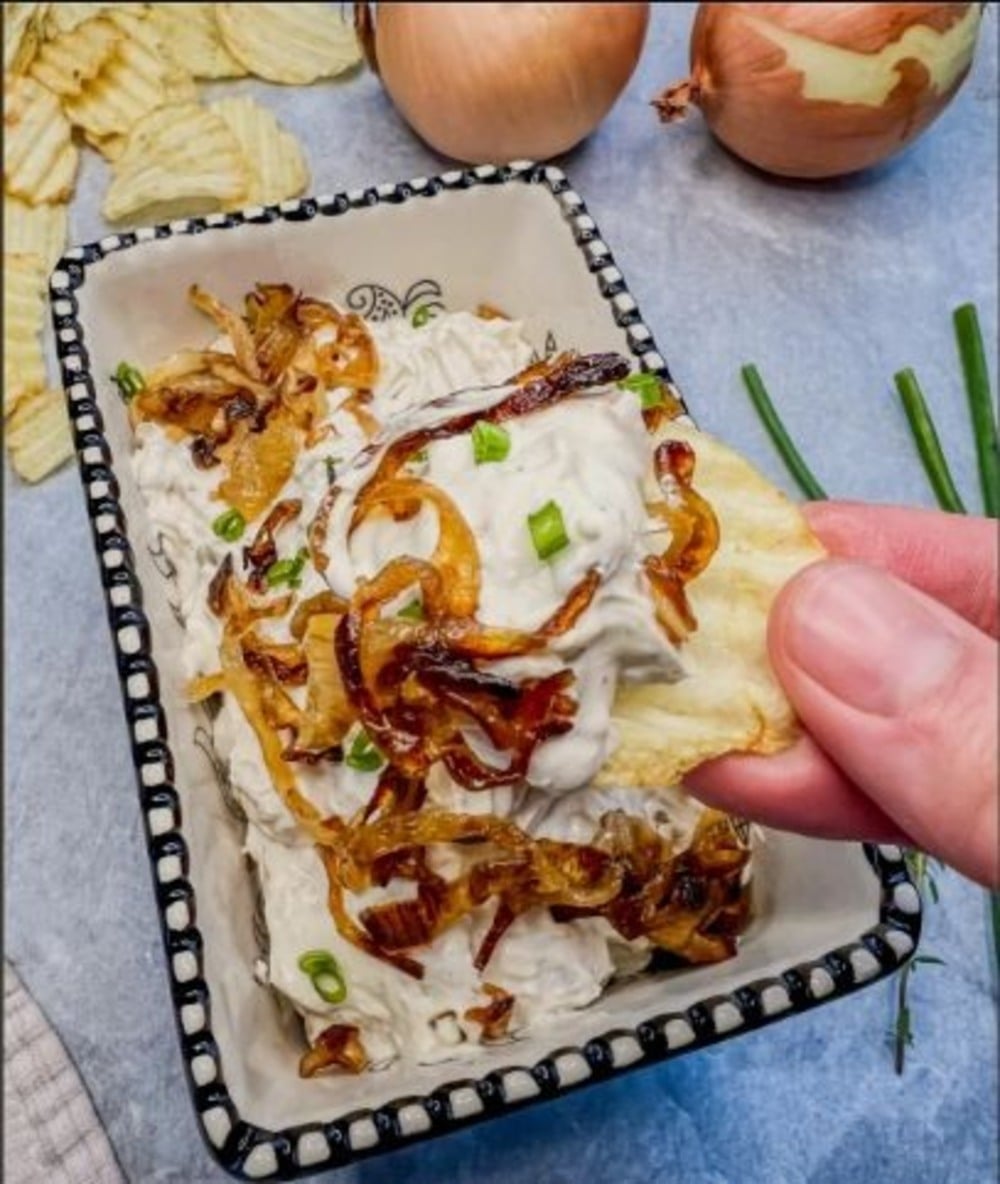
Picture creamy onion dip surrounded by potato chips. Its name sounds sophisticated, but the familiar sour-cream-and-onion-soup mix became an American party favorite in the 1950s. Originally known as California dip, it borrowed a flavor association from French onion soup without being the same dish. Few foods demonstrate the distance between elegant branding and casual entertaining quite so deliciously.
Sign up for our newsletter
9. London Broil: An American Steakhouse Mystery
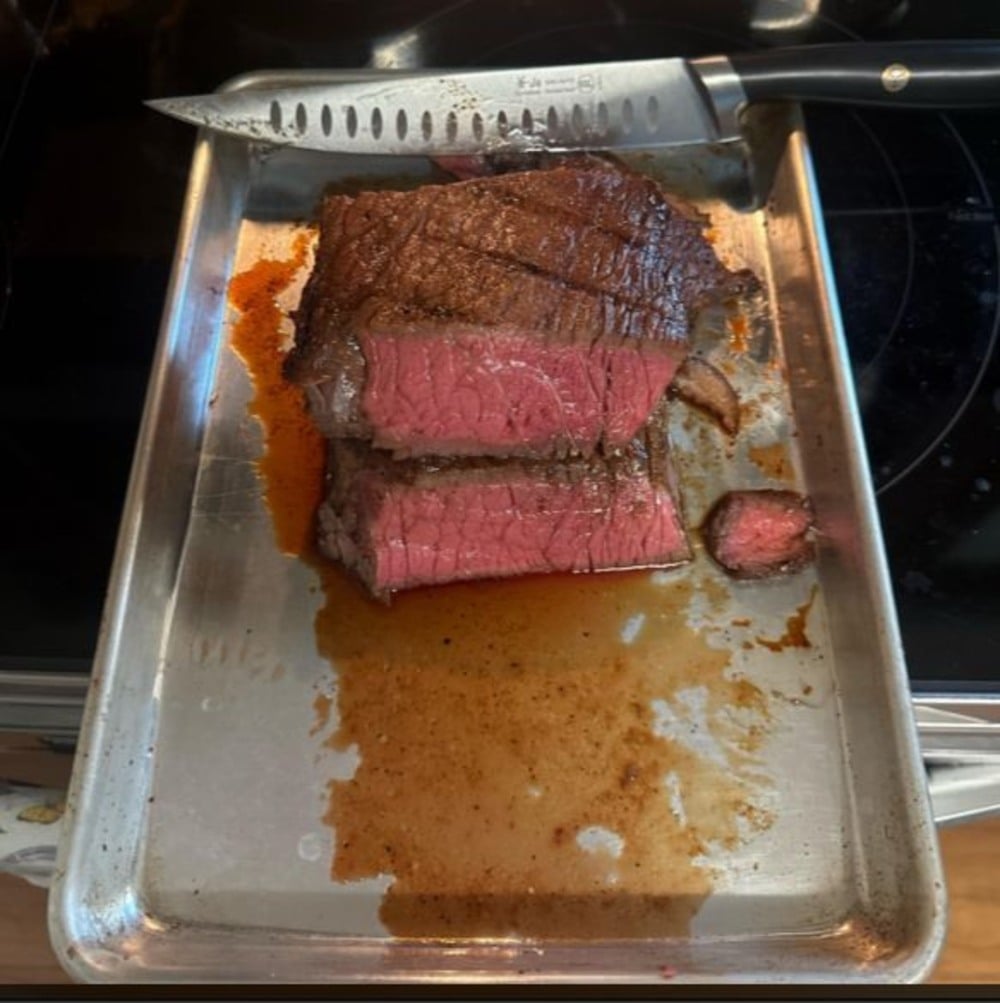
Despite its name, London broil is more familiar in American kitchens than as a traditional British specialty. The term describes a method of preparing beef and sometimes the cut sold for that purpose. Its exact naming history remains uncertain, but its American culinary identity is well established. Instead of a famous London chef, the story leads to the practical language of American meat counters.
10. Spaghetti and Meatballs: An Italian-American Classic
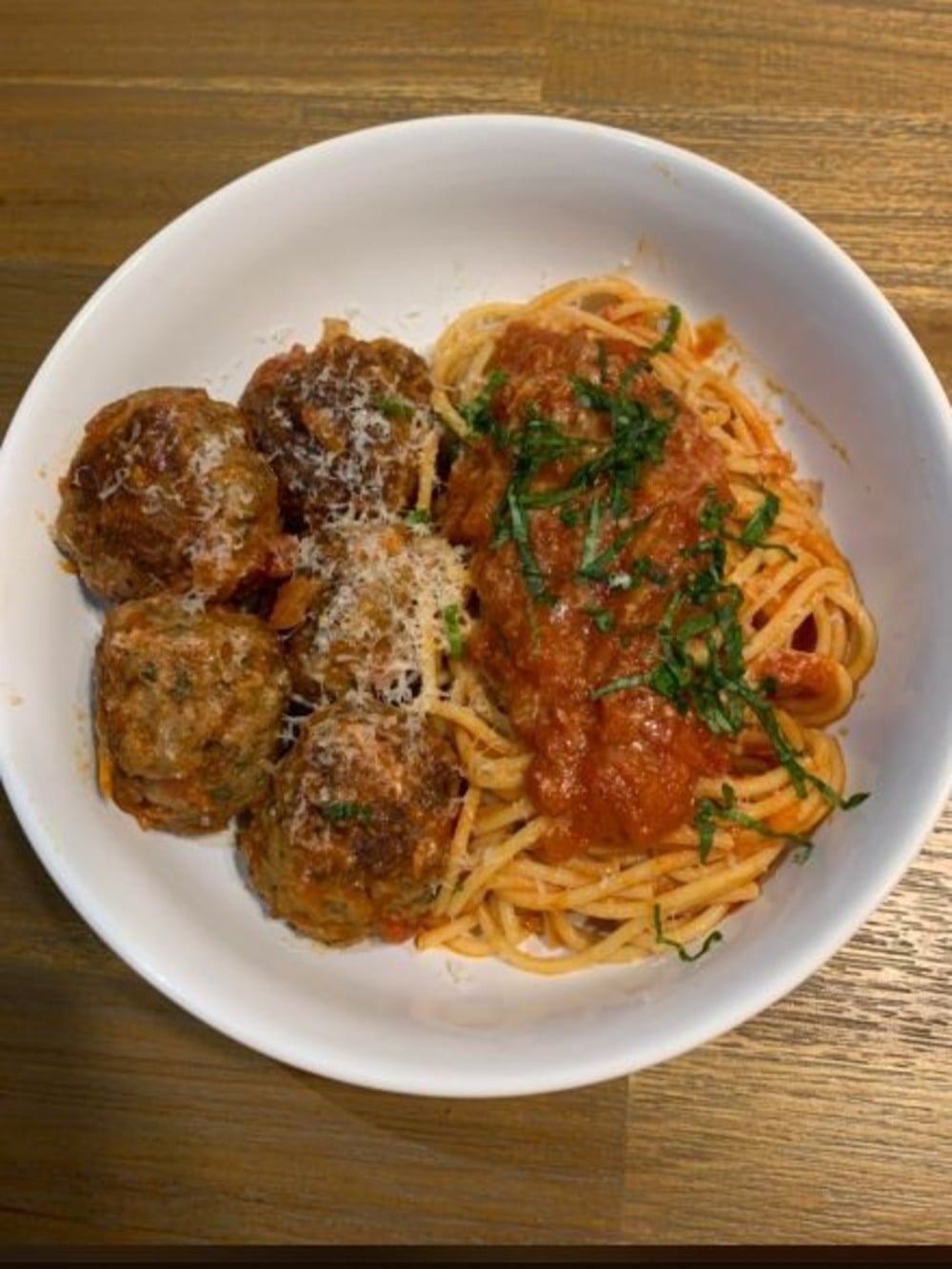
Surprising food origins don´t get much more comforting than spaghetti and meatballs. Although both ingredients have Italian roots, the familiar plate of large meatballs piled over spaghetti developed within Italian American food culture. Italy has pasta, meatballs, and some regional combinations, but the oversized, sauce-covered version became especially recognizable in the United States. It’s a delicious example of immigrant traditions evolving into something new.
11. Chicken Tikka Masala: A British Favorite With a Complicated Past
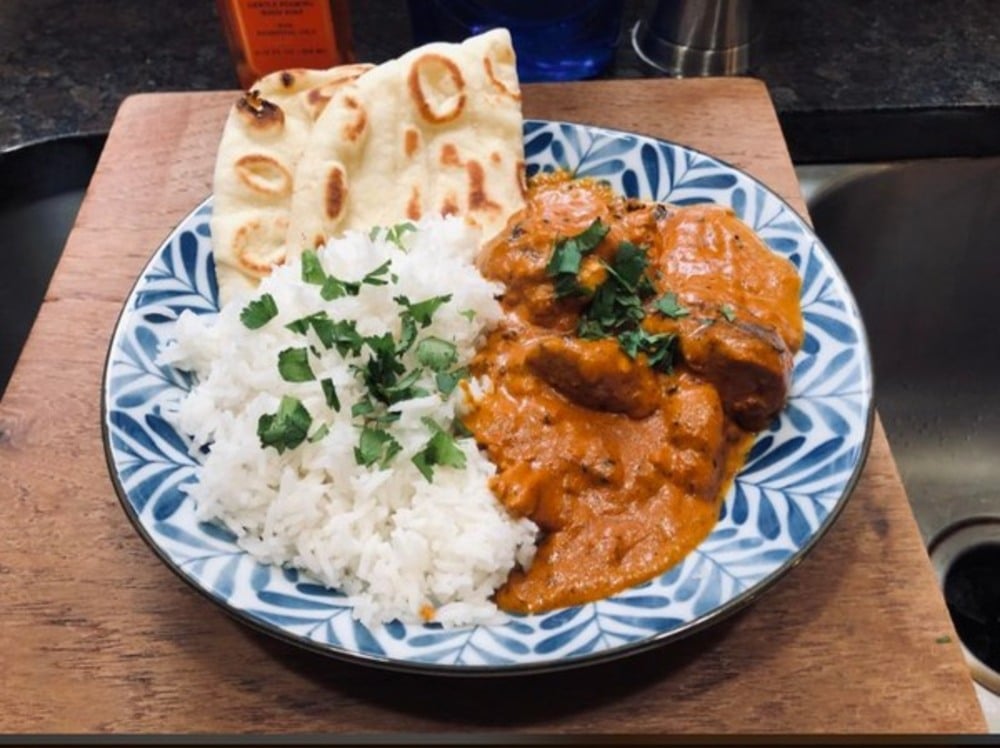
Few dishes inspire as much birthplace debate as chicken tikka masala. Glasgow famously claims its creation, while other accounts emphasize South Asian restaurant cooking throughout Britain. The creamy, tomato-based dish reflects traditions transformed through migration and cultural exchange. Historians disagree about its precise beginnings, making exclusive credit difficult to assign. Its British popularity is undeniable, but its origins resist a simple answer.
12. Swiss Steak: A Name That Isn’t About Switzerland
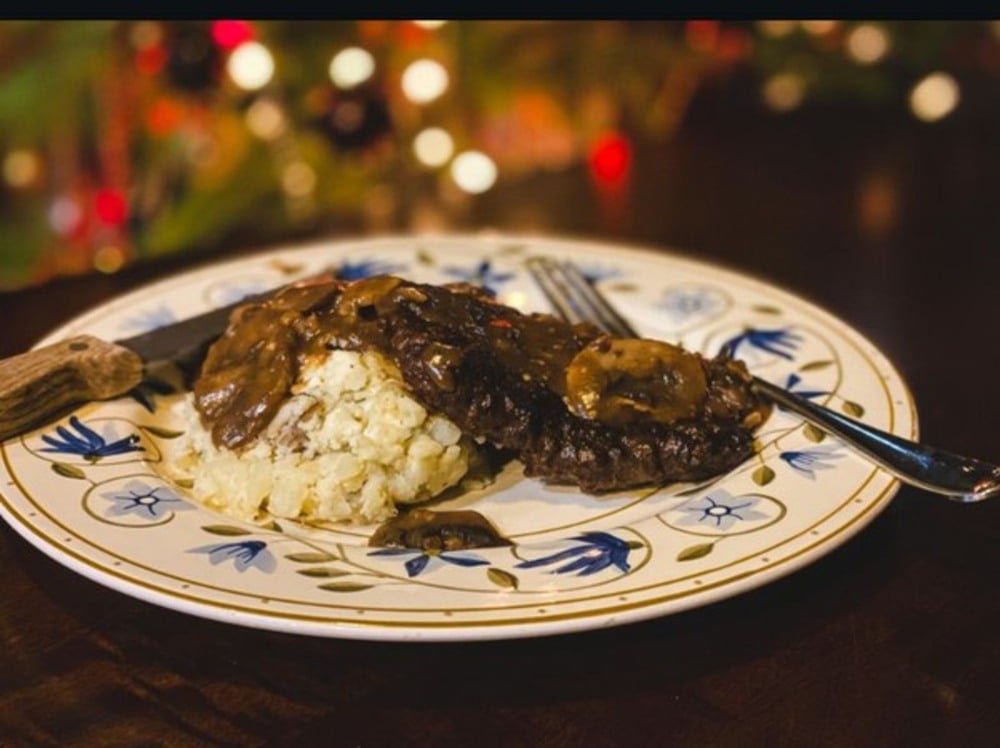
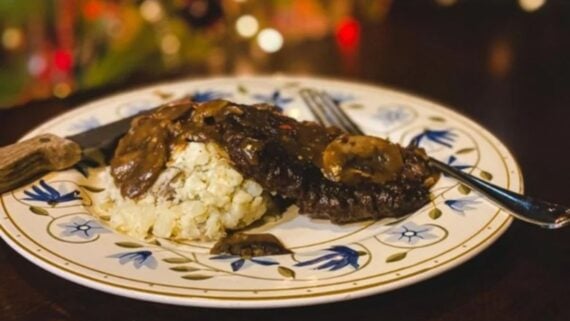
Swiss steak hides an unexpected explanation in its name. This American dish typically features tenderized beef slowly cooked with tomatoes or gravy. The word “Swiss” is commonly linked to swissing, a mechanical meat-tenderizing process, rather than the European country. Although the exact naming history deserves caution, the dish is firmly associated with American home cooking. Sometimes a geographical-sounding name isn’t geographical at all.
13. Baked Alaska: A Frozen Dessert With an American Story
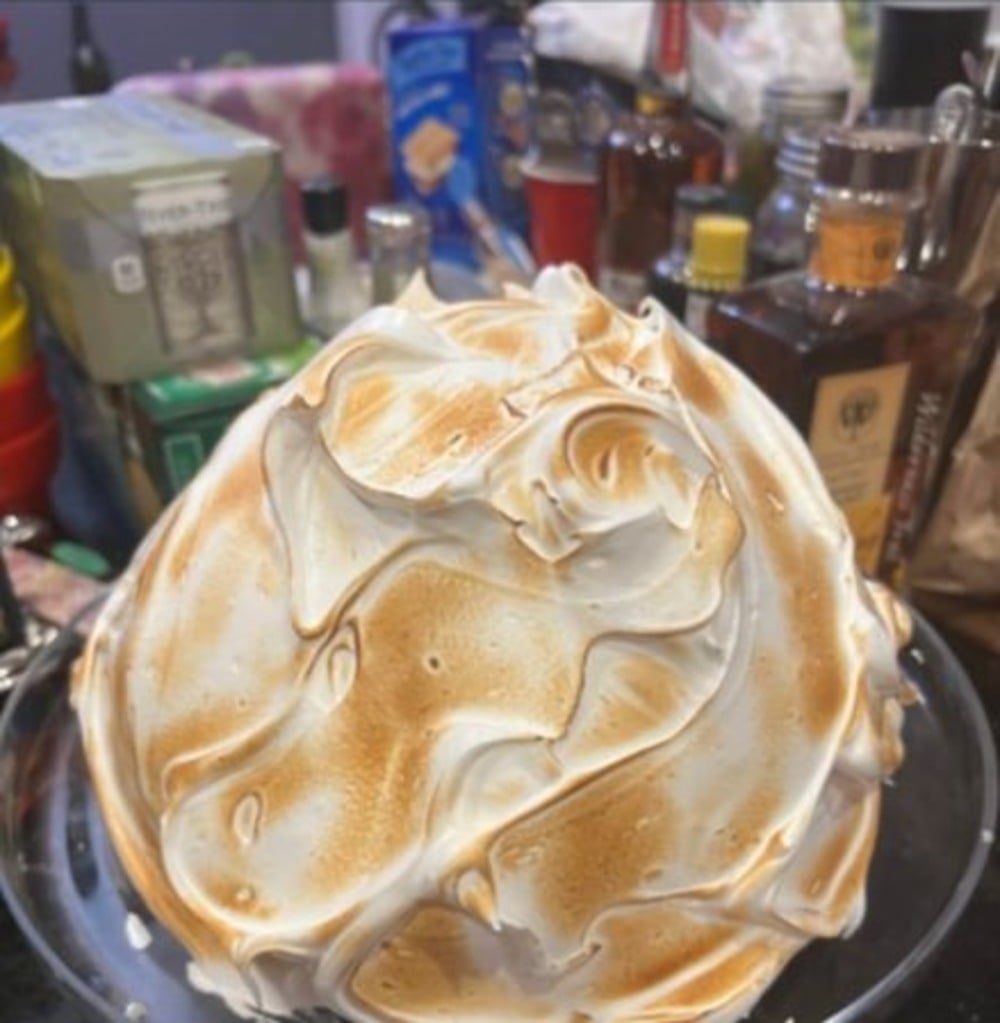
How did an ice-cream-and-meringue dessert get named after Alaska? Its history leads through American restaurants and nineteenth-century frozen desserts. New York´s Delmonico´s is frequently associated with the name, although the famous story linking it to Alaska´s 1867 purchase remains disputed. Similar desserts existed earlier, making its history considerably more complicated than a single restaurant legend.
14. California Roll: A Sushi Creation With Two Competing Cities
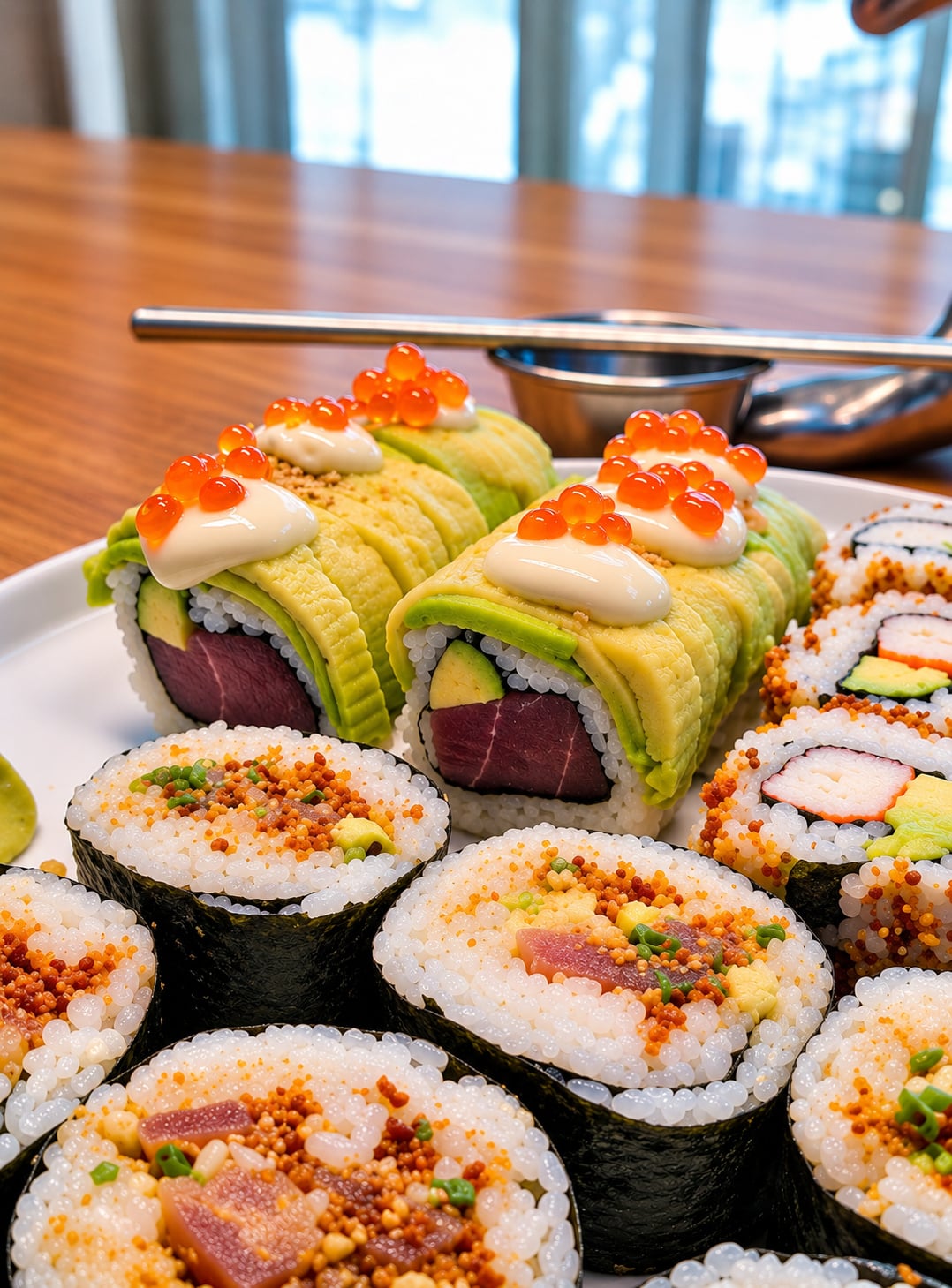
The California roll looks Japanese-inspired, yet its familiar avocado-and-crab combination has a North American origin story. Los Angeles and Vancouver both feature in accounts of its creation, with chefs offering competing claims. The inside-out roll became especially recognizable as sushi gained popularity among North American diners. Rather than replacing Japanese traditions, it adapted them for another setting. Who knew a sushi roll could spark an international rivalry?
15. Mongolian Beef: A Restaurant Name That Travels Far
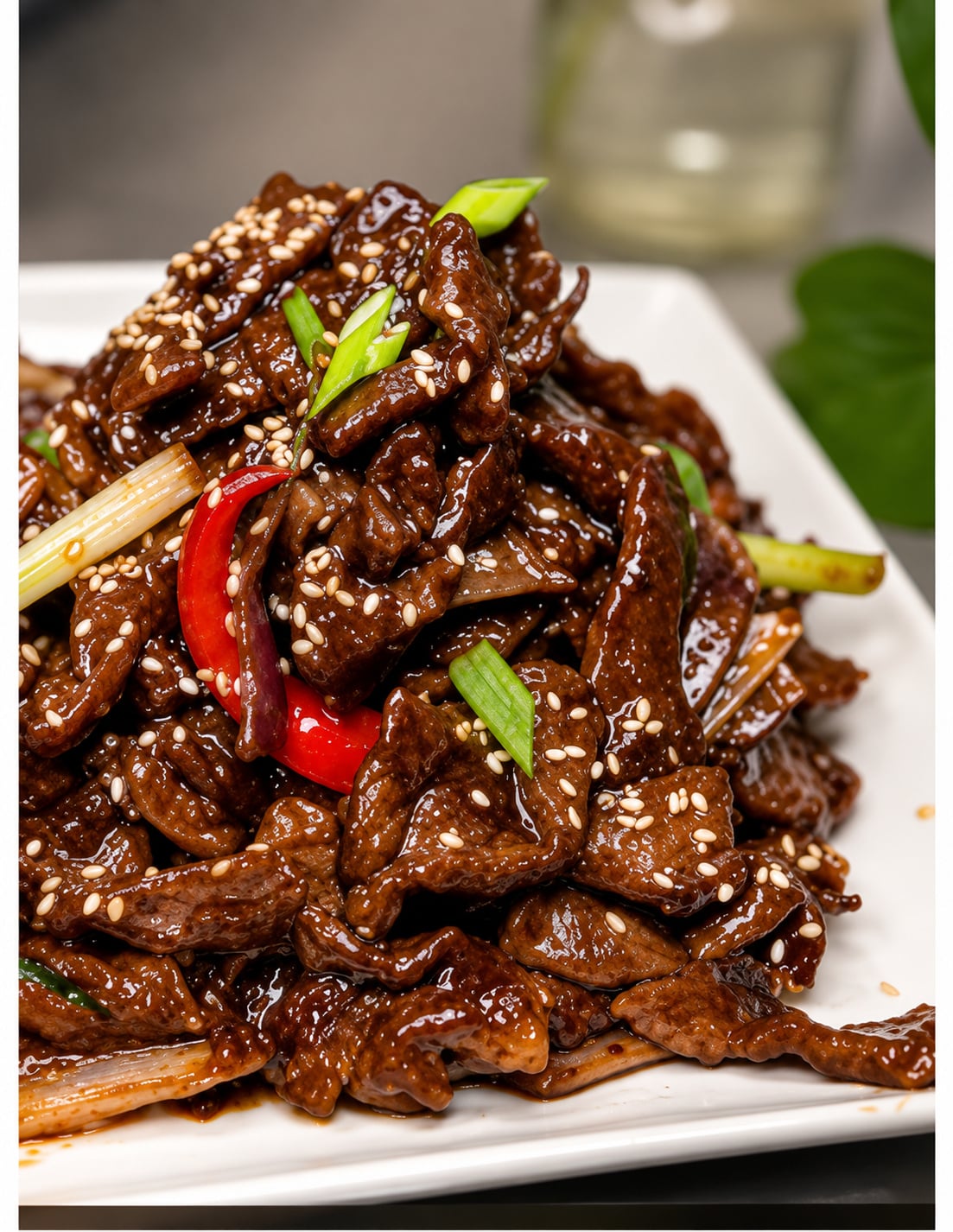
Mongolian beef is familiar on American Chinese restaurant menus, but it isn´t a traditional Mongolian staple. Its history is sometimes discussed alongside Taiwanese-style Mongolian barbecue, although the two dishes shouldn´t be confused. Their development followed different paths, and the precise origins of restaurant-style Mongolian beef require caution. The name evokes Mongolia without establishing it as the dish’s birthplace.
16. French Dressing: An American Makeover
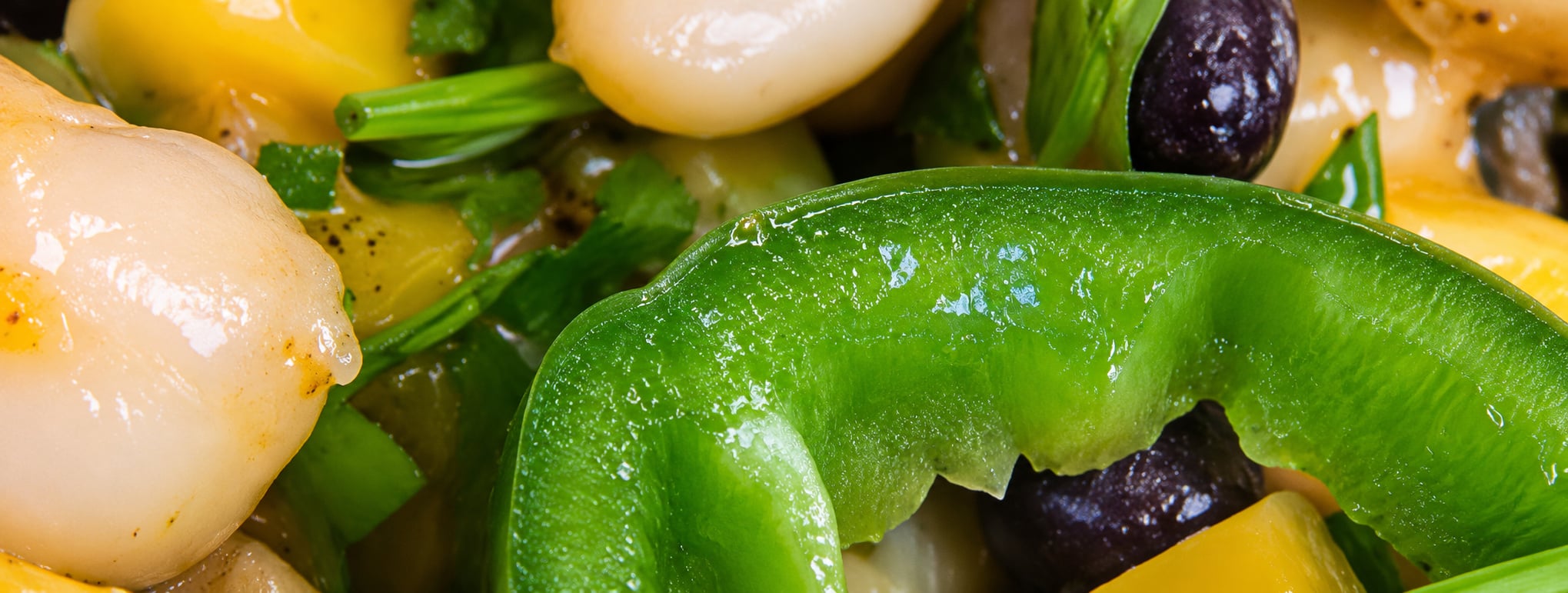
In France, classic vinaigrette generally combines oil and vinegar. In the United States, however, French dressing also became a sweet, often red-orange bottled condiment. That familiar commercial style developed its own American identity, separate from traditional French vinaigrette. The name remained even as the flavor, color, and texture changed. One label eventually described two rather different salad experiences.
17. Japanese Curry Rice: A Journey Through Britain
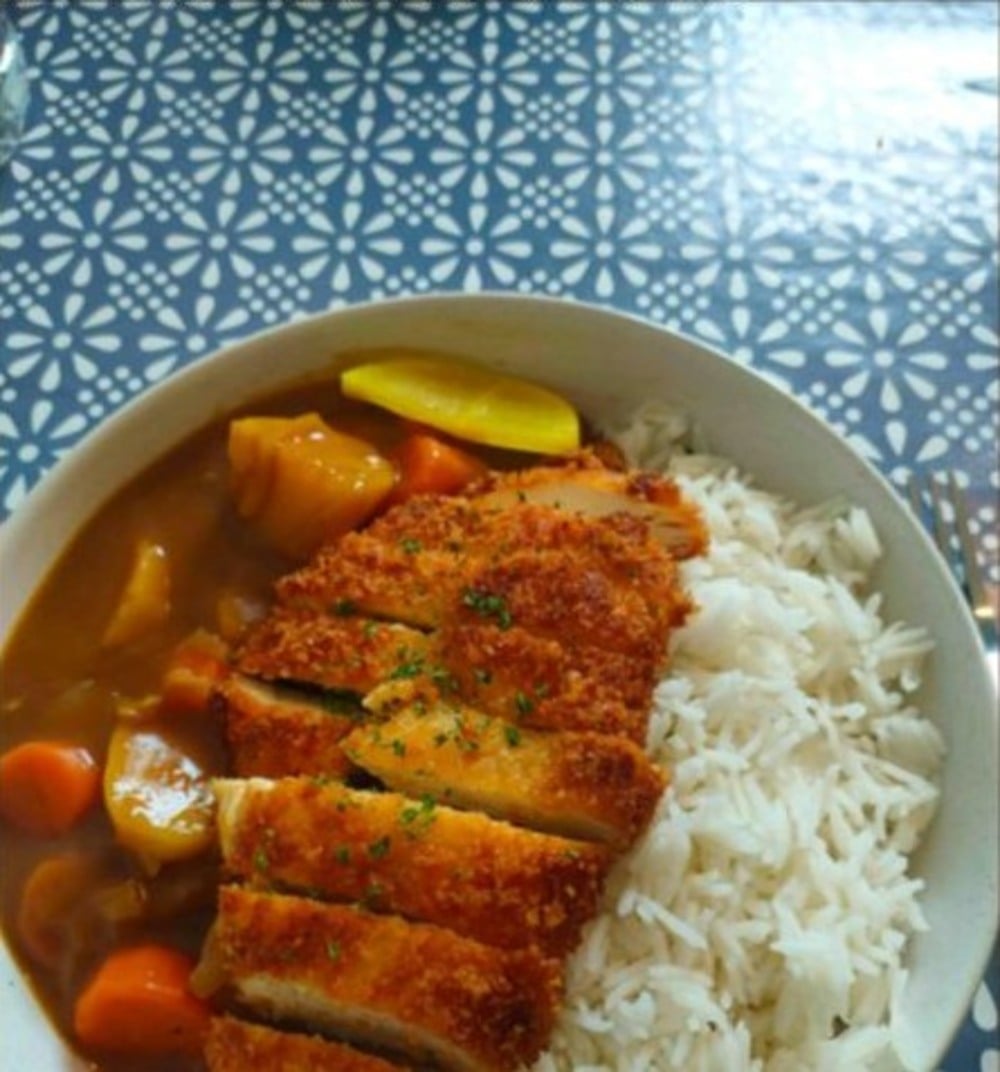
Japanese curry rice has an international family tree. Curry reached Japan through British culinary influence, itself shaped by Indian cooking. The dish later became established in Japanese food culture, including through naval meals. Over time, Japan developed its recognizable version, featuring a thick curry sauce served with rice. Its roots cross several countries, but the finished dish remains distinctly Japanese.
18. Danish Pastries: An Austrian Connection
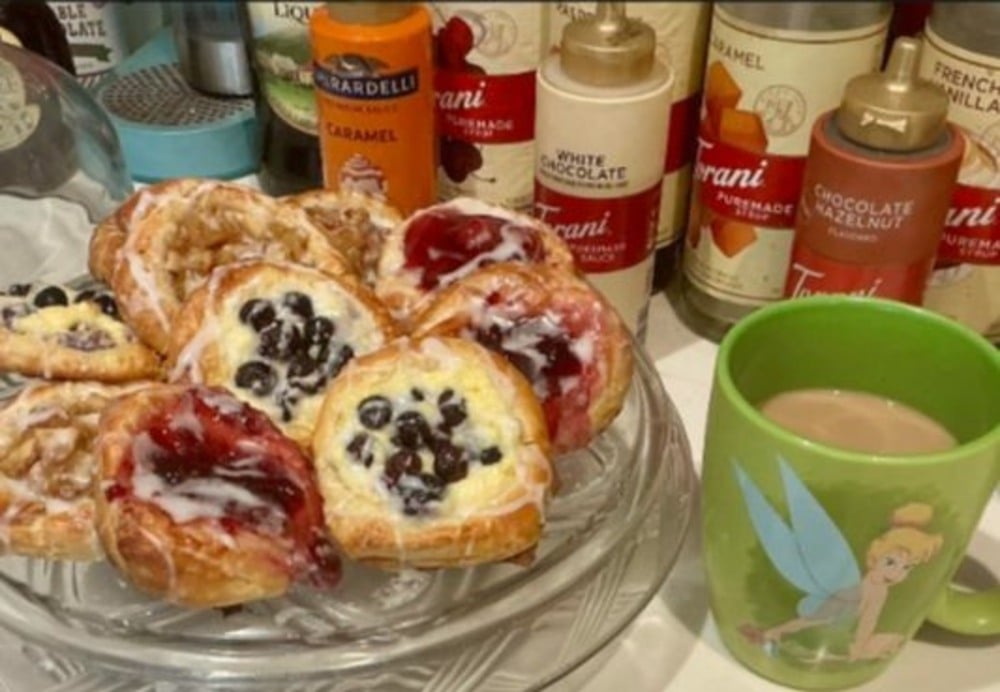
Danish pastries are genuinely Danish, but their history includes Austrian influence. Baking techniques associated with Austrian pastry makers helped shape Danish wienerbrød, the laminated pastry that became internationally famous. Danish bakers adapted those techniques into their own specialty. Sometimes the surprising origin isn’t a different birthplace, but the international journey behind a beloved national tradition.
The stories behind these dishes show how food crosses borders, gains new names, and becomes part of another culture’s everyday life. Some have well-documented beginnings, while others remain historical debates. Either way, the next familiar dish on a menu might have a much more adventurous past than its name suggests.
Keep Exploring The Scroller
Still hungry for surprises? Explore more unexpected histories, everyday mysteries, and fascinating discoveries at The Scroller. There’s always another familiar favorite with a story worth uncovering:
12 Strange Food Fail Disasters That People Actually Grew Up Eating
12 Food Facts to Drop the Next Time Someone Orders Dessert
14 Foods That Were Once Considered Too Fancy for Ordinary Americans