We all have our go-to dessert orders, the classic sweets we simply eat and never really question. But if you look past the frosting and the sprinkles, the dessert menu is actually hiding some of the strangest origin stories in the food world.
A lot of the treats we consider timeless are surprisingly modern, while others have been tricking us with misleading names for decades. From cakes that accidentally stole a country’s identity to carnival staples invented by dental professionals, these 12 facts will give you plenty of material to share the next time someone suggests ordering a second course.
1. German chocolate cake isn’t actually German
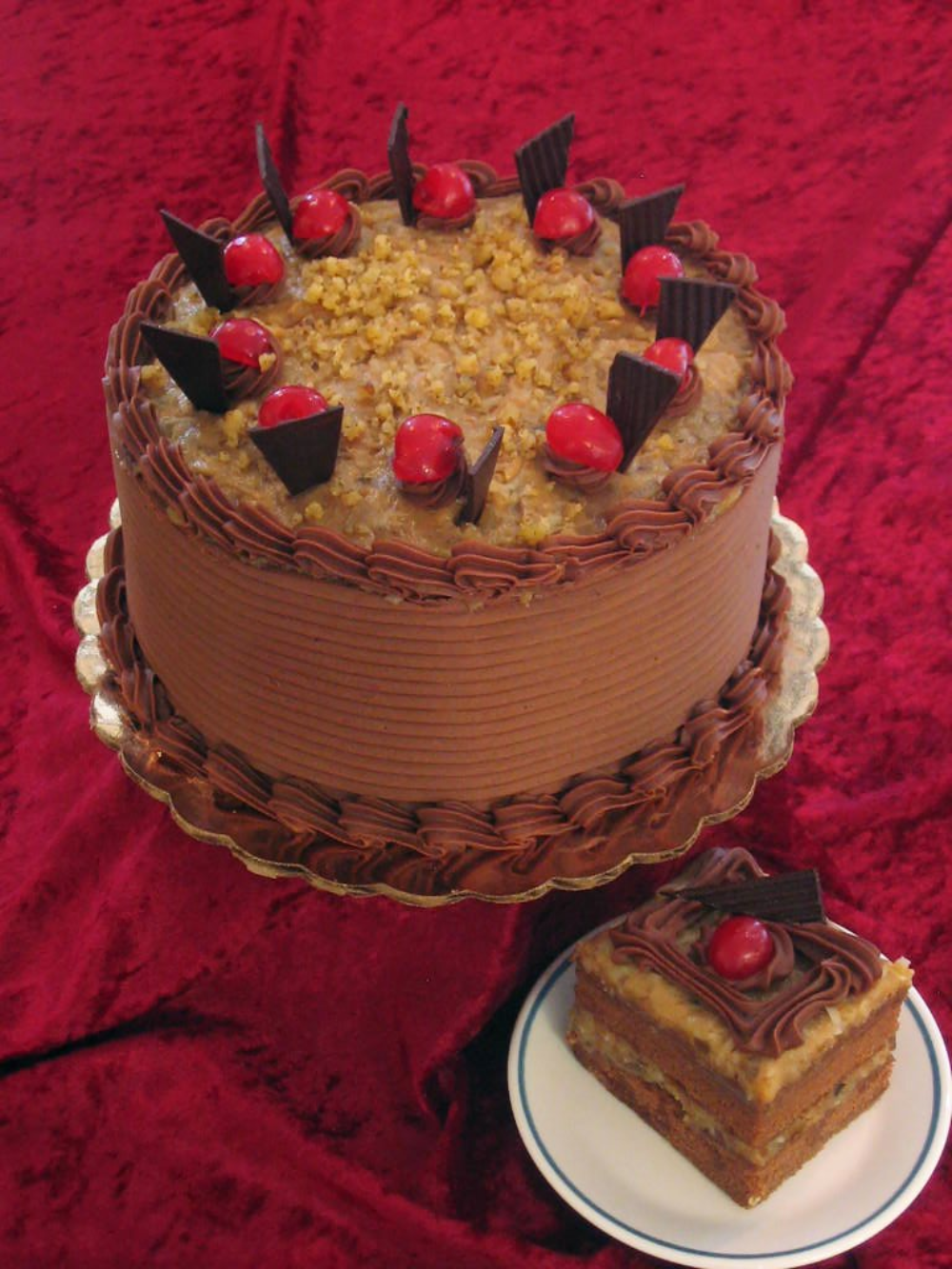
Forget everything you assumed about this bakery staple. German chocolate cake has absolutely zero ties to Germany. The name actually honors Samuel German, an American baker who created a sweet baking chocolate for the Baker Chocolate Company way back in 1852. The cake itself didn’t become a national obsession until 1957, when a Dallas newspaper printed a reader’s recipe featuring that specific chocolate paired with coconut-pecan frosting. As the recipe took off, the possessive apostrophe in “German’s Chocolate Cake” quietly vanished, fooling everyone into thinking it was a European import.
2. One of America’s earliest chocolate brownies was created for a world’s fair
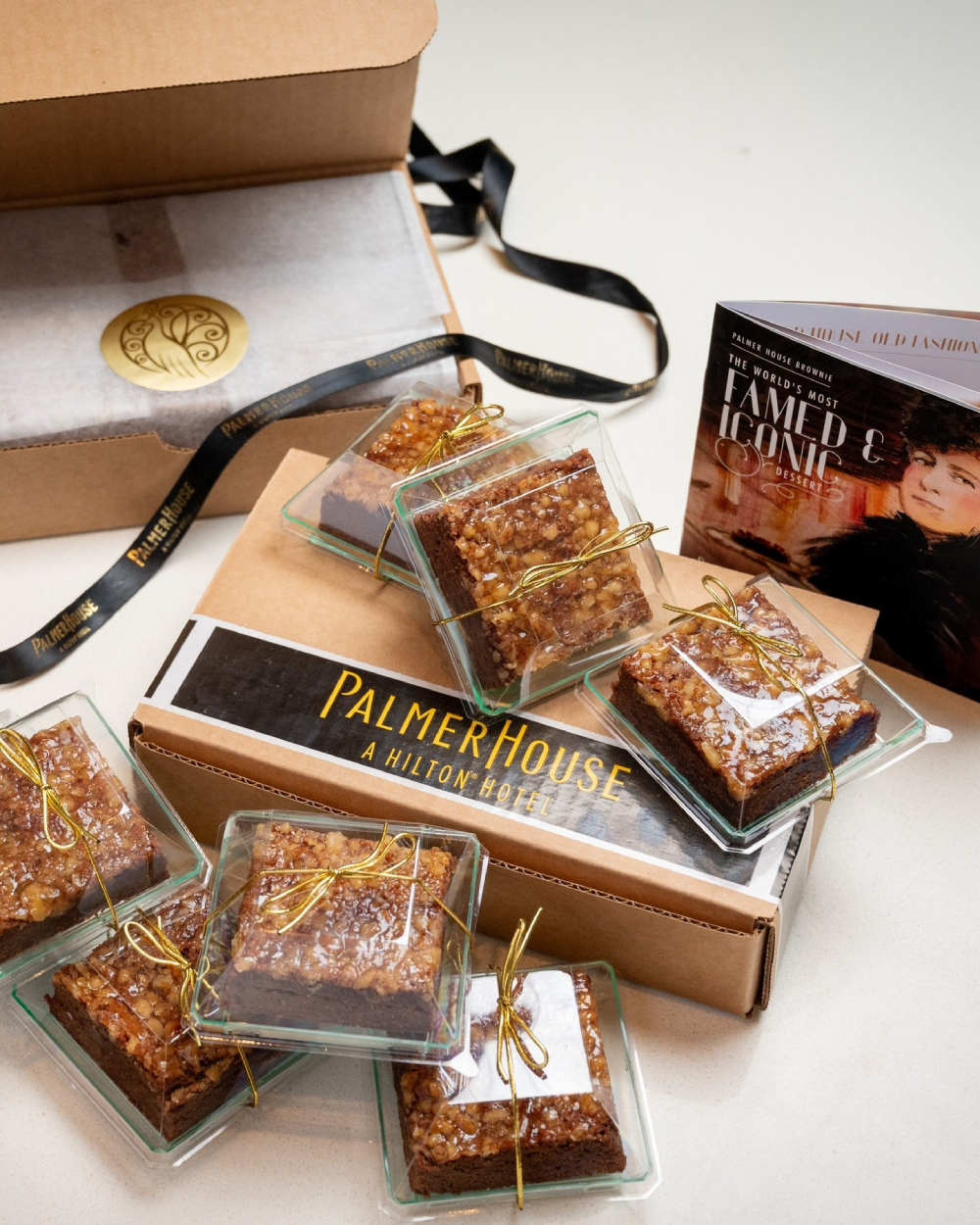
If you order a brownie at Chicago’s Palmer House hotel today, you are eating a piece of 19th-century history. The hotel’s pastry kitchen invented the treat for the 1893 World’s Columbian Exposition. Socialite Bertha Palmer specifically asked for a dessert that women could easily carry around the fairgrounds in boxed lunches. The chefs delivered a dense chocolate square topped with walnuts and a sweet apricot glaze, and the hotel has been serving that exact same recipe for more than 130 years.
3. Chocolate chip cookies existed before chocolate chips were sold
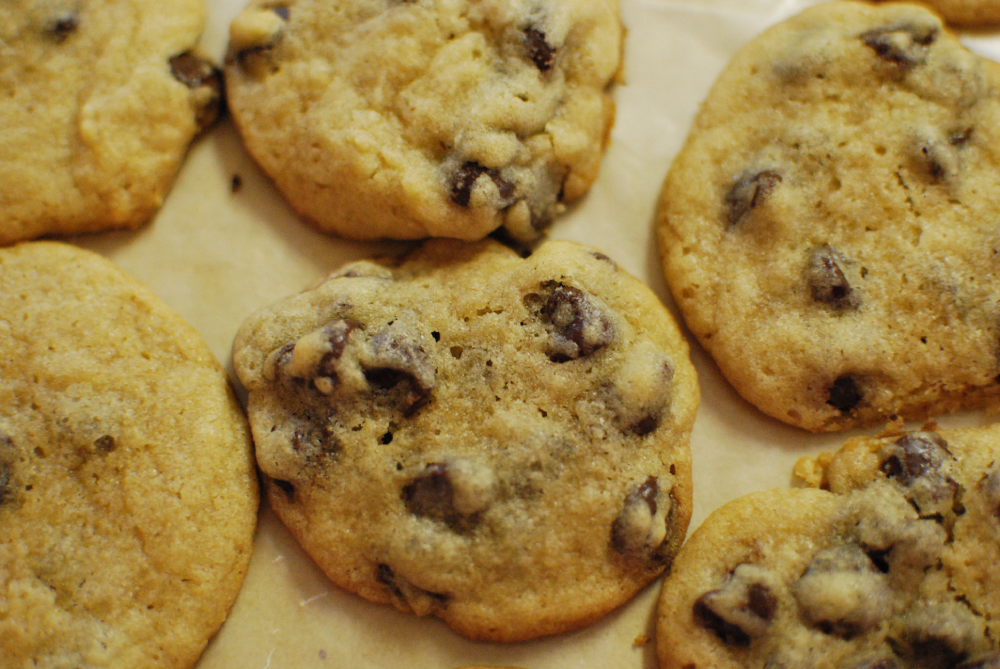
When Ruth Wakefield printed her famous Toll House cookie recipe in 1938, you couldn’t just walk into a grocery store and buy a bag of chocolate chips. To make her Chocolate Crunch Cookies, bakers had to physically chop up solid bars of Nestlé semisweet chocolate. The recipe became such a massive hit that Nestlé eventually started scoring its chocolate bars to make them easier to break, before finally realizing they should just manufacture small chocolate morsels. Basically, a baking shortcut launched an entirely new grocery category.
4. The ice cream cone became famous at a fair, but nobody knows who invented it
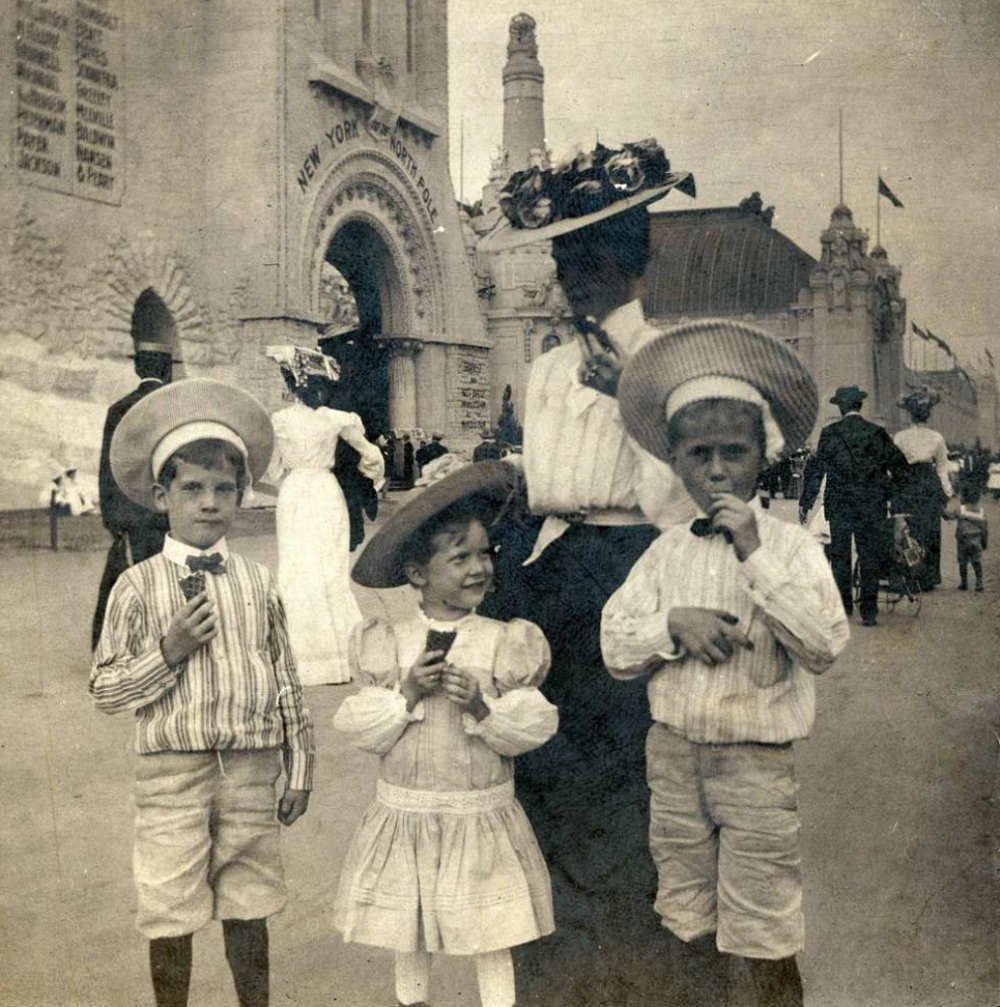
The 1904 St. Louis World’s Fair definitely put the ice cream cone on the map, but the classic legend about a quick-thinking waffle vendor inventing it on the spot is a bit messy. The Smithsonian notes that edible ice cream containers were already floating around, including an English recipe for cream-filled wafer cones from 1888. After the 1904 fair, multiple vendors stepped up to claim they were the true inventor, leaving food historians with a handful of competing origin stories rather than one clear genius.
5. White chocolate is made from a different part of the cocoa bean
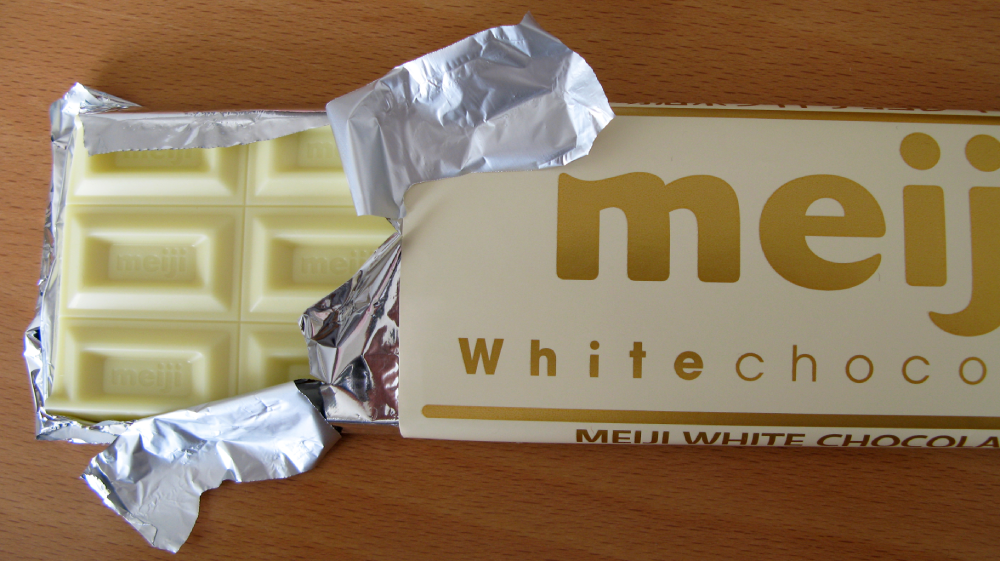
There is a reason white chocolate tastes completely different from a standard dark chocolate bar. It gets its pale color and creamy flavor because it uses cocoa butter instead of the solid cocoa particles that make regular chocolate brown. To legally call a product white chocolate in the United States, the FDA requires it to contain at least 20% cocoa butter, plus specific amounts of milk solids and milkfat. So while it lacks that bitter cocoa punch, it still relies on an ingredient pulled directly from the cacao bean.
Trending on The Scroller
6. Real vanilla comes from an orchid that blooms for less than a day

Your basic scoop of vanilla ice cream requires a surprisingly stressful agricultural process. Natural vanilla flavoring is derived from the seed pods of a specific orchid, and the flowers only open for a few hours on a single day. Because the specific bees that naturally pollinate these orchids do not live in major growing regions like Madagascar, farmers have to manually hand-pollinate every individual flower using a tiny wooden needle before the bloom dies.
7. Apple pie was around centuries before it became an American symbol
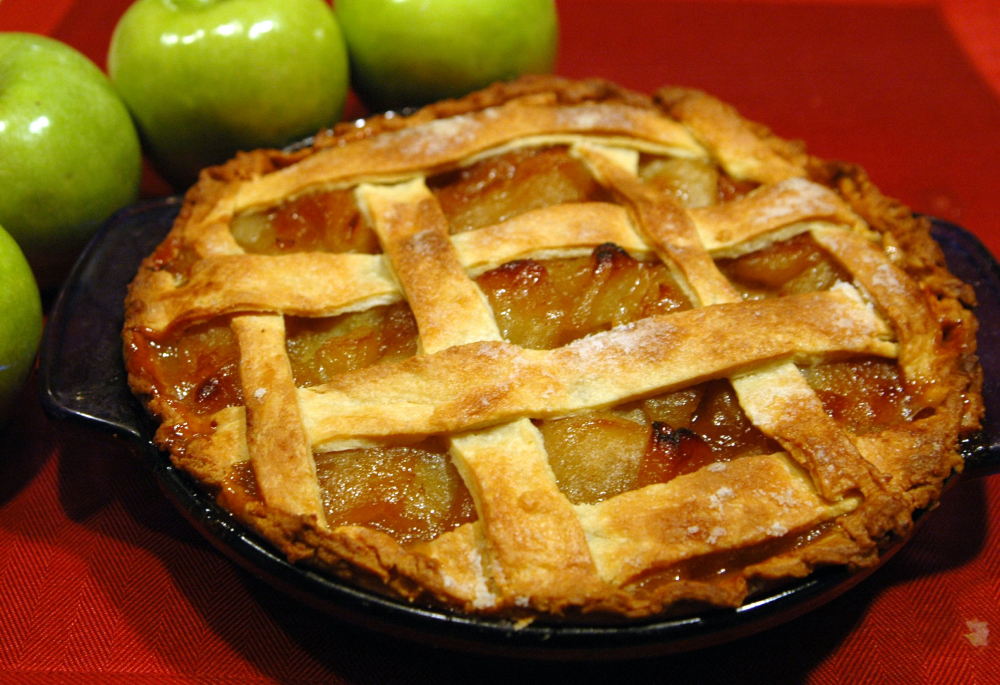
As American as apple pie might sound, the dessert was a European staple long before anyone brought it across the Atlantic. Culinary historians point to an English recipe from 1381 that tossed apples together with figs, raisins, pears, and saffron. Those early medieval pies were pretty tough, using thick, dense pastry shells primarily as cooking vessels rather than flaky, edible crusts. The dessert didn’t cement its patriotic American reputation until well into the 20th century.
8. Fortune cookies have a surprisingly complicated Japanese-American history
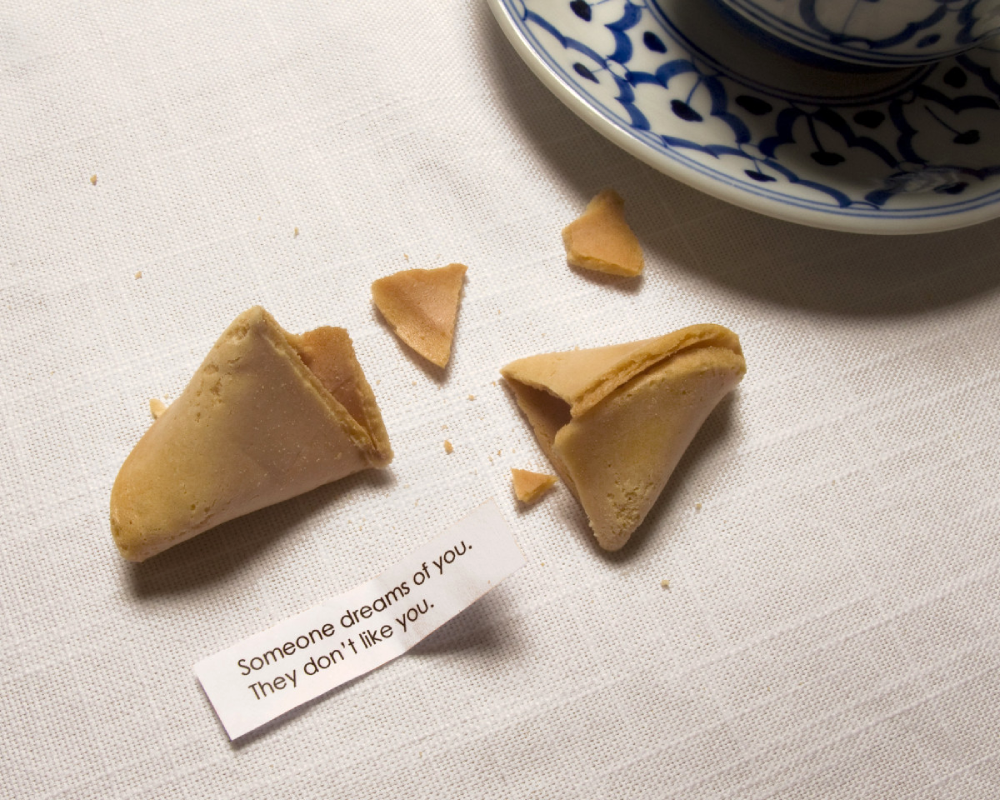
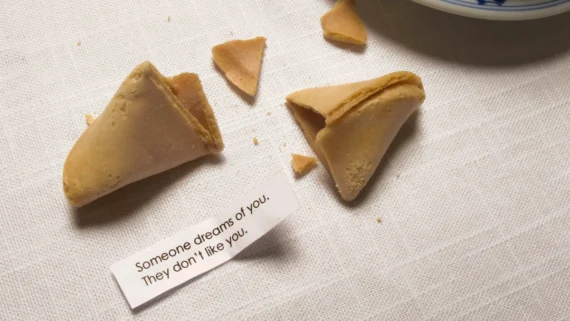
The fortune cookies handed out at your local Chinese restaurant actually have Japanese roots. The Library of Congress traces their ancestry back to traditional Japanese fortune-bearing crackers. The modern American version sparked a fierce rivalry, with both San Francisco’s Japanese Tea Garden and a Chinese-American businessman in Los Angeles claiming to have invented it. Regardless of who made them first, the manufacturing trick remains the same: the paper fortune is quickly folded inside the cookie right after baking, while the dough is still warm and flexible.
Sign up for our newsletter
9. Cotton candy’s modern form was invented with help from a dentist
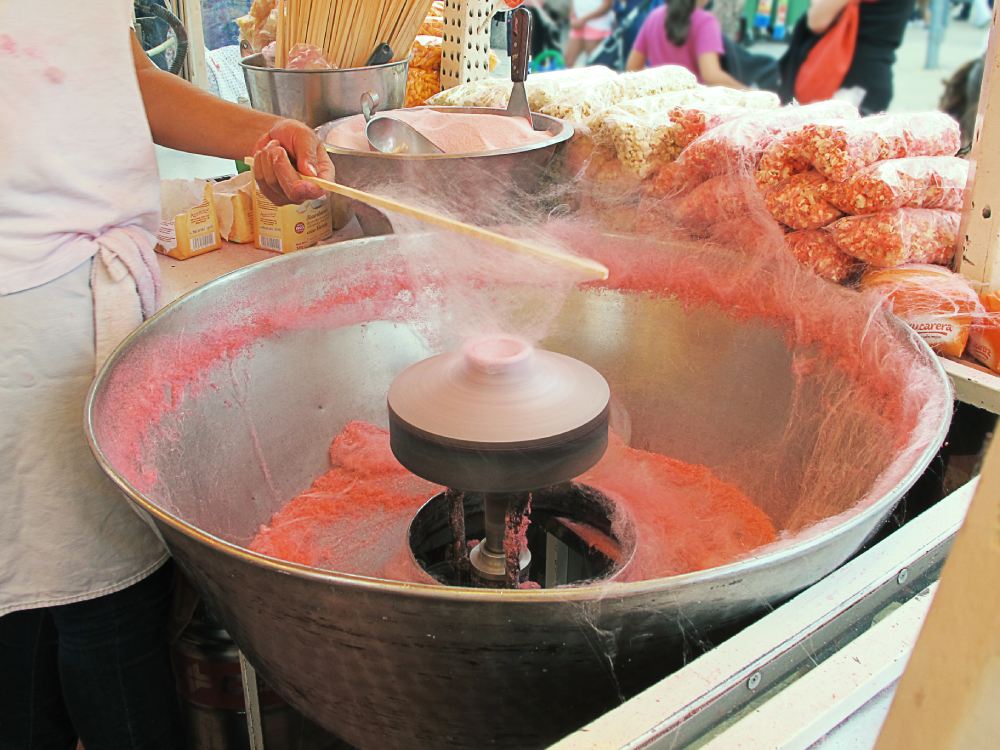
In one of the greatest conflicts of interest in culinary history, machine-spun cotton candy was co-invented by a dentist. William Morrison, a practicing dentist in Tennessee, partnered with confectioner John C. Wharton to build an electric candy-spinning machine in 1897. They debuted their sugary creation as “fairy floss” at the 1904 St. Louis World’s Fair. Guinness World Records points out that the familiar name “cotton candy” only caught on after another dentist, Josef Lascaux, patented a competing machine in 1921.
10. The popsicle started with a forgotten drink and an eleven-year-old boy
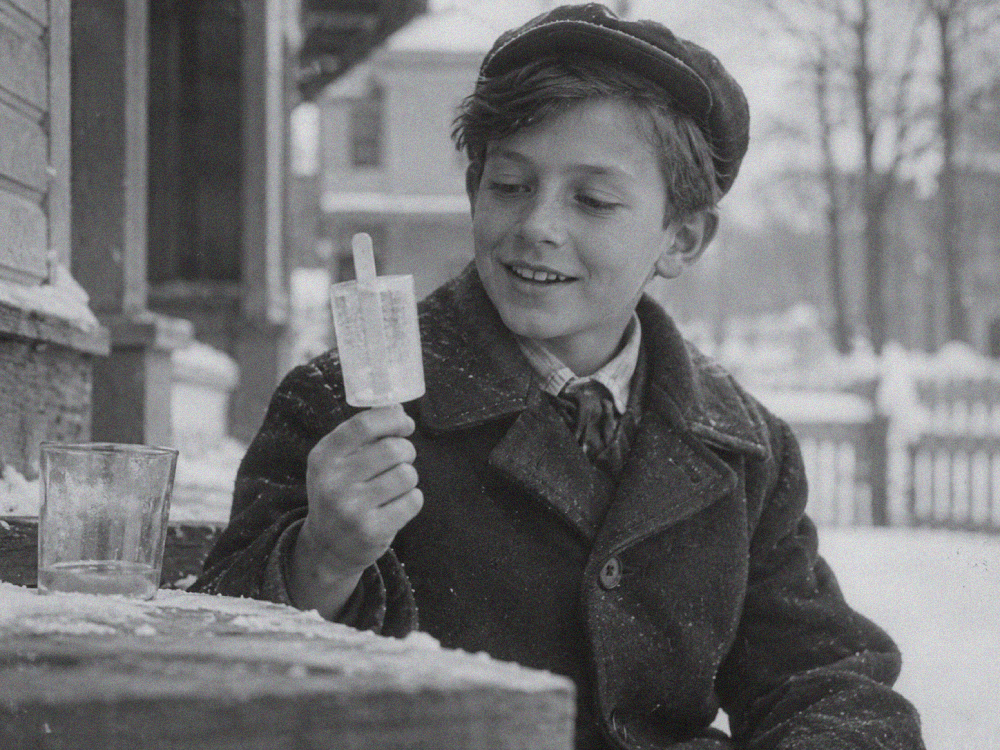
The frozen treat sitting in your freezer was invented completely by accident. In 1905, an 11-year-old named Frank Epperson left a cup of water mixed with powdered soda outside overnight. The temperature dropped, freezing the liquid solid around his wooden stirring stick. When he pulled the frozen block out the next morning, he had the prototype for a snack he would eventually patent in the 1920s as the “Epsicle.” The name didn’t stick, but the Popsicle empire was born.
11. Pecan pie’s famous corn syrup recipe is older than the company’s origin story
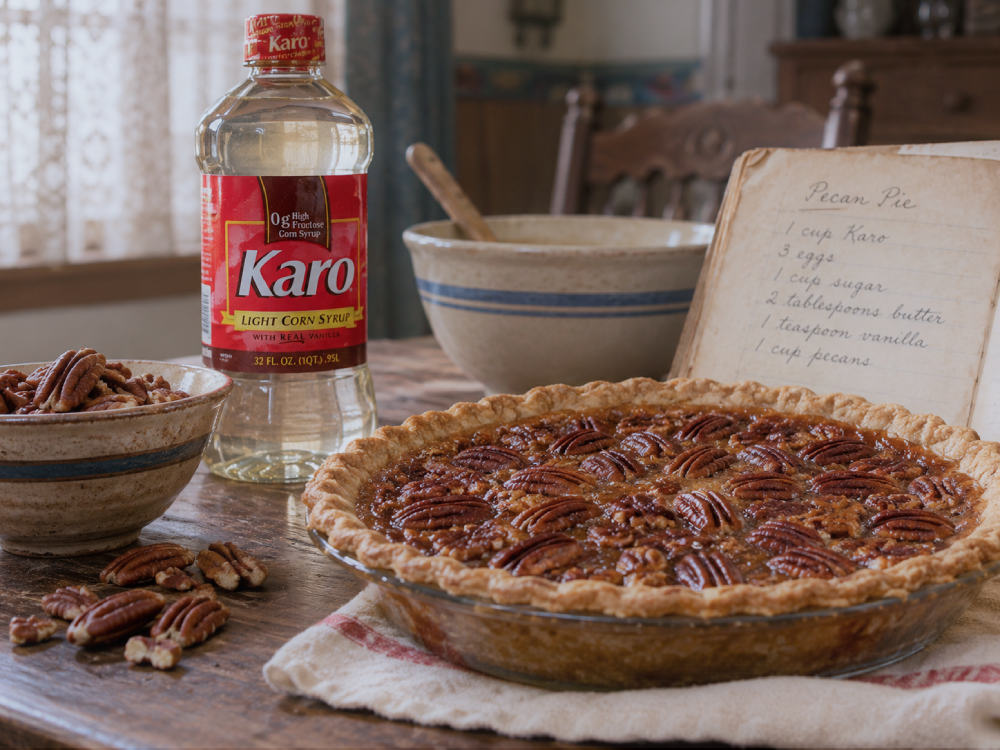
Karo syrup and pecan pie are so tightly linked that corporate lore often claims the dessert was invented just to sell the syrup in the 1930s. Food historians at the University of Southern Mississippi, however, have dug up community cookbooks proving the recipe is older than that. A surviving 1928 Mississippi recipe shows home bakers were already mixing corn syrup, eggs, and pecans to make the classic pie long before the food company printed its own famous version.
12. A container of ice cream can be almost half air
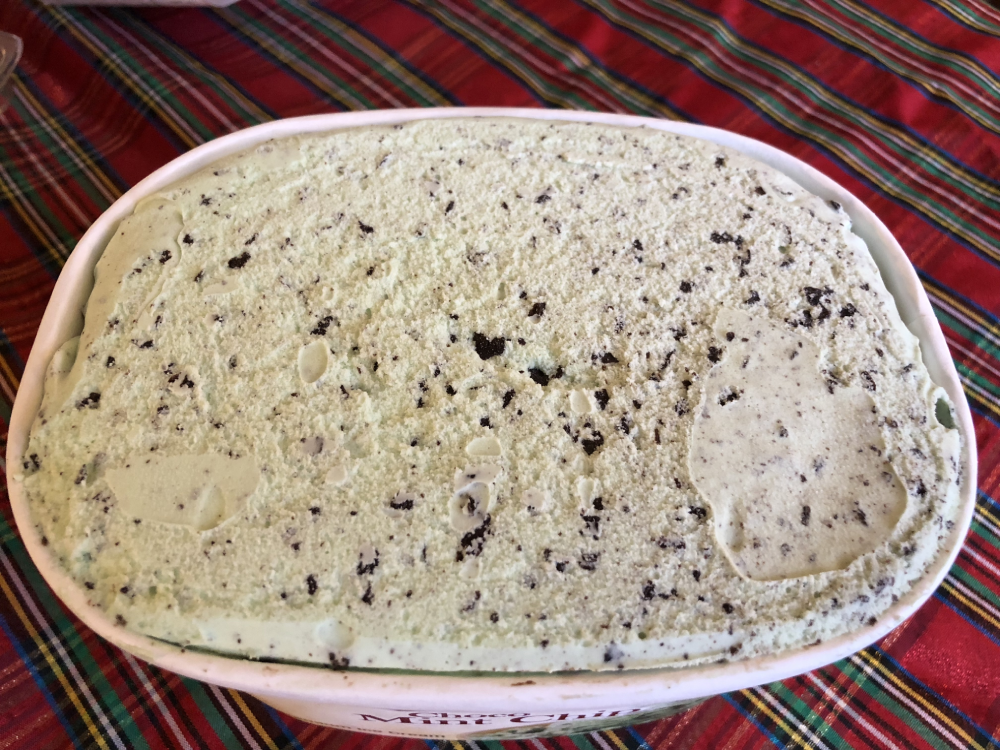
When you buy a tub of commercial ice cream, you are paying for quite a bit of empty space. During the manufacturing process, air is continuously whipped into the base to expand its volume and give it a soft, scoopable texture. Industry experts call this expansion “overrun.” Under USDA rules, some ice creams hit an overrun of 100%, meaning one gallon of liquid base is whipped into two gallons of frozen ice cream. That explains why two pints from different brands can feel completely different in weight.
Check out more mind-blowing facts:
The dessert menu doubles as a collection of unexpected history lessons, from a dentist’s sugar machine to a cookie that inspired an entirely new grocery product. If you want more fascinating facts to drop on your next trivia night, make sure to check out these 14 Random Facts You Will Want to Memorize Immediately or these 14 Interesting Facts to Start a Debate at the Dinner Table. You can also explore these 12 Foods Introduced at Historic World Fairs.