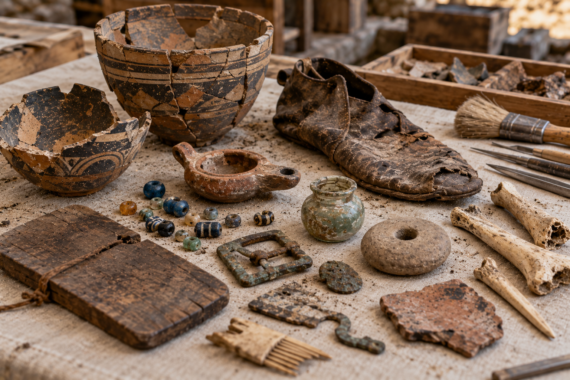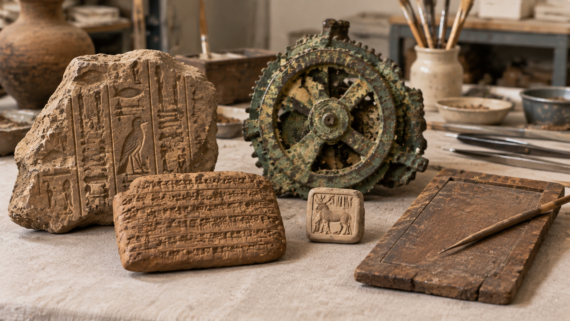
Sometimes, a small object can reveal more about an ancient civilization than an entire monument. A clay tablet, a carved stone, or a handwritten letter can preserve clues about forgotten rulers, lost languages, scientific discoveries, and everyday life. These artifacts have helped researchers decipher writing systems, reconstruct political events, and explore how people understood their world. Some solved centuries-old mysteries, while others raised questions that historians are still trying to answer.
The Rosetta Stone Helped Unlock Egyptian Hieroglyphs
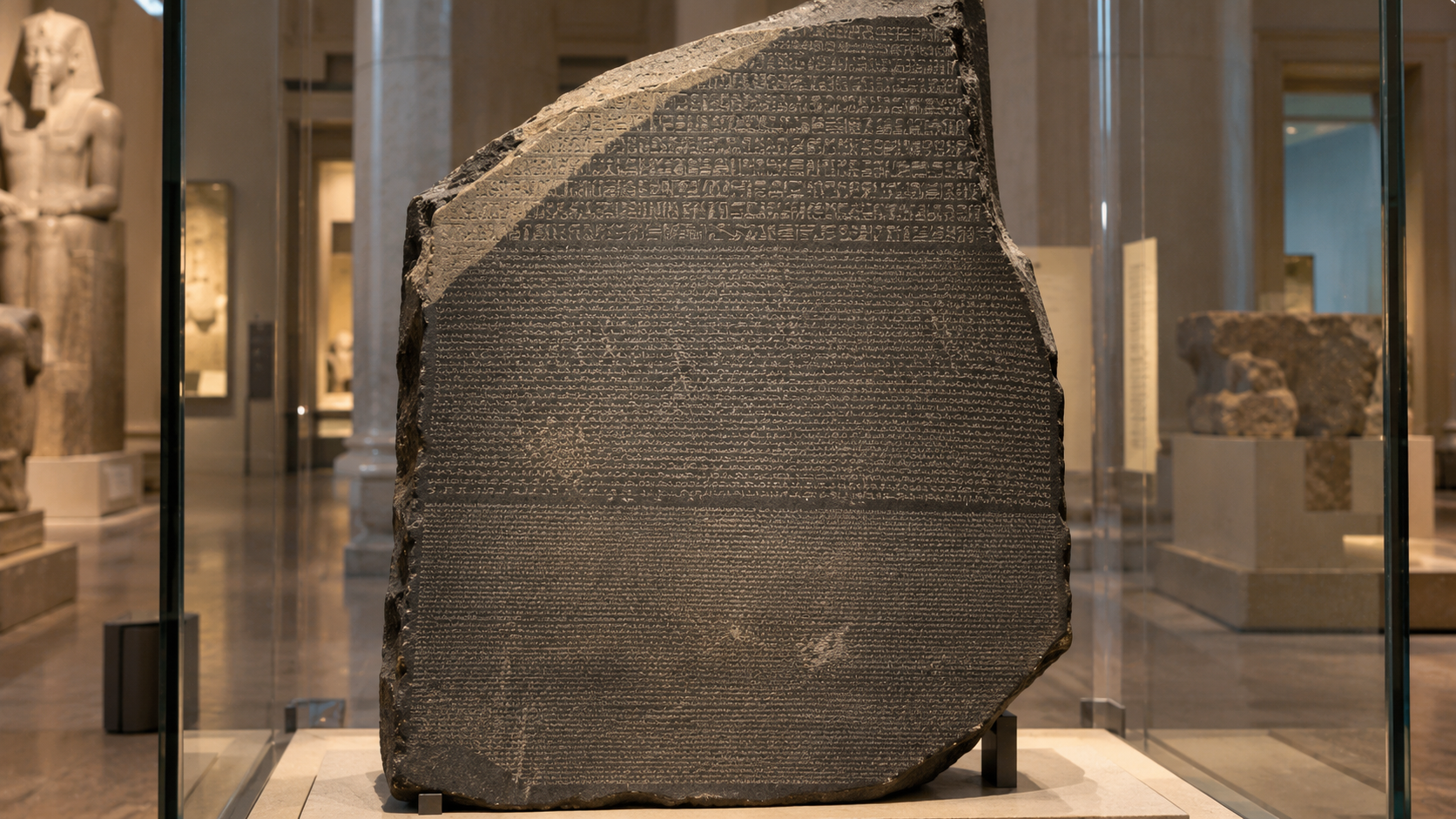
Deciphering ancient Egyptian writing became much easier when French soldiers discovered the Rosetta Stone in Egypt in 1799. Created in 196 BCE during the reign of Ptolemy V, it carries the same decree in hieroglyphs, Demotic, and ancient Greek. Since scholars could already read Greek, the inscriptions provided a crucial comparison that helped Jean-Francois Champollion make his breakthrough in 1822. One stone essentially helped unlock thousands of years of written history.
The Narmer Palette Offers Clues About Egypt’s Formation
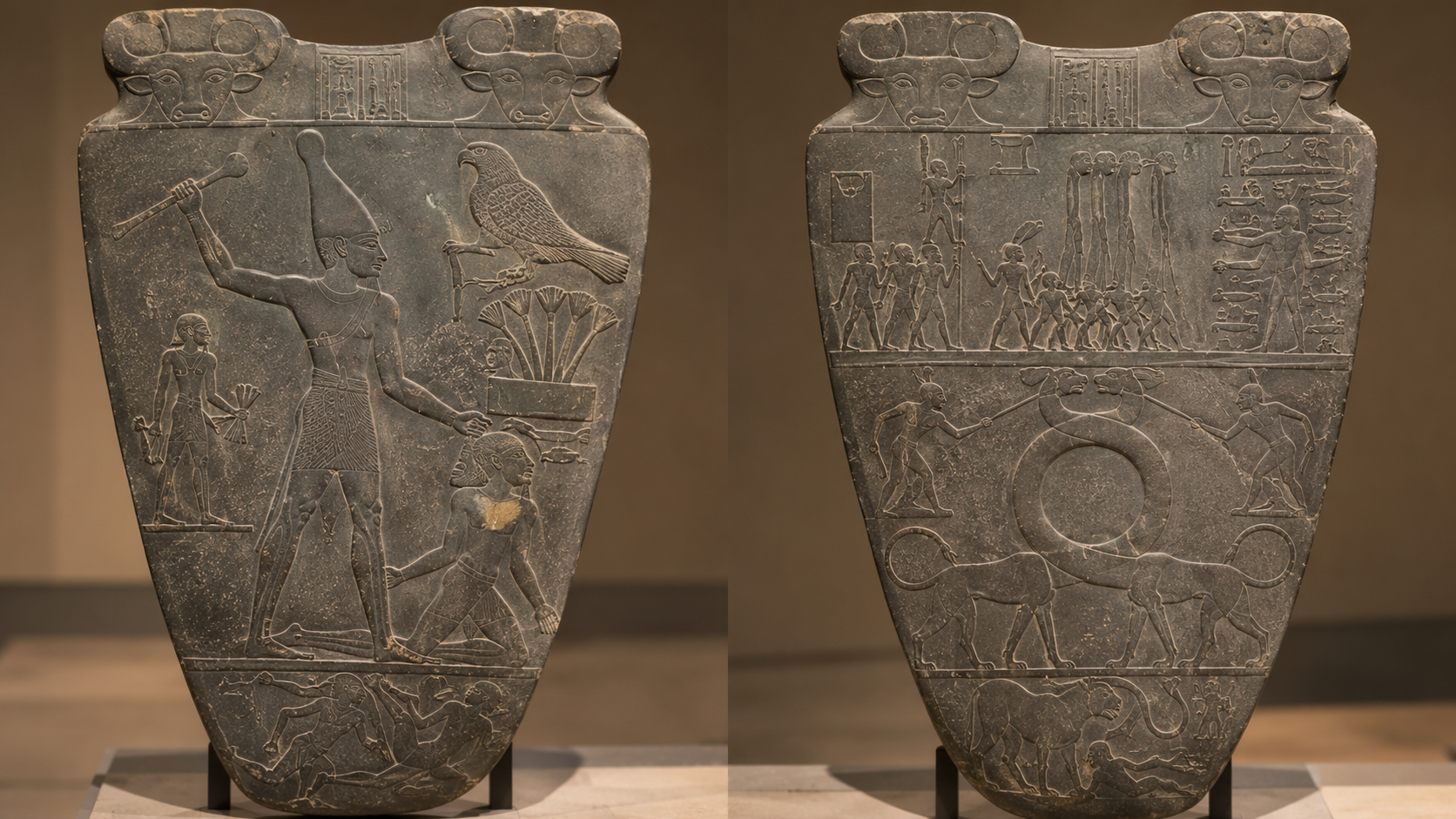
Dating to approximately 3100 BCE, the Narmer Palette depicts King Narmer wearing the crowns associated with Upper and Lower Egypt. Its carved scenes show royal power and victory, and researchers have connected the imagery with Egypt’s political unification. However, it may present an idealized image of kingship rather than document one specific event. The palette also contains some of the earliest known Egyptian hieroglyphic inscriptions, making it a valuable record of a civilization still taking shape.
The Standard of Ur Reveals Mesopotamian Society
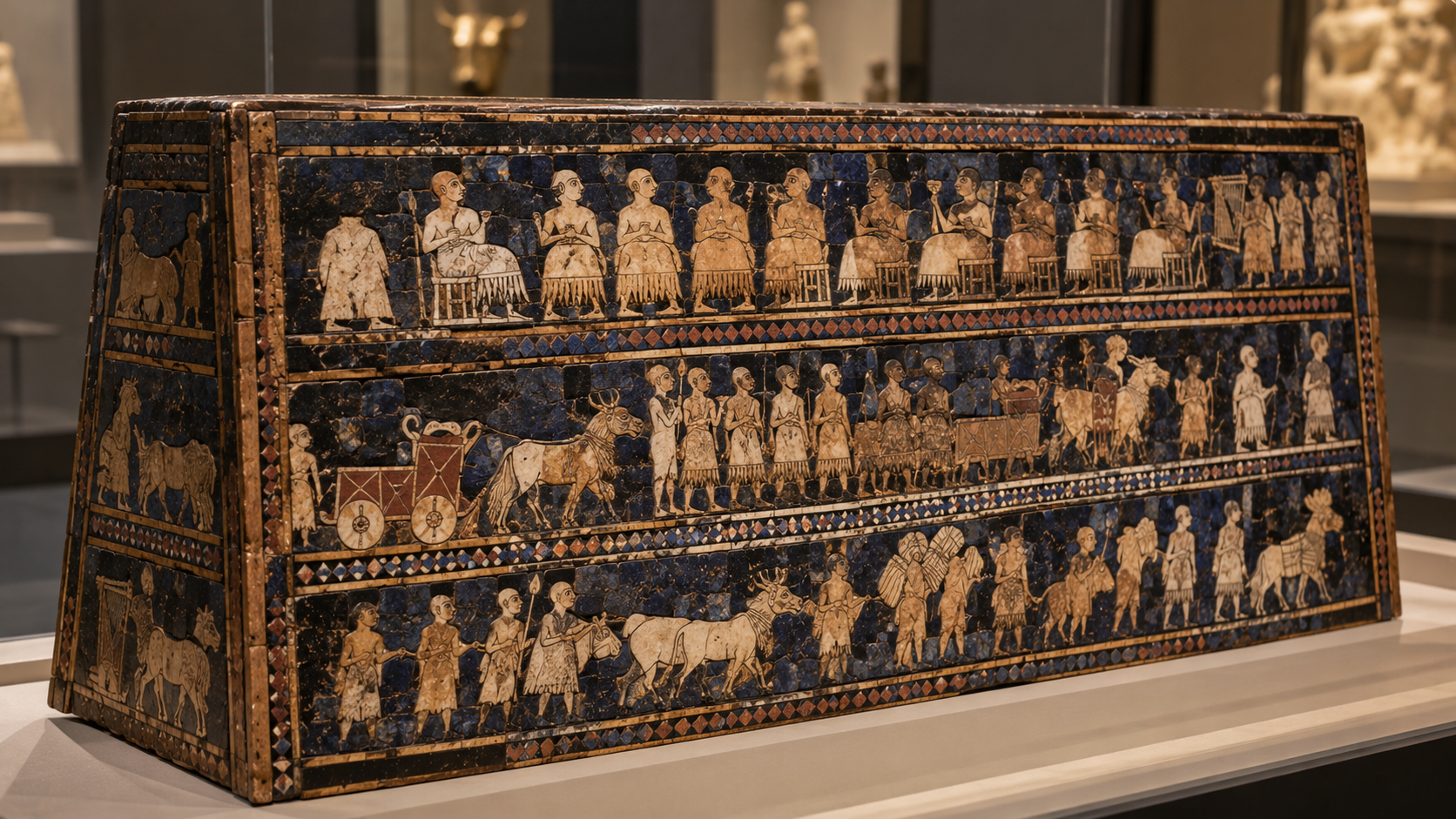
Warriors, captives, animals, musicians, and banquet scenes cover the richly decorated Standard of Ur, discovered by Leonard Woolley during excavations in the 1920s. Dating to approximately 2600-2400 BCE, it combines shell, lapis lazuli, and red limestone. Its imagery helps researchers study military equipment, clothing, wheeled vehicles, and social hierarchy in ancient Sumer. Its original purpose remains uncertain, proving that even an elaborate artifact can leave archaeologists with a few unanswered questions.
The Code of Hammurabi Preserved Babylonian Legal Judgments
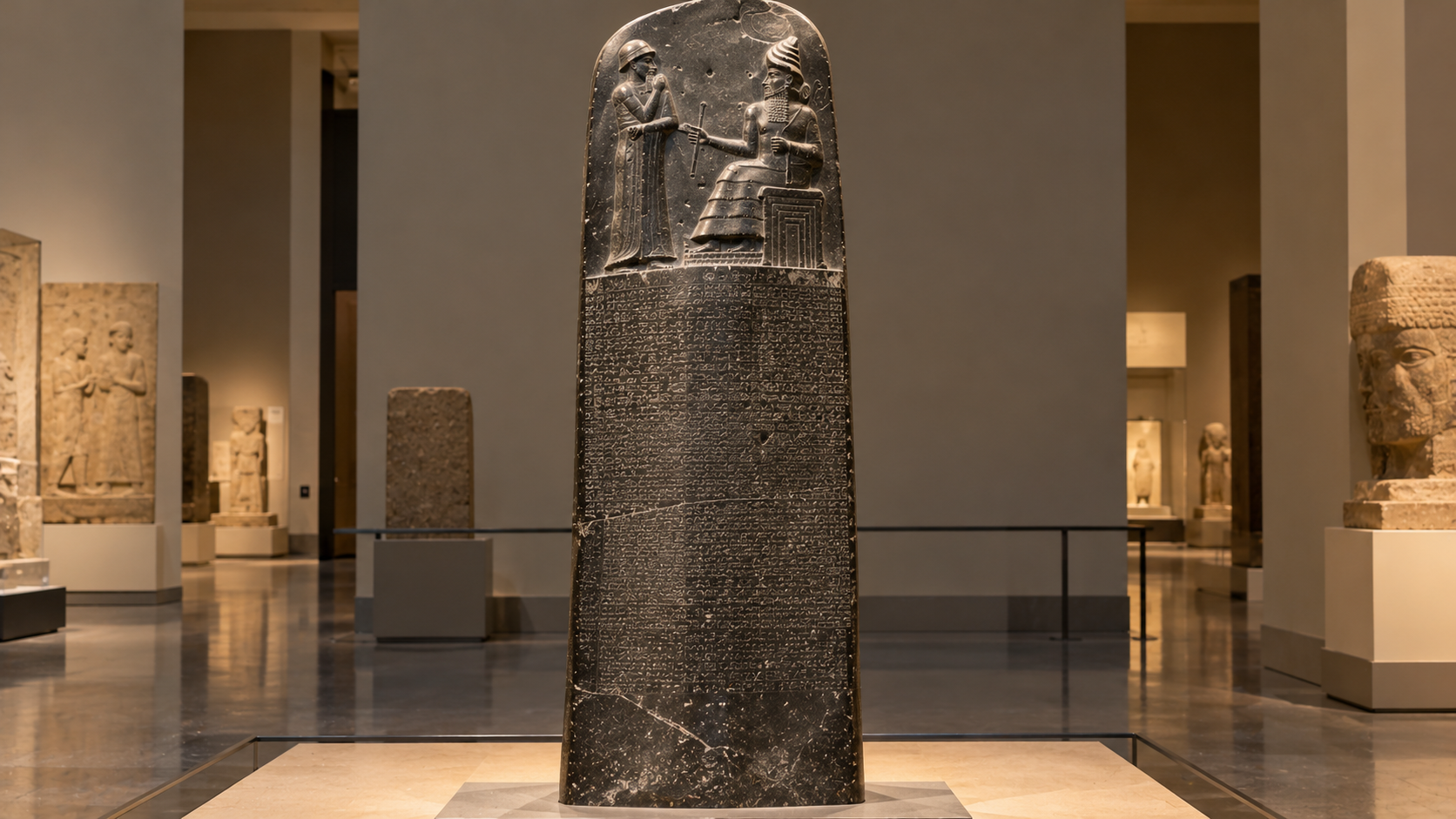
At more than two meters tall, the famous stela associated with Babylonian king Hammurabi contains 282 legal judgments covering property, trade, family relationships, labor, and other social matters. Created around 1750 BCE, it was rediscovered at Susa, in present-day Iran, in 1901-1902. The inscriptions reveal how social status influenced legal treatment and how rulers presented themselves as guardians of justice. Despite its familiar name, the Louvre describes it more accurately as a collection of judgements than a complete modern-style legal code.
The Rhind Mathematical Papyrus Shows How Egyptians Solved Problems
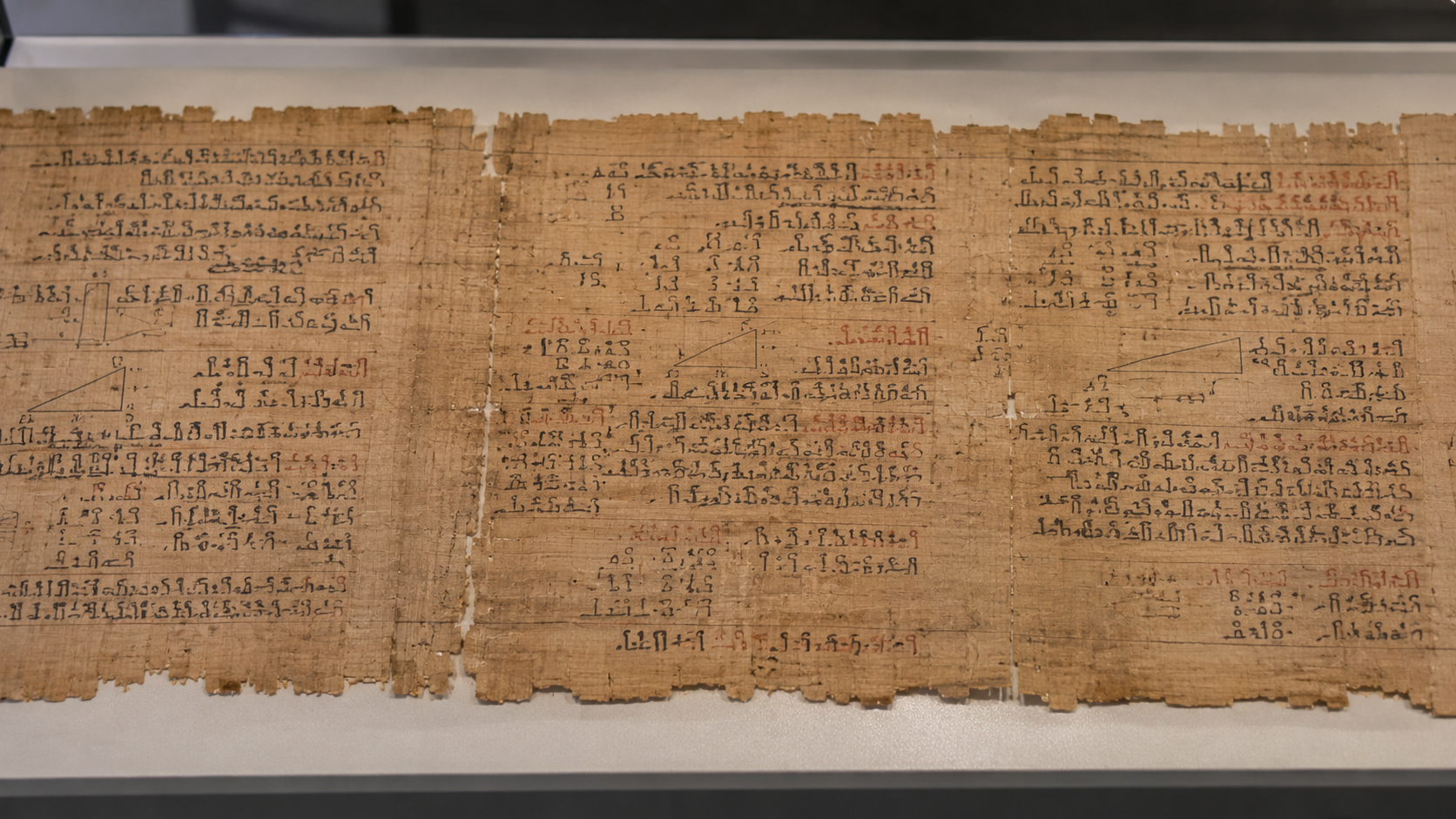
Ancient Egyptians did more than build monuments: they also worked through detailed mathematical problems. Written around 1550 BCE by a scribe named Ahmose, the Rhind Mathematical Papyrus preserves 88 problems and worked solutions involving fractions, multiplication, division, areas, and volumes. Different ink colors appear in the text, which seems to reproduce an older mathematical tradition. It offers a rare glimpse into ancient mathematical education, and evidence that calculations were important long before anyone had a calculator app.
Trending on The Scroller


The Amarna Letters Reveal Ancient Diplomatic Relations
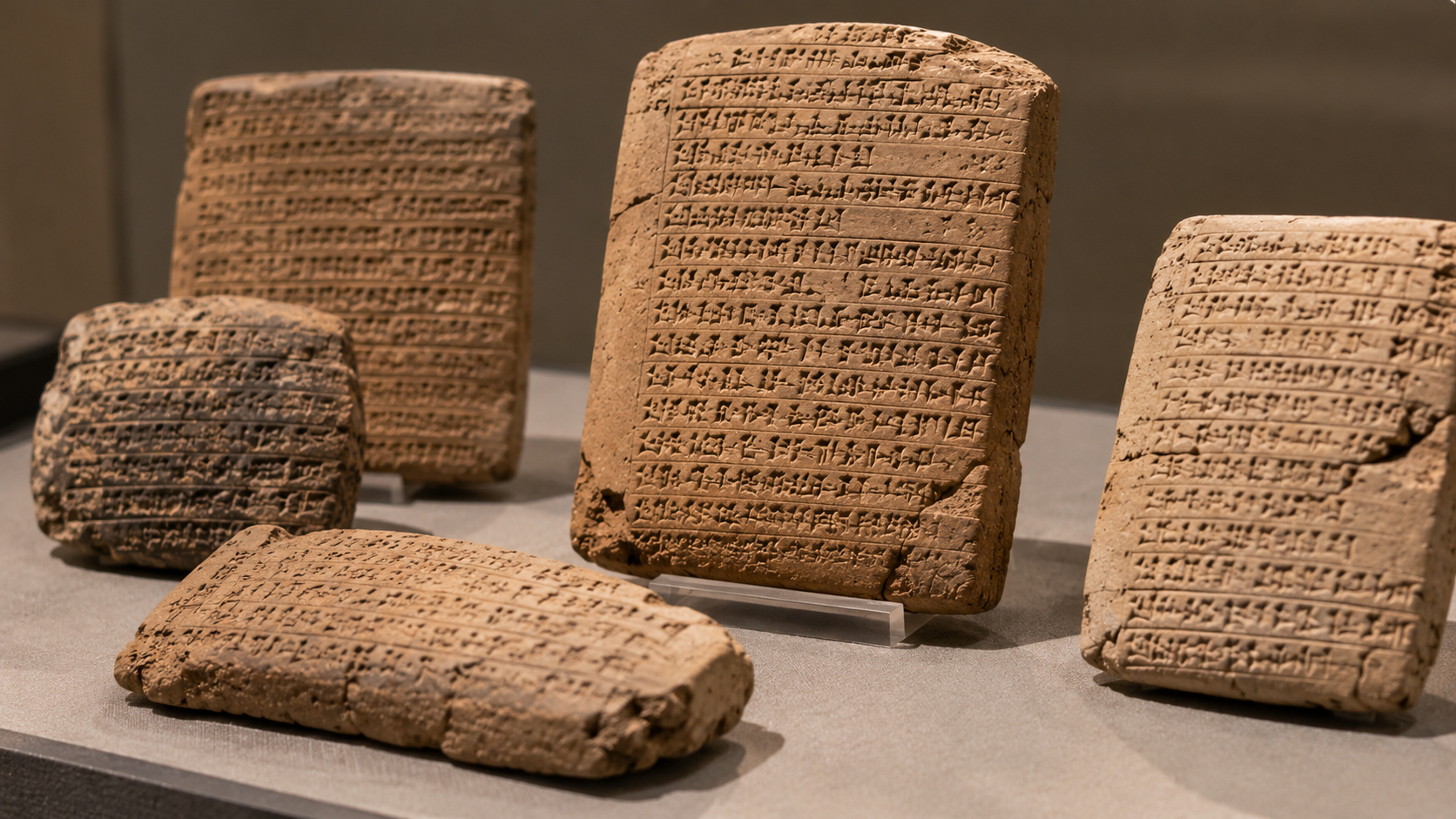
Long before modern embassies and email, rulers exchanged diplomatic messages on clay tablets. Discovered at Tell el-Amarna in Egypt during the late 19th century, the Amarna Letters date mainly to the 14th century BCE. They document correspondence involving Egyptian rulers and leaders from Babylonia, Assyria, Mitanni, and the Levant. Their subjects include royal marriages, gifts, trade, military disputes, and political disagreements. The letters also show how Akkadian, written in cuneiform, served as a major language of international diplomacy.
Shang Dynasty Oracle Bones Preserve Early Chinese Writing
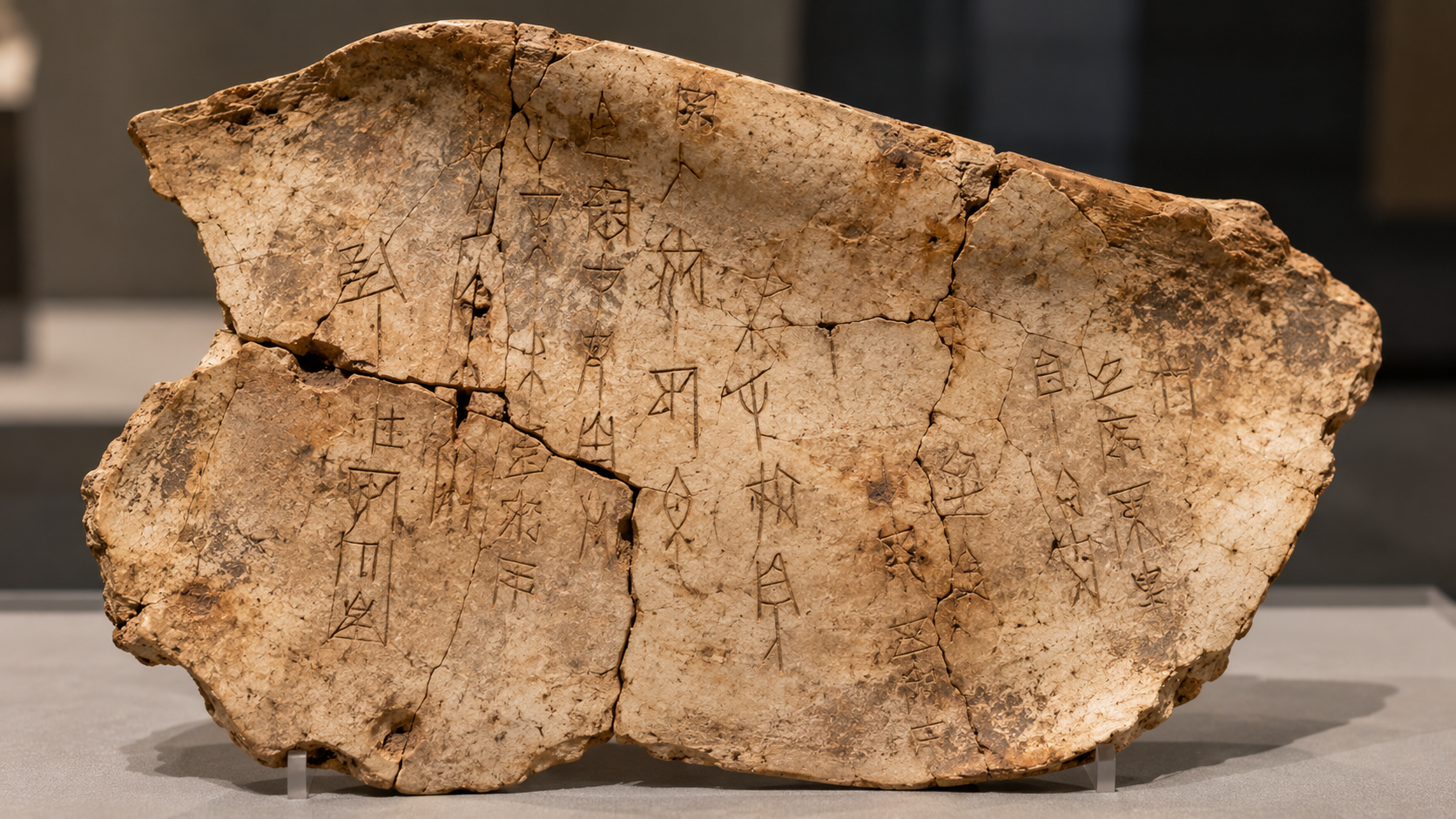
Questions about harvests, warfare, weather, and childbirth were carved onto animal bones and turtle shells by diviners during China’s late Shang dynasty, particularly between the 13th and 11th centuries BCE. The objects were heated, and the resulting cracks were interpreted as answers. Thousands of these inscriptions have helped scholars identify royal names, investigate historical events, and understand Shang religious practices. Ancient rulers apparently wanted answers about everything from military campaigns to the weather, and recorded the process for posterity.
The Sumerian King List Blends History and Legend
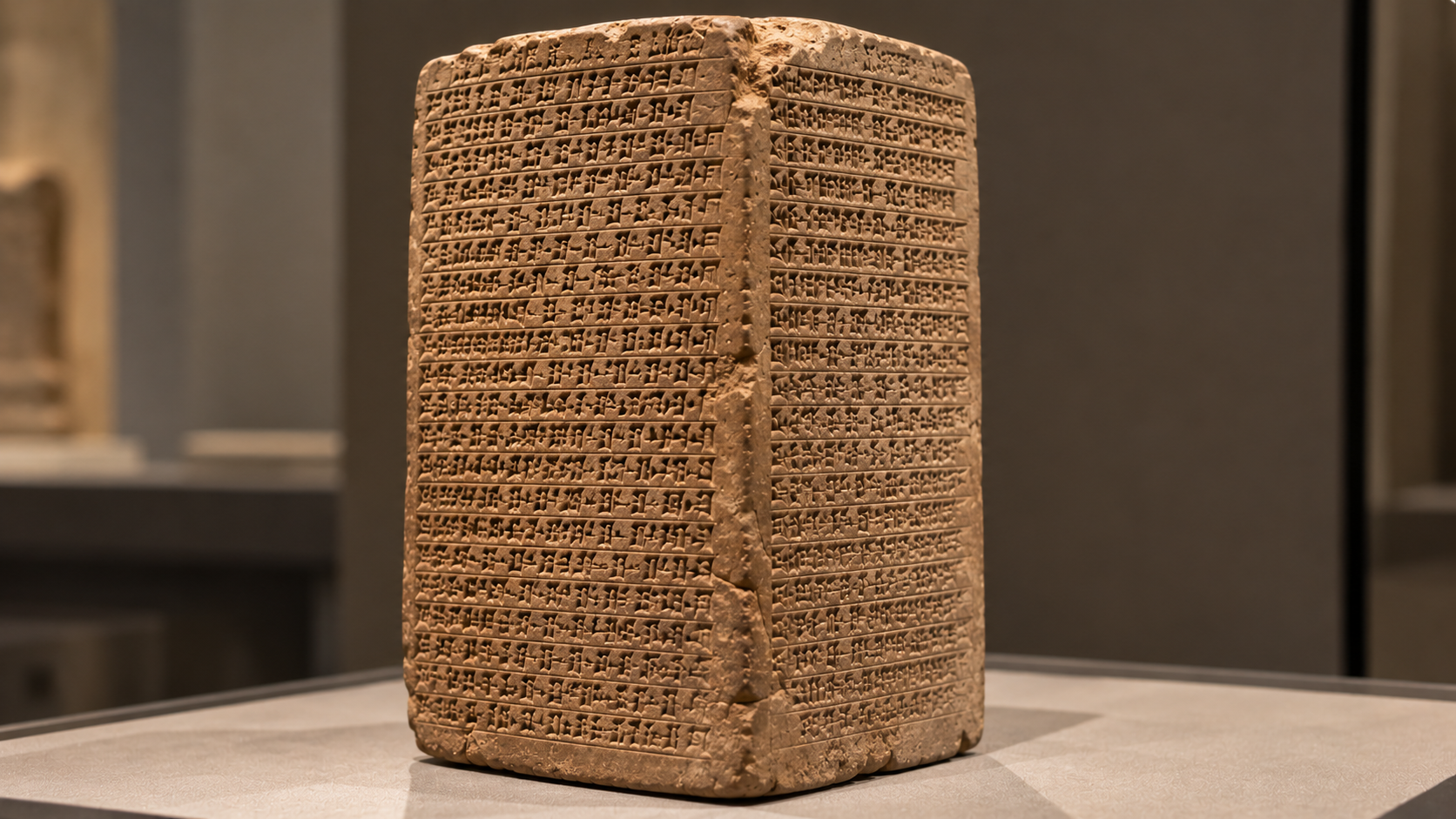
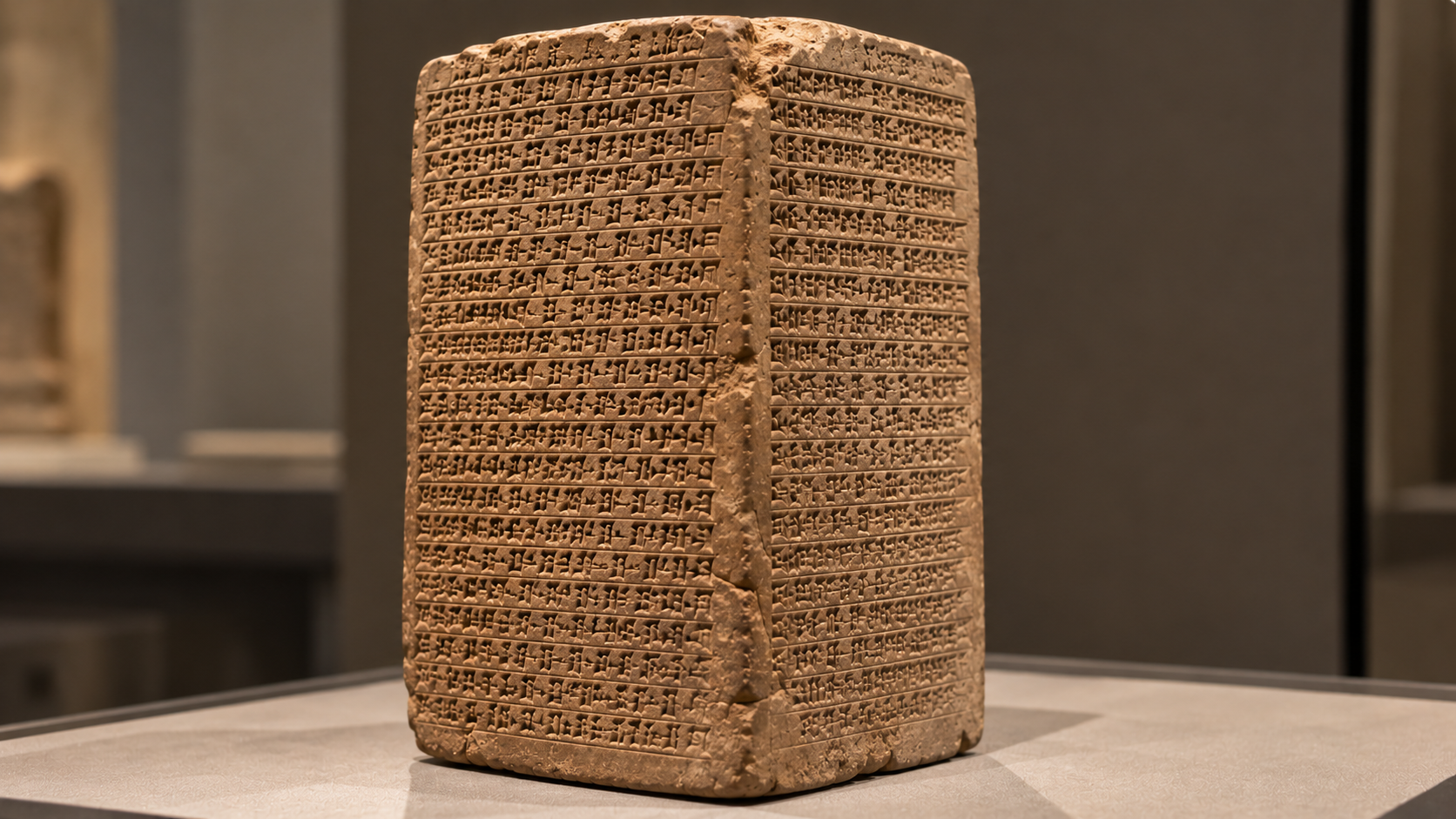
A clay prism held by the Ashmolean Museum preserves one of the most complete surviving versions of the Sumerian King List, dating to approximately 1800 BCE. Its cuneiform inscriptions name rulers, cities, and reign lengths, beginning with legendary kings said to have ruled for extraordinarily long periods. Later entries include historically recognizable figures. Researchers therefore treat the list as a mixture of history, mythology, and political ideology, rather than a completely reliable chronology. Even ancient record-keepers had reason to make their rulers look impressive.
Sign up for our newsletter
The Cyrus Cylinder Records a Persian Conquest
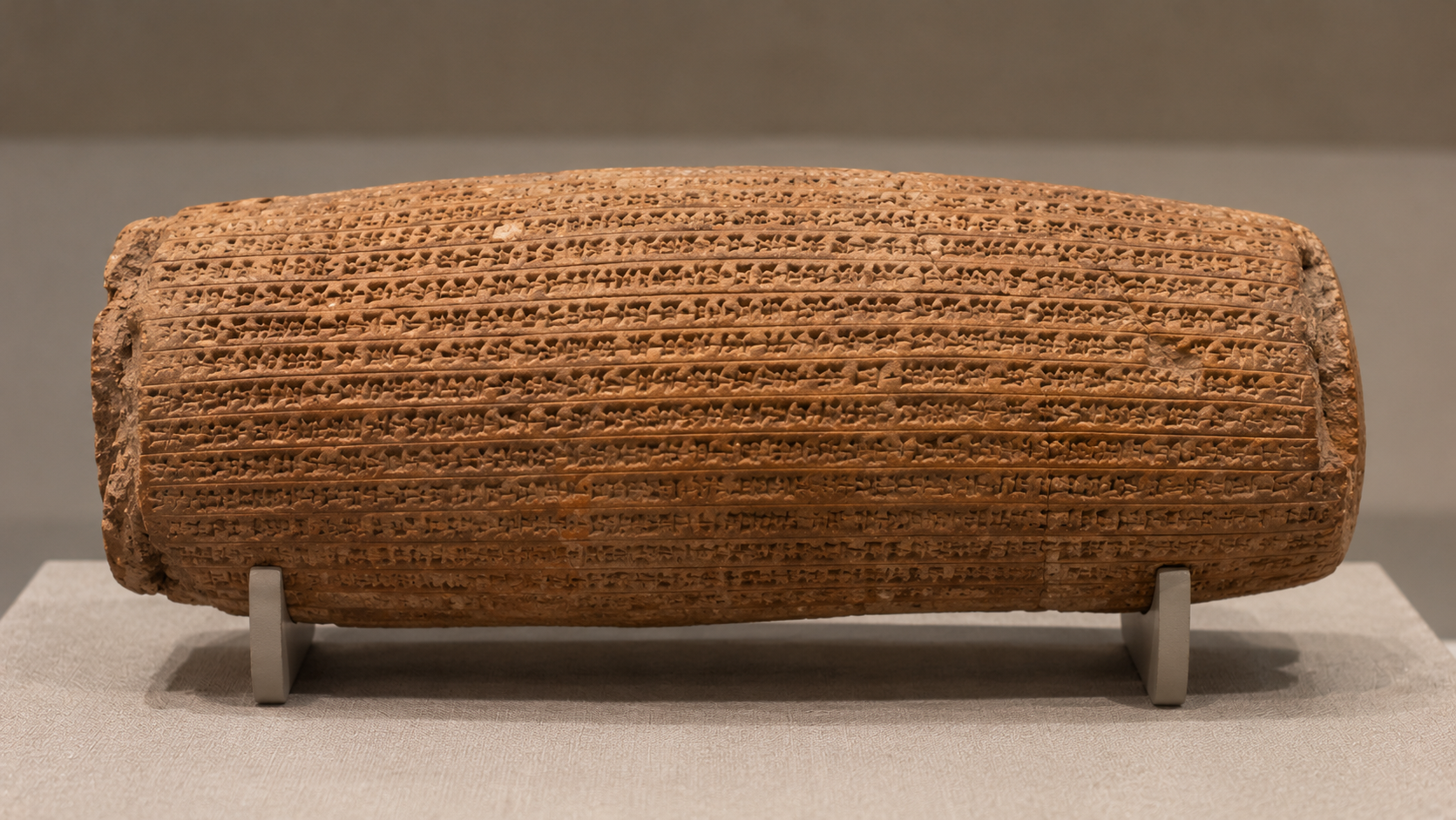
Created after Cyrus the Great captured Babylon in 539 BCE, the Cyrus Cylinder contains a royal proclamation written in Babylonian cuneiform. It presents Cyrus as a legitimate ruler, criticizes his predecessor Nabonidus, and describes the restoration of religious institutions and the return of certain displaced populations. Historians use it to study how Persian rulers adapted local traditions to establish authority. Although often called the world’s first declaration of human rights, that label applies modern ideas to an ancient royal statement.
The Flood Tablet Reveals Ancient Literary Connections
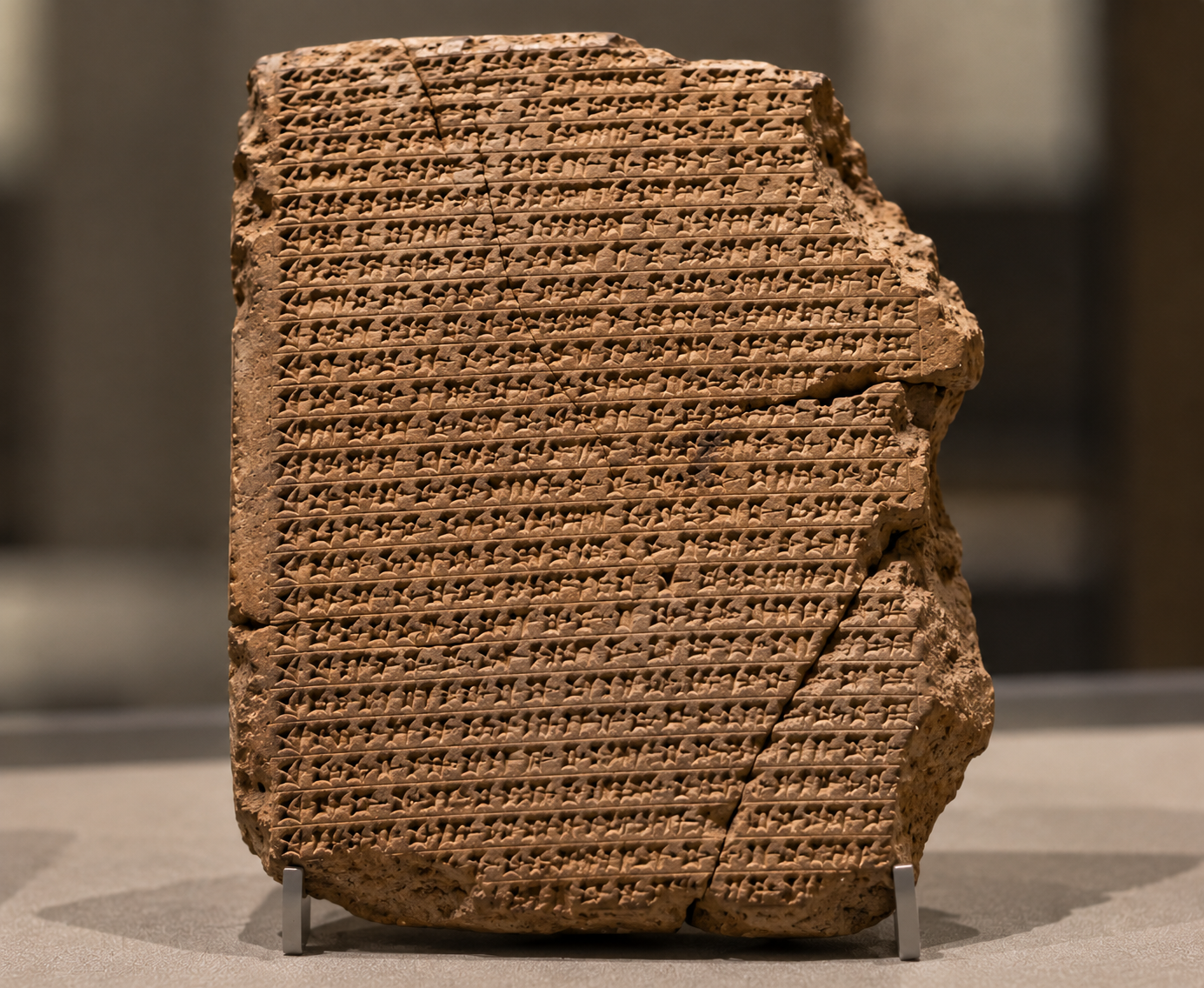
A seventh-century BCE clay tablet from the library of Assyrian king Ashurbanipal preserves part of the Epic of Gilgamesh, including a story about a devastating flood. In the 19th century, scholar George Smith recognized similarities between the narrative and the biblical story of Noah, attracting widespread attention. The discovery helped researchers investigate how flood traditions circulated across ancient Mesopotamia and the wider Near East. It also showed how stories could survive through copies made centuries after their original composition.
The Babylonian Map of the World Shows an Ancient View of Geography
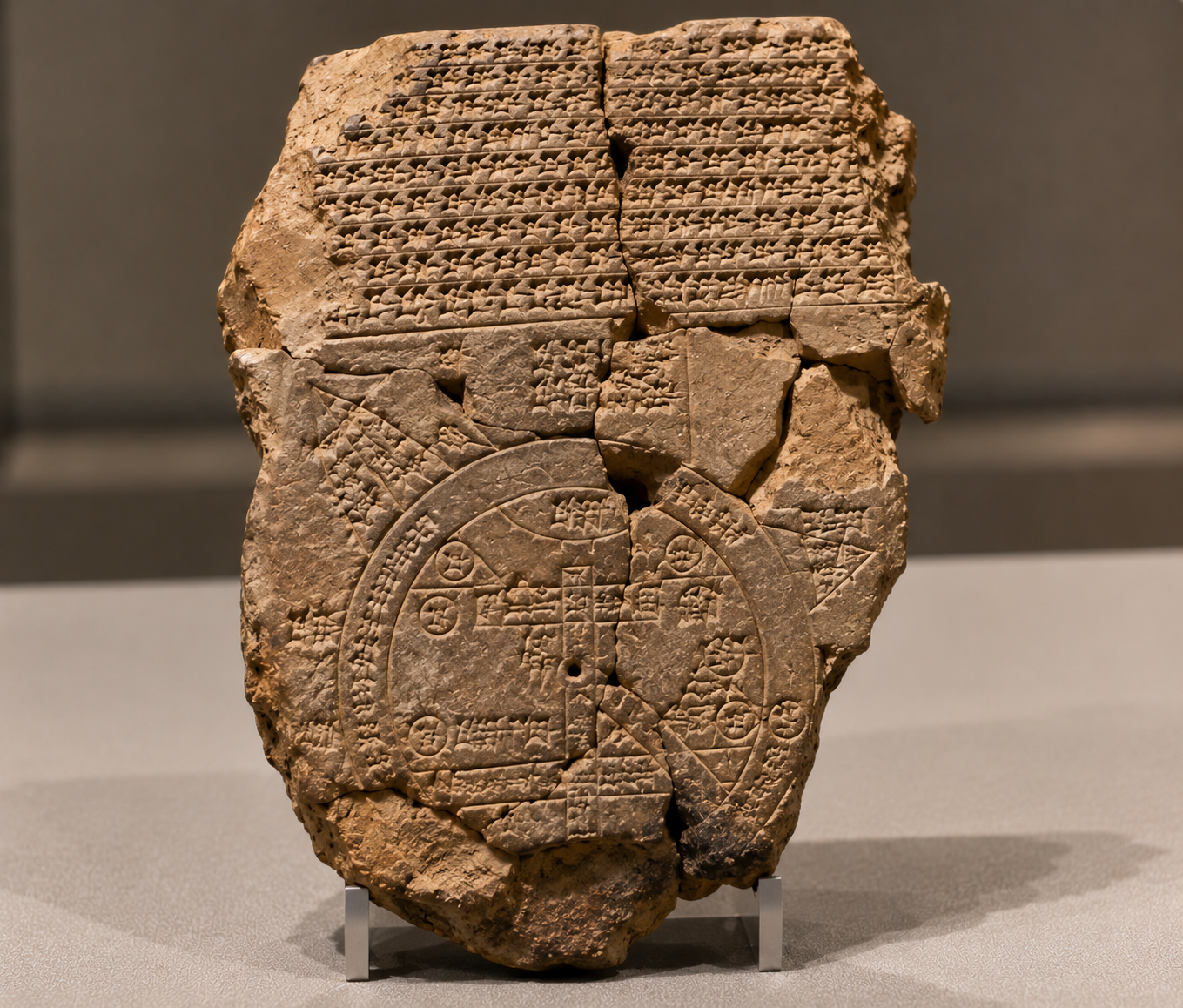
Forget GPS: a Babylonian clay tablet dating to approximately the sixth century BCE presents a very different way of representing the world. Its diagram places Babylon within a circular depiction of known lands, surrounded by water and mysterious regions beyond. Cuneiform inscriptions accompany the maps, combining geographical ideas with mythology and religious beliefs. It wasn’t designed for modern navigation, but it reveals how ancient scholars organized their understanding of the world around them.
Indus Valley Seals Preserve an Undeciphered Script
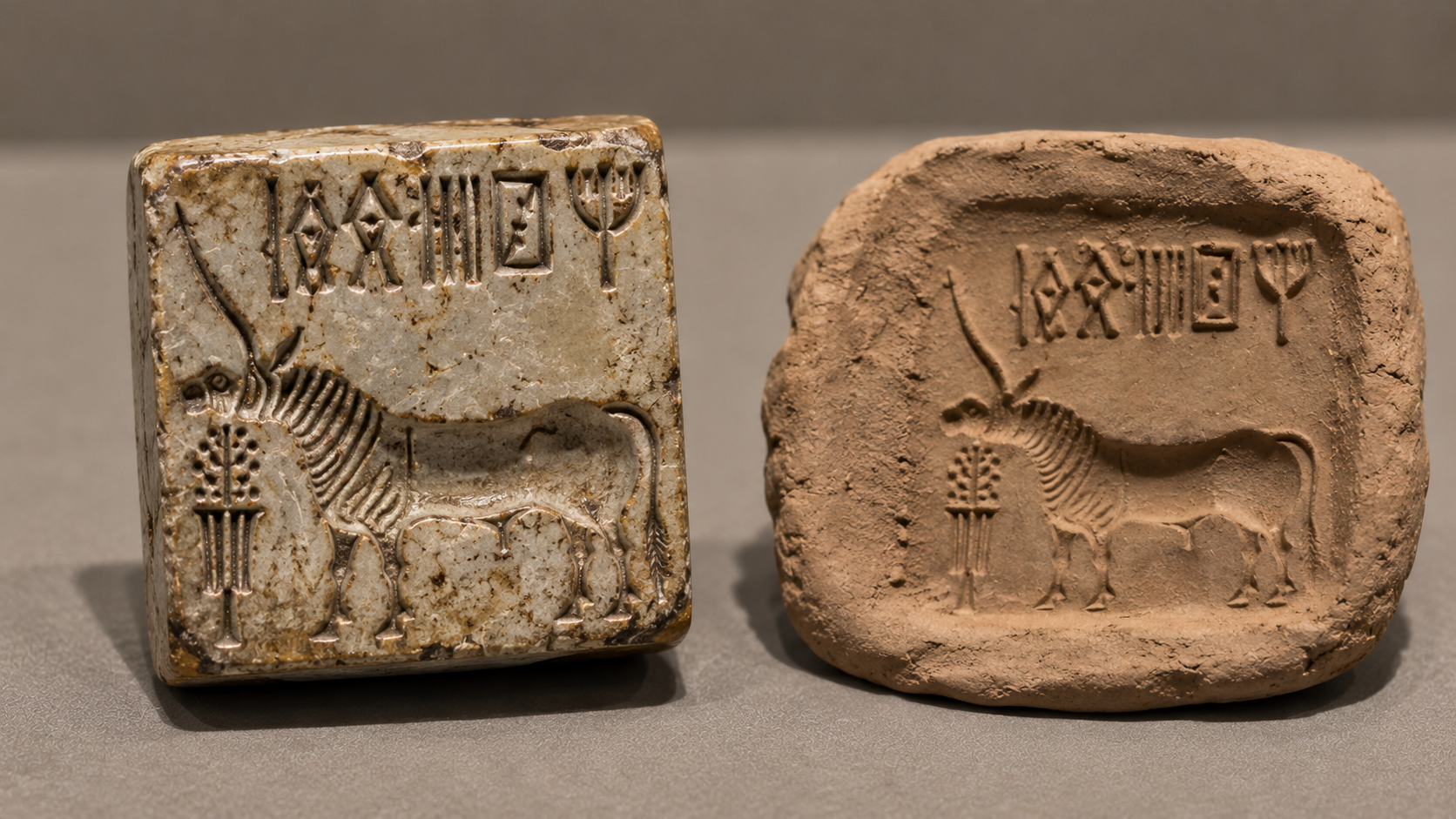
Small carved stone seals from the Indus civilization, dating mainly to approximately 2600-1900 BCE, feature animal images and short sequences of symbols. One common design depicts a one-horned creature often described as a unicorn, sometimes standing before an object interpreted as a possible ritual stand. Thousands of seals have provided clues about administration, identity, and trade. Their inscriptions remain undeciphered, leaving researchers with a remarkable civilization whose writing still refuses to give up its secrets.
The Antikythera Mechanism Reveals Advanced Greek Engineering
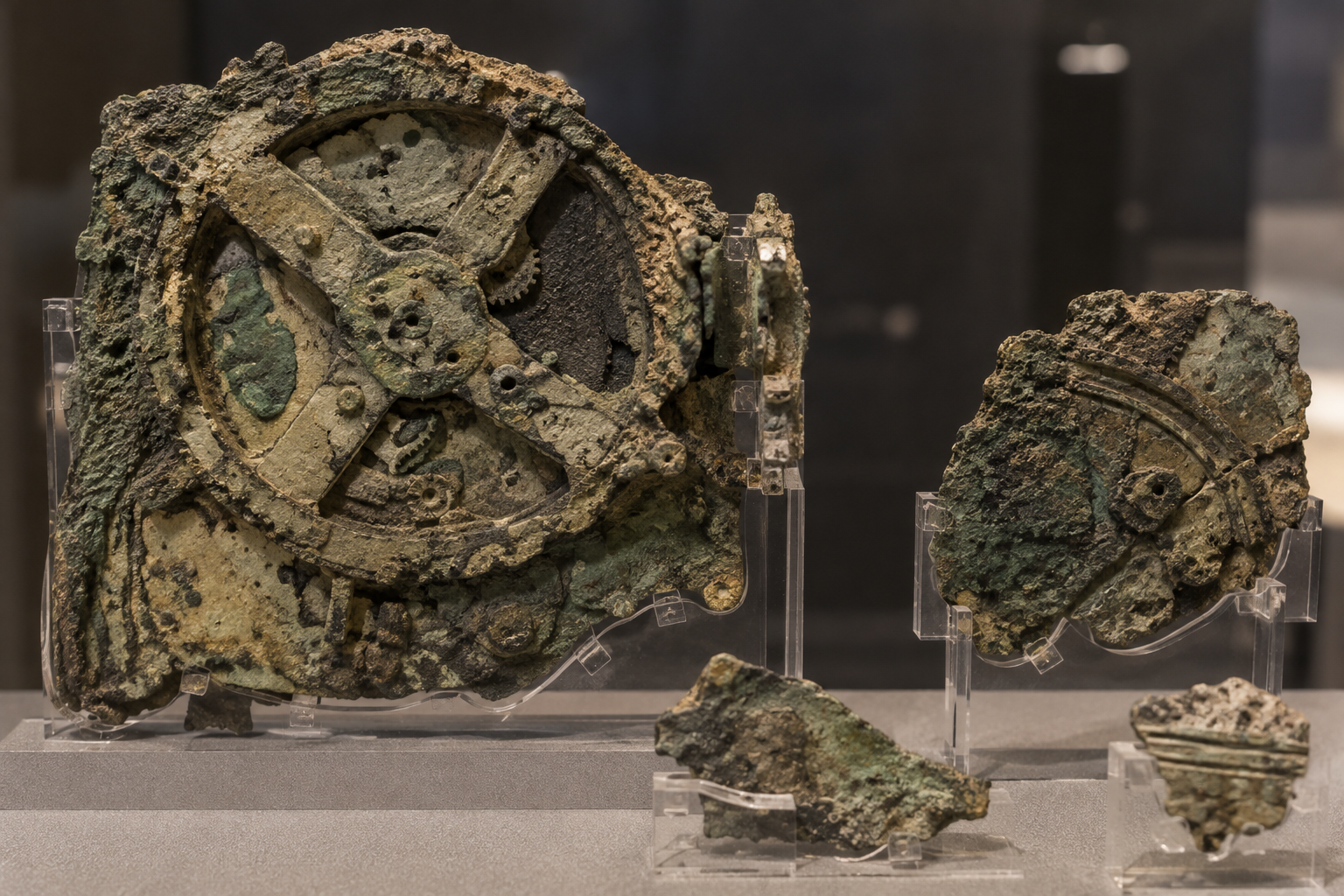
Recovered from a shipwreck near the Greek island of Antikythera, this bronze mechanism dates to around the second century BCE. Its gears and inscriptions indicate that it was designed to calculate astronomical cycles, including relationships between solar and lunar calendars and the timing of eclipses. Modern X-ray imaging has exposed details that earlier researchers could not examine. The device transformed understanding of ancient Greek mechanical knowledge, showing that sophisticated calculations once depended on an intricate arrangement of gears rather than a digital screen.
The Great Isaiah Scroll Changed Biblical Scholarship
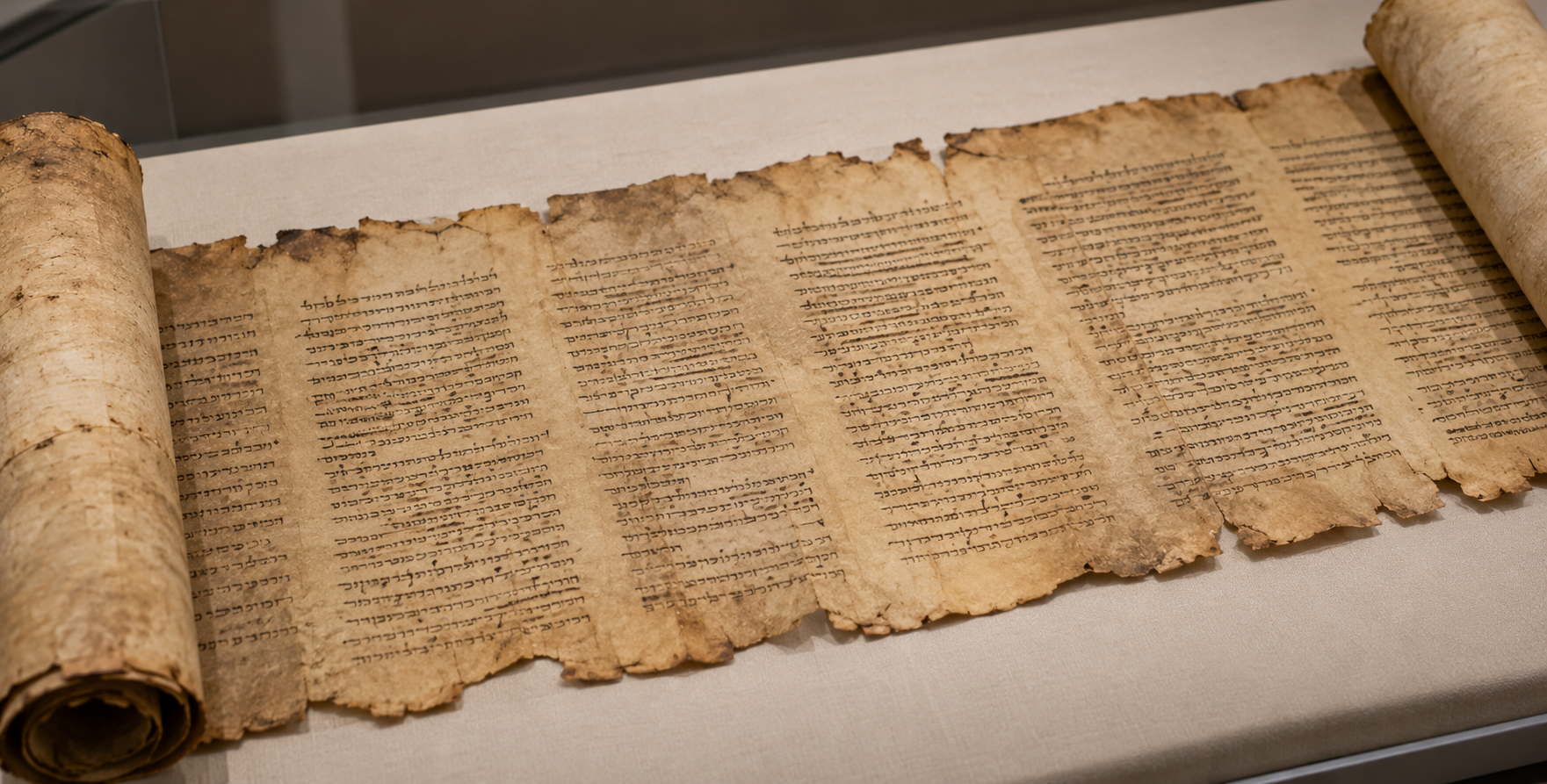
Discovered among the Dead Sea Scrolls in 1947, the Great Isaiah Scroll dates to approximately 125 BCE and contains all 66 chapters of the Book of Isaiah. Scholars have compared it with Hebrew biblical manuscripts copied many centuries later, finding substantial continuity alongside differences in spelling, wording, and scribal practices. The scroll also provides evidence about manuscript production and Jewish religious traditions during the late Second Temple period. A manuscript preserved for more than two millennia can still add important details to debates about how texts were transmitted.
The Vindolanda Tablets Reveal Everyday Life on Rome’s Frontier
Official Roman histories rarely capture the small details of everyday life, but wooden writing tablets from Vindolanda help fill that gap. Excavation beginning in 1973 uncovered ink-written documents from the late first and early second centuries CE, including military reports, supply accounts, requests, and personal letters. One famous tablet, dating to approximately 97-103 CE, contains a birthday invitation from Claudia Severa to Sulpicia Lepidina, including a personal greeting in the sender’s handwriting. Even at the edge of the Roman Empire, people had invitations to send and social plans to make.