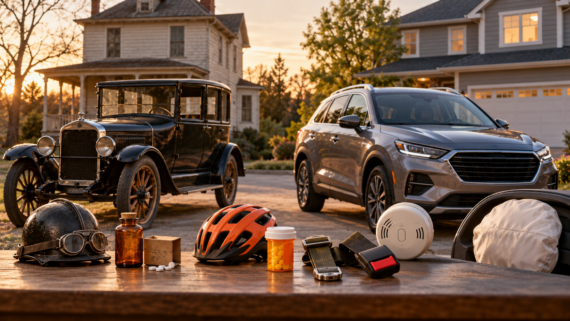
In 1926, everyday life came with risks that most Americans rarely think about today. Cars lacked modern crash protection, homes had no electronic smoke alarms, and medicine bottles were much easier for curious children to open. Many familiar safety features appeared only after decades of engineering, public pressure, and sometimes heartbreaking accidents. From seat belts to child-resistant lighters, these 16 innovations show just how much safer everyday life has become over the past century.
Modern Three-Point Seat Belts Didn’t Arrive Until 1959
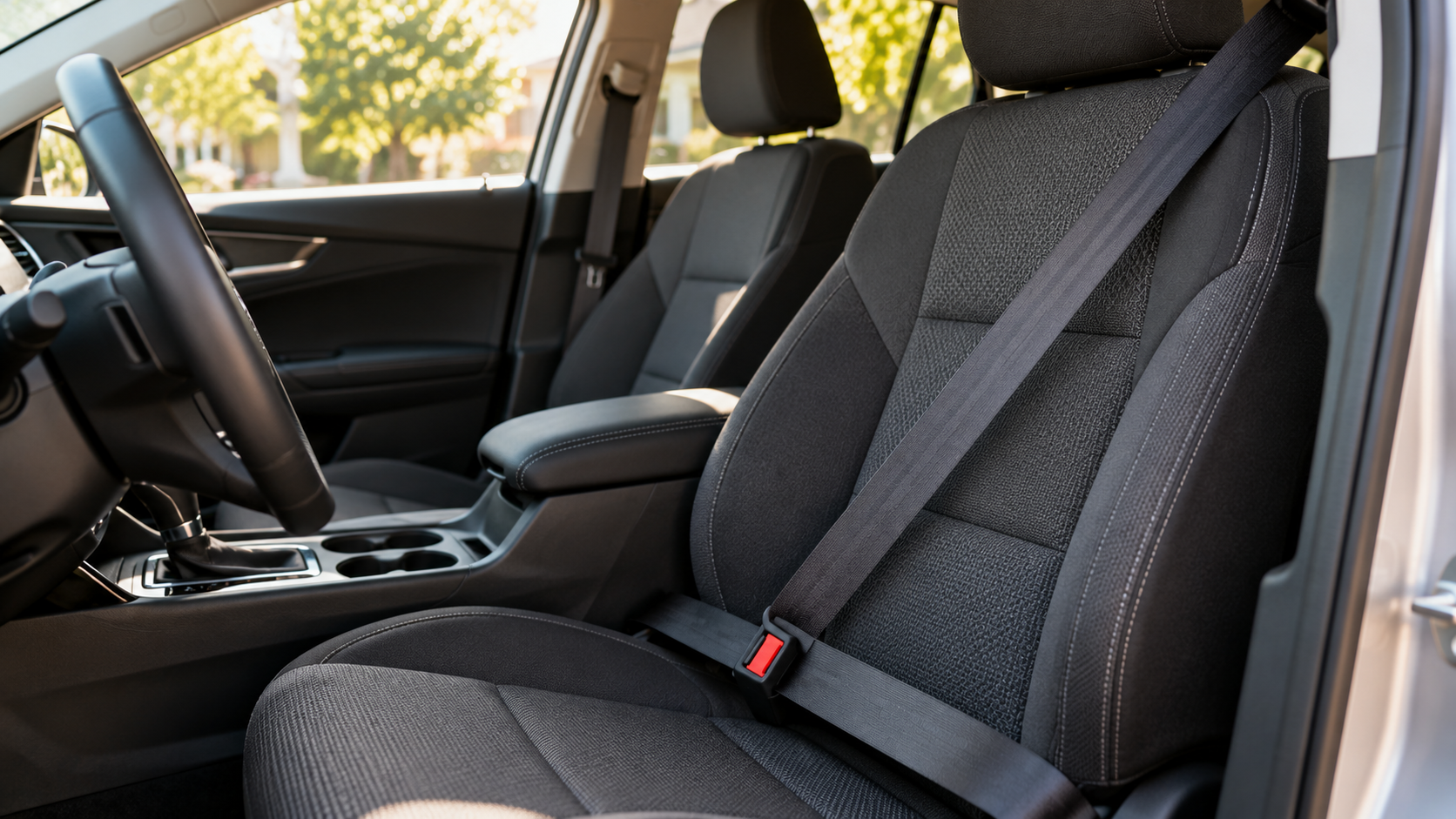
Before modern seat belts, a car crash offered passengers considerably fewer protections. Volvo engineer Nils Bohlin introduced the three-point belt in 1959, securing both the upper and lower body with one continuous strap. Volvo made the patent available to other manufacturers, helping turn the design into an industry standard. Today, buckling up takes seconds, a pretty good deal for something that can save your life.
Smoke Alarms Became Household Essentials in the 1970s
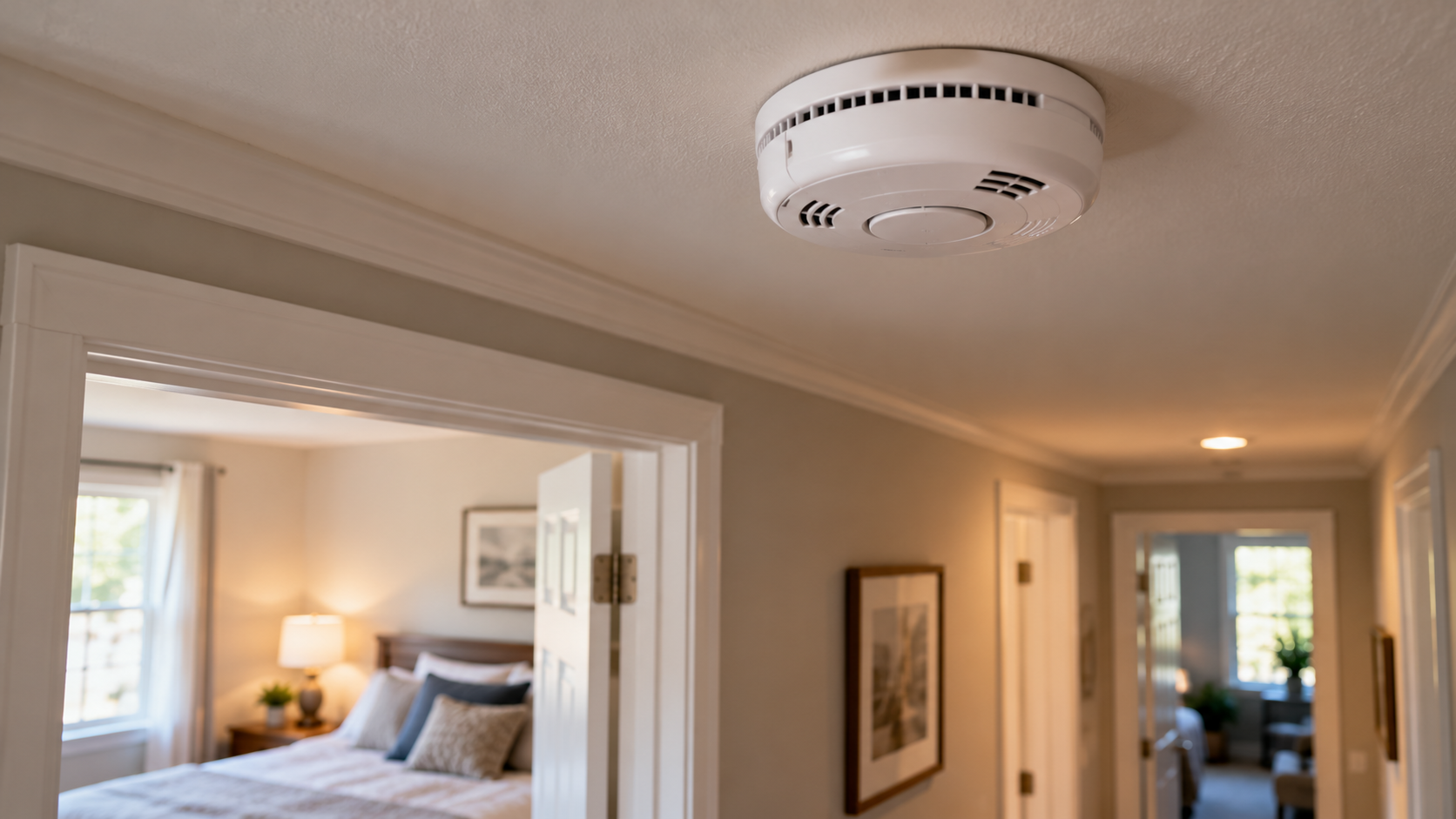
Imagine sleeping upstairs with a fire developing downstairs and no electric alarm to wake you. Residential smoke alarms gained momentum during the 1970s, and the first Underwriters Laboratories standard for smoke alarms appeared in 1974. These devices eventually became familiar household fixtures. Their most annoying feature may be the occasional low-battery chirp, but that’s a small price to pay for an early warning.
Child-Resistant Medicine Caps Became a Federal Safety Priority in 1970

Aspirin bottles were once opened with a simple twist, making it easier for toddlers to reach dangerous medicine. The Poison Prevention Packaging Act of 1970 required child-resistant packaging for certain medications and household products. The Consumer Product Safety Commission reported that deaths from aspirin poisoning among children under five fell 63% in three years after child-resistant packaging became mandatory. Suddenly, a stubborn cap had a very important job.
Car Airbags Were Still a Futuristic Idea in the 1950s
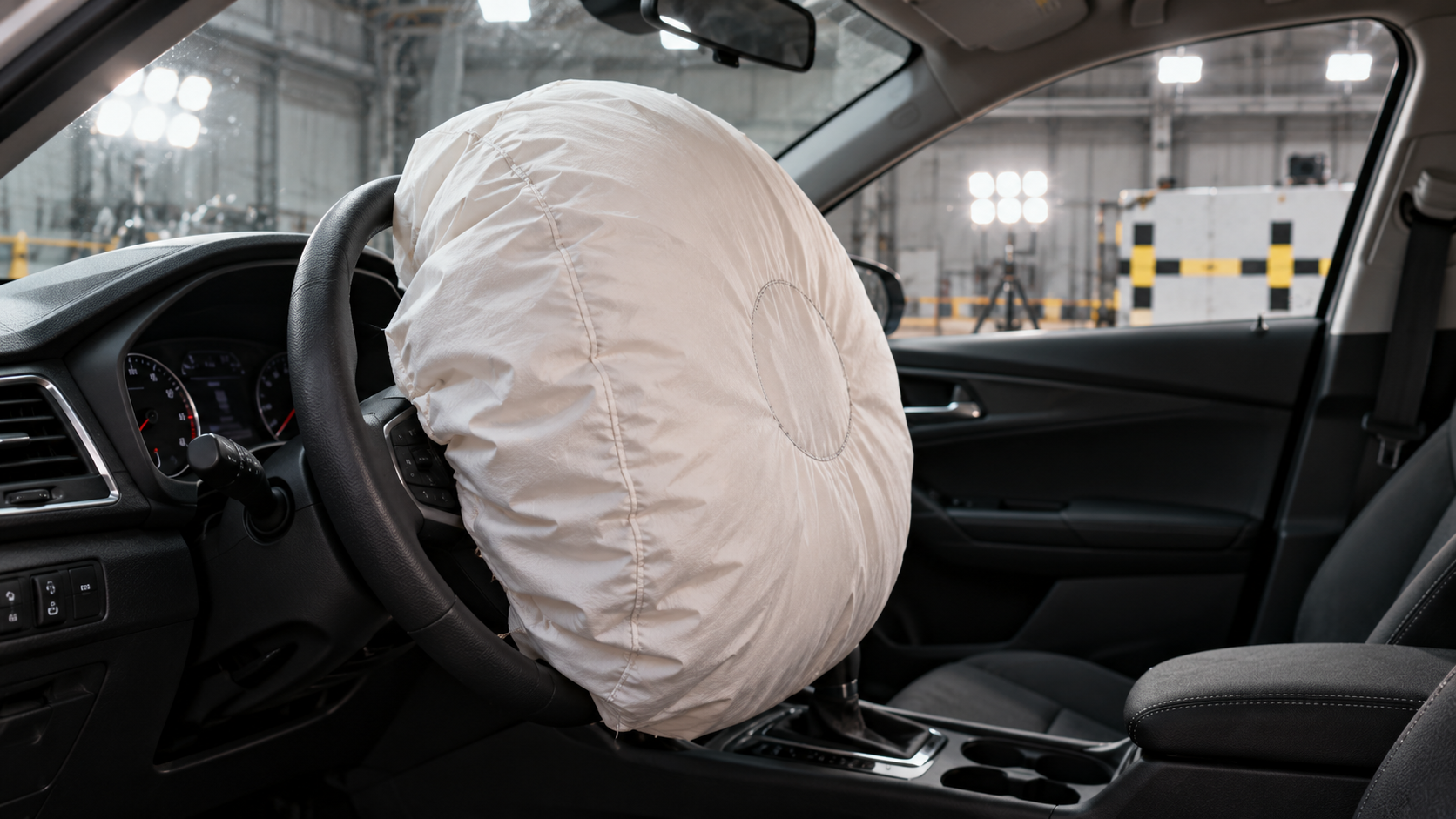
Airbags were invented in the 1950s, but turning them into reliable vehicle safety systems took decades of engineering and testing. Early designs also posed risks to children and smaller occupants, prompting improvements in deployment technology. The National Highway Traffic Safety Administration reports that frontal airbags have saved more than 50,000 lives. That steering-wheel compartment is doing considerably more than making the dashboard look sleek.
Medicine Bottles Didn’t Always Have Tamper-Evident Seals

Those foil seals and protective barriers became especially important after the 1982 Chicago Tylenol poisonings, which killed seven people. The FDA responded with tamper-resistant packaging regulations that year, changing how many over-the-counter medicines were sold. Packaging increasingly had to show visible evidence if someone had opened or interfered with it. A little foil under the cap suddenly became a big reason to trust what’s inside.
Trending on The Scroller


Modern Child Car Seats Emerged Decades After the Automobile
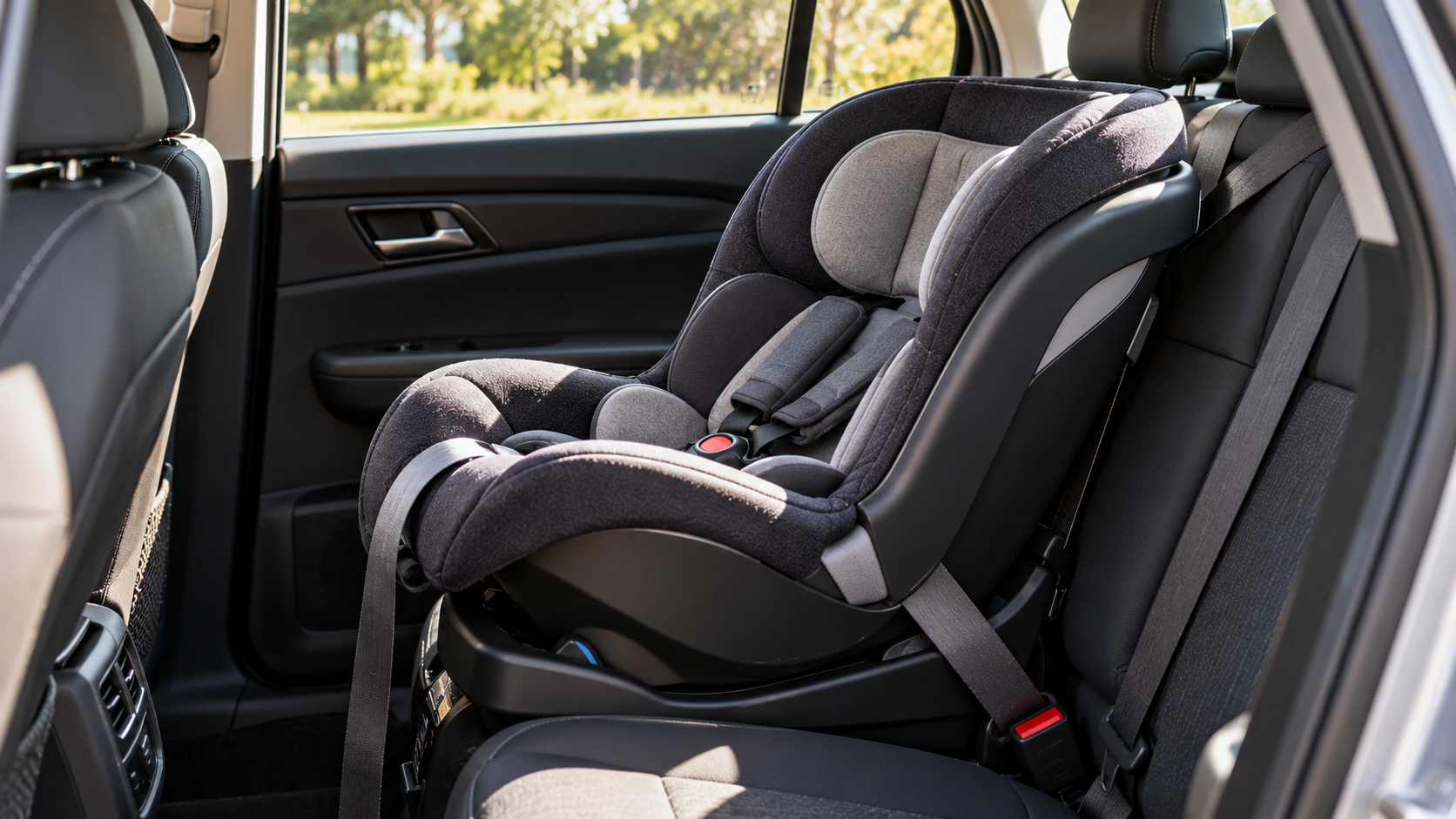
Early child seats often helped children sit upright or see out the window rather than protect them in a crash. Volvo tested a rear-facing child safety seat prototype in 1964 and introduced a model in 1972. By 1985, every U.S. state and Washington, D.C., had enacted child restraint laws. Today’s carefully fitted car seats may seem complicated, but they’re a major upgrade from treating a child seat like a booster chair.
Cars Were Eventually Designed to Crumple on Purpose
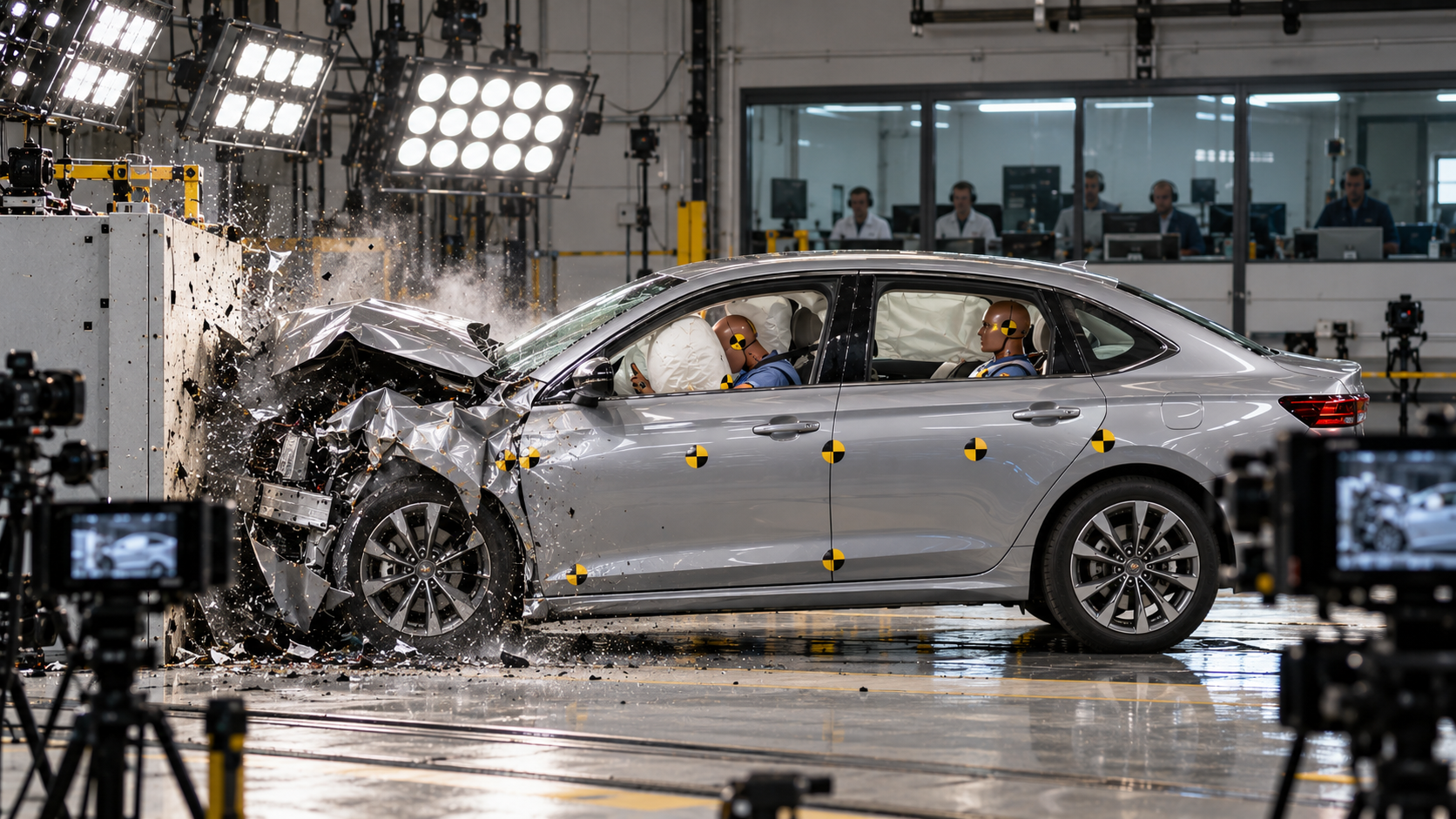
A car that crushes during a crash might look badly built, but that’s often the point. Mercedes-Benz pioneered production crumple-zone structures in 1959, and Volvo introduced front and rear crumple zones in 1966. These engineered sections deform to absorb energy and reduce the forces reaching passengers. Modern cars aren’t supposed to stay pristine in a collision; they’re supposed to give their occupants a better chance.
Some Modern Cars Can Correct a Skid Before the Driver Reacts

Human reflexes aren’t always fast enough to save a car that’s sliding out of control. Electronic stability control uses sensors and computer-controlled braking to help prevent skids and spins. The technology advanced during the 1990s and became mandatory on new U.S. passenger vehicles starting September 1, 2011. It´s essentially a digital safety net for those moments when steering instinctively just isn’t enough.
Sign up for our newsletter
Backup Cameras Became Mandatory on New Cars Only in 2018
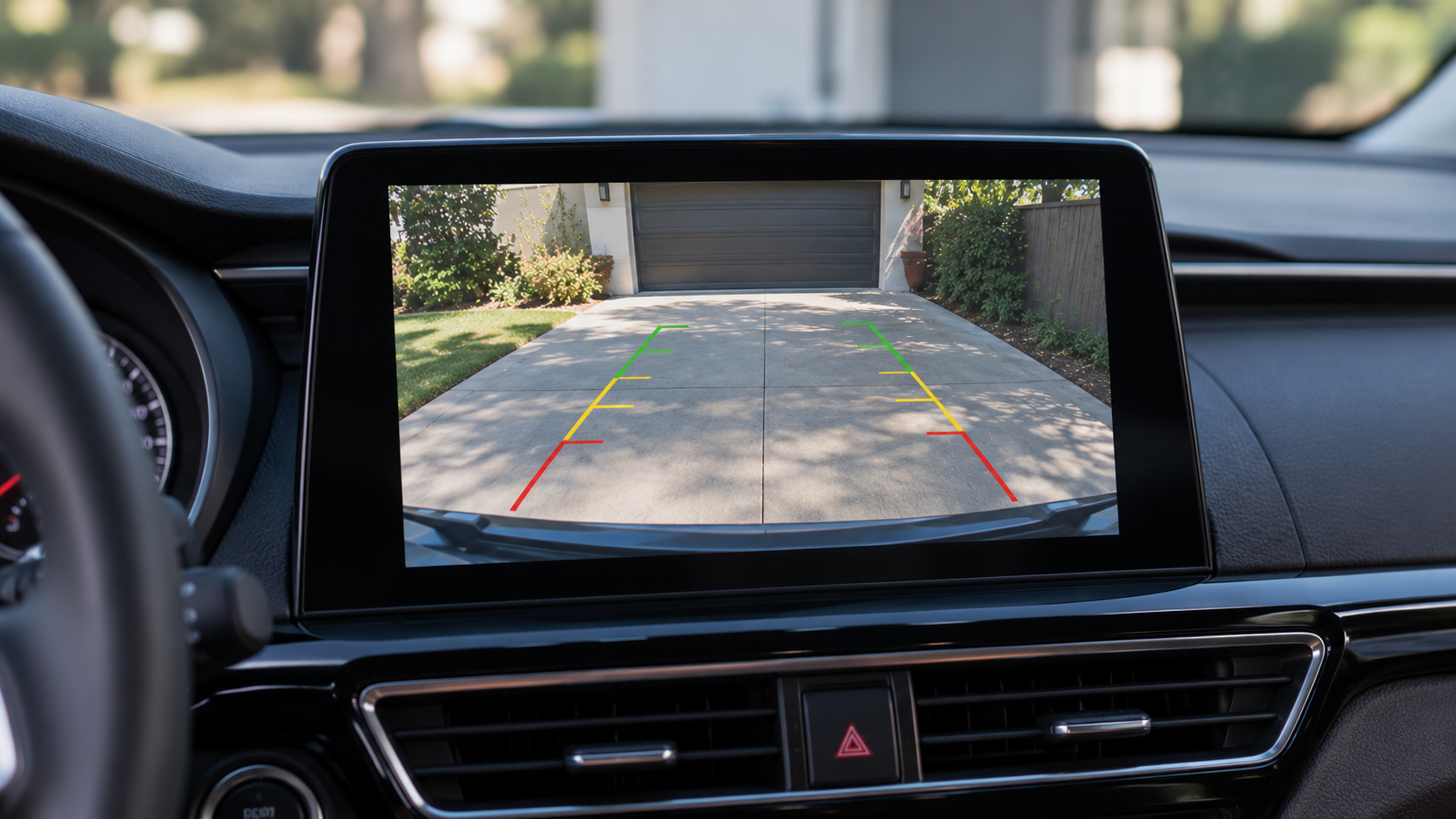
Rearview mirrors leave a blind spot directly behind a vehicle, where small children and low objects can disappear from view. Backup cameras help reveal that area, but they weren’t required on all new U.S. passenger vehicles until May 1, 2018. The technology can also show hazards approaching from the sides. Reversing used to involve guesswork and neck gymnastics; now there’s a screen to check, too.
Tire Pressure Warning Lights Are a 21st-Century Safety Feature
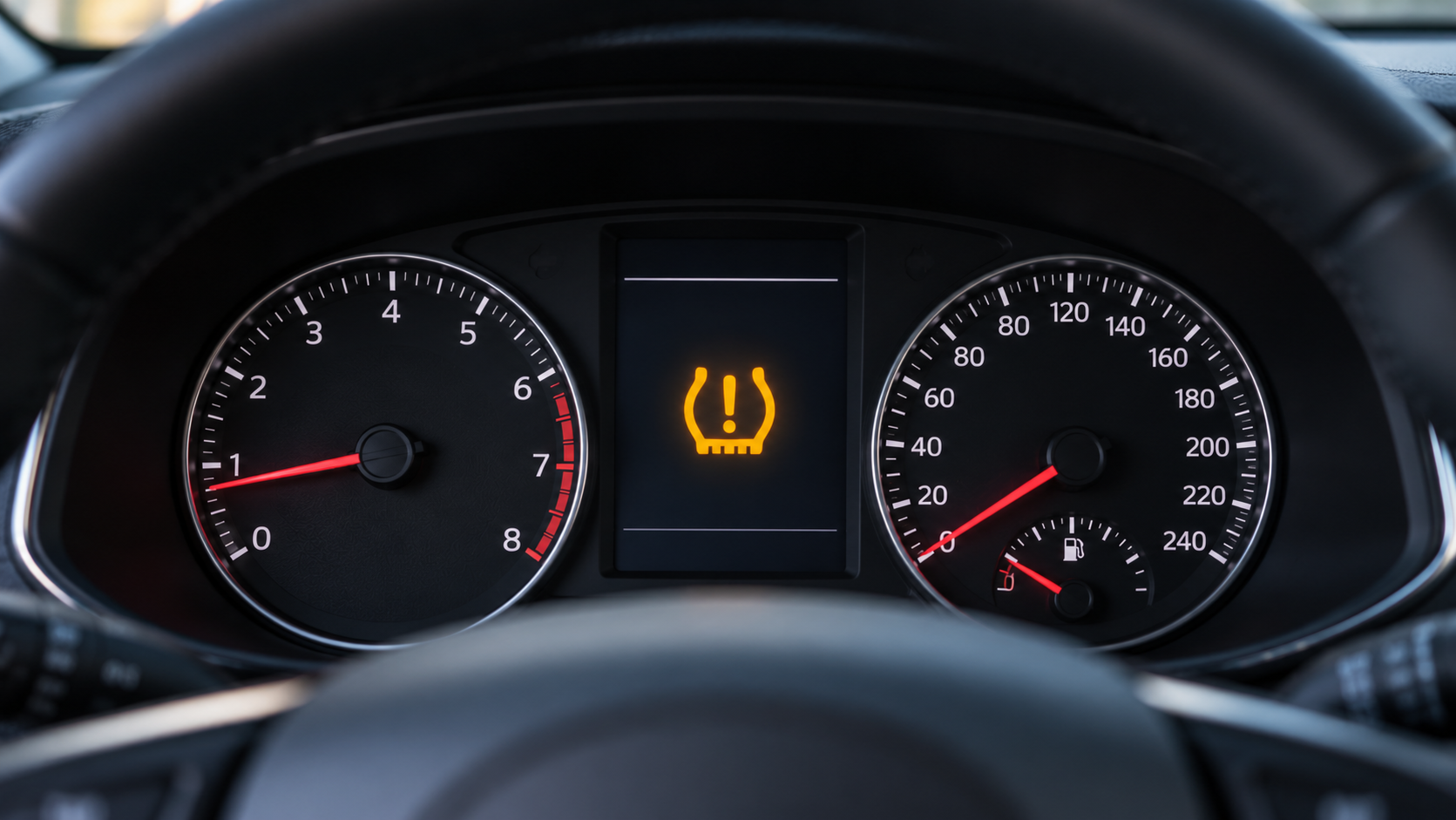
A tire can lose pressure without looking dramatically different, which makes the problem easy to miss. Modern tire pressure monitoring systems use sensors or wheel-speed measurements to alert drivers when pressure drops too low. In the United States, they became mandatory on passenger cars, light trucks, and vans beginning with the 2008 model year. That dashboard warning light may be annoying, but ignoring it won’t make the tire any fuller.
Garage Doors Didn’t Always Stop When Something Was Underneath

An automatic garage door is a heavy moving barrier, not exactly something you’d want closing on a child or pet. Federal rules introduced additional safety requirements for residential garage door openers manufactured from January 1, 1993, including protections such as photoelectric sensors and constant pressure controls. These mechanisms help prevent crushing and entrapment. The door can still be stubborn, but at least it has fewer excuses for not noticing what’s underneath.
Swimming Pool Drains Need New Protection Against Entrapment

Pool drains can generate enough suction to trap a swimmer underwater, a danger many people never consider during a swim. The Virginia Graeme Baker Pool and Spa Safety Act in 2007, a federal requirement for compliant anti-entrapment drain covers in public pools and spas, began on December 19, 2008. Some systems also require secondary protection. A pool’s most important safety feature may be the one nobody notices while splashing around.
Cigarette Lighters Became Harder for Children to Operate in 1994

That little metal guard on a disposable lighter isn’t just there to make your thumb work harder. A federal child-resistance standard took effect on July 12, 1994, requiring most disposable and novelty lighters to resist operation by young children. The CSPC reported that deaths involving children under five playing with lighters fell from 170 in 1994 to 40 in 1998, although other factors may also have contributed. A tiny design change can make a big difference.
Shower Doors and Patio Doors Became Safer Through Glass Standards

Ordinary glass can break into sharp fragments, making shower doors and sliding patio doors potential hazards during an accident. A federal safety standard for architectural glazing took effect in 1977, covering products such as shower doors, bathtub enclosures, and sliding glass doors. Tempered safety glass can break into smaller pieces than ordinary glass. The goal isn’t to make glass indestructible, just less likely to turn a stumble into a trip to the emergency room.
Children’s Pajamas Became Part of Federal Fire Safety Rules

Loose, flammable pajamas near a candle, match, or space heater could turn a small accident into a serious fire. Federal flammability standards introduced during the 1970s changed how children’s sleepwear was manufactured and sold. Modern U.S. requirements generally call for qualifying sleepwear to be flame-resistant or snug-fitting. Those labels and fit warnings may seem fussy, but bedtime clothing has a safety job beyond looking cute.
Modern Bicycle Helmets Didn’t Become Familiar Until the 1970s
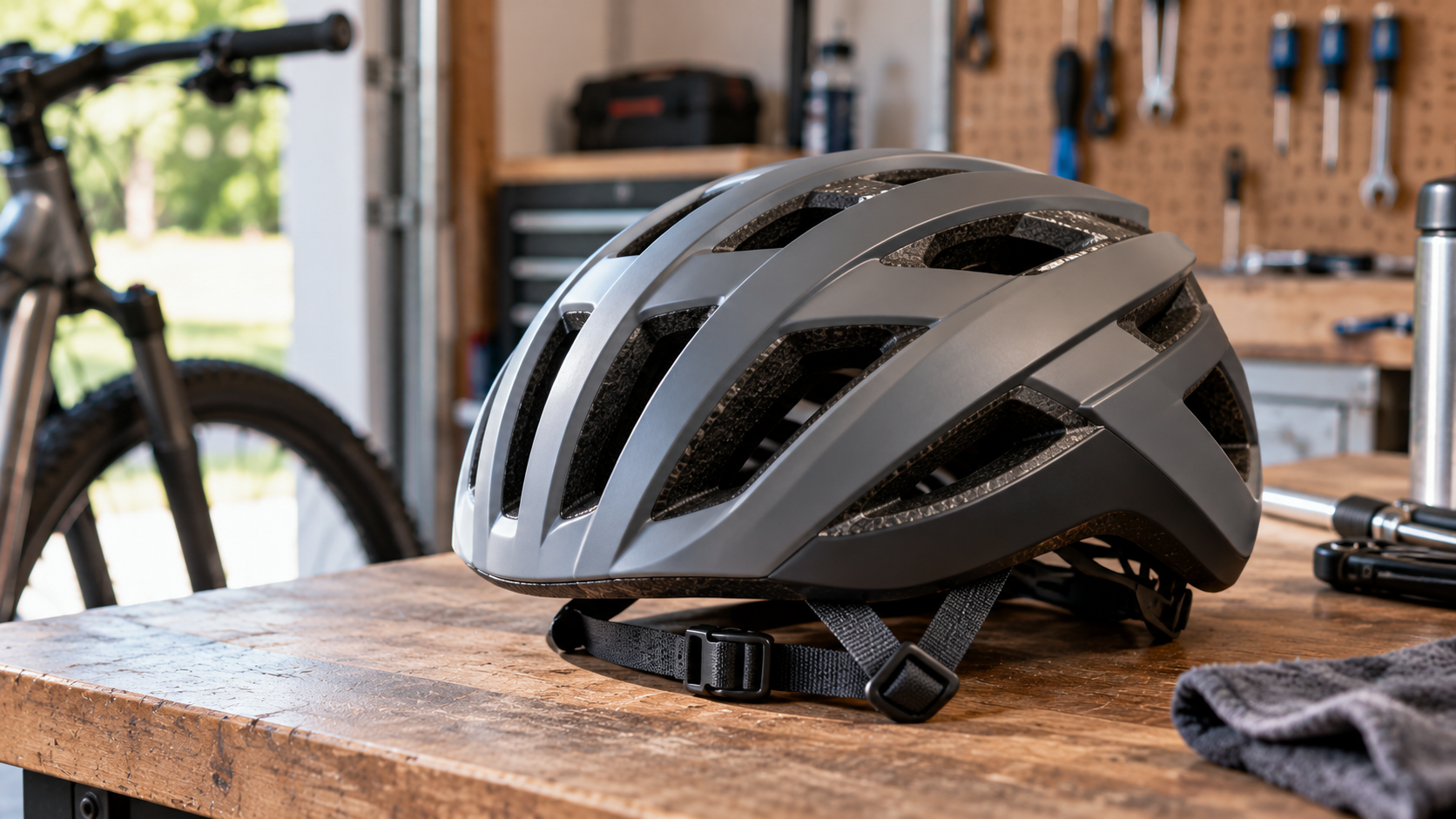
Cyclists existed long before today’s lightweight helmets, but early protective headgear was often associated with competitive racing. Modern consumer helmets began reaching everyday riders during the 1970s, using impact-absorbing materials and protective shells. The Smithsonian’s National Museum of American History preserves a Bell Biker helmet made in 1979. Compared with the alternative, a helmet messing up your hair is a remarkably manageable inconvenience.