Food companies spend millions of dollars perfecting their signature recipes, but even the most iconic brands sometimes decide to tinker with a classic formula. Whether motivated by rising ingredient costs, shifting nutritional trends, or the desire to beat a rival brand, corporations frequently alter the snacks we grew up eating. Unfortunately for executives, loyal consumers hold deep emotional attachments to their favorite childhood flavors and are rarely willing to accept a quiet downgrade.
When a beloved snack suddenly tastes slightly different or a nostalgic candy bar loses its artificial neon glow, the public response is rarely forgiving. Internet petitions, angry letters, and plummeting sales have consistently proven that you should never mess with a successful grocery staple. Looking back at these corporate missteps reveals just how aggressively buyers will fight to protect their favorite treats. Here are twelve popular foods that faced massive backlash after changing their classic formulas.
1. New Coke
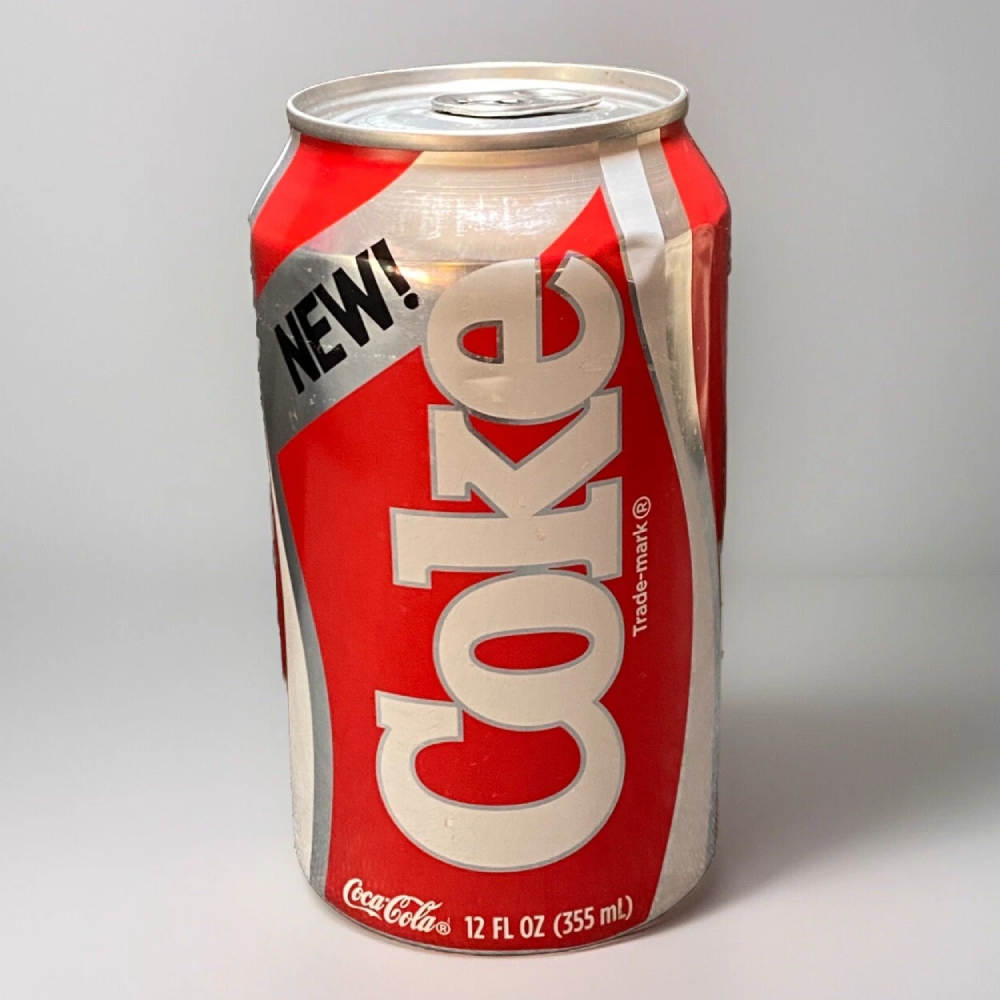
In April 1985, the Coca-Cola Company famously abandoned its century-old formula in favor of a sweeter syrup designed to combat the rising popularity of Pepsi. The public reaction was so intensely negative that frantic executives were forced to reintroduce the original flavor just seventy-nine days later under the name Coca-Cola Classic.
2. Kraft macaroni and cheese
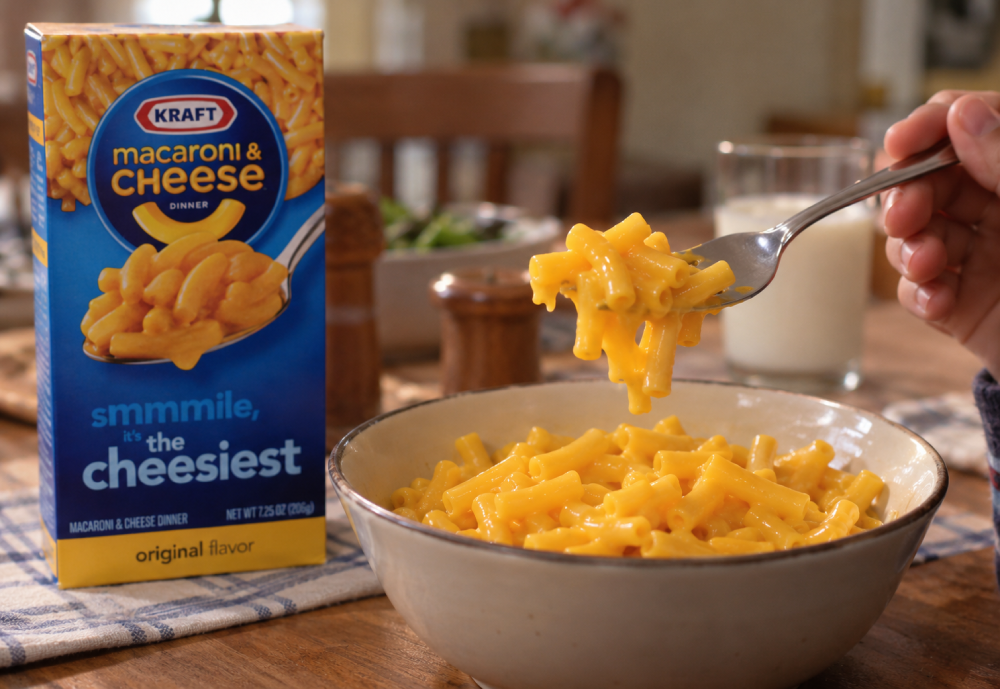
In 2015, the massive food corporation decided to completely remove artificial Yellow 5 and Yellow 6 dyes, replacing them with natural paprika, annatto, and turmeric. Knowing parents might complain about the change, Kraft secretly swapped the ingredients and waited an entire year to announce the switch to prove nobody could actually taste the difference.
3. McDonald’s French fries
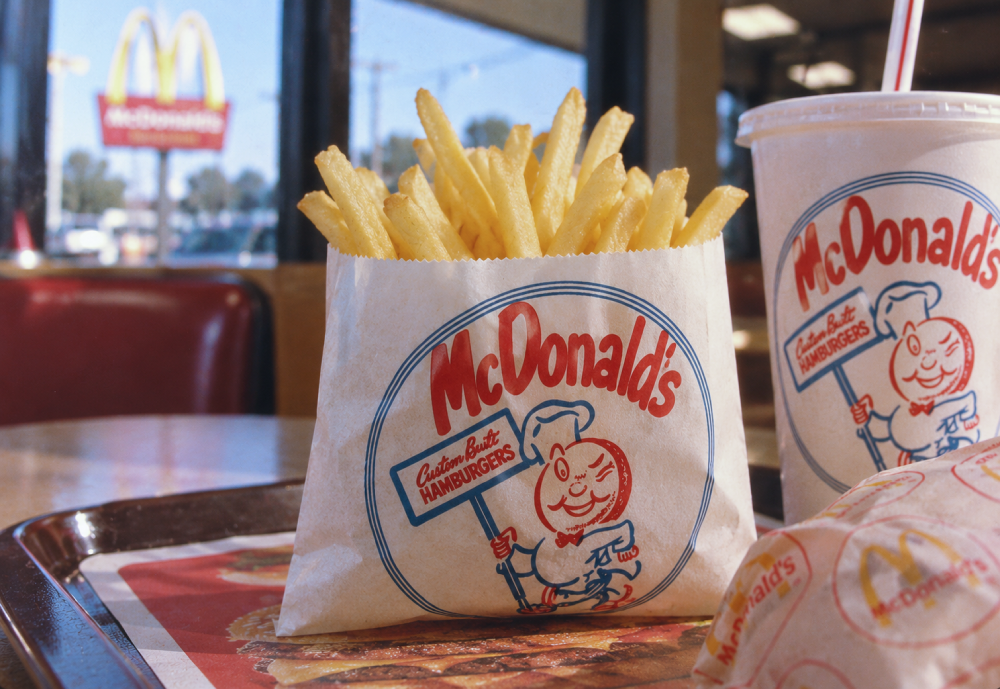
For decades, the iconic fast-food chain fried its potatoes in pure beef tallow, providing that legendary savory crunch that defined late-century drive-thrus. After millionaire Phil Sokolof purchased full-page newspaper ads in 1990 condemning the high cholesterol content, the chain switched to pure vegetable oil and quietly added artificial beef flavoring to compensate for the lost magic.
4. Toblerone chocolate
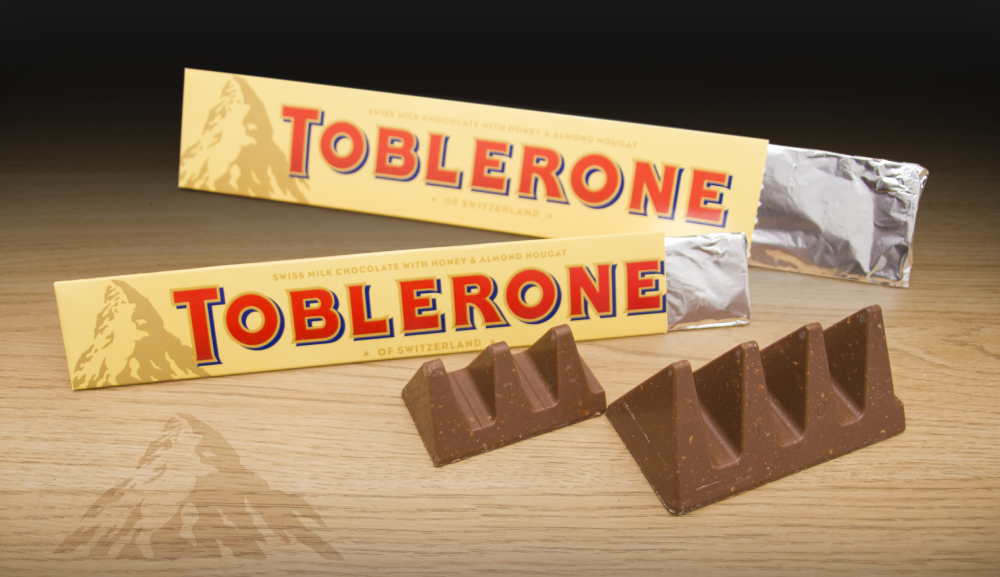
To offset rising ingredient costs in the United Kingdom in 2016, Mondelez International decided to widen the gaps between the iconic triangular chocolate peaks rather than raise the overall price. The new design was immediately mocked by angry British consumers as resembling a bicycle rack, forcing the company to restore the original heavyweight shape in 2018.
5. Trix cereal
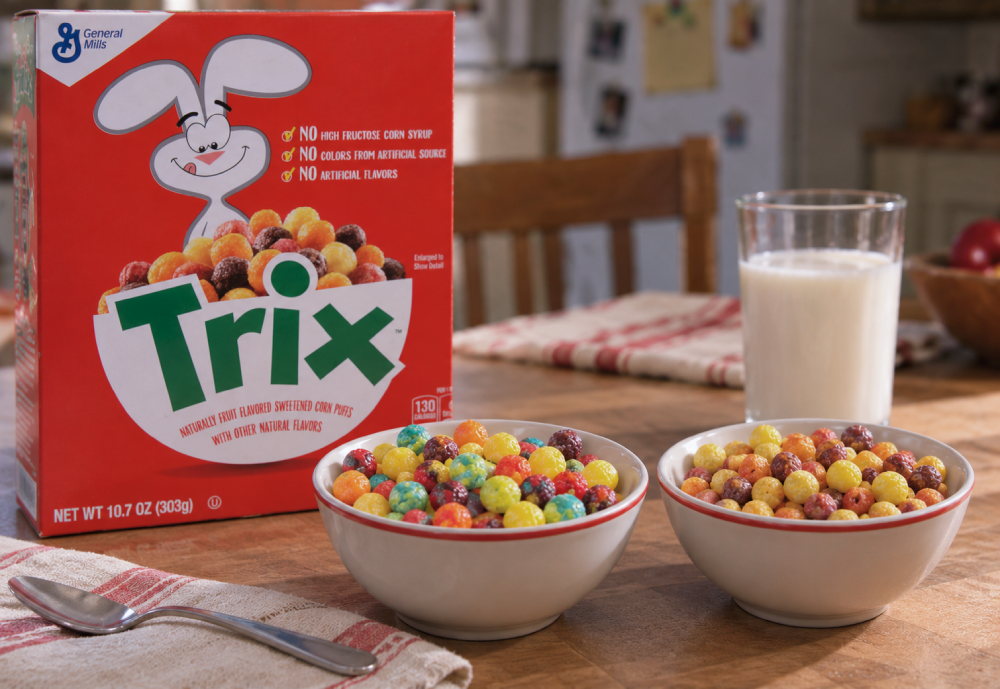
General Mills proudly announced in 2015 that they were stripping all artificial neon dyes from their fruity breakfast cereals to appease health-conscious parents. However, children and nostalgic adults absolutely hated the depressing, brownish natural colors of the new puffs, leading the company to reintroduce the classic artificial rainbow version just two years later.
Trending on The Scroller

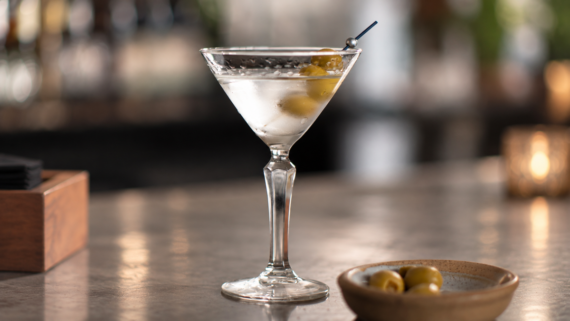
6. Maker’s Mark bourbon
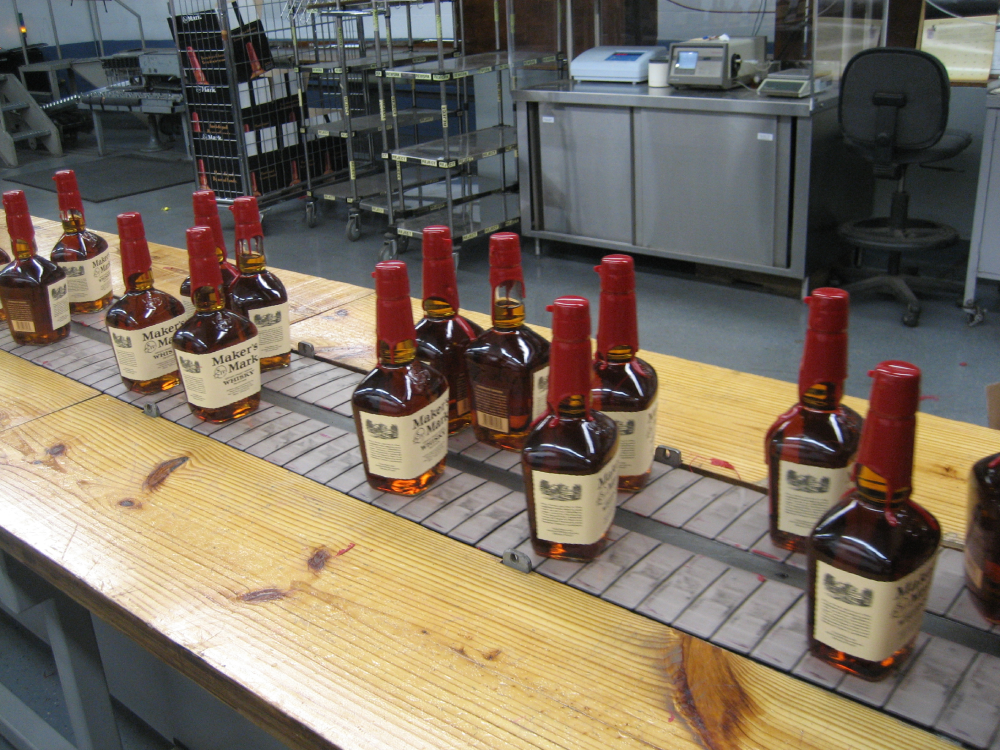
Facing a massive global shortage of their signature whiskey in 2013, executives decided to stretch their supply by watering down the alcohol content from 90 proof to 84 proof. Fiercely loyal Kentucky bourbon drinkers revolted immediately on social media, prompting the company president to issue a public apology and reverse the decision in less than a week.
7. Subway sandwich bread
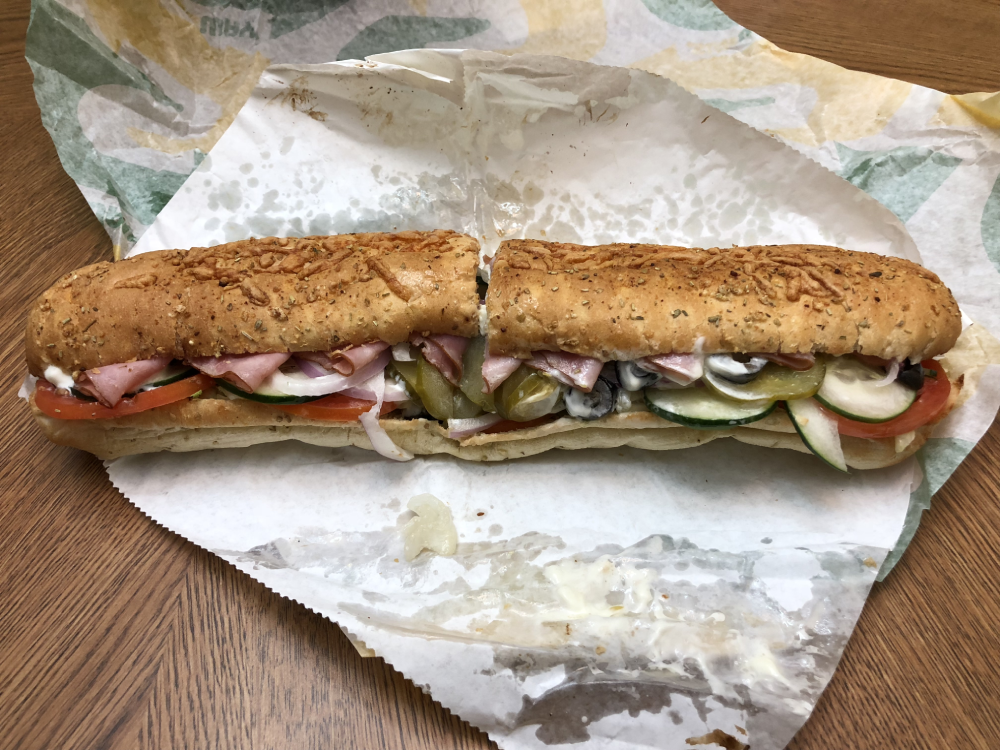
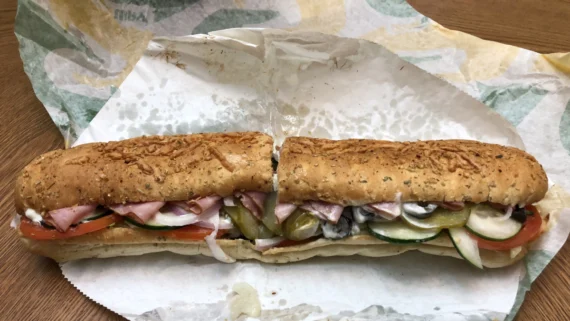
In 2014, a prominent food blogger published a viral petition exposing that the sandwich giant used azodicarbonamide in their baked goods, a chemical also found in manufacturing yoga mats. The resulting public relations nightmare was swift and brutal, forcing executives to rapidly strip the dough conditioner from all global baking operations to win back terrified lunchtime customers.
8. Cadbury Creme Eggs
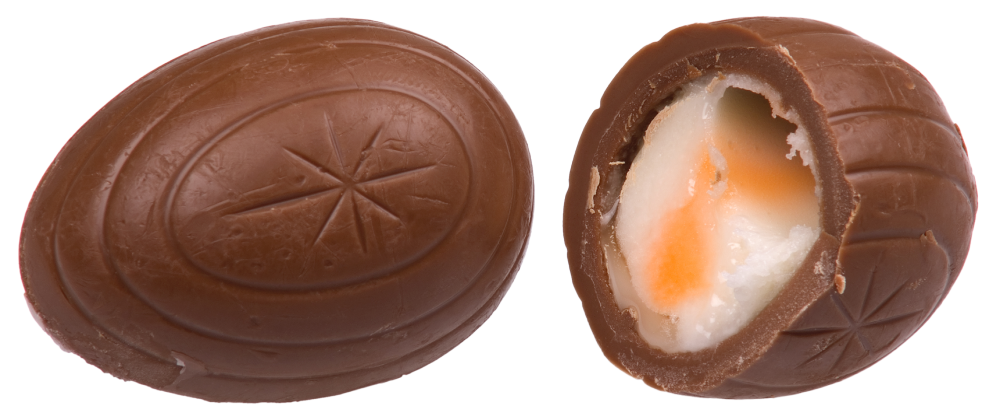
British chocolate lovers were outraged in 2015 when Kraft quietly replaced the traditional Dairy Milk chocolate shell with a cheaper, standard cocoa mix. Consumers immediately noticed the waxy texture and inferior melt, which resulted in a massive drop in Easter sales that cost the company millions of pounds in a single season.
Sign up for our newsletter
9. Butterfinger candy bars
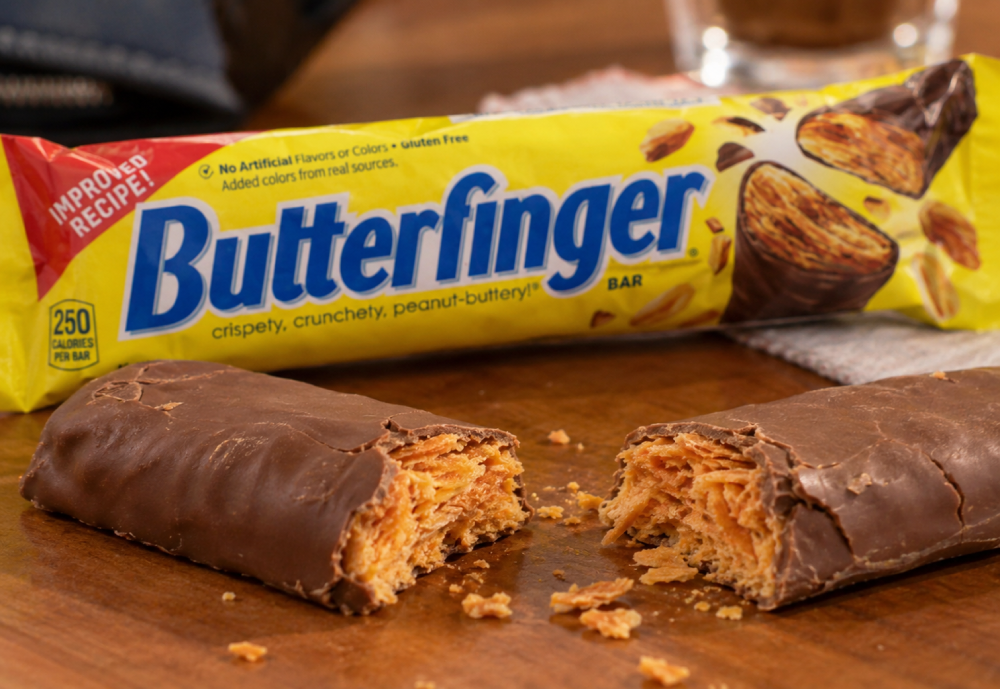
When the Ferrero Group purchased the crunchy peanut butter brand from Nestlé in 2018, they completely overhauled the classic chocolate coating and interior core to use higher-quality cocoa. Longtime fans absolutely hated the new texture and flooded social media with complaints, demanding a return to the flaky, artificially orange layers of their childhood.
10. Four Loko
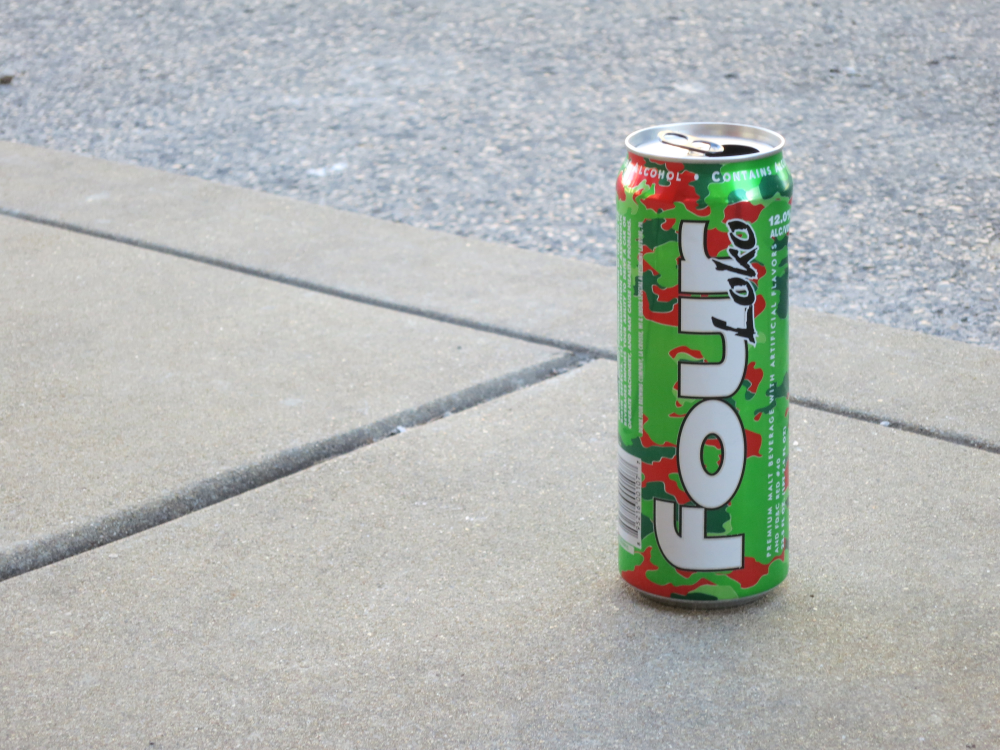
This fruity malt beverage was originally a massive hit on college campuses because it contained a potent, highly dangerous mix of heavy alcohol, caffeine, guarana, and taurine. Following a string of highly publicized emergency room visits in 2010, the Food and Drug Administration issued strict warnings that forced the manufacturer to completely remove all stimulants from the cans.
11. Campbell’s chicken noodle soup
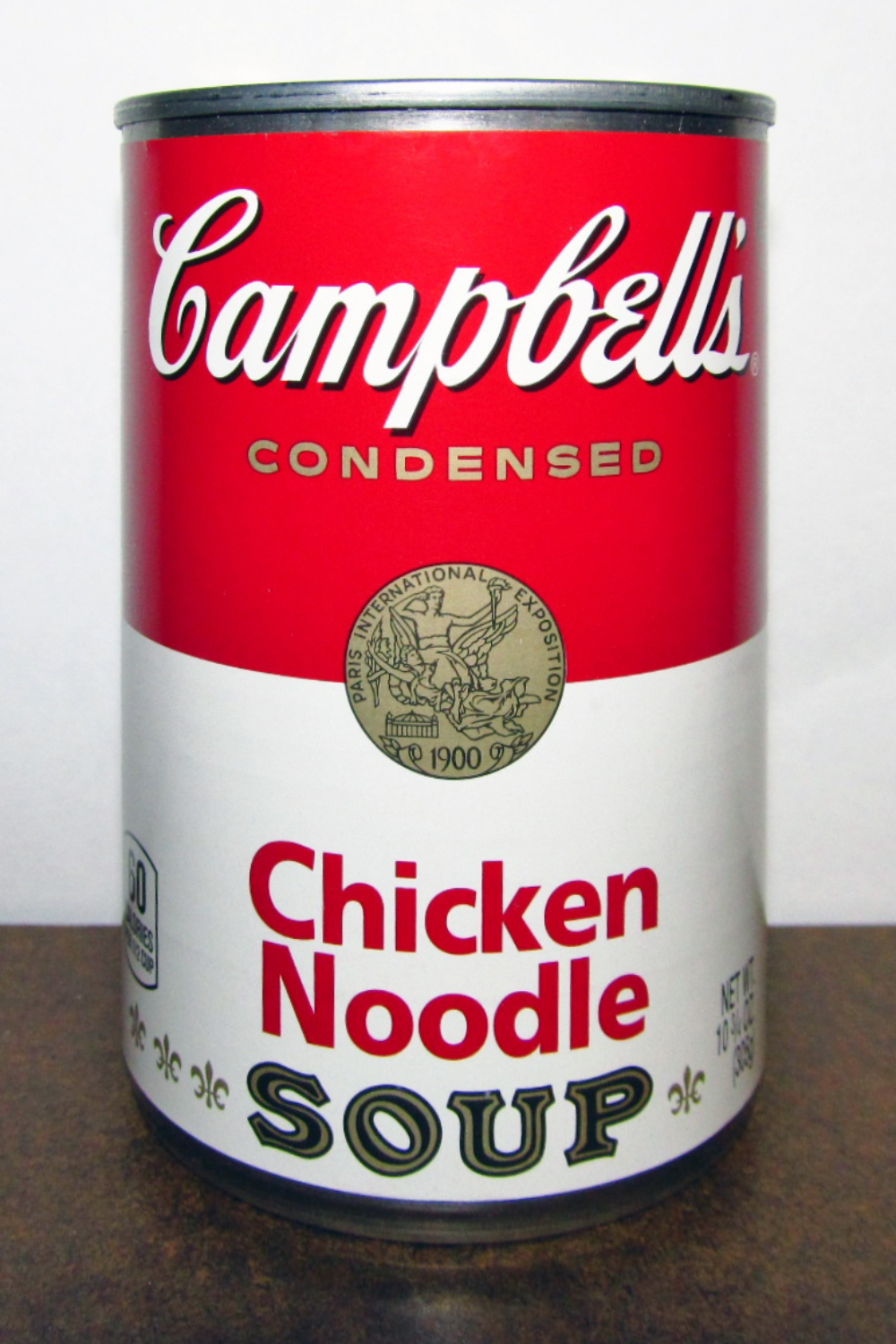
Hoping to attract millennial parents demanding cleaner grocery labels, the soup giant significantly overhauled its iconic red and white can in 2015. They completely removed all artificial colors and flavorings while dropping the total ingredient list from thirty items down to just twenty, drastically altering the classic salty flavor profile that generations grew up eating.
12. Pizza Hut original pan pizza
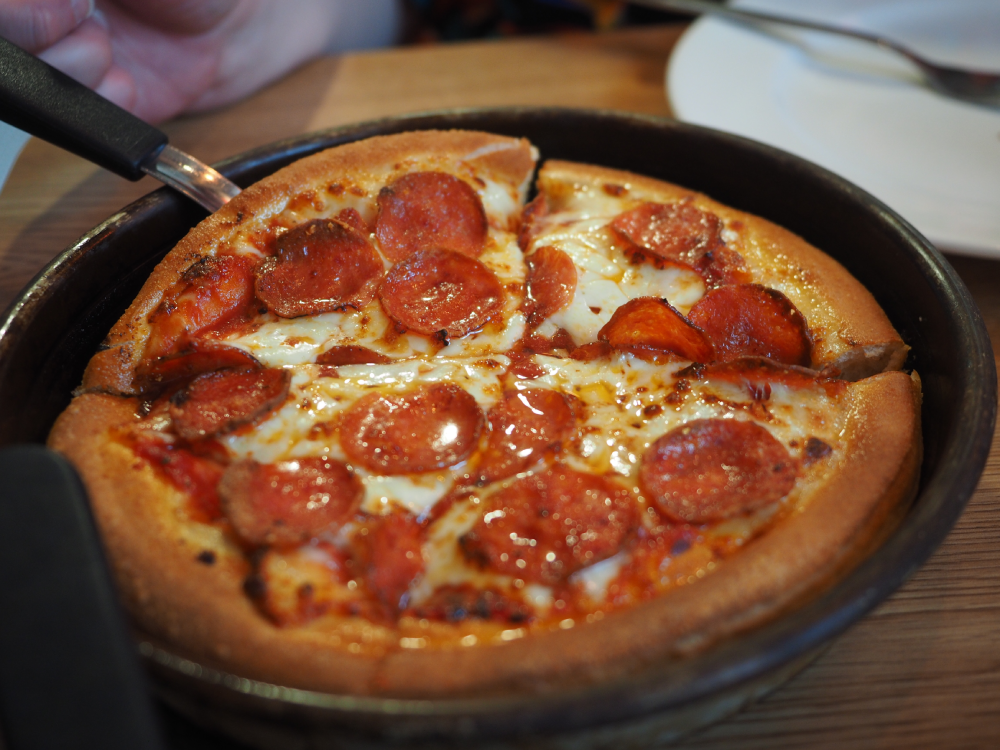
After nearly forty years of dominating the takeout industry, the chain suddenly updated its legendary deep-dish pan recipe in 2019 to feature a new cheese blend and sauce. While executives promised the update would result in a crispier bite, purists deeply missed the buttery, nostalgic sponge crust they remembered from their childhood reading programs.
Want more interesting facts about food?
It is endlessly fascinating to see how fiercely people will defend their favorite childhood snacks, proving that food is tied closely to our fondest memories. When a massive corporation tries to cut corners or jump on a new health trend, they severely underestimate the power of sheer consumer nostalgia. If you love taking deep dives into curious cultural history, retro lifestyles, and fascinating facts about food, make sure to check out these 16 Foods That Used to Be High-Society Luxuries or these 14 Retro Foods That Defined 1970s Dinners. You may also like these 18 Foods That Don’t Taste the Way You Remember.