Foods have a funny way of playing tricks on our memories. Sometimes a favorite snack really did change its recipe, while other times the farms, ingredients, cooking methods, or even our own taste buds evolved without us noticing. That’s why something you loved as a kid can seem surprisingly different today, even if the packaging looks almost exactly the same.
From iconic fast food and candy bars to fresh fruits and everyday pantry staples, the flavors we remember aren’t frozen in time. Regulations, agriculture, manufacturing, and changing consumer preferences have quietly reshaped many familiar products over the years. These foods don’t necessarily taste worse, but they often taste different than the versions many people grew up with.
1. McDonald’s French Fries
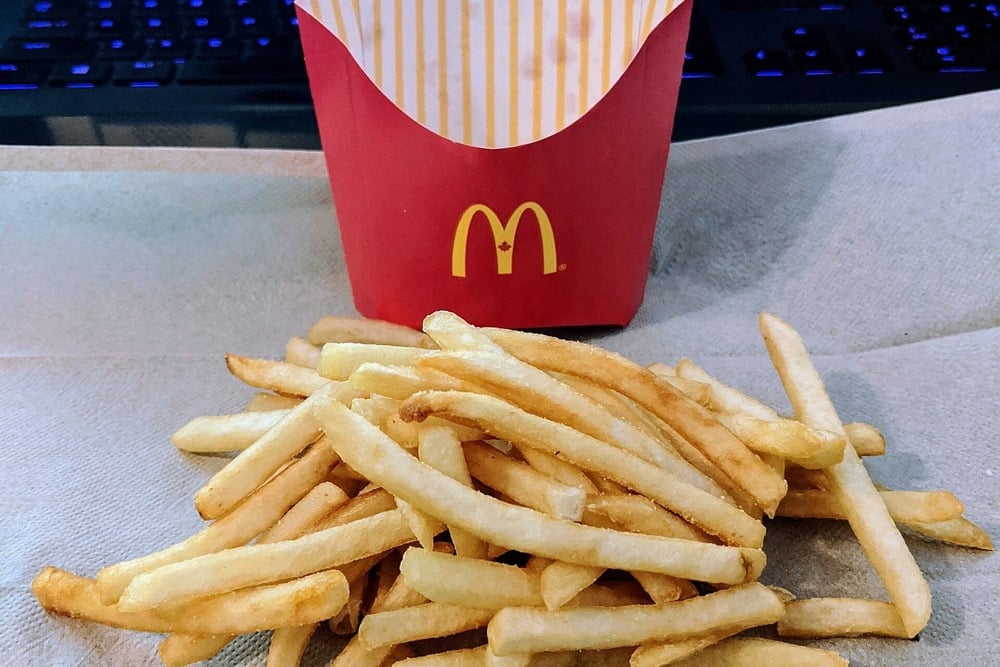
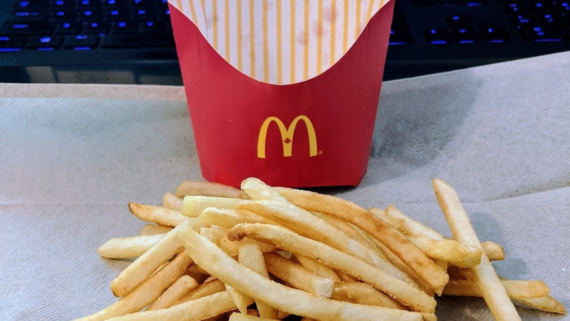
Foods rarely inspire as much nostalgia as McDonald’s French Fries. For many people, the fries they remember from decades ago had a richer, beefier flavor because the chain originally cooked them in a beef tallow blend before gradually switching to vegetable oils. Would today’s fries taste familiar if you traveled back to the 1980s? And how much of that unforgettable flavor came from the cooking fat rather than the potato itself? One of the world’s most famous side dishes proves that even a small change in the fryer can create a lasting food memory.
2. Bananas
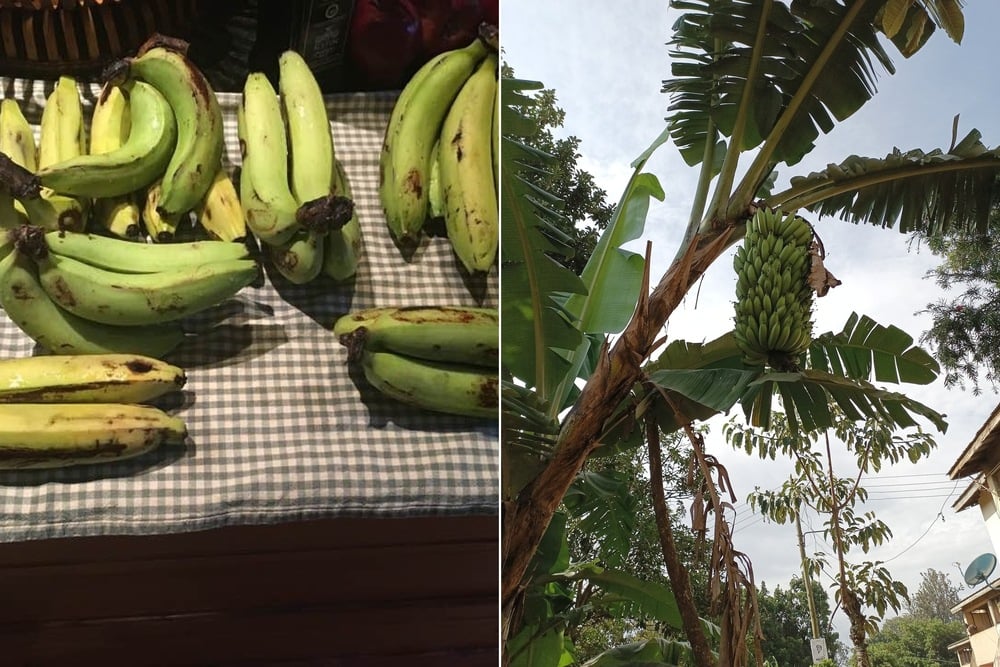
Most bananas sold today belong to the Cavendish variety, but that wasn’t always the case. Earlier generations were more familiar with the Gros Michel banana, which largely disappeared from commercial production after disease devastated plantations, changing the flavor profile found in supermarkets around the world. Have you ever wondered why older banana desserts sometimes seem impossible to recreate? And what if the fruit itself changed before the recipe ever did? Sometimes the biggest ingredient swap happens long before the food reaches your kitchen.
3. Cadbury Creme Eggs

For many chocolate lovers, Cadbury Creme Eggs became one of the clearest examples of a nostalgic treat that no longer tasted quite the same. Changes to the chocolate shell recipe sparked widespread debate among longtime fans, with many insisting the familiar Easter favorite had lost part of its original charm. Could a single ingredient really make such a noticeable difference? And why do small recipe changes often feel much bigger when they’re attached to childhood memories? Sometimes a tiny reformulation creates an enormous conversation.
4. Tomatoes
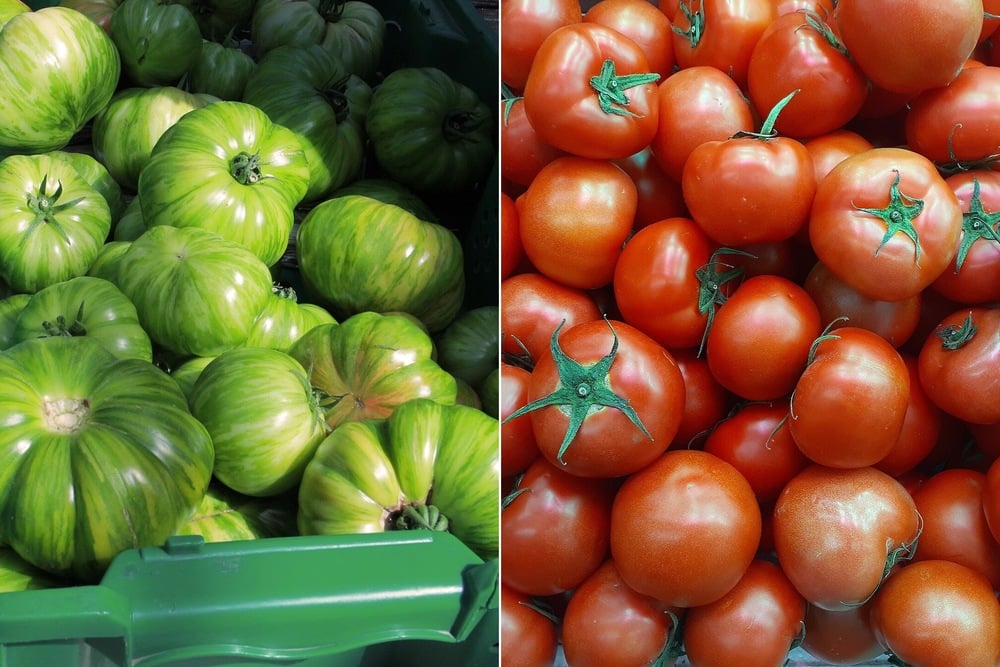
Anyone who’s tasted a tomato fresh from a backyard garden has probably noticed how different it can be from one bought at the supermarket. Over the decades, many commercial tomatoes have been bred to survive shipping, resist disease, and stay attractive on store shelves, often balancing those goals alongside flavor. Why do homegrown tomatoes seem so much more intense? And would supermarket tomatoes taste different if they didn’t have to survive hundreds of miles in transit? Sometimes convenience quietly changes what ends up on our plates.
5. Butterfinger
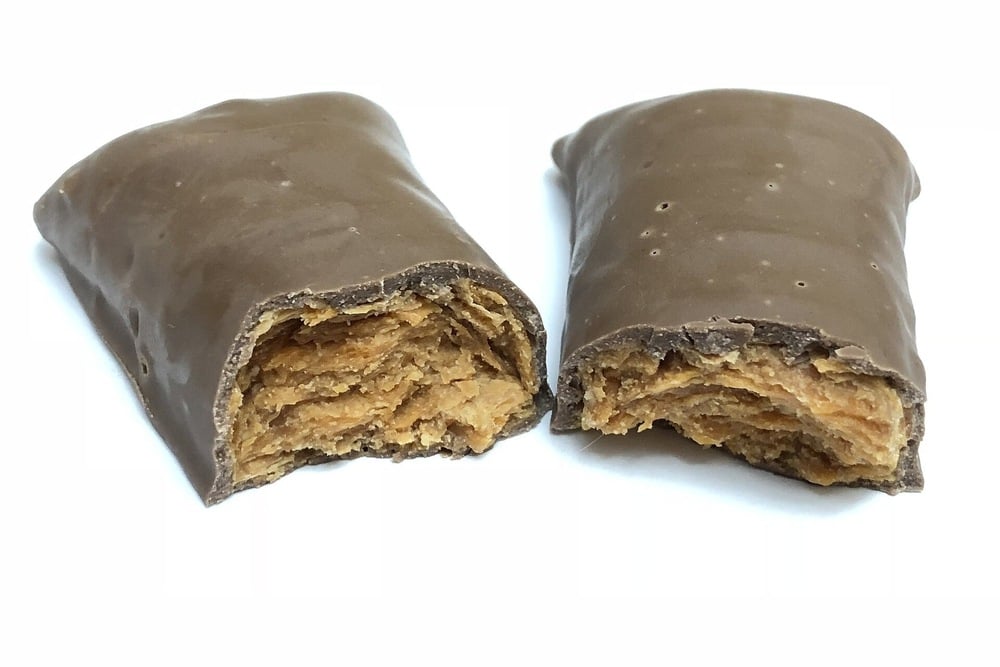
Butterfinger fans quickly noticed when the candy bar underwent a major reformulation, with changes to both ingredients and manufacturing affecting its familiar texture and flavor. Some welcomed the update, while others insisted the original version had been impossible to improve. Can a candy bar still be the same product after changing the recipe people grew up with? And why do food memories become so powerful when they’re tied to childhood treats? Nostalgia and new recipes don’t always blend as smoothly as chocolate and peanut butter.
Trending on The Scroller
6. Breakfast Cereals
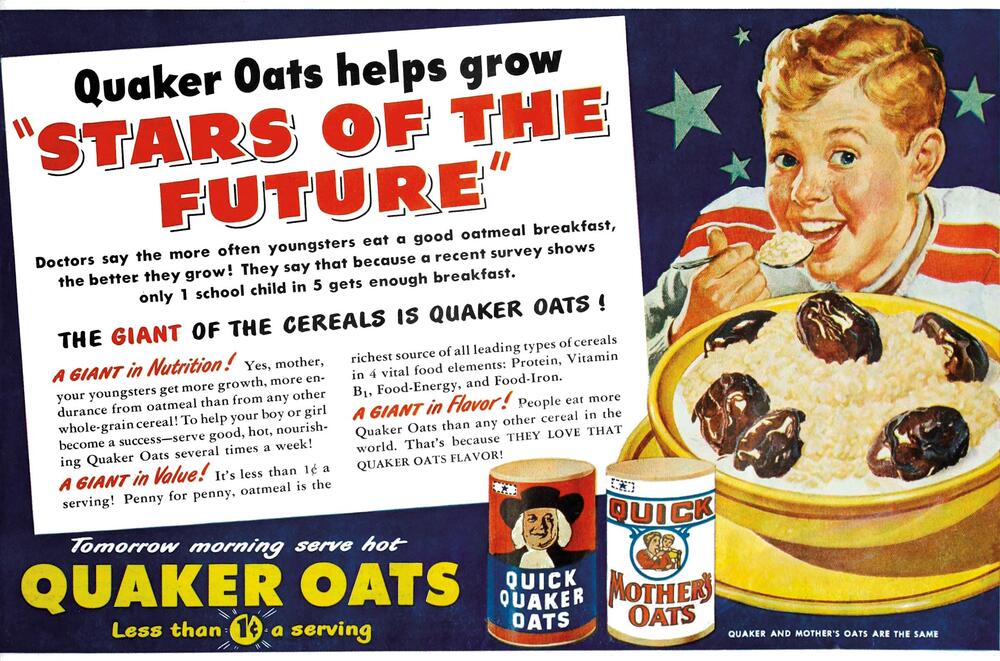
Many classic breakfast cereals have been reformulated over the years to reduce sugar, eliminate artificial ingredients, or meet changing nutrition standards. While those updates appealed to some shoppers, others insisted their favorite cereals no longer delivered the same familiar crunch or sweetness they remembered from childhood. Could you recognize your favorite cereal in a blind taste test against its original recipe? And how much of that Saturday morning magic came from the cereal itself versus the memories surrounding it? Foods often change one ingredient at a time until longtime fans begin noticing the difference.
7. Peaches
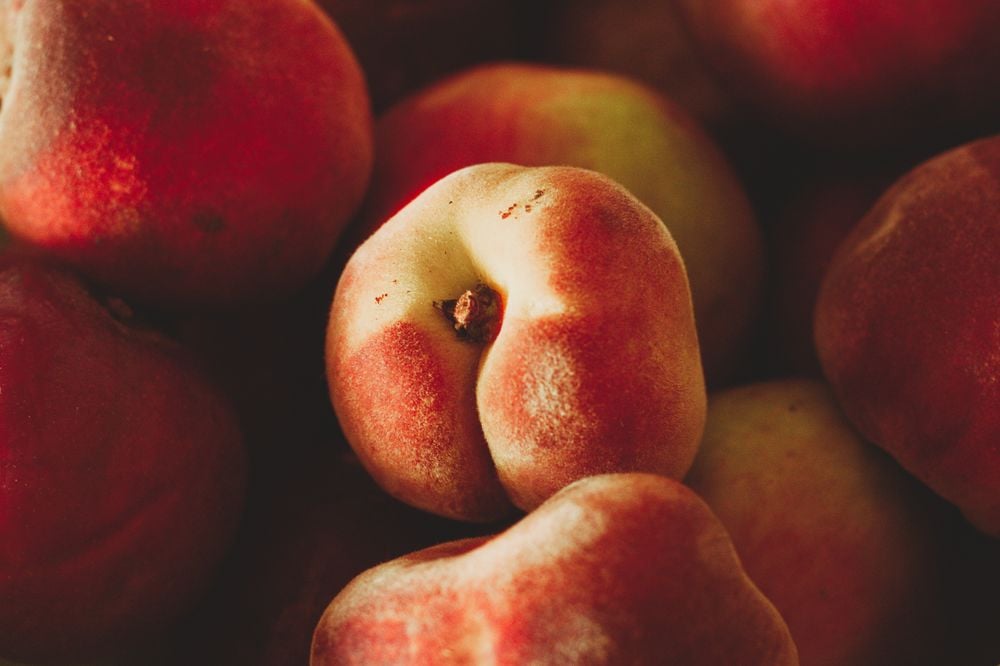
Peaches have been selectively bred for decades to improve shelf life, appearance, and resistance to bruising, but those qualities don’t always guarantee the juiciest or most flavorful fruit. Commercial harvesting also means many peaches are picked before they’re fully ripe, changing the taste by the time they reach grocery stores. Why do peaches from a local orchard often seem sweeter than supermarket ones? And would you gladly trade a few bruises for better flavor? Modern farming has helped peaches travel farther, but sometimes at the expense of the eating experience.
8. Coca-Cola
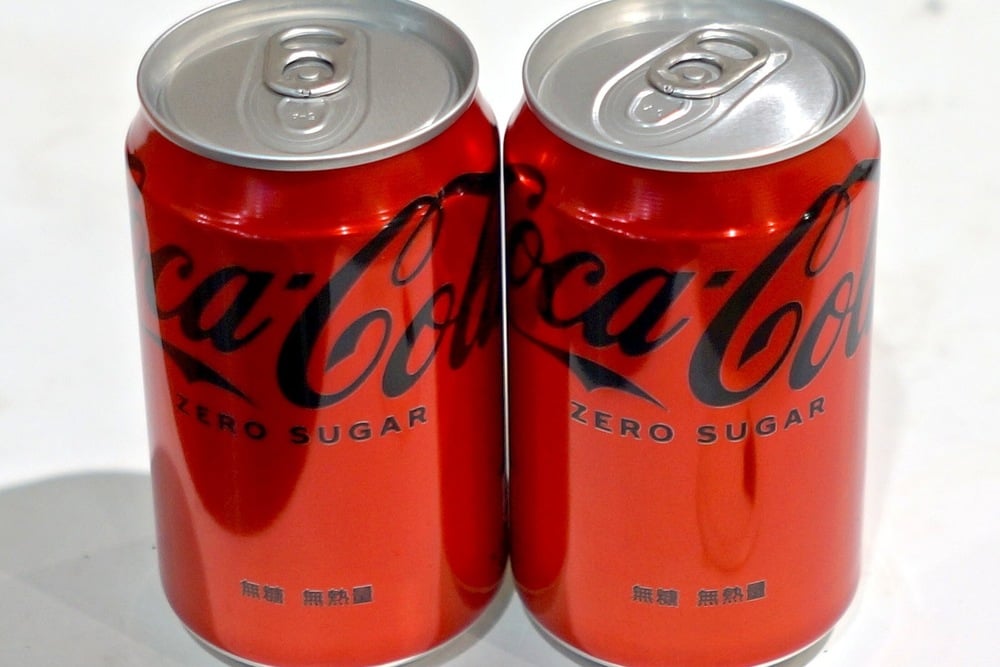
Few products have inspired as much discussion as Coca-Cola, whose recipe has changed in different markets and periods over the decades. Whether it’s the famous New Coke experiment, the use of different sweeteners, or regional ingredient differences, many consumers insist they can taste the changes immediately. Could you tell the difference between two bottles made with different sweeteners? And how much does expectation influence what your taste buds report? Even one of the world’s most recognizable drinks hasn’t escaped changing consumer preferences.
Sign up for our newsletter
9. Chicken

Chicken has become larger, leaner, and more widely available than it was decades ago, thanks to changes in breeding and farming practices. Those improvements increased efficiency, but some people believe today’s chicken has a milder flavor and a different texture than earlier generations remember. Has chicken become more convenient at the expense of some of its character? And would a recipe from fifty years ago taste exactly the same if the main ingredient itself has changed? Sometimes the evolution of agriculture quietly reshapes familiar meals.
10. Oreos

Oreos have remained one of the world’s favorite cookies, but adjustments to ingredients over the years, including changes in fats and flavor formulations, have led some longtime fans to argue they don’t taste exactly like they once did. Is it the cookie that’s different, or have our childhood memories become impossible to match? And could you really identify an older recipe after all these years? Even when a brand stays iconic, tiny recipe changes can become surprisingly noticeable to loyal customers.
11. Apples
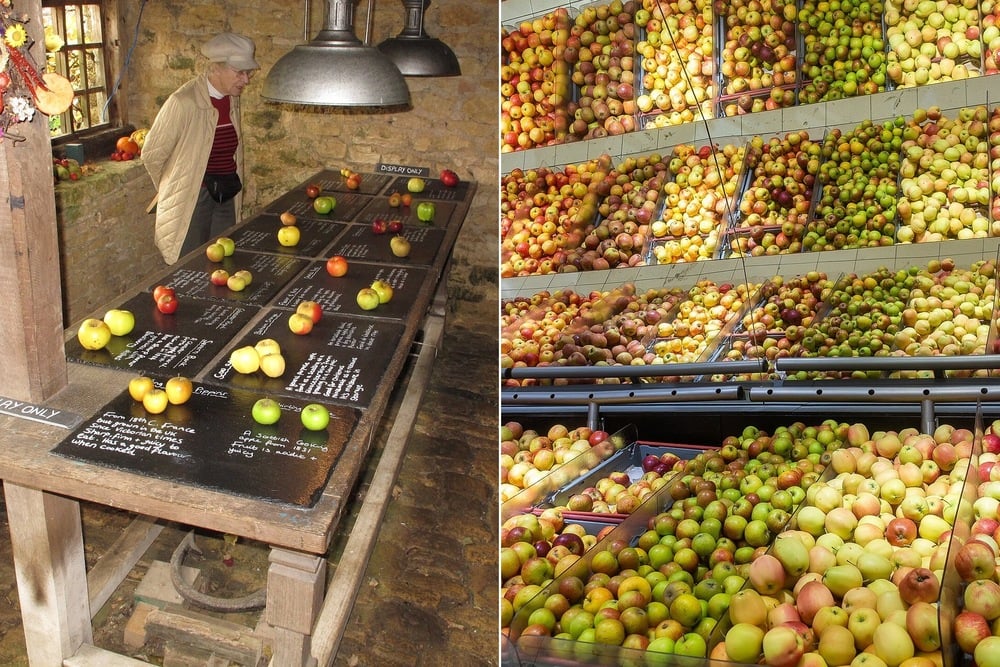
Apples available in supermarkets today are often sweeter, crisper, and more visually uniform than many older varieties, thanks to decades of selective breeding. While newer cultivars have become incredibly popular, countless traditional apple varieties have faded from commercial shelves, taking some unique flavors with them. Have you ever wondered why grocery stores seem to sell the same handful of apples year after year? And what amazing flavors might have disappeared simply because they didn’t ship well? Foods don’t always lose flavor. Sometimes they simply trade diversity for consistency.
12. Kraft Mac & Cheese

Kraft Mac & Cheese has quietly changed its recipe several times, including removing artificial colors and preservatives from the familiar blue box. While the company aimed to keep the flavor as close as possible to the original, plenty of longtime fans insisted they could tell the difference anyway. Would you notice if your favorite comfort food changed just a little? And how much of that familiar taste comes from the recipe versus the memories attached to it? Even subtle updates can become surprisingly noticeable when a product has been part of family dinners for generations.
13. Strawberries
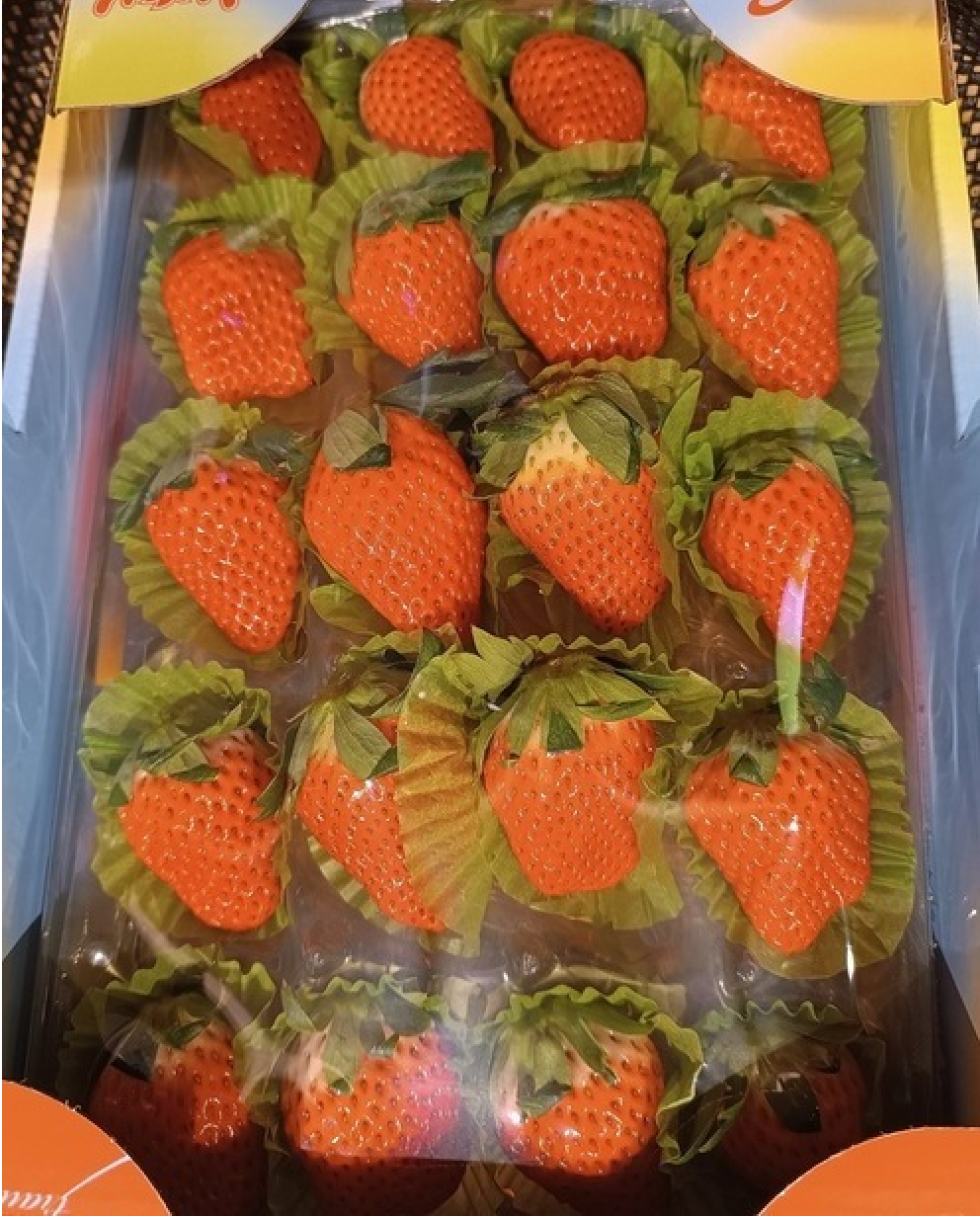
Modern strawberries are often larger, brighter, and sturdier than older varieties, making them easier to transport and sell year-round. But many people argue that supermarket berries simply don’t match the sweetness and aroma of strawberries picked fresh during peak season. Why do berries from a local farm often taste completely different from those at the grocery store? And have we become so used to perfect-looking fruit that we’ve forgotten how incredible seasonal produce can be? Convenience has made strawberries easier to find, but not always easier to savor.
14. Ritz Crackers

Ritz Crackers have also undergone ingredient changes over the years, particularly as manufacturers adjusted recipes to remove trans fats and comply with evolving nutrition guidelines. Most people barely noticed, but loyal fans often claimed the crackers lost a little of their buttery richness along the way. Can changing one ingredient really affect a snack that’s been around for generations? And why do longtime customers often detect differences that casual eaters never notice? Sometimes the smallest recipe adjustments create the biggest debates.
15. Oranges
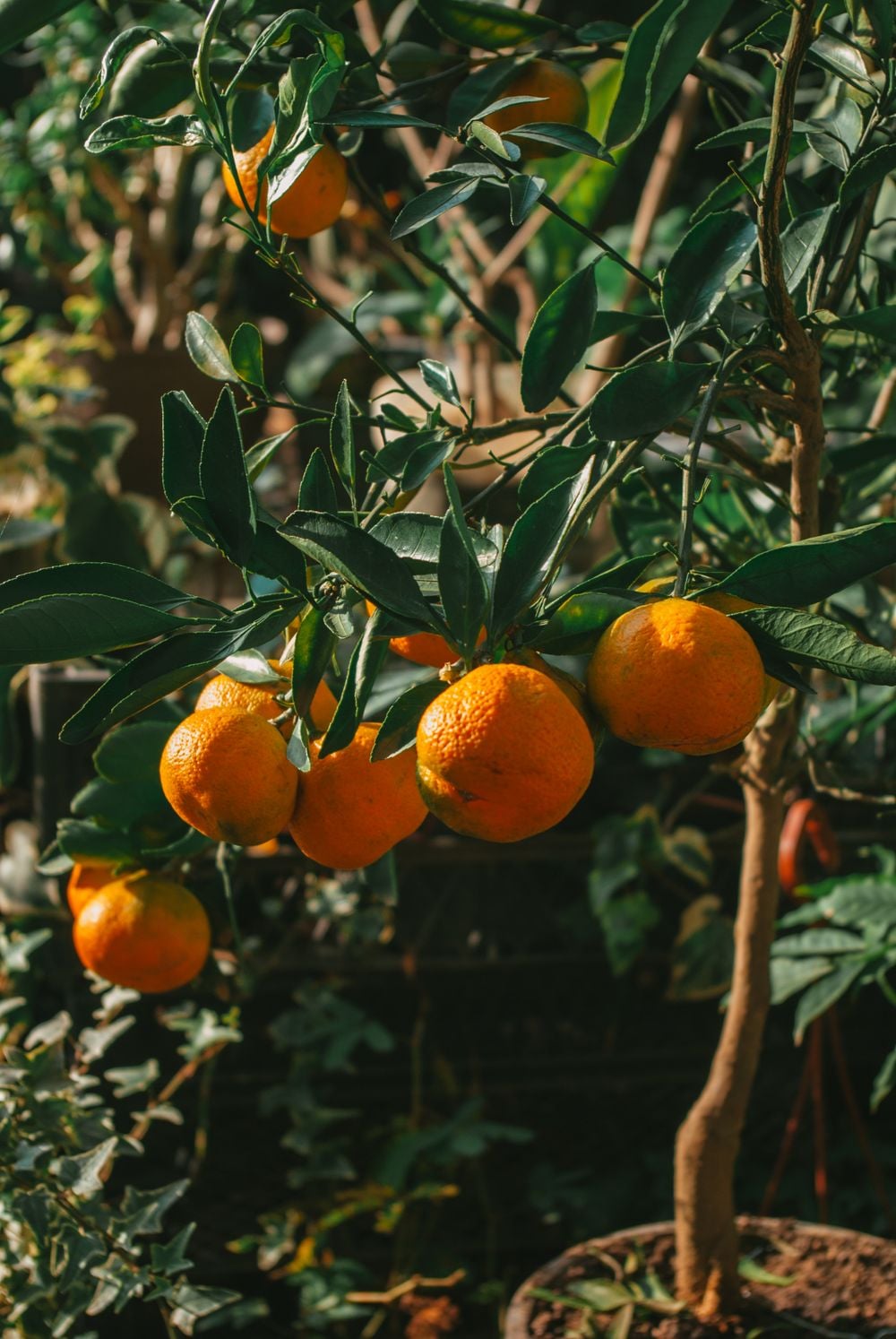
Not every orange tastes the same because growing conditions, harvesting methods, and the varieties planted have all shifted over time. Weather patterns, irrigation, and commercial farming practices also influence sweetness and acidity from one harvest to the next. Have you ever bought two bags of oranges that tasted completely different despite looking almost identical? And could climate and agriculture be changing your favorite fruits more than you realize? Foods grown by nature continue to evolve alongside the environments that produce them.
16. Ice Cream
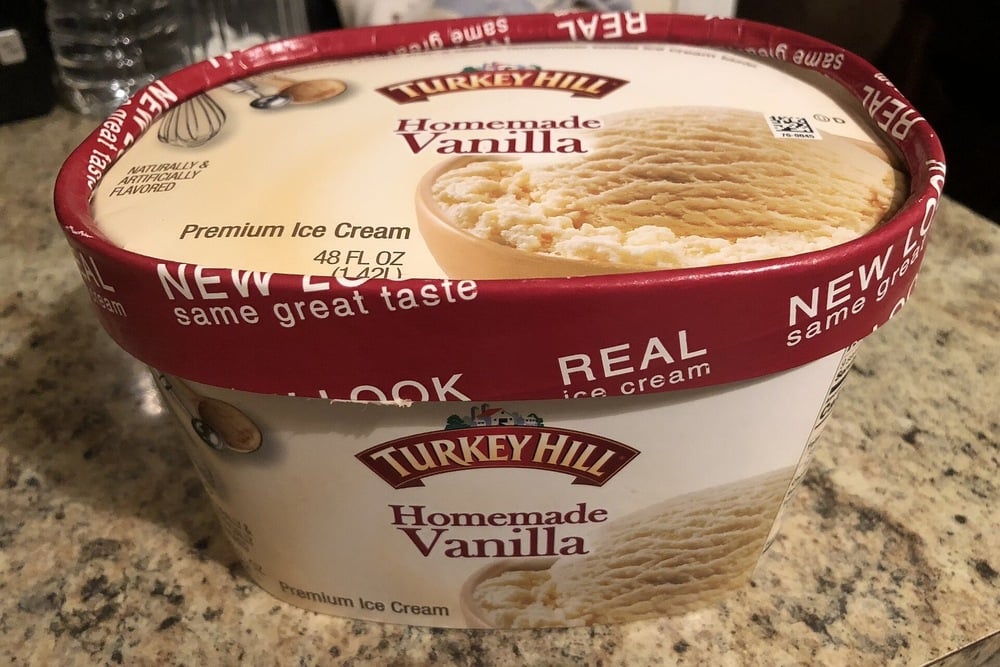
Ice cream isn’t always as simple as milk, cream, and sugar anymore. Over the years, manufacturers have adjusted fat content, stabilizers, air incorporation, and sweeteners while also introducing high-protein, low-sugar, and dairy-free alternatives that can taste and feel very different from traditional recipes. Is every frozen dessert in the freezer aisle really ice cream anymore? And have you ever noticed how two pints with similar labels can have completely different textures? Foods continue to evolve as science and consumer preferences reshape even our favorite desserts.
17. Chocolate Candy
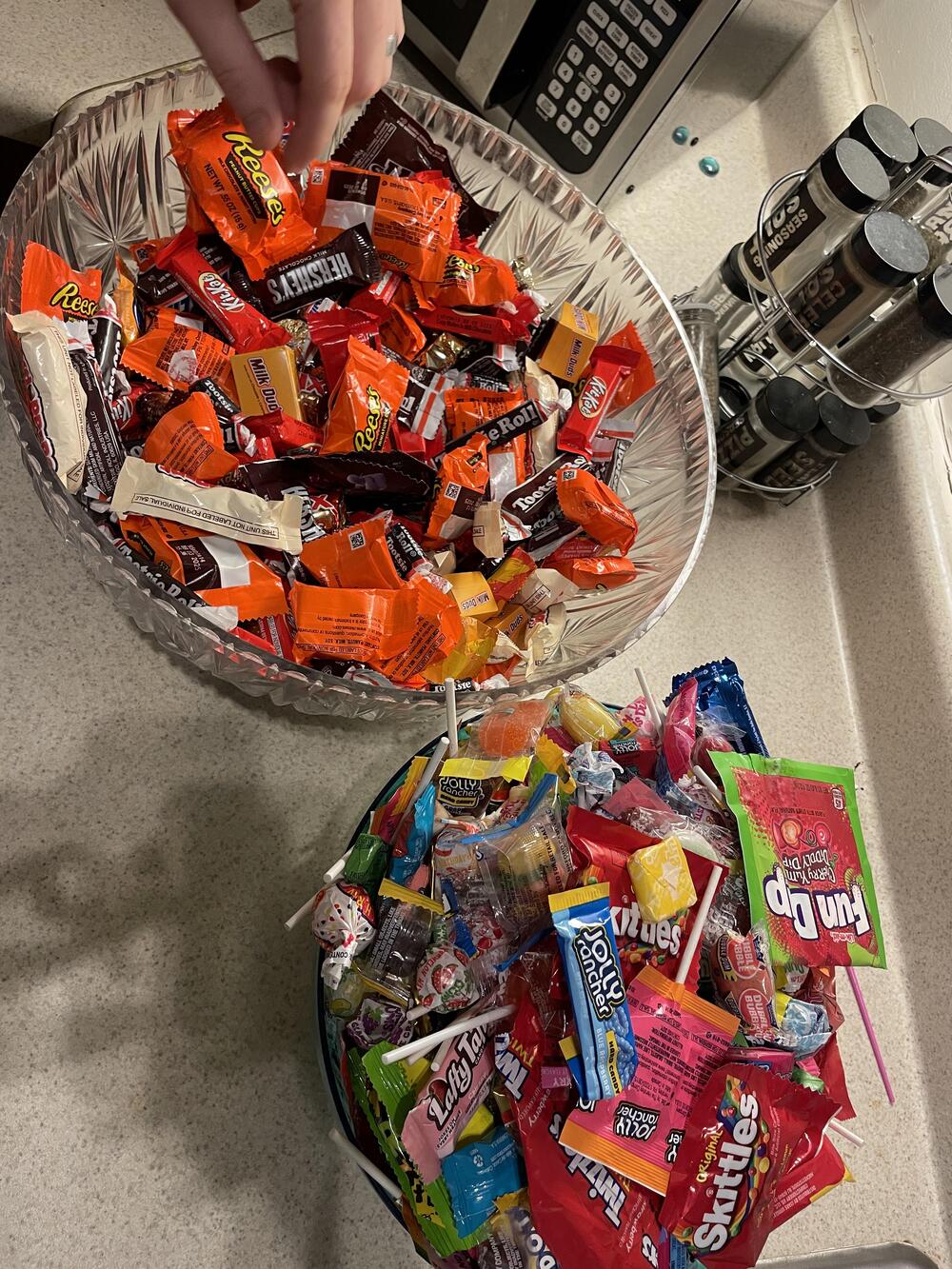
Many familiar chocolate bars have changed over time because of shifting cocoa sources, ingredient costs, regional recipes, and manufacturing processes. In some cases, the wrapper stayed almost identical while the flavor, sweetness, or texture quietly evolved beneath it. Could you spot your favorite chocolate bar in a blind taste test against the version sold decades ago? And how much of the difference comes from the recipe versus the memories attached to your first bite? Sometimes the packaging stays frozen in time while the candy inside keeps changing.
18. The Food You Remember From Childhood

Not every food actually changed. Sometimes the biggest difference is us. As we grow older, our senses of taste and smell naturally evolve, while nostalgia can make childhood flavors seem richer, sweeter, and more memorable than they really were. Have you ever taken a bite of something you loved as a kid and wondered why it didn’t taste quite as magical? And could the recipe have stayed the same while your memories quietly added a few extra ingredients? Of all the foods on this list, the one that may have changed the most is the person doing the tasting.
Foods are constantly changing, whether through new recipes, improved farming techniques, evolving regulations, different ingredients, or even the way our own senses perceive flavor over time. While some nostalgic favorites truly have been reformulated, others simply remind us that memory is a surprisingly powerful ingredient. The next time something doesn’t taste quite the way you remember, the explanation may be sitting in the recipe, growing in the field, or living inside your own memories.
Keep Exploring The Scroller
The stories behind everyday foods are often far more fascinating than what’s listed on the label. Keep exploring The Scroller for more surprising dives into food history, forgotten products, changing recipes, and the science behind the flavors we remember:
15 Famous Foods That Were Invented By Accident In The 1960s (And Became Icons)
15 Foods That Were Considered Medicine In The 1800s Before Anyone Thought To Eat Them For Pleasure