Premium everyday products have quietly taken over shelves once reserved for the most ordinary things imaginable. Water now arrives dressed for a rooftop bar. Toothpaste looks ready for a bathroom photoshoot. Even salt has apparently hired a branding consultant.
That does not mean every premium version is a rip-off. Better ingredients, sourcing, performance, or convenience can absolutely justify a higher price. But increasingly, part of what we are buying is the experience around the product: the bottle, the story, the aesthetic, and the tiny thrill of owning something that makes a kitchen counter look considerably more expensive.
1. Bottled Water in Designer-Looking Bottles
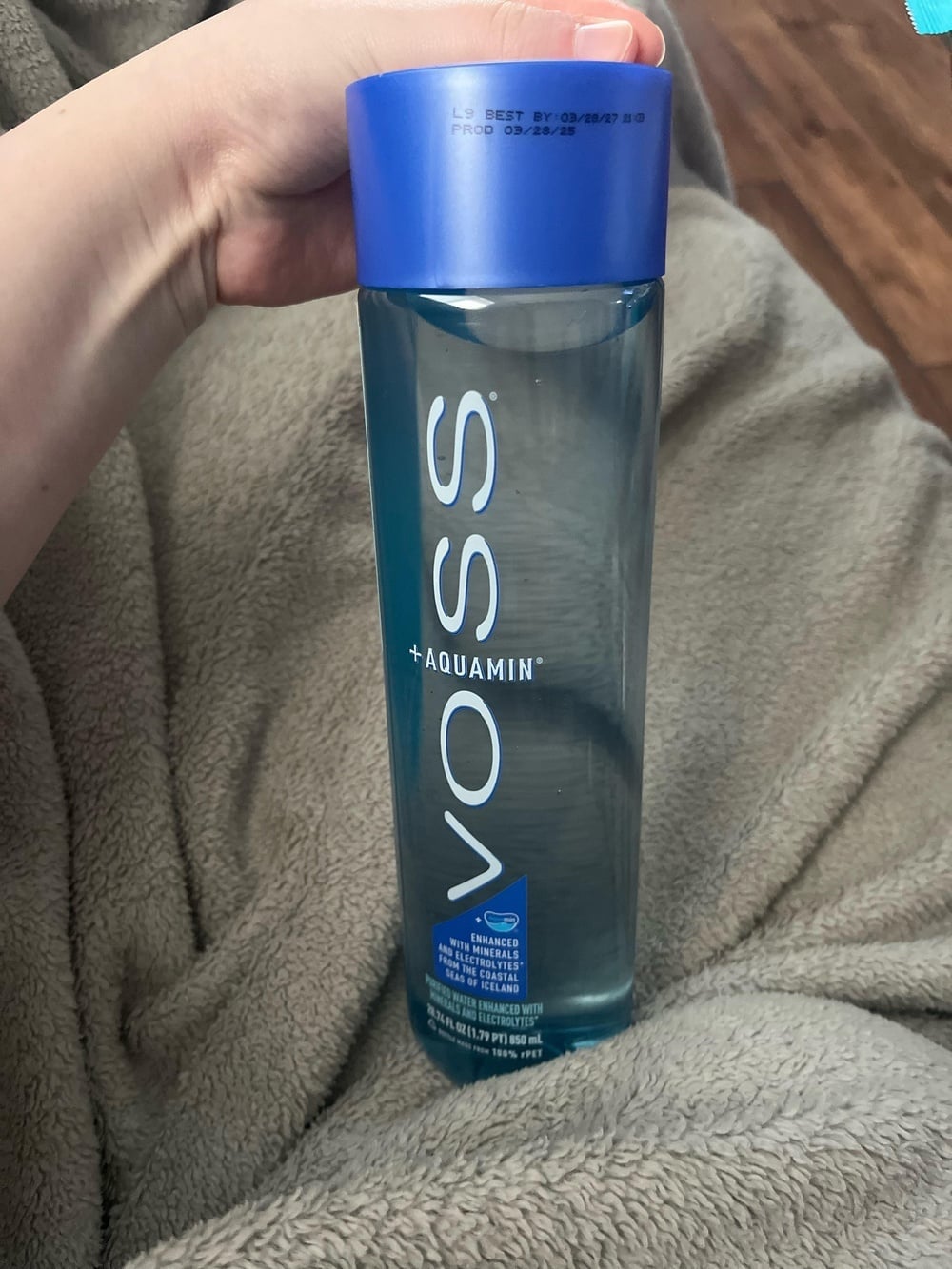
Water used to have a fairly straightforward job: prevent thirst. Now it can arrive in sculptural bottles, aluminum cans, imported glass, and packaging that would not look out of place beside a $22 cocktail. Mineral content and source can genuinely differ, but sleek design and provenance have also helped turn one of life’s most basic necessities into a lifestyle accessory.
2. Deodorant With Fragrance-House Branding
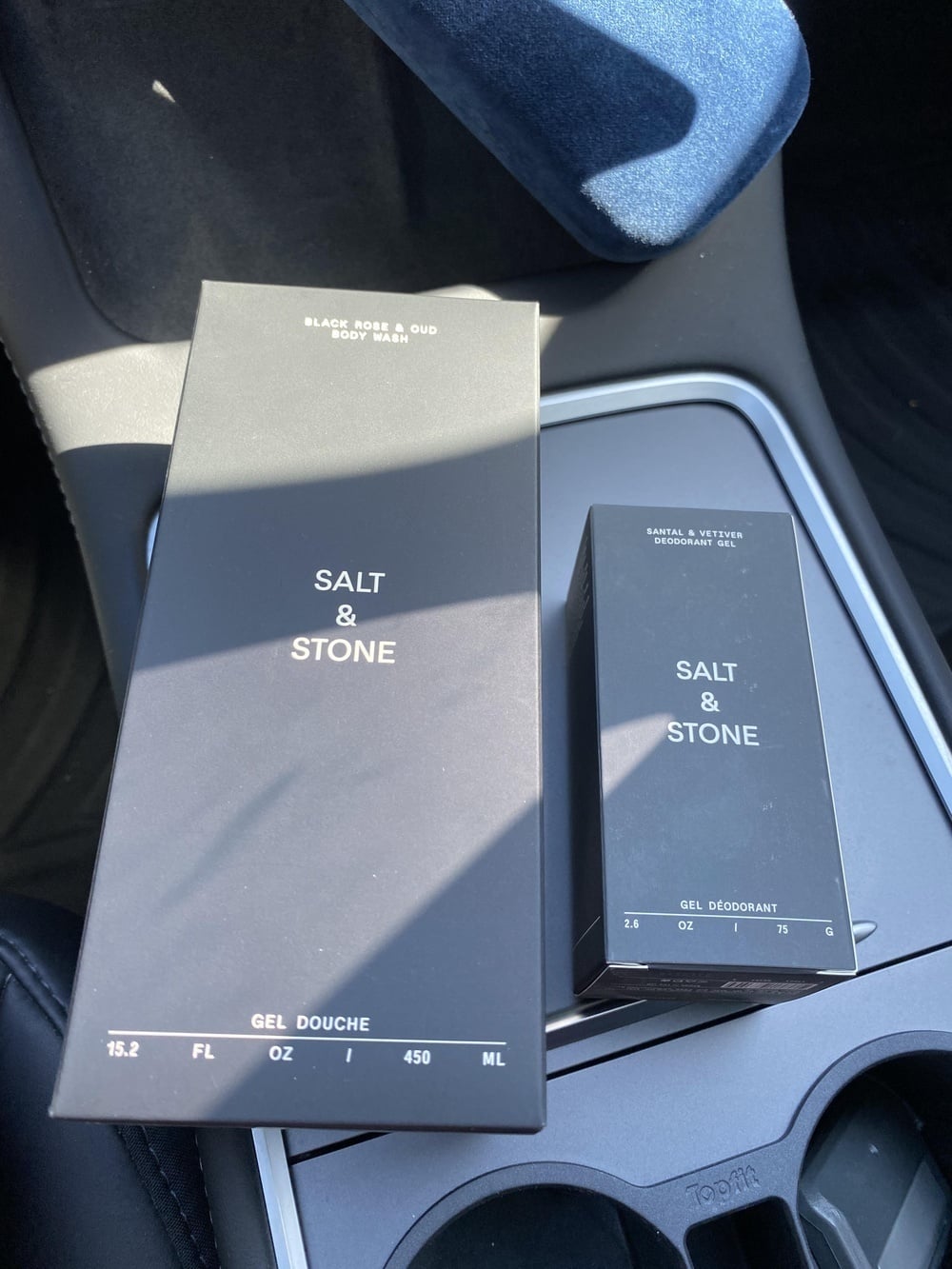
Some deodorants no longer seem particularly interested in hanging out beside the bargain antiperspirant. Fragrance notes like santal, vetiver, rose, and oud, paired with minimalist packaging like the Salt & Stone products pictured here, make the category feel closer to a fragrance counter. Better scents or formulations may add value, but presentation is clearly doing some heavy lifting too.
3. Olive Oil in Squeeze Bottles Built for Instagram
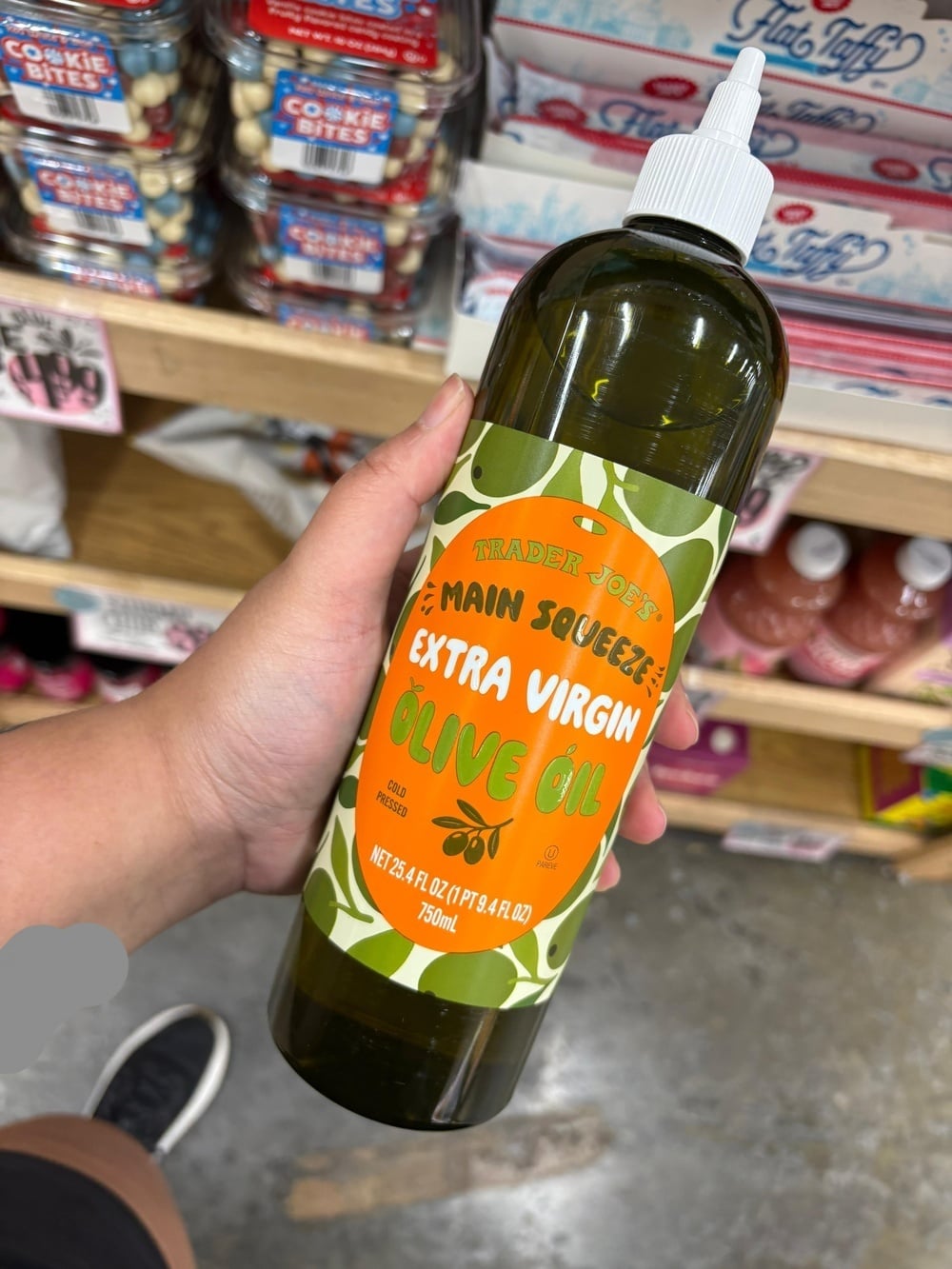
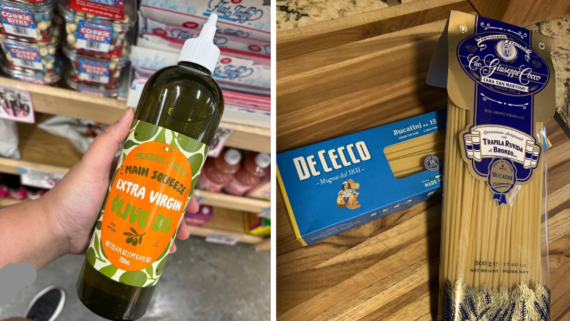
Suddenly, olive oil has personality. Bold labels, squeeze bottles, harvest stories, chef endorsements, and social-media-friendly branding have transformed an old pantry staple into something you might deliberately leave beside the stove. Quality and provenance absolutely matter with olive oil, so the interesting question isn’t whether premium oil can be better. It’s how much of the premium comes from what’s inside the bottle, and how much comes from making that bottle irresistible.
4. Laundry Detergent in New Premium Formats
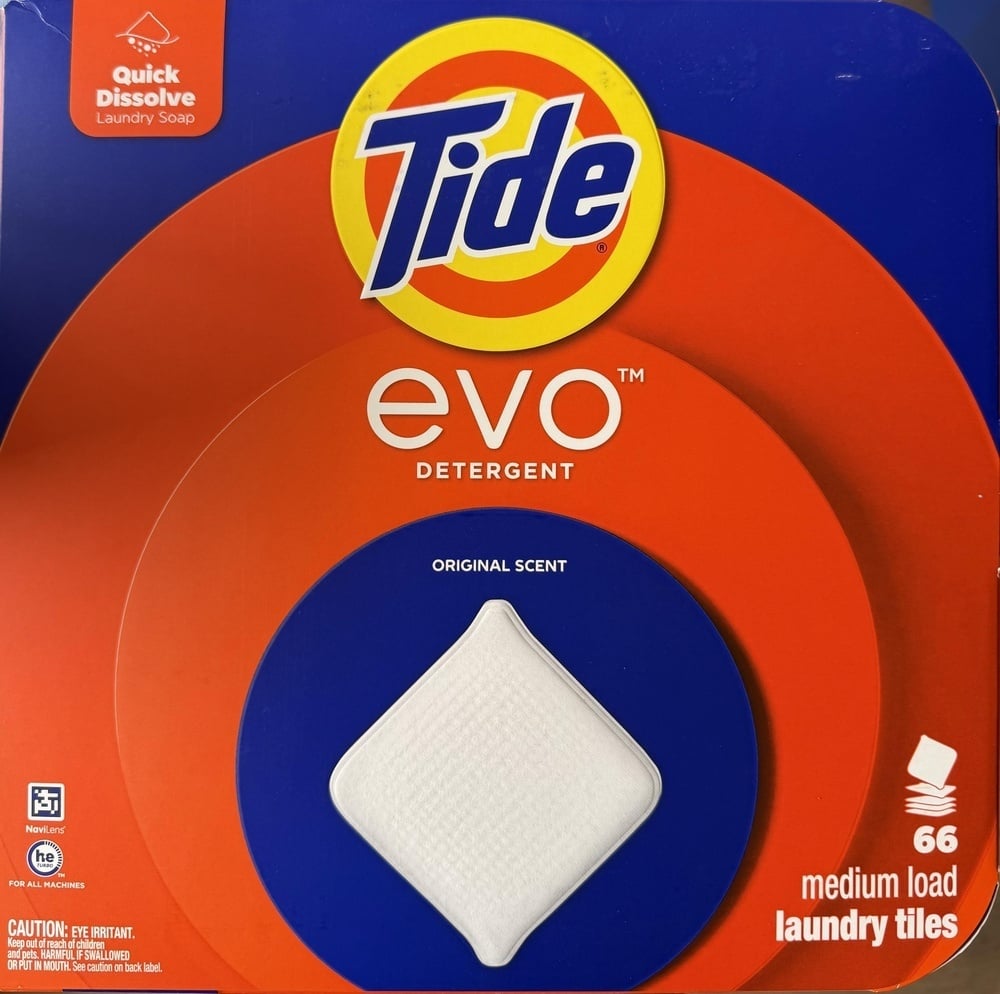
Did laundry really need another format? Apparently, yes. Detergent brands have introduced concentrated products, scent-focused options, pods, sheets, and newer delivery systems designed to feel more sophisticated than pouring blue liquid from a giant plastic jug. Tide Evo, pictured here, turns detergent into compact laundry tiles, making convenience and format part of the premium proposition. The useful comparison is ultimately less glamorous: performance and cost per wash.
5. Table Salt Turned Into a Finishing Ingredient
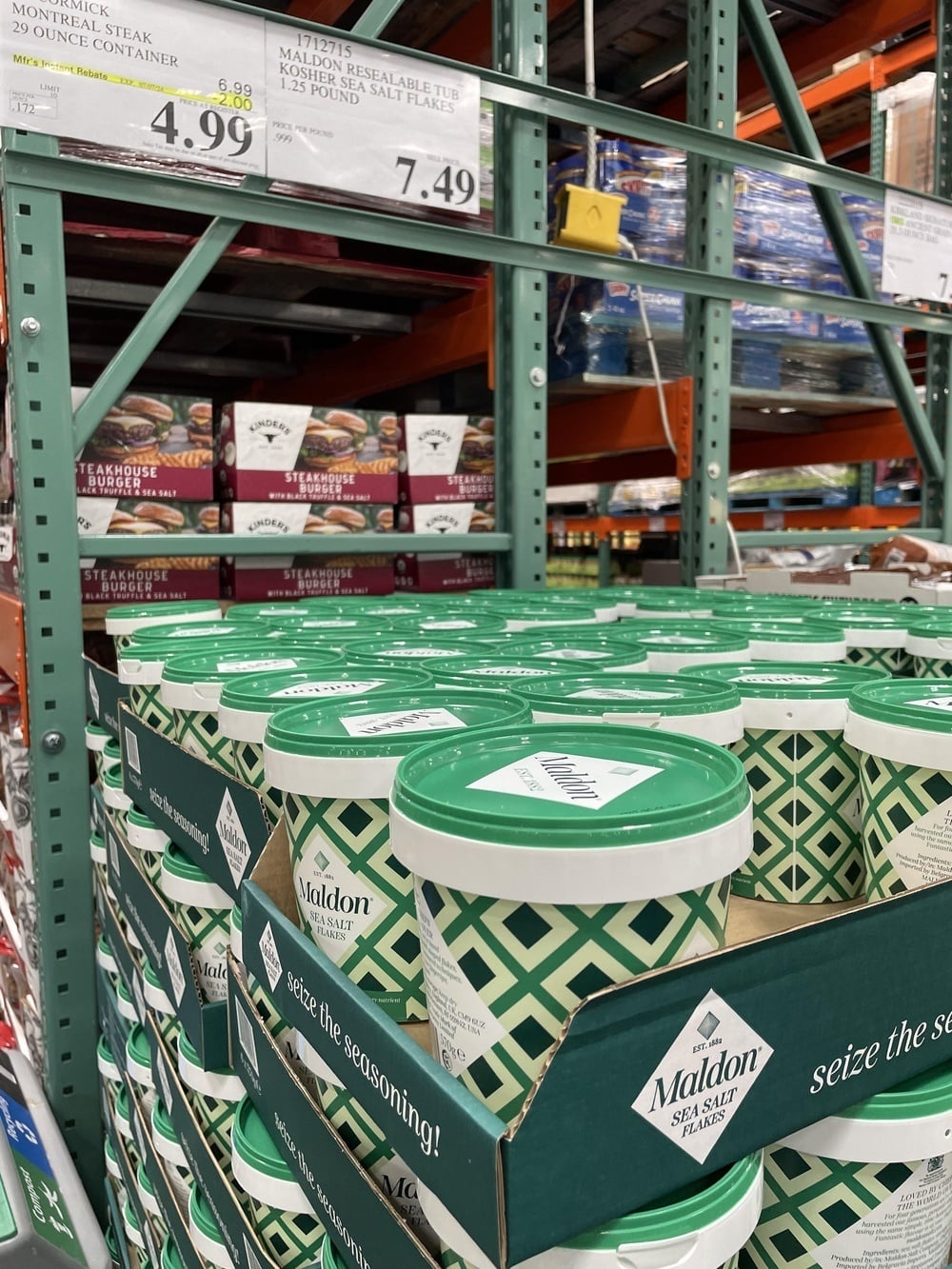
For generations, salt lived quietly in a shaker. Finishing salts changed the assignment. Flake shape, texture, origin, and presentation can give products such as Maldon a legitimate culinary purpose, especially when texture matters on the finished dish. At the same time, beautiful packaging and gourmet positioning have helped move salt from anonymous pantry commodity to ingredient worth displaying.
Trending on The Scroller

6. Pet Food Recast as Human-Grade Lifestyle Food
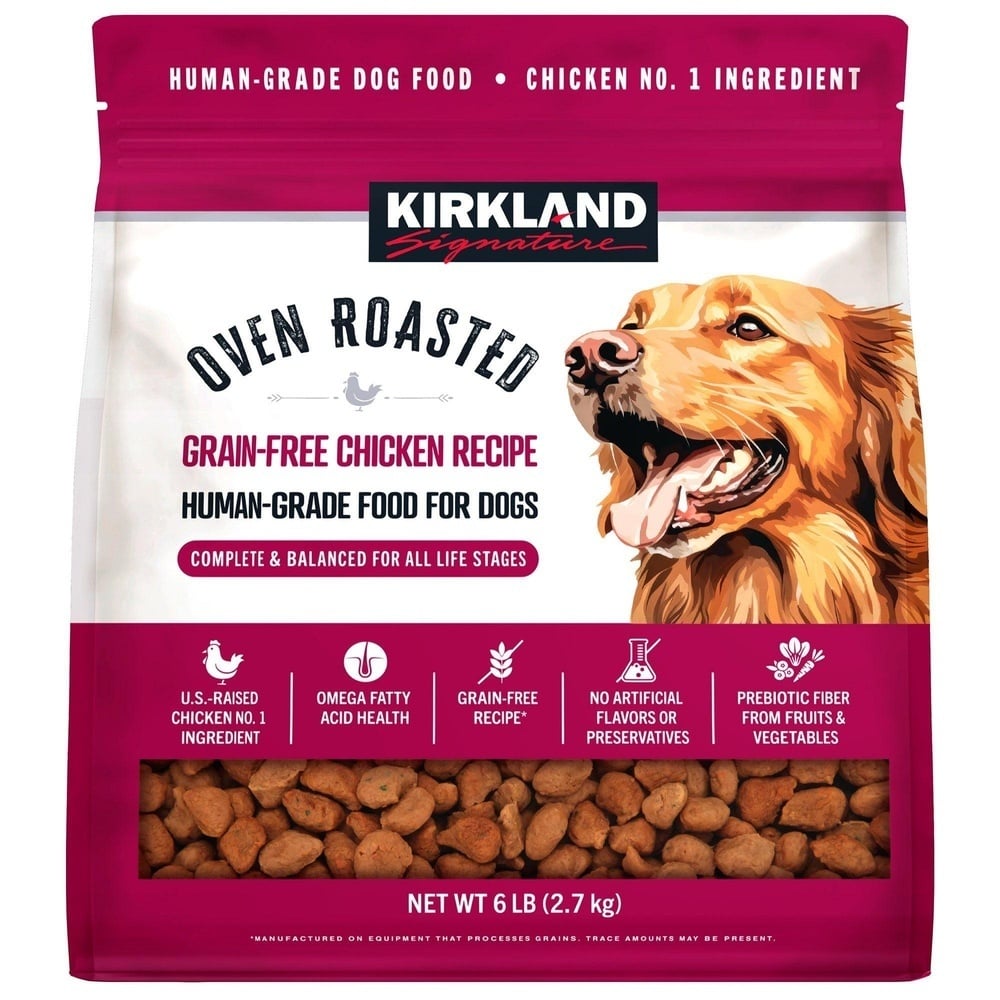
Dog food has entered its wellness era. Packaging now highlights ideas like “human-grade,” recognizable ingredients, special processing, fresh preparation, and nutritional extras that sound remarkably similar to claims made on human food. Some of those differences can be meaningful, which is precisely why this category is more complicated than clever marketing alone. Still, the shift in presentation is unmistakable: feeding the dog can now look suspiciously like shopping at a health-food store.
7. Instant Noodles With Restaurant-Level Positioning
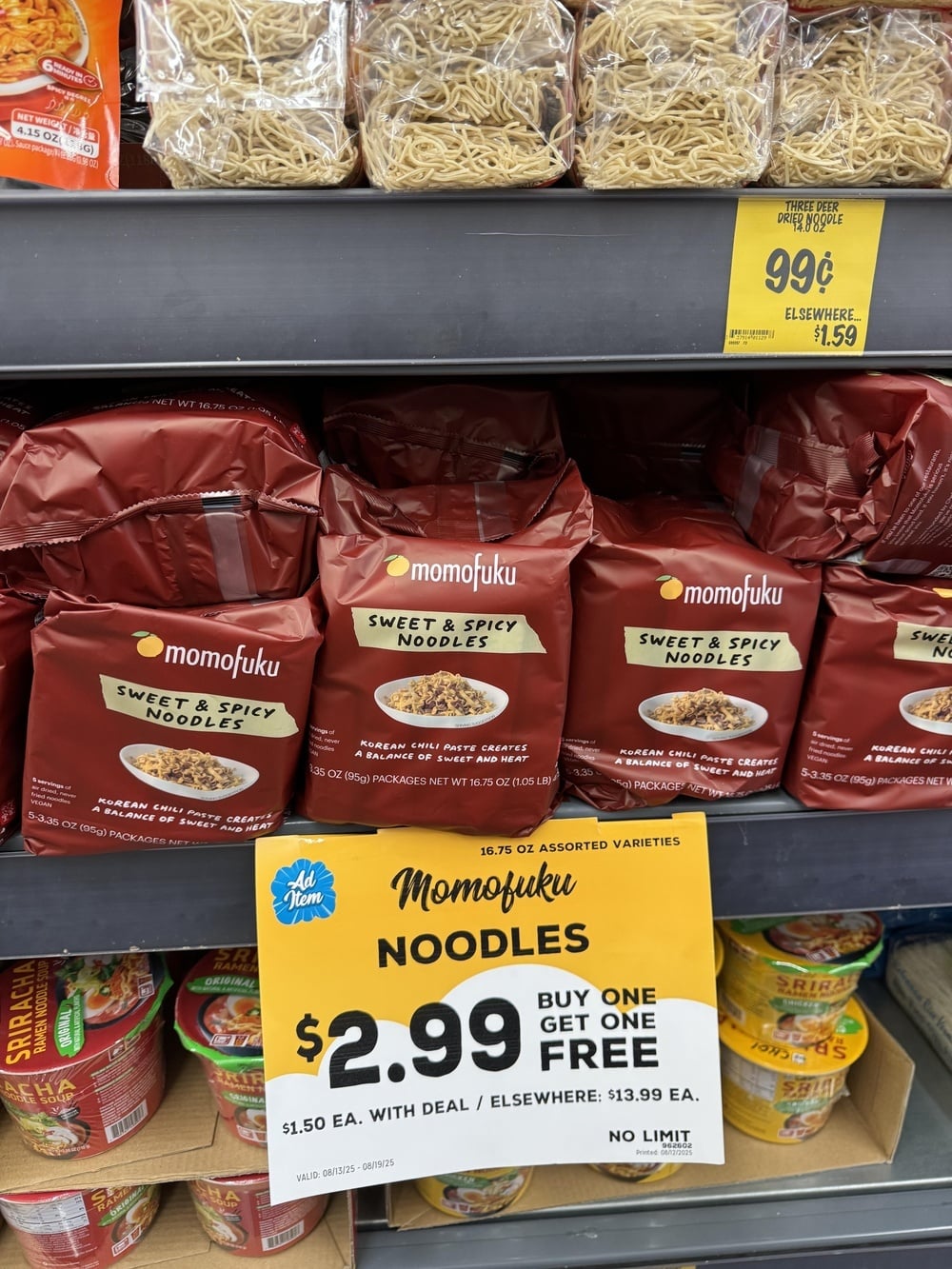
The humble instant noodle has received quite the promotion. Premium versions now arrive with chef associations, branded sauces, upgraded ingredients, and polished packaging, with Momofuku providing an especially visible example of the trend. The noodles may genuinely be different, but the category itself has traveled a remarkable distance from “cheap thing you eat when the refrigerator is empty” to “curated pantry essential.”
8. Hand Soap Designed Like Countertop Decor
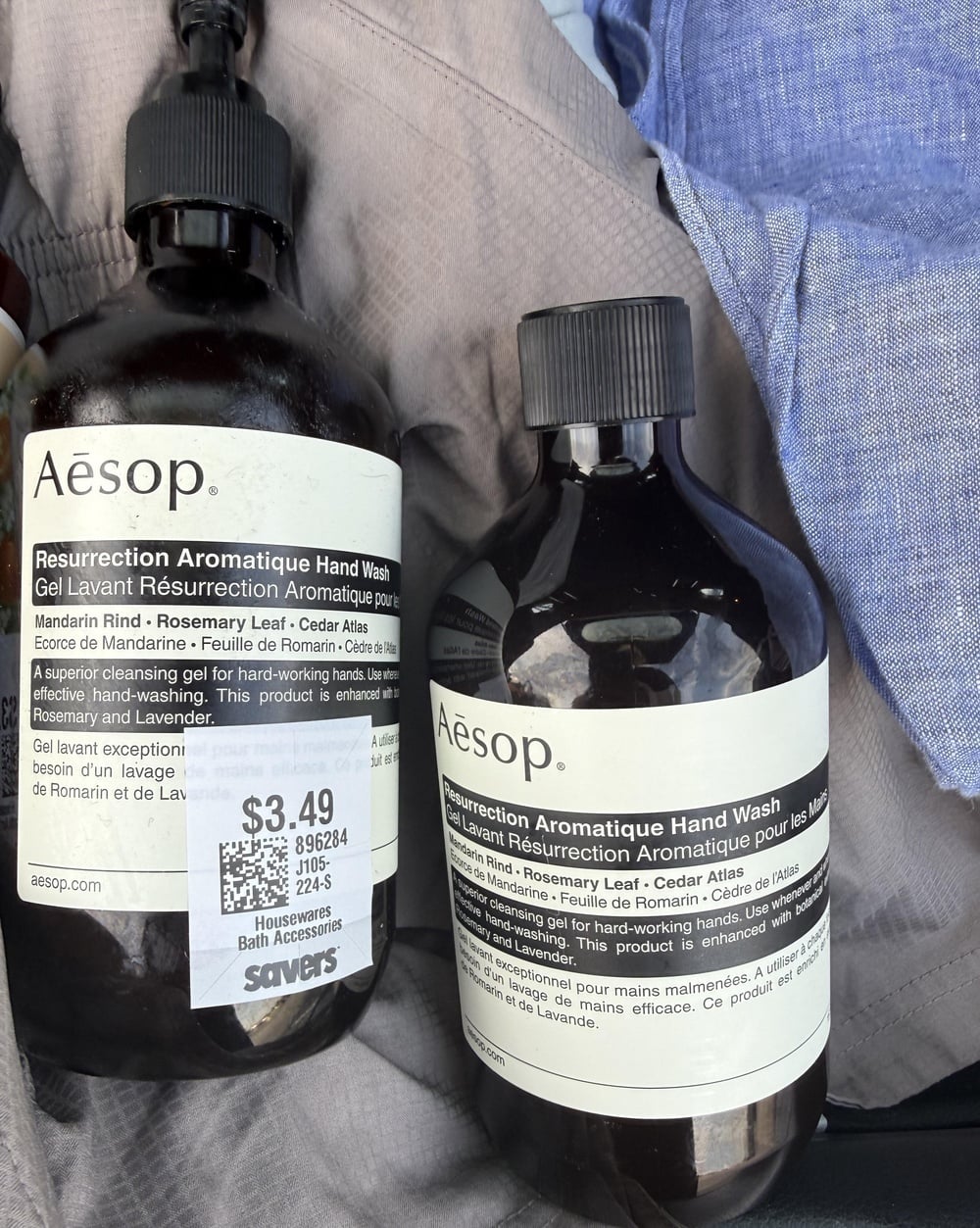
There was a time when hand soap disappeared under the sink until somebody needed a refill. Now the bottle itself is part of the bathroom. Aesop-style amber containers, botanical fragrance descriptions, refill systems, and minimalist labels have turned soap into decor that happens to clean your hands. Are you paying for formulation, fragrance, the reusable bottle, or the privilege of never having to hide it before guests arrive? Often, it’s some combination of all four.
Sign up for our newsletter
9. Canned Fish Rebranded as Tinned Seafood
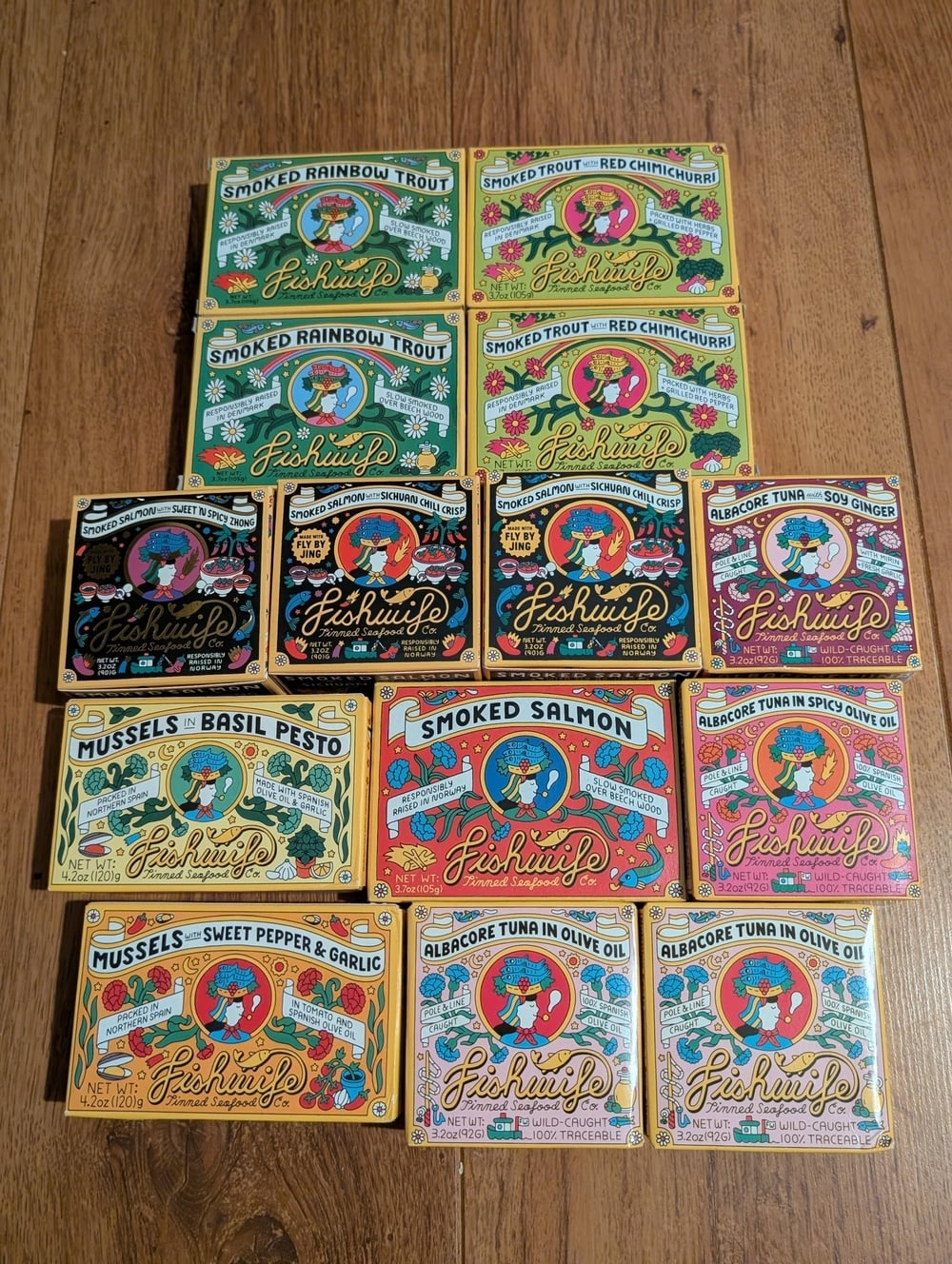
Calling it “tinned seafood” somehow changes the mood immediately. Colorful illustrated boxes, provenance stories, specific species, special preparations, and restaurant culture have pushed canned fish into gourmet territory. The Fishwife assortment pictured here practically looks collectible. Yet this is also a category where premium can mean something tangible, including higher-quality seafood and different preparation methods. The branding simply makes sure you notice.
10. Toothpaste Sold Like a Beauty Product
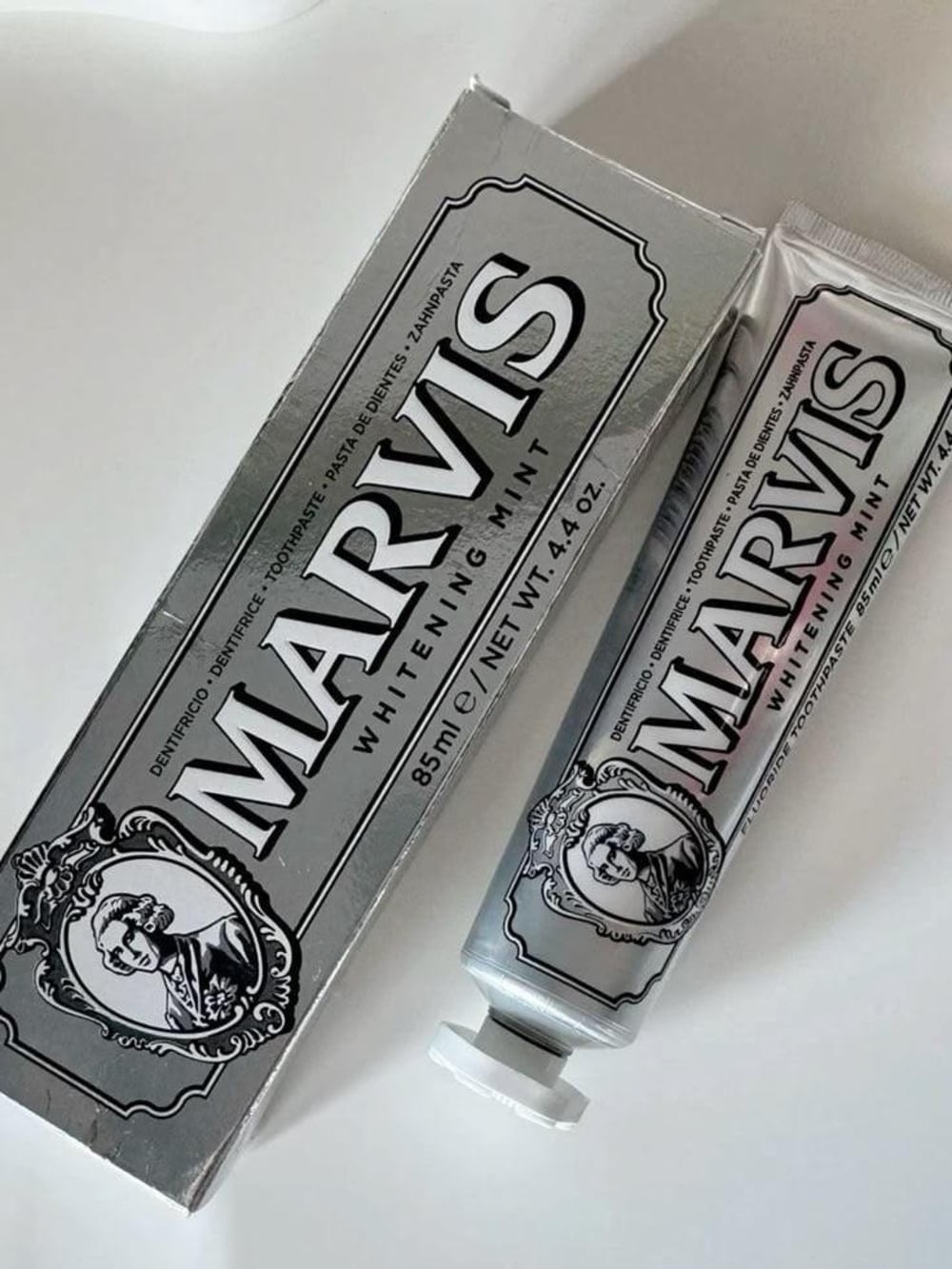
Premium everyday products may have reached their logical conclusion when toothpaste became aesthetically pleasing enough to display. Metallic tubes, unusual flavors, cosmetic positioning, and packaging like Marvis can make brushing your teeth feel oddly luxurious. But once the beautiful tube is sitting by the sink, the less photogenic questions still matter: What are the active ingredients, and what dental benefits does the product actually claim to provide?
11. Ice Cream With Smaller, Heavier-Looking Pints
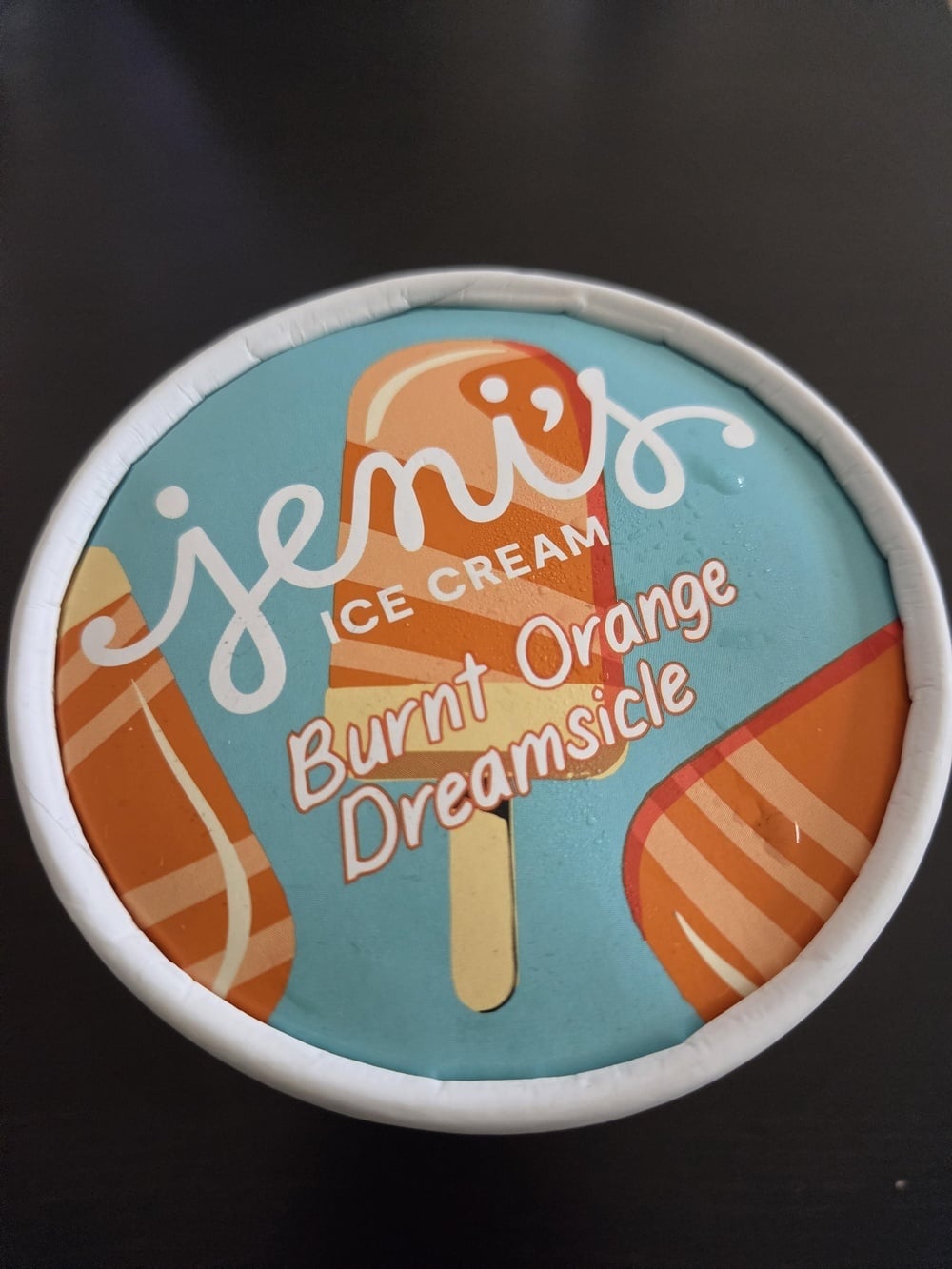
Premium ice cream understood the power of the pint long before many other grocery categories caught on. A compact container, dense texture, rich ingredients, elaborate mix-ins, and distinctive branding can make a small amount of ice cream feel more indulgent than a giant bargain tub. There can be substantial formulation differences here, particularly in butterfat, texture, and inclusions, but the package itself has become shorthand for “this is the good stuff.”
12. Candles That Became Fragrance Objects
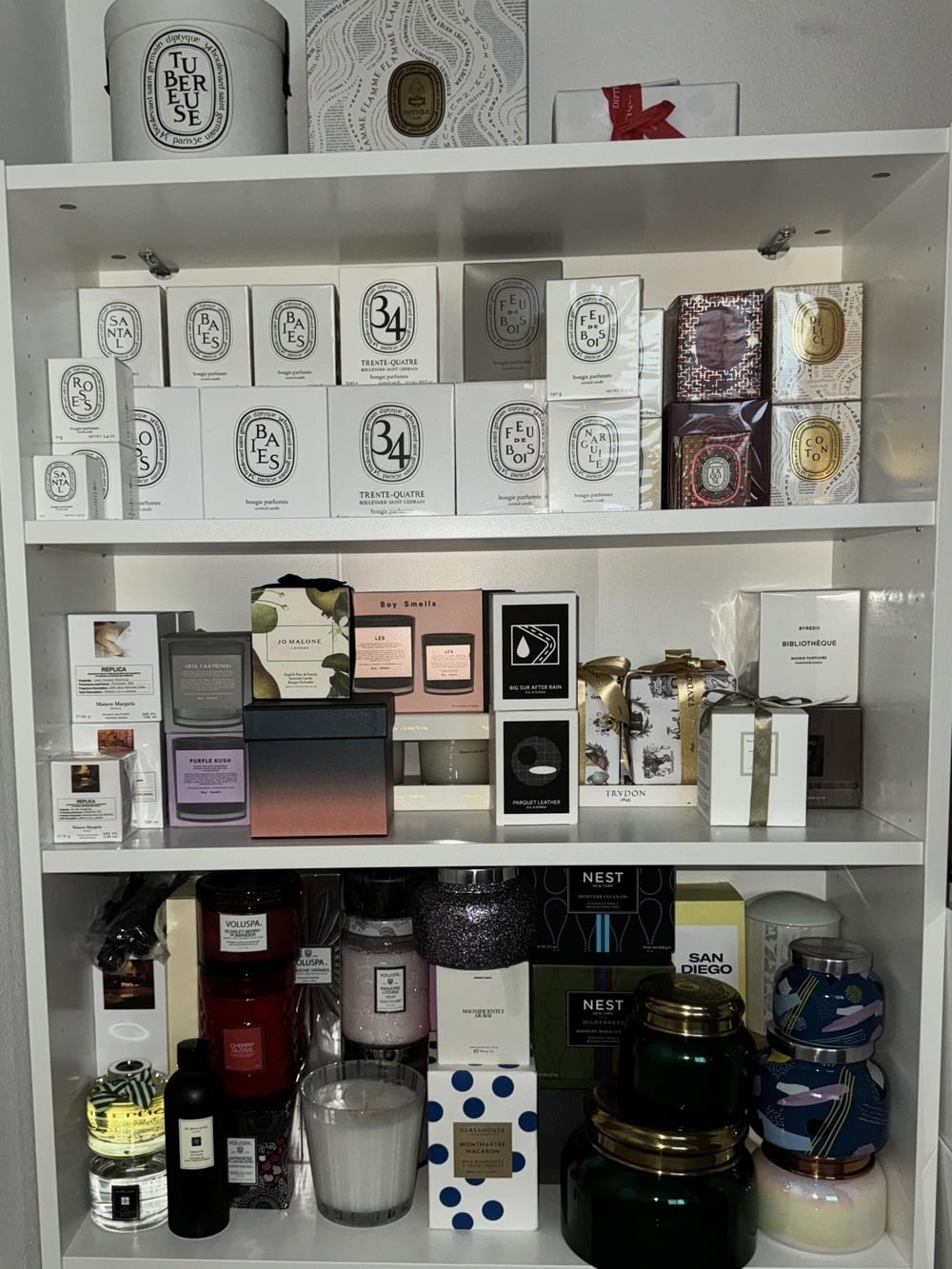
A candle can still simply make a room smell nice. Or it can have a perfumer, an elaborate vessel, a French name, a collaboration, a carefully constructed scent narrative, and packaging worthy of its own shelf. Luxury candle brands have pushed the category toward home fragrance and decor, where the object matters almost as much as the flame. Wax quality, fragrance load, burn performance, and reusable vessels can differ, but the transformation from household scent to luxury object is hard to miss.
13. Coffee Pods and Capsules Sold as an Experience
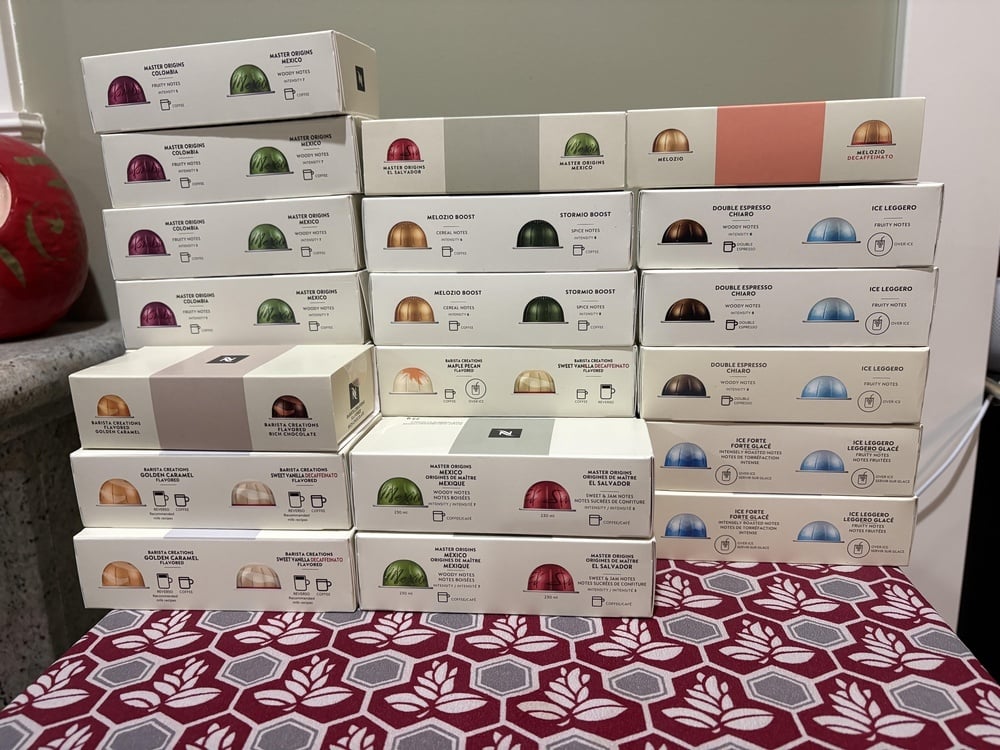
Coffee capsules did more than make brewing convenient. They created an entire ecosystem around choosing colors, origins, intensities, limited editions, and neatly organized little pods. Suddenly, making a single cup could feel like selecting something from a miniature tasting menu. The coffee itself matters, of course, but so do the machine, capsule design, origin story, and effortless consistency. The premium isn’t only in the cup. It’s in the ritual built around getting there.
14. Soda Repositioned as Wellness and Lifestyle
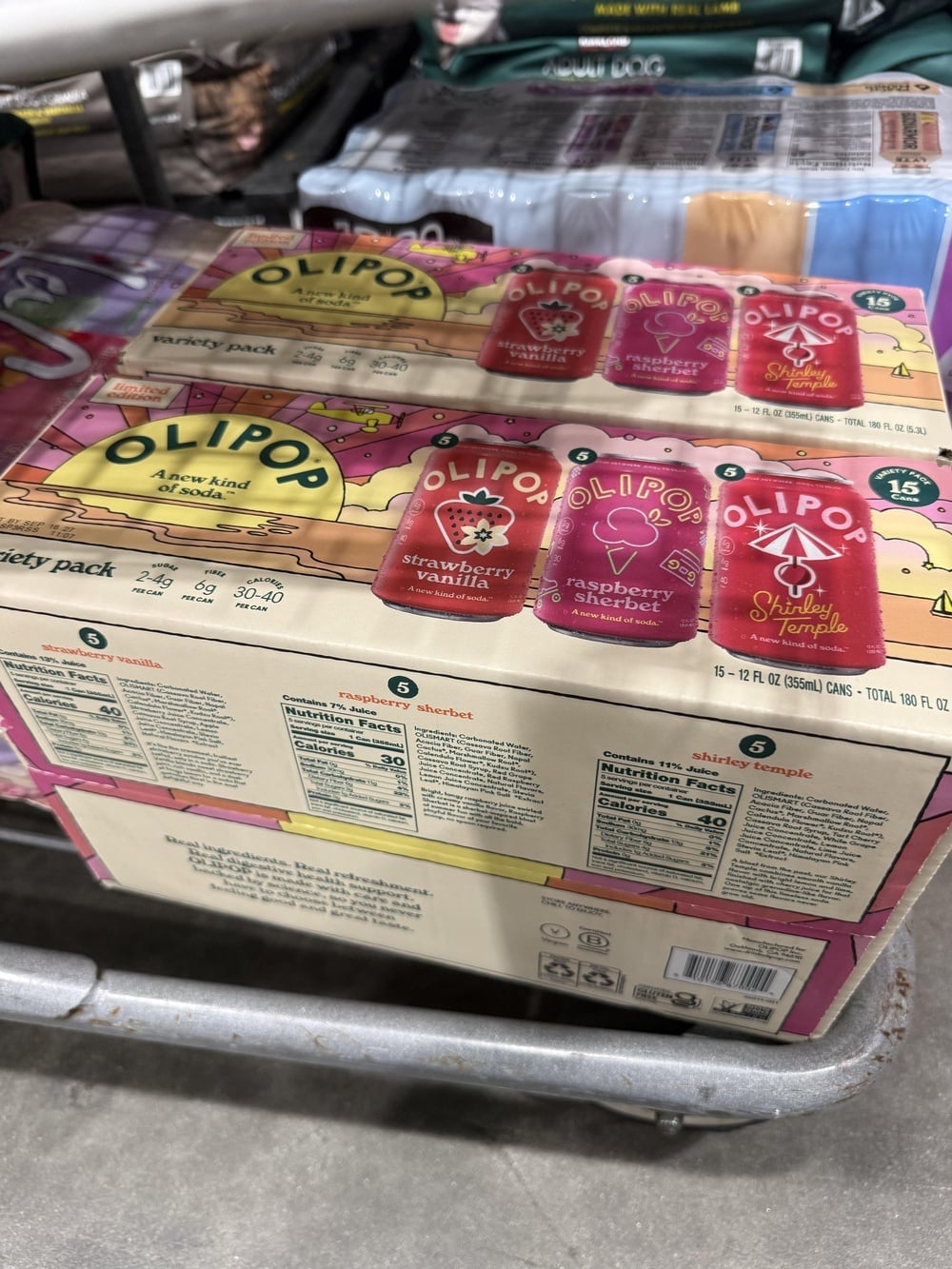
What happens when soda stops wanting to look like soda? Brands in the newer prebiotic and botanical category lean into lower-sugar positioning, functional ingredients, playful contemporary packaging, and wellness language. OLIPOP’s colorful cases make the shift especially visible. Those ingredients can represent genuine formulation differences, but the marketing also places the drink in a completely different cultural neighborhood from the traditional cola aisle.
15. Chocolate Bars With Origin Stories and Minimalist Wrappers
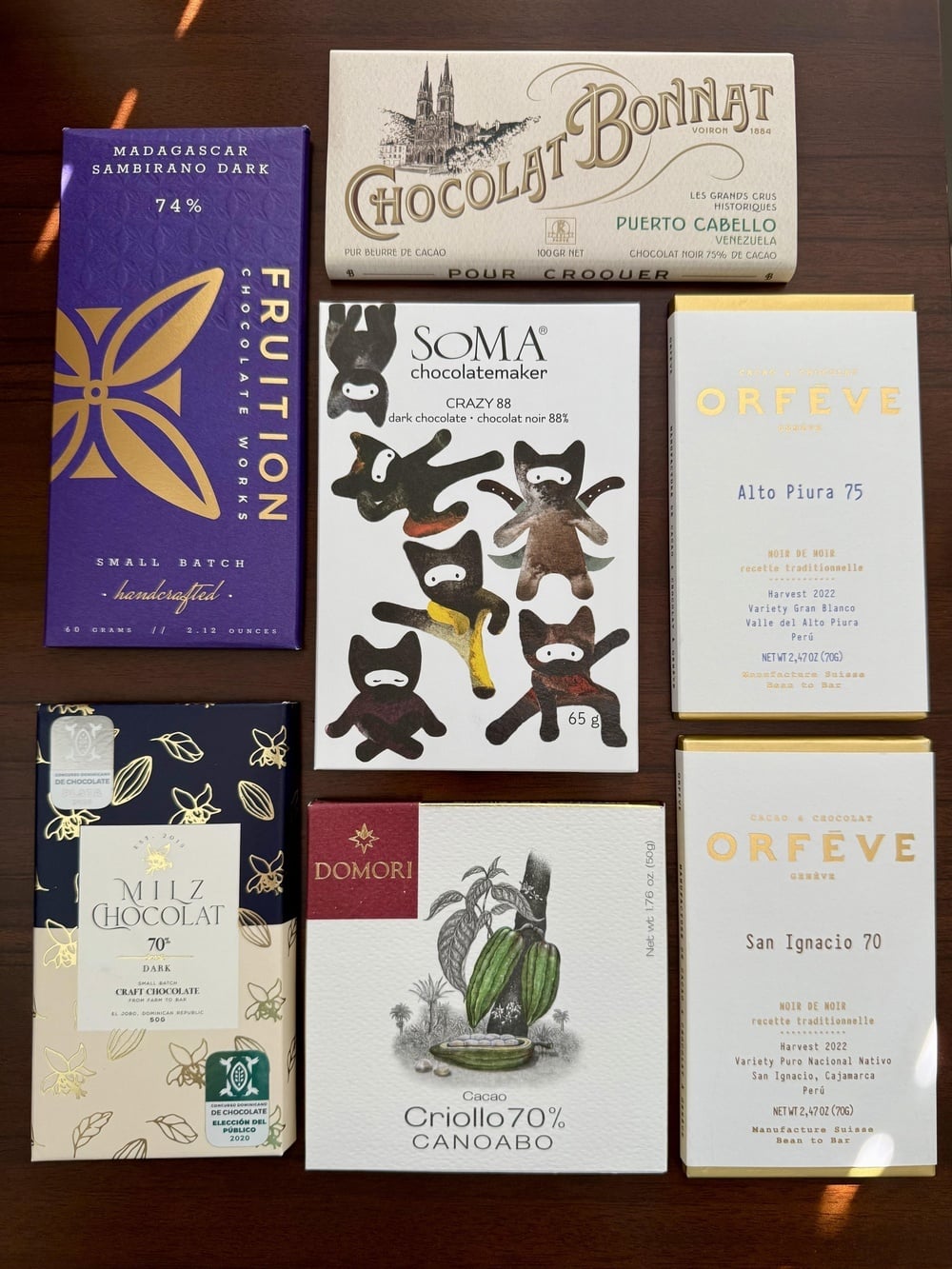
Chocolate has become fluent in the language of wine and coffee. Cacao percentages, countries, regions, harvests, fermentation, craftsmanship, and single-origin stories can all appear before you’ve even unwrapped the bar. Those details may reflect very real quality differences, especially in carefully sourced chocolate. Still, elegant wrappers and origin storytelling also transform a familiar sweet into something meant to be studied, discussed, and perhaps eaten considerably more slowly.
16. Razors With Subscription or Design-Led Positioning
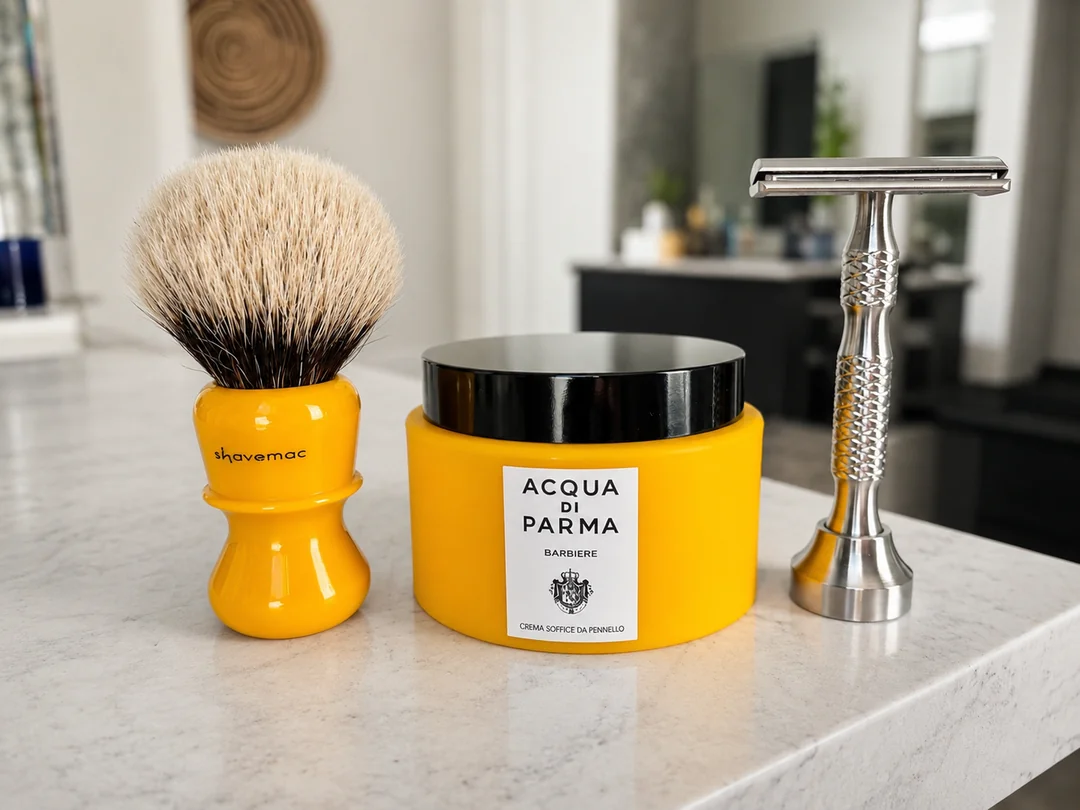
The razor has been redesigned, bundled, subscribed to, weighted, color-coordinated, and welcomed into the “grooming system.” Premium models can offer different materials, handles, blades, and refill arrangements, but a substantial-looking handle does not automatically guarantee a substantially better shave. The practical test remains refreshingly boring: How well does it shave, and what will those refills cost over time?
17. Basic Pantry Staples in “Elevated” Packaging
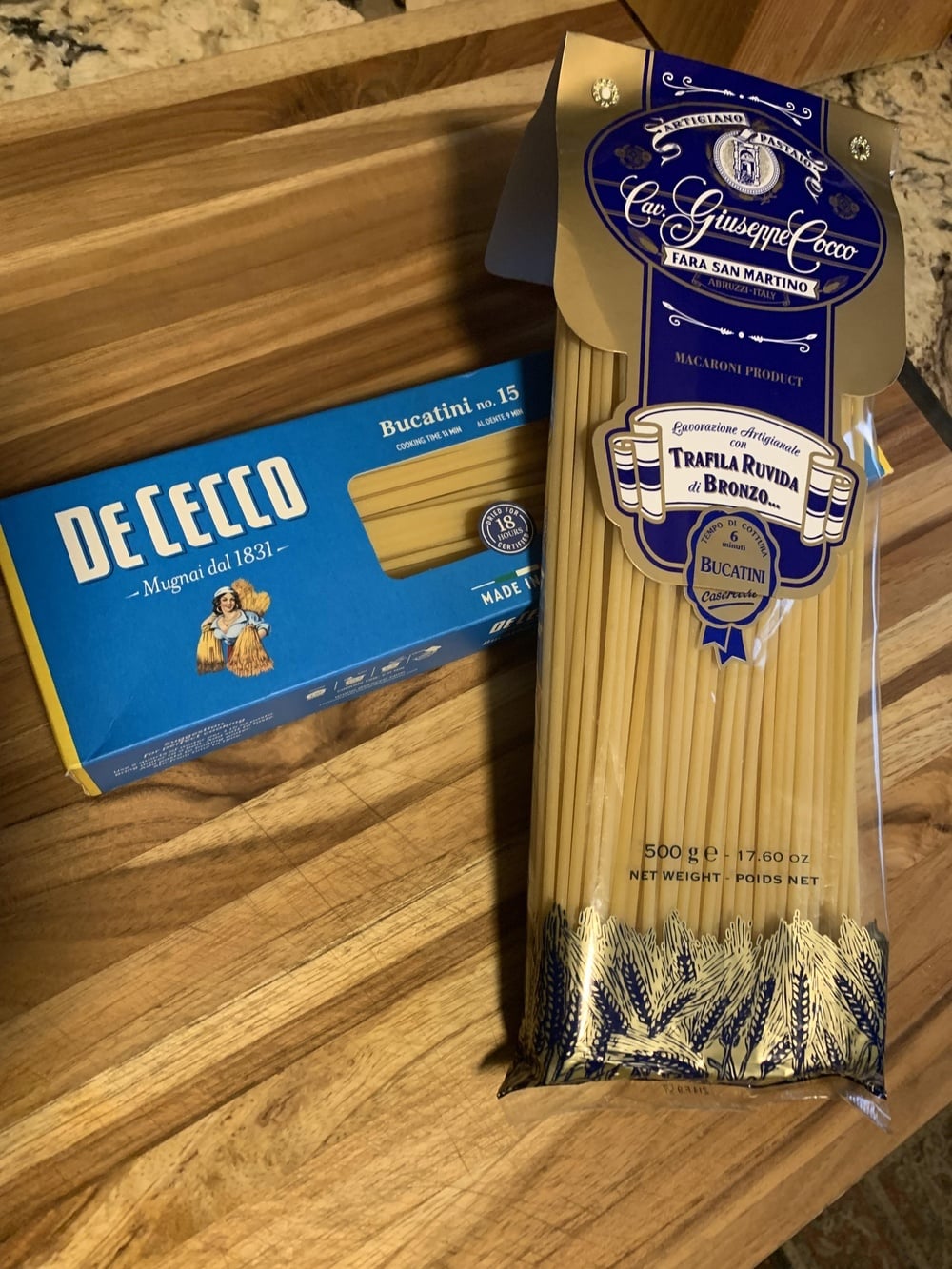
The premiumization has reached almost everything hiding in the pantry. Pasta, beans, grains, vinegar, sauces, and other staples increasingly arrive wrapped in provenance stories and design-forward packaging. The two pasta packages pictured here make the transformation easy to see: even dried noodles can be presented as artisanal objects. Sometimes craftsmanship or production methods justify the distinction. Other times, the biggest immediate upgrade is simply how good the package looks on an open shelf.
Premiumization works because value has never been purely functional. We also buy convenience, design, identity, ritual, and the pleasure of using something that feels special. The trick is recognizing which part of the upgrade you’re actually paying for. Sometimes there really is a better product inside. Sometimes the packaging simply has excellent self-esteem.
Keep Exploring The Scroller
From grocery-store glow-ups to the strange ways everyday products change around us, keep exploring The Scroller for more stories hiding in plain sight:
20 Products That Quietly Lost Features While Getting More Expensive
Shrinkflation: 19 Products That Look The Same Until We Check The Net Weight