Food laws get strange fast once borders are involved. Something sitting casually on a supermarket shelf in one country can be illegal to sell, import, or manufacture somewhere else, sometimes because of health concerns and sometimes because of a rule written for a completely different problem. A few famous “food bans” are exaggerated online, but plenty of real ones are odd enough without embellishment. These 15 examples show how differently governments can look at the exact same thing on a plate.
1. Kinder Surprise Eggs in the United States
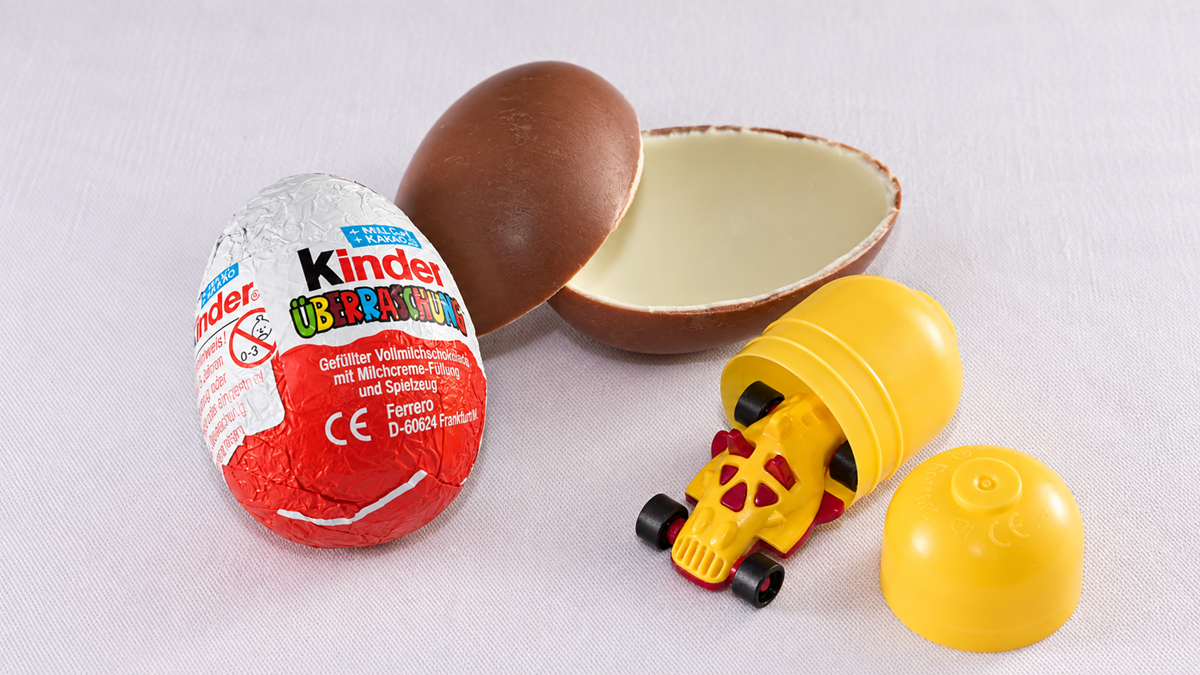
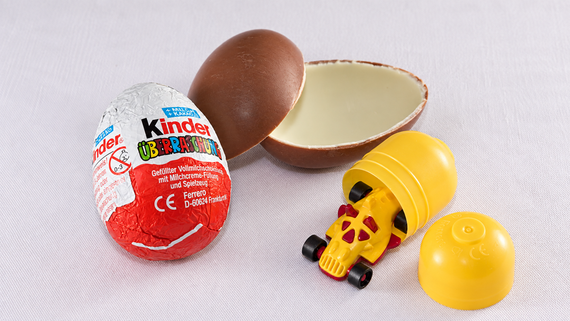
The classic Kinder Surprise is built around a simple idea: chocolate egg on the outside, small plastic toy inside. That combination runs into an old American food law prohibiting confectionery with a non-nutritive object embedded inside it, largely because of choking concerns. The rule was not written specifically for Kinder, but it effectively keeps the traditional European version out of the U.S. market. Ferrero eventually introduced Kinder Joy instead, with the candy and toy stored in separate halves.
2. Traditional Haggis in the United States
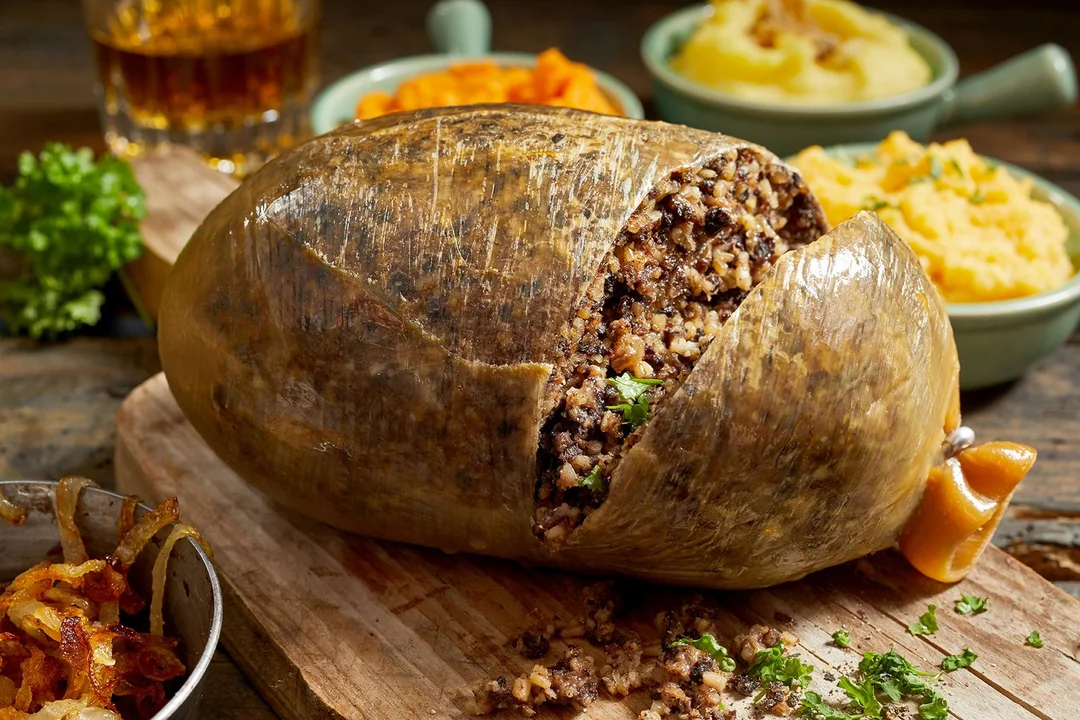
A traditional Scottish haggis can contain sheep’s heart, liver, and lungs along with oats and seasoning. The lungs are the problem in the United States, where federal regulations state that livestock lungs cannot be saved for use as human food. That means authentic haggis made to the traditional recipe cannot legally be produced with the same ingredients, even though modified versions without lungs are available.
3. Ordinary Chewing Gum in Singapore
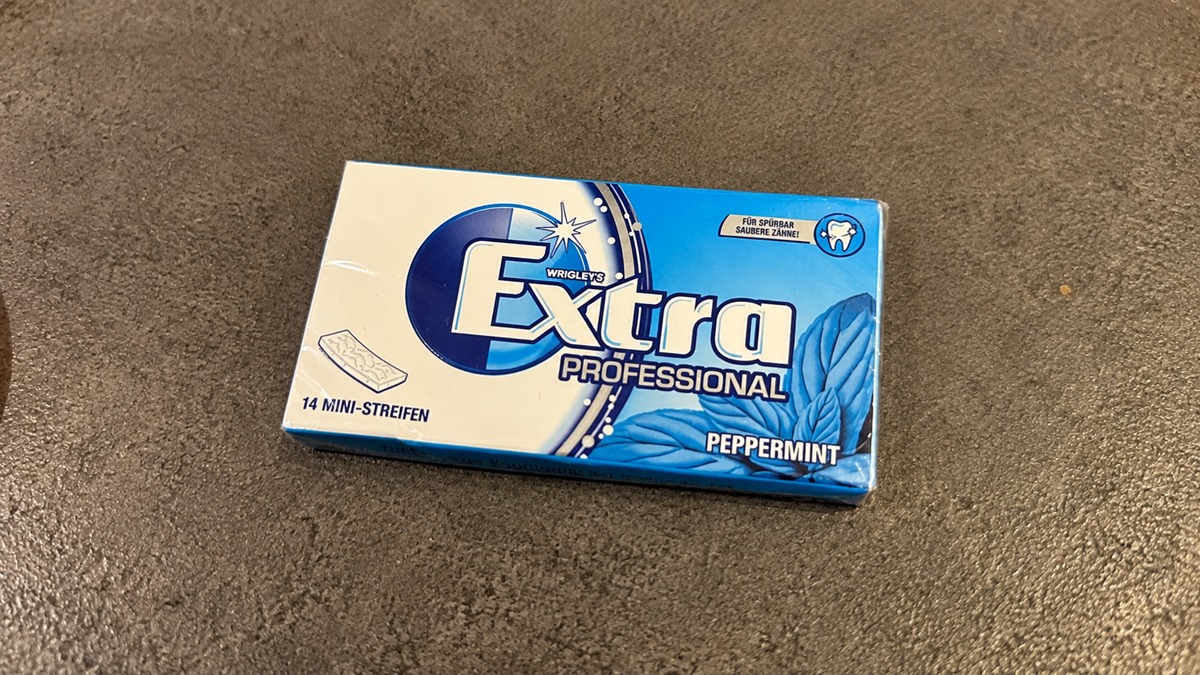
Singapore’s famous gum rules are real, although the shorthand version that “chewing gum is illegal” leaves out some details. Importing ordinary chewing gum is prohibited, while certain therapeutic and dental gums are exempt under specific rules. The policy dates to concerns about discarded gum creating cleaning problems and interfering with public infrastructure, making one of the world’s most ordinary convenience-store items unusually complicated to bring into the country.
4. Foie Gras Imports in India
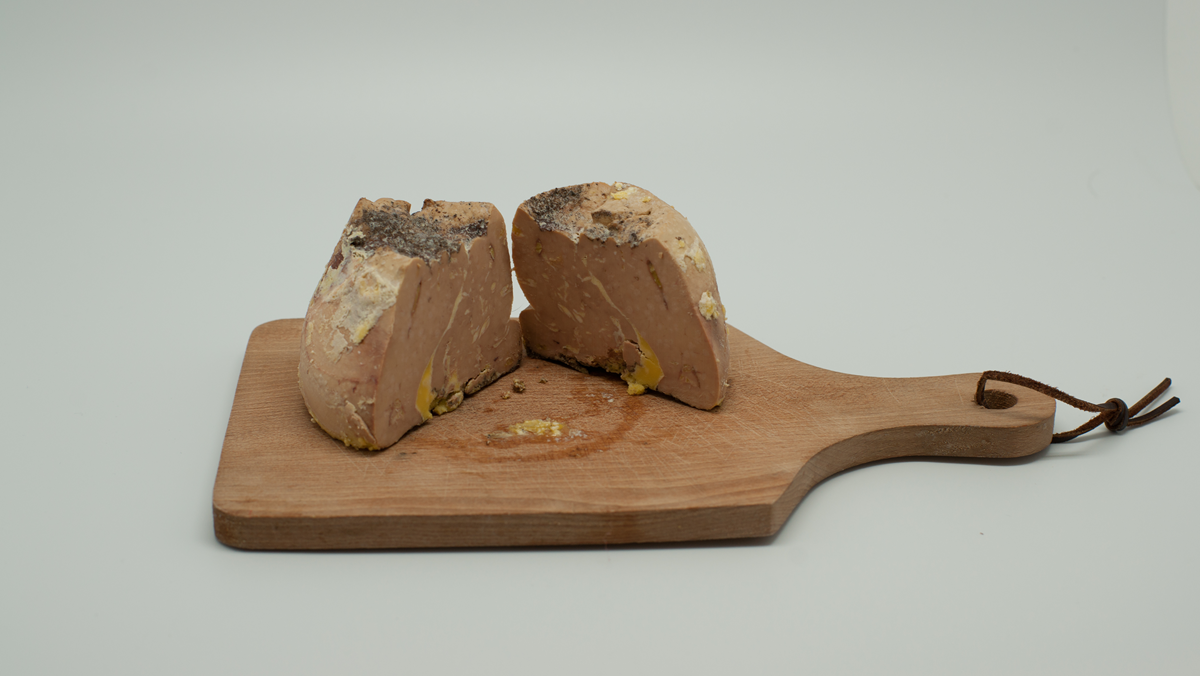
India prohibited the import of foie gras in 2014, turning what is treated as a luxury ingredient in France into a prohibited import. The decision followed years of criticism over force-feeding ducks and geese to enlarge their livers. India’s trade rules specifically changed foie gras from a freely importable product to a prohibited one.
5. Fugu in the European Union
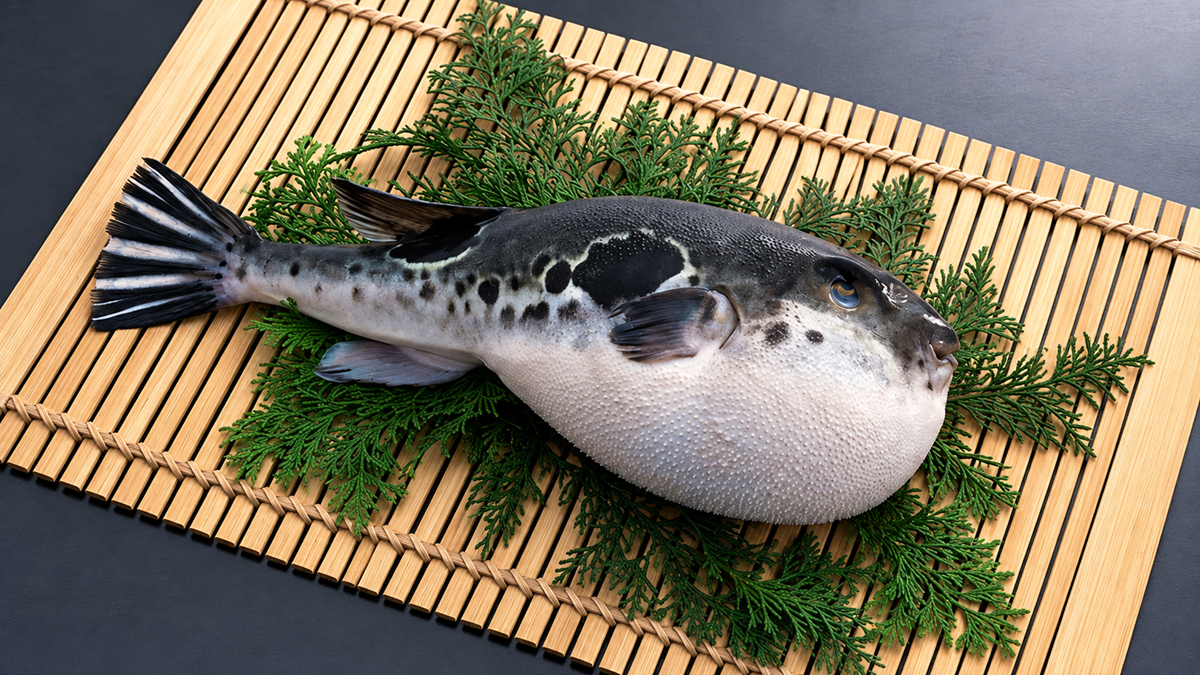
In Japan, specially trained chefs can legally prepare pufferfish, or fugu, despite the potent tetrodotoxin found in parts of the animal. European Union food rules take a much simpler approach: fishery products from the Tetraodontidae family, which includes pufferfish, may not be placed on the market. A delicacy that inspires expensive tasting menus in Tokyo therefore has essentially no legal restaurant equivalent across the EU.
Trending on The Scroller


6. Raw Milk in Canada
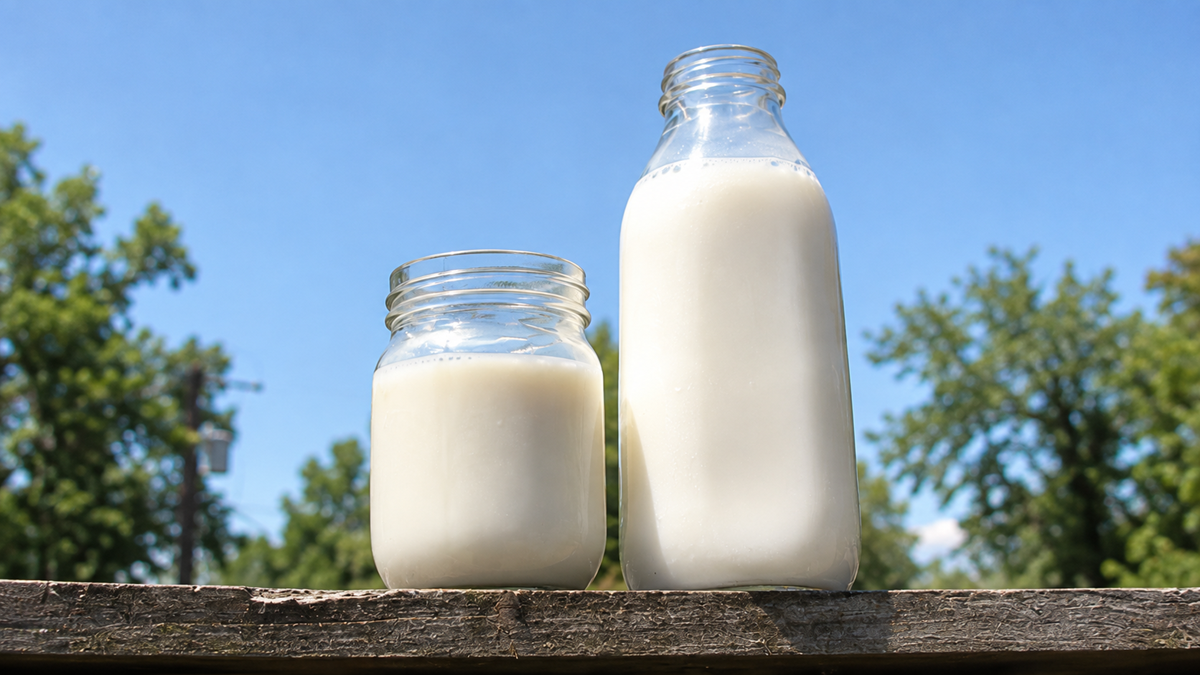
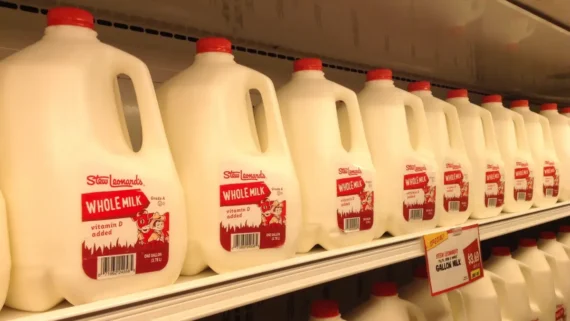
Farm-fresh milk straight from the cow sounds wholesome to plenty of people, but selling it in Canada is prohibited. Milk offered for sale must be pasteurized, a national requirement intended to reduce exposure to pathogens such as Salmonella, E. coli, and Listeria. Raw-milk cheese is treated differently and can still be sold under applicable rules.
7. Hormone-Treated Beef in the United Kingdom
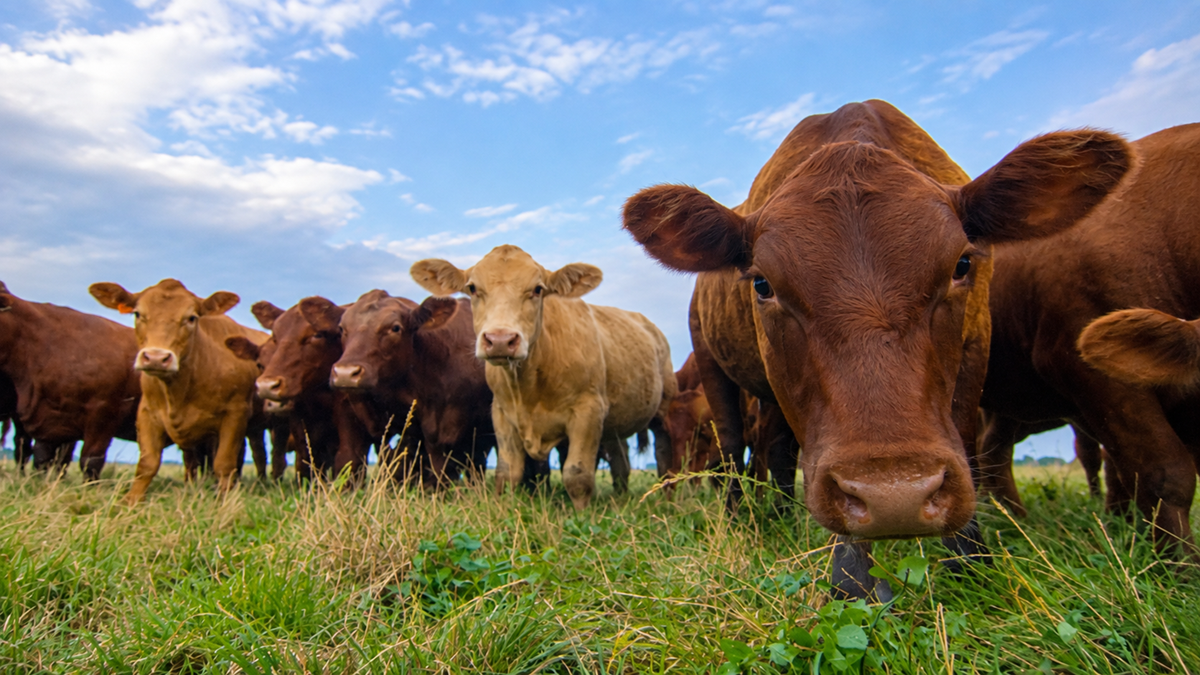
Cattle producers in some countries, including the United States, may use approved hormonal growth promotants. Beef produced that way cannot legally enter the UK market. British rules prohibit the use of growth hormones in livestock production and also block imports of hormone-treated meat, one reason trade negotiations involving beef can turn into surprisingly technical arguments.
8. Konjac Jelly Mini-Cups in the European Union
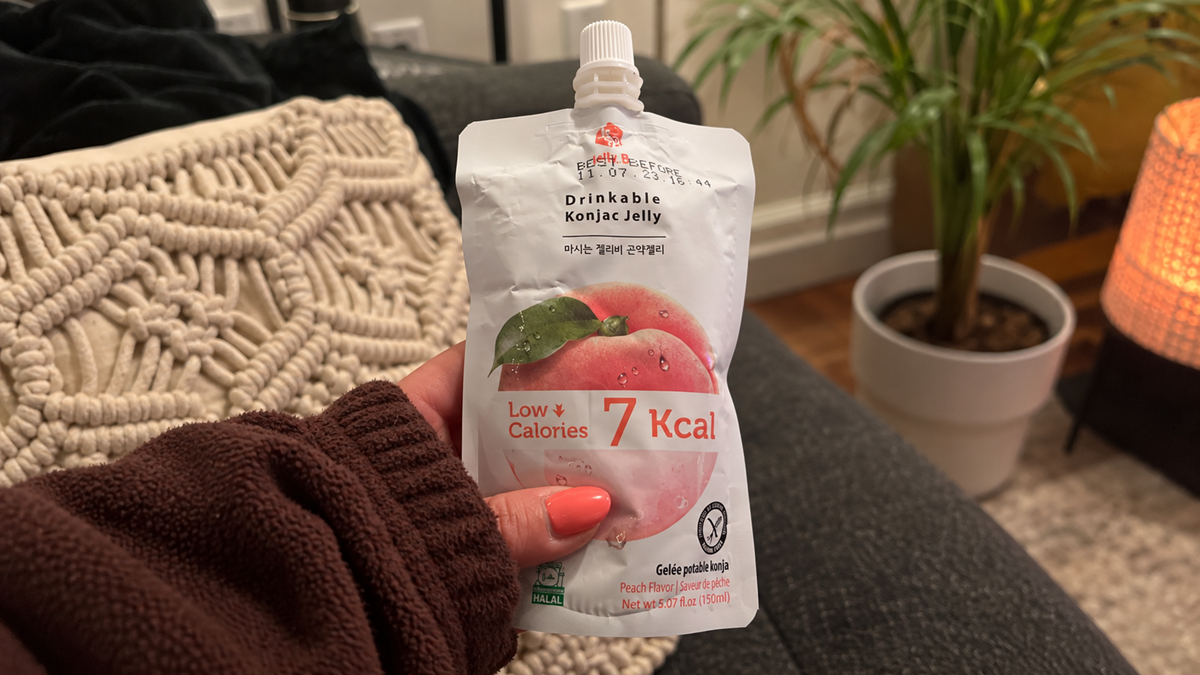
Tiny fruit-flavored jelly cups made with konjac once looked like an innocent imported candy. European regulators concluded that their shape, texture, and resistance to dissolving created a serious choking hazard, particularly for children and older people. The EU moved to prohibit konjac in this type of jelly confectionery after fatal choking incidents were reported outside Europe.
Sign up for our newsletter
9. Shark Fins in Canada
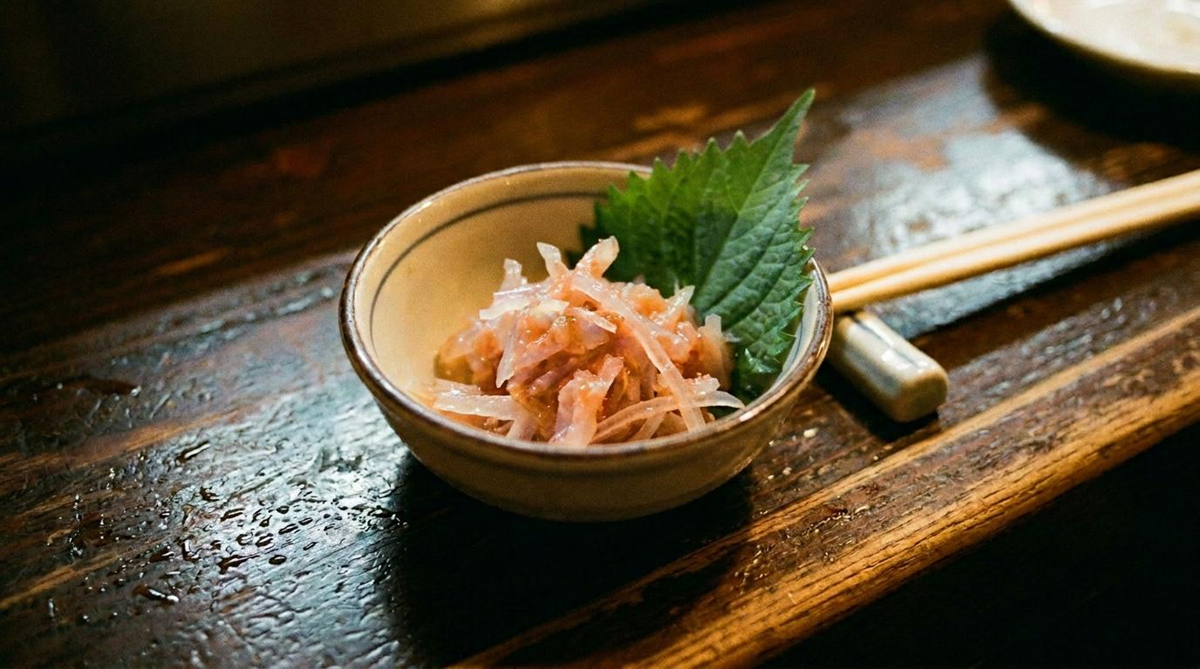
Shark fin soup has long been associated with formal banquets in parts of East Asia, but Canada shut down a major route for the ingredient in 2019. Federal legislation prohibited the import and export of detached shark fins as part of broader measures aimed at reducing shark finning. The restriction is about conservation and fishing practices rather than anything inherently unsafe about the soup itself.
10. Drinks Made With Brominated Vegetable Oil in the United States
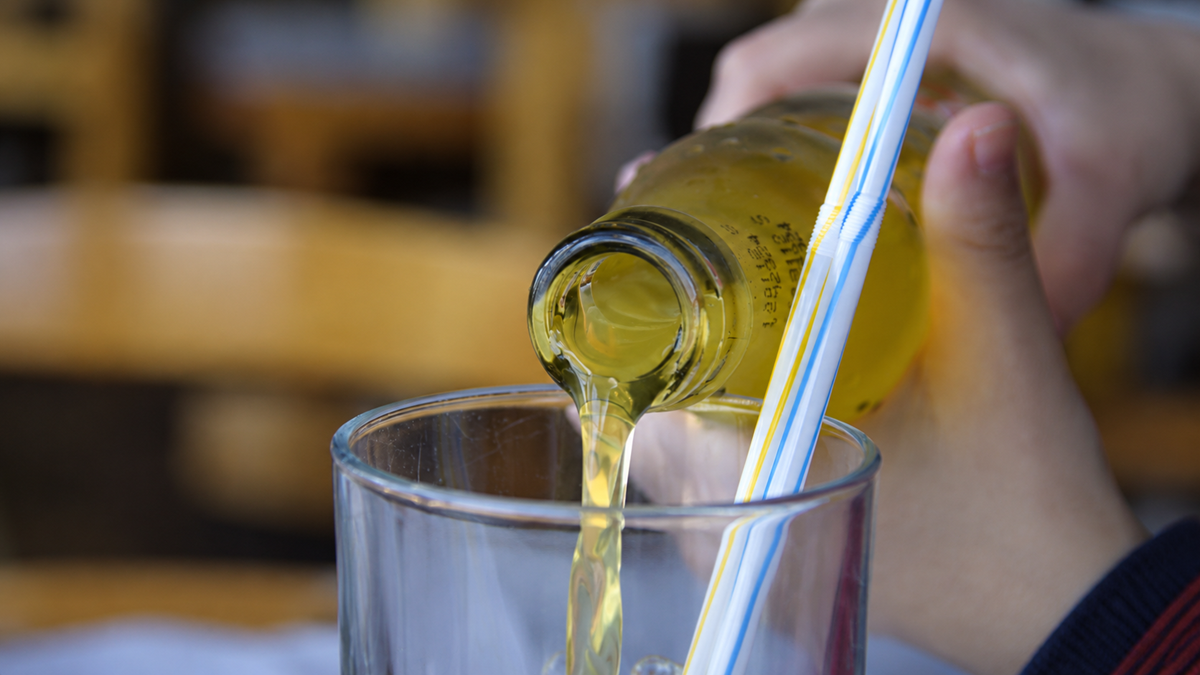
For decades, brominated vegetable oil, or BVO, helped keep citrus flavoring evenly suspended in certain sodas and sports drinks. The FDA revoked its authorization in 2024 after concluding that the ingredient could no longer be considered safe for its intended use, and the compliance period ended in 2025. Many manufacturers had already removed it, so a once-familiar formulation quietly became one that could no longer legally be sold.
11. Foods Sweetened With Cyclamate in the United States
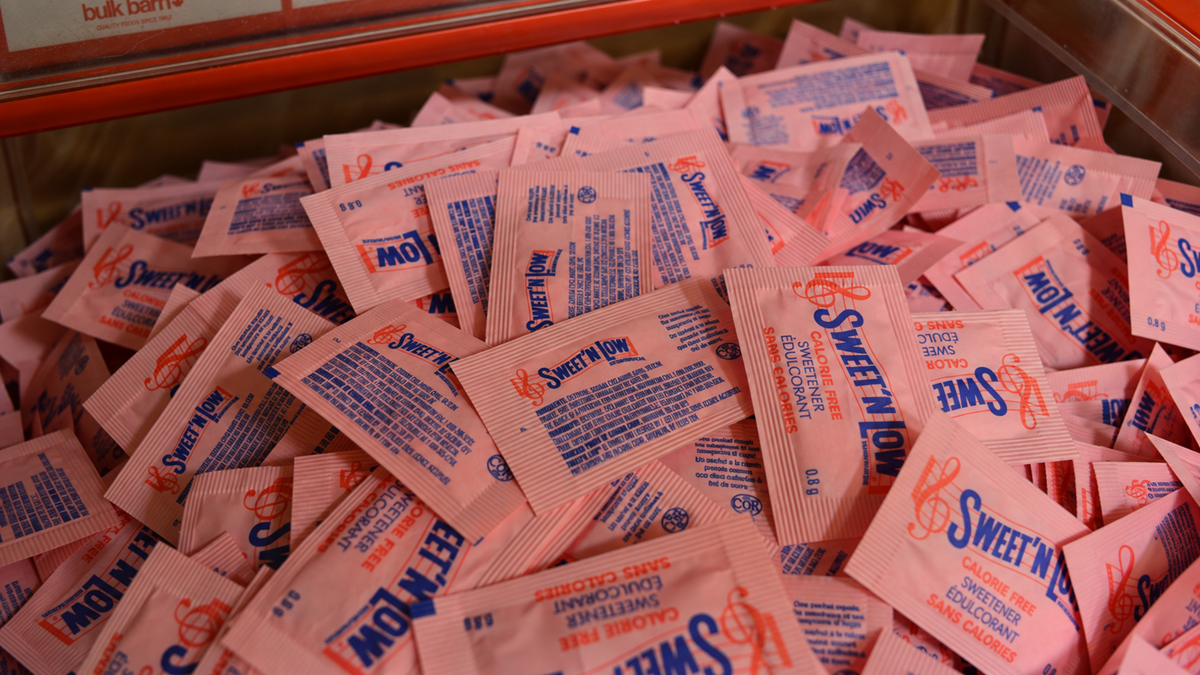
Cyclamate is still used as a low-calorie sweetener in numerous countries, which can make its absence from American products look odd. The FDA prohibits cyclamates and their salts for use as sweeteners in U.S. foods, a restriction that dates back decades. That can leave travelers noticing that the same style of diet drink or tabletop sweetener has a different formula after crossing a border.
12. Young Raw-Milk Cheese in the United States
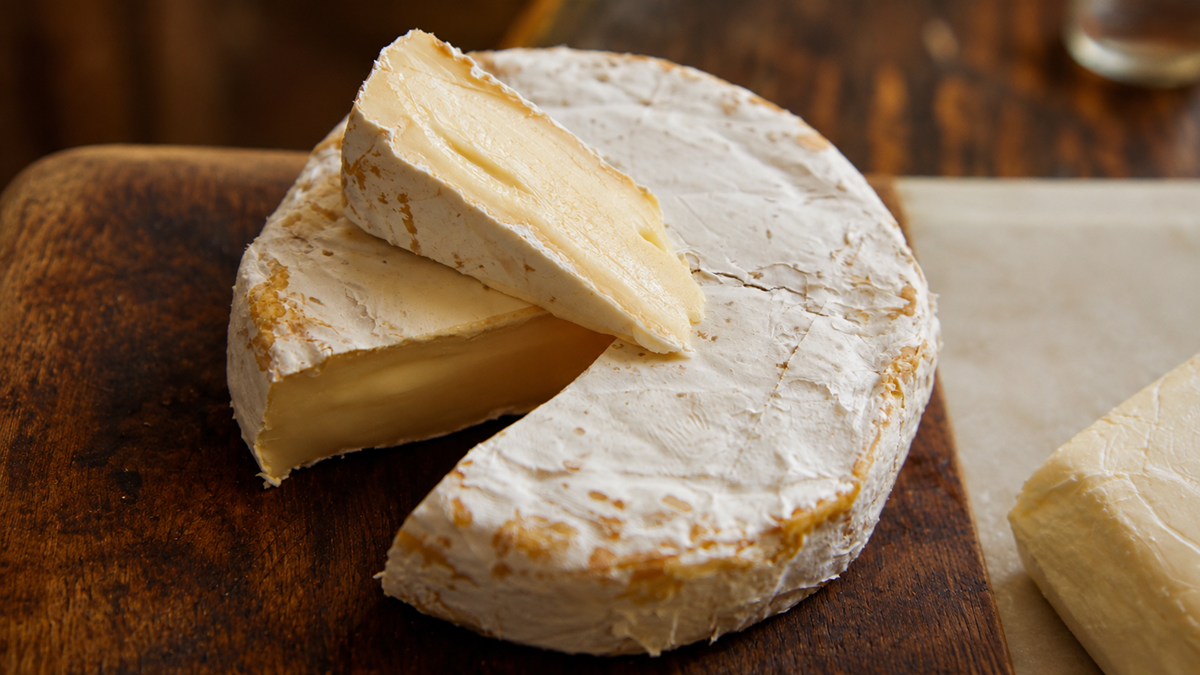
Raw-milk cheese is not completely banned in the United States, but there is a catch that rules out wide traditional varieties in their original form. Cheese made from unpasteurized milk generally must be aged for at least 60 days before it can be sold. Soft cheeses designed to be eaten young therefore cannot simply be imported and sold under the same conditions as in countries where shorter aging is allowed.
13. Beluga Caviar Imports in the United States
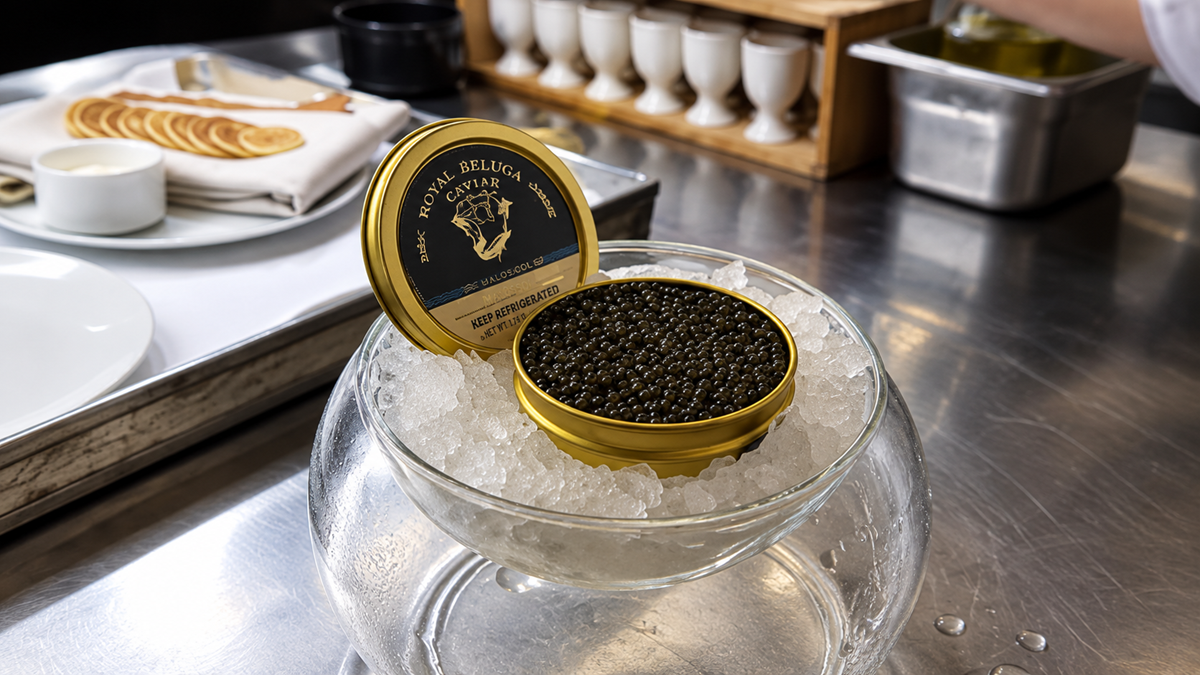
Beluga caviar once sat at the extreme luxury end of American restaurant menus. In 2005, the U.S. Fish and Wildlife Service suspended imports of beluga sturgeon caviar and meat from the Caspian and Black Sea regions as part of efforts to protect the threatened species. Other types of sturgeon caviar were not covered by the same suspension, so the ban is very specifically about where the caviar comes from and which fish produced it.
14. Expressed Mustard Oil in the United States
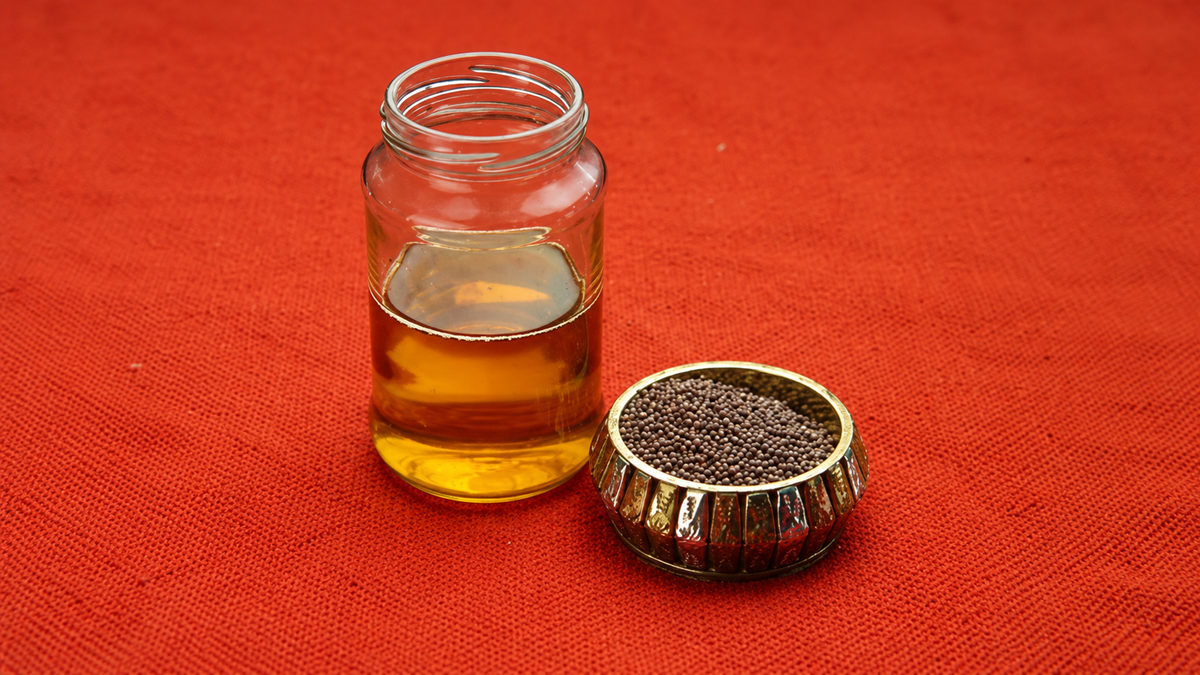
Mustard oil is an everyday cooking ingredient in parts of South Asia, but American shoppers may notice bottles carrying wording that makes them look more like massage oil than dinner ingredients. The FDA restricts expressed mustard oil because it can contain high concentrations of erucic acid, and imports may be detained unless they meet applicable requirements. A different product, essential mustard oil used in small quantities for flavoring, is treated separately.
15. Poppy Seed Foods in Singapore
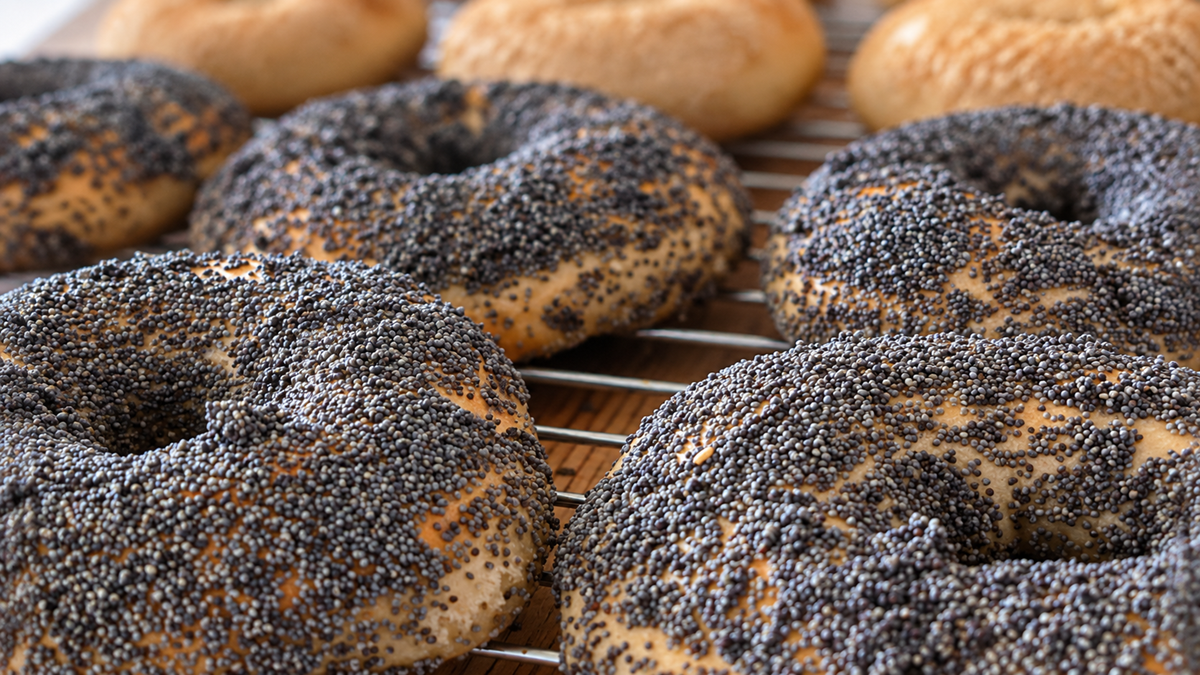
A poppy seed bagel barely raises an eyebrow in the United States or much of Europe, but bringing one into Singapore can become a customs issue. Poppy seeds and foods containing them are controlled imports because the seeds can carry traces of morphine or other controlled substances. Importers have to submit documentation and laboratory testing, and products that test positive for controlled drugs will not be approved for entry.
In the mood for more?
Check out 15 Foods Once Considered Poor People’s Meals That Became Expensive Restaurant Favorites, or take a look at 13 Foods People Once Thought Were Poisonous or Unsafe. If you want to see more surprising law history, you can check out 12 Strange 1800s Laws That Were Actually Enforced.