

Food advice, nutritional guidelines, and consumer perceptions surrounding daily meals have undergone radical transformations over the past century. As medical research evolves and scientific testing becomes more sophisticated, long-held ideas about health, weight loss, and ideal cooking ingredients are routinely debunked or re-evaluated. What was once universally promoted as a mandatory staple for vitality can quickly become demonized, only to be partially redeemed decades later as modern studies uncover new nuances.
Navigating these shifting culinary trends reveals how deeply culture, commercial marketing, and early scientific theories shaped public eating habits. From the fear of dietary fats in the late twentieth century to the changing views on artificial sweeteners, eggs, and frozen meals, everyday consumers have continuously adjusted their grocery lists to align with the latest advice. Looking back at how earlier generations viewed popular food categories offers a fascinating perspective on the evolution of health science. Here are fourteen common beliefs about food that have changed dramatically over the decades.
1. Eggs raise cholesterol and cause heart disease

For decades, health authorities urged consumers to limit whole egg consumption due to high dietary cholesterol levels found in yolks. Modern nutritional studies have since revealed that saturated and trans fats have a far greater impact on blood cholesterol than dietary cholesterol, reinstating eggs as a nutrient-dense protein source.
2. All fats are inherently harmful
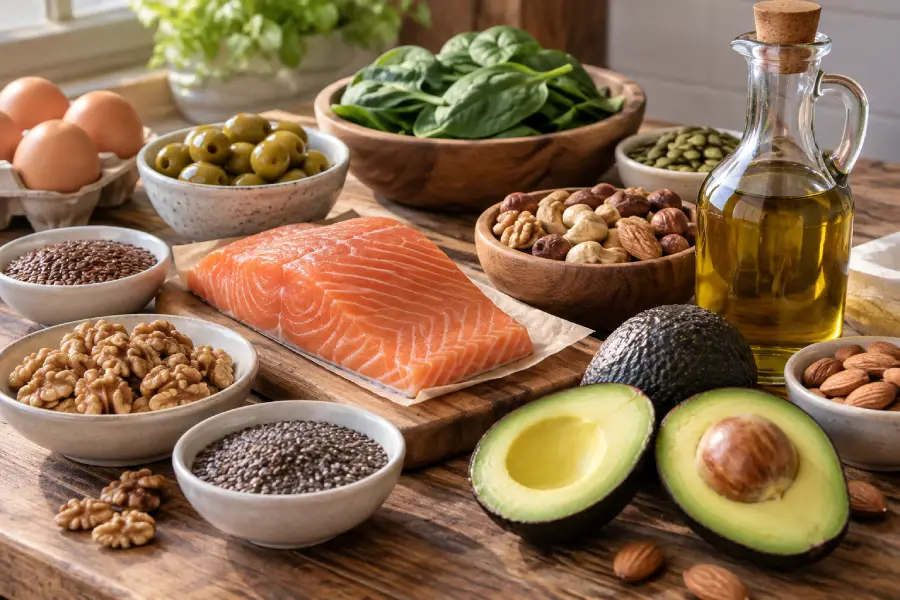
The low-fat diet craze of the 1980s and 1990s led manufacturers to strip fat from products and replace it with refined sugars. Science now distinguishes between harmful artificial trans fats and beneficial unsaturated fats, such as those found in avocados, nuts, and olive oil, which are essential for brain and cardiovascular health.
3. Margarine is healthier than real butter

Promoted as a heart-healthy alternative to saturated animal fats throughout the mid-twentieth century, traditional margarine was loaded with hydrogenated oils. Researchers later discovered that the resulting trans fats in vegetable shortening were actually far more damaging to arterial health than natural butter.
4. Searing meat seals in the juices

A classic culinary rule popularized by 19th-century chemists claimed that high-heat searing created an impenetrable surface barrier on steaks. Modern food science proved that searing actually causes moisture loss, though the process remains vital for developing deep flavor through the Maillard reaction.
5. Eating fat makes you fat

Early dietary guidelines operated on a simplistic calorie-counting premise, assuming that consuming lipid-dense ingredients directly translated to stored body fat. Contemporary research shows that macronutrient quality, hormonal responses, and overall metabolic health play a much larger role in weight management than simply avoiding fat.
Trending on The Scroller


6. Microwaving food destroys its nutrients

Early consumer skepticism surrounding microwave ovens led to widespread worries that radiation altered the molecular structure of meals or zapped vitamins. Because microwave cooking uses less heat and liquid than boiling or frying, it actually preserves heat-sensitive nutrients like vitamin C better than many traditional methods.
7. Salt is universally bad for everyone

Blanket recommendations once advised all adults to drastically reduce sodium intake to prevent high blood pressure. Modern clinical consensus recognizes that while sodium-sensitive individuals and hypertensive patients must monitor their levels, healthy individuals process moderate salt intake without adverse cardiovascular effects.
8. Frozen vegetables are less nutritious than fresh

Consumers long assumed that raw grocery produce was superior to frozen options in terms of vitamin content. In reality, produce destined for the freezer is picked at peak ripeness and flash-frozen immediately, often preserving fragile vitamins better than fresh produce that travels for weeks in supply chains.
Sign up for our newsletter
9. Eating late at night automatically causes weight gain

The myth that calories consumed after 8 PM are instantly stored as fat due to a slowed nighttime metabolism was widely believed for decades. Energy balance is determined by total daily caloric intake and overall expenditure rather than the specific position of the clock hands when you eat.
10. Coffee stunts growth and dehydrates the body

Generations of children were warned that drinking coffee would prematurely stop their bone development, a claim rooted in early misinterpretations of osteoporosis risks. Additionally, while caffeine acts as a mild diuretic, the water volume in brewed coffee easily offsets fluid loss, contributing to daily hydration goals.
11. Carbohydrates are the root cause of all obesity

The low-carb and keto movements positioned all carbohydrates as metabolic enemies responsible for weight gain. Nutritional science emphasizes that complex carbohydrates rich in fiber, such as whole grains, legumes, and root vegetables, are fundamental for gut health and sustained physical energy.
12. Artificial sweeteners are a guilt-free weight loss solution

Diet sodas and sugar-free snacks were aggressively marketed as effortless weight-loss aids that satisfied sweet cravings without consequences. Recent metabolic studies indicate that certain non-nutritive sweeteners may alter gut microbiota or maintain neurological sweet cravings, complicating simple diet strategies.
13. Skim milk is always superior to whole milk

Low-fat dairy guidelines dominated school cafeterias and health pamphlets for generations to reduce saturated fat intake. Newer research suggests that full-fat dairy consumption does not automatically increase cardiovascular risk and may actually promote satiety, aiding overall appetite control.
14. Spicy food causes stomach ulcers

For generations, patients suffering from painful stomach ulcers were prescribed bland diets and told to avoid hot peppers and heavy spices. Medical breakthroughs in the 1980s proved that the vast majority of peptic ulcers are actually caused by Helicobacter pylori bacterial infections or prolonged NSAID medication use.
Explore more interesting facts about food:
Exploring how nutritional theories, cooking rules, and dietary trends have transformed over the decades highlights how dynamically our understanding of health continues to evolve. The shift from low-fat panics and anti-egg campaigns to modern science-backed nutrition demonstrates that culinary knowledge is never truly fixed. If you enjoy exploring retro lifestyle archives, food history, and fascinating deep dives into past eras, be sure to check out these 13 Food Fears That Lasted Far Longer Than They Should Have, or these 17 Food Myths That Nutritionists Are Tired of Hearing. You may also like these 15 Delicious Foods That Started Out as 19th-Century Medicine.