
Some of the foods found in modern kitchens have histories stretching back thousands of years. People were making bread before agriculture became widespread, while ancient communities ate recognizable forms of cheese, noodles, and popcorn long before modern food industries existed.
Archaeologists have uncovered remarkable evidence of these early diets, including charred fruit, preserved grains, microscopic starch particles, and chemical traces inside ancient pottery. These 15 foods reveal just how much of today’s diet has prehistoric roots, even if the original ingredients and preparations sometimes looked quite different.
Bread Was Being Made Before Agriculture Became Widespread
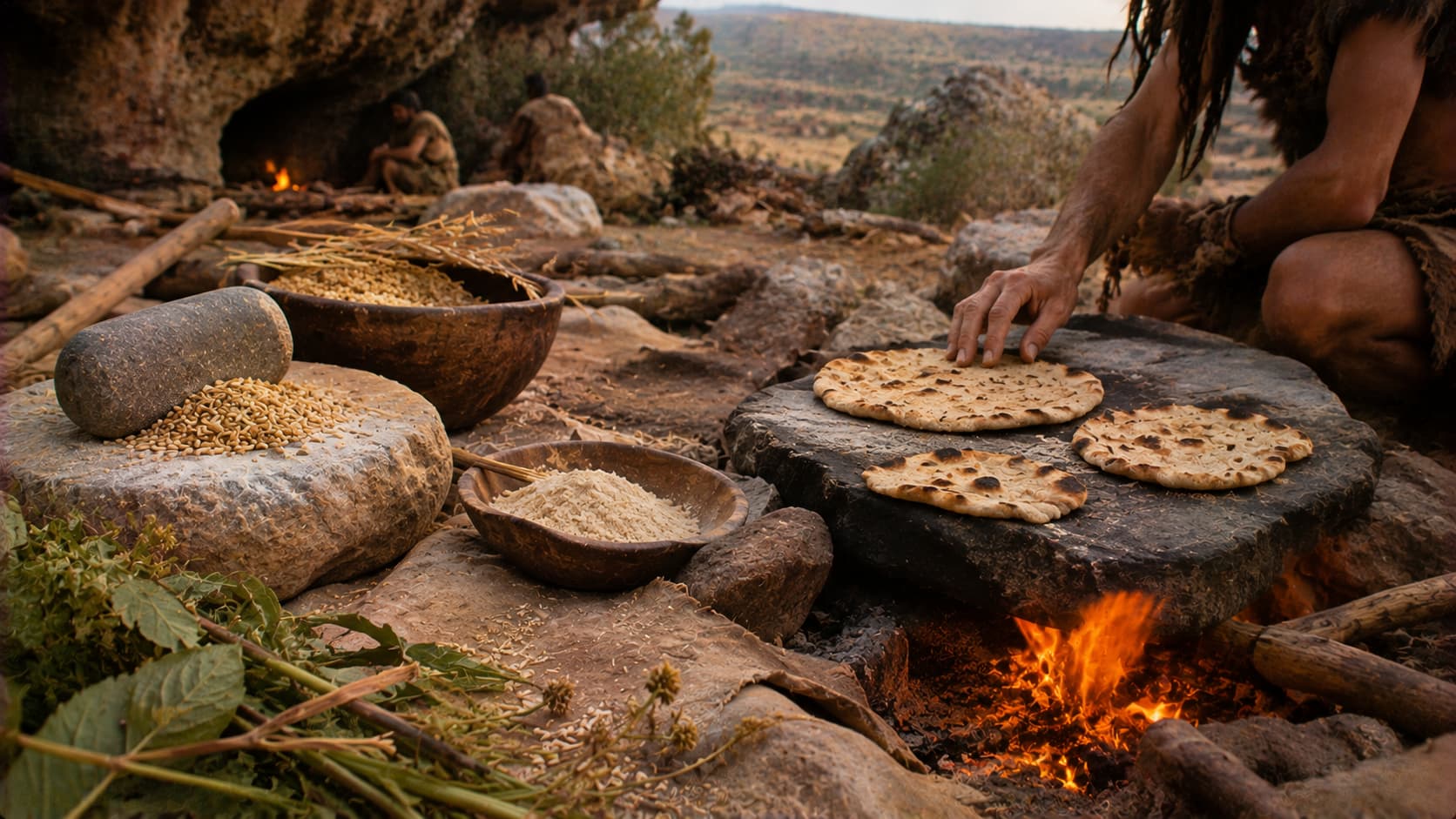
At Shubayqa 1 in northeastern Jordan, researchers discovered charred bread-like remains dating back approximately 14,400 years. A study published in PNAS found evidence that hunter-gatherers processed wild cereals and edible plants, including tubers, into flatbread ingredients. This was at least 4,000 years before farming became established in the region. Apparently, humans didn’t need agriculture to develop a taste for freshly baked bread.
Figs Were Eaten More Than 11,000 Years Ago
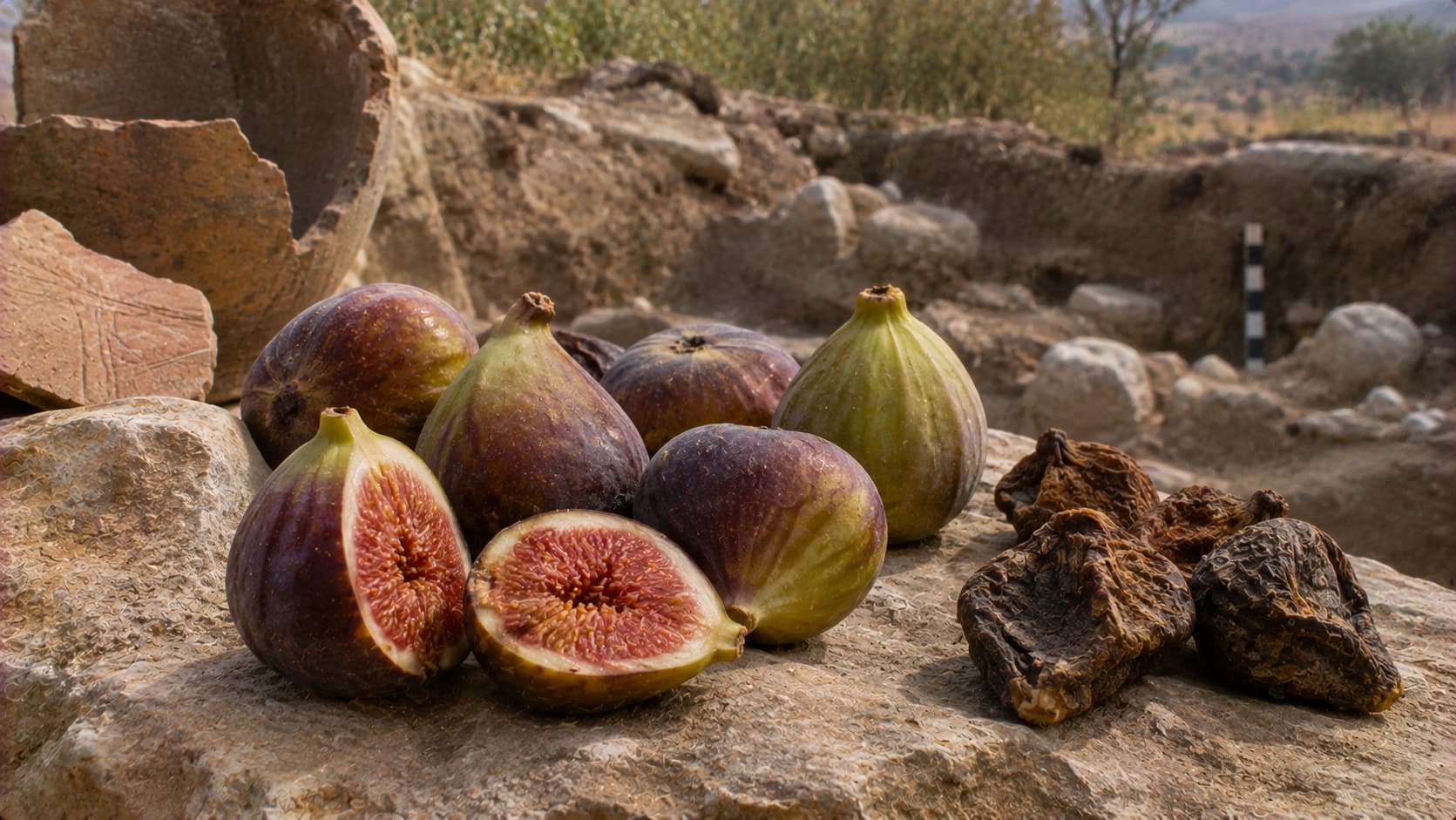
At Gilgal I in the Jordan Valley, archaeologists discovered nine carbonized figs and hundreds of fruit fragments dating to approximately 11,400-11,200 years ago. A study published in Science suggested the trees may have been deliberately propagated through cuttings, although that interpretation remains debated. Whether fresh or dried, figs offered prehistoric communities a natural source of sweetness, no added sugar required.
Ancient Farmers Stored More Than a Million Lentil Seeds
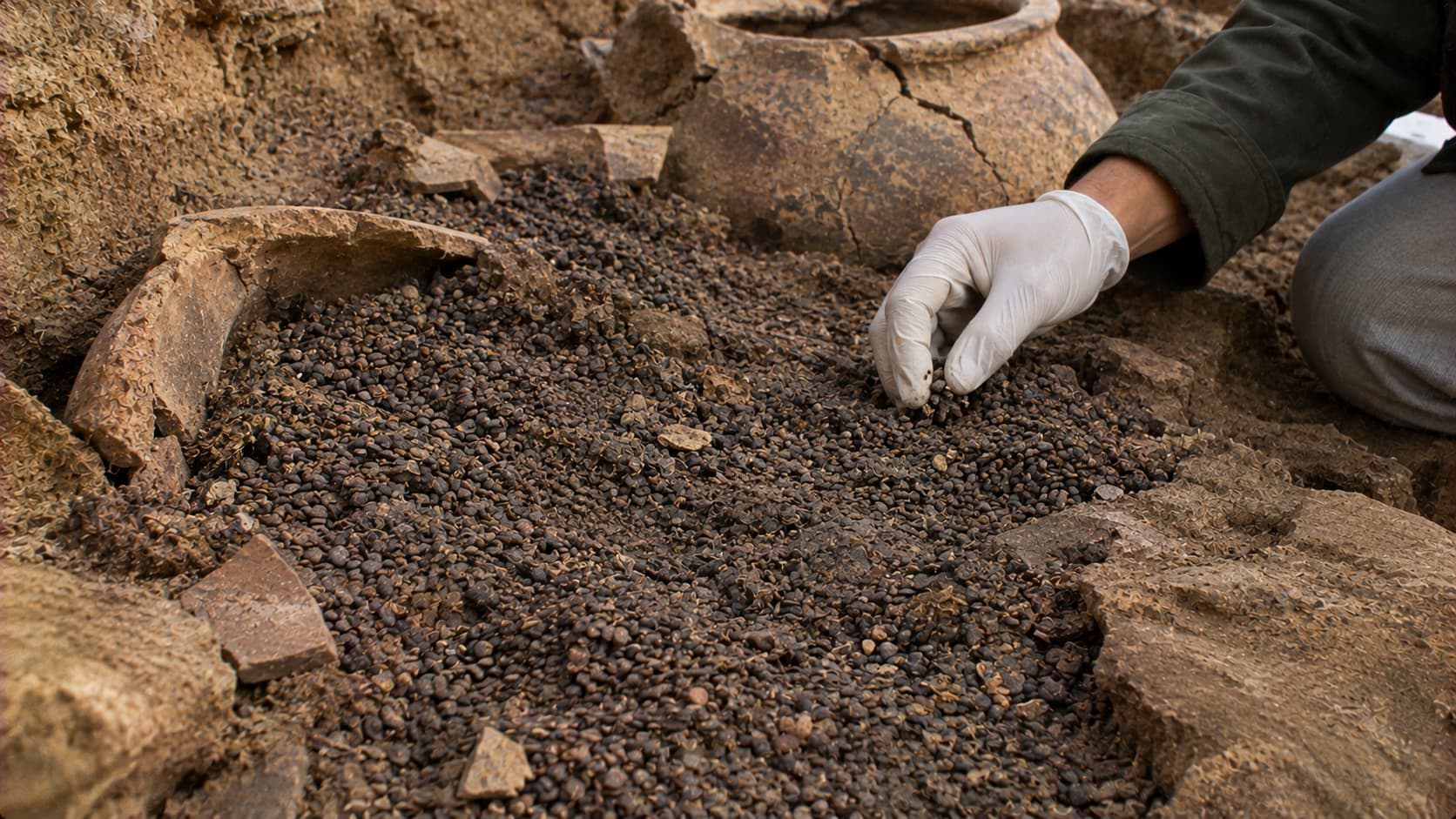
Lentils were being used in Southwest Asia around 12,000 years ago. At Yiftah’el in present-day Israel, archaeologists uncovered approximately 1.4 million carbonized lentil seeds. Research published in Vegetation History and Archaeobotany describes the deposit as evidence of deliberate storage and cultivation. Rich in plant protein and easy to preserve, lentils were already proving that sometimes the simplest pantry staple is the one that lasts.
Millet Was Being Grown in China About 10,000 Years Ago
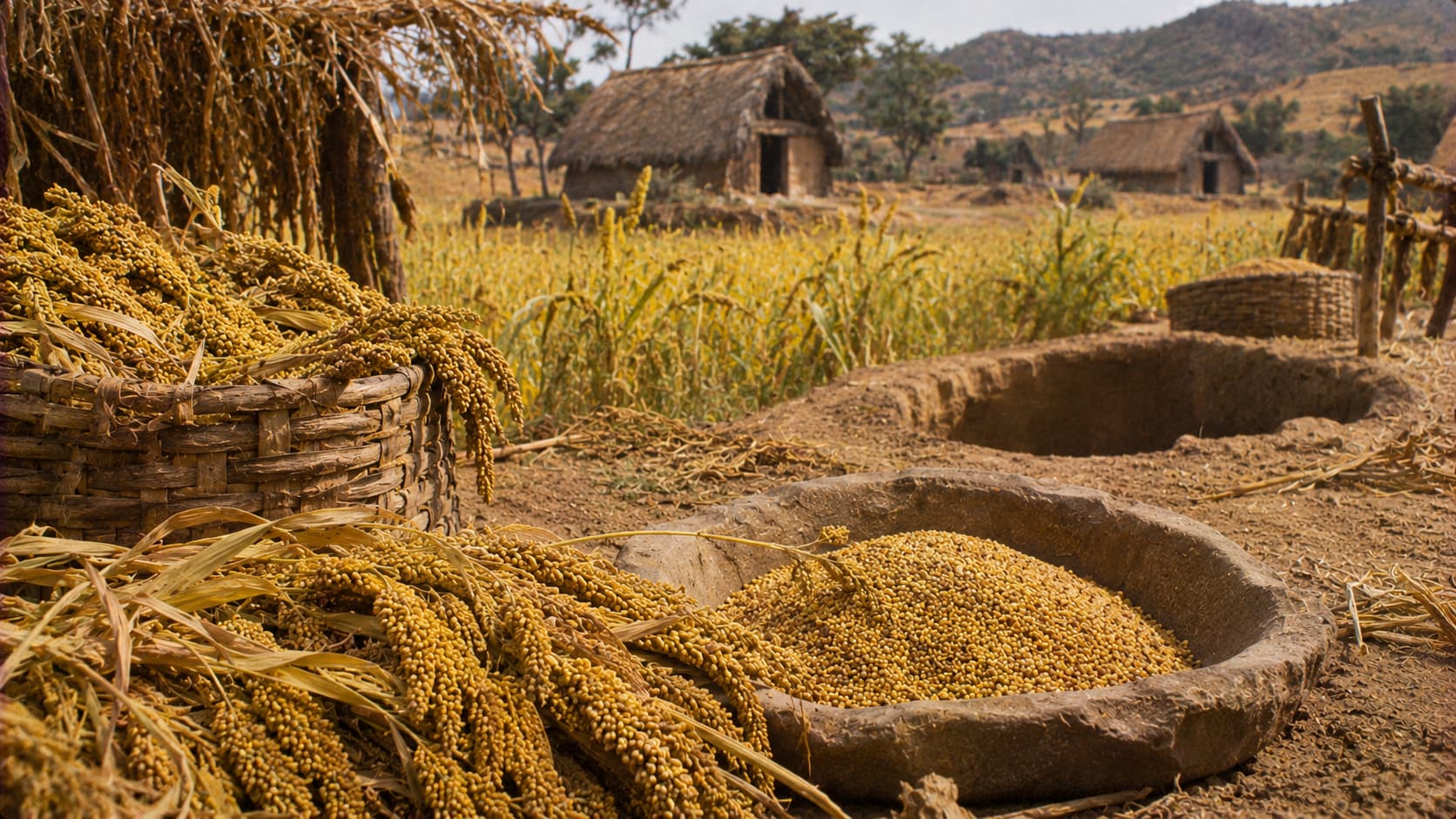
At the Cishan archaeological site in northern China, researchers identified common millet remains in storage pits dating to approximately 10,300-8,700 years ago. A PNAS study used microscopic plant remains and chemical evidence to distinguish the grain from other varieties. Its ability to grow in relatively dry conditions made it valuable to early farmers. Millet may not dominate every modern menu, but it has serious agricultural credentials.
Rice Domestication Took Thousands of Years

At China’s Huxi archaeological site in the lower Yangtze Valley, scientists identified rice remains dating to approximately 9,000-8,400 years ago. Research in Scientific Reports found characteristics associated with early domestication, including changes in how easily grains separated from their plants. Rice farming developed gradually as communities selected useful characteristics over generations. Today’s staple food for billions began as a very long agricultural experiment.
Trending on The Scroller


A Wild Potato Species Was Eaten in North America Nearly 11,000 Years Ago
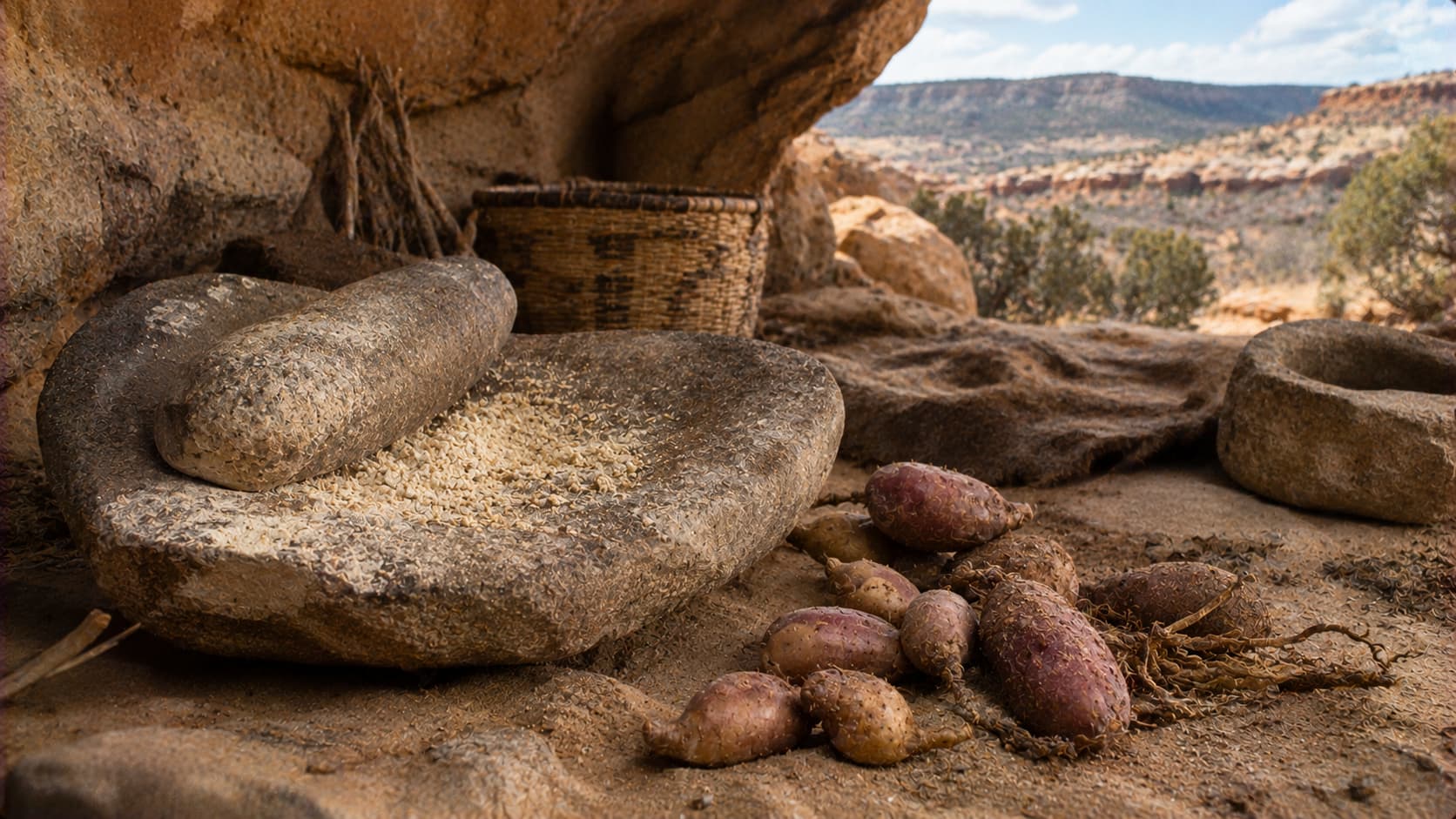
At North Creek Shelter in southern Utah, researchers found starch grains from the Four Corners potato (Solanum jamesii) on ancient grinding stones. A PNAS study dated the evidence to approximately 10,900-10,100 years ago, showing that Indigenous communities prepared these edible tubers long before European contact. Potatoes may be closely associated with the Andes today, but their ancient food history also reaches into North America.
Chickpeas Were Among the Earliest Crops of Southwest Asian Farming
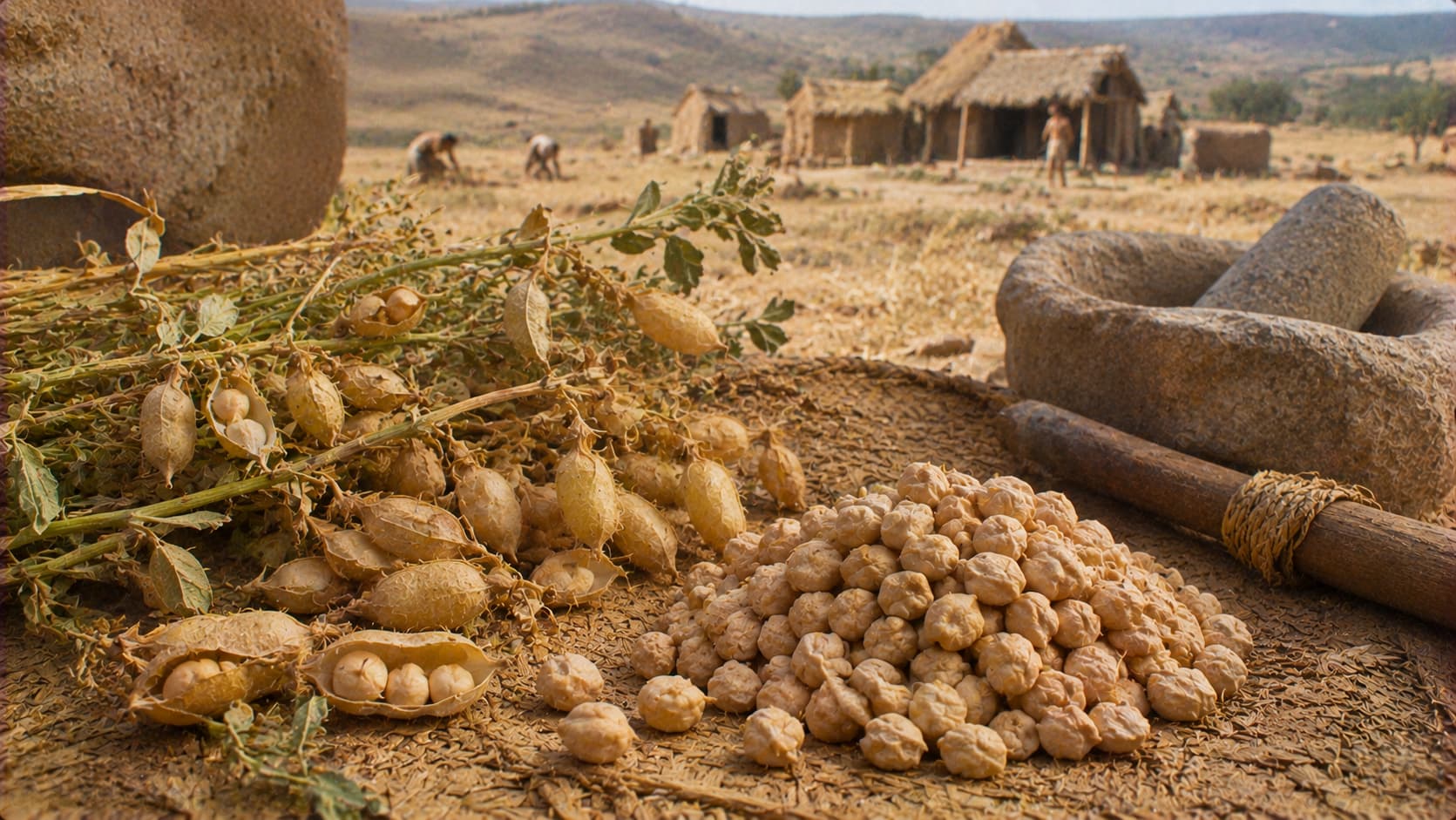
Chickpeas were domesticated by early farming communities in Southwest Asia approximately 10,000 years ago. A major study published in Nature, analyzing 3,366 cultivated and wild chickpea genomes, traced an ancient domestication bottleneck and later regional diversification. The varieties eaten by early farmers weren’t necessarily identical to today’s, but the crop’s journey across continents began thousands of years ago. That’s a remarkably long career for a hummus ingredient.
People Were Preparing Olives for Eating About 6,600 Years Ago

At the submerged Hishuley Carmel site near Haifa, Israel, researchers discovered thousands of olive pits in structures dating to approximately 6,650-6,450 years ago. A study in Scientific Reports identified evidence consistent with early table-olive production. People probably used salt from seawater to reduce the fruit’s natural bitterness. Modern olive lovers can thank some very Mediterranean food processors for figuring out how to make these bitter fruits enjoyable.
Sign up for our newsletter
Desert Communities Were Using Dates More Than 7,000 Years Ago
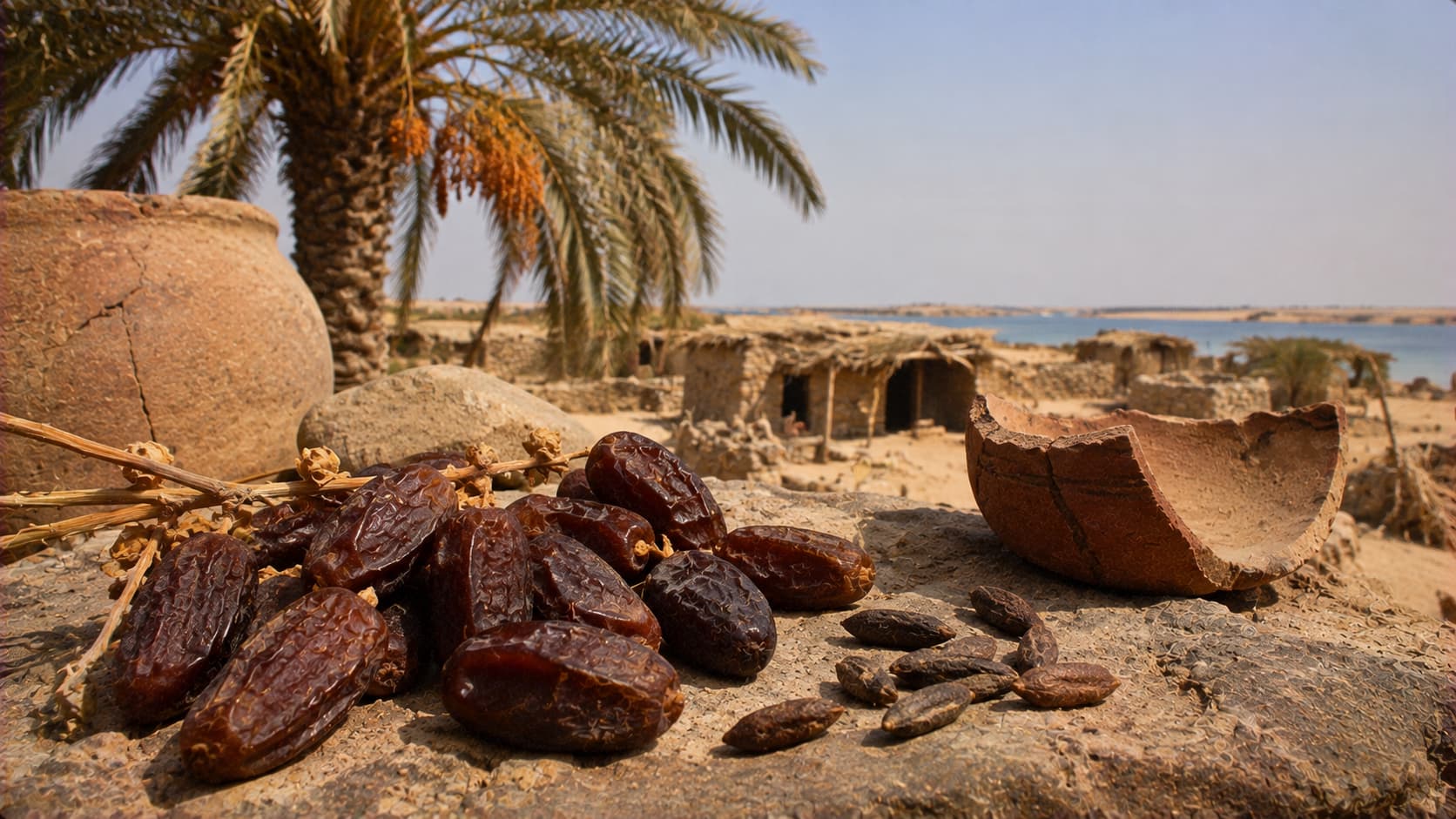
At the Neolithic settlement of Dalma Island near Abu Dhabi, archaeologists recovered carbonized date seeds, including one dated to approximately 5290-4940 BCE. Research in the Journal of Arid Environments establishes that people used dates in the region, although it doesn’t prove they cultivated the palms. Organized date gardens appeared more clearly during the Bronze Age, when irrigation helped turn the fruit into an important agricultural product.
Farmers Were Making Cheese Around 7,500 Years Ago
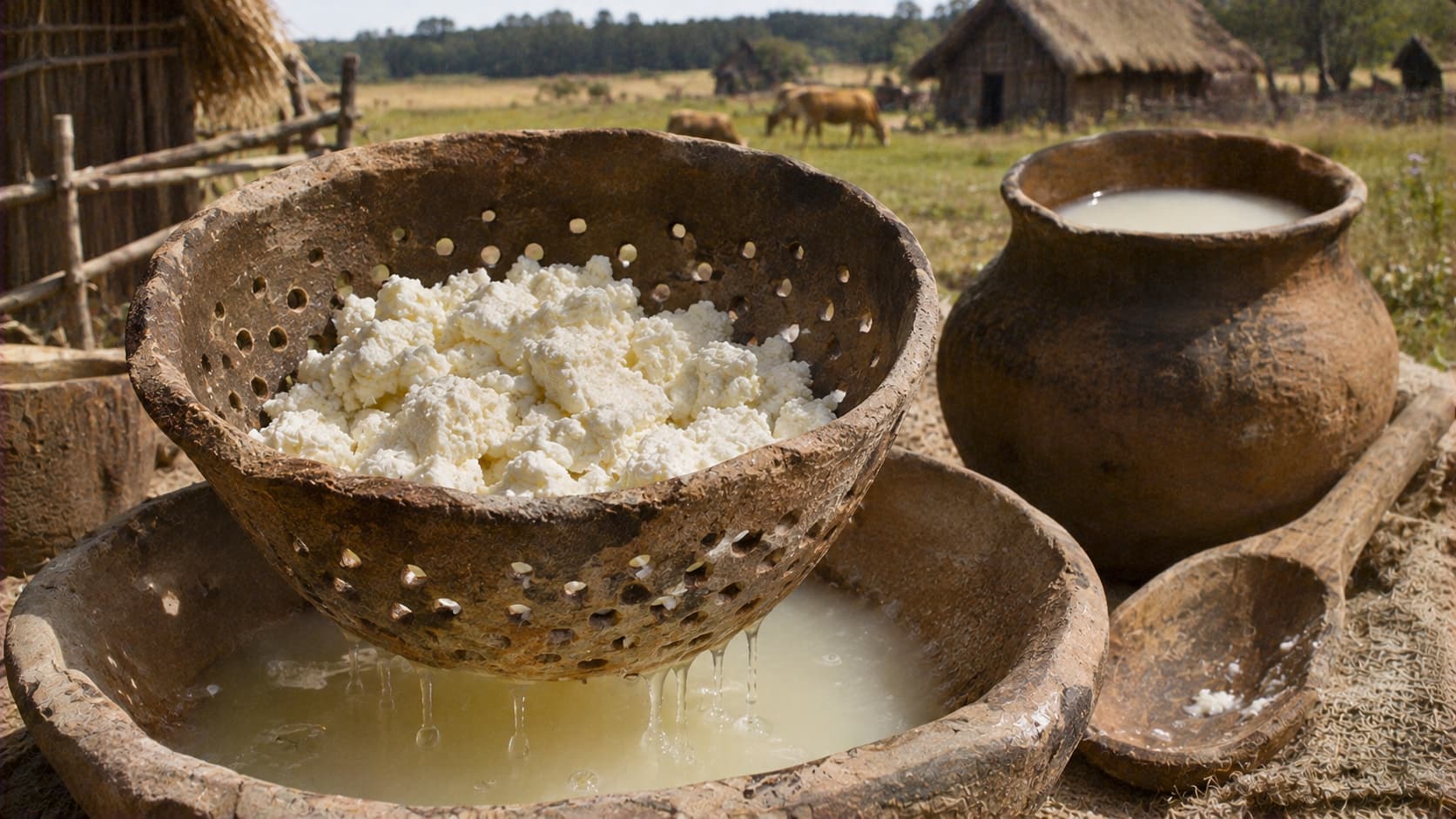
Some of the strongest early evidence of cheese production comes from pottery discovered in Poland. Researchers identified milk-fat residues in perforated ceramic vessels dating to approximately 7,500 years ago, as reported in Nature. The containers were probably used to separate curds from liquid whey, helping preserve dairy products and potentially reduce their lactose content. Cheese-making was already a specialized skill long before anyone had a refrigerator.
A 4,000-Year-Old Bowl Contained Ancient Noodles
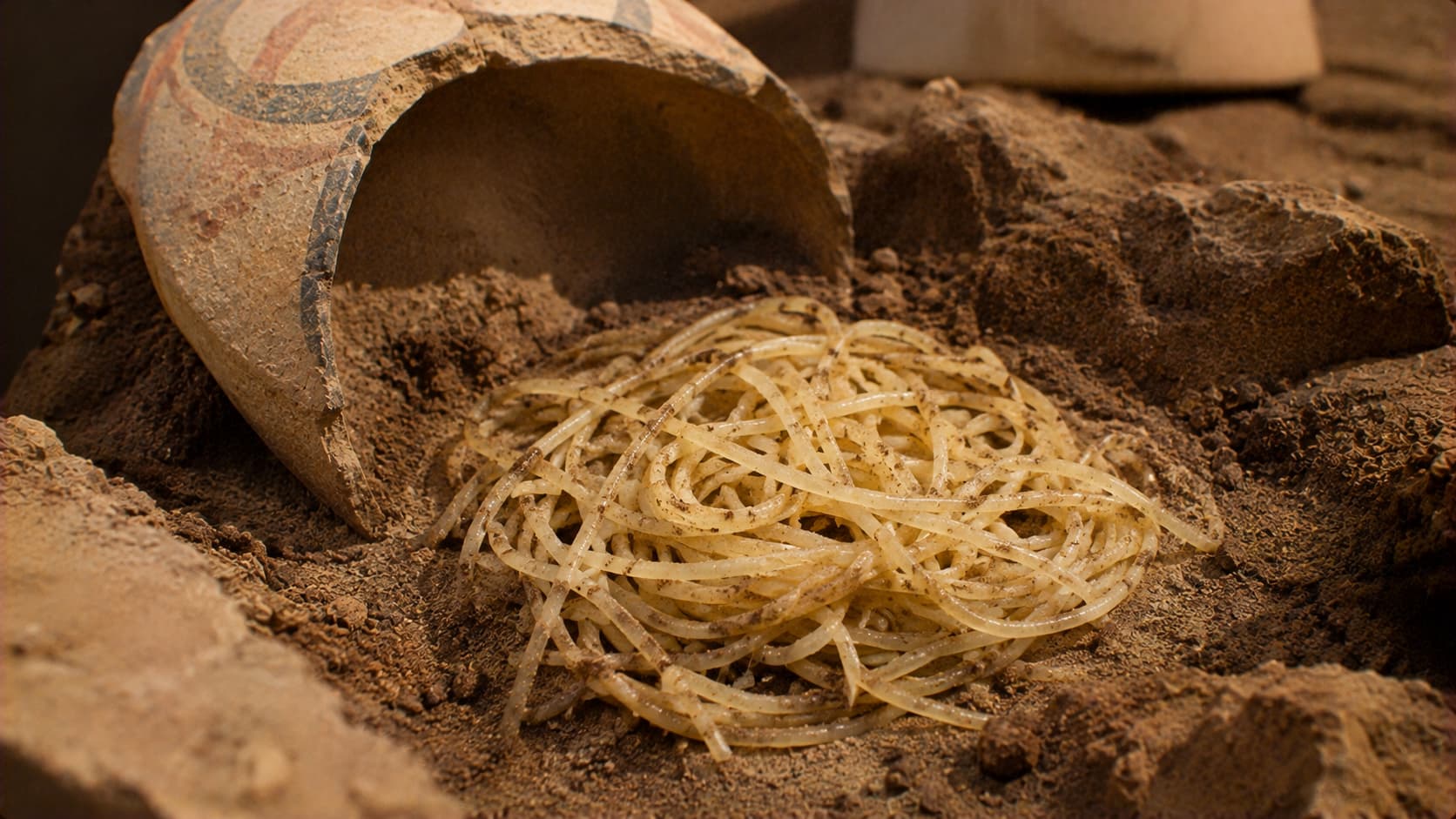
In 2005, researchers reported noodle-like remains beneath an overturned pottery bowl at China’s Lajia archaeological site. The approximately 4,000-year-old discovery was published in Nature, with the original researchers identifying millet as the main ingredient. Later experimental research questioned whether pure millet dough could form such strands and whether the analyzed particles came directly from the noodles. The discovery is genuine, but the recipe remains a mystery.
Ancient Peruvians Were Making Popcorn Thousands of Years Ago
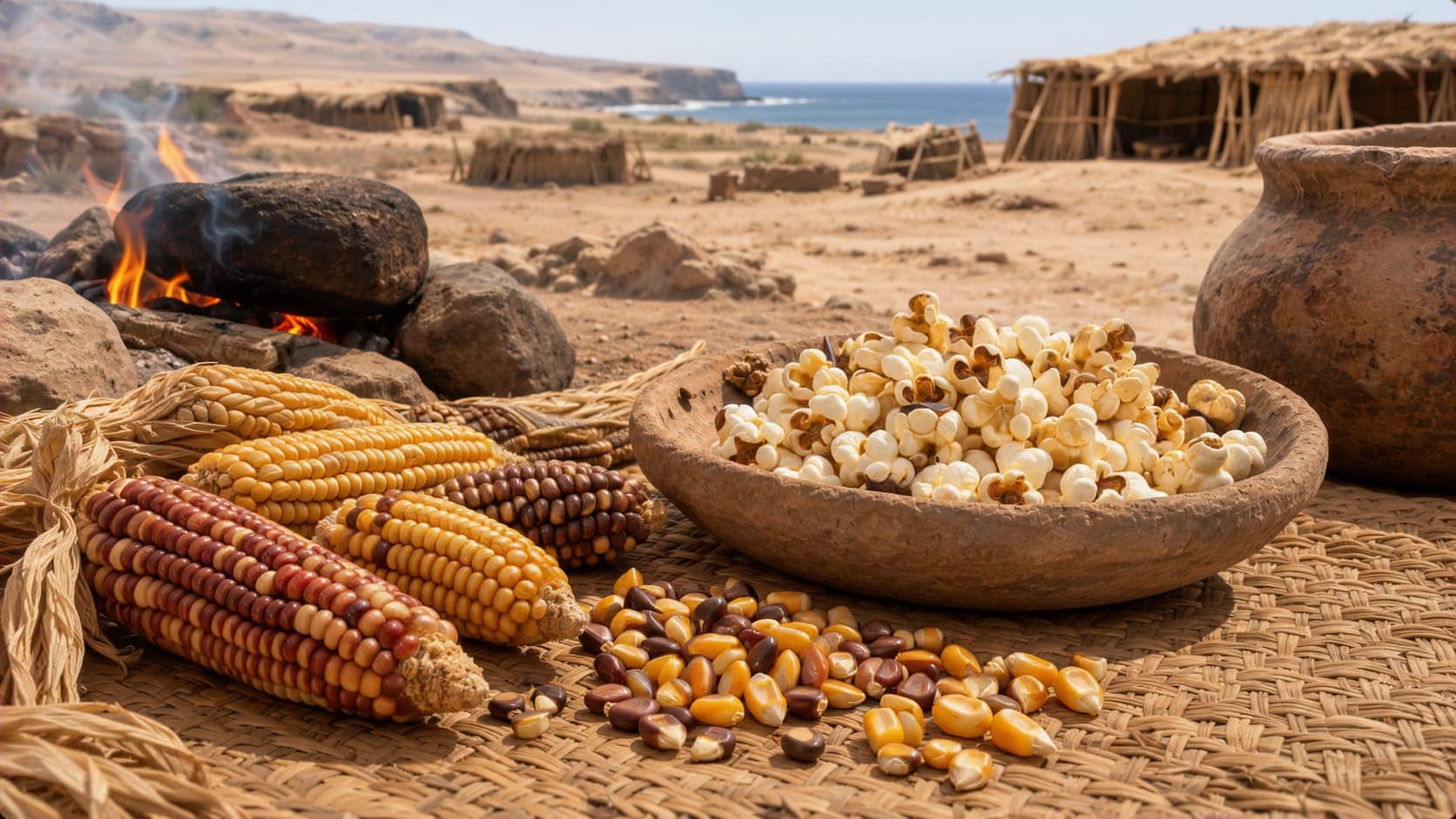
At Paredones and Huaca Prieta along Peru’s northern coast, archaeologists discovered ancient corn remains dating from approximately 6,700 to 3,000 years ago. The Smithsonian Institute reported evidence that people prepared maize in several ways, including popping kernels, long before ceramic cooking vessels became widespread in the region. These varieties differed from modern commercial popcorn, but the basic snack was already around. Movie theaters were clearly not the original attraction.
People Were Using Cacao More Than 5,000 Years Before Chocolate Bars
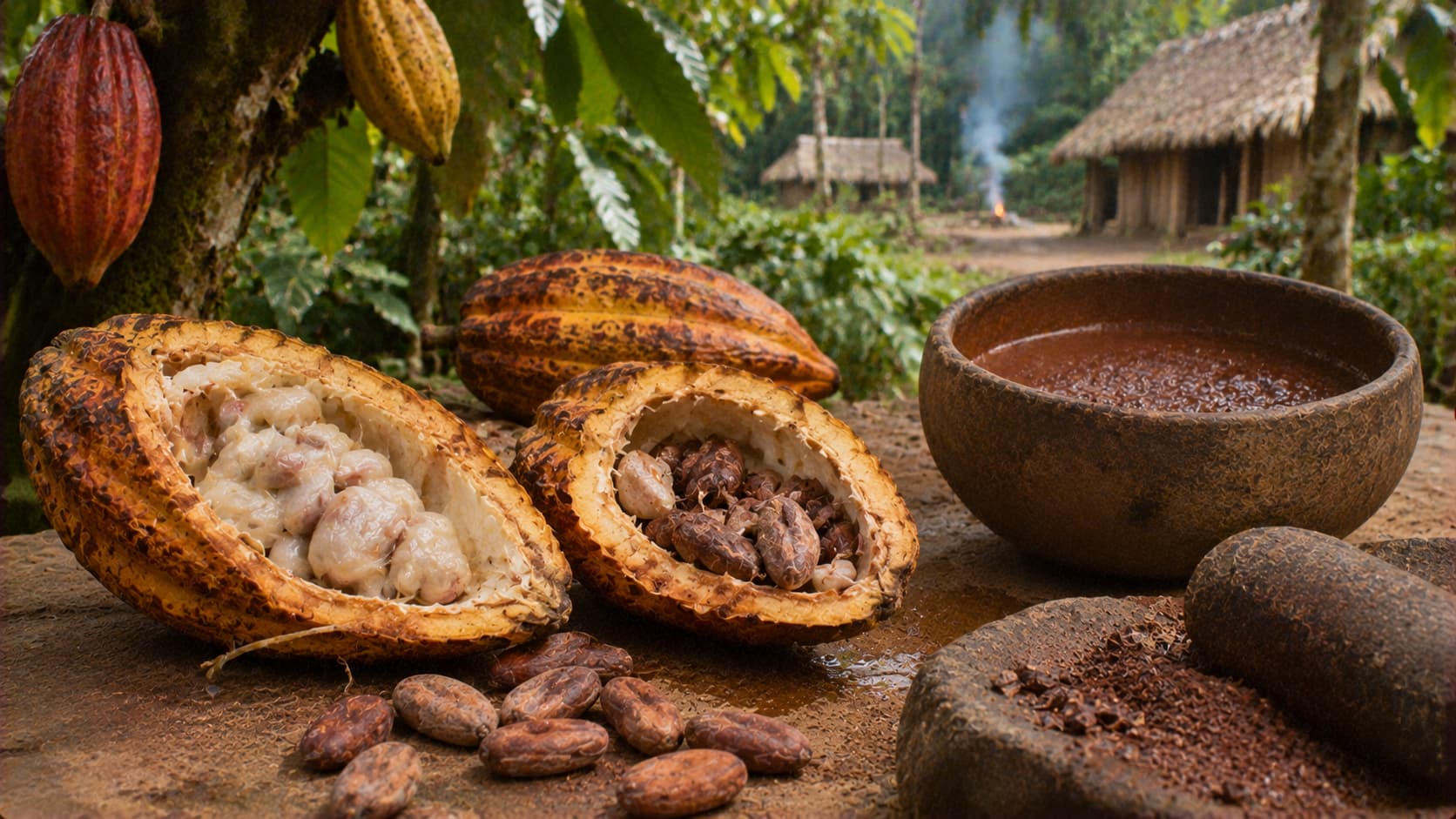
At Ecuador’s Santa Ana-La Florida archaeological site, researchers found cacao starch grains, traces of theobromine, and ancient cacao DNA in materials dating to approximately 5,300 years ago. A study in Nature Ecology & Evolution identified this as some of the earliest secure evidence of cacao use and highlighted the upper Amazon as an important early domestication center. The preparations looked nothing like modern chocolate bars, but the plant was the same.
People Were Making Grape Wine Around 8,000 Years Ago
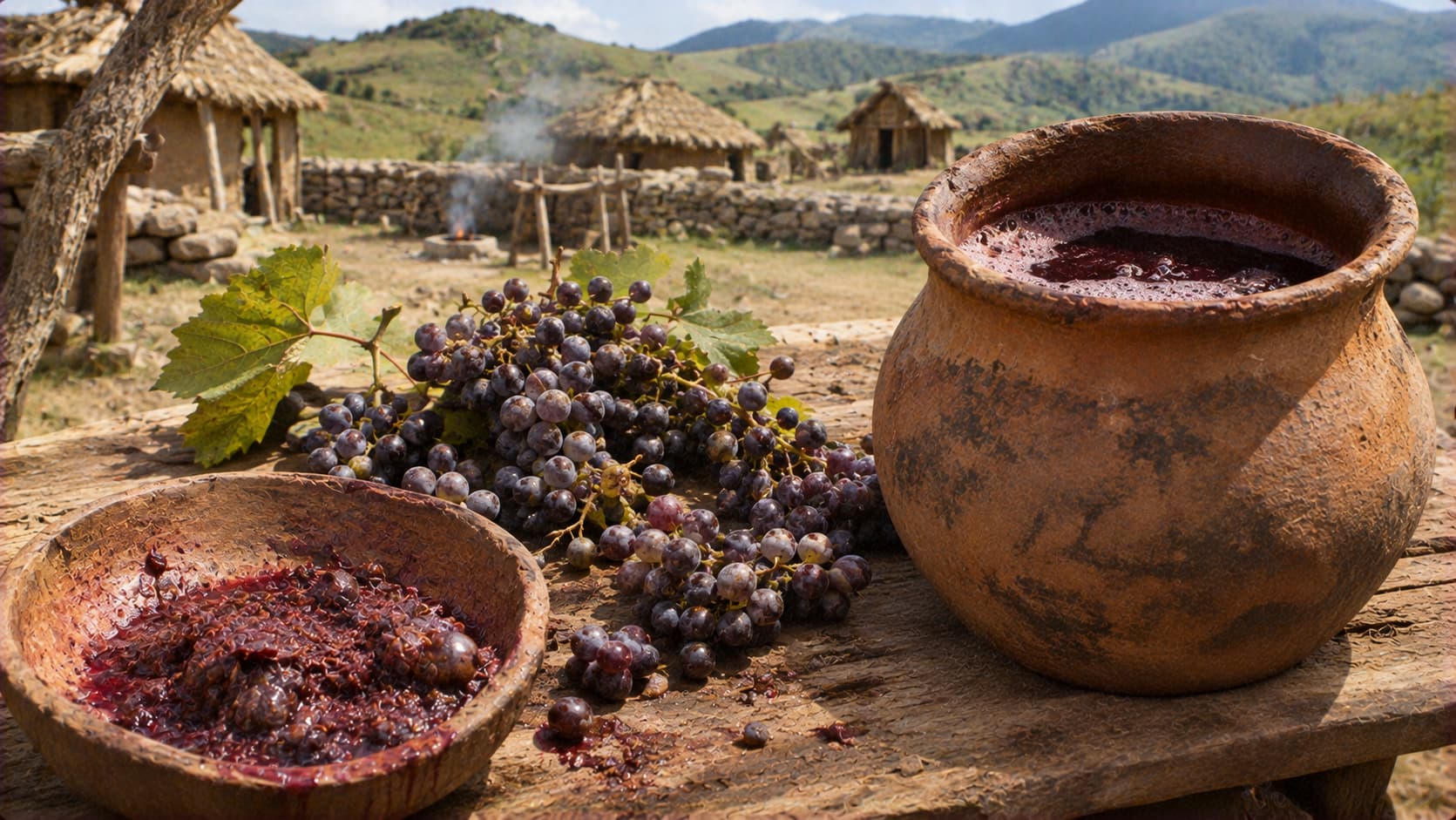
At Gadachrilli Gora and Shulaveris Gora in present-day Georgia, scientists identified chemical traces consistent with grape wine in pottery dating to approximately 6000-5800 BCE. A PNAS study described the findings as among the earliest secure evidence of grape winemaking in the Near East. Grape-related plant remains also suggest the fruit played an important role in local food production. Wine has a much longer history than most dinner-party conversations.
People Were Using Honeybee Products More Than 8,000 Years Ago
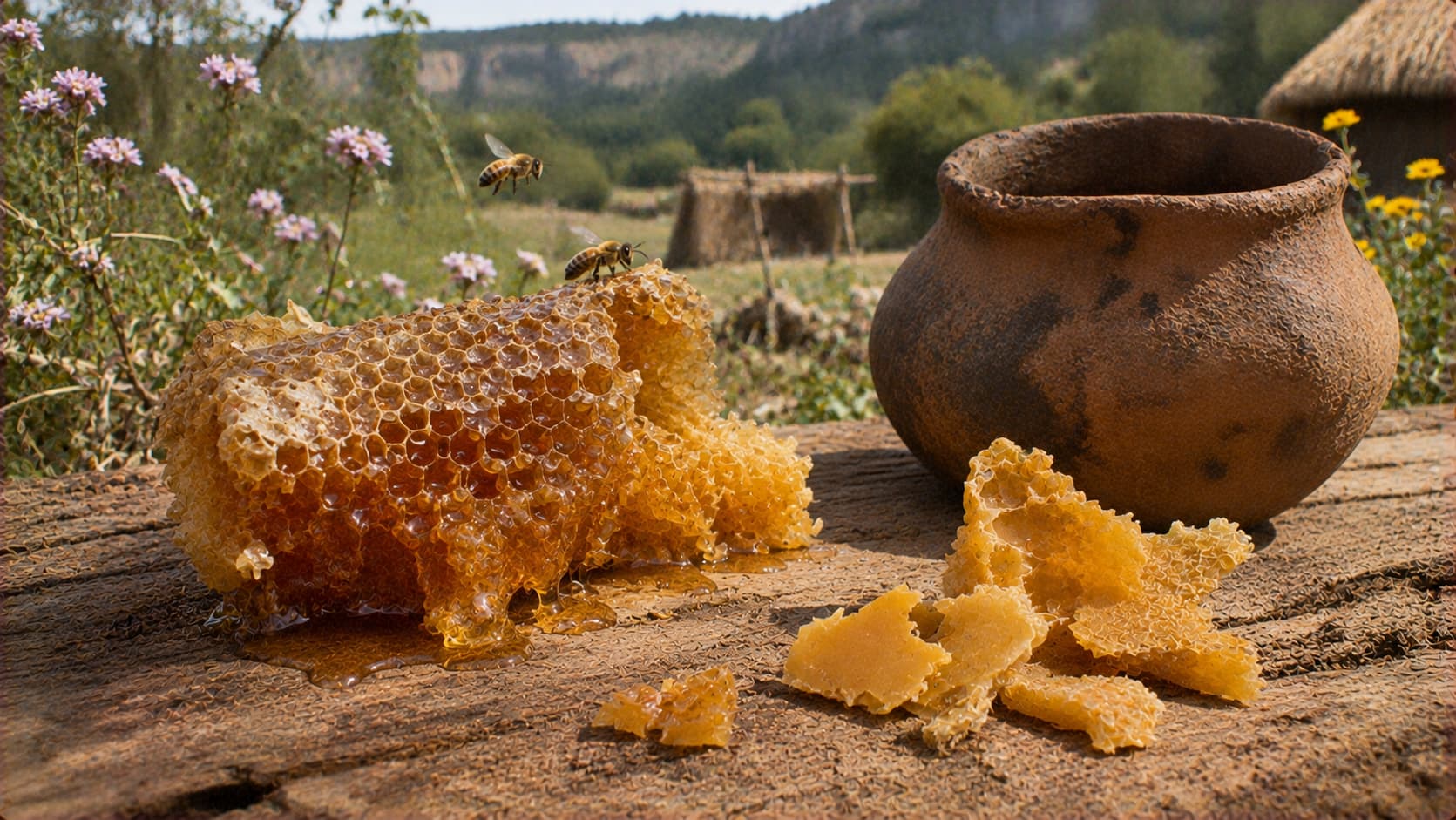
Researchers studying Neolithic pottery discovered chemical traces of beeswax at archaeological sites across Europe, North Africa, and the Near East, including examples dating to the seventh millennium BCE. A study in Nature found evidence that early farming communities exploited honeybee products. Beeswax alone cannot establish how much honey people collected or consumed, but it reveals a relationship with bees that goes back thousands of years.