When visionary entrepreneurs launch a revolutionary item, they often spend millions on marketing without realizing their chosen names are actually driving customers away. A terrible product title can completely destroy years of careful engineering, turning a brilliant invention into an absolute laughingstock on the crowded retail shelves.
Countless legendary brands were originally cursed with incredibly unappealing titles that almost bankrupted their founders. From beloved digital search engines that sounded like a creepy massage to iconic shoes trapped by boring corporate identities, business history is packed with catastrophic marketing choices. Fortunately, clever executives realized their massive blunders just in time to rebrand these struggling inventions into global superstars. Uncovering the original identities of these household staples reveals just how fragile commercial success can really be. Here are twelve famous products that almost completely failed because of their terrible original titles.
1. Google – Originally BackRub
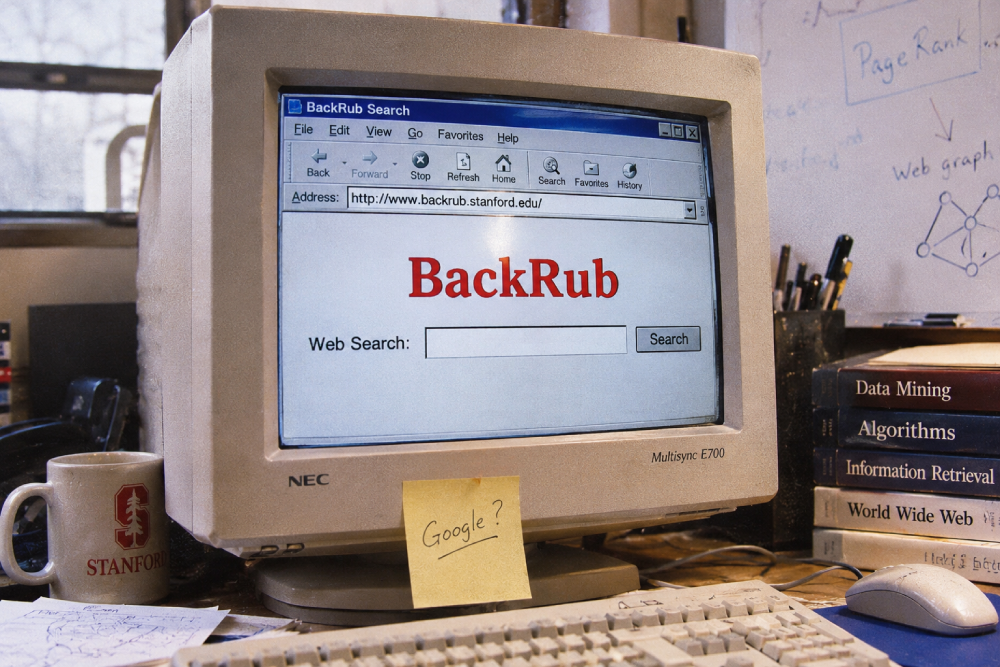
In 1996, Stanford University students Larry Page and Sergey Brin created a highly efficient web crawler that ranked pages based on their inbound links, bizarrely naming it BackRub. Realizing that the strangely sensual moniker was highly inappropriate for a massive digital indexing tool, they wisely registered the far more professional Google domain in 1997.
2. Pepsi-Cola – Originally Brad’s Drink
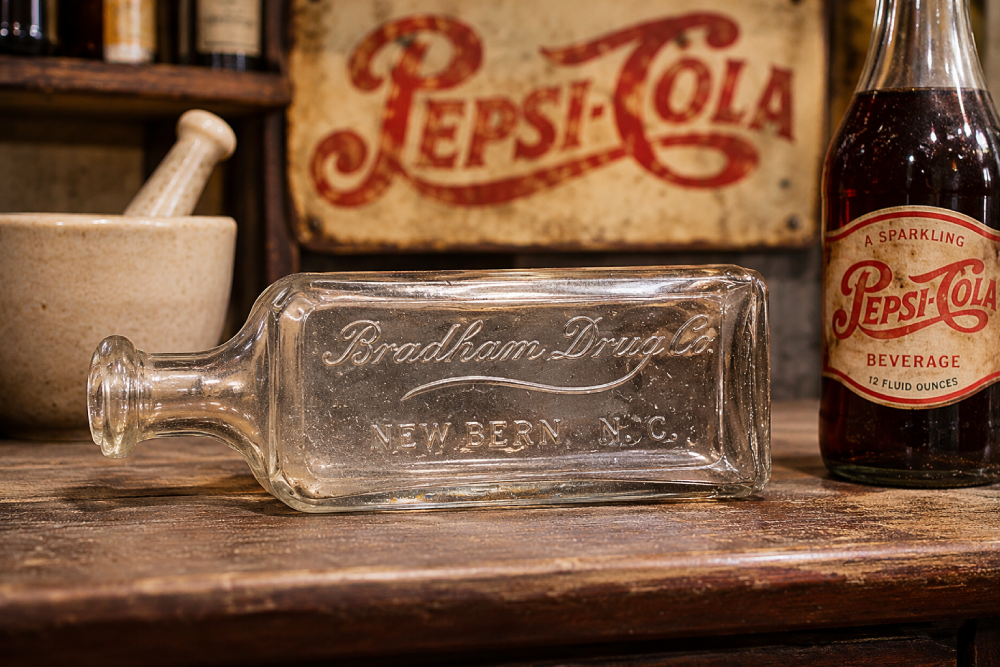
North Carolina pharmacist Caleb Bradham created a highly refreshing digestive aid in 1893 using vanilla, rare oils, and kola nuts, egotistically calling it Brad’s Drink. The incredibly generic title failed to attract a wide audience until 1898, when he rebranded the sugary brown syrup as Pepsi-Cola to highlight the enzyme pepsin used in the secret recipe.
3. Snickers – Originally Marathon
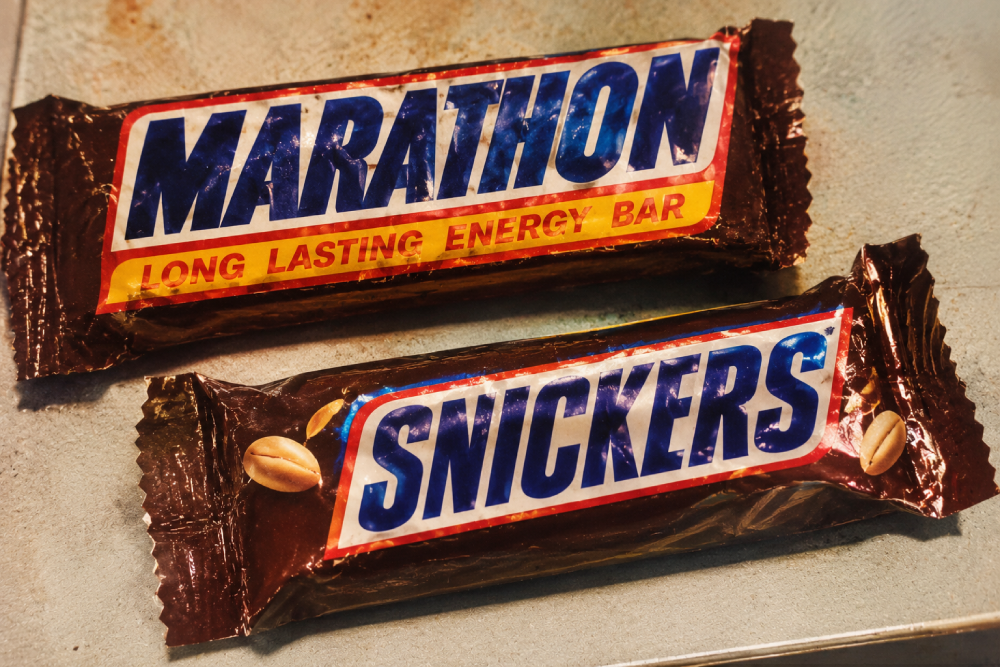
When the Mars corporation introduced their legendary peanut nougat bar to the British market in 1930, they confusingly rebranded it as the Marathon bar to sound healthier. The company spent sixty years trying to convince consumers it was an athletic energy snack before finally adopting the globally recognized Snickers title in 1990 to streamline international production.
4. Sony Walkman – Originally Soundabout
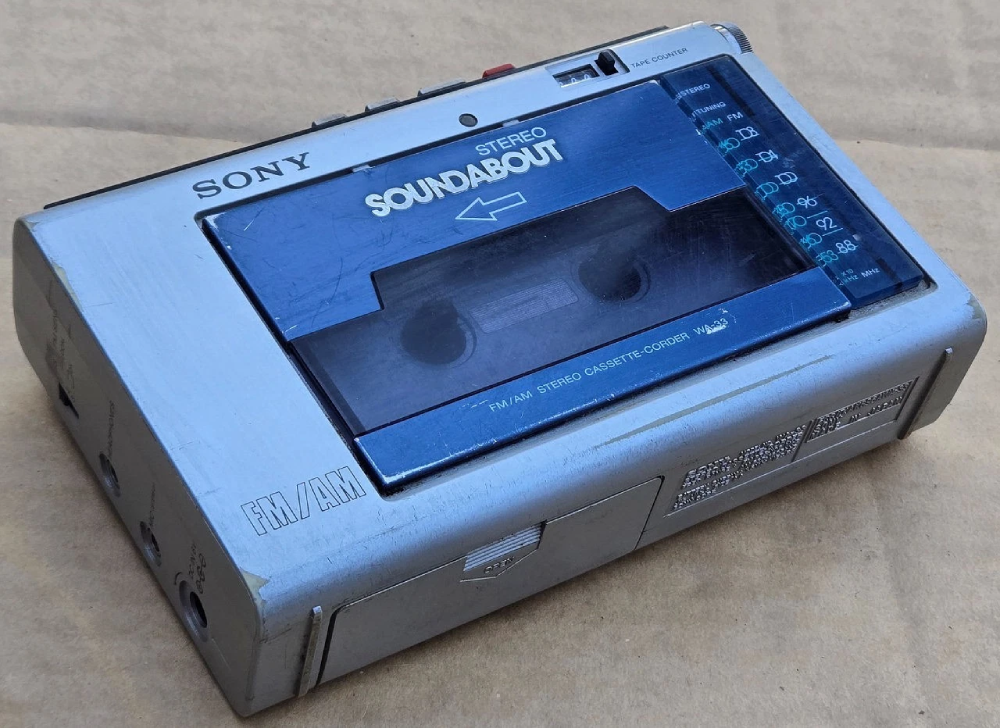
Fearing that the translated Japanese phrasing would confuse American buyers in 1979, Sony executives initially launched their revolutionary portable cassette player under the clunky title Soundabout. The alternative name was a complete retail disaster, prompting co-founder Akio Morita to aggressively force global distributors to use the now legendary Walkman branding just months later.
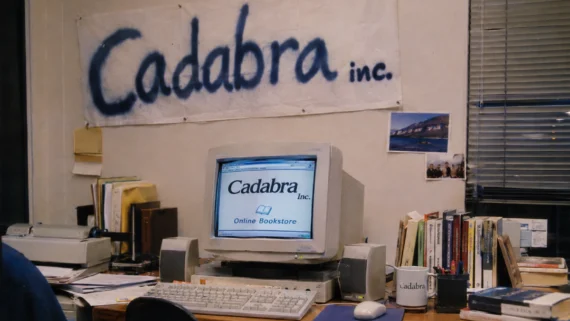
5. Amazon – Originally Cadabra
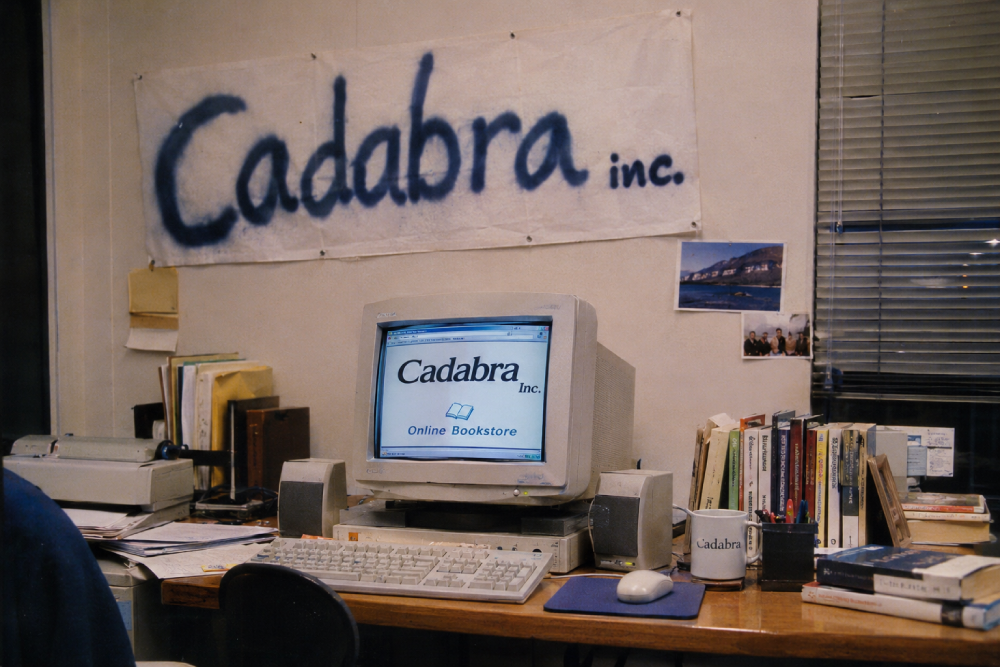
When Jeff Bezos officially incorporated his massive online bookstore in 1994, he chose the name Cadabra as a clever nod to the magical phrase abracadabra. He rapidly abandoned the mystical branding after his own corporate lawyer misheard the title over a poor phone connection, mistaking the growing tech company name for the highly morbid word cadaver.
Trending on The Scroller
6. Starburst – Originally Opal Fruits
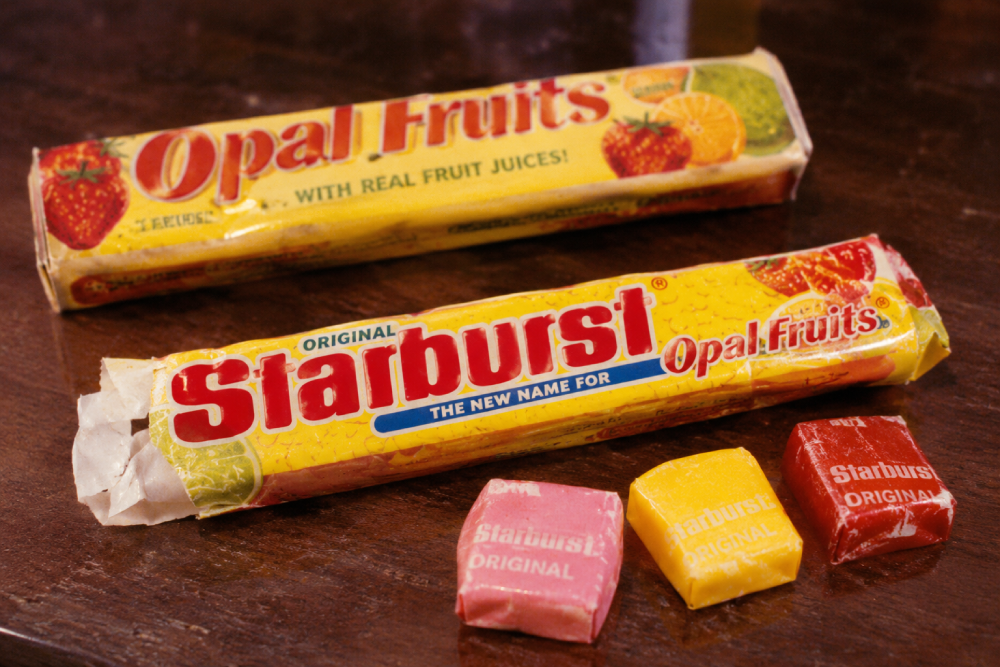
Mars executive Peter Pfeffer successfully launched these chewy, square fruit candies across the United Kingdom in 1960 under the highly confusing name Opal Fruits. When the company desperately wanted to capture the American market in 1967, they adopted the vibrant Starburst identity to perfectly match the massive national obsession with the ongoing Space Race.
7. Best Buy – Originally Sound of Music
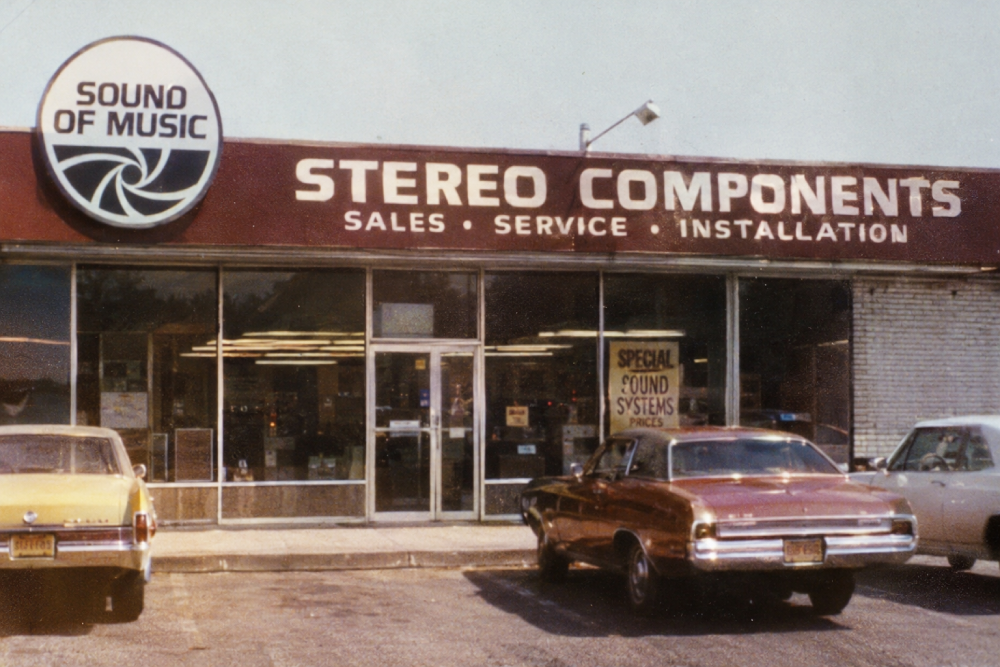
Richard Schulze opened his very first specialized stereo equipment store in St. Paul, Minnesota, in 1966 under the highly theatrical name Sound of Music. After a massive 1981 tornado completely destroyed his flagship location, Schulze held a desperate parking lot clearance sale promising the best buys in town, instantly realizing the catchy phrase was a far superior corporate identity.
8. Tinder – Originally Matchbox
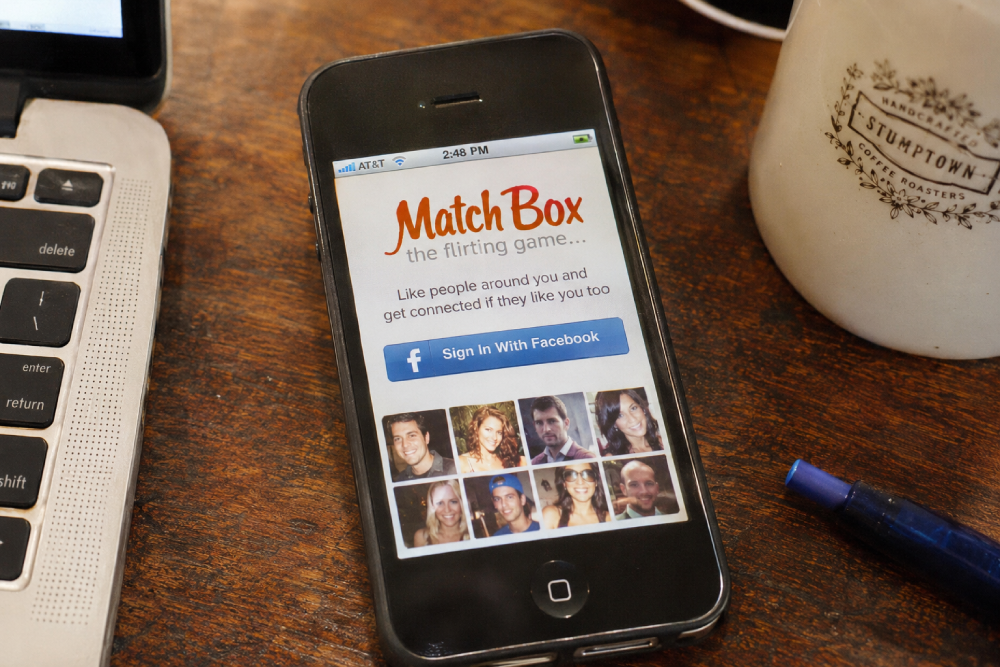
During a highly competitive 2012 hackathon in West Hollywood, founders Sean Rad and Joe Munoz originally coded their revolutionary dating app under the fiery title Matchbox. Realizing they could face immediate legal threats from the established Match.com empire, they cleverly pivoted to Tinder to keep the subtle romantic flame theme alive without inviting a massive corporate lawsuit.
Sign up for our newsletter
9. BlackBerry – Originally PocketLink
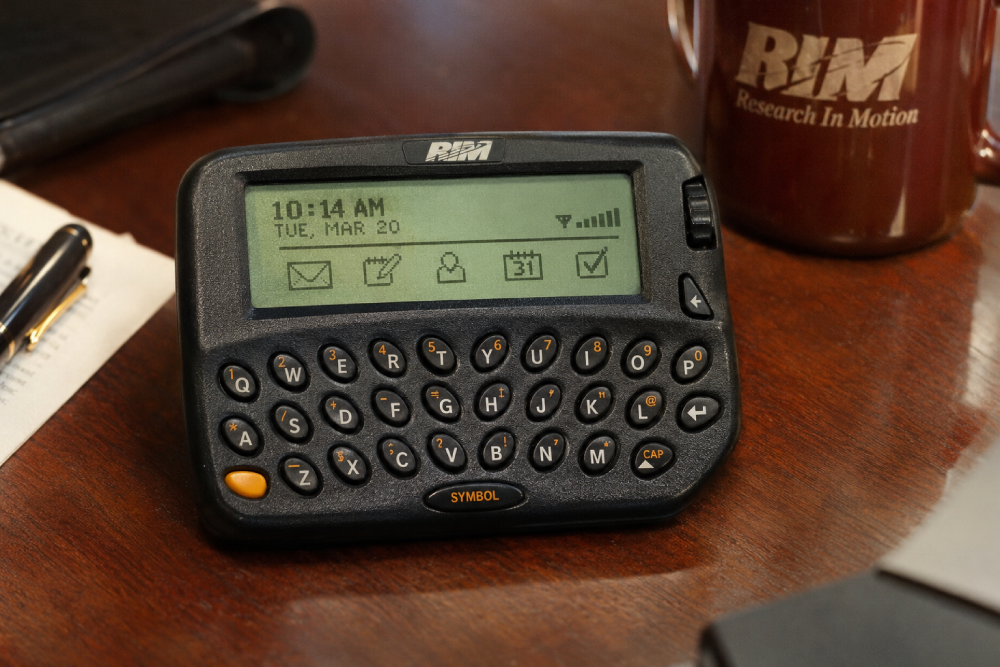
Before dominating the early smartphone market in 1999, the Canadian tech firm Research in Motion planned to sell their addictive email pager under the incredibly boring name PocketLink. A hired branding agency pointed out that the tiny black buttons on the keyboard strongly resembled seeds, prompting the brilliant pivot to the fruity moniker that defined early 2000s corporate culture.
10. Nike – Originally Blue Ribbon Sports
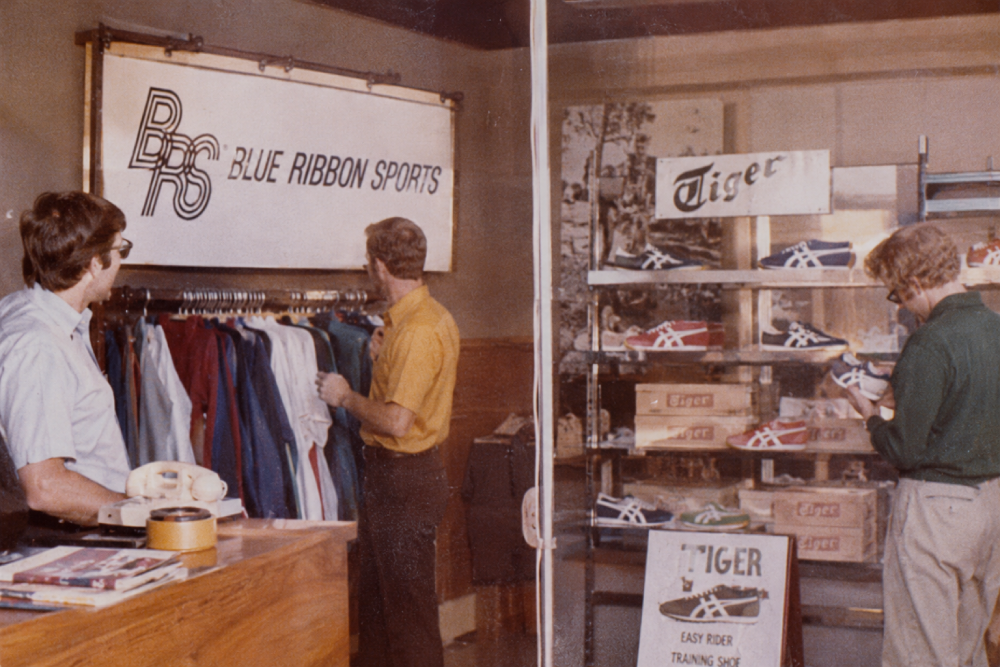
University of Oregon track athlete Phil Knight and his coach Bill Bowerman operated their highly successful imported sneaker distribution business under the incredibly dry name Blue Ribbon Sports starting in 1964. Preparing to launch their own original manufacturing line in 1971, their very first hired employee, Jeff Johnson, literally dreamt of the Greek goddess of victory, securing the iconic Nike title just days before production began.
11. Subway – Originally Pete’s Super Submarines
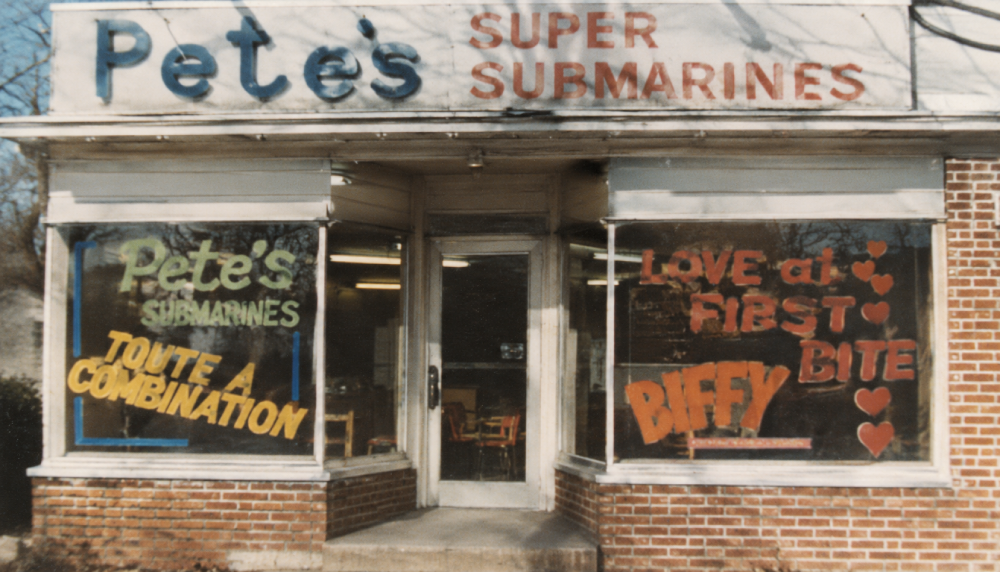
Seventeen-year-old Fred DeLuca opened his very first sandwich shop in Bridgeport, Connecticut, in 1965, naming it Pete’s Super Submarines to honor his financial backer, Dr. Peter Buck. When local radio advertisements accidentally made the lengthy title sound like pizza marines to listeners, DeLuca quickly rebranded the struggling restaurant into the catchy Subway empire we know today.
12. Play-Doh – Originally Kutol Wall Cleaner
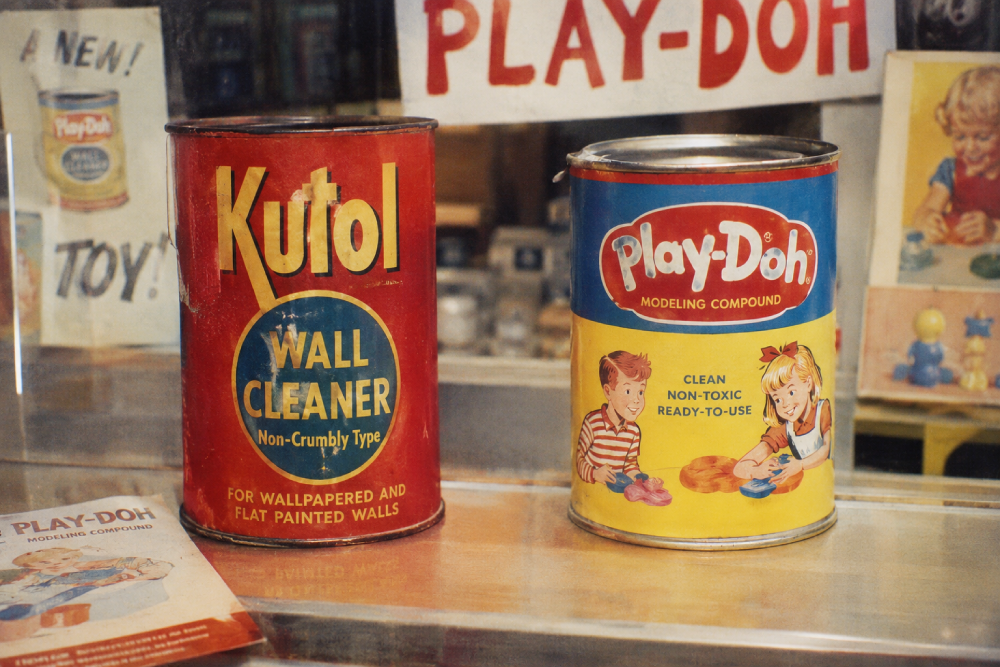
In 1933, Cleo McVicker created a squishy, non-toxic putty specifically designed to wipe heavy coal soot off residential wallpaper, marketing it heavily as Kutol Wall Cleaner. When oil and gas heating made the industrial product completely obsolete in the 1950s, his nephew cleverly added colorful dye to the dough and rebranded it as a beloved nursery school toy.
Take a look at more stories about brands’ history:
Looking back at these massive corporate pivots proves that sometimes the only thing standing between bankruptcy and global domination is a simple rebranding strategy. If you love exploring interesting facts about famous brands, make sure to check out these Pantry Ghosts: 14 Forgotten Food Brands from the Past or these 16 Surprising Companies Sold Before Becoming Giants. You may also like these 16 Iconic American Companies Started On a Budget.