Sitting in a terminal watching planes taxi across the tarmac or waiting for a gate assignment can feel like dead time. Every modern airport is a massive hub of engineering, hidden histories, and subtle operational choices that most travelers walk right past without noticing.
From mysterious three-letter location codes to a major European terminal sitting below sea level, the infrastructure of air travel is full of unexpected details. These 12 verified facts offer reliable entertainment while waiting for a flight, turning a routine layover into a quick lesson in aviation history.
1. The X in LAX doesn’t stand for anything
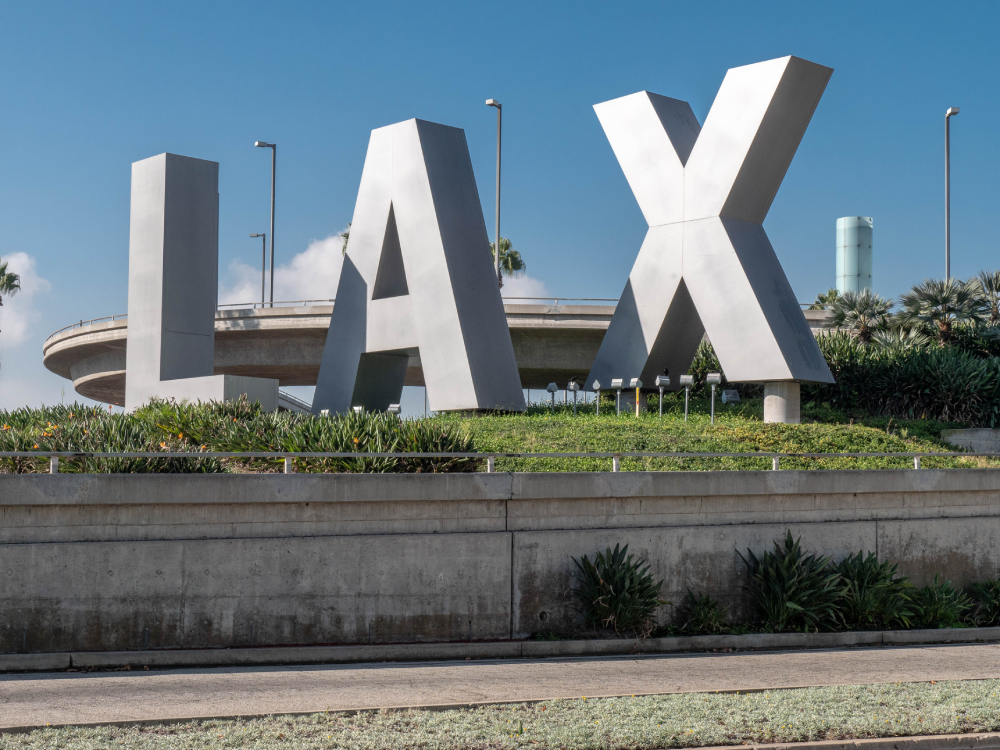
Los Angeles International Airport was originally designated as LA back when two-letter codes were standard across North America. As commercial aviation expanded rapidly during the 1930s, the industry transitioned to three-letter identifiers, and an X was simply added to the end to create LAX. Official records from the airport confirm that the extra letter carries no special meaning or hidden acronym.
2. Runway numbers are actually compass directions
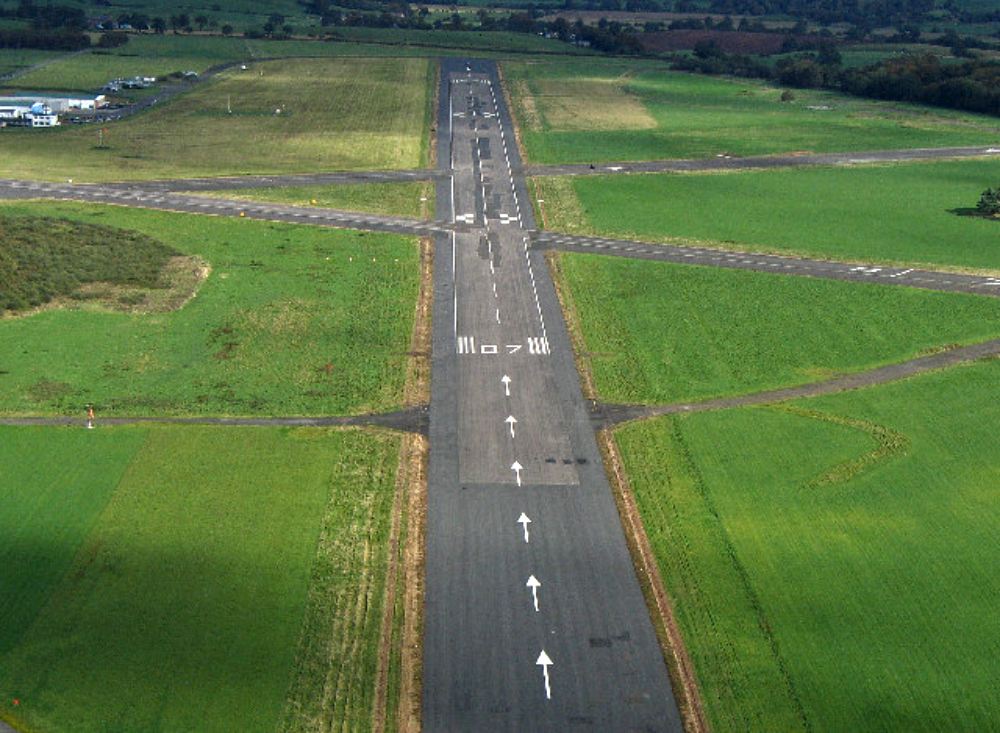
The giant painted numbers at the end of every runway correspond directly to magnetic compass headings. A runway marked 27 points roughly west at 270 degrees, with the final zero dropped for simplicity. Because aircraft can land or take off from either direction depending on wind conditions, the opposite end of that exact same strip is labeled 09 to represent a 90-degree eastward heading.
3. Amsterdam’s major airport sits at the bottom of an old lake
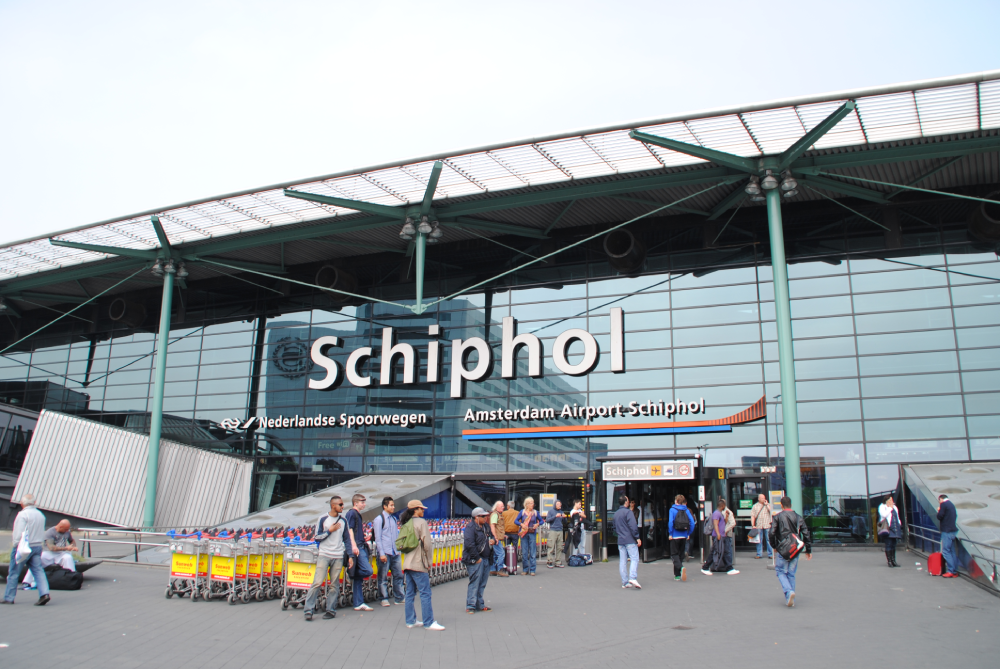
Schiphol Airport in Amsterdam rests on land that was once covered by Haarlemmer Lake, which was completely drained in 1852. Official airport records show the tarmac sits more than four meters below sea level, making it one of the lowest major international flight hubs on Earth. Aircraft have been landing on this former lakebed continuously since military biplanes first arrived in 1916.
4. Airplane windows are rounded to prevent structural damage
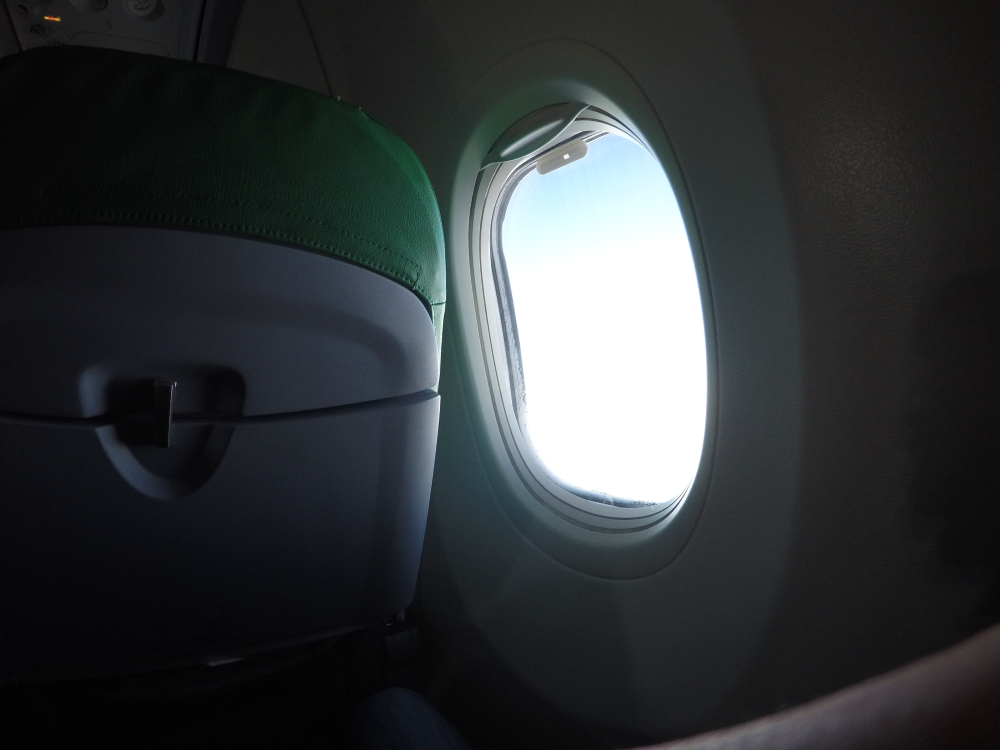
Early commercial jetliners like the British de Havilland Comet originally featured squarish cabin windows. Following catastrophic structural failures during the 1950s, Federal Aviation Administration historical records show that investigators discovered intense mechanical stress concentrating at the sharp 90-degree corners of pressurized cabins. Curving the edges distributes that pressure evenly along the fuselage, leading directly to the oval windows used on modern passenger jets.
5. O’Hare Airport keeps a code from its previous name
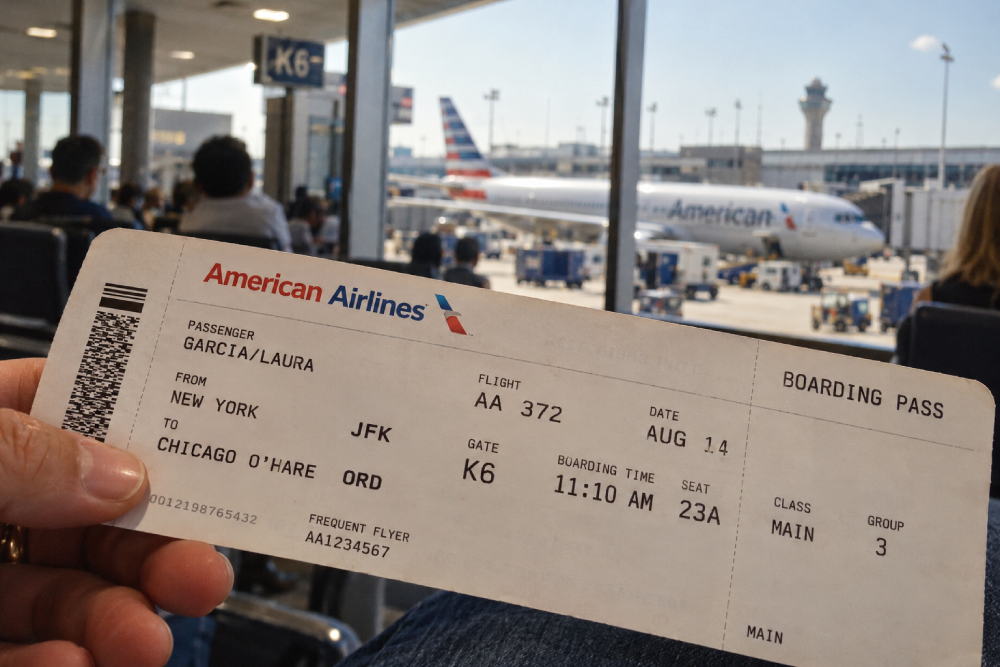
Travelers navigating Chicago’s busiest hub often wonder why O’Hare uses the three-letter code ORD. The letters refer back to Orchard Field, the location’s original identity before it was renamed in 1949 to honor World War II naval aviator Edward “Butch” O’Hare. While the official name on the terminal changed, the original aeronautical code was preserved by the Chicago Department of Aviation.
Trending on The Scroller

6. A glitched baggage system delayed an airport opening for months
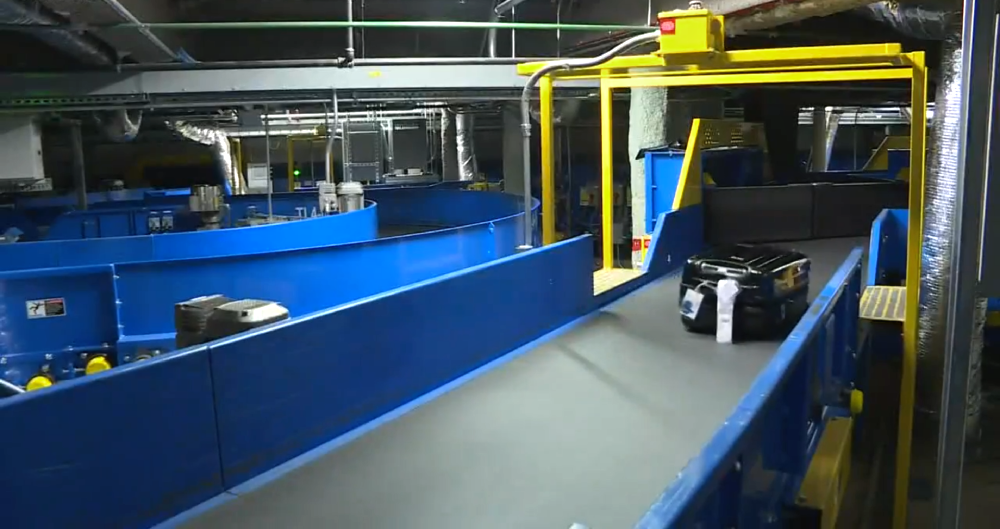
Denver International Airport was originally scheduled to open in October 1993, but an ambitious automated baggage system derailed the timeline. Government Accountability Office reports document how test luggage routinely fell from automated carts, jammed conveyor belts, and was misrouted to incorrect concourses. The technical issues delayed the official opening until February 1995, driving the baggage system’s price tag from $195 million to over $290 million.
7. Singapore’s airport features the world’s tallest indoor waterfall
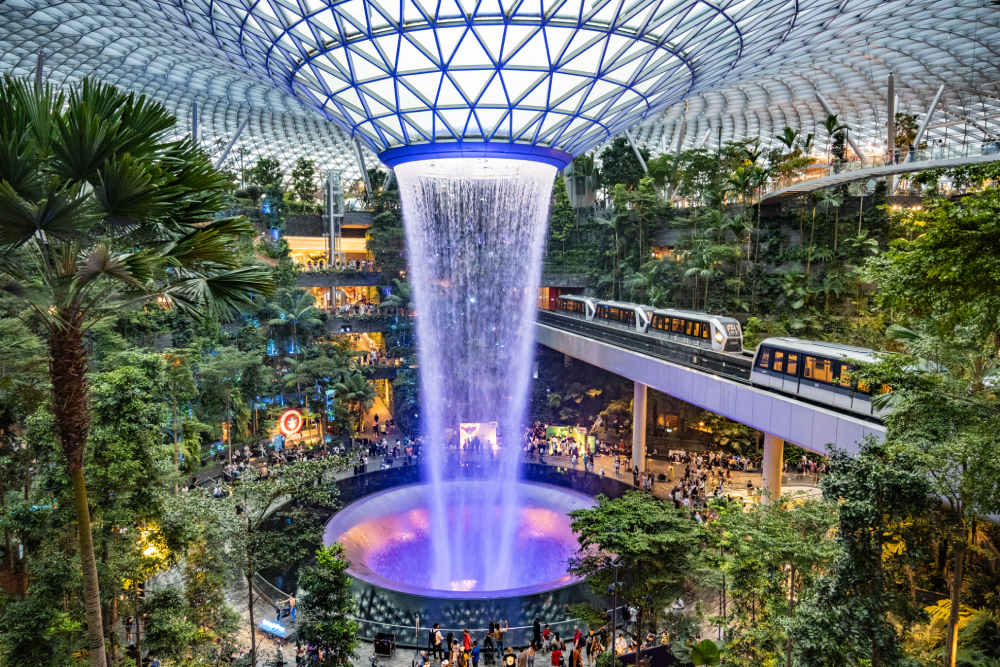
Changi Airport in Singapore contains the Rain Vortex, a 131-foot indoor waterfall located inside the Jewel shopping complex. Water cascades down seven stories through the center of a glass-domed building surrounded by thousands of tropical plants. Recognized as the world’s tallest indoor waterfall, it gives travelers a reason to explore the terminal long before boarding begins.
8. San Francisco International features an accredited museum
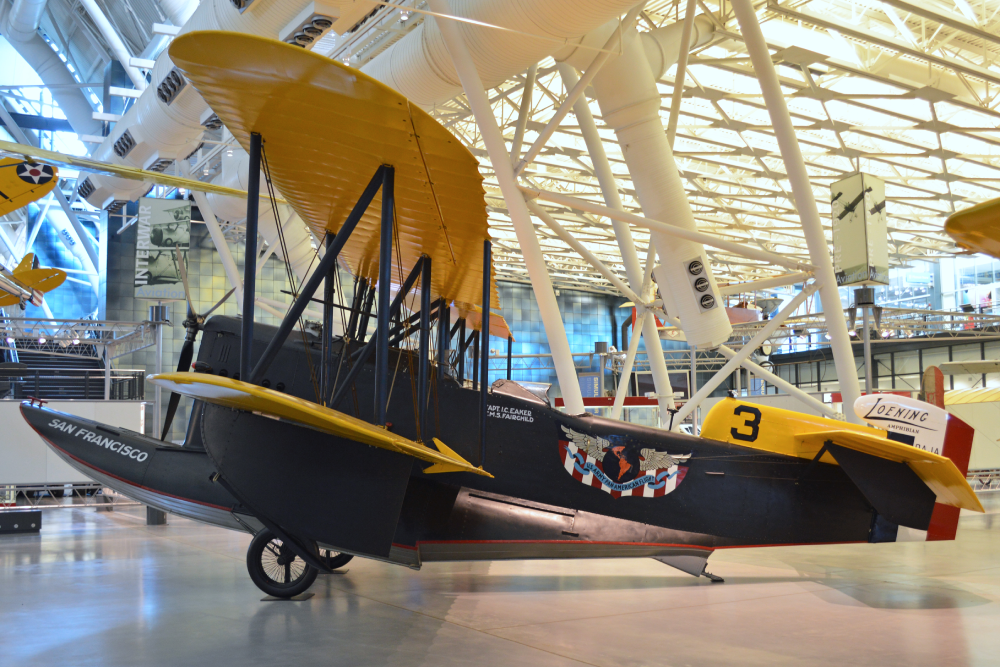
San Francisco International Airport contains much more than standard waiting areas and shops. In 1999, it became the first airport in the world to receive official accreditation from the American Alliance of Museums. Passengers walking through the terminals can view curated, rotating exhibitions covering art, cultural history, and aviation heritage during long layovers.
Sign up for our newsletter
9. The liquid carry-on rule only dates back to 2006
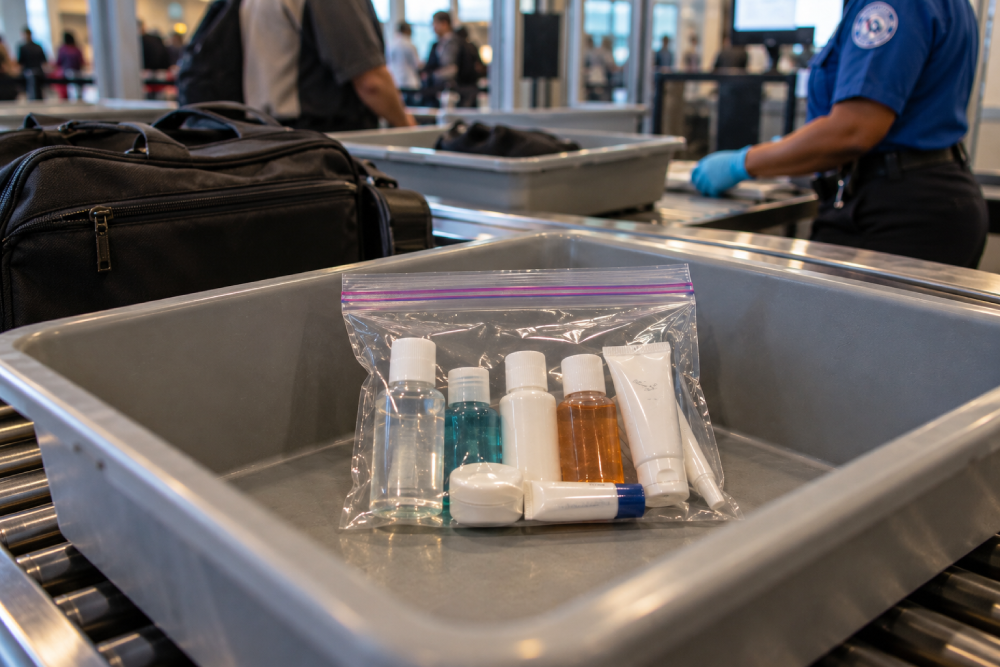
Packing travel-sized toiletries in clear plastic bags is a relatively recent security requirement. The Transportation Security Administration introduced strict liquid bans in August 2006 after British authorities thwarted a plot involving liquid explosives intended for transatlantic flights. By September 2006, the TSA established its standard 3-1-1 rule, allowing passengers to bring small containers inside a single clear plastic bag through screening checkpoints.
10. Checked bags can travel miles underground before reaching the plane
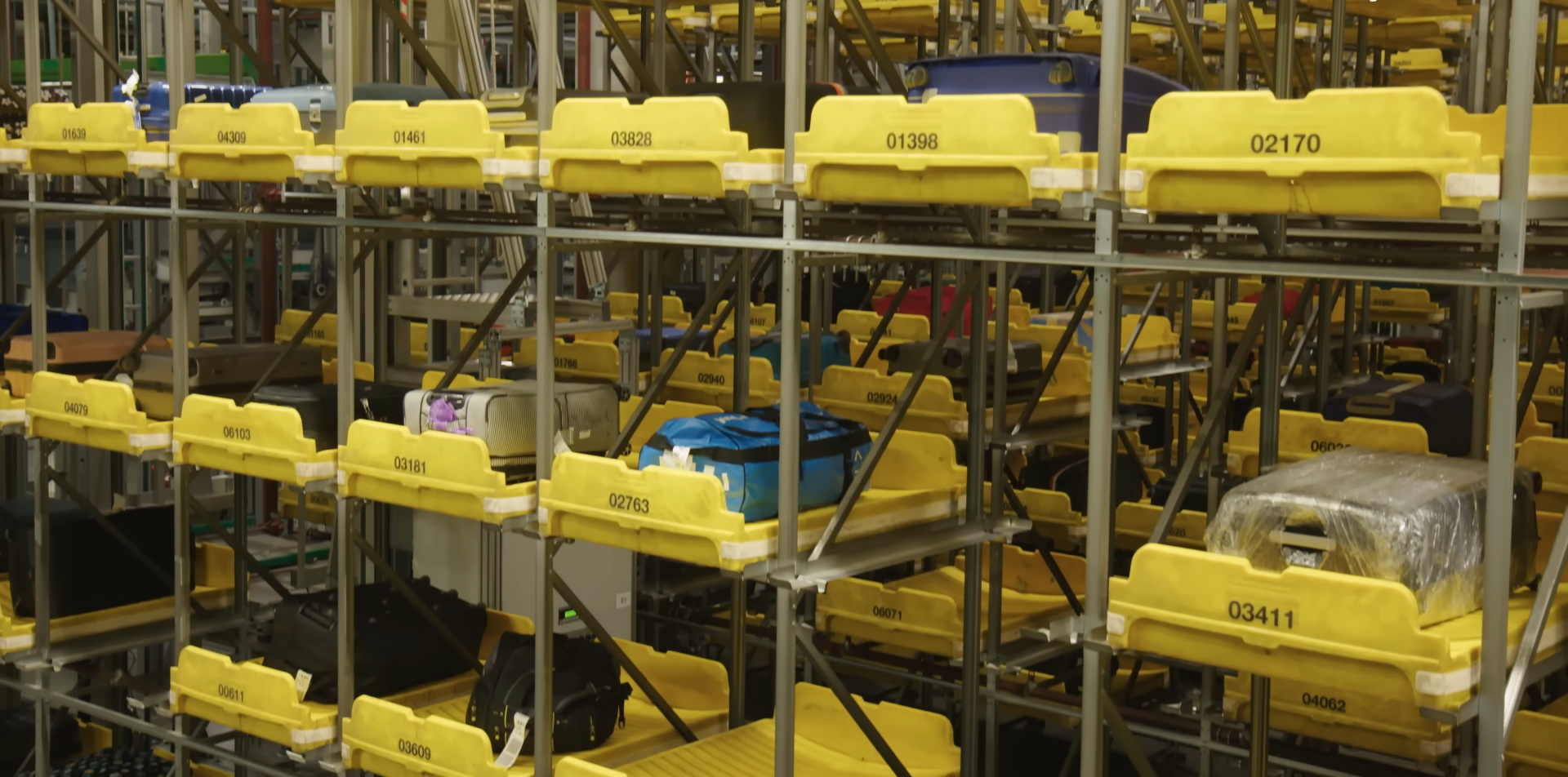
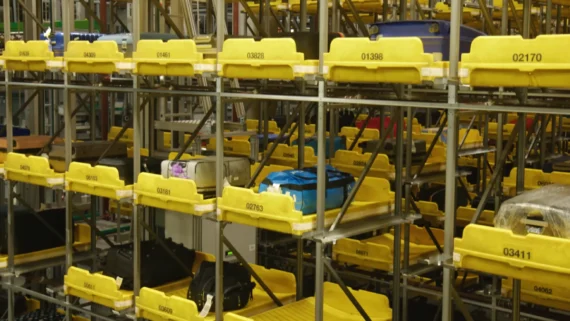
At Amsterdam’s Schiphol Airport, checked luggage undergoes a massive journey long before it ever reaches an aircraft cargo hold. Airport engineering documents show that a single bag can travel up to 1.55 miles through an elaborate subterranean network containing over 18 miles of conveyor tracks and nearly 10,000 individual electric motors.
11. Shifting winds regularly force air traffic controllers to change runways
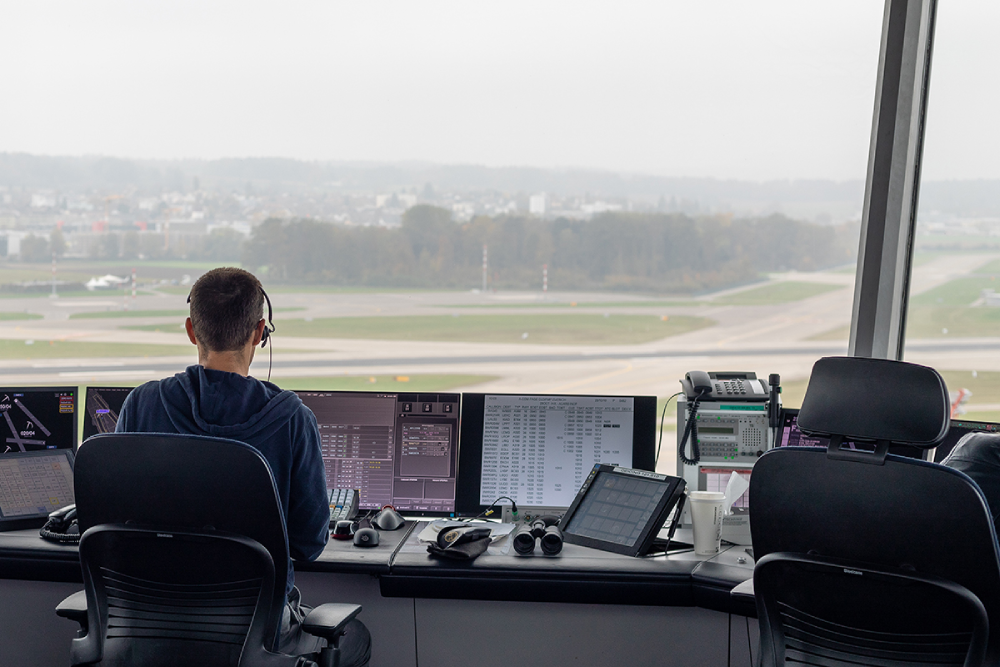
When an airport suddenly switches its takeoff and landing patterns, changing wind conditions are almost always the cause. Aircraft perform far better when taking off or landing directly into the wind, which generates necessary aerodynamic lift at lower ground speeds. Federal Aviation Administration guidelines require controllers to select active runways aligned with prevailing winds whenever possible, resulting in sudden shifts in flight paths over surrounding neighborhoods.
12. Cabin air is replaced far more frequently than office building air
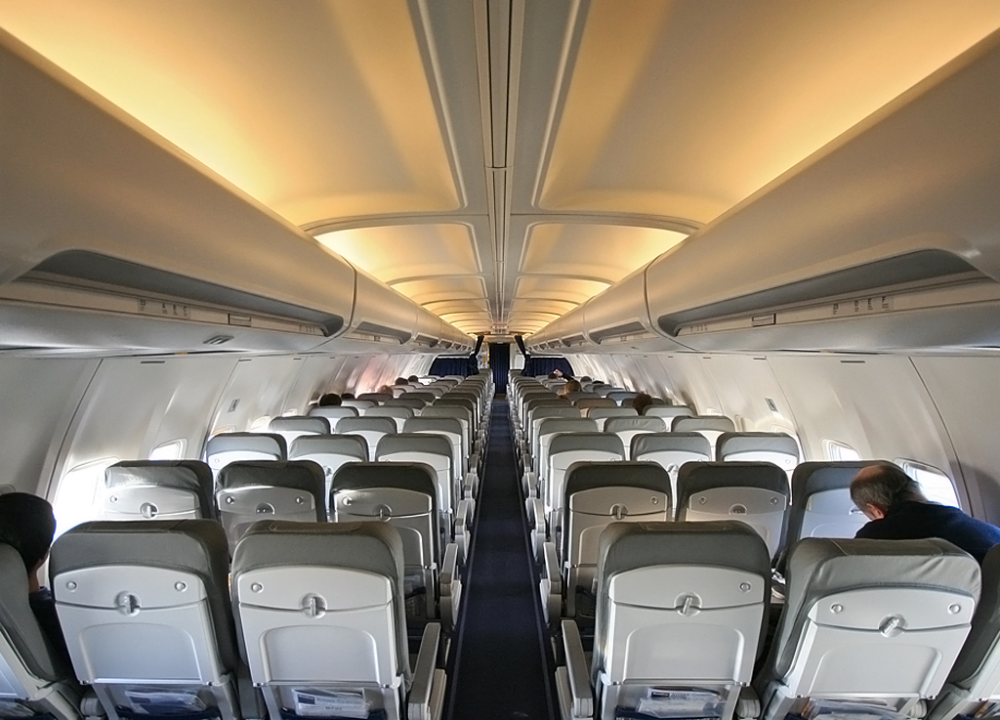
Despite common assumptions that aircraft cabin air is stale, modern ventilation systems are remarkably active. Centers for Disease Control and Prevention data reveals that commercial jets typically refresh cabin air 20 to 30 times per hour. The recirculated air passes through industrial HEPA filters that capture 99.97% of airborne particles, making the air exchange rate significantly higher than typical office buildings.
Explore more mind-blowing facts:
Knowing the stories behind runway markings, subterranean conveyor systems, and three-letter codes turns a tedious delay into an engaging observation game. Next time your flight is delayed, take a look around the terminal and see how many hidden details you can spot before boarding. If you want more interesting facts to lighten up a conversation, make sure to check out these 14 TV Facts That Finally Settle Classic Sitcom Debates or these 14 Unbelievable 20th Century Events That Sound Like Movies. You can also explore these 14 Interesting Facts To Start a Debate at the Dinner Table.