

When we step into a modern grocery store, browse digital wellness forums, or plan our weekly meals, we are constantly bombarded with conflicting dietary advice. We strive to design our daily routines around scientific principles, aiming to make informed choices that optimize our physical energy and long-term health. Over the years, major corporate advertising campaigns, sensationalized media headlines, and well-meaning family advice have established a rigid set of cultural rules regarding what food we should put on our plates. This overwhelming landscape of commercial information has turned ordinary grocery shopping into a complex mental chore, leaving us to assume that traditional kitchen wisdom is always backed by genuine clinical research.
The reality of modern dietary science reveals that some of our most deeply ingrained beliefs about everyday nutrition are based on outdated studies or clever marketing manipulations. From decades of public warfare against dietary fats to the unnecessary avoidance of specific food groups, these persistent misconceptions refuse to leave the public consciousness. Certified dietitians and medical researchers spend countless hours analyzing clinical trials, trying desperately to dismantle these pervasive urban legends that actively complicate our relationship with eating. Let’s separate factual biochemistry from commercial folklore as we explore seventeen stubborn food myths that nutrition experts have been trying to lay to rest for decades.
1. Eating eggs daily will skyrocket your bad cholesterol

For generations, breakfast lovers were warned to strictly limit their egg consumption to avoid clogging their arteries and triggering cardiovascular issues. This long-standing panic originated from early nutritional studies that simply observed high levels of organic cholesterol packed inside animal yolks. Modern clinical trials have successfully proven that dietary cholesterol found naturally in poultry products has an incredibly negligible impact on blood cholesterol levels for the vast majority of healthy adults. In fact, eggs are highly celebrated today as an exceptionally complete protein source, offering vital micronutrients like choline and lutein that actively support optimal brain function and eye health.
2. Searing meat seals in the juices

Home cooks and professional chefs alike have spent generations dutifully scorching the exterior of steaks on cast-iron skillets under the firm belief that the resulting crust locks in moisture. This widespread culinary doctrine was popularized in the 19th century by a prominent German chemist named Justus Von Liebig, who mistakenly deduced that high heat created an impermeable barrier. Nutritional scientists and food biochemists have thoroughly debunked this theory by weighing meat samples before and after the cooking process. The experiments conclusively showed that seared meat actually loses slightly more moisture than non-seared cuts, proving that the technique is exclusively useful for developing rich flavor compounds via the Maillard reaction.
3. Celery is a negative-calorie food that takes more energy to digest than it contains

The mythical concept of a zero-risk snack propelled celery to absolute stardom across alternative weight-loss communities for several decades. Enthusiasts passionately claimed that the human digestive tract expended an immense amount of metabolic energy breaking down the plant’s tough, fibrous cellular walls, resulting in a net caloric deficit. While celery is admittedly composed of roughly ninety-five percent water and possesses very little metabolic energy to begin with, the actual thermogenic effect of digestion uses only a tiny fraction of its total content. Nutritional studies confirm that you still absorb a small number of carbohydrates and essential vitamins from each crunch, making a truly negative-calorie food an absolute biological impossibility.
4. Raw vegetables are universally healthier than cooked ones

The raw food movement gained a massive commercial footprint by asserting that exposing fresh produce to thermal heat systematically vaporizes its delicate internal enzymes and raw nutritional value. While it is scientifically true that boiling can leach water-soluble elements like vitamin C out of greens, cooking actually unlocks a treasure trove of hidden antioxidants. For instance, heating tomatoes breaks down their thick cellular walls to dramatically increase the bioavailability of lycopene, a powerful compound directly linked to prostate and heart health. Similarly, cooking carrots significantly elevates the absorption rates of beta-carotene, proving that a balanced mix of raw and cooked produce yields the absolute best biological results.
5. Microwave ovens destroy the nutritional integrity of your meals

The widespread cultural anxiety surrounding microwave radiation convinced millions of homeowners that these convenient kitchen appliances completely strip provisions of their organic vitality. This persistent myth stems from a basic misunderstanding of physics, leading people to fear that electromagnetic waves create dangerous alterations within molecular structures. Nutritional biochemistry confirms that the absolute primary enemies of essential vitamins are prolonged exposure to heat and excessive amounts of water. Because microwaving cooks items remarkably fast and requires almost zero additional liquid, it actually preserves delicate nutrients like B-vitamins significantly better than traditional boiling or baking methods.
Trending on The Scroller


6. Brown sugar is an inherently healthier alternative to white sugar

Health-conscious shoppers routinely substitute standard white table sugar with dark brown varieties, assuming the rustic color represents a less refined, vitamin-rich ingredient. In the commercial sugar industry, brown sugar is almost exclusively manufactured by taking refined white sucrose crystals and mixing them with a small splash of liquid molasses. While molasses does contain microscopic traces of essential minerals like calcium and iron, the actual quantities are so completely minuscule that they offer zero functional therapeutic value to the human body. Metabolically speaking, your liver and pancreas process both varieties identically, meaning that overconsumption of either option triggers the same metabolic strain.
7. Consuming fats will instantly make you gain body fat
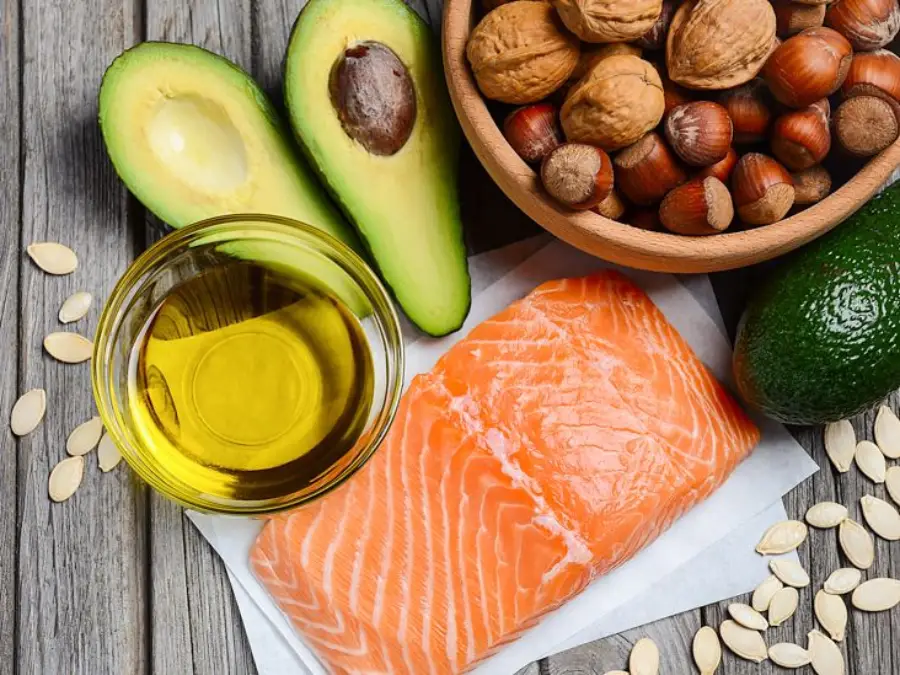
The aggressive, multi-million-dollar low-fat corporate marketing boom of the late 20th century successfully demonized an entire macro-group, driving consumers toward highly processed, sugar-laden alternatives. This dietary panic was built on a simplistic linguistic association, leading people to believe that consuming lipid compounds translated directly into physical adipose tissue. Clinical nutrition has completely dismantled this theory, proving that healthy unsaturated fats are absolutely vital for maintaining stable hormone production, absorbing fat-soluble vitamins, and protecting cellular walls. Excess total caloric intake mixed with systemic metabolic inflammation is the actual driver of unwanted weight gain, not the simple presence of clean fats like avocados or nuts.
8. Cranberry juice is a clinically proven cure for active urinary tract infections

Millions of individuals rush to the supermarket to purchase bottles of tart fruit nectar the exact second they experience the painful symptoms of a bladder infection. This highly popular remedy gained traction because cranberries contain specific chemical compounds called proanthocyanidins, which can prevent harmful bacteria from adhering to internal urinary walls. However, multiple comprehensive clinical reviews have confirmed that commercial juice drinks simply lack a high enough concentration of these active ingredients to eliminate an established bacterial colony. While pure extracts might offer minor preventative support, an active infection requires targeted medical evaluation and standard antibiotic therapy to resolve safely without risking kidney complications.
Sign up for our newsletter
9. Frozen fruits and vegetables are less nutritious than fresh produce

A dominant culinary stigma asserts that the items found inside the grocery freezer section are cheap, lower-quality variations that have lost their original nutritional value. In reality, large-scale commercial agricultural operations transport freshly harvested produce directly to freezing facilities within hours of being picked from the field. This rapid flash-freezing technique effectively locks in delicate vitamins and antioxidants at their absolute nutritional peak, preserving them flawlessly for months. Conversely, the fresh produce sitting under display lamps has often traveled thousands of miles across global supply chains, losing vital nutrients every single day it spends exposed to oxygen and ambient light.
10. Skipping breakfast will permanently demolish your metabolic rate
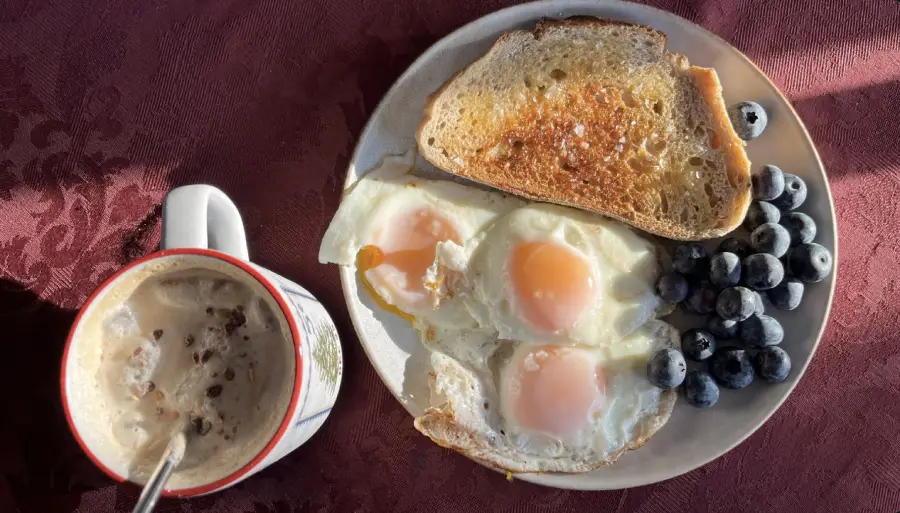
The old-school dietary doctrine that breakfast is the absolute most essential meal of the day convinced generations that avoiding food in the morning would stall their weight-loss goals. Early observational studies sponsored heavily by commercial breakfast cereal corporations claimed that skipping an early meal caused the human body to enter a protective starvation mode that hoarded body fat. Modern metabolic research tracking daily energy expenditure has proven that total caloric balance and overall nutrient density across twenty-four hours dictate metabolic health. Your thyroid and metabolic organs do not suddenly shut down if your first meal occurs at noon, allowing individuals to safely adapt their eating schedules to their natural circadian rhythms.
11. White potatoes are empty carbs that offer zero functional value
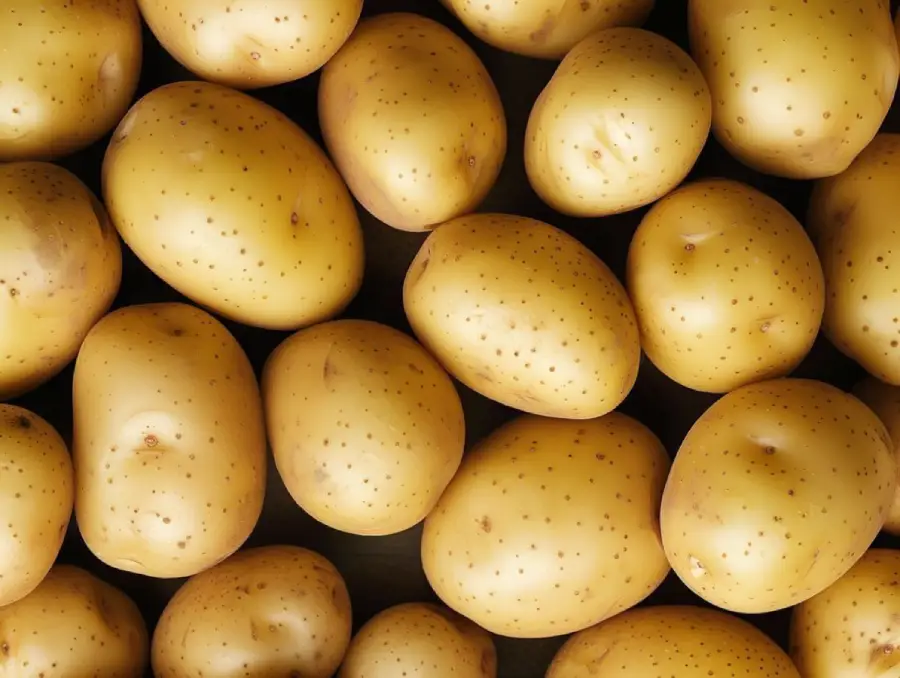
The rapid rise of trendy low-carbohydrate diets cast a dark shadow over the humble white spud, labeling it a dangerous, starch-heavy villain that triggers immediate blood sugar spikes. While potato varieties should be consumed mindfully by individuals managing specific diabetic conditions, they are far from empty calories. A single baked white potato contains a significantly higher concentration of essential potassium than a standard banana, while additionally delivering a healthy dose of vitamin C and magnesium. Furthermore, when cooked potatoes are allowed to cool completely, they develop high levels of resistant starch, a unique fiber compound that acts as a powerful prebiotic to nourish beneficial gut bacteria.
12. Drinking milk is the absolute only way to maintain strong, healthy bones
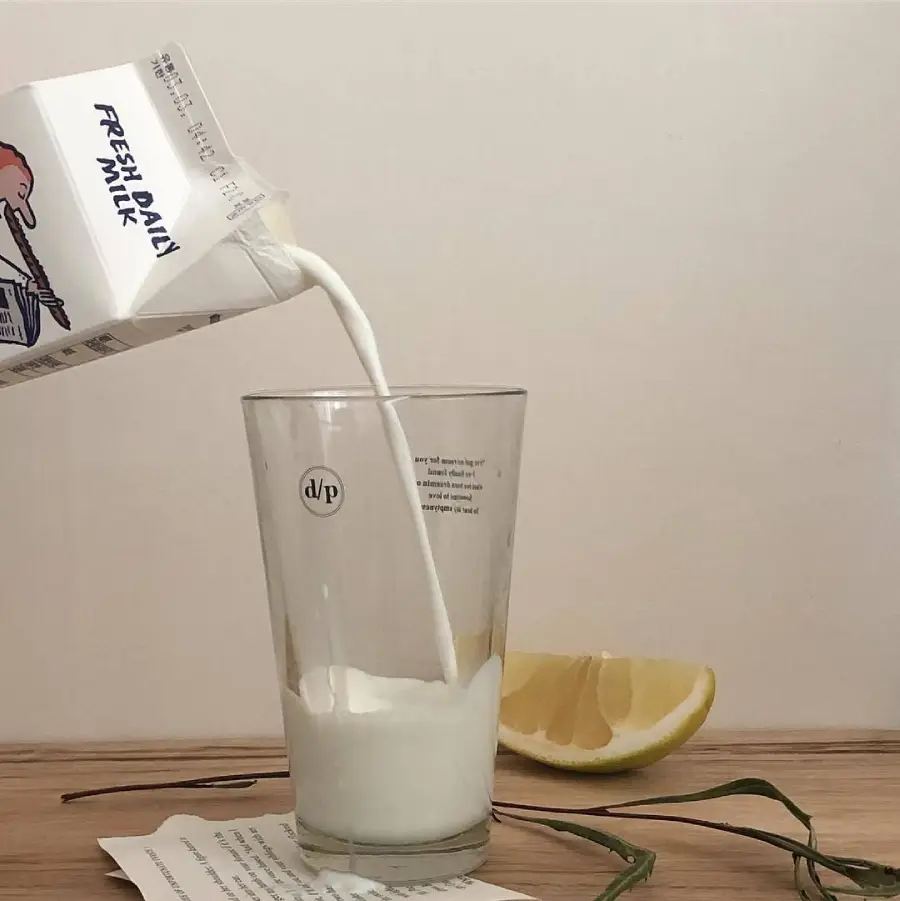
The massive, celebrity-backed dairy marketing campaigns of the 1990s permanently convinced global audiences that a daily glass of cow’s milk was an absolute non-negotiable requirement for skeletal survival. While milk is certainly a convenient source of calcium and fortified vitamin D, it is far from the only path toward protecting your bone mineral density. Massive epidemiological studies have shown that populations with the highest dairy consumption do not automatically experience lower rates of bone fractures. Excellent skeletal health depends heavily on a combination of weight-bearing physical exercise, adequate protein intake, and calcium sourced from varied options like leafy greens, tofu, fish, and seeds.
13. High-fructose corn syrup is monstrously worse for the body than cane sugar

A fierce public relations war led many premium food brands to proudly display “No High-Fructose Corn Syrup” banners on their packaging, replacing the ingredient with traditional evaporated cane juice or raw sugar. This clever corporate labeling maneuver plays on consumer anxieties, implying that the corn-derived sweetener is uniquely toxic to the human liver. From a purely biochemical perspective, high-fructose corn syrup typically consists of a fifty-five to forty-five split of fructose and glucose, which is almost completely identical to the fifty-five split found in standard table sugar. The human metabolic system processes both refined sweeteners in the exact same manner, meaning that reducing overall intake of all added sugars is what actually yields true health benefits.
14. Sea salt is a significantly lower-sodium alternative to standard table salt

Gourmet cooking shows and artisan grocery brands popularized the idea that coarse pink Himalayan salt and sea salt crystals are inherently superior, low-sodium alternatives to traditional iodized shaker salt. This misconception represents a basic failure of chemical measurements, as both varieties are composed of roughly ninety-eight percent pure sodium chloride. The primary difference lies exclusively in the physical size of the crystals and the presence of minute, microscopic traces of marine minerals that provide subtle variations in flavor and texture. Because coarse sea salt crystals occupy more physical space on a spoon than fine table salt, you might naturally consume slightly less by volume, but gram for gram, their impact on blood pressure remains identical.
15. You must drink exactly eight glasses of water every single day

The rigid, universally repeated health commandment prescribing a strict daily intake of eight ounces of water has driven millions to obsessively monitor their water bottles. This mathematical myth stems from a decades-old nutritional guideline that completely omitted a vital piece of context regarding human hydration mechanics. The original researchers explicitly stated that the vast majority of our daily fluid requirements are already met through the moisture packed inside our regular meals, fruits, and daily beverages like coffee or tea. Your exact hydration needs fluctuate wildly based on ambient temperature, local humidity, activity levels, and body mass, making your body’s natural sensation of thirst a far more reliable indicator than an arbitrary numerical goal.
16. Detox diets and cleansing teas are mandatory to purge daily toxins

The multi-billion-dollar wellness industry aggressively promotes expensive juicing fasts, charcoal elixirs, and herbal laxative teas as essential tools for flushing hazardous environmental waste out of our internal organs. These commercial products rely heavily on vague, unscientific fear-mongering terminology to convince healthy individuals that their bodies are naturally sluggish and full of impurities. In reality, the human body is already equipped with an incredibly sophisticated, non-stop internal detoxification system led by a healthy liver, two functional kidneys, and a dynamic gastrointestinal tract. No clinical study has ever proven that a commercial juice cleanse improves these natural metabolic pathways, meaning that supporting your organs with adequate hydration and fiber is all that is genuinely required.
17. Spinach is an absolute powerhouse source of bioavailable iron
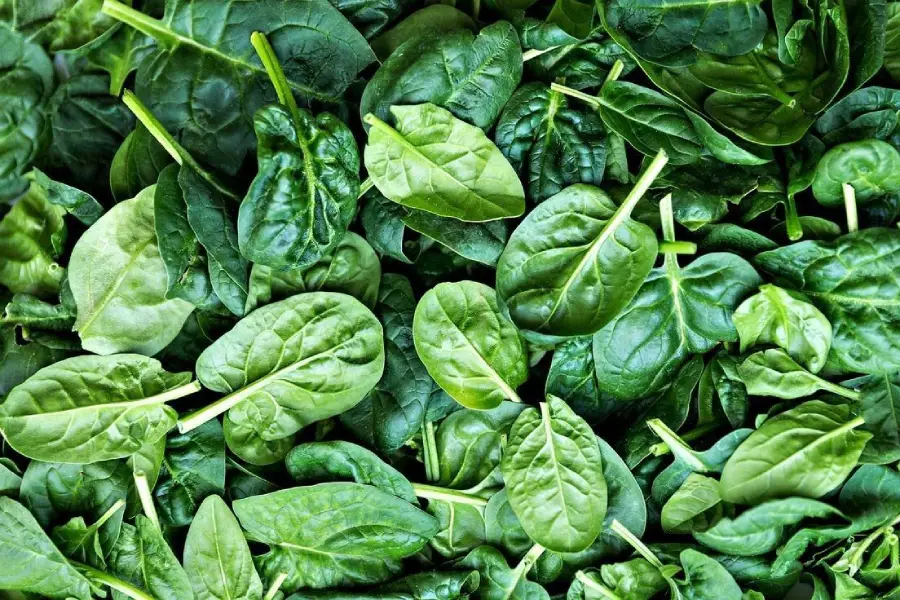
The legendary pop culture myth regarding the staggering, muscle-building iron content of spinach was inadvertently supercharged by an early scientific typographical error that misplaced a decimal point in analytical records. This clerical blunder artificially multiplied the green’s perceived iron density by ten, creating a cultural legend that media outlets and cartoon characters celebrated for decades. While spinach is undeniably a wonderfully nutritious vegetable packed with vitamins, the specific type of iron it contains is known as non-heme iron. This plant-based variant is tightly bound to oxalic acid compounds within the leaf structure, making it incredibly difficult for the human digestive tract to actively absorb without the assistance of a companion dose of vitamin C.
Want more interesting facts?
Uncovering the true biochemistry behind these persistent dietary illusions serves as an empowering reminder that true physical wellness does not require adhering to stressful, highly restrictive commercial trends. When we allow peer-reviewed clinical research rather than sensationalized corporate advertising to guide our grocery shopping habits, eating becomes an incredibly simple and rewarding experience. If you enjoyed this illuminating dive into the hidden facts of the culinary world, make sure to explore these 15 Delicious Foods That Started Out as 19th-Century Medicine, or 15 Common Foods People Once Thought Were Healthy. You can also check out these 18 Everyday Foods People Once Thought Were Bad for You.