
The meticulous preparation guidelines that govern the contemporary culinary world typically emphasize strict ingredient ratios, automated climate controls, and highly disciplined kitchen protocols. Walking into a modern pastry shop, commercial processing plant, or high-end restaurant reveals an environment where culinary professionals strive for absolute consistency to guarantee a uniform consumer experience. However, a fascinating look back at the historical origins of our favorite pantry staples reveals that some of the most celebrated dishes on earth were born out of absolute chaos. Instead of resulting from months of calculated testing, these legendary menu items emerged from severe kitchen distractions, forgotten storage containers, and frantic culinary cover-ups.
The remarkable reality of these gastronomic transformations highlights just how beautifully a seemingly devastating kitchen mistake can redefine global food culture. The truth is that the commercial marketplace is packed with iconic foods that were originally dismissed as absolute failures before an adventurous taster realized a masterpiece had accidentally been created. Long before modern mass-production pipelines and chemical food sciences standardized what we eat, hungry innovators relied on sheer luck and happy accidents to discover entirely new dimensions of flavor. Let’s look back at fourteen legendary culinary staples that were invented entirely by accident, proving that the best kitchen creations are often the ones nobody actually planned.
1. Chocolate chip cookies – 1930s, Massachusetts
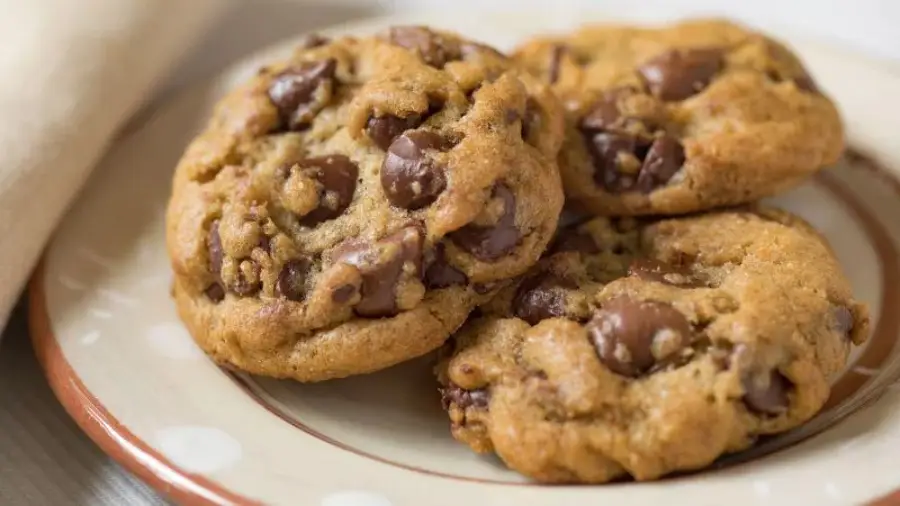
While managing the historic Toll House Inn, baker Ruth Graves Wakefield ran completely out of traditional baker’s chocolate while preparing a batch of chocolate cookies for her overnight guests. She decided to break a solid Nestlé semi-sweet chocolate bar into small fragments and tossed them directly into the dough, operating under the assumption that the pieces would melt smoothly to create uniform chocolate treats. Instead, the stubborn fragments retained their physical shape, creating the very first chocolate chip cookies and prompting Wakefield to trade her legendary recipe to Nestlé in exchange for a lifetime supply of baking chocolate.
2. Popsicle – 1905, California
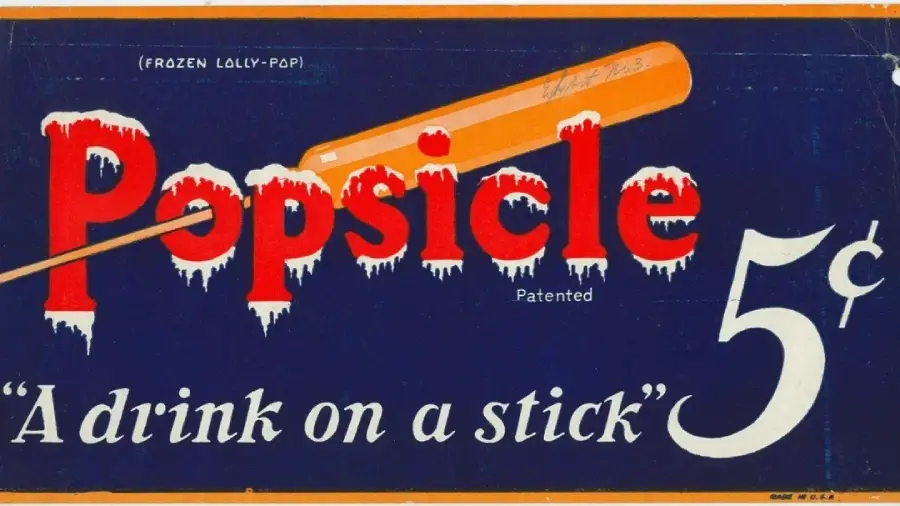
An eleven-year-old boy named Frank Epperson inadvertently invented the world’s favorite frozen treat when he accidentally left a cup filled with sugary soda powder and water sitting out on his porch during an unseasonably freezing night. When he walked outside the following morning, he discovered that the liquid had frozen solid around the wooden stirring stick he had left inside the mixture. Epperson kept the method a private family secret for eighteen years, finally patenting the invention in 1923 after his own children constantly begged him for “Pop’s sicles.”
3. Corn flakes – 1894, Michigan
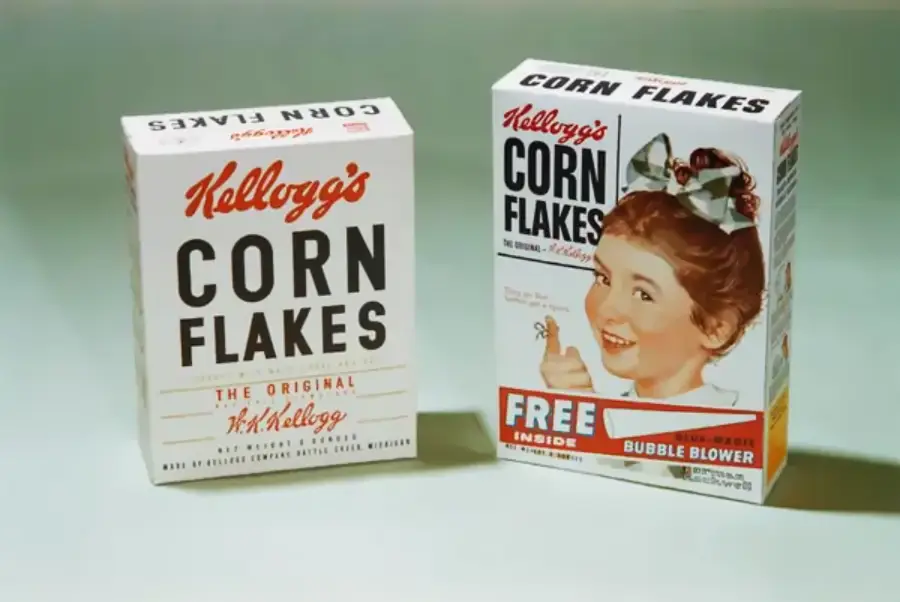
Dr. John Kellogg operated a highly strict, conservative wellness sanatorium in Battle Creek, where he constantly experimented with simple, bland vegetarian ingredients to support his patients’ physical and spiritual health. One afternoon, he accidentally left a batch of boiled wheat sitting out in the open air, completely forgetting about its existence until it had gone entirely stale. Upon running the hardened grains through rollers anyway, the mixture shattered into hundreds of delicate, crispy flakes rather than baking into a traditional loaf of bread, achieving a massive breakthrough for a breakfast product originally engineered to suppress the carnal desires of his patients.
4. Potato chips – 1853, New York
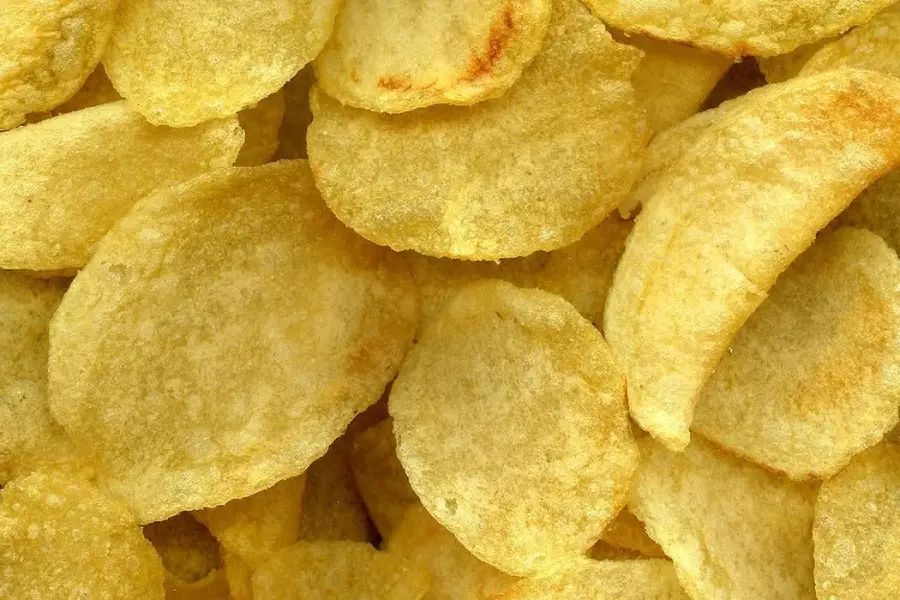
The legendary birth of the potato chip occurred at Moon’s Lake House in Saratoga Springs when an exceptionally finicky restaurant patron repeatedly sent his fried potatoes back to the kitchen, loudly complaining that they were far too thick and soggy. Infuriated by the customer’s attitude, head chef George Crum decided to prank the diner by slicing the potatoes as thin as humanly possible, frying them to a brittle crisp in boiling oil, and covering them in heavy salt. To Crum’s absolute amazement, the customer adored the crispy snacks, which were quickly integrated into the permanent menu under the name Saratoga Chips.
5. Coca-Cola – 1886, Georgia
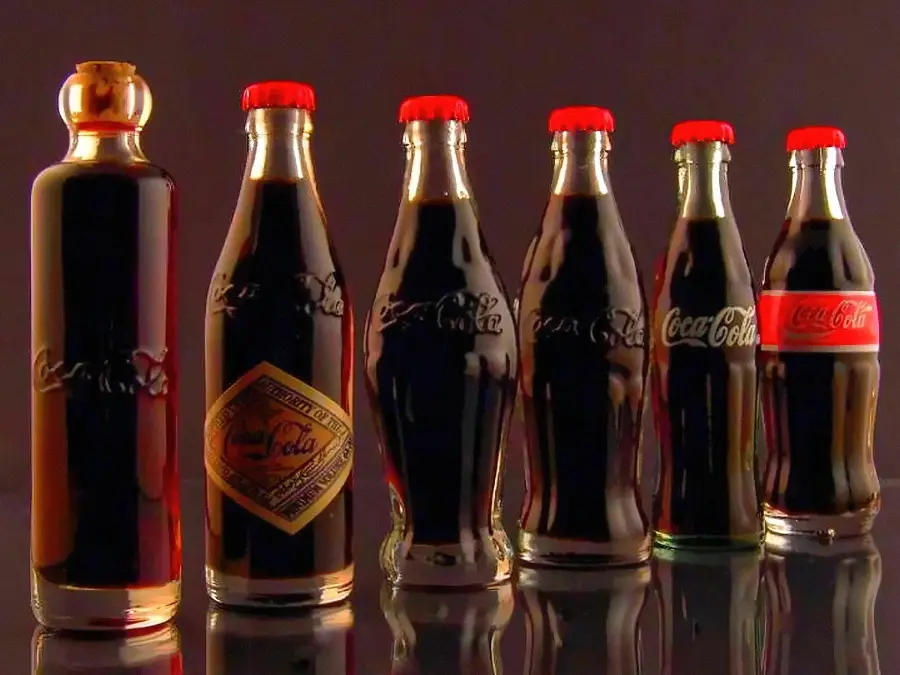
Pharmacist John Pemberton spent months mixing various botanical extracts in a brass kettle in an attempt to create a medicinal syrup capable of curing severe headaches and nervous exhaustion. The original formula contained coca leaf extract and caffeine-rich kola nuts, but the modern soft drink empire was born when a careless fountain assistant accidentally mixed the syrup with carbonated water instead of plain tap water. The refreshing, fizzy mistake instantly transformed a bitter patent medicine into the single most commercially successful beverage in human history.
Trending on The Scroller


6. Worcestershire sauce – 1835, England
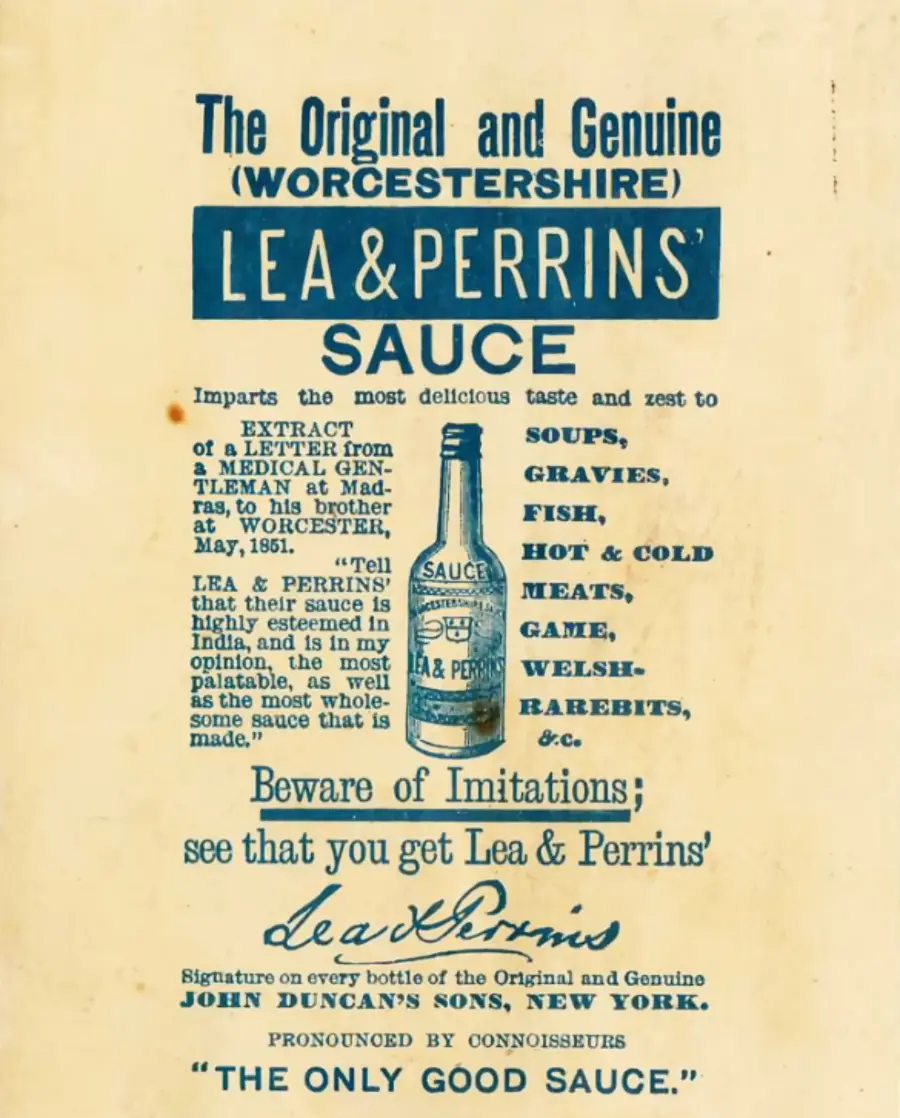
Chemists John Lea and William Perrins were commissioned by a local nobleman named Lord Sandys to recreate a highly complex fish and vegetable seasoning recipe he had encountered while traveling through India. The initial liquid batch emitted such a foul, intensely pungent odor that the disgusted chemists sealed the barrel away in their basement and completely forgot about its existence for two full years. Upon rediscovering the container during a routine cleanup, they found that the extended fermentation process had transformed the foul liquid into a deeply savory, complex condiment that currently stands as a global pantry staple.
7. Ice cream cone – 1904, St. Louis World’s Fair

Ernest Hamwi was operating a busy pastry booth at the historic St. Louis World’s Fair, baking thin, hot wafer pastries known as zalabia right next door to a highly popular ice cream vendor. When the neighboring ice cream stand abruptly ran completely out of clean glass serving dishes due to overwhelming consumer demand, Hamwi quickly rolled his hot wafers into a conical shape to hold the frozen dessert. The temporary emergency solution became an absolute sensation across the fairgrounds, prompting Hamwi to launch the highly successful Missouri Cone Company in 1910.
8. Oyster sauce – 1888, China

While operating a modest tea stall in southern China, chef Lee Kum Sheung accidentally left a large pot of traditional oyster soup simmering over an open flame for several hours while handling other tasks. When he finally returned to the kitchen, he discovered that his clear broth had reduced down into a thick, jet-black paste that radiated an intensely rich, savory aroma. He tasted the dark reduction and immediately realized its immense commercial potential, founding the iconic Lee Kum Kee brand, which currently operates as one of the largest Asian sauce empires on earth.
Sign up for our newsletter
9. Crepes Suzette – 1895, Monaco
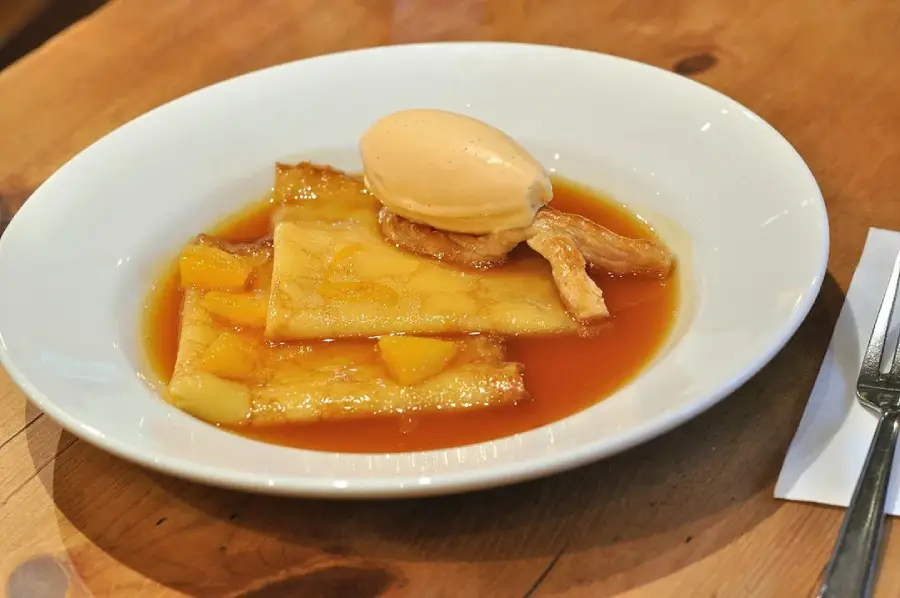
A fourteen-year-old assistant waiter named Henri Charpentier was frantically preparing a hot dessert crepe over a chafing dish for the Prince of Wales when the cordial mix accidentally caught fire. Terrified of wasting valuable ingredients in front of royalty, the young waiter quietly extinguished the flames and served the caramelized dessert anyway, pretending the presentation was entirely deliberate. The future King Edward VII was so deeply enchanted by the rich, accidental flavor profile that he insisted the dish be named after his dining companion, Suzette.
10. Tarte Tatin – 19th Century, France
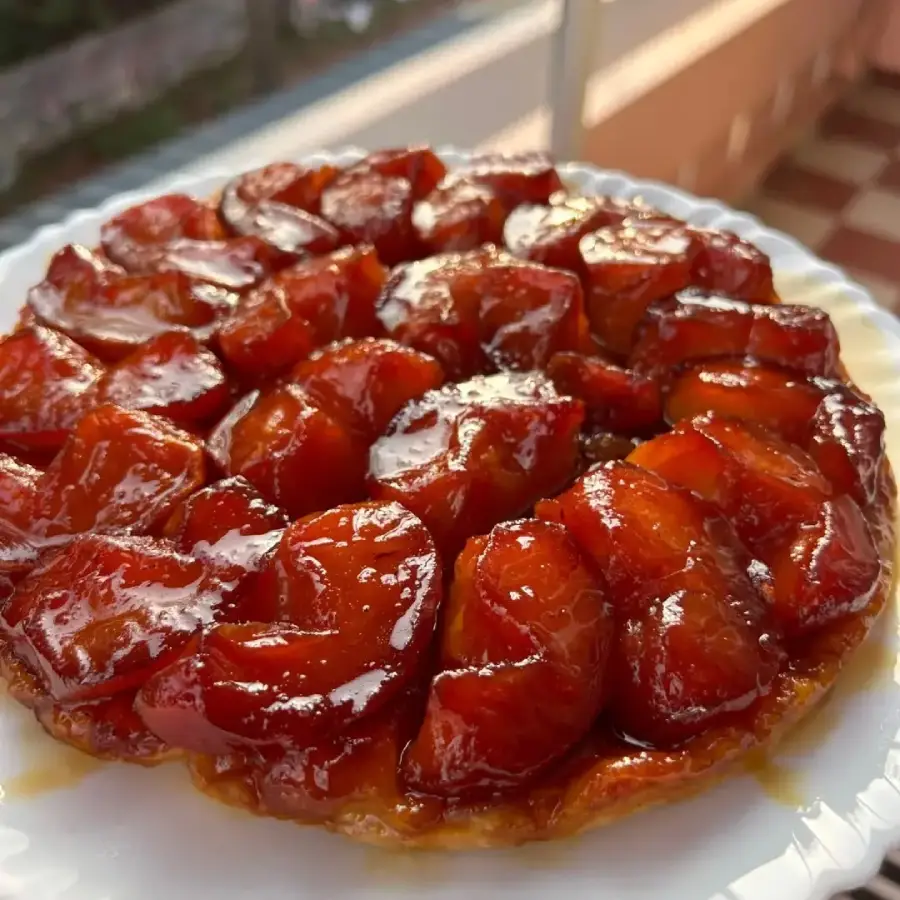
The defining apple dessert of French baking was created entirely by accident at the Hotel Tatin, which was operated by two highly overwhelmed sisters named Stéphanie and Caroline Tatin. One afternoon, an exhausted Stéphanie left a batch of apples cooking in butter and sugar for far too long, entirely forgetting to line the bottom of the baking pan with pastry dough. In a desperate bid to rescue the burning fruit, she simply slapped a layer of dough directly over the top of the hot apples and baked it anyway, flipping the upside-down caramel masterpiece onto a plate to create an instant culinary icon.
11. Natto – 11th Century, Japan
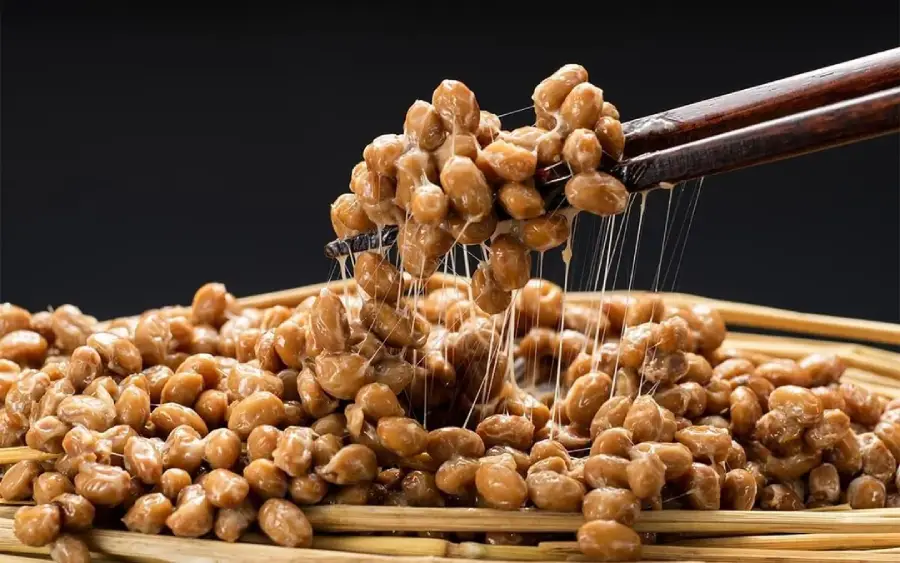
While embarking on a rapid military march through ancient Japan, a samurai general named Minamoto no Yoshiie and his troops were caught in a sudden ambush, forcing them to hastily pack hot, freshly boiled soybeans directly into protective rice straw sacks. The unique combination of the natural bacteria present in the straw, the intense moisture of the freshly cooked beans, and the humid ambient body heat of the moving horses triggered an unprompted fermentation cycle. The sticky, stringy beans originally meant for the cavalry horses ended up feeding the starving soldiers, birthing a legendary Japanese breakfast staple.
12. Leavened bread – Neolithic era
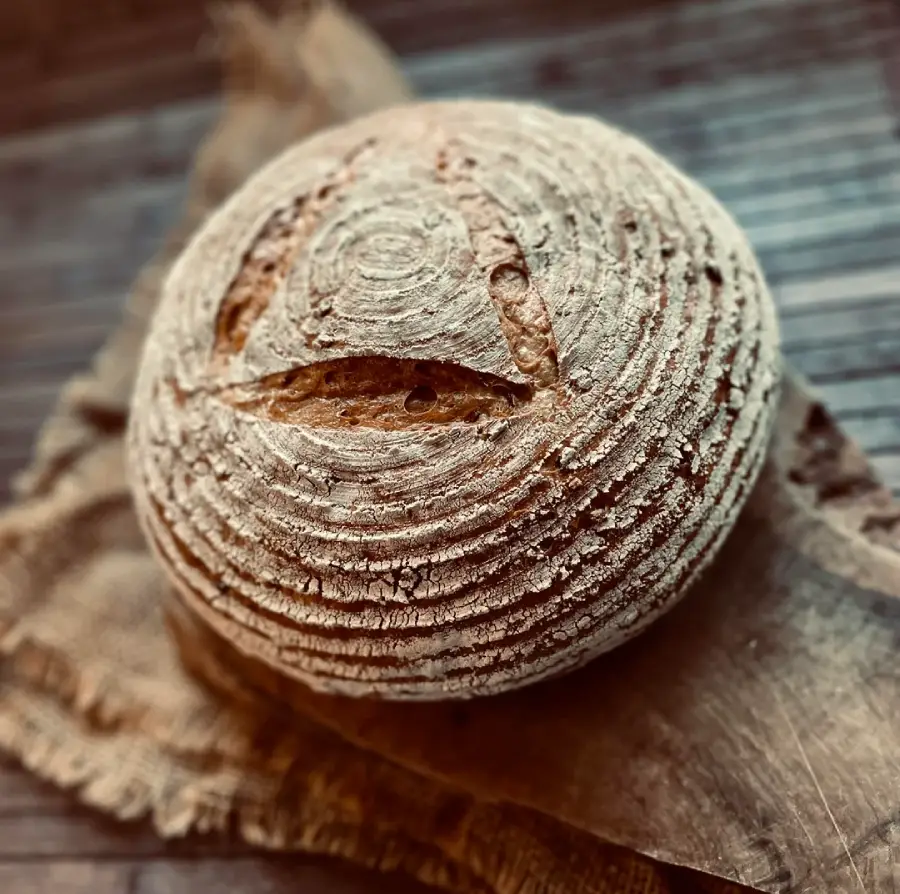
Before ancient human civilizations developed formal agricultural baking traditions, prehistoric nomadic gatherers prepared flatbreads by mixing crushed wild grains with water to create a basic paste. Historians deduce that someone accidentally left a bowl of this wet mixture sitting exposed to the elements for several days, allowing wild yeast spores floating through the air to settle into the dough and trigger fermentation. When the prehistoric cook decided to bake the bubbly paste anyway, they discovered that the heat transformed the flat dough into a delightfully light, fluffy, and aromatic loaf.
13. Tofu – Han Dynasty, China
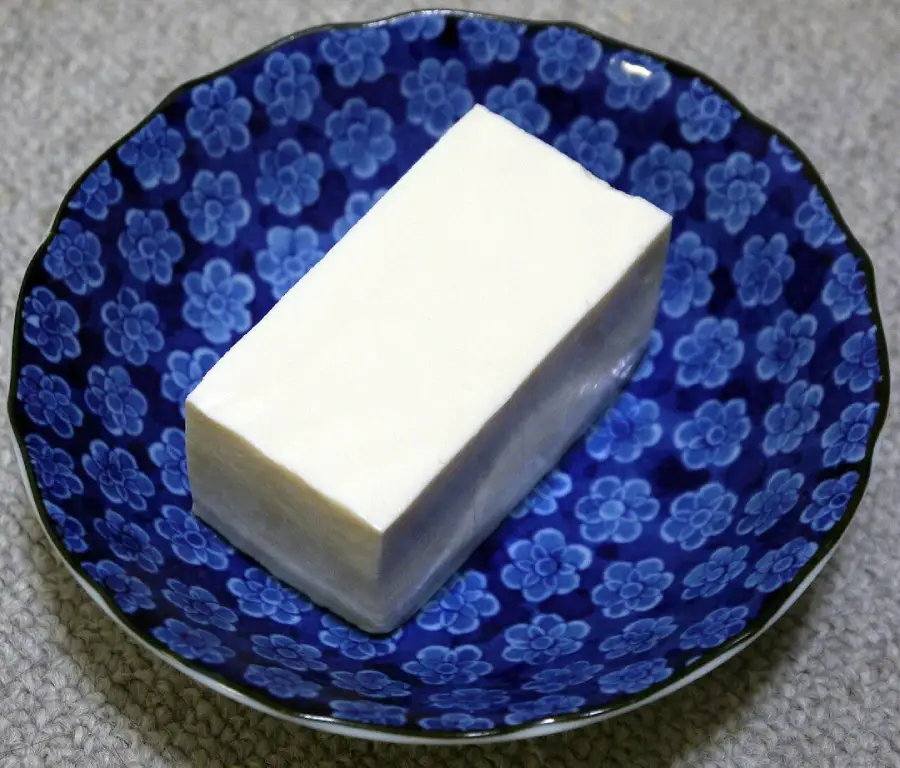
The initial creation of this global plant-based protein occurred inside an ancient Chinese kitchen when a cook accidentally dropped a natural mineral salt derivative known as nigari into a pot of heated soy milk. The magnesium chloride content within the seaweed-derived salt acted as an immediate coagulant, causing the smooth soy milk to unexpectedly curdle and separate into distinct curds and whey. The cook pressed the solid curds into a compact block, unknowingly inventing a versatile, sponge-like foodstuff that currently sustains millions of people across the globe.
14. Aspartame, 1965
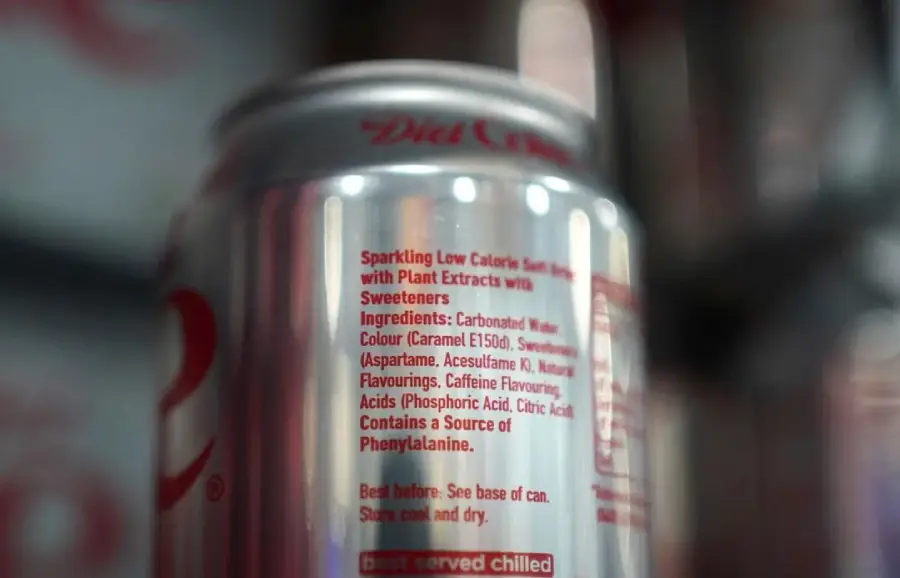
Chemist James Schlatter was working inside a high-tech laboratory, attempting to synthesize an experimental pharmaceutical compound to treat painful stomach ulcers. During a routine paperwork task, Schlatter casually licked his index finger to help him turn a stubborn page of paper, instantly noticing an incredibly intense, lingering sweet flavor on his tongue. He traced the sweetness back to a speck of chemical powder that had accidentally contaminated his hand, unlocking one of the few instances in scientific history where a laboratory safety violation yielded a multi-billion-dollar commercial success.
Discover more interesting facts about food:
These incredible culinary milestones serve as an excellent reminder of the unique, completely unpredictable coincidences that define the evolution of human dining traditions across the centuries. Looking back over these frozen porch beverages, forgotten basement fermentation barrels, and frantic dessert fire emergencies proves that while contemporary manufacturing lines and high-tech kitchen gadgets change completely across the generations, the value of creative flexibility remains entirely constant. When we choose to look past the modern convenience of our current supermarket shelves to appreciate the chaotic, accidental history of our favorite pantry staples, we gain a much deeper understanding of culinary history. If you loved taking this delicious trip back through the accidental history of global gastronomy, make sure to explore these 15 Delicious Foods That Started as 19th-Century Medicine or 16 Everyday Foods That First Took Off During Wartime. You may also like these 14 Famous Fictional Movie Foods We Wish Were Real.