If you traveled back a few centuries, popping a sweet yellow fruit into your mouth or boiling a handful of white grain would have marked you as a person of extraordinary wealth and status. Long before global shipping networks, modern refrigeration, and industrial agriculture turned elite delicacies into everyday pantry staples, acquiring certain foods required vast fortunes and diplomatic connections. Royal courts and wealthy aristocrats flaunted these rare items at lavish banquets as subtle signals of power and international influence.
Exploring how these prized foods shifted from high-society status symbols into routine grocery cart additions reveals just how dramatically global trade has transformed our dinner plates. What used to be locked away in wooden chests or reserved exclusively for aristocratic feasts is now piled high on supermarket shelves for pennies. Here are sixteen culinary staples that used to be the ultimate flex of financial power.
1. Pineapples
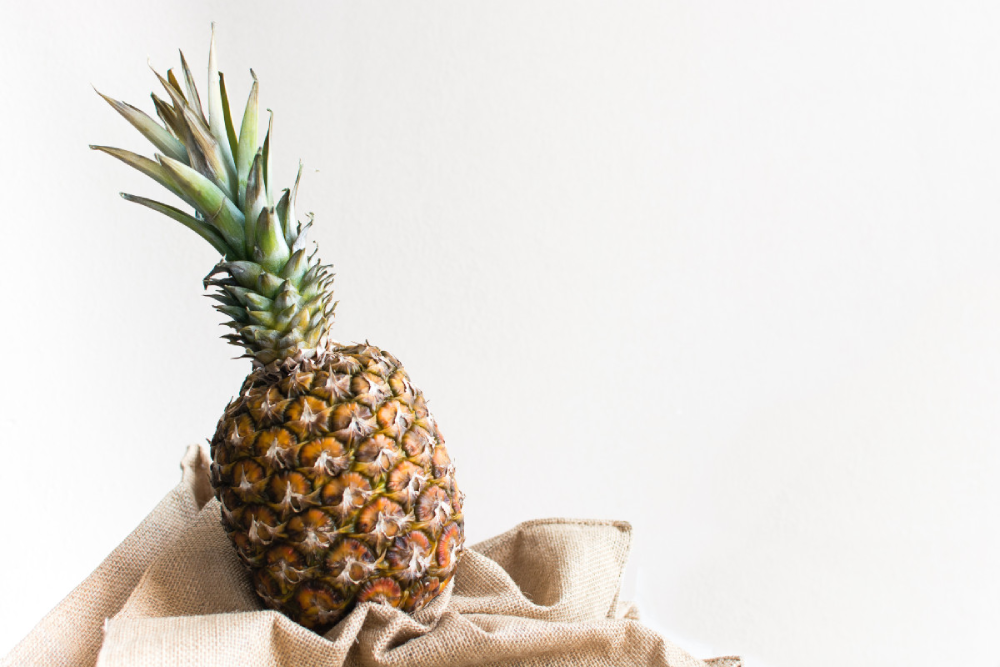
In 18th-century Europe, a single imported pineapple could cost up to $8,000 in today’s currency, making it far too valuable to actually eat. Wealthy hosts rented them for the evening just to carry them around at lavish parties as a flashy status symbol, while artists painted aristocrats posing beside the tropical fruit.
2. Sugar

During the Middle Ages, pure granulated sugar was known as “white gold” and sat tightly locked in brass chests alongside precious spices. Royal pastry chefs crafted giant edible sugar sculptures called subtleties for royal banquets, demonstrating to visiting diplomats that the king possessed endless economic wealth.
3. Oysters
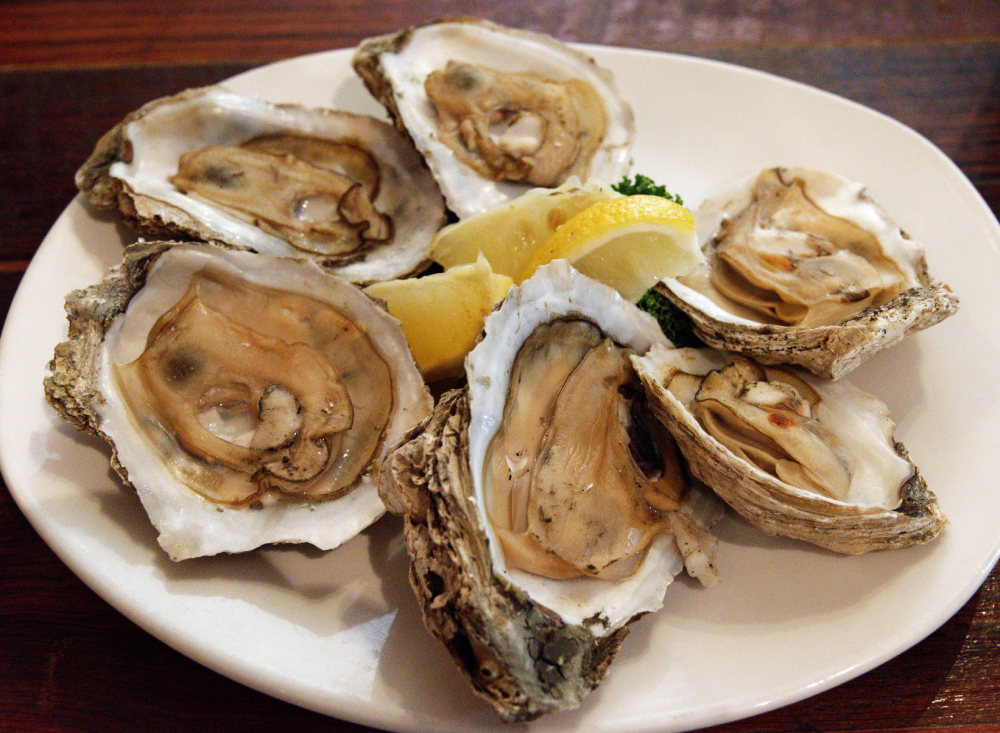
Long before becoming an expensive seafood bar treat, oysters were so abundant along Victorian coastlines that working-class families used them to stretch cheap beef pies. Street vendors sold them by the bucketful to factory laborers until overfishing and harbor pollution depleted natural beds, turning the humble mollusk into a costly delicacy.
4. Salmon
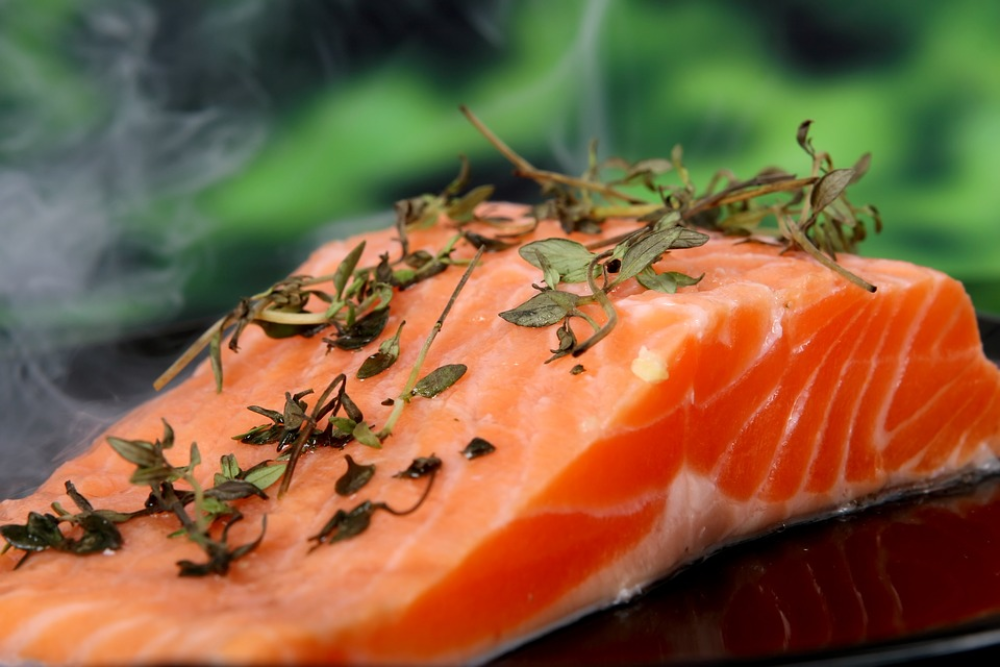
Before commercial fish farming took off in the late 20th century, wild salmon was a seasonal luxury reserved for high-end hotel menus and formal political dinners. Catching wild Atlantic salmon required specialized gear and access to private river estates, making fresh cuts far too expensive for average suburban kitchens.
5. Potatoes
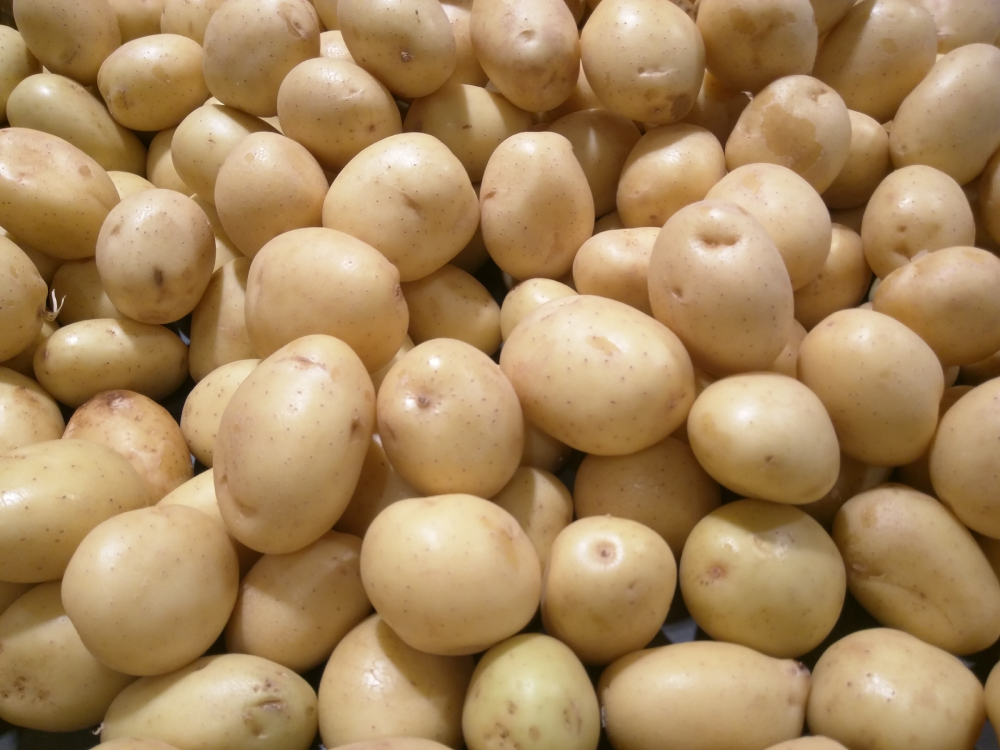
When Spanish explorers first brought this strange Andean tuber back to Europe, nobles rejected it as unfit for human consumption, suspecting it caused leprosy. King Louis XVI of France famously popularized the crop by having armed guards watch over his royal potato patch by day, tricking local peasants into stealing and planting what they assumed was a royal secret.
Trending on The Scroller

6. Chocolate
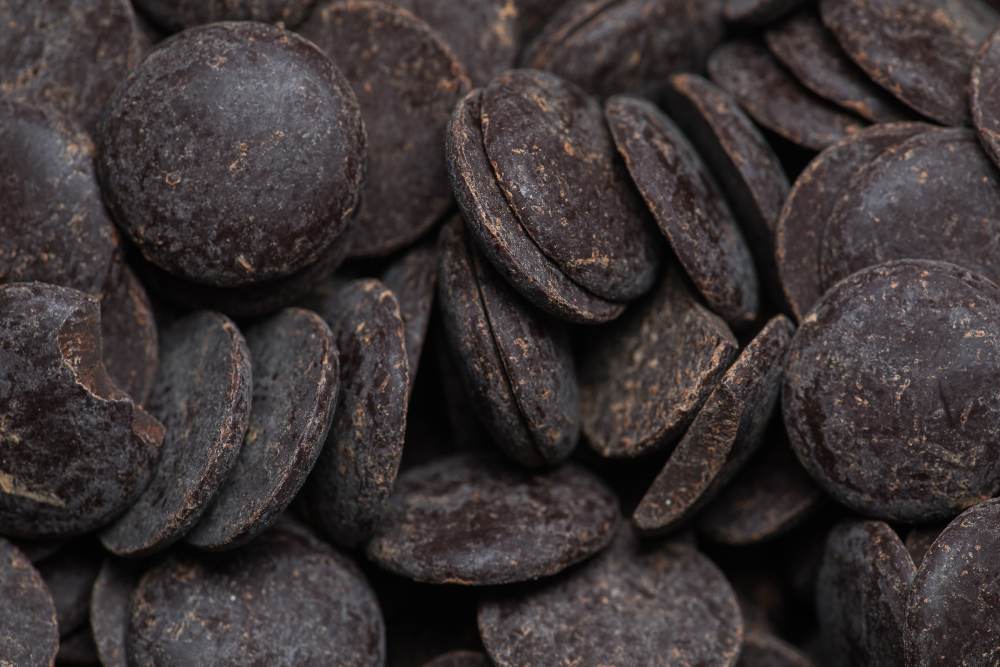
Ancient Mayan and Aztec royalty drank unsweetened, spiced chocolate beverages during sacred ceremonies, utilizing cacao beans as actual physical currency. When Spanish conquistadors introduced the bitter drink to European nobility, it remained an exclusive liquid luxury for royal courts long before solid chocolate bars were invented.
7. White bread
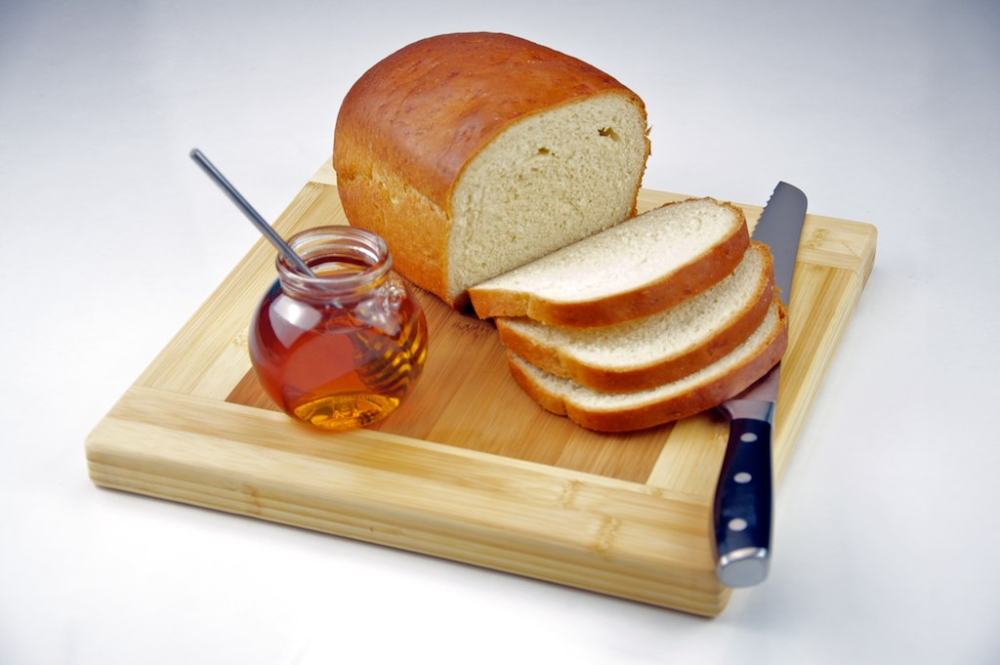
For centuries, refined white flour required tedious manual sifting that only wealthy households could afford, leaving the working class to survive on dense, dark rye bread. Industrial milling advances in the late 19th century completely flipped this dynamic, making white bread cheap and accessible while rustic dark loaves became the new artisan trend.
8. Oranges
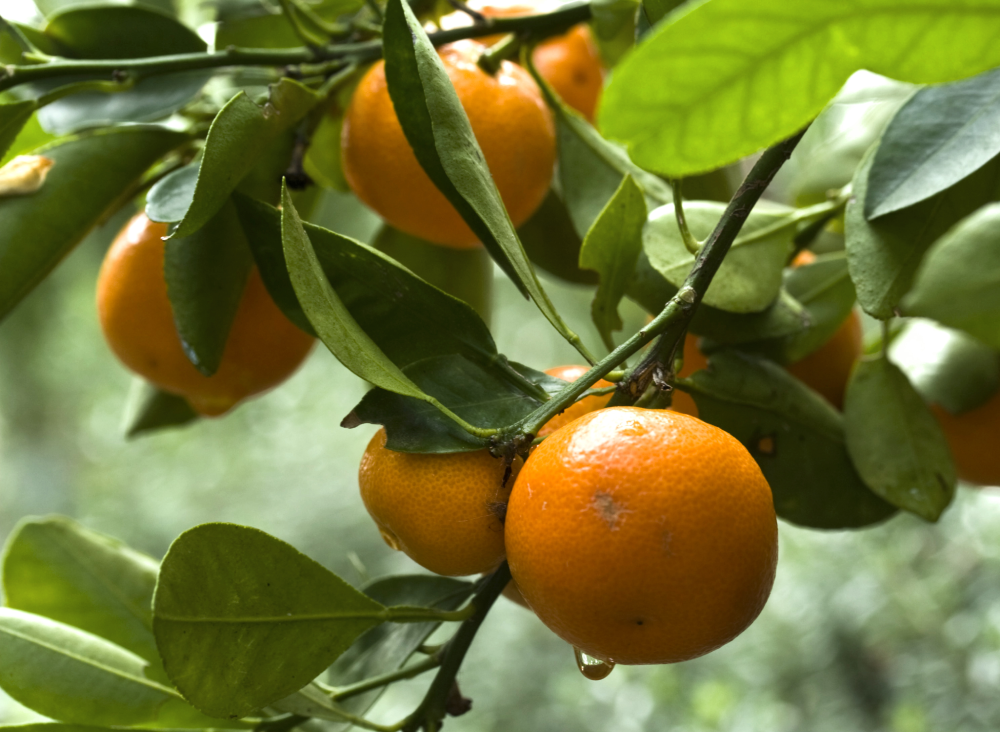
In 17th-century Northern Europe, growing fresh citrus fruit required building massive glass greenhouse structures called orangeries that needed constant wood-fired heat during cold winters. Serving fresh orange slices to winter houseguests was a subtle way of flexing that you owned vast heated real estate.
Sign up for our newsletter
9. Lobster
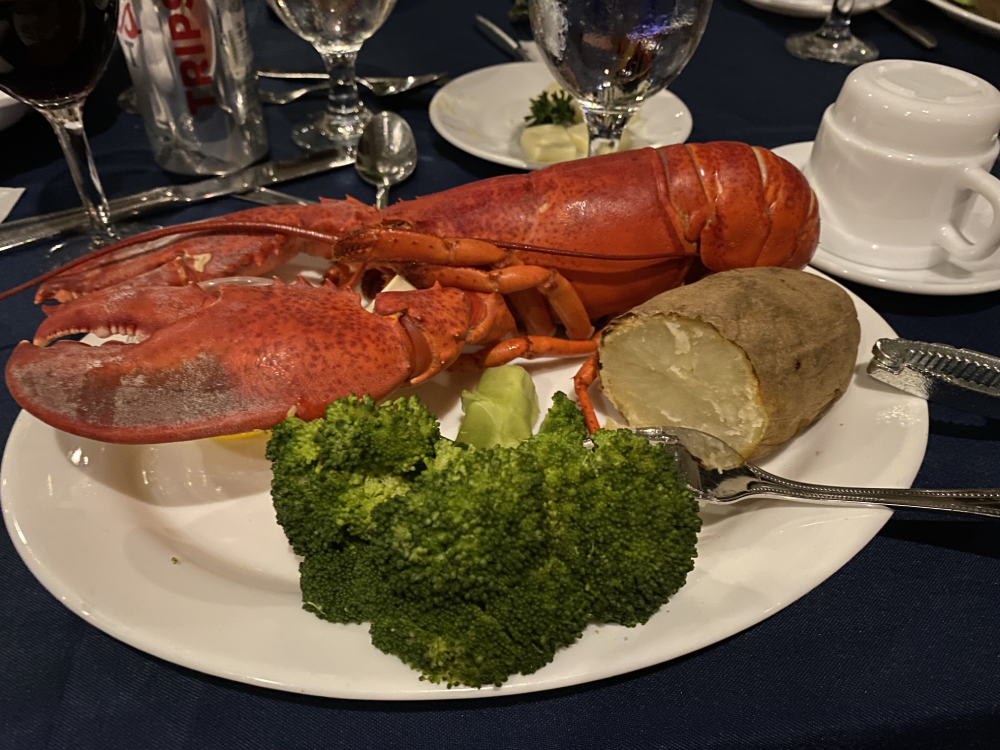
During the American colonial era, lobster washed ashore in such massive piles that communities viewed it as trash food suitable only for servants, prisoners, and livestock. Indentured servants in Massachusetts eventually revolted, signing contracts stating they could not be served the crustacean more than three times a week.
10. Ice cream

Before mechanical refrigeration existed, making ice cream meant hauling heavy ice blocks from frozen lakes during winter and packing them in deep underground straw pits through hot summer months. French and American presidents hired full-time ice cutters just to serve frozen fruit custard at summer state dinners.
11. Coffee
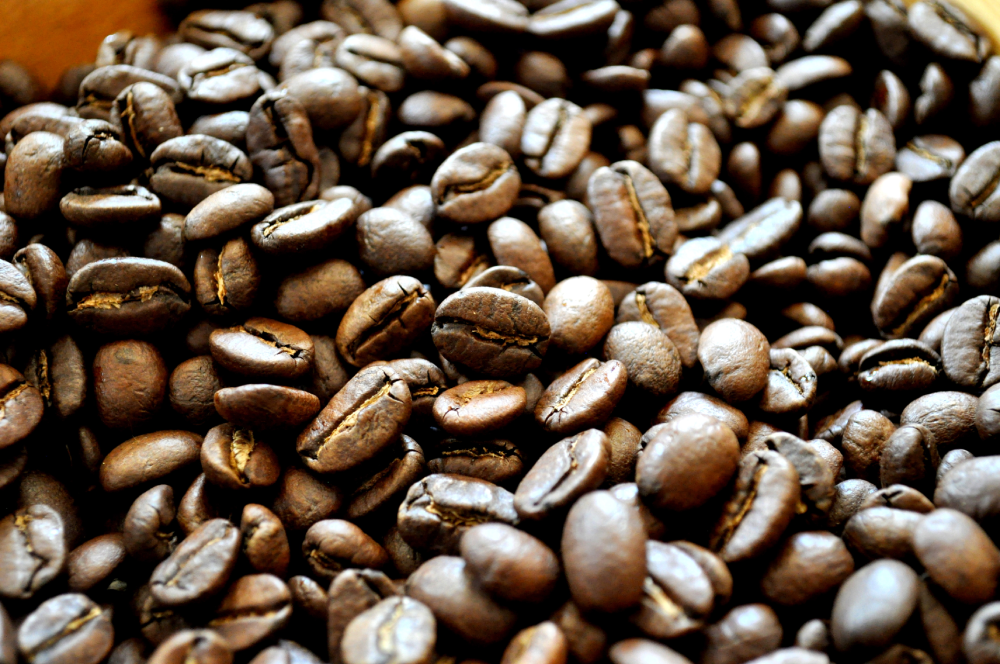
When roasted coffee beans first reached European cities in the 17th century, conservative leaders condemned the dark beverage as a dangerous Eastern luxury. European monarchs eventually created state-controlled coffee monopolies, heavily taxing coffee houses until large-scale South American plantations lowered costs for everyday consumers.
12. Spiced pepper
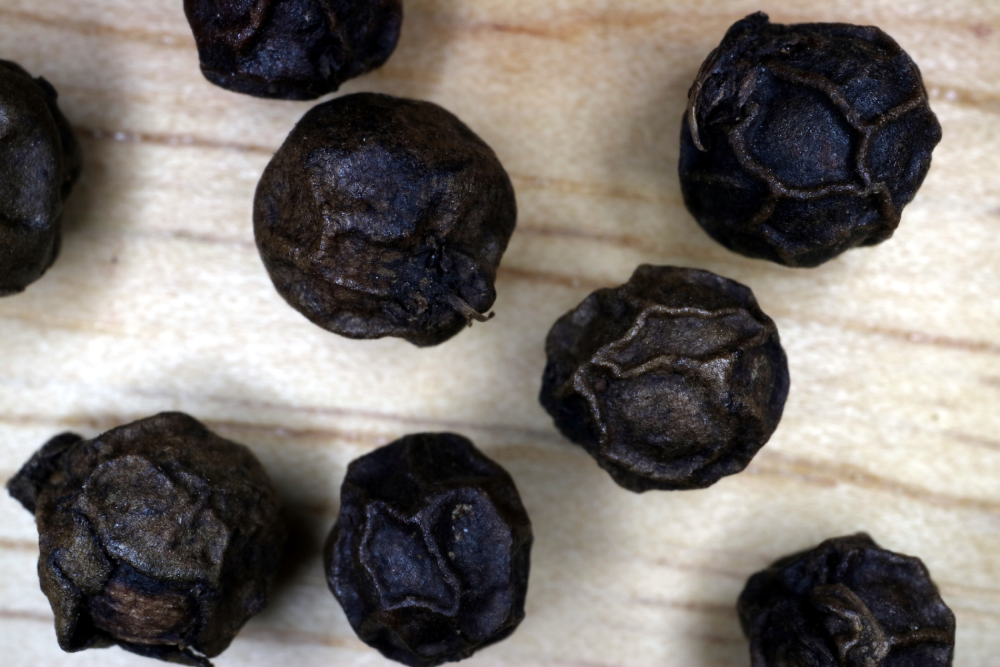
During the Roman Empire and the Middle Ages, black peppercorns were so exceptionally valuable that they were used to pay rent, settle international debts, and pay off invading armies. Wealthy traders hoarded sacks of pepper in iron safes because a single handful could purchase an entire farm or pay a soldier’s annual wage.
13. Bananas
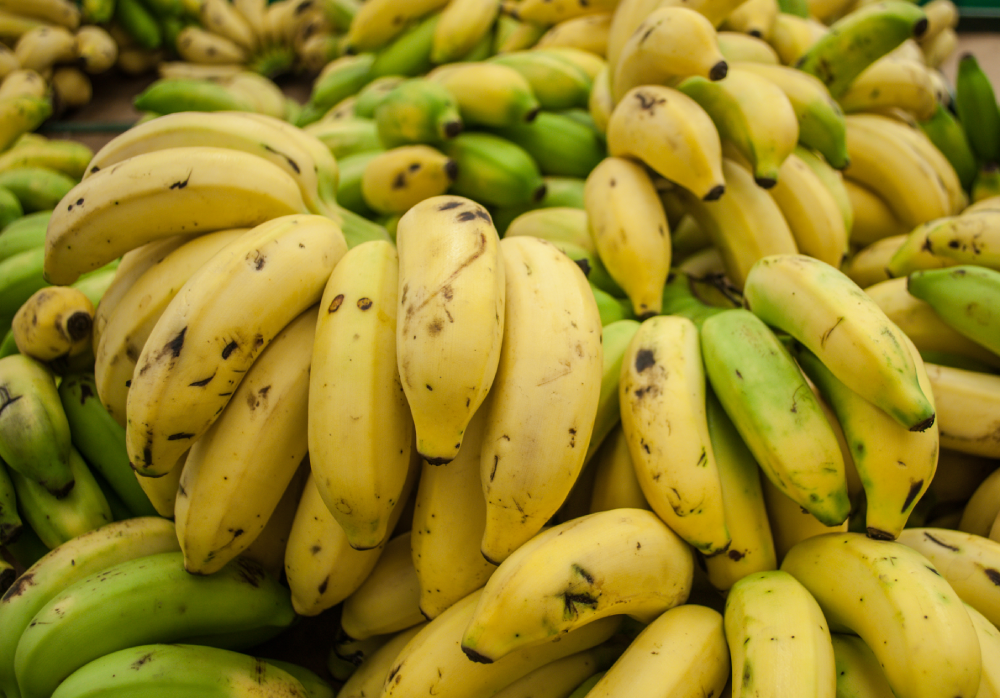
When the first commercial banana shipments arrived in 19th-century American ports, the perishable fruit was so rare and fragile that individual bananas were wrapped in tin foil and sold at fancy hotel dining rooms. Wealthy diners paid exorbitant prices just to cut the exotic tropical fruit with silver cutlery during high tea.
14. Celery
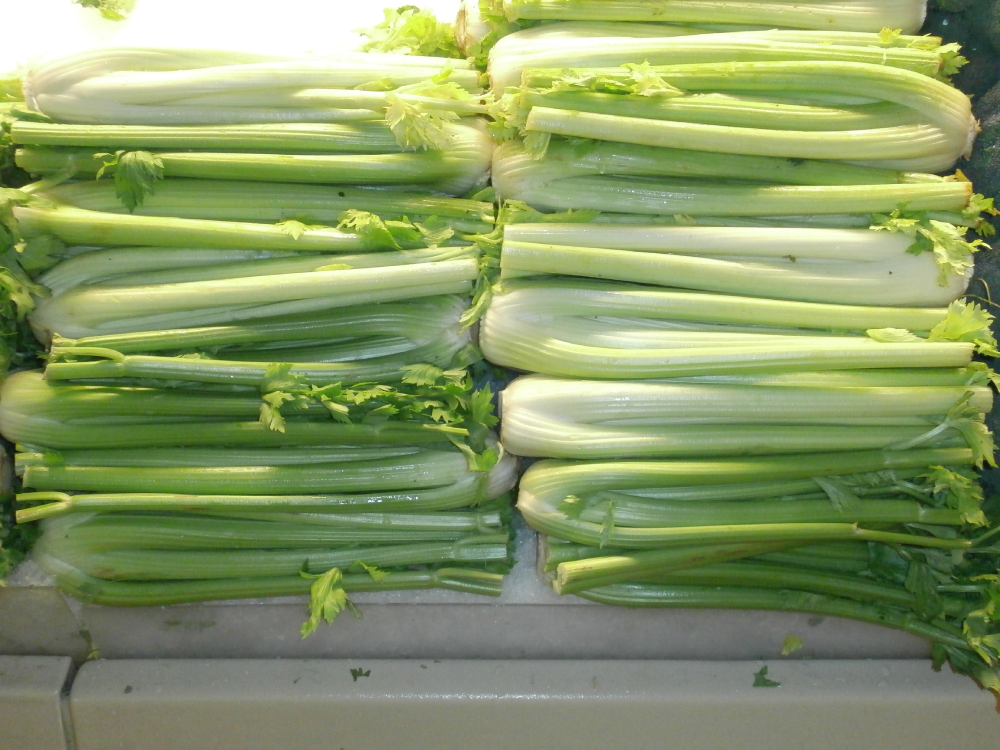
Victorian high society developed a bizarre obsession with crisp celery stalks, viewing them as the ultimate sign of agricultural refined taste. Wealthy families displayed fresh celery in expensive, hand-cut crystal vase stands placed directly in the center of formal dinner tables to impress houseguests.
15. Garlic
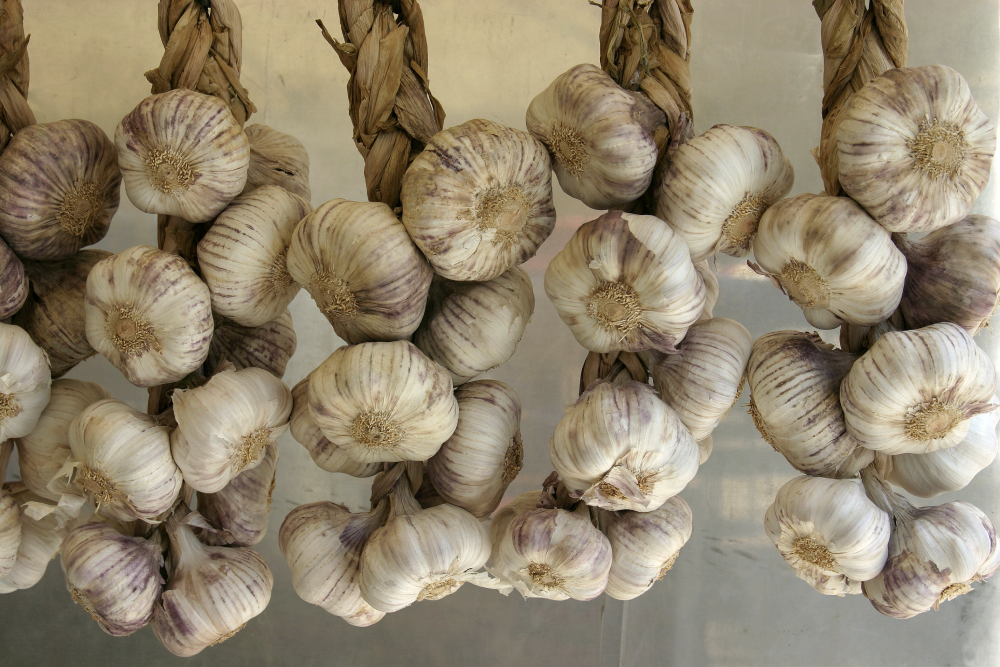
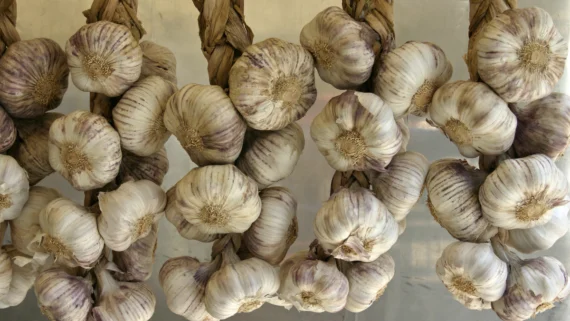
While common peasants in ancient Mediterranean regions consumed raw garlic daily for physical stamina, Roman nobility and medieval royalty rejected the pungent bulb as vulgar and offensive. It took centuries of culinary cross-pollination before high-end European chefs embraced garlic as a foundational flavor component.
16. Salt

Whole ancient empires were built around controlling salt pans, as the mineral was the only reliable method for preserving meat and fish before modern refrigeration. Roman soldiers received a special stipend specifically to buy salt, giving rise to the word salary and the phrase being “worth your salt.”
Explore more interesting facts about food:
It is wild to think that the very ingredients we take for granted today were once stored in locked chests or used to pay off medieval debts. The shifting tides of history and modern trade have a funny way of turning yesterday’s royal luxuries into today’s effortless weeknight meals. If you enjoy taking deep dives into retro culinary history, vintage pop culture, and forgotten lifestyles, make sure to check out these 15 Food Laws That Make Perfectly Normal Foods Illegal or these 15 Foods Marketed as Healthy in the 1990s. You can also explore these 16 Everyday Foods That First Took Off During Wartime.