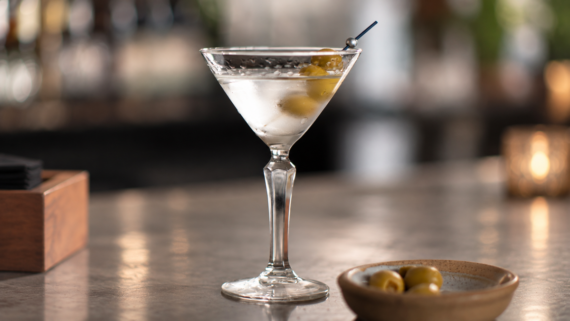
Some drinks do more than mark a trend cycle; they hold onto the mood of an era long after the playlists, hemlines, and nightlife rules have changed. You can taste a whole social rhythm in them, what people wanted to project, what they were escaping, what they thought adulthood was supposed to look like. That does not always mean the “best” drink won the decade, because plenty of technically better cocktails never became shorthand for their time. But a few glasses managed to absorb the attitude around them so completely that one sip still feels like opening an old magazine and finding the decade intact.
The Sidecar, 1920s
r/cocktails
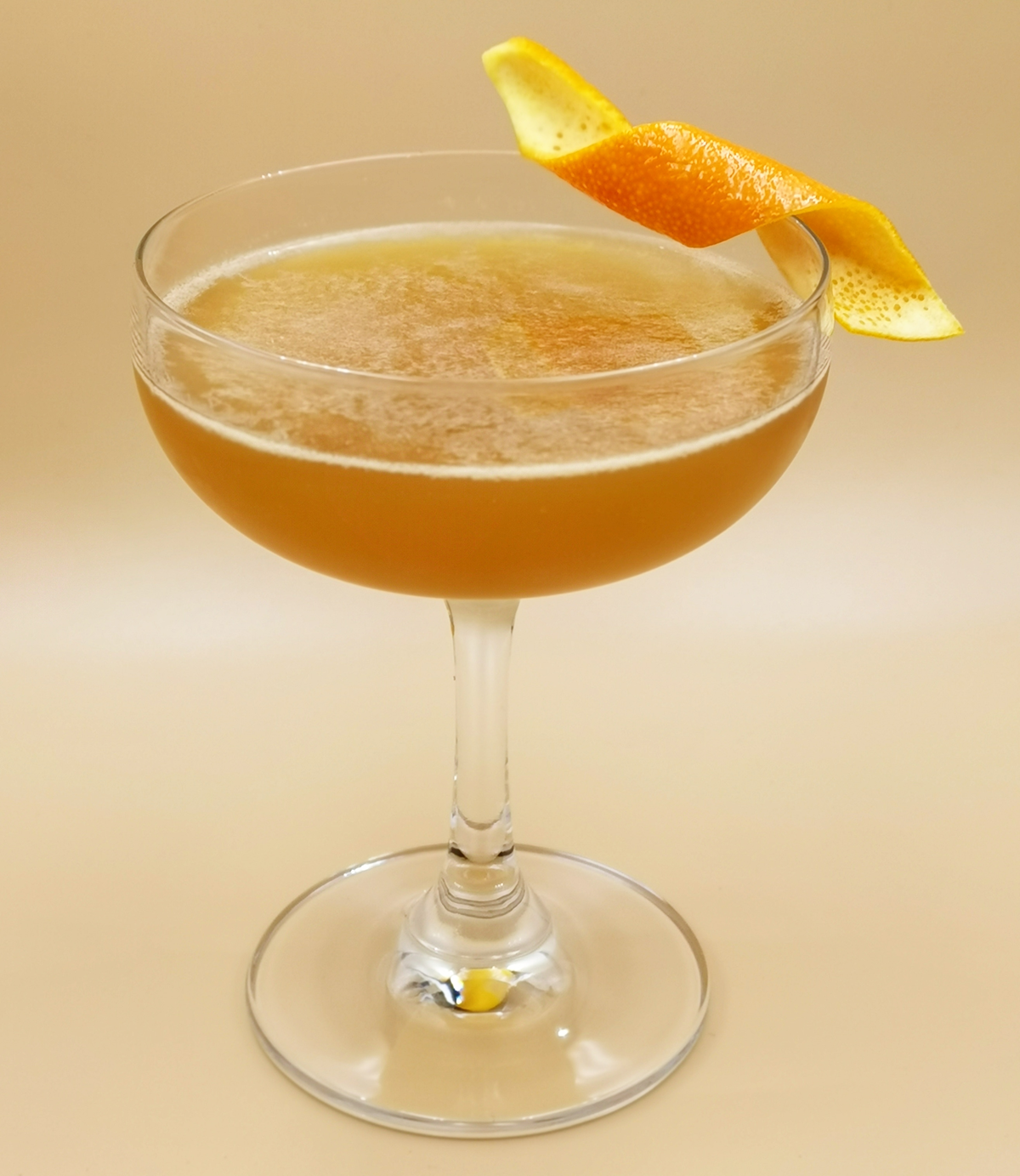
The Sidecar feels like the kind of drink that got popular because the room around it wanted to look a little smarter than it really was. Cognac gave it old-world weight, Cointreau made it fashionable, and the lemon kept it from turning too stately. In the 1920s, especially in Paris, London, and the corners of American drinking culture shaped by Prohibition and exile, that balance made sense. This was a decade of jazz, expatriates, short nights, and cultivated surfaces, and the Sidecar had exactly the right mix of elegance and speed.
The Daiquiri, 1940s
r/cocktails
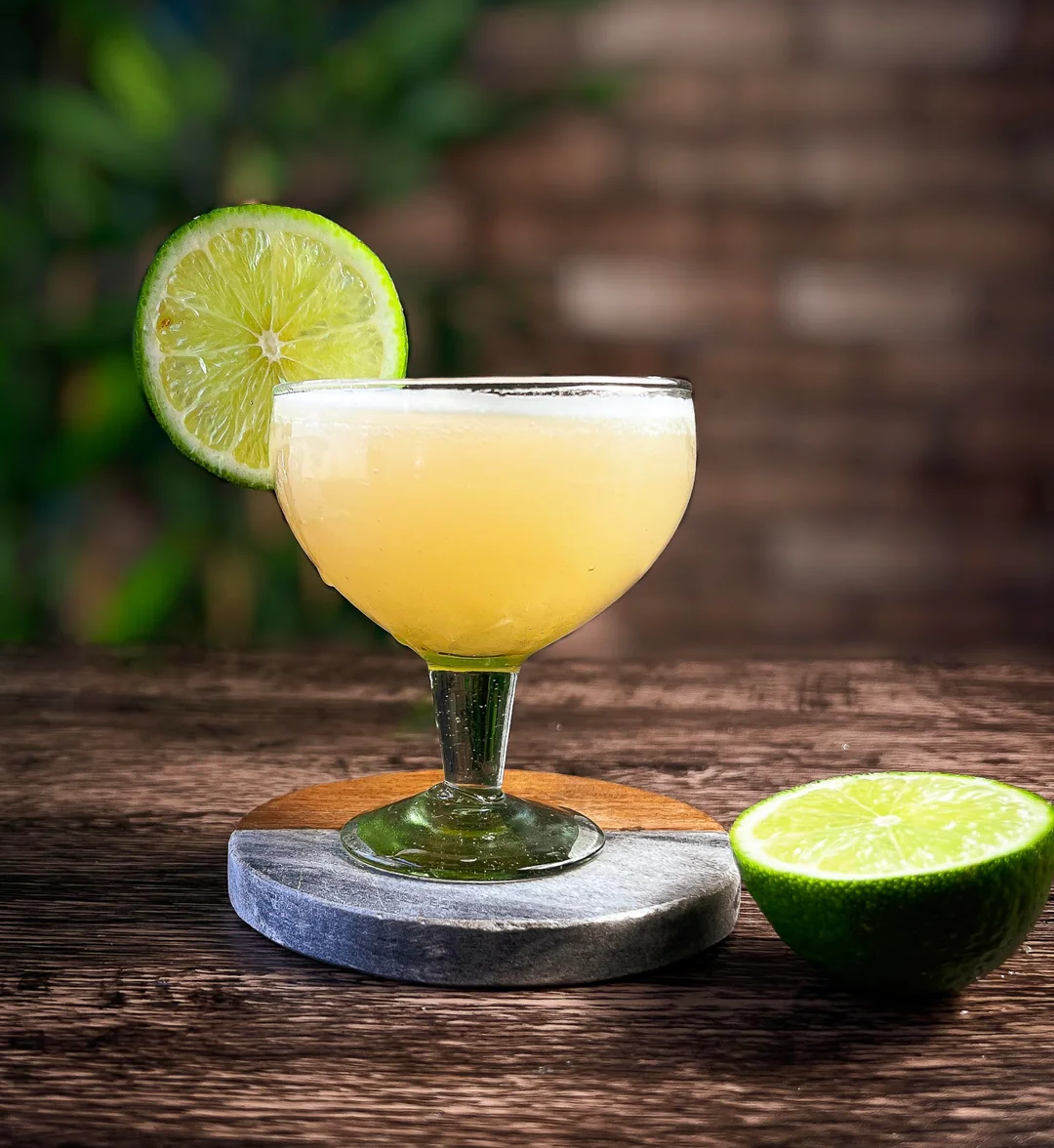
The frozen version did a lot of damage to the Daiquiri’s reputation, but the clean, shaken original is one of the most revealing drinks in the canon. In the 1940s, with rum flowing more easily in the United States during wartime shifts in supply and with Cuba looming large in the American imagination, the Daiquiri made sense as a cocktail of heat, travel fantasy, and stripped-down precision. It is only rum, lime, and sugar, but it has the kind of clarity that suited a decade when people had less patience for fluff. Even at its most escapist, it feels efficient.
The Martini, 1950s
r/cocktails
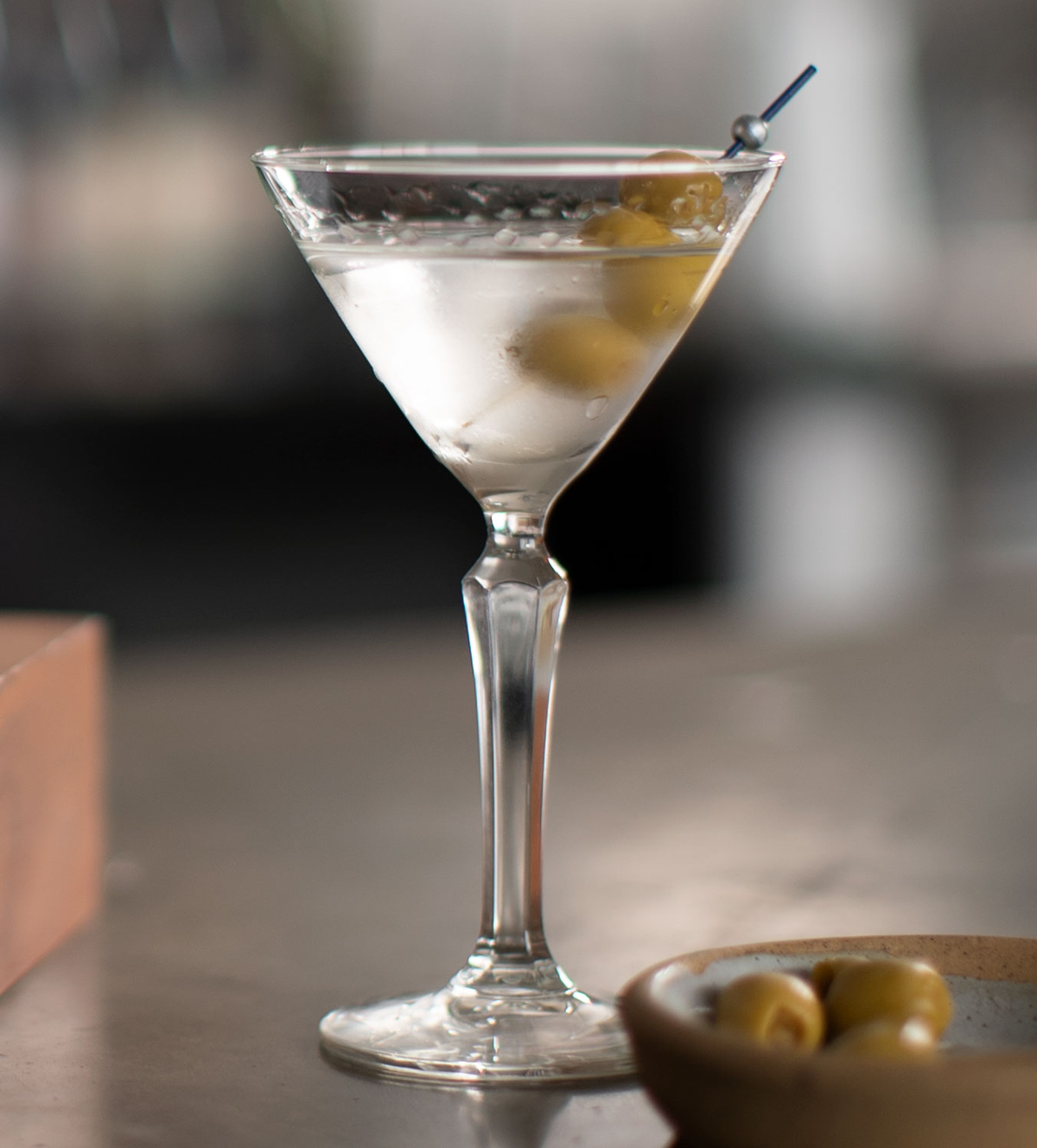
No drink wears postwar American confidence quite like the Martini. Not the candy-sweet thing that showed up later, and not the hyper-minimal freezer version that bars argue about now, but the cold, tailored, very deliberate Martini that moved through 1950s business lunches, suburban dinner parties, and hotel lounges like it owned the room. Gin still had the upper hand, vermouth mattered, and the point was not refreshment so much as composure. It fit a decade obsessed with polish, self-control, and the performance of being unruffled, even when half the culture was running on nerves.
The Harvey Wallbanger, 1970s
Another Cocktail Blog
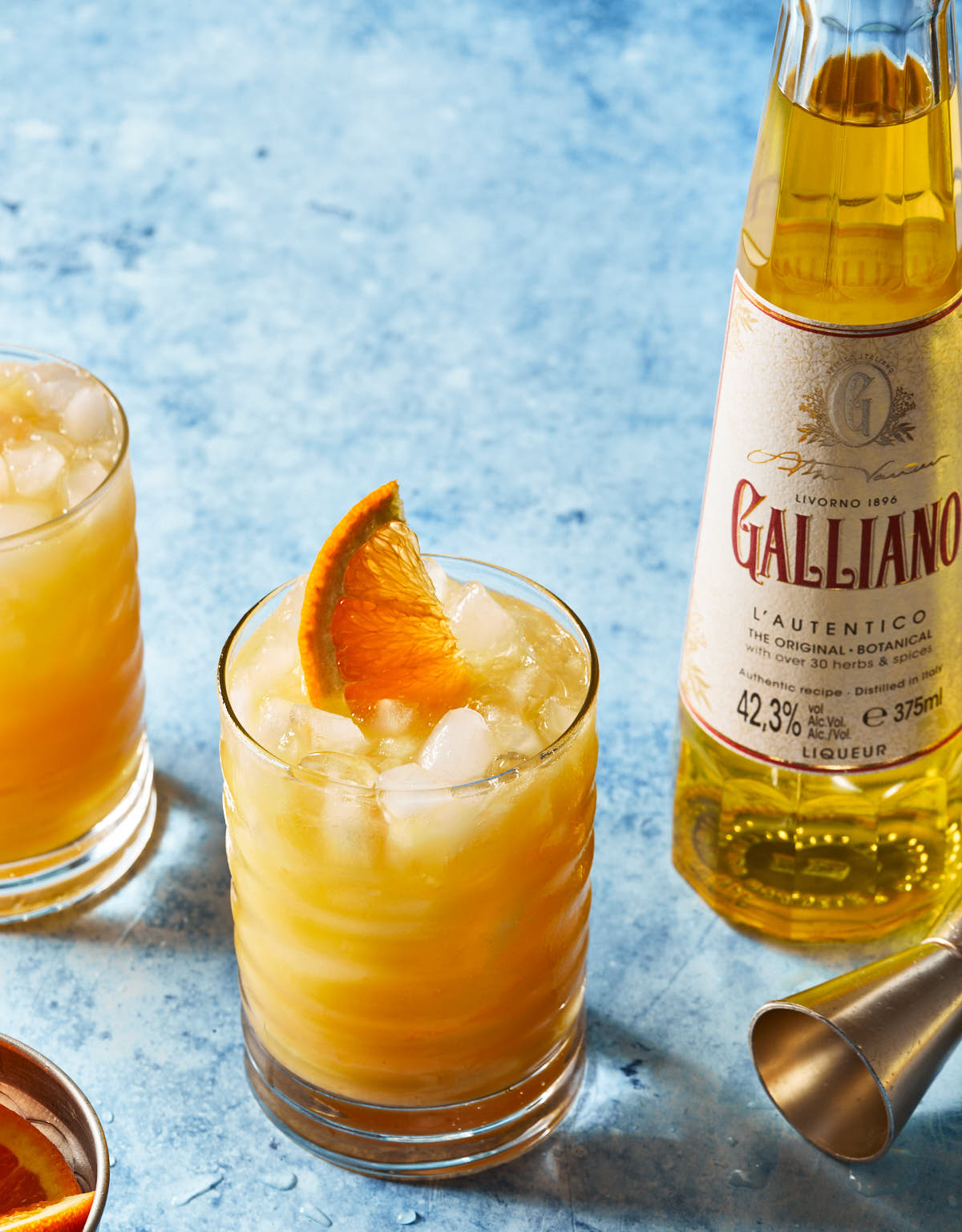
There is no honest way to talk about the 1970s without making room for a drink this shamelessly fun. Vodka, orange juice, Galliano, the whole thing sounding like a marketing department stumbled into a disco with surprising results. And that is partly the point, because the Harvey Wallbanger came out of a period when flashy bottle design, easy-drinking formulas, and a more casual idea of cocktail culture were beginning to beat old-school restraint. It looked good, tasted easy, and never pretended to be austere, which made it a perfect fit for a decade that mixed self-indulgence with a very real appetite for spectacle.
The Whiskey Sour, 1970s, then again in the 2010s
r/cocktails
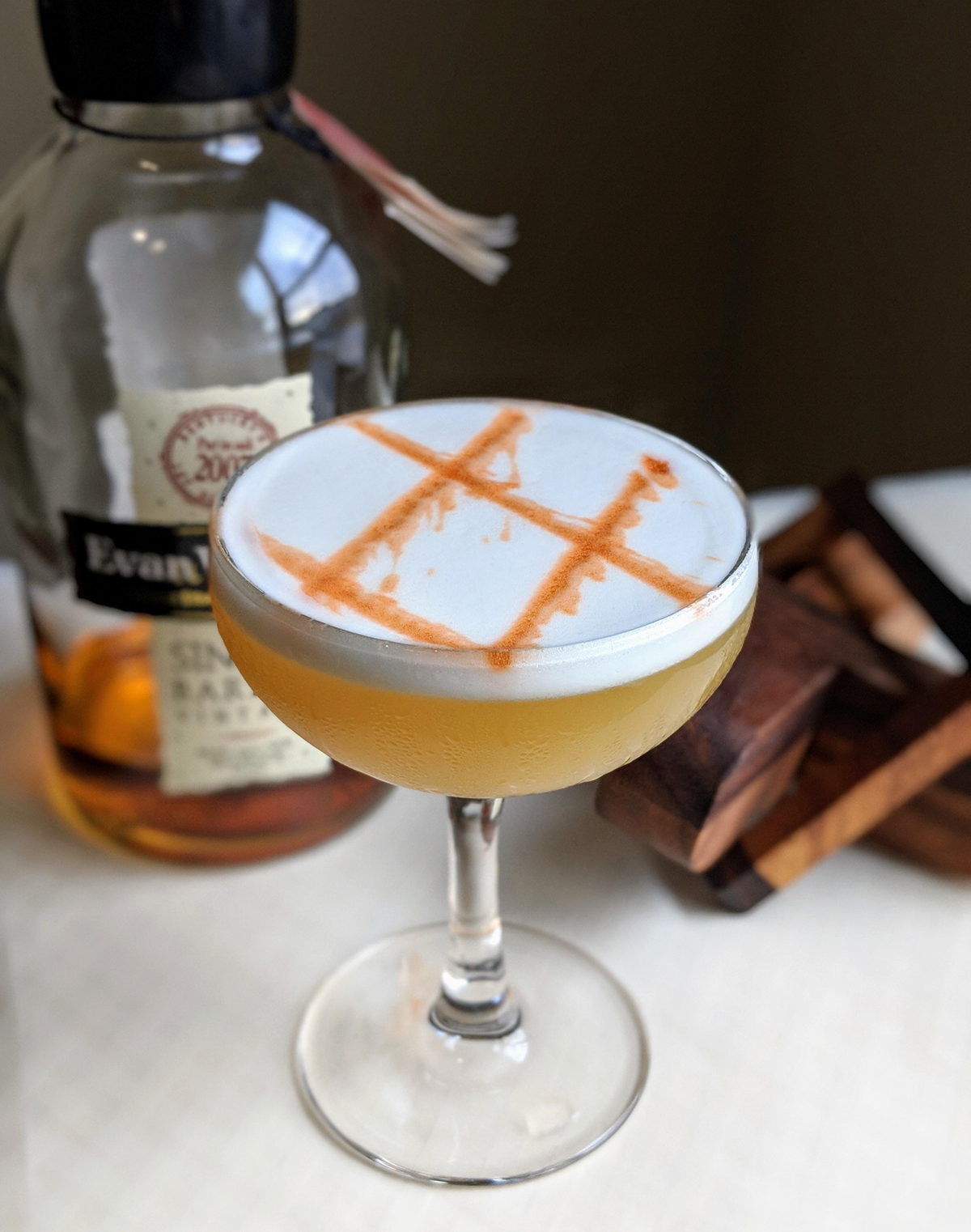
This one is interesting because it spanned two different decades for two different reasons. In the 1970s, the Whiskey Sour often showed up in a softened, mix-driven form, approachable and a little stripped down, part of the broader move toward convenience. Then the 2010s brought it back in serious bars with fresh citrus, proper balance, and, often, egg white, turning it into a quiet symbol of the cocktail revival’s best instinct, taking familiar drinks seriously without draining them of pleasure. Same name, different cultural posture.
Trending on The Scroller
The Bloody Mary, 1980s brunch culture
r/cocktails
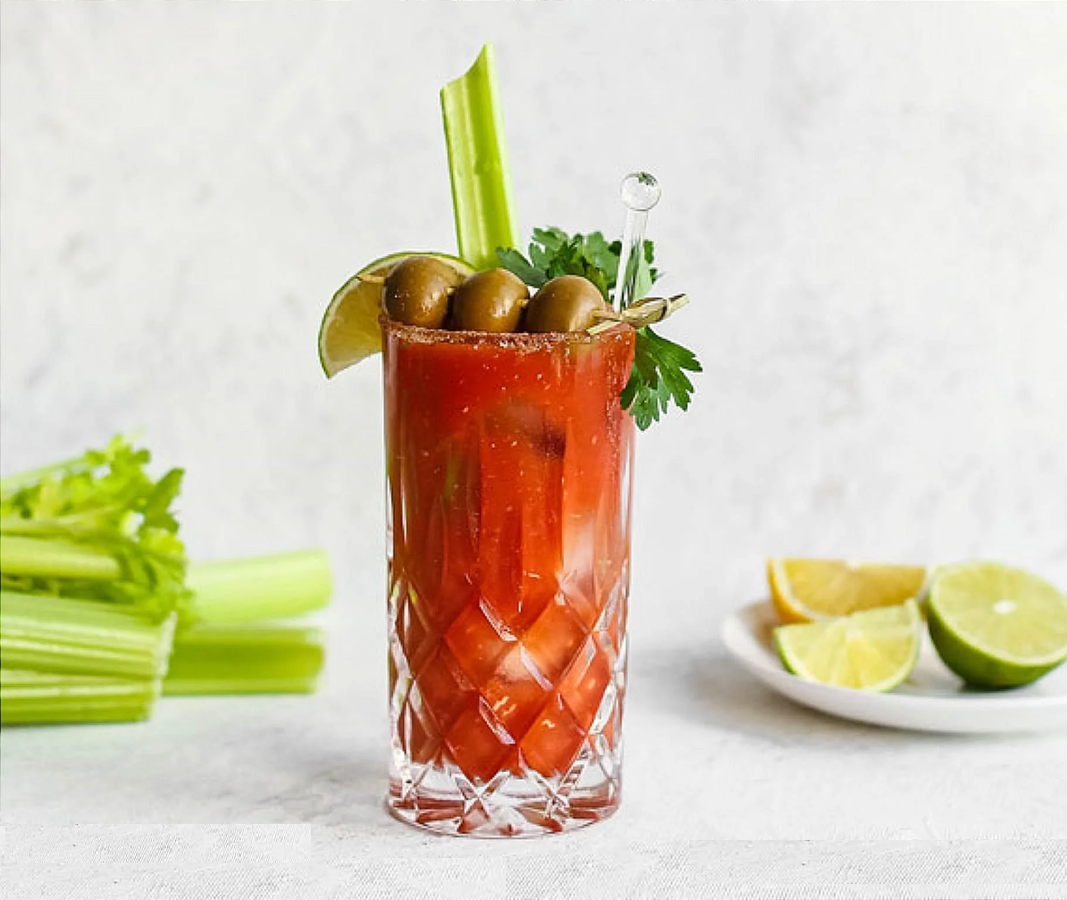
The drink itself predates the 1980s by a long shot, but its personality changed when brunch became less of a meal and more of a public performance. Suddenly, the Bloody Mary was not just a hangover tool or a savory outlier; it was part of the social architecture of the weekend, especially in American cities where dining out was becoming more self-conscious and status-coded. Celery stalks got taller, garnishes got bossier, and the drink’s appeal expanded because the decade liked anything that could look excessive while still pretending to be practical. Tomato juice gave it cover. Vodka gave it purpose.
The Piña Colada, 1980s resort dream
r/perfumesthatfeellike
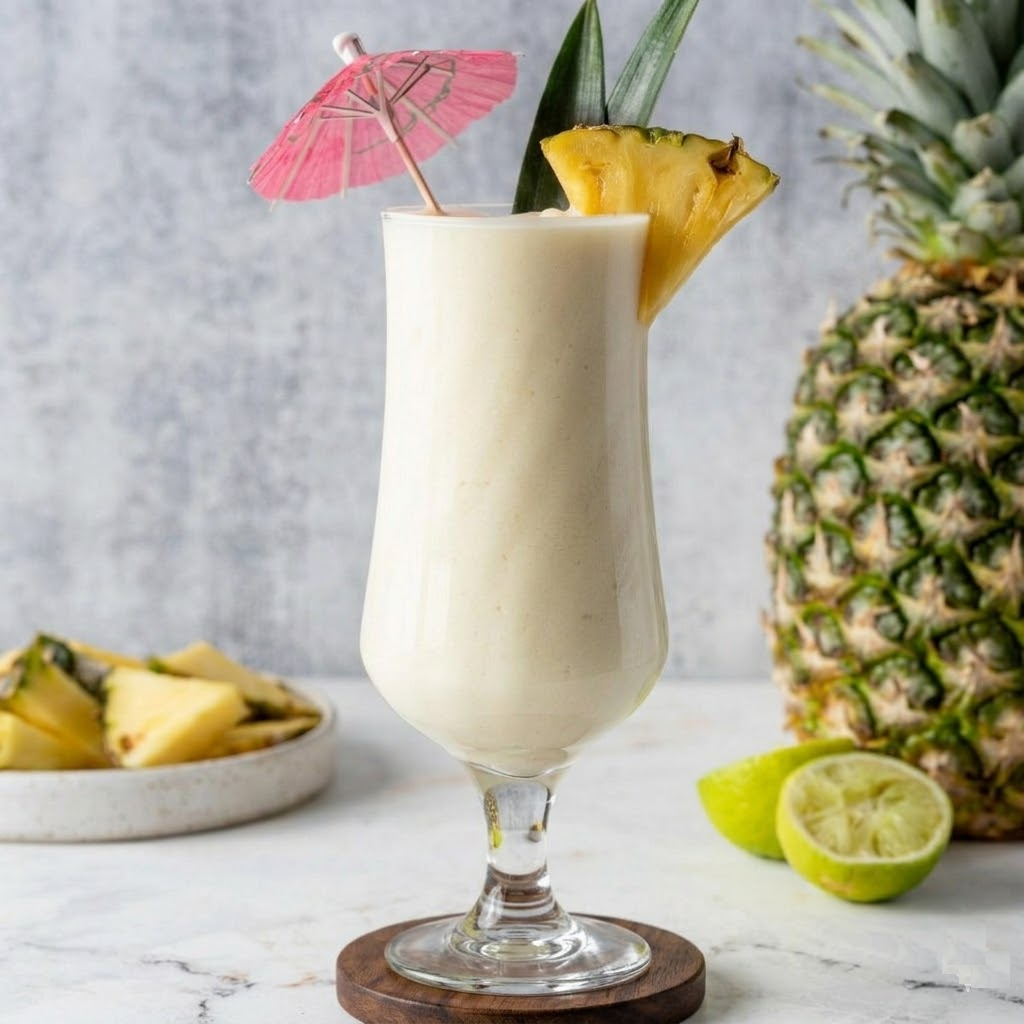
The Piña Colada is often treated like a punchline, which is unfair and a little lazy. What it really captures is a decade that sold escape as lifestyle, not just vacation, with Caribbean branding, hotel bars, cruise-ship leisure, and the broader mainstreaming of tropical imagery in pop culture. Puerto Rico had already embraced the drink long before the 1980s leaned all the way in, but that decade turned it into a postcard version of indulgence, creamy, sweet, and almost suspiciously committed to a good time. It was less about nuance than atmosphere, and the 1980s rarely apologized for that.
The Cosmopolitan, 1990s
r/recipesharinghub
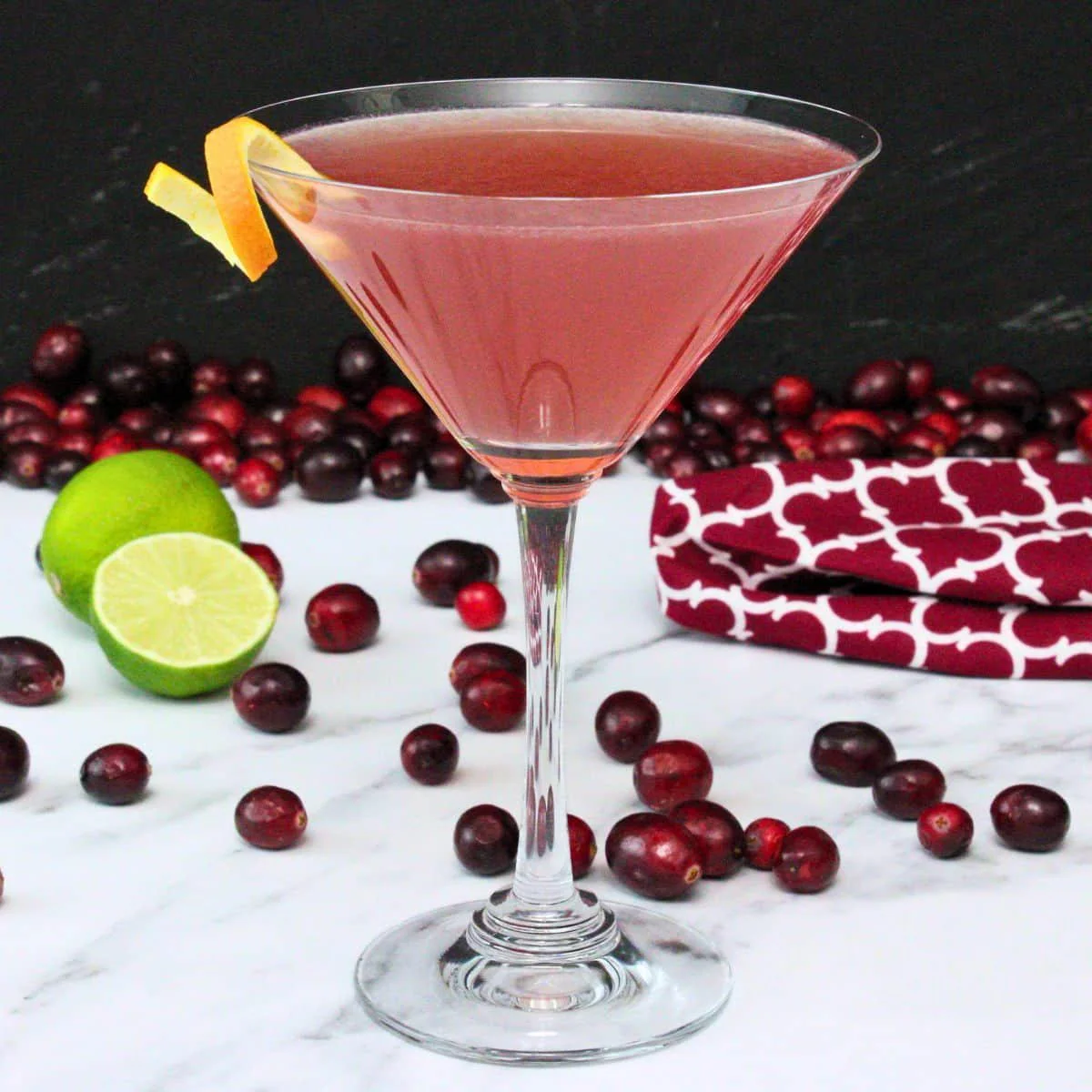
Few drinks have ever been so tied to a specific urban fantasy. The Cosmopolitan had earlier roots, of course, but the version that really mattered, the pink, sharp-edged, vodka-forward one associated with late 1990s Manhattan, was less about deep cocktail tradition than about what nightlife felt like when media, fashion, and restaurant culture started bleeding into one another every night. Dale DeGroff and other New York bartenders helped shape the drink into something cleaner and more balanced than its detractors like to remember, but its real power was visual. It belonged to the era of glossy magazines, restaurant banquettes, flash photography, and the idea that your drink should say something about your life before you took the first sip.
Sign up for our newsletter
The Espresso Martini, late 1980s into the 1990s
r/cocktails
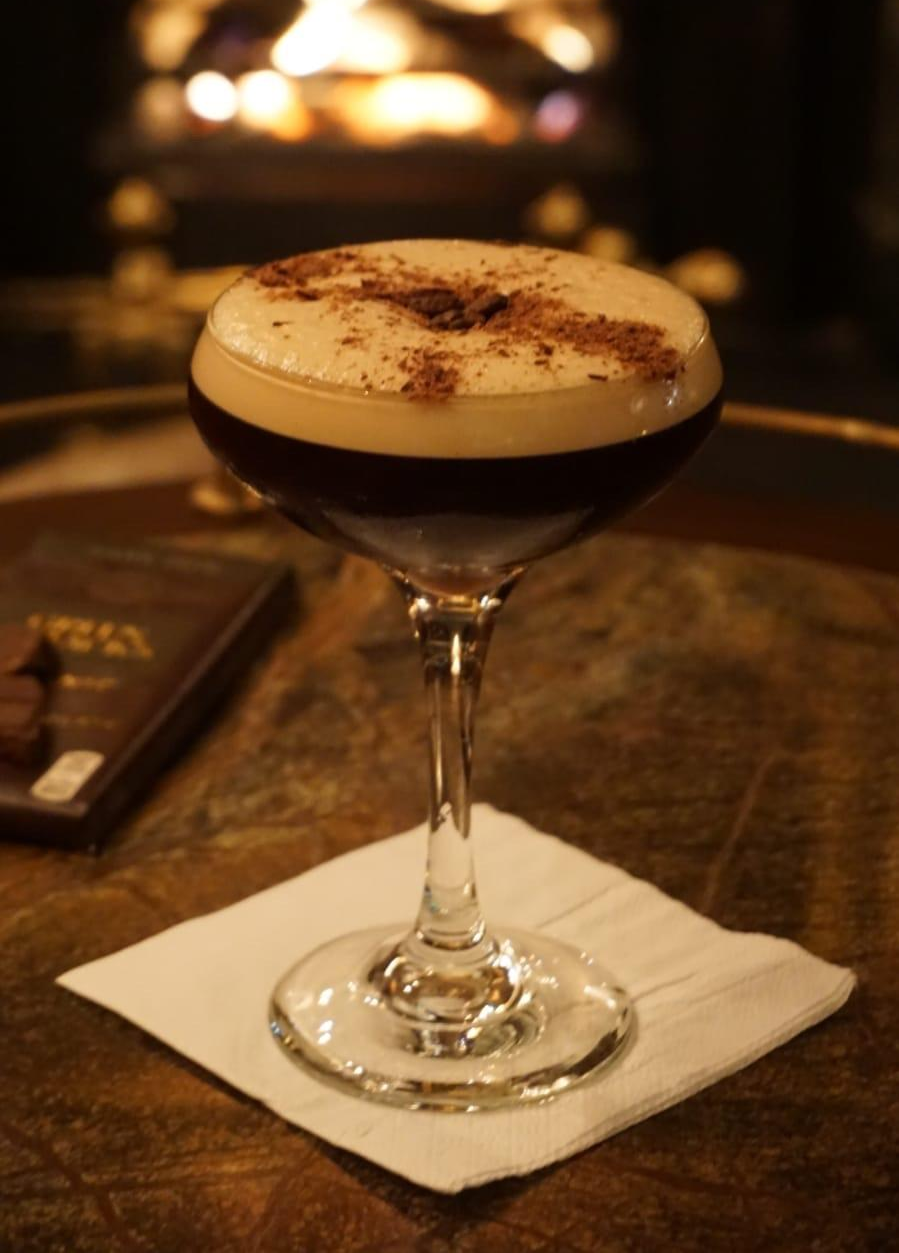
This drink was built for a world that wanted stimulation dressed up as sophistication. Credited to Dick Bradsell in London in the 1980s, the Espresso Martini arrived at exactly the right moment, when vodka was ascendant, coffee culture was becoming more style-conscious, and nightlife had started rewarding anything that could keep the party moving while looking sleek in the glass. It also belongs to that very specific pre-wellness mindset, when exhaustion was treated like a scheduling problem, and glamour often meant finding a more attractive way to stay awake. You can practically hear the heel clicks and bar spoons in it.
The Old Fashioned, 2000s
r/cocktails
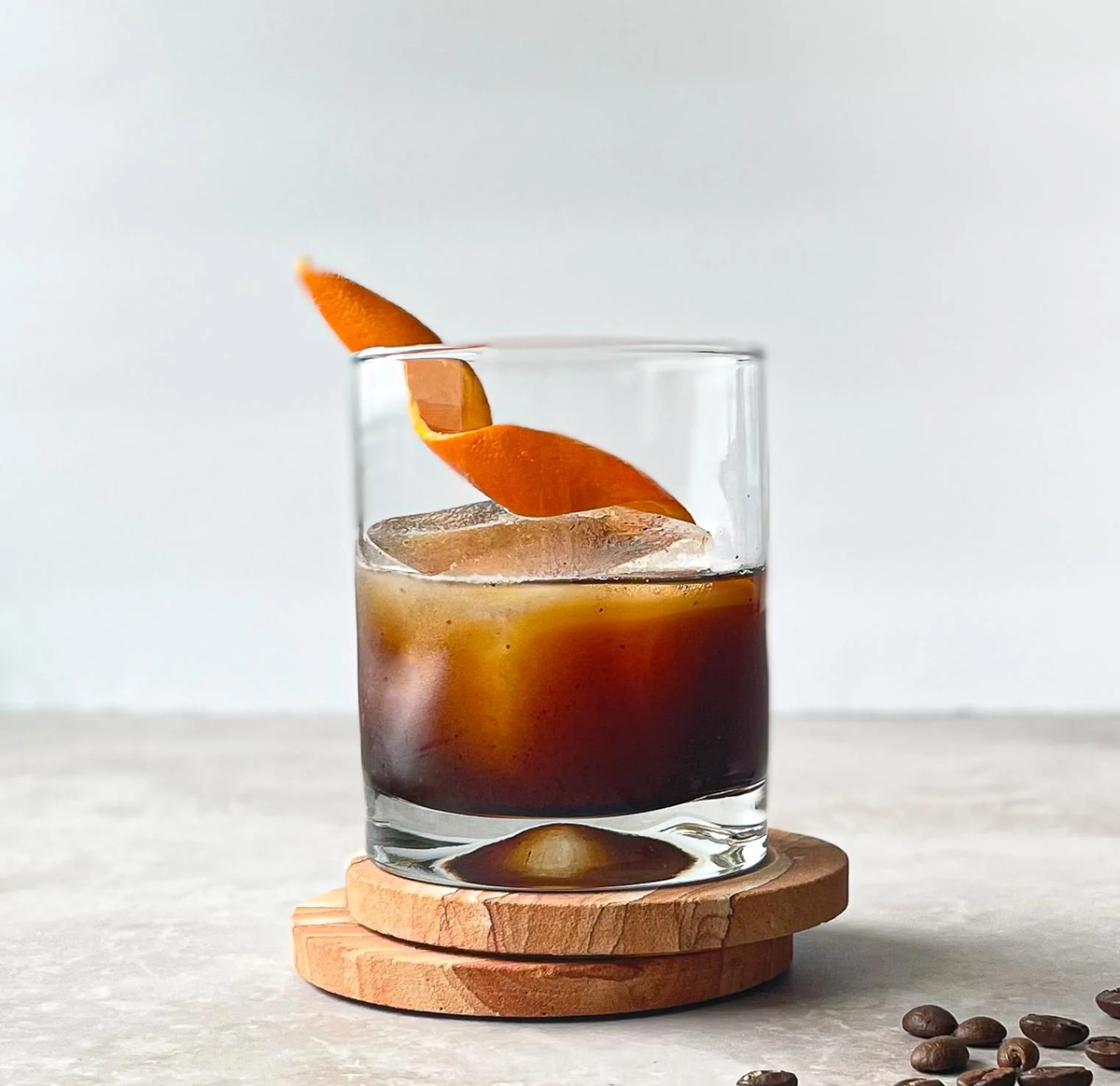
By the 2000s, the Old Fashioned had become more than a classic cocktail; it was a corrective. After the bright excesses and flavored-vodka detours of the previous decade, drinkers, especially male drinkers trying to signal discernment, gravitated toward brown spirits, weightier glasses, and drinks with a backstory. Cocktail bars in New York, London, San Francisco, and elsewhere had already started doing the archival work in the late 1990s, but in the 2000s, the Old Fashioned became a piece of cultural shorthand. It suggested taste, seriousness, and a certain studied rejection of anything too playful, which, in hindsight, says plenty about the era.
The Moscow Mule, 2010s patio optimism
r/cocktails
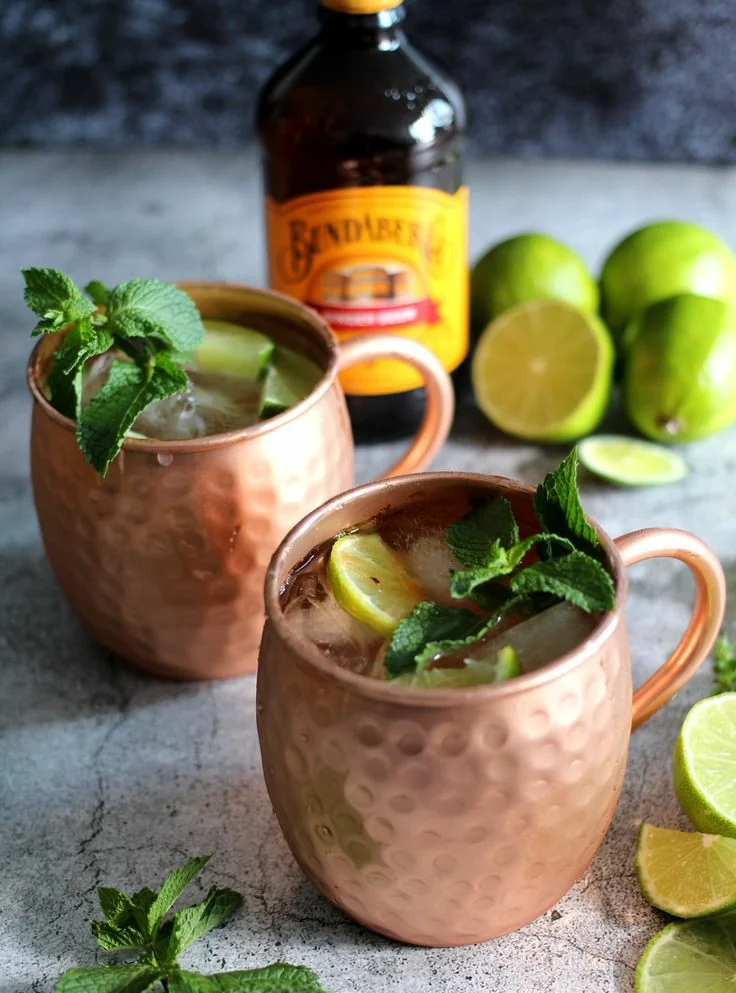
For a while, you could not walk into a new restaurant without seeing rows of copper mugs waiting behind the bar. The Moscow Mule had been around since the 1940s, but the 2010s gave it a second life because it fit the decade’s appetite for easy craft drinks that felt elevated enough for Instagram but simple enough for wide appeal. Vodka kept it accessible, ginger beer made it punchy, lime kept it bright, and the mug did the rest. It was social, photogenic, and just self-aware enough, which is more or less how a lot of the decade liked to see itself.
The Aperol Spritz, late 2010s into now
r/cocktails
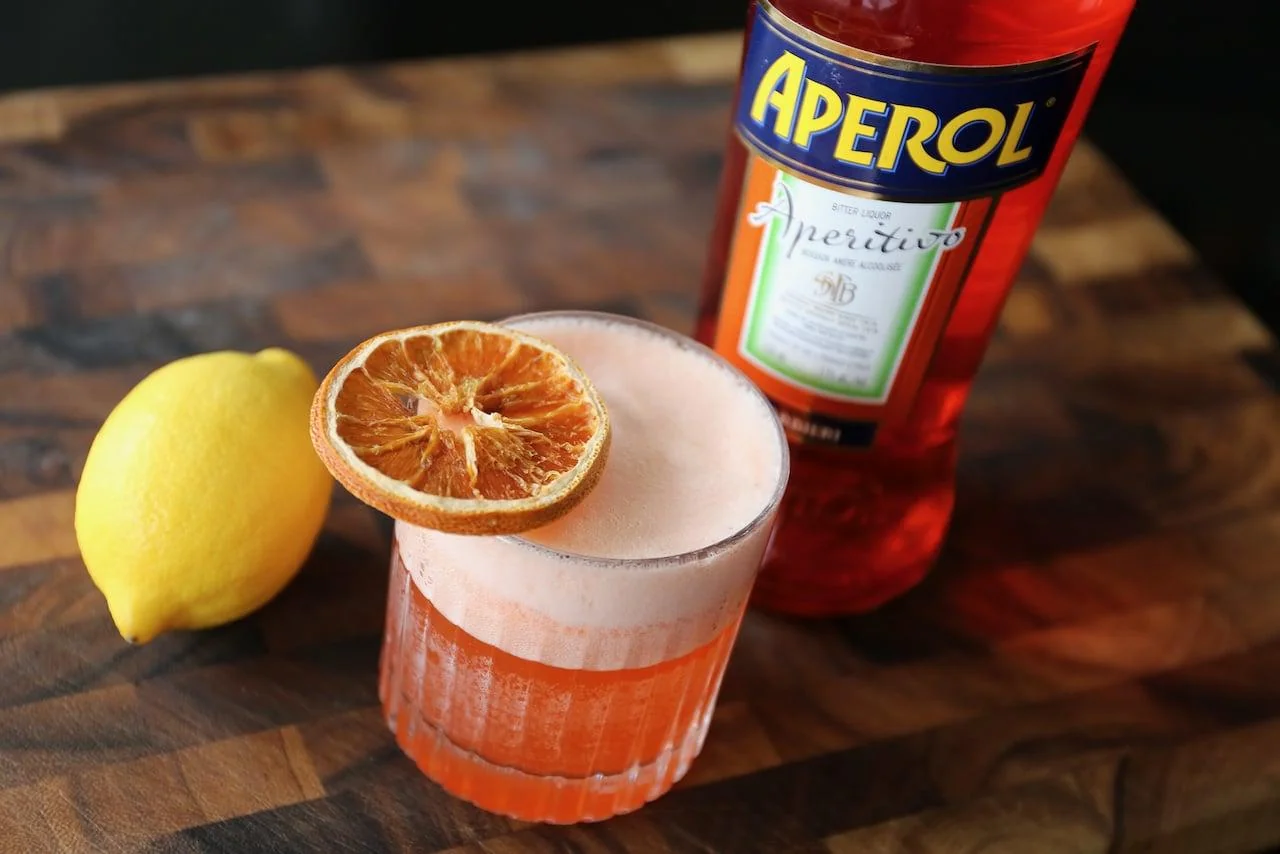
Some drinks feel inseparable from the decade that embraced daylight drinking as identity. The Aperol Spritz had been common in northern Italy for years, but by the late 2010s it became global shorthand for terrace culture, holiday longing, and the kind of leisure that photographs beautifully at 6:17 p.m. It is bitter, but not too bitter, low-proof, but not joyless, bright enough to announce itself from across the table. That balance matters. The drink fits an era that often wants pleasure to feel light, stylish, and vaguely wellness-adjacent, even when everyone is still ordering fries.
The Negroni Sbagliato, 2020s spillover culture
r/cocktails
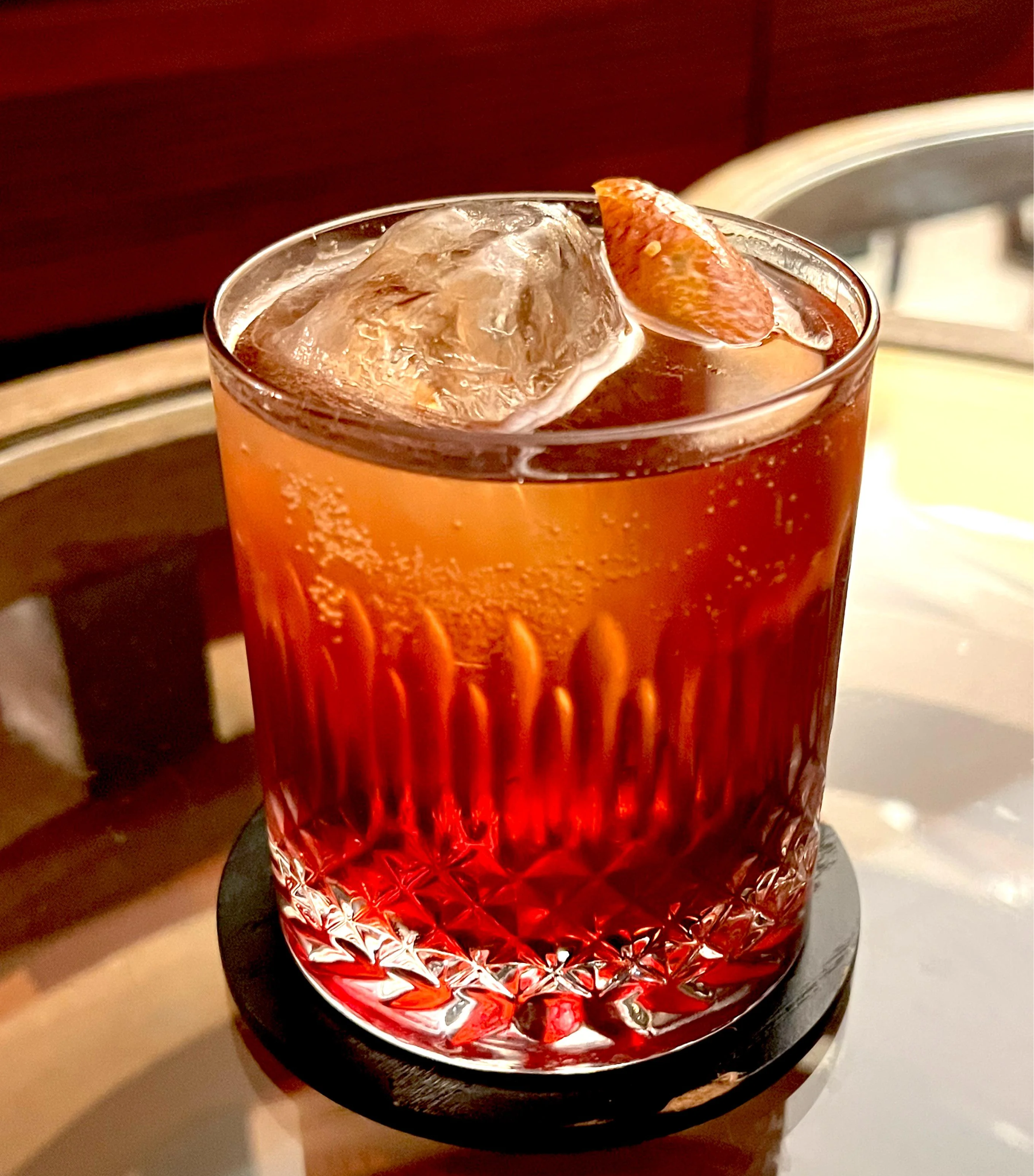
A drink does not need decades of dominance to absorb a decade’s personality. The Negroni Sbagliato, especially once it got folded into meme culture and celebrity interview circulation in the early 2020s, became one of those rare bar orders that traveled almost instantly from industry shorthand to mainstream social signal. It already had what the moment liked, low-stakes glamour, familiar ingredients, a little prosecco lift, and enough Italianate cool to feel informed without seeming try-hard. In a period shaped by online virality, soft luxury, and a preference for things that look chic without reading as too serious, it landed exactly where it needed to.
What stays interesting about these drinks is not whether each one was objectively the best thing in the glass at the time. It is the way they picked up the posture of the room around them. Some decades wanted elegance, some wanted ease, some wanted a little theater, and the bar usually caught on faster than anyone else.
In the mood for more?
You can check out 21 Vintage Photos of Prohibition Speakeasies in the 1920s, or 16 Vintage Recipes That Were Popular at Dinner Parties Decades Ago. If you want to see more 1900s content, you can check out 18 Traditions That Died With The 1900s or 15 Old Wives’ Tales From The Early 1900s.