Some cooking instructions seem designed to make a simple dinner unnecessarily difficult. Salting meat a day in advance, cooking a steak twice, or preparing flour before making bread can sound like extra work for no obvious reason. Yet plenty of these fussy-sounding methods produce results that are surprisingly easy to taste, see, or feel. From crispier chicken skin to softer bread and richer sauces, these 15 techniques explain why some kitchen shortcuts aren’t worth taking.
1. Dry-Brining Meat Overnight
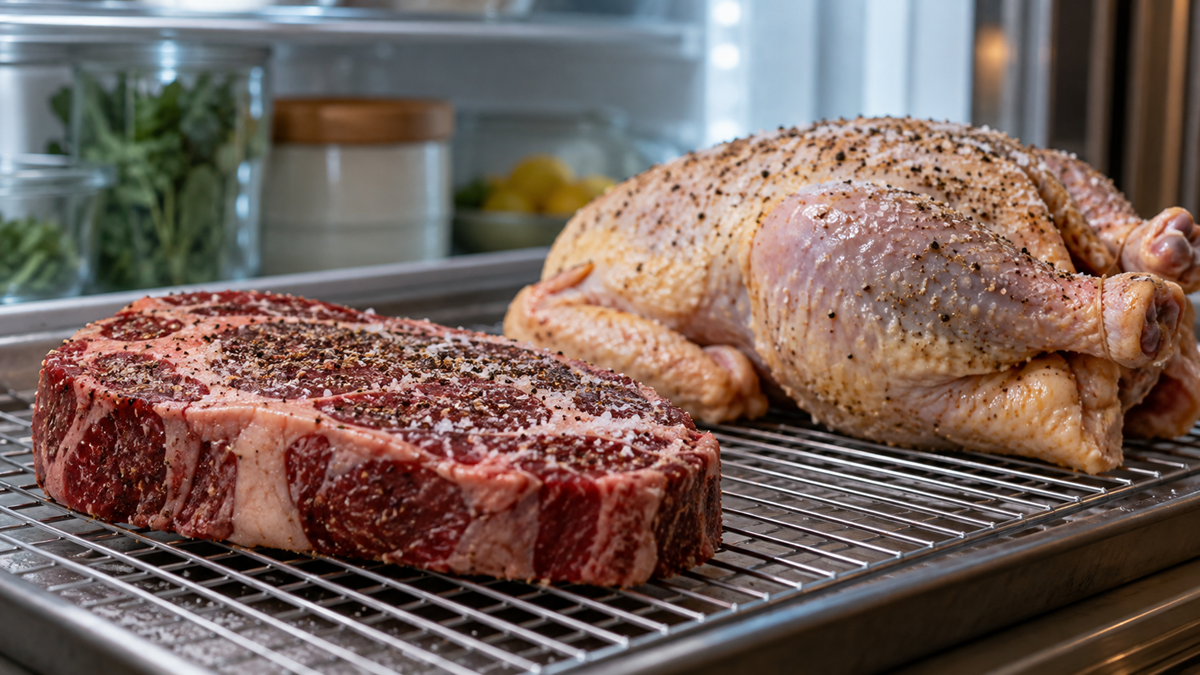
Salting a steak or chicken several hours before cooking might seem excessive when seasoning it right before dinner takes seconds. But dry-brining does more than put salt on the surface. Initially, the salt draws out moisture, which gradually dissolves it and allows the seasoning to move into the meat. Given enough time, the salt also changes how muscle proteins hold moisture during cooking. Leaving the meat uncovered on a rack in the refrigerator can help dry its exterior, making browning easier. The difference is especially noticeable with thick steaks and roast chicken, where a well-seasoned interior and crisp skin are worth the advance planning.
2. Reverse-Searing a Steak
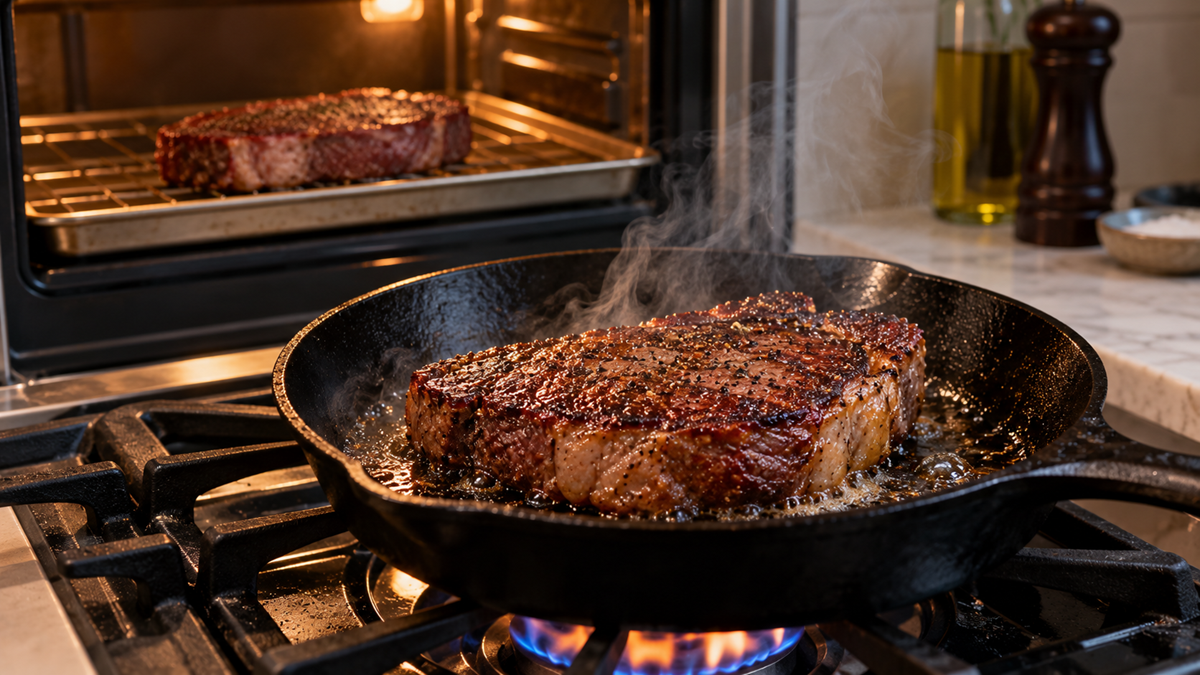
Traditional steak cooking usually starts with a very hot pan. Reverse-searing takes the opposite approach, bringing the meat close to its target temperature in a low oven before finishing it with a quick, aggressive sear. It sounds backward, but the slower cooking stage helps reduce the thick gray band of overcooked meat that often forms beneath a steak’s crust. The surface also becomes drier in the oven, which makes browning easier afterward. This method works particularly well with thick cuts, although a thin supermarket steak doesn’t have much to gain from the extra steps.
3. Making Brown Butter Instead of Simply Melting It
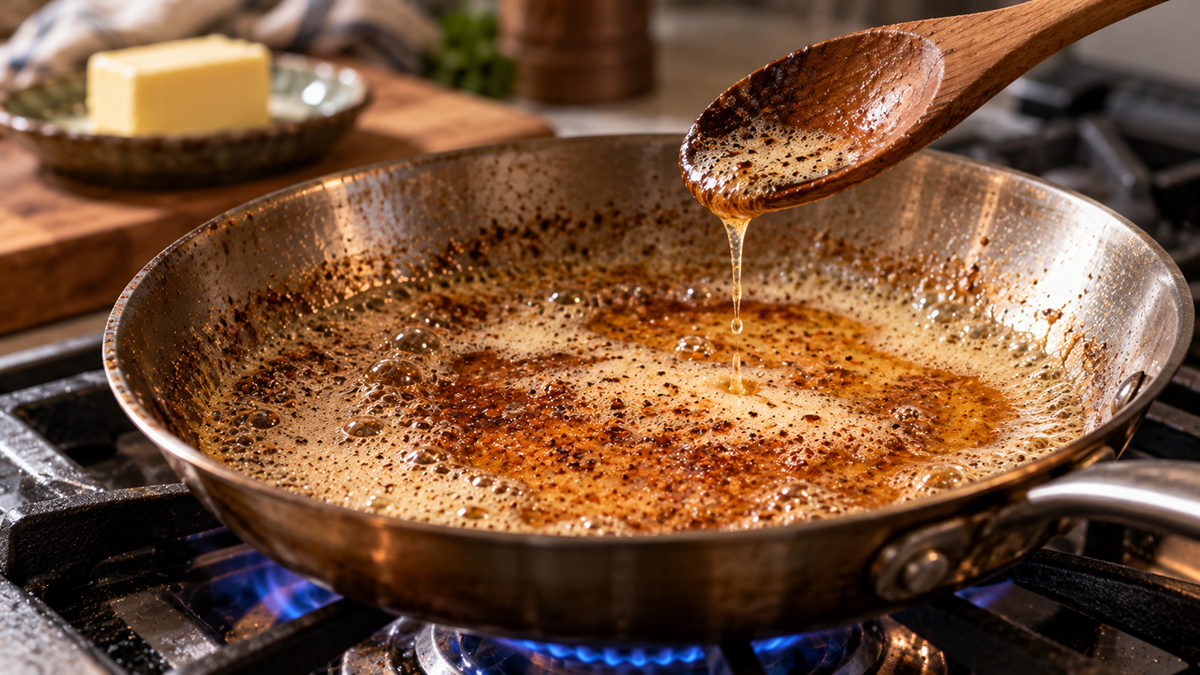
There’s a brief moment when ordinary melted butter turns into something much more interesting. As the water cooks off and the milk solids begin to brown, the butter develops a nutty, toasted aroma. French cooks call it beurre noisette, a name that refers to its hazelnut-like character. It takes only a few additional minutes, but those minutes can change the flavor of cookies, mashed potatoes, fish, or pasta. The tricky part is stopping before the solids burn. Once they turn golden brown and smell pleasantly toasted, getting the butter out of the hot pan quickly is usually a good idea.
4. Tempering Chocolate
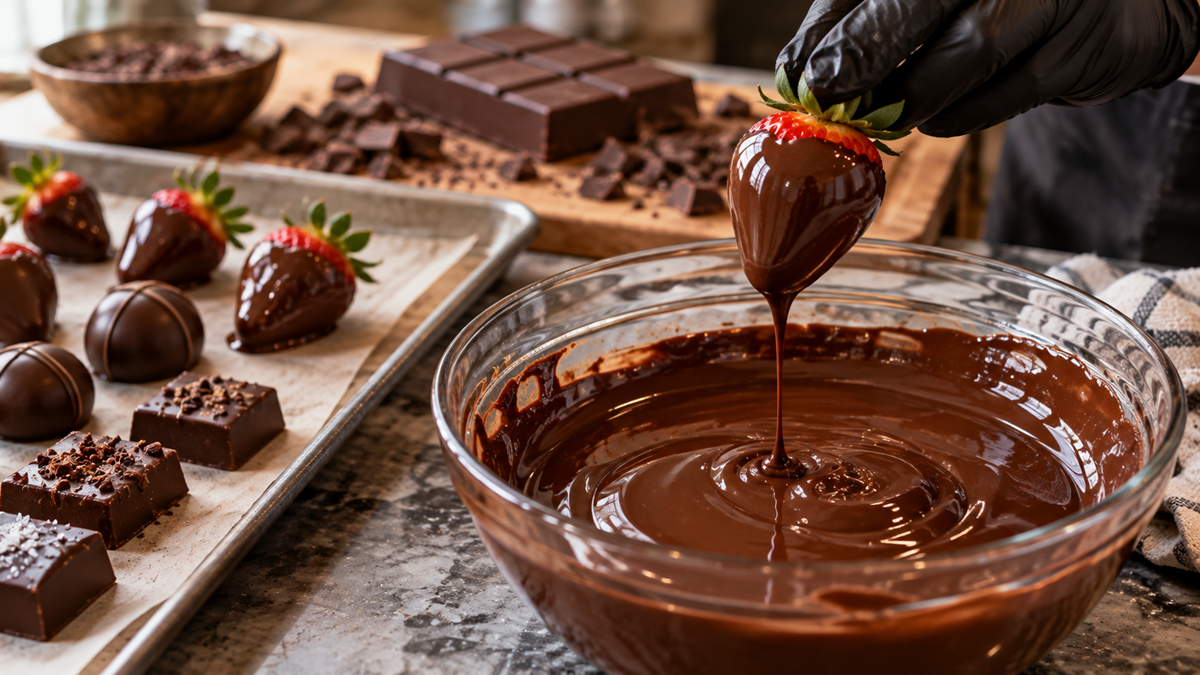
Chocolate makers aren’t obsessed with temperatures for no reason. Proper tempering encourages cocoa butter to form the stable crystal structure responsible for a glossy surface and a clean, satisfying snap. Without it, melted chocolate may set with a dull finish, a softer texture, or pale streaks known as fat bloom. The process involves carefully heating, cooling, and sometimes reheating chocolate to specific temperatures. It isn’t necessary for brownies or chocolate sauce, but for homemade chocolate bars, dipped strawberries, and thin candy shells, the difference can be immediately obvious.
5. Blooming Spices in Hot Oil
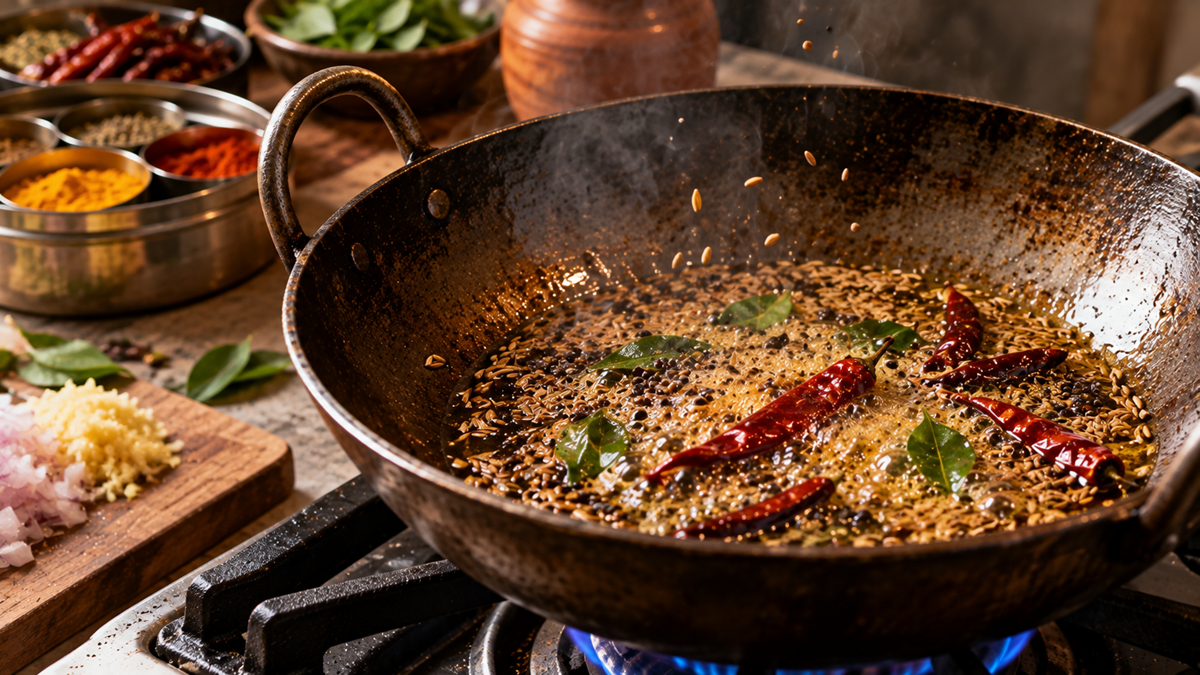
Many Indian dishes begin with spices hitting hot fat, sometimes producing an immediate burst of crackling and fragrance. This isn’t merely a dramatic way to start cooking. Heating spices in oil helps release and distribute aromatic compounds, including some that dissolve readily in fat. Whole cumin seeds, mustard seeds, and dried chilies can take on a noticeably different character after just a short time in the pan. The technique is also used with ground spices, although they burn more easily. A little attention at the beginning can give a curry or lentil dish considerably more depth.
Trending on The Scroller


6. Using a Tangzhong Starter for Softer Bread
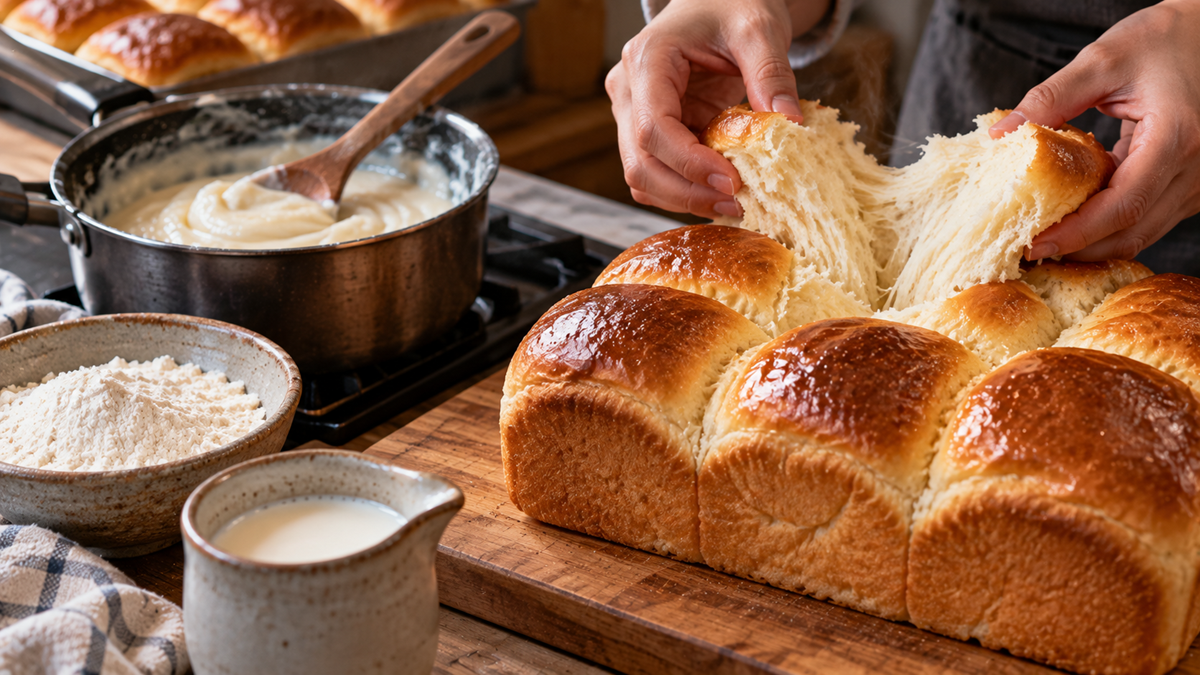
The secret behind exceptionally soft milk bread sometimes involves cooking part of the flour before making the dough. Tangzhong is a thick mixture of flour and liquid heated until its starches gelatinize. Once cooled, it’s added to the remaining bread ingredients. This allows the mixture to hold more water and can help produce a tender, fluffy crumb that stays soft longer. The technique is particularly useful for sandwich loaves, milk bread, and dinner rolls, although it doesn’t improve every type of bread equally. It seems like an unnecessary saucepan to wash until a fresh loaf practically pulls apart like cotton.
7. Velveting Meat Before Stir-Frying
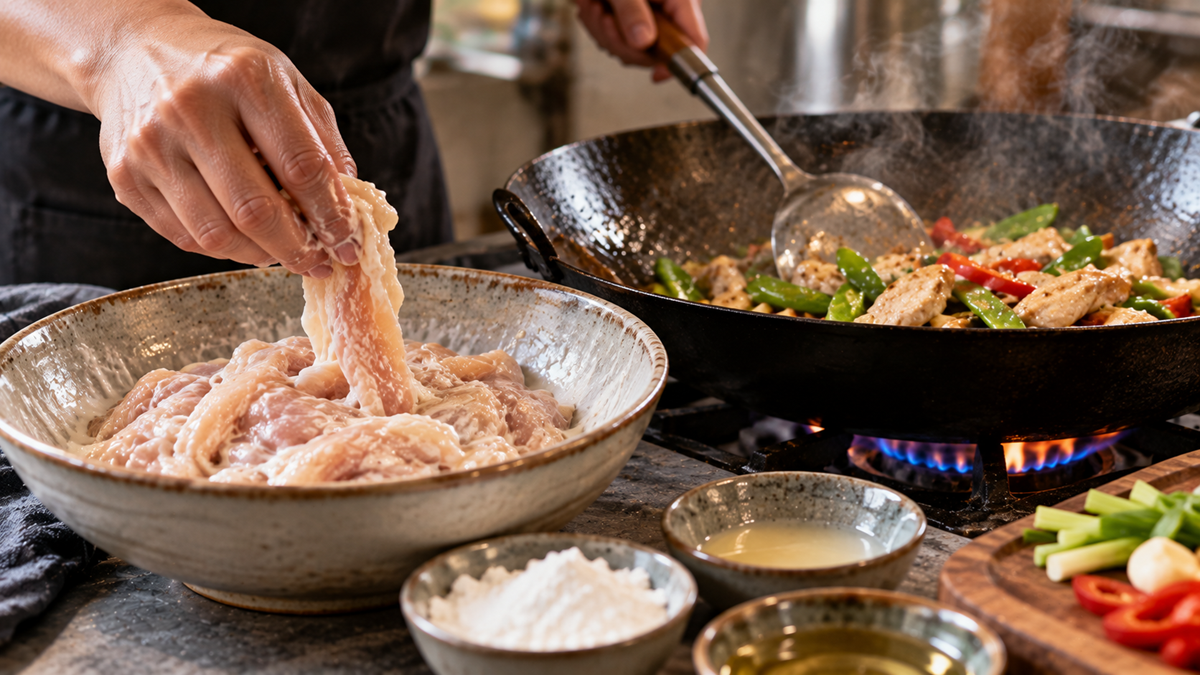
That unusually tender chicken found in many Chinese restaurant stir-fries isn’t necessarily the result of an expensive cut. Velveting is a preparation technique that often involves coating sliced meat with ingredients such as starch, egg white, or oil, depending on the recipe. The meat may then be briefly cooked in oil or water before its final stir-fry. The coating helps protect the surface during cooking and contributes to the silky texture. Some versions also use a little baking soda to tenderize the meat. It’s an additional preparation stage, but lean chicken breast can taste remarkably different afterward.
8. Emulsifying Pasta Sauce With Starchy Water
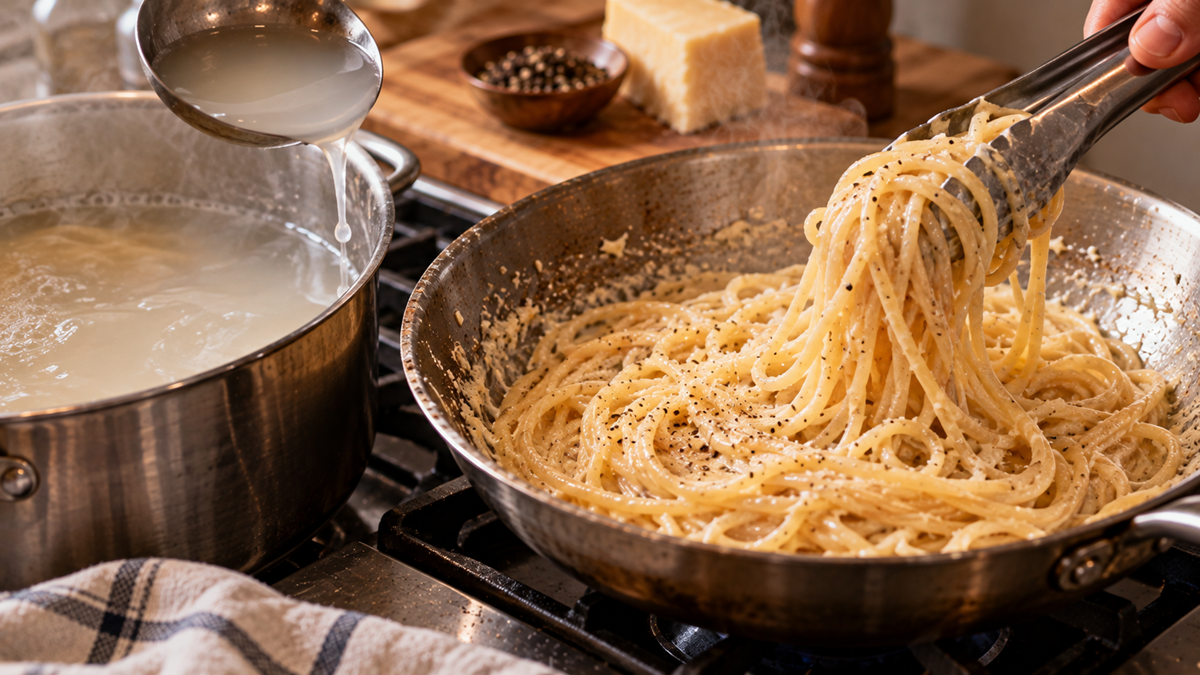
A few spoonfuls of cloudy pasta water can do something that pouring more olive oil into a sauce won’t accomplish. The starch released during cooking helps water and fat come together into a sauce that clings more evenly to the pasta. Vigorous tossing or stirring also helps form and maintain that emulsion. It’s an essential part of dishes such as cacio e pepe and pasta alla gricia, where the sauce depends heavily on technique rather than a long ingredient list. Dumping drained pasta onto a plate and spooning sauce over it simply doesn’t produce the same coating.
Sign up for our newsletter
9. Blanching Vegetables and Shocking Them in Ice Water
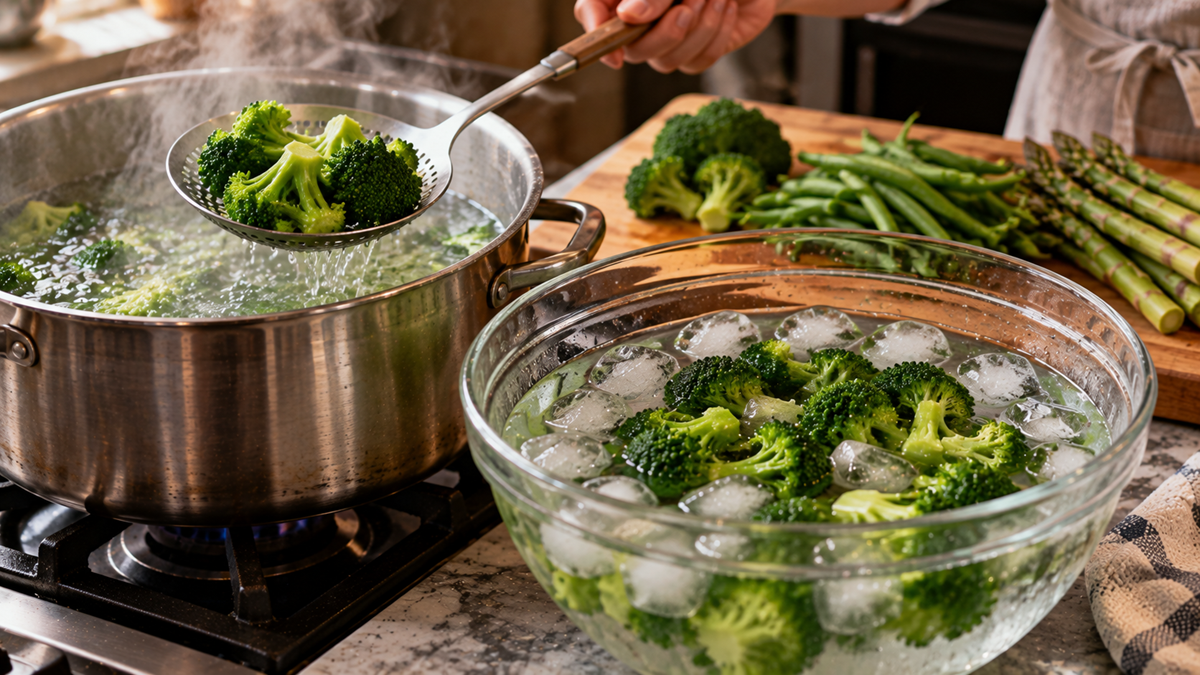
The bowl of ice water sitting beside a boiling pot may look like unnecessary restaurant preparation. For green vegetables, though, blanching briefly in boiling water followed by rapid cooling can preserve a brighter appearance and prevent further softening. Broccoli, green beans, and asparagus are common candidates. The vegetables can then be dried and reheated quickly when needed. The result is particularly useful when preparing food ahead of time, since the final cooking stage doesn’t have to take them from raw to tender. The ice bath doesn’t magically preserve every nutrient, but it can make a real difference to texture and appearance.
10. Resting Cookie Dough Overnight
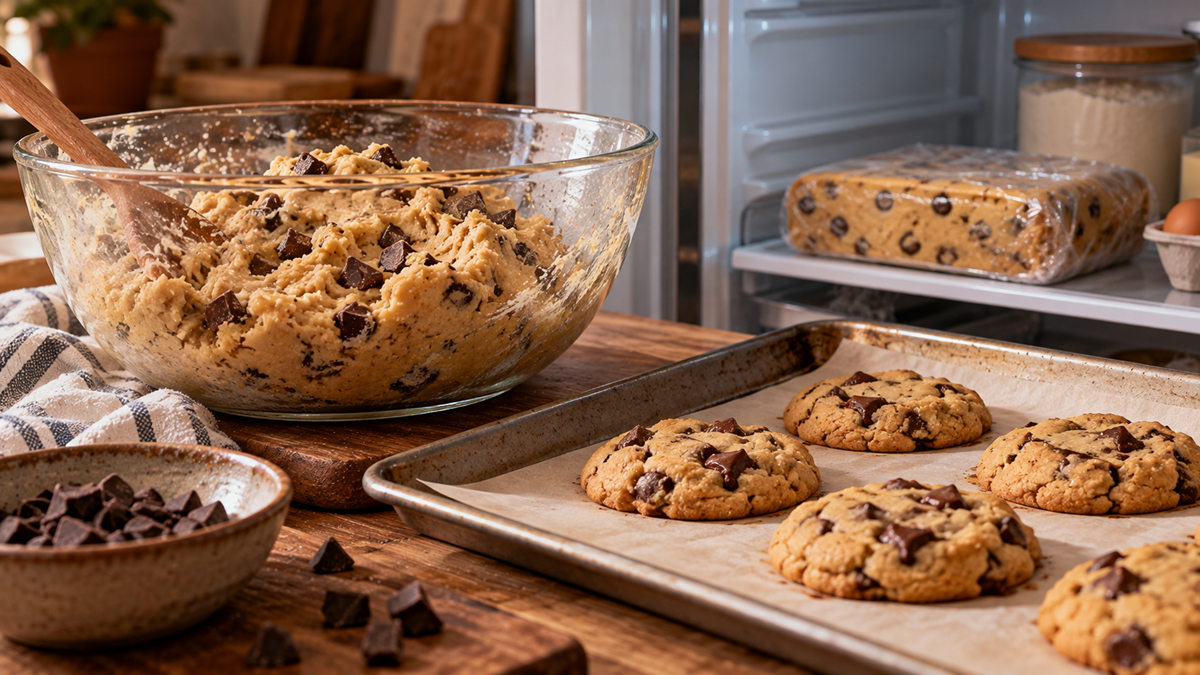
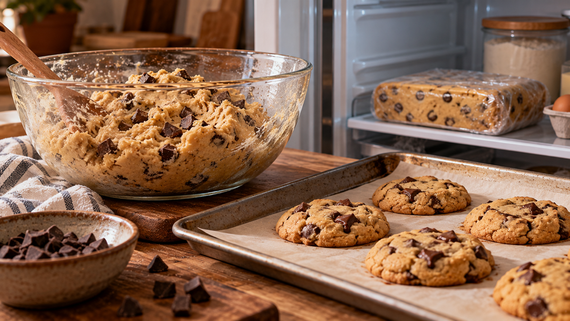
Freshly mixed cookie dough is perfectly capable of producing good cookies, which makes a 24-hour refrigerator rest sound unreasonable. Yet chilling gives flour more time to hydrate and allows the dough to firm up. That can affect how far cookies spread in the oven and how their texture develops. In some recipes, the longer rest also produces more complex flavors. The effect isn’t identical across every cookie recipe, but thick chocolate chip cookies are an especially good place to notice it. The hardest part is leaving the dough alone.
11. Using an Autolyse When Making Bread
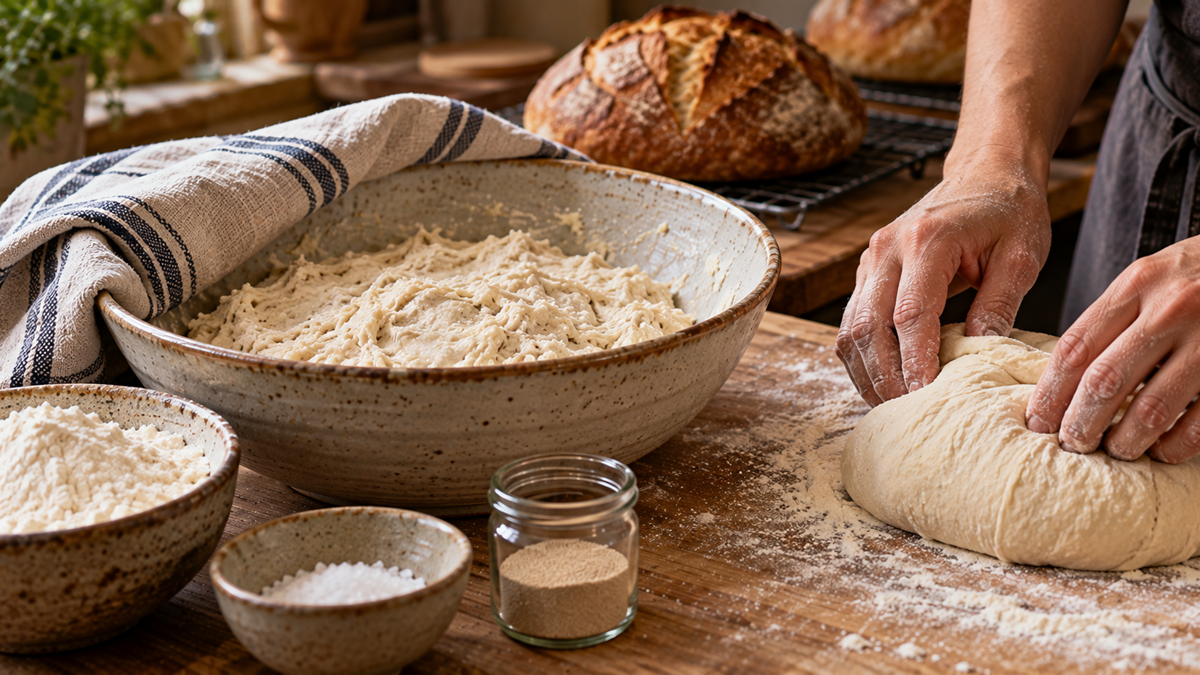
French bread expert Raymond Calvel developed the autolyse method during the 1970s. It involves mixing flour and water, then letting the mixture rest before adding salt and yeast or starter. During that pause, the flour hydrates and gluten development begins without extensive kneading. The dough often becomes easier to stretch and shape, particularly when making artisan bread. A rest of around 20 to 60 minutes is common, although the best timing varies. For anyone accustomed to wrestling with stubborn bread dough, the difference in handling can be surprisingly noticeable.
12. Salting Eggplant Before Cooking
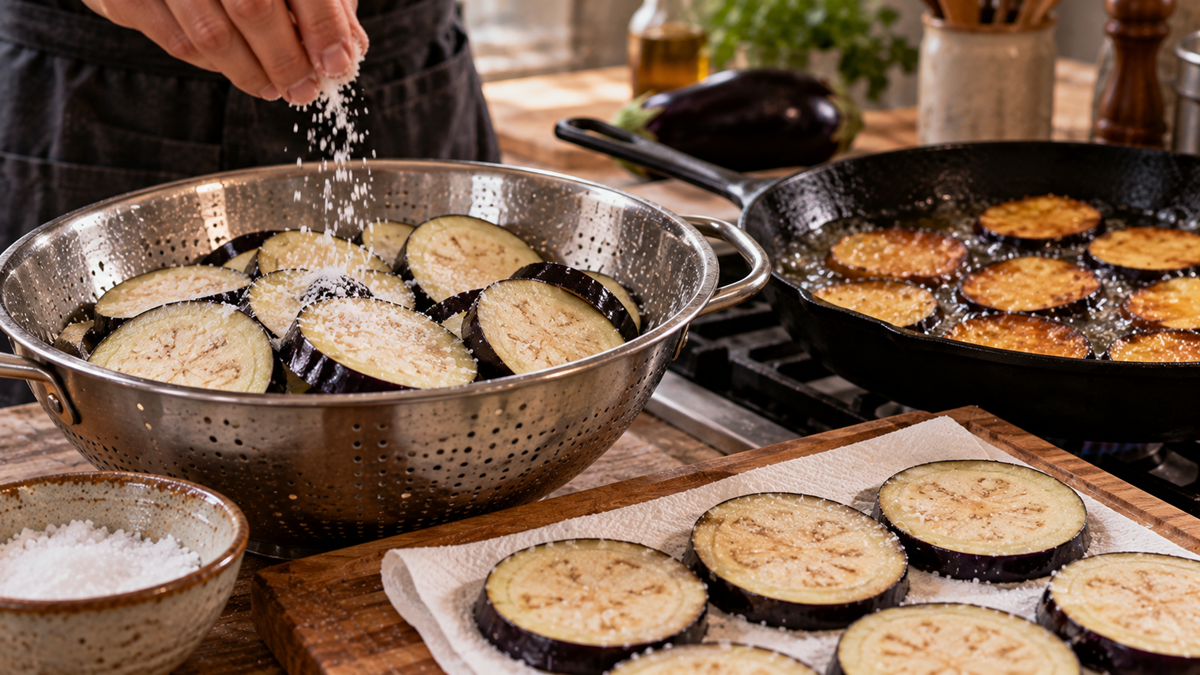
Older cookbooks often recommend salting eggplant to draw out bitterness, although wide modern varieties aren’t particularly bitter. There’s another reason to bother with the salt shaker, especially when frying. Salt draws moisture from the flesh, changing its texture and, in some preparations, helping limit how much oil the pieces absorb. After resting, the eggplant should be patted dry before cooking. It’s not a necessary step for every recipe, and skipping it won’t ruin a roasted eggplant. But for certain fried dishes, the difference can be worth the extra preparation.
13. Brining Dried Beans Before Cooking
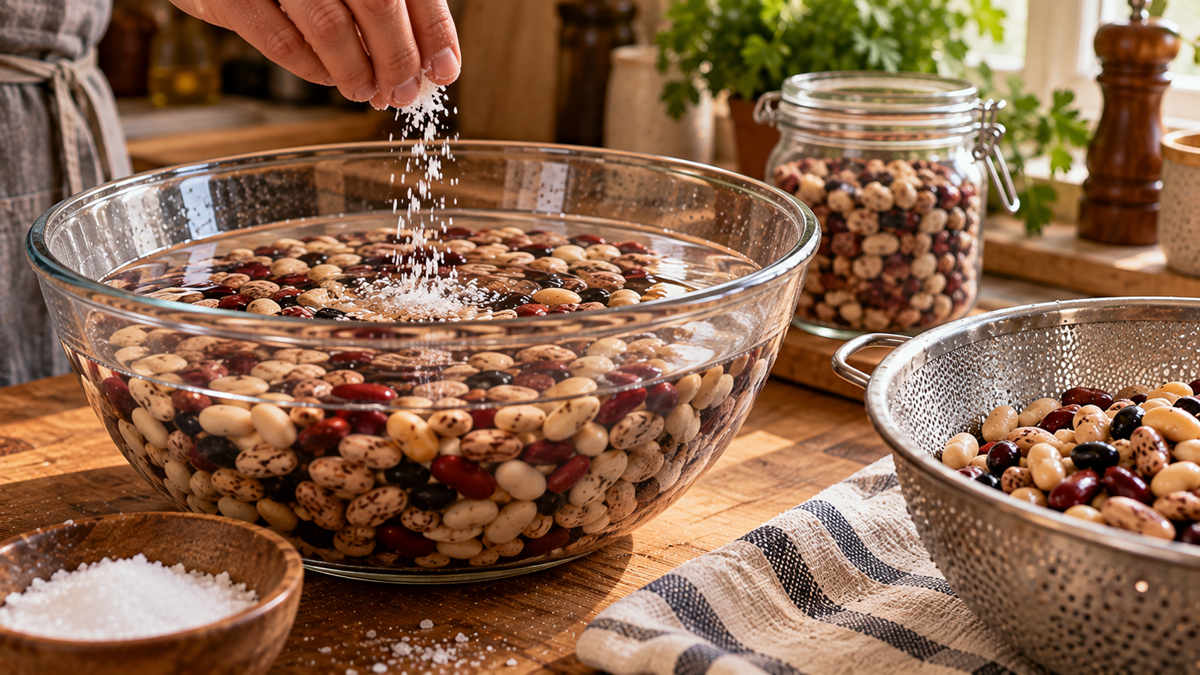
There was a time when salting beans before they became tender was treated as a kitchen mistake. That advice hasn’t held up particularly well. Soaking dried beans in salted water can actually help them cook more evenly and develop a creamier texture while keeping their skins relatively intact. Salt affects the structure of the bean’s skin, and it also gives seasoning more time to penetrate. The improvement is especially useful for bean salads and dishes where individual beans should remain whole. It takes some planning, but the actual work is little more than adding salt to a bowl of water.
14. Basting Steak With Butter and Aromatics
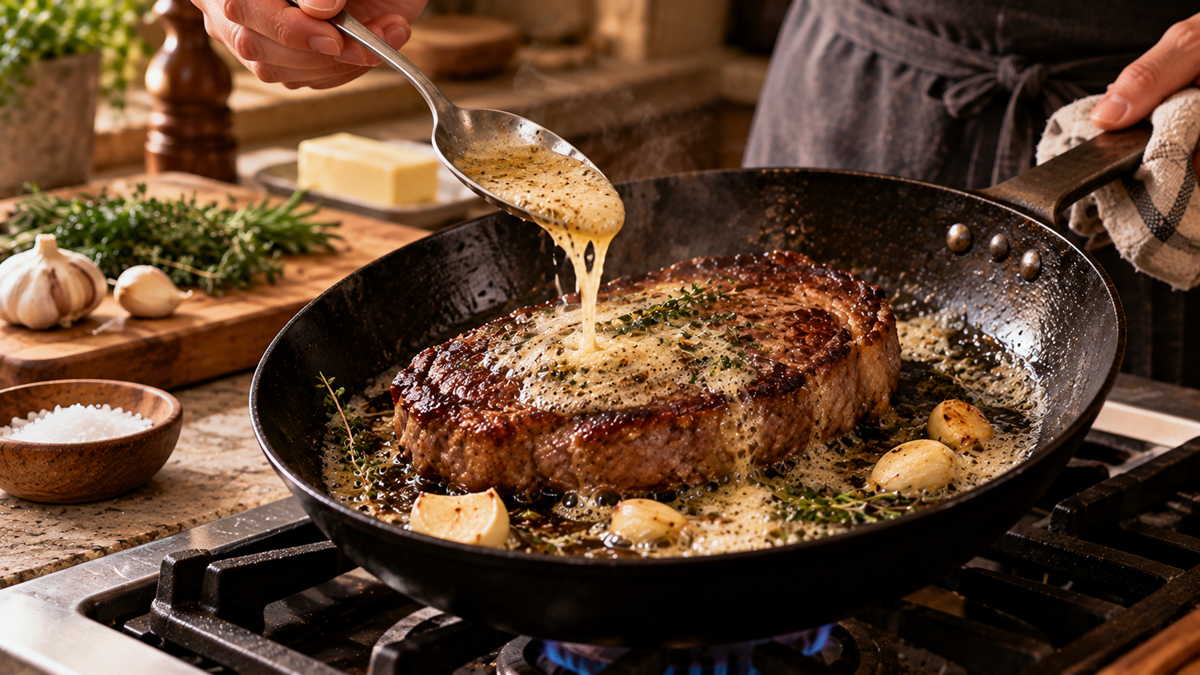
French-inspired restaurant kitchens frequently finish steaks by tilting a pan and repeatedly spooning foaming butter over the meat. Garlic, thyme, or rosemary often goes into the pan as well. The hot butter transfers heat to exposed surfaces while picking up aromas from the added ingredients. It also leaves the steak coated in flavorful fat, giving the finished dish a richer character. The technique isn’t automatically better than other steak-cooking methods, and too much basting can push the meat past its ideal temperature. Still, for a thick pan-seared steak, a short butter finish can be a particularly satisfying touch.
15. Searing Mushrooms Before Adding Other Ingredients
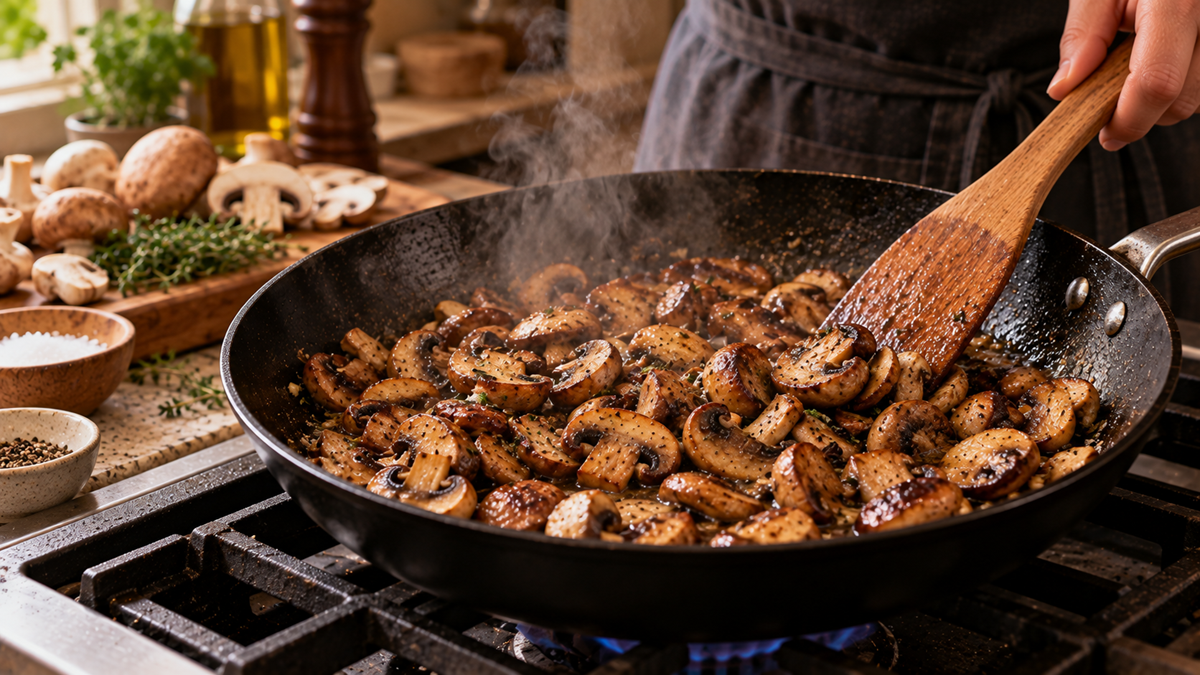
Mushrooms contain a remarkable amount of water, which explains why a crowded pan often turns into a small puddle instead of producing golden-brown pieces. Giving mushrooms sufficient heat and room allows moisture to evaporate and browning to develop. Some cooks even start them with a little water before adding fat, letting the mushrooms soften and release moisture first. Either way, the important part is allowing the liquid to cook away before expecting serious browning. The resulting flavor is deeper and more savory, with a firmer texture than mushrooms that have spent their entire cooking time steaming.
In the mood for more?
Check out 15 Foods Once Considered Poor People’s Meals That Became Expensive Restaurant Favorites, or take a look at 17 Foods Nutritionists Eat Every Day That People Never Expect. If you want to see more cultural habits, you can check out 15 Polite Gestures That Can Seem Rude in Another Country.