Before smartphones and search engines, newspapers were much more than a source of breaking news. Americans relied on printed pages to find jobs, search for apartments, discover recipes, follow sports, and keep up with their neighbors. A single edition could help organize an entire day. From clipping coupons to solving crossword puzzles, newspapers shaped routines in ways that have largely moved online. These 15 examples show how deeply printed news once influenced everyday American life, and how much people expected from a stack of paper.
The Classifieds Were America’s Original Job-Search Engine
Finding a job once meant scanning the help-wanted section, circling promising openings, and calling employers directly. Newspaper classifieds also reflected the hiring practices of their time, including separate listings for men and women in many mid-20th-century publications. Timing mattered because another applicant could respond first. Today’s job seekers refresh online listings; their predecessors had to hop the morning paper brought better news.
Finding a New Home Often Started With the Sunday Paper
Before online real estate platforms, prospective renters and buyers searched newspaper classifieds for apartments, houses, and rooms. Listings squeezed information about prices, neighborhoods, and amenities into a few lines, often with barely any details about the property itself. Interested readers had to call and arrange visits in person. No virtual tours, no photo galleries, just a short description and a little faith.
Grocery Shopping Could Begin With a Pair of Scissors
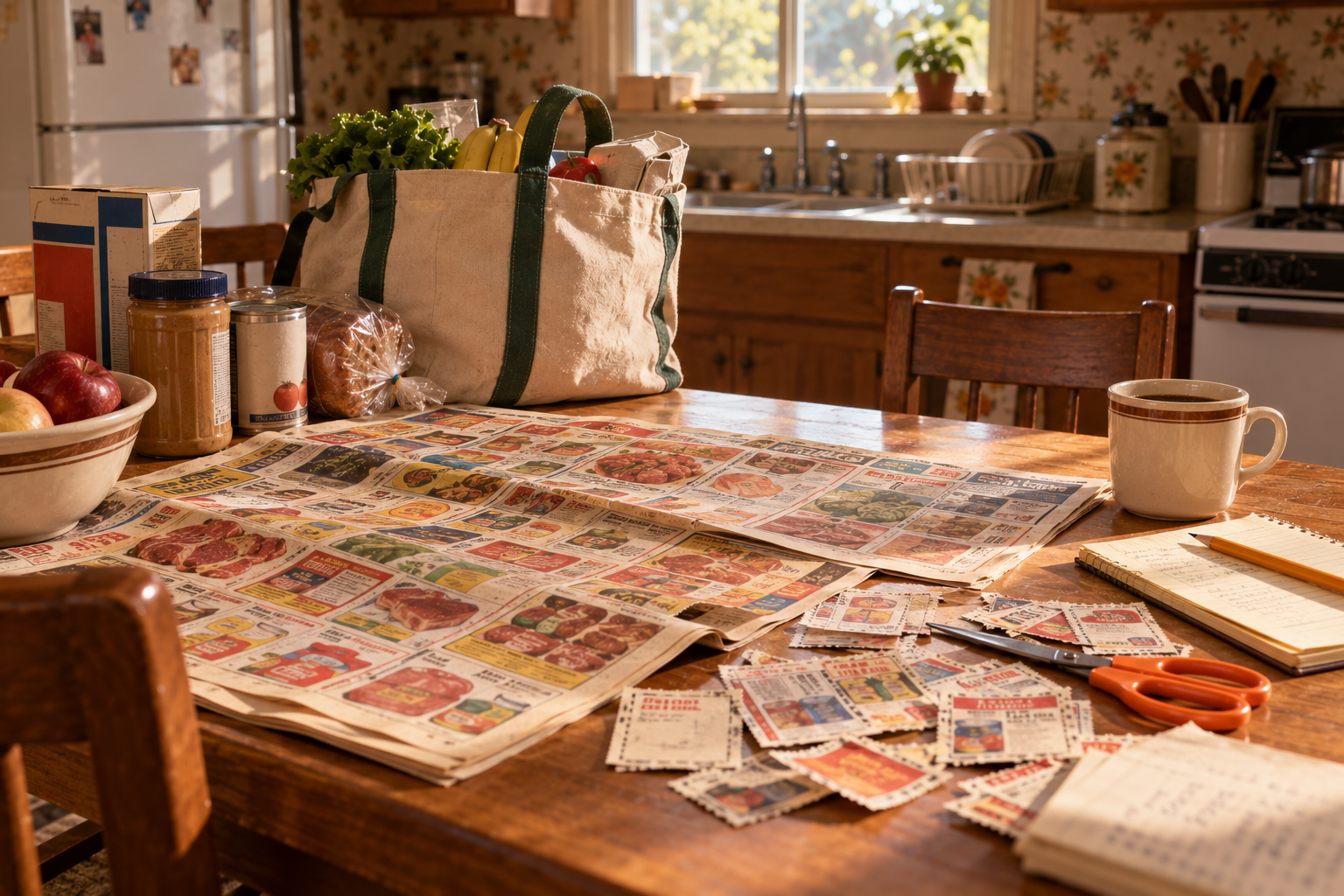
Sunday newspapers often included supermarket advertisements and coupons that helped families plan their weekly shopping. Clipping and organizing discounts became a familiar household ritual, especially for budget-conscious consumers. The practice had older roots: Coca-Cola distributed vouchers for free drinks as early as 1887, helping popularize coupon marketing. Before browser extensions hunted for discounts, shoppers needed sharp scissors and a designated spot for paper scraps.
Newspapers Helped Americans Find Romance Before Dating Apps
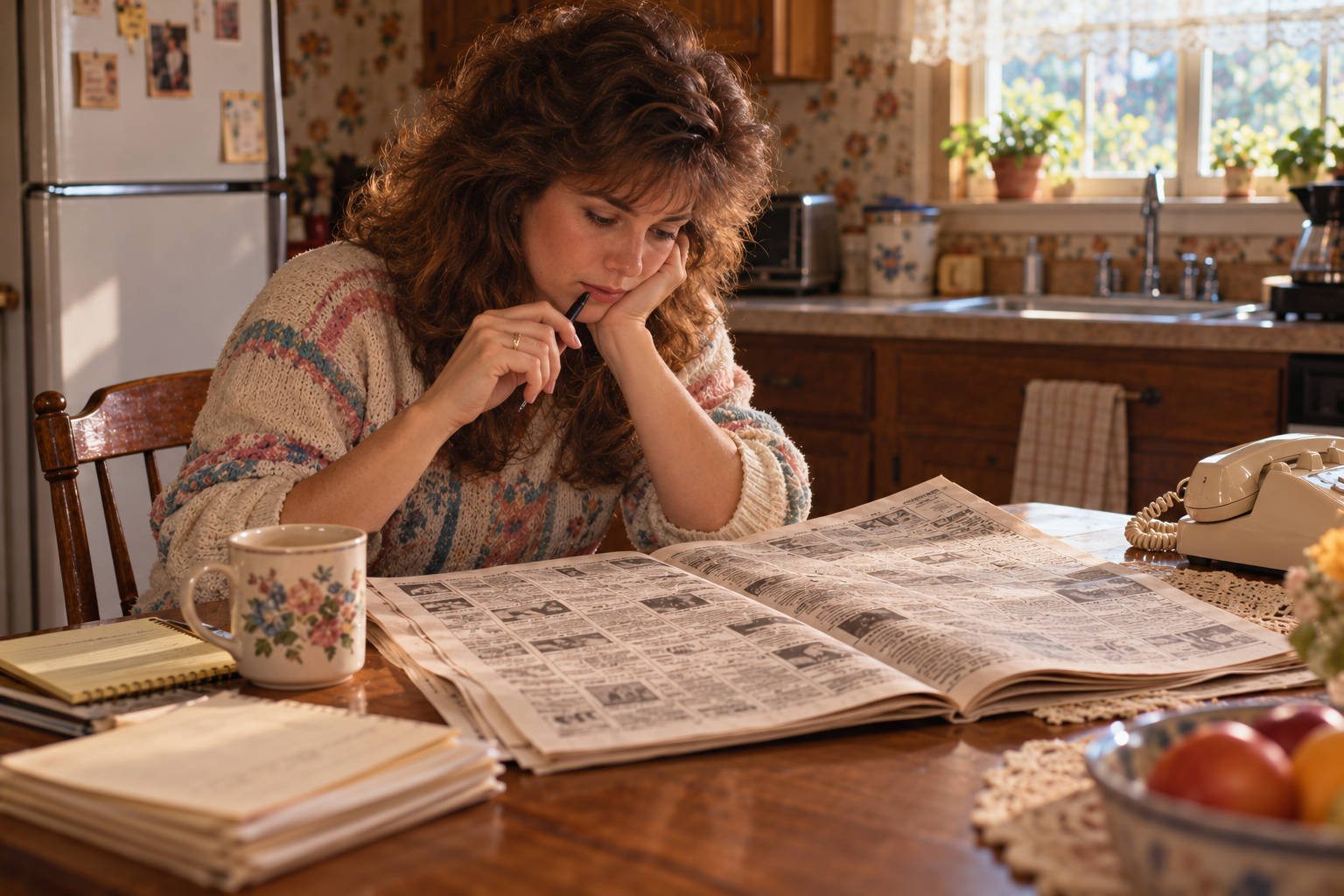
Long before dating apps, newspaper personal advertisements gave singles a way to describe themselves and seek relationships. In the 1980s, many publications charged by the word, encouraging abbreviations that could make these ads read like coded messages. One man featured in a Smithsonian history received about 25 responses to his ad and eventually married one of the women who replied. It was online dating’s paper-based ancestor, minus the profile photos.
Newspaper Recipes Helped Decide What Families Ate for Dinner
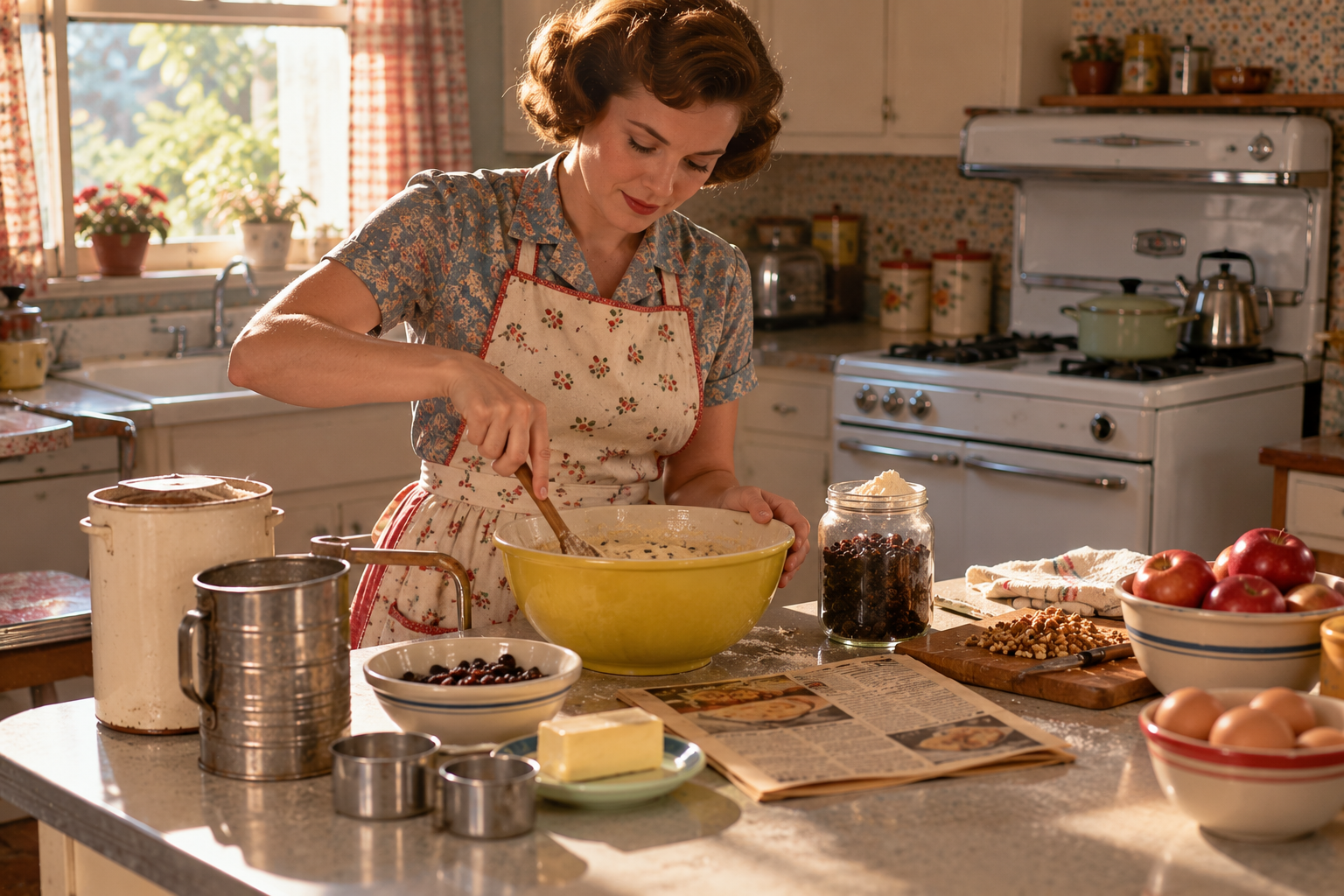
Newspapers regularly published recipes, cooking advice, seasonal menus, and ideas for using familiar ingredients. A 1911 edition of the San Francisco Call, for example, featured chicken dishes, raisin recipes, roast veal, and German pickles. Readers could cut out favorite recipes and keep them in personal collections. Before food blogs and endless scrolling, finding dinner inspiration meant turning pages, and occasionally wondering what an unfamiliar recipe actually tasted like.
Trending on The Scroller


Newspapers Helped People Sew the Clothes They Wore
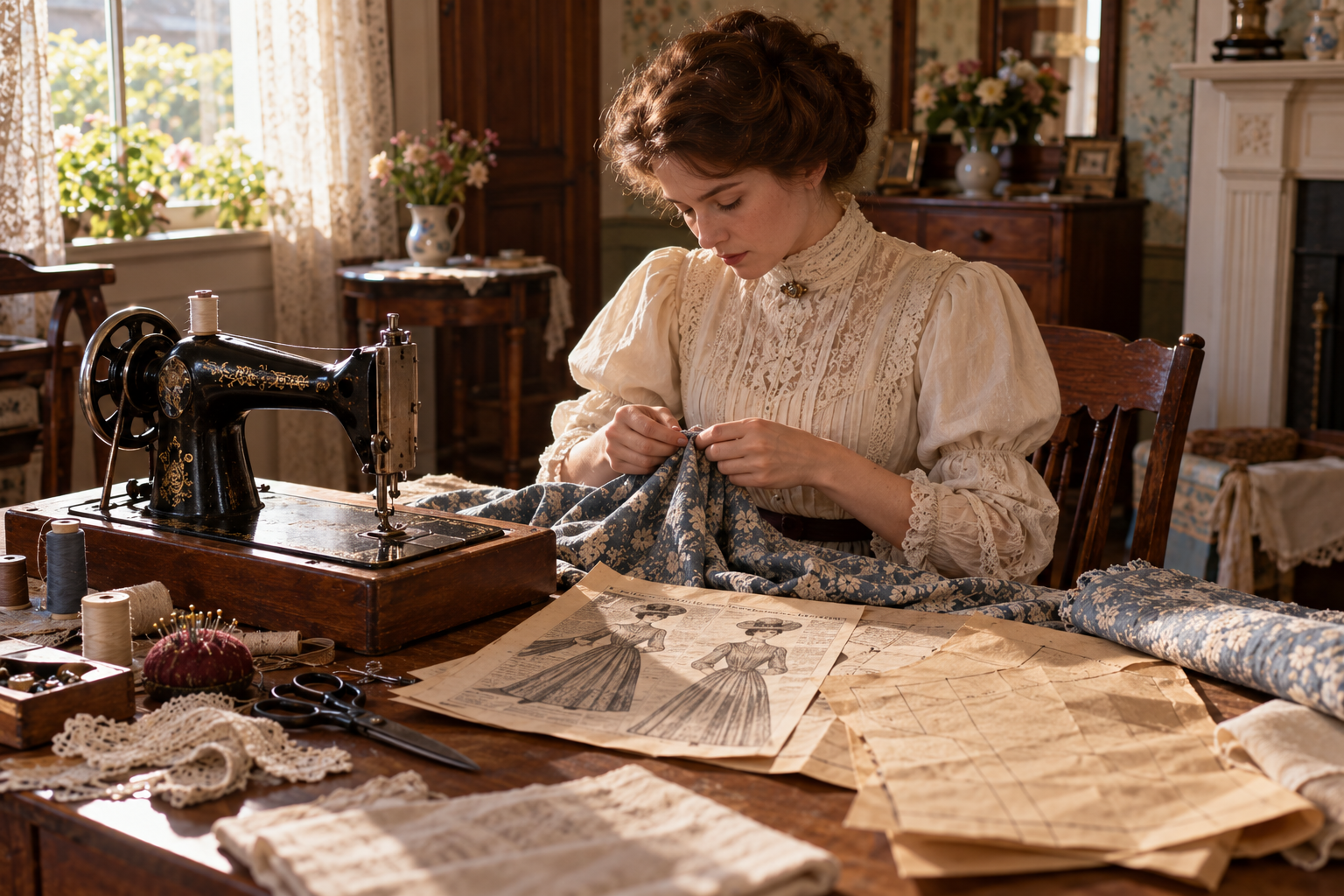
Fashion coverage once offered more than pictures of expensive outfits. During the late 19th and early 20th centuries, newspapers published illustrations, sewing advice, and information about ordering dress patterns. Designer May Manton, the professional name of Jessie Swirles Bladworth, became widely known through syndicated features that helped home sewers follow changing styles. A fashionable wardrobe could start with a newspaper, some fabric, and considerably more patience than online shopping requires.
Advice Columnists Became Familiar Voices in Millions of Homes
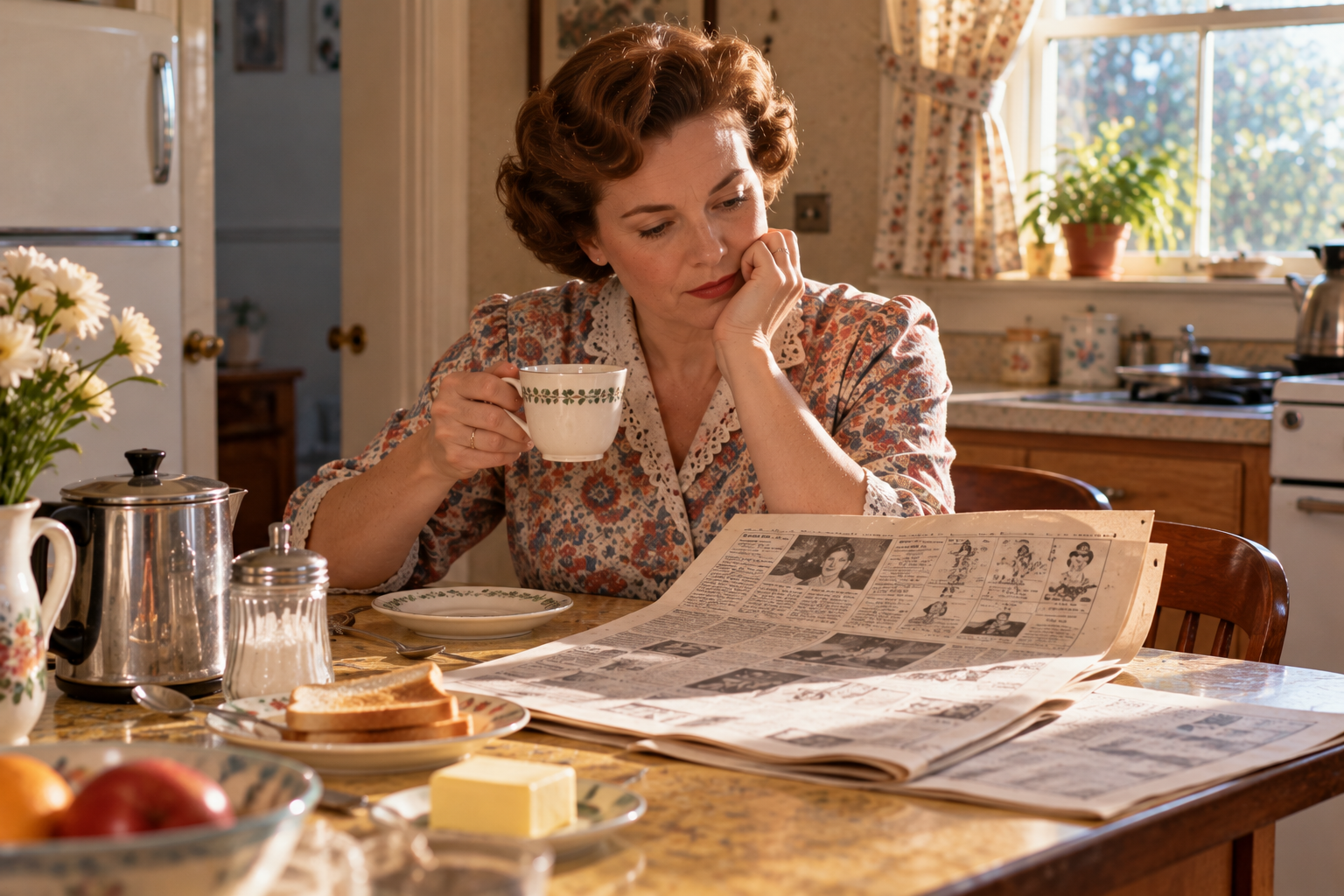
Newspaper advice columns offered guidance on marriage, parenting, relationships, and personal problems long before anonymous online forums existed. Syndication allowed readers in different cities to follow the same writers and feel connected to their advice. During a 1945 New York City newspaper delivery strike, researchers found that many readers missed familiar features more than particular news stories. Apparently, even before social media, people liked getting opinions from strangers.
The Sunday Comics Helped Create a Shared American Pop Culture
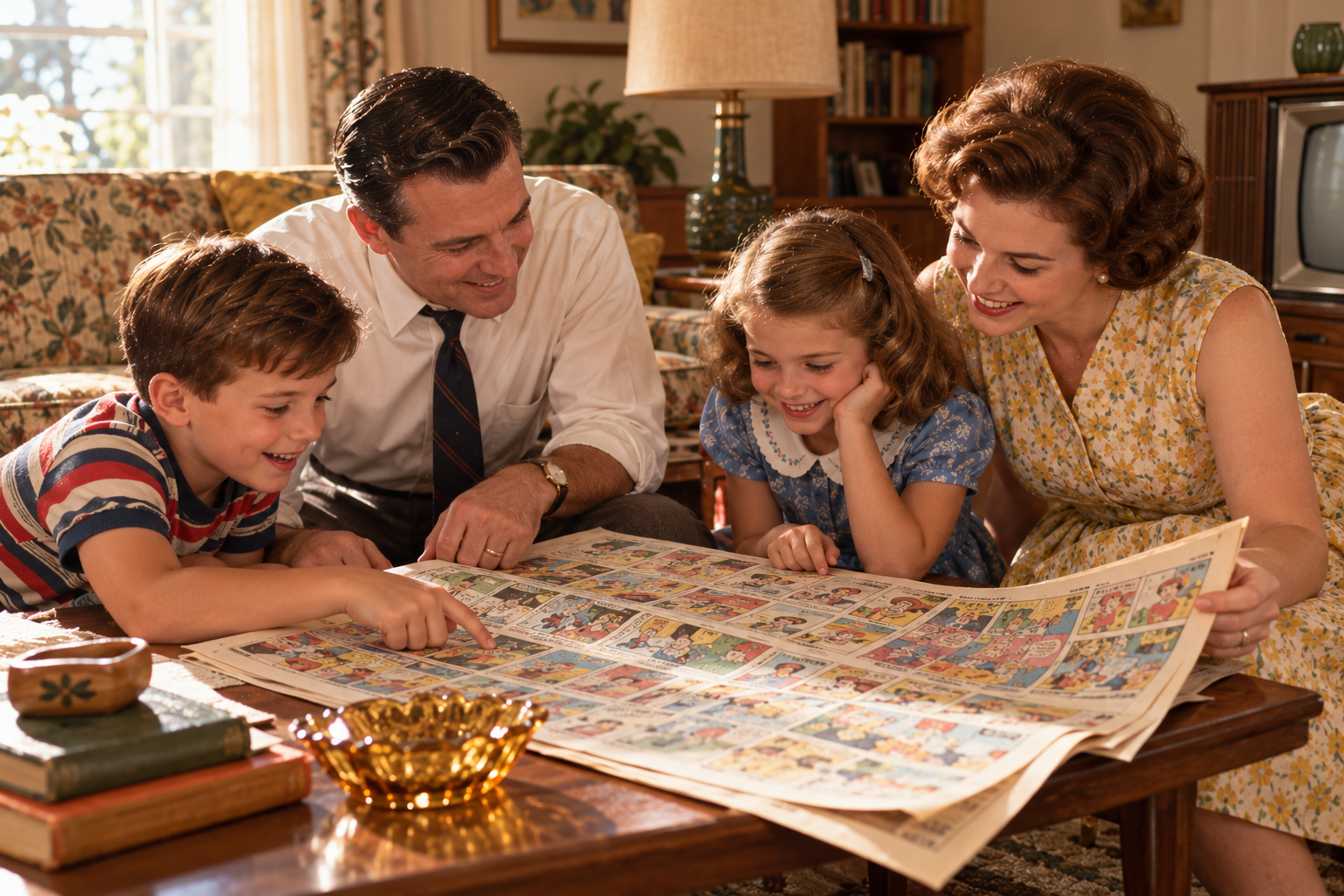
For generations of American families, the Sunday paper meant colorful comic strips that children and adults anticipated all week. Syndication brought the same characters and jokes to readers across the country, creating shared entertainment long before viral posts. Comics also influenced consumer culture: Buster Brown became associated with children’s shoes, while Keeping Up With the Joneses helped popularize an expression still used today. A cartoon could do more than deliver a punchline.
Sign up for our newsletter
A Newspaper Puzzle Started a National Crossword Craze
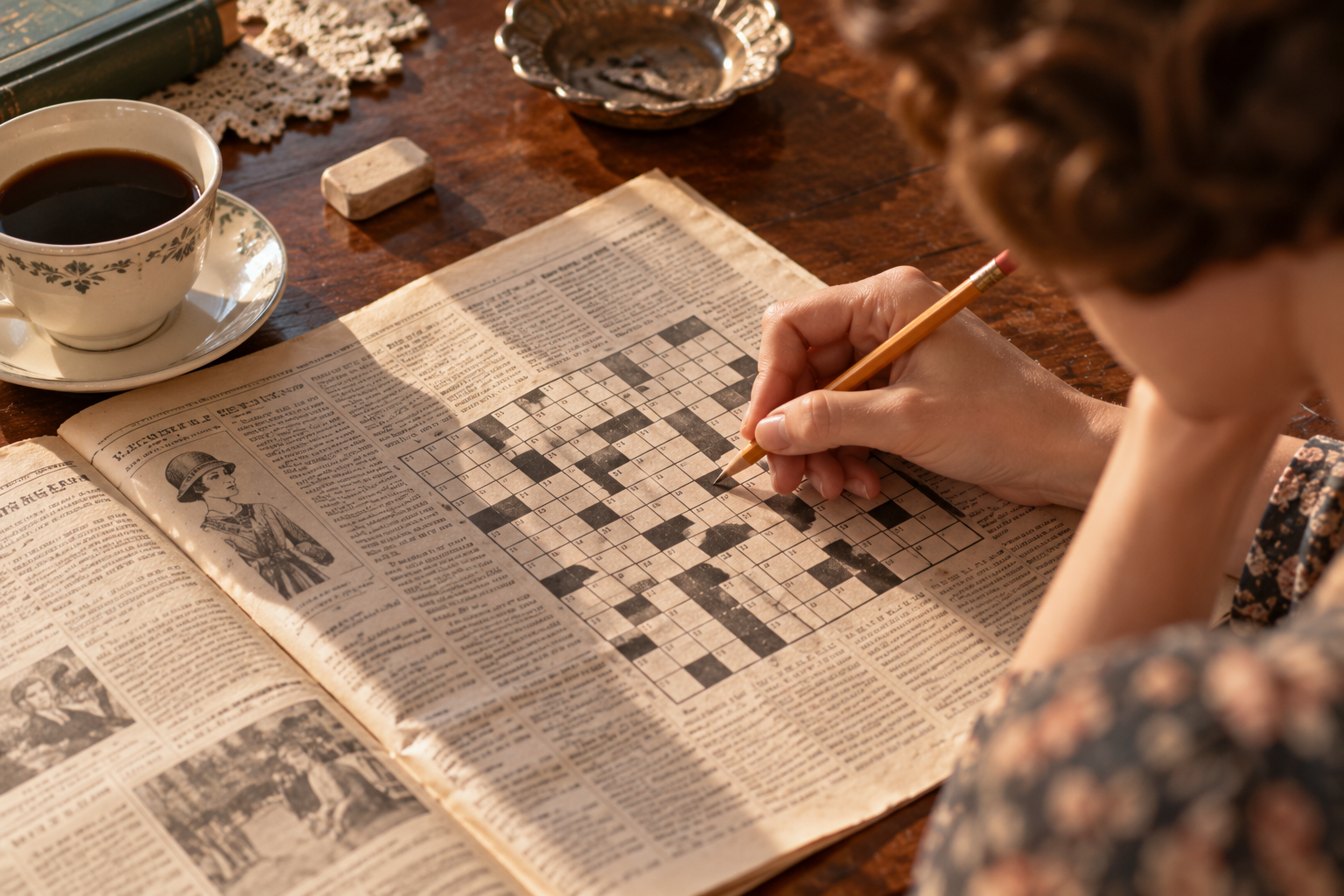
On December 21, 1913, the New York World published Arthur Wynne’s diamond-shaped word puzzle, an early version of the modern crossword. During the 1920s, crosswords became a national pastime, turning newspaper pages into daily mental challenges. Even The New York Times, now famous for its crossword, didn’t introduce its own until 1942. Before mobile puzzle apps, getting stuck on a clue meant staring at the page and hoping inspiration arrived.
Baseball Fans Relied on Newspaper Box Scores to Follow Their Teams
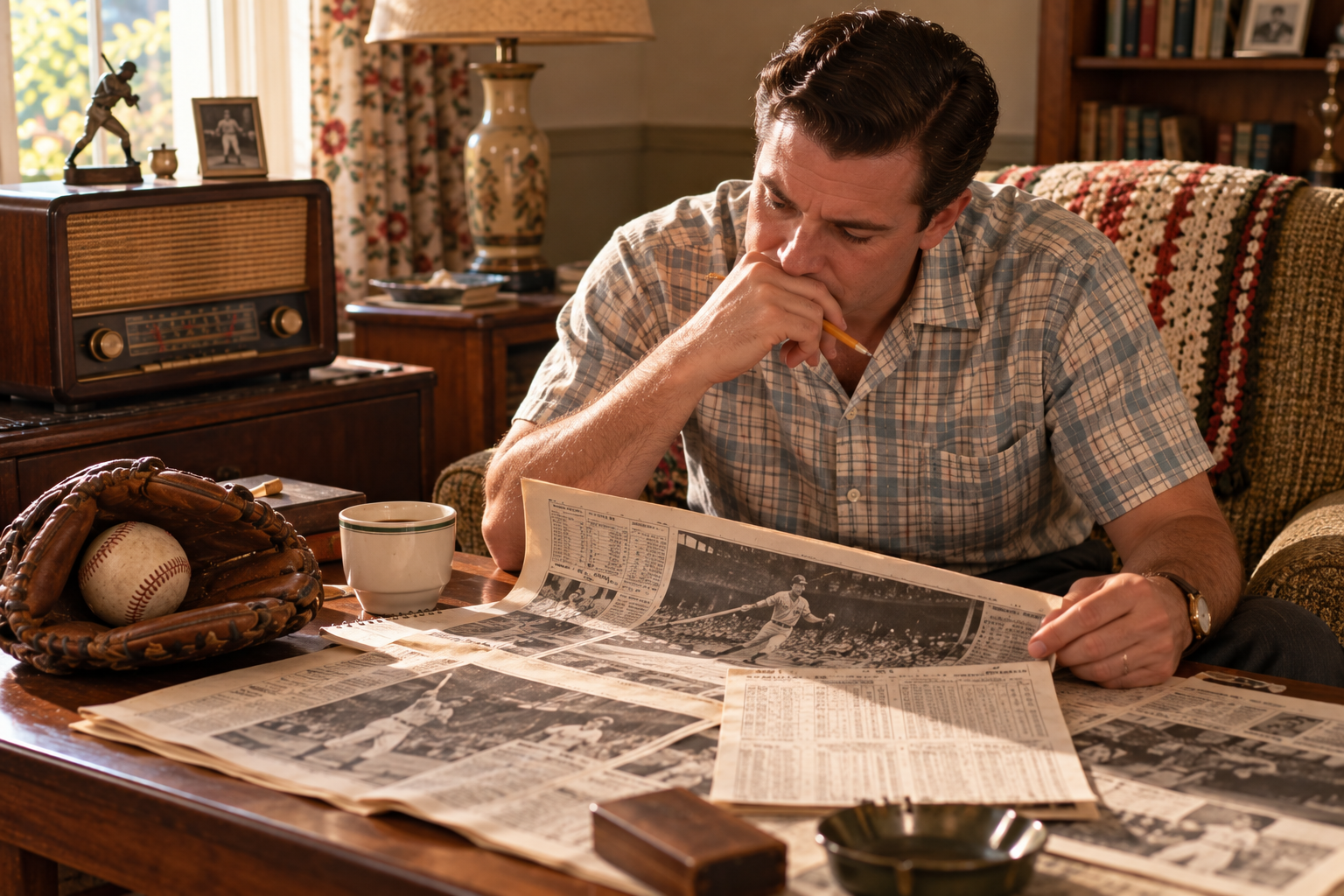
Before sports apps and instant updates, baseball fans used newspaper box scores to track players and teams. Newspapers had published baseball statistics since the mid-19th century, and by the 1920s, The Sporting News devoted extensive space to major and minor-league results. Statistical summaries at one point occupied more than half its pages, giving fans information about games they might never have watched. Fantasy sports fans would have felt right at home.
Delivering Newspapers Was a Childhood Job That Taught Real Responsibility

For generations, American children and teenagers earned money by delivering newspapers on foot or by bicycle, often in all kinds of weather. Many carriers also collected subscription payments, learning responsibility along the way. As delivery systems changed, adult drivers increasingly replaced the familiar neighborhood paperboy. It was an early job with a built-in fitness routine, and no option to postpone the route because it was raining.
Births, Weddings, and Deaths Became Community News
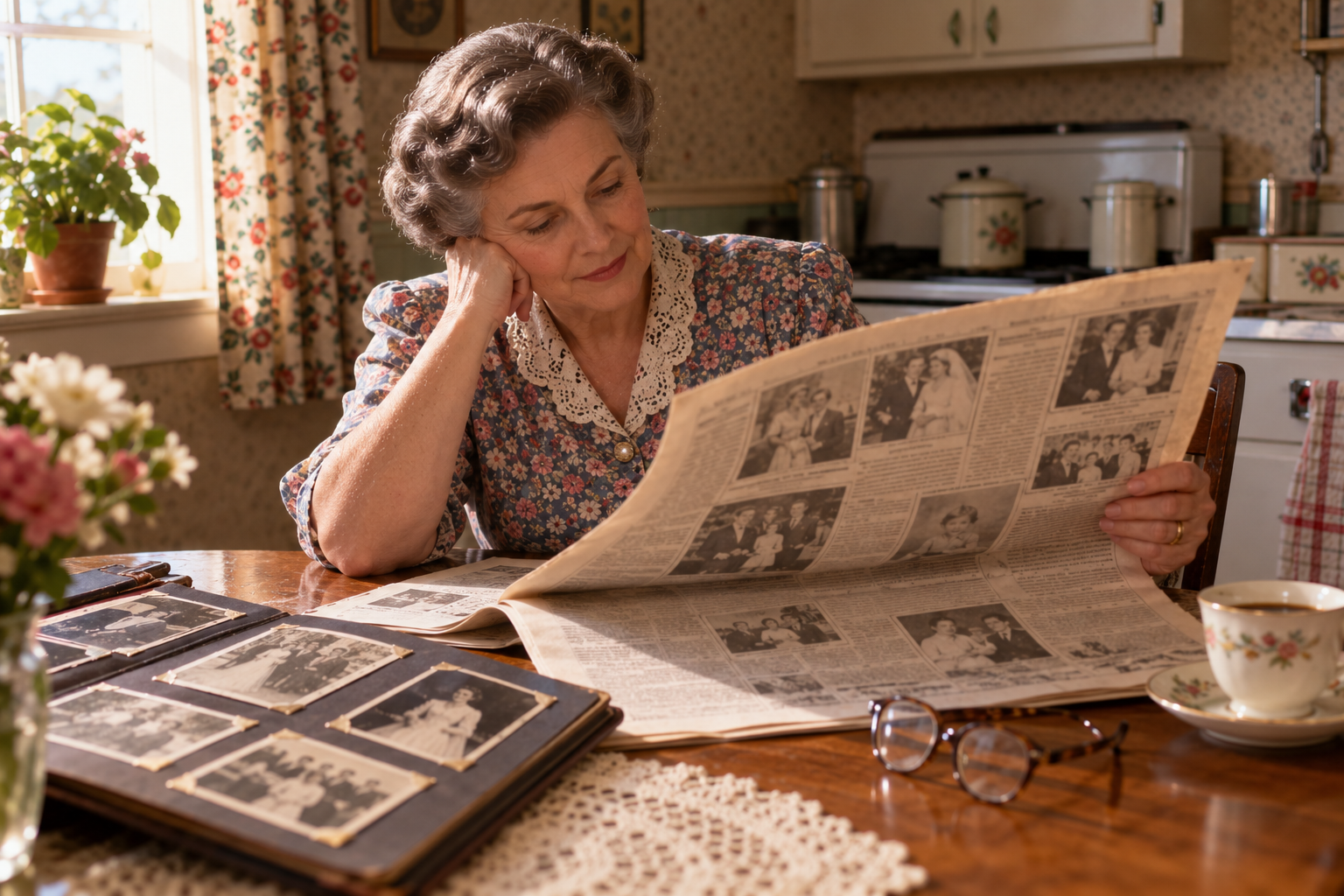
Local papers announced engagements, weddings, births, anniversaries, and deaths, while small-town society columns might mention visiting relatives or neighbors recovering from illnesses. These details could seem ordinary when published, but they later became valuable resources for family historians reconstructing earlier generations. Long before social media updates, a newspaper could document who married whom, who moved away, and who had returned home for a visit.
Obituaries Changed How Americans Remembered Ordinary People
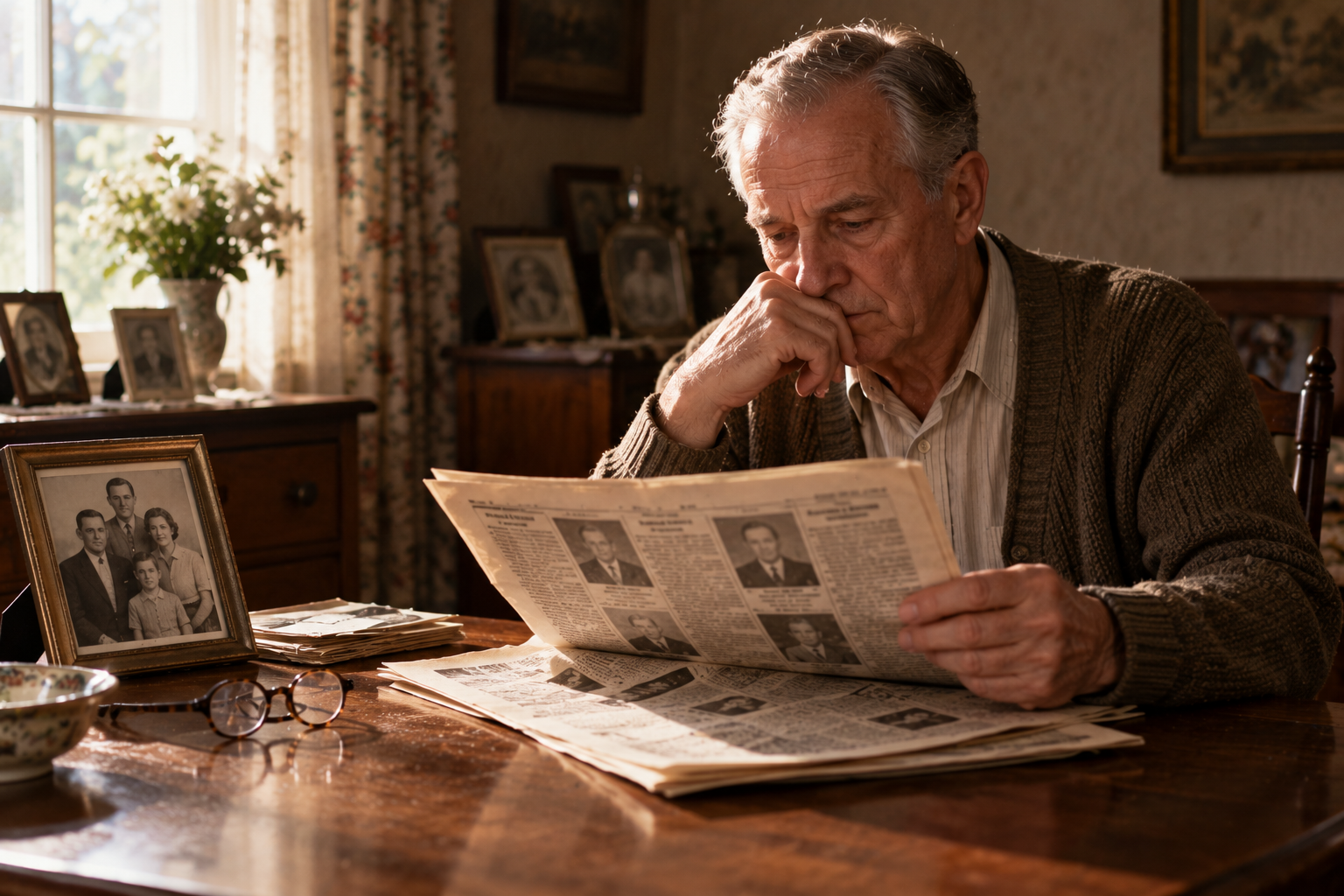
Early American newspaper obituaries often consisted of brief notices, with elaborate tributes largely reserved for prominent or wealthy individuals. As printing improved and newspapers became more affordable during the 19th century, coverage gradually expanded. By the 1930s and 1940s, obituaries commonly included a death announcement, a life story, surviving relatives, and funeral arrangements. They turned a private loss into a public record that could outlast the people who knew the deceased.
Newspapers Made Government Decisions Part of Public Life

American newspapers, including publications known as gazettes, printed government meetings, legal actions, official notices, and laws during the 18th and 19th centuries. They also hosted major political debates: the Federalist Papers, for example, originally appeared in New York newspapers between 1787 and 1788. Newspapers were therefore more than a way to follow politics; they were a key channel through which residents learned about decisions affecting their communities.
Newspapers Influenced What Americans Bought, Wore, and Even Said
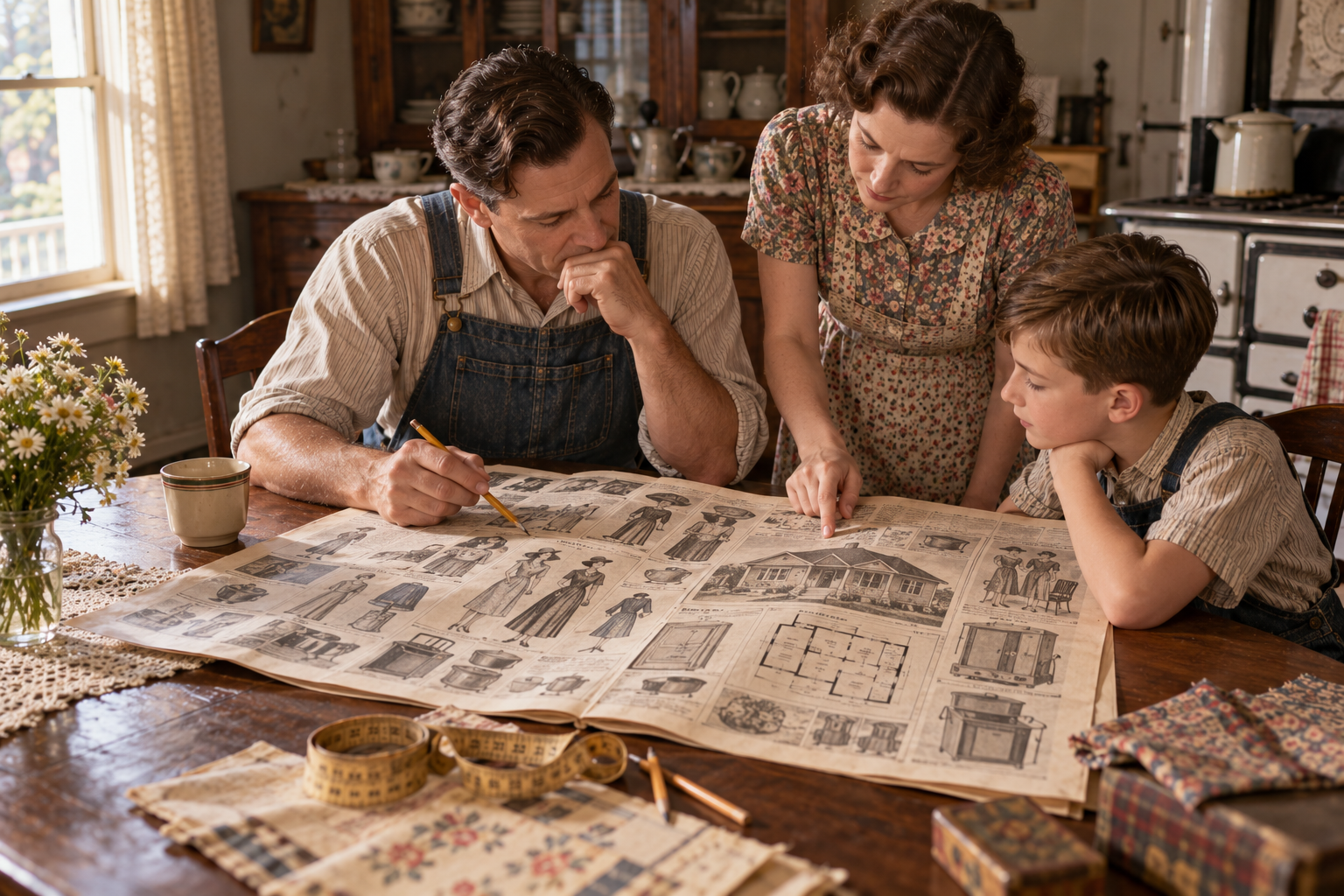
Syndicated newspaper features helped spread fashion advice, consumer trends, popular expressions, and household ideas across the country. Some syndicates even sold house plans by mail, allowing families in different states to build similar homes after seeing designs in their local papers. Newspapers could shape tastes far beyond the headlines. Before influencers and social media trends, a printed page could still convince readers what to wear, buy, or build.