
Some myths survive for decades because they sound logical, get repeated by family members, or make for a much better story than the truth. But plenty of familiar claims about the human body, animals, weather, space, and history fall apart when you look at the evidence. From brain power to Viking helmets, these 20 widespread myths reveal how easily misinformation sticks around. Some are harmless, while others can lead to genuinely bad decisions.
Humans Only Use 10% of Their Brains
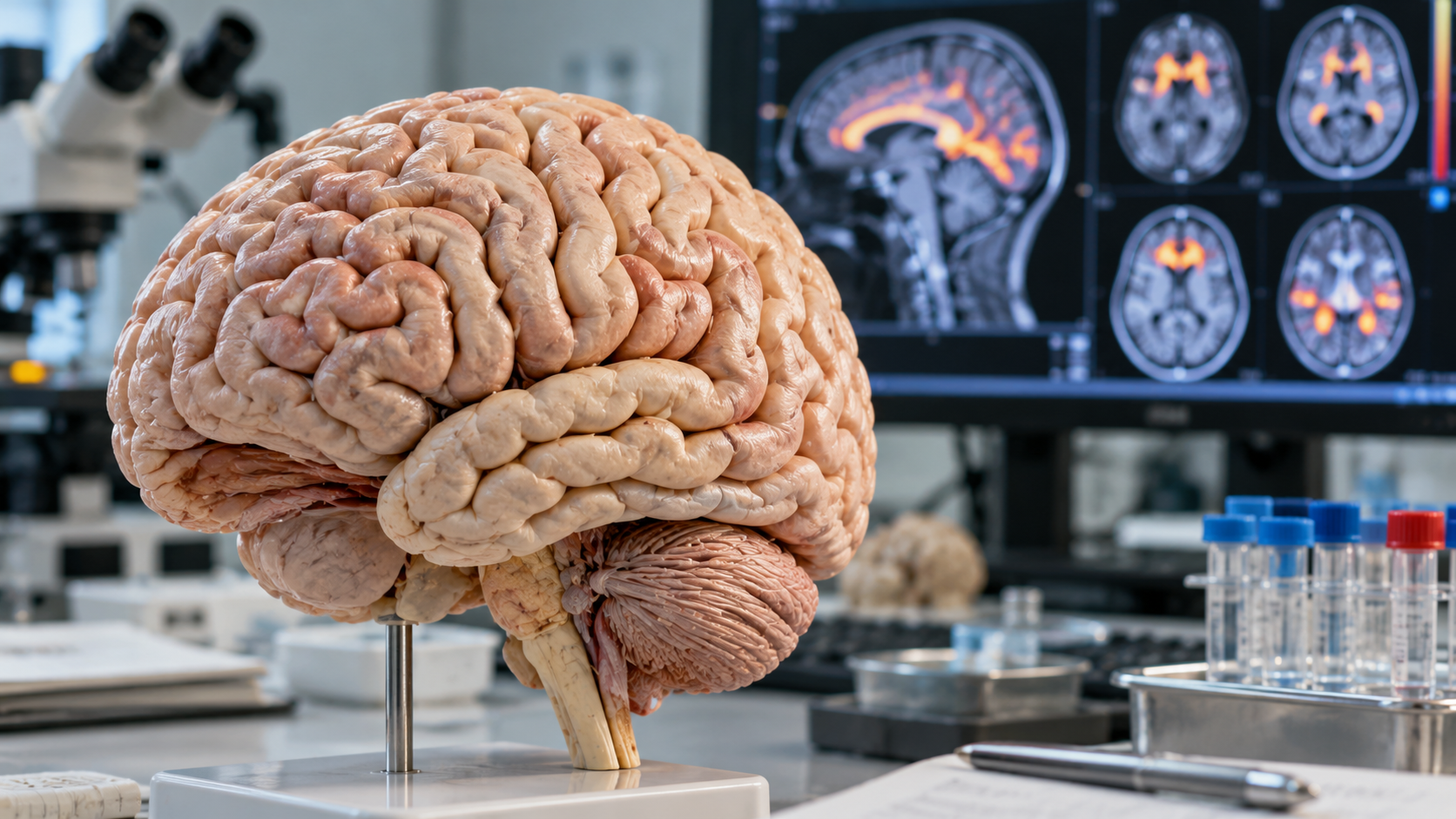
The idea that 90% of the brain sits unused has inspired self-help books and science-fiction movies, but brain imaging shows activity throughout the organ, depending on the task. We don’t activate every neuron simultaneously, yet there’s no dormant 90% waiting to unlock superhuman powers. Unfortunately, there isn’t a hidden genius mode you can access by pressing the right button.
The Great Wall of China Is Visible From the Moon

Despite its enormous length, the Great Wall is too narrow to stand out against the surrounding landscape from extreme distances. NASA says it cannot be seen from the moon with the unaided eye and is difficult to spot even from low Earth orbit. Cities and large roads are easier to distinguish. So much for the world’s most impressive landmark doubling as an astronomical attraction.
Summer Happens Because Earth Is Closer to the Sun

Somewhere, every person who blamed the Sun’s distance for a heat wave owes their science teacher an apology. Earth’s seasons result primarily from its 23.5-degree axial tilt, which changes the angle and duration of sunlight reaching each hemisphere. In fact, Earth is closest to the Sun in early January, during winter in the Northern Hemisphere. The Planet’s orbit isn’t responsible for summer temperatures.
Lightning Never Strikes the Same Place Twice

Lightning can strike the same location repeatedly, especially when it’s tall or isolated. Skyscrapers and other prominent structures can be hit many times, and a previous strike offers no protection against another. The familiar saying might work as a metaphor, but it’s terrible weather advice. If lightning hits your favorite tree, don’t assume it’s earned a lifetime exemption.
Sugar Automatically Makes Kids Hyperactive

Controlled studies have not found convincing evidence that sugar generally causes hyperactivity in children. Research involving children believed to be especially sensitive to sugar also failed to show consistent behavioral effects. That doesn’t make excessive sugar harmless, but it isn’t a reliable explanation for every burst of energy. Sometimes the birthday party, excitement, and several hours without a nap deserve a little more blame.
Trending on The Scroller


Cracking Your Knuckles Causes Arthritis

Studies have found no convincing link between habitual knuckle cracking and hand osteoarthritis. The familiar popping sound is associated with changes in pressure and gas cavities within the joint fluid, rather than bones grinding together. That doesn’t mean every way of forcing a joint is risk-free. Still, if someone tells you every crack is destroying your hands, you can probably save the dramatic farewell to your fingers.
Shaving Makes Hair Grow Back Thicker

Shaving cuts hair at the skin’s surface without changing the follicle, so it doesn’t make hair grow faster, darker, or thicker. Regrowth can feel coarser because the razor leaves a blunt edge instead of a naturally tapered tip. That stubbly sensation is real, but the supposed transformation isn’t. Your razor isn’t secretly training your hair to come back stronger.
Swallowed Gum Stays in Your Stomach for Seven Years

The body can’t fully digest chewing-gum base, but swallowed gum generally travels through the digestive tract and leaves the body naturally. It doesn’t remain trapped in the stomach for seven years. Swallowing large amounts regularly can occasionally cause complications, so it’s not a recommended snack. Your stomach has plenty to deal with already without hosting a long-term chewing-gum tenant.
Sign up for our newsletter
Bats Are Blind

Every known bat species can see, although eyesight varies considerably among species. Many also use echolocation to navigate and locate prey, especially in darkness, but this ability doesn’t replace vision altogether. The phrase “blind as a bat” is therefore misleading. Bats already have to deal with being portrayed as spooky flying rodents; they don’t need people insulting their eyesight, too.
Ostriches Bury Their Heads in the Sand When They’re Scared

Ostriches don’t bury their heads underground to hide from danger. They dig shallow nests and lower their heads to tend to their eggs, while threatened birds may flatten their necks against the ground. From a distance, these behaviors can create the illusion that their heads have disappeared. It’s a surprisingly effective reputation for an animal whose actual escape plan usually involves running extremely fast.
Different Parts of Your Tongue Detect Different Tastes
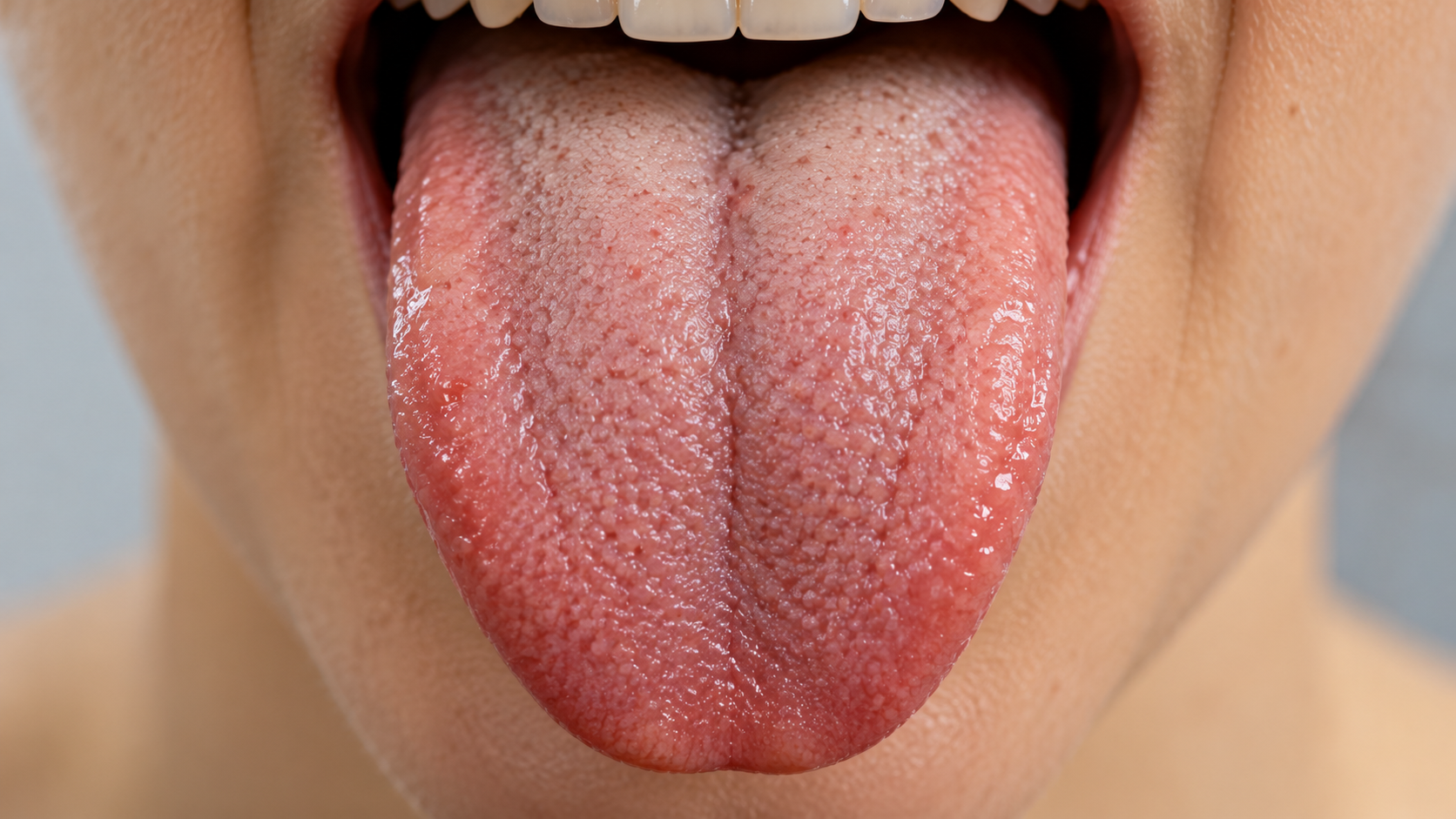
The classic tongue map, with separate zones for sweet, salty, sour, and bitter, is misleading. Taste receptors capable of detecting basic tastes are distributed across multiple areas of the tongue and mouth, although sensitivity varies somewhat by region. Your tongue isn’t divided into neatly labeled departments. Apparently, even taste buds were expected to follow an office organization chart.
The Blood in Your Veins Is Blue
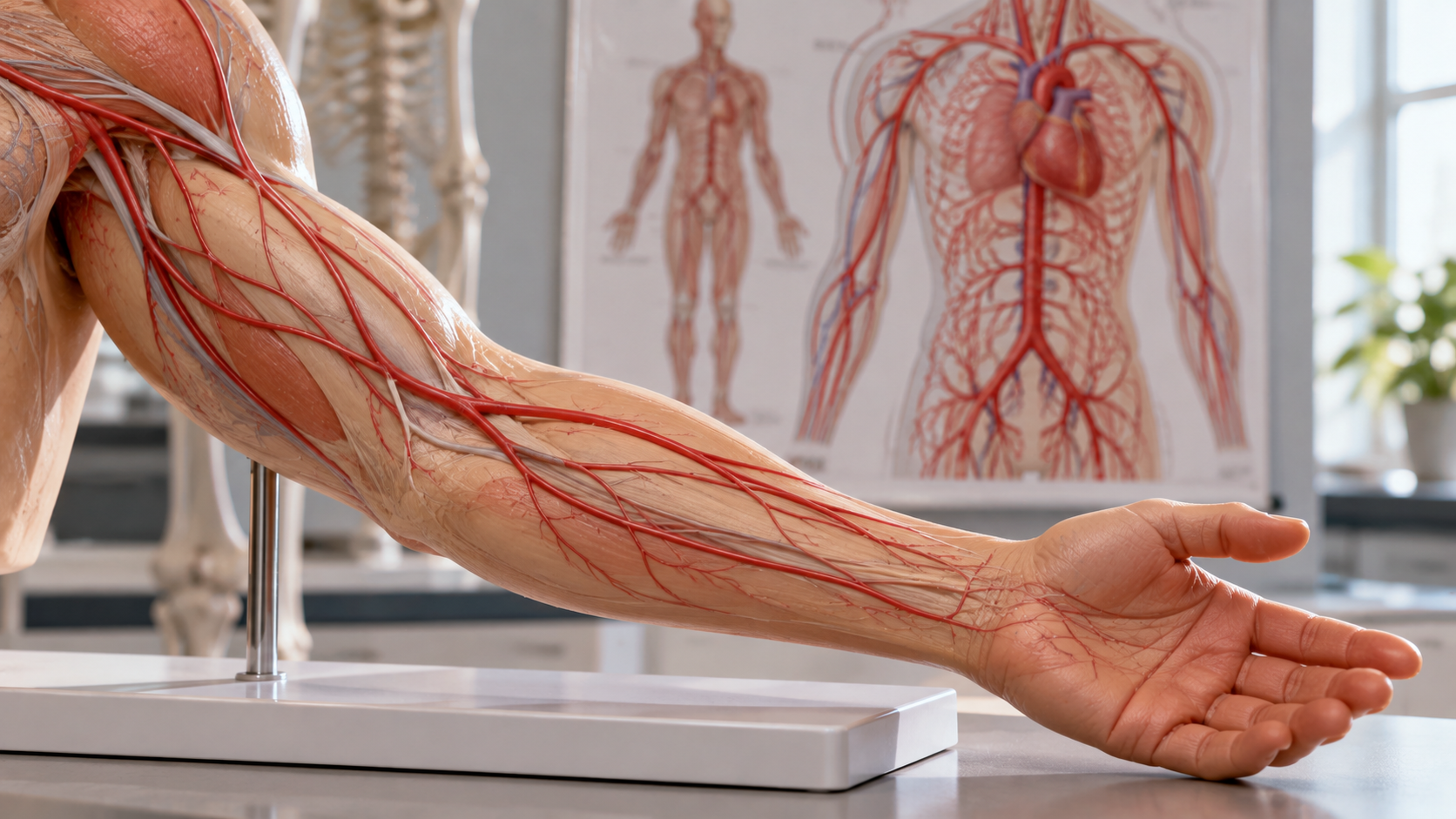
Human blood is always red. Blood carrying less oxygen is darker red than oxygen-rich blood, but it never turns blue inside the body. Veins can appear bluish through the skin because of how light interacts with tissue and how our eyes perceive it. The myth makes for a convenient biology shortcut, but your circulatory system isn’t secretly running on blue ink.
Going Out in Cold Weather Gives You a Cold

Cold air alone doesn’t cause a cold; respiratory viruses do. Infections often become more common during colder seasons because environmental conditions and indoor contact patterns can influence transmission. Walking outside without a heavy coat won’t spontaneously create a viral infection. Your parents may still insist you bring a jacket, but at least the viruses can no longer take all the blame.
Antibiotics Can Cure a Cold or the Flu

Antibiotics target certain bacterial infections, not viruses. Since the common cold and influenza are viral illnesses, antibiotics won’t cure them or shorten their course. Unnecessary use can cause side effects and contribute to antibiotic resistance. Taking antibiotics for the flu is like trying to fix a software bug with a wrench: it’s the wrong tool for the job.
One Side of the Moon Is Permanently Dark
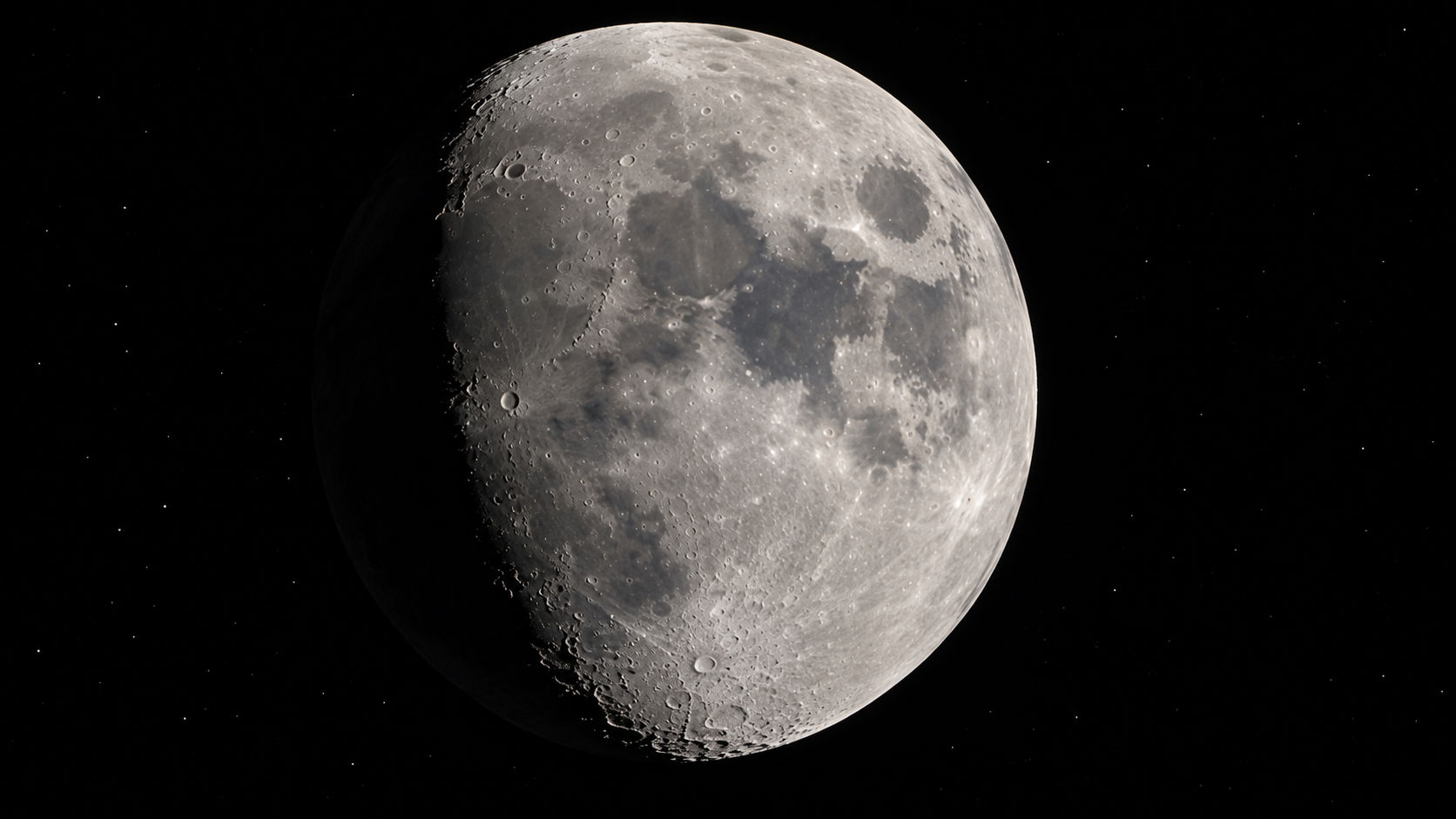
The Moon’s far side isn’t permanently dark. Roughly half of the lunar surface is illuminated by the Sun at any given moment, and both sides experience day and night. We see essentially the same face from Earth because the Moon rotates in about the same time it takes to orbit us. The far side isn’t a cosmic basement where the Sun forgot to pay the electricity bill.
Toilets Flush in Opposite Directions on Opposite Sides of the Equator

The Coriolis effect influences enormous systems such as hurricanes, but it doesn’t dictate how household toilets and sinks drain. Their swirling direction depends mainly on the plumbing, basin shape, and initial water movement. Both clockwise and counterclockwise drains occur in either hemisphere. You don’t need an international flight to test the theory; your bathroom is already available for completely unnecessary research.
Meteorites Are Red-Hot When They Hit the Ground

Hollywood’s glowing space rocks make spectacular scenes, but they aren’t a reliable guide to meteorite temperature. Although a meteorite’s outer surface heats intensely during atmospheric entry, much of that heated material is stripped away through ablation. Small surviving meteorites then descend during a slower phase called dark flight and aren’t necessarily scorching hot when they land. Conditions vary, so they shouldn’t be handled carelessly.
Vikings Normally Wore Horned Helmets

There is no solid archaeological evidence that Viking Age warriors wore horned helmets into battle. The familiar image became popular much later, particularly through 19th-century art and theatrical costumes. Archaeologically known Viking helmets were far more practical and lacked the famous horns. The stereotype is so iconic that removing the horns almost feels like taking away a superhero’s cape.
Goldfish Have a Three-Second Memory

Goldfish can retain learned information far longer than three seconds. Experiments have shown that they can learn tasks and retain information over periods ranging from days to weeks. Research published as far back as 1970 challenged the short-memory claim. So the next time a goldfish swims around its tank, don’t assume it’s experiencing the world’s shortest case of déjà vu.
All Dinosaurs Went Extinct

The asteroid impact 66 million years ago wiped out the non-avian dinosaurs, but our lineage survived. Modern birds evolved from theropod dinosaurs, meaning chickens, pigeons, and eagles are scientifically considered living avian dinosaurs. Dinosaurs didn’t disappear completely; most simply stopped looking like the giant reptiles people imagine. The next time you see a pigeon, remember you’re dealing with a tiny dinosaur with excellent survival skills.