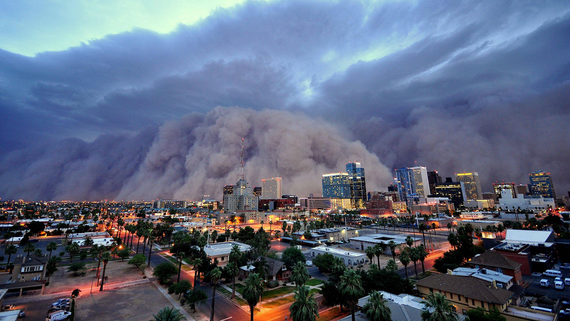
Weather has a habit of doing things that seem completely out of place. Fish have reportedly fallen during rainstorms, desert towns have woken up to snow, and enormous dust clouds have swallowed entire cities. Some of these events were brief enough to miss if someone wasn’t looking outside, while others caused serious damage and made international headlines. Here are 15 unusual weather events that actually happened, including a few that still look difficult to explain in photographs.
1. Sydney Woke Up Under a Blood-Red Sky
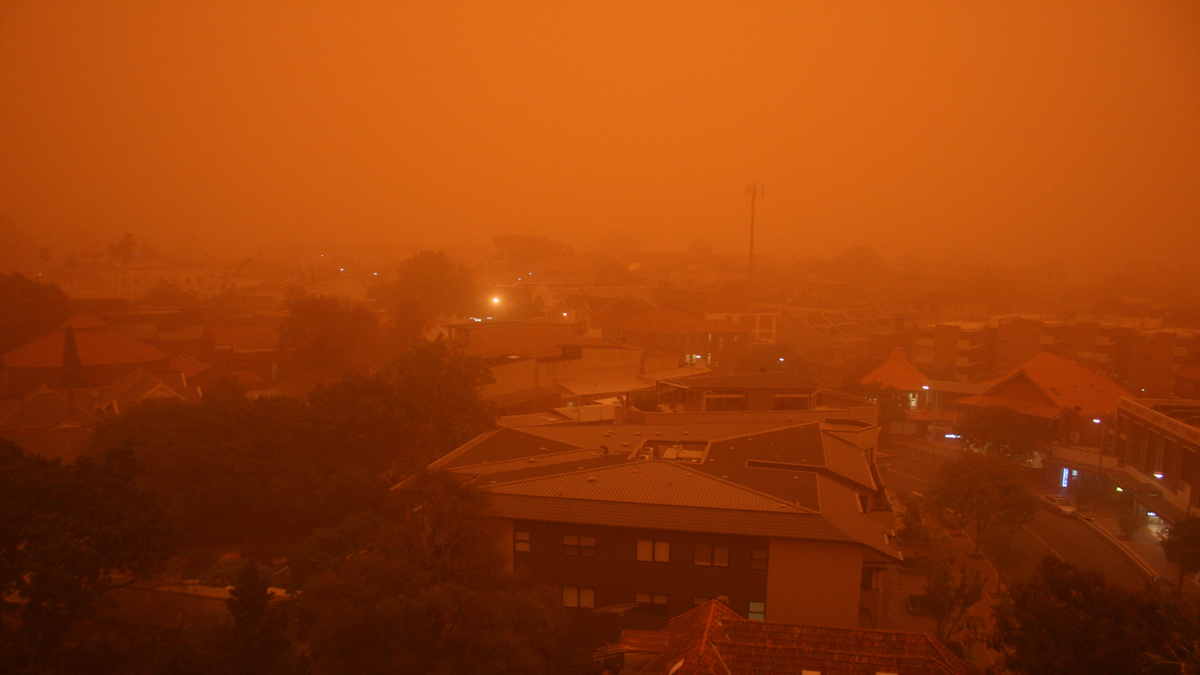
On September 23, 2009, Sydney residents opened their curtains to find the city covered in an extraordinary red haze. An enormous dust storm had carried dry soil from inland Australia toward the coast, turning the morning sky a deep orange-red. Visibility dropped to around 400 meters, flights were delayed or canceled, and cars and buildings were left coated in fine dust. The event became known as Red Dawn, and Australia’s Bureau of Meteorology identified it as Sydney’s worst dust storm since 1942. For several hours, one of Australia’s largest cities looked almost unrecognizable.
2. Fish Fell From the Sky in Australia
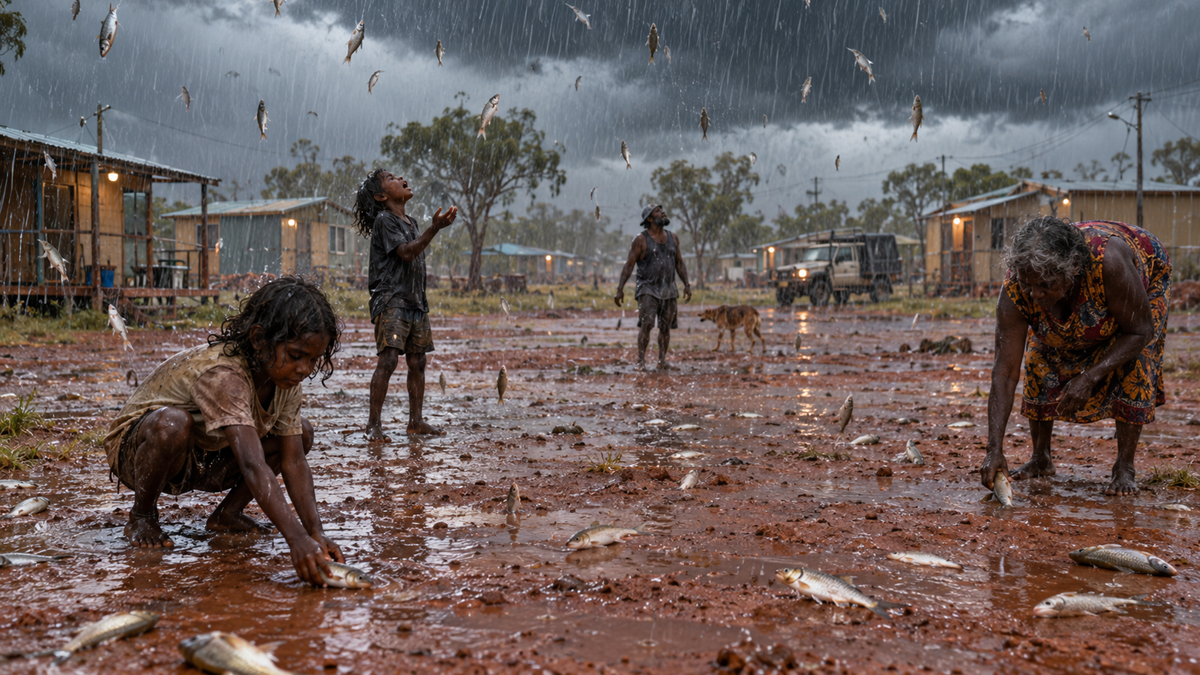
The residents of Lajamanu, a remote Aboriginal community in Australia’s Northern Territory, have a particularly strange weather story to tell. In February 2023, locals reported watching small fish fall during a heavy rainstorm, with some still alive when they reached the ground. The fish were identified as spangled perch, a freshwater species common in Australia. Strong storm updrafts could explain how fish become airborne, although researchers also note that flooding can leave fish scattered across the ground. What makes Lajamanu especially interesting is that similar incidents had been reported there several times before, including in 2010.
3. Snowflakes Fell on Miami Beach
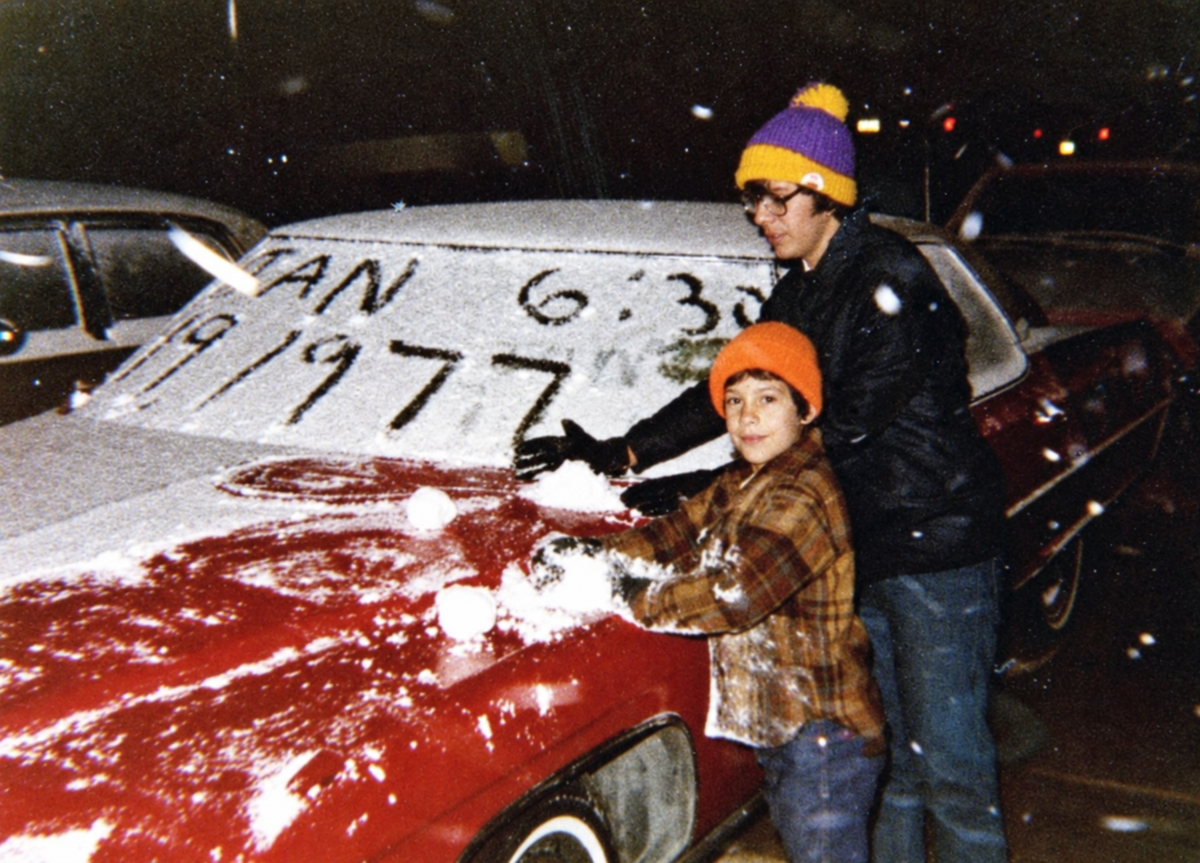
Snow isn’t something people normally expect to see during a Florida vacation, especially in Miami. But on January 19, 1977, an exceptionally cold outbreak brought snow flurries across southern Florida, including Miami Beach and areas as far south as Homestead. There were no lasting snowbanks or white-covered streets, but the flakes were real. The National Weather Service recognizes the event as the southernmost observation of snow in Florida’s recorded history.
4. Mysterious Red Rain Fell Over India
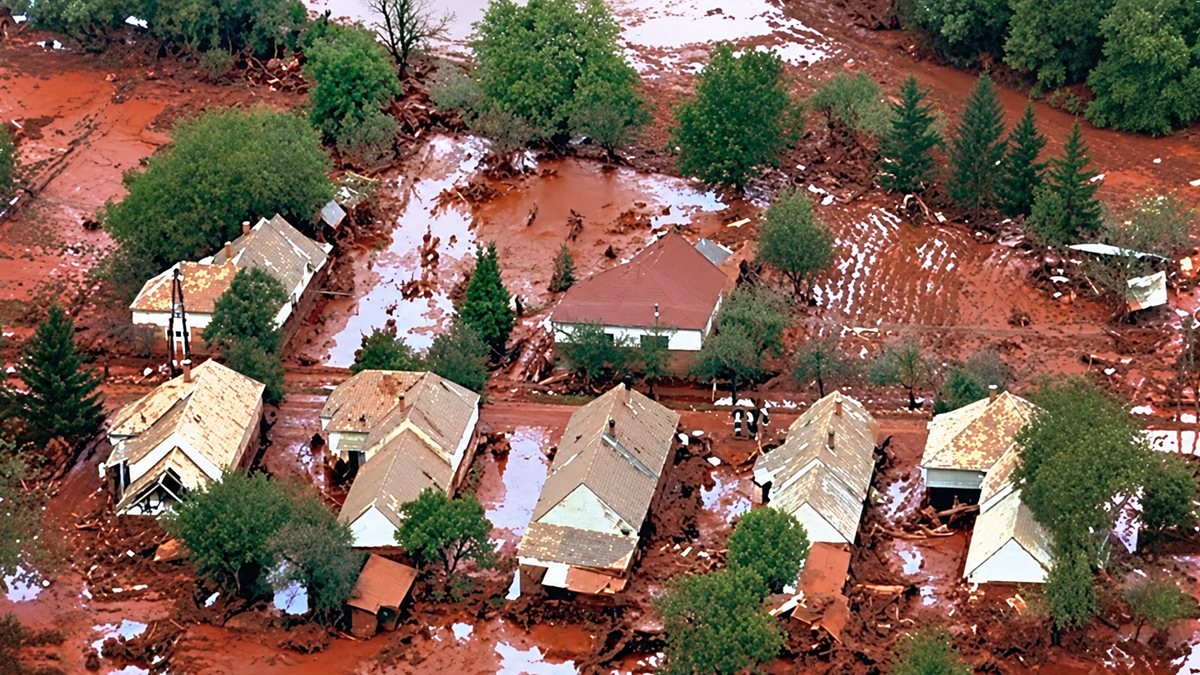
Residents of Kerala, India, noticed something disturbing during the summer of 2001. Rainwater was falling with a reddish color, sometimes leaving stains on clothing and other surfaces. Reports continued sporadically from July into September, prompting researchers to examine samples under microscopes. They found tiny biological particles, which investigators identified as spores belonging to the algae genus Trentepohlia. The phenomenon attracted some unusual speculation, but scientific research provided a much more ordinary explanation for the strange-looking rain.
5. The Summer of 1816 Was So Cold That Crops Failed
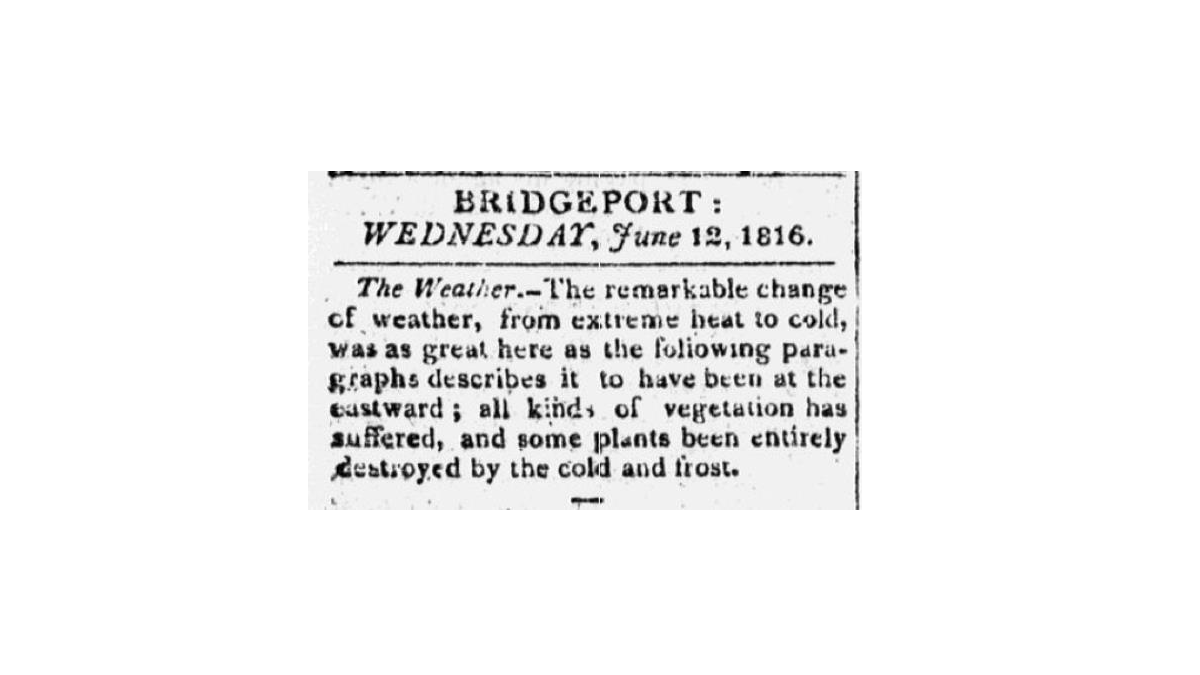
People across parts of northeastern North America had good reason to wonder what had happened to summer in 1816. Frost arrived during months that should have been warm, snow fell unusually late, and farmers watched crops fail after repeated cold spells. Europe also experienced severe agricultural difficulties, with cold and wet conditions contributing to food shortages. Much of the disruption was linked to the enormous eruption of Mount Tambora in Indonesia the previous year, which released material into the stratosphere and reduced incoming sunlight. The period became known as the Year Without a Summer, although the effects differed considerably from one region to another.
Trending on The Scroller

6. Giant Ice Balls Covered a Beach in Siberia
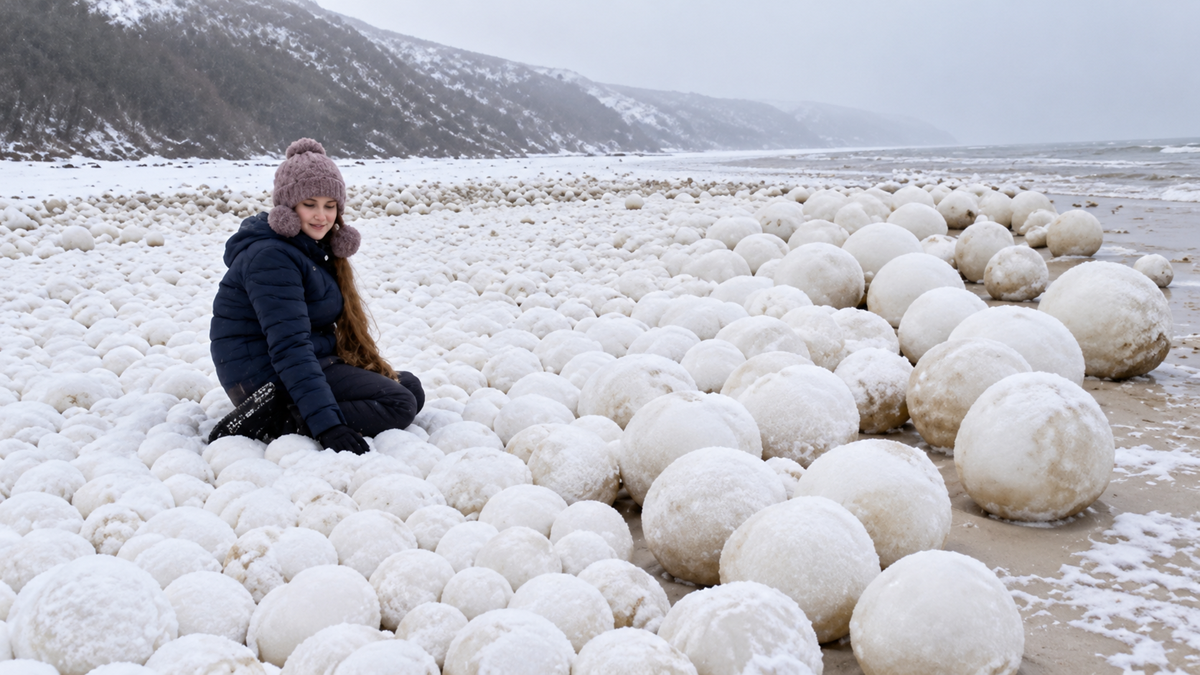
Residents near the village of Nyda in northern Siberia discovered something unusual along the shoreline of the Gulf of Ob in late October 2016. Thousands of naturally formed ice balls had appeared along an 11-mile stretch of beach, ranging from roughly tennis-ball size to more than a meter across. The formations developed as small pieces of ice were rolled through the water by waves and wind, gradually growing into rounded shapes. Locals said they had never seen anything quite like it. Photographs of the strange shoreline eventually circulated internationally, attracting attention from outlets including Smithsonian Magazine.
7. An English Town Was Buried Under Hail
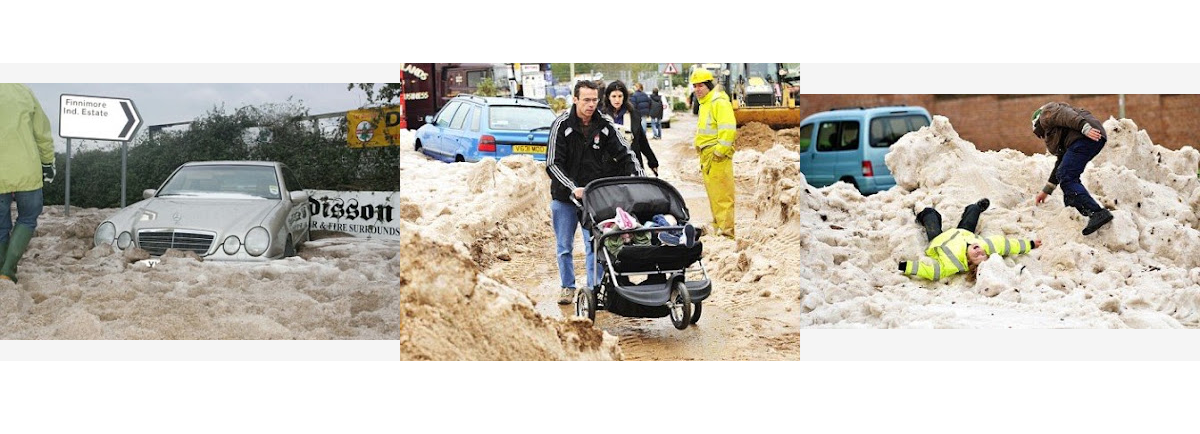
The residents of Ottery St Mary in Devon, England, experienced a particularly unpleasant surprise during the night of October 29 and 30, 2008. An intense storm dropped enormous quantities of relatively small hailstones, which accumulated in drifts reaching approximately 1.2 meters deep in places. The buildup resembled heavy snowfall, but much of it developed over just a few hours. Blocked drains made the situation worse, and flooding forced around 100 people from their homes. The Met Office later explained how the town’s surrounding landscape helped concentrate the precipitation and turn an unusual hailstorm into a serious emergency.
8. The Sky Turned Green Over South Dakota
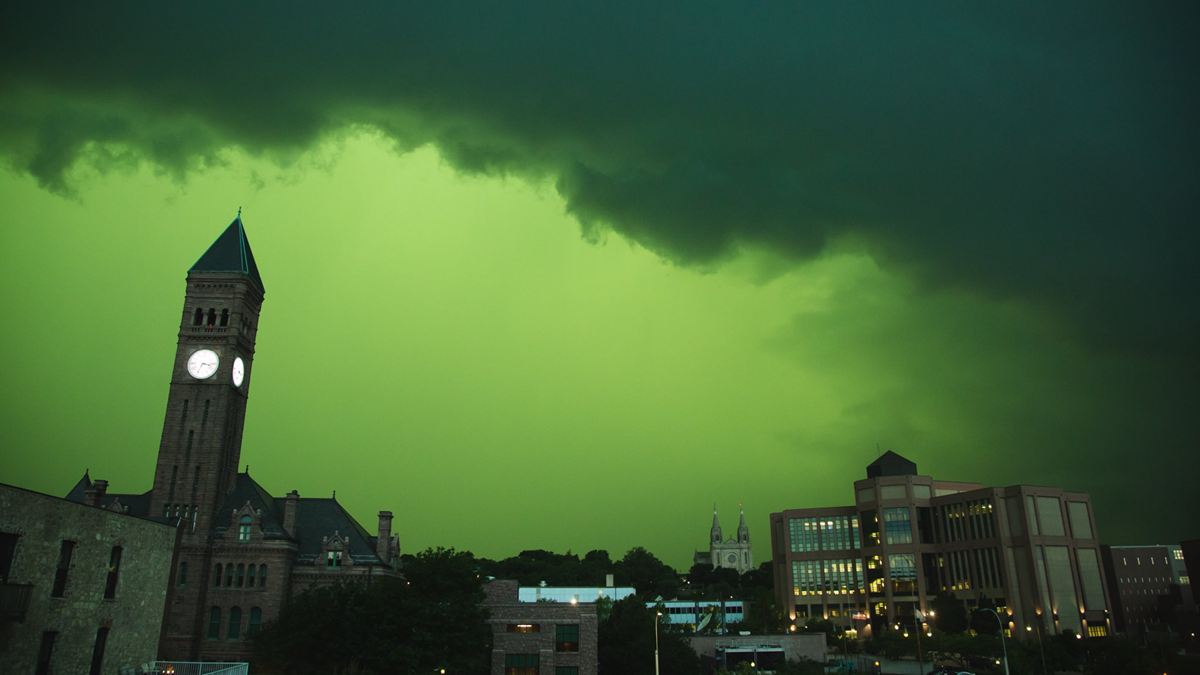
People in Sioux Falls, South Dakota, witnessed a strangely green sky on July 5, 2022, as a powerful thunderstorm system moved through the region. The storm developed into a derecho, producing damaging winds and large hail across southeastern South Dakota and neighboring areas. The unusual color is thought to involve the interaction of sunlight with thick, water-filled storm clouds, although the precise optical conditions can vary. Photographs published by the National Weather Service show just how green the sky became.
Sign up for our newsletter
9. A Lightning Flash Continued for 17 Seconds
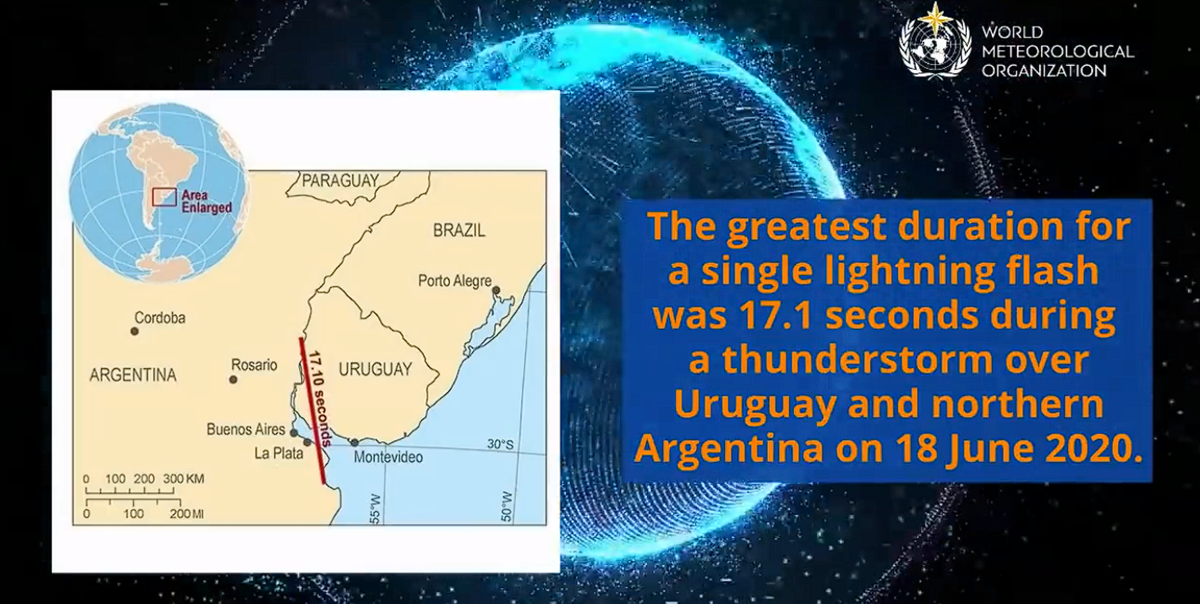
Most lightning flashes are over before there’s time to react, but one recorded above South America behaved very differently. On June 18, 2020, a lightning discharge developed continuously through a vast thunderstorm system over Uruguay and northern Argentina, lasting 17.102 seconds. Scientists identified its duration using satellite observations, and the World Meteorological Organization later verified it as a world record. The flash wasn’t a single stationary bolt hanging in the air. It was an electrical discharge spreading through different parts of the storm for an unusually long time.
10. Buenos Aires Saw Snow for the First Time in 89 Years
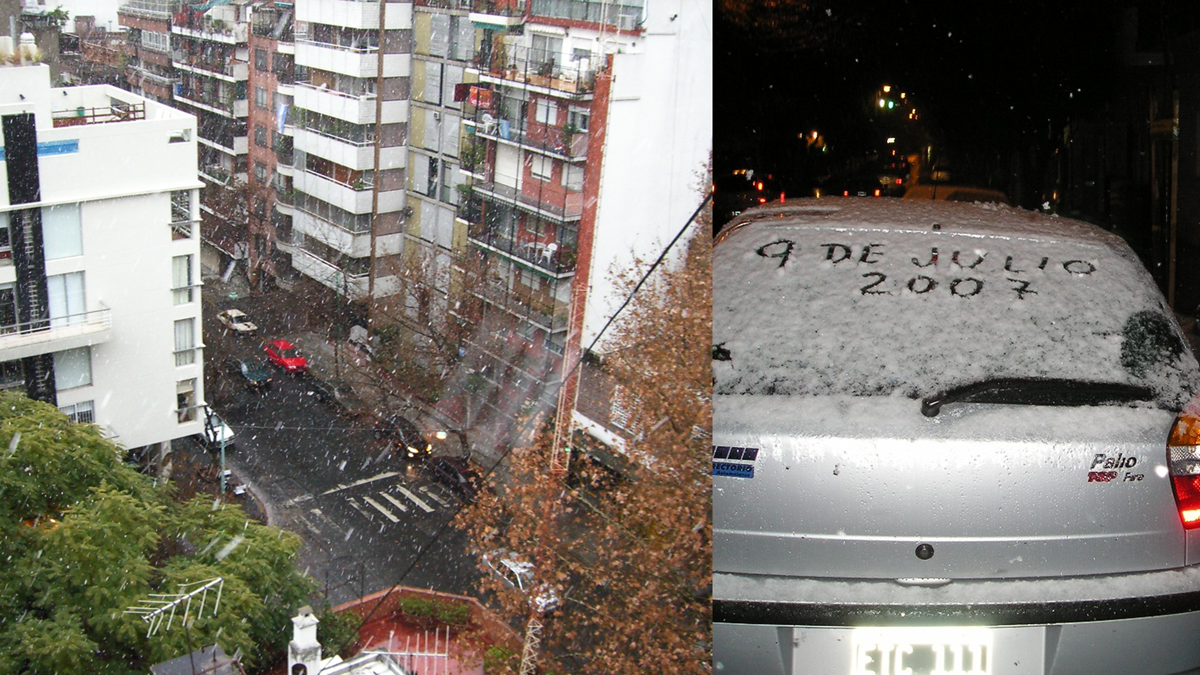
Argentina’s Independence Day celebrations on July 9, 2007, came with an unexpected addition in Buenos Aires. Snow began falling across the city, sending residents into the streets to photograph and play in weather many had never experienced at home. According to NASA, it was the first recorded snowfall in the Argentine capital since 1918. The snow didn’t last very long, but the cold outbreak behind it was far from harmless, causing fatalities and energy shortages across the region.
11. A Wildfire Created Tornadoes in California
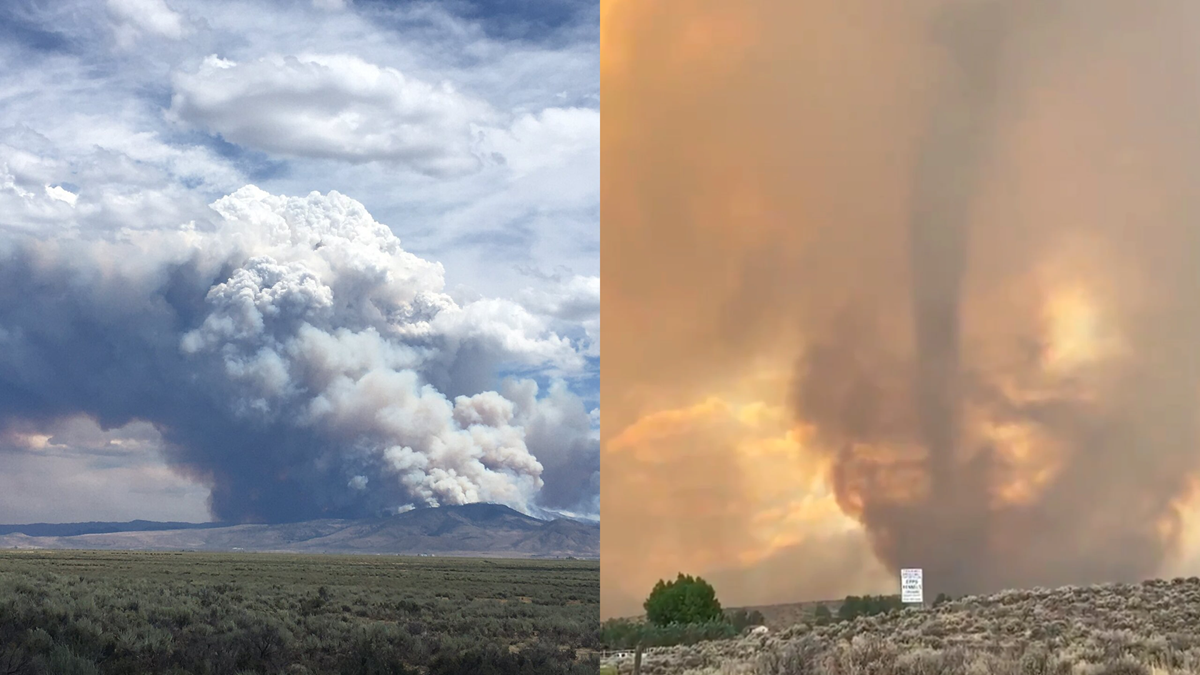
Wildfires can become intense enough to influence the atmosphere above them, sometimes producing thunderstorms and rotating columns of air. During California’s Loyalton Fire on August 15, 2020, extreme heat generated towering clouds known as pyrocumulonimbus clouds. The fire produced three documented tornadoes, including one rated EF1 that snapped trees along its path. The National Oceanic and Atmospheric Administration recorded the event, which also prompted an unusual tornado warning from the National Weather Service. It was a striking example of a wildfire helping generate its own severe weather.
12. Snow Fell Near the Sahara Desert
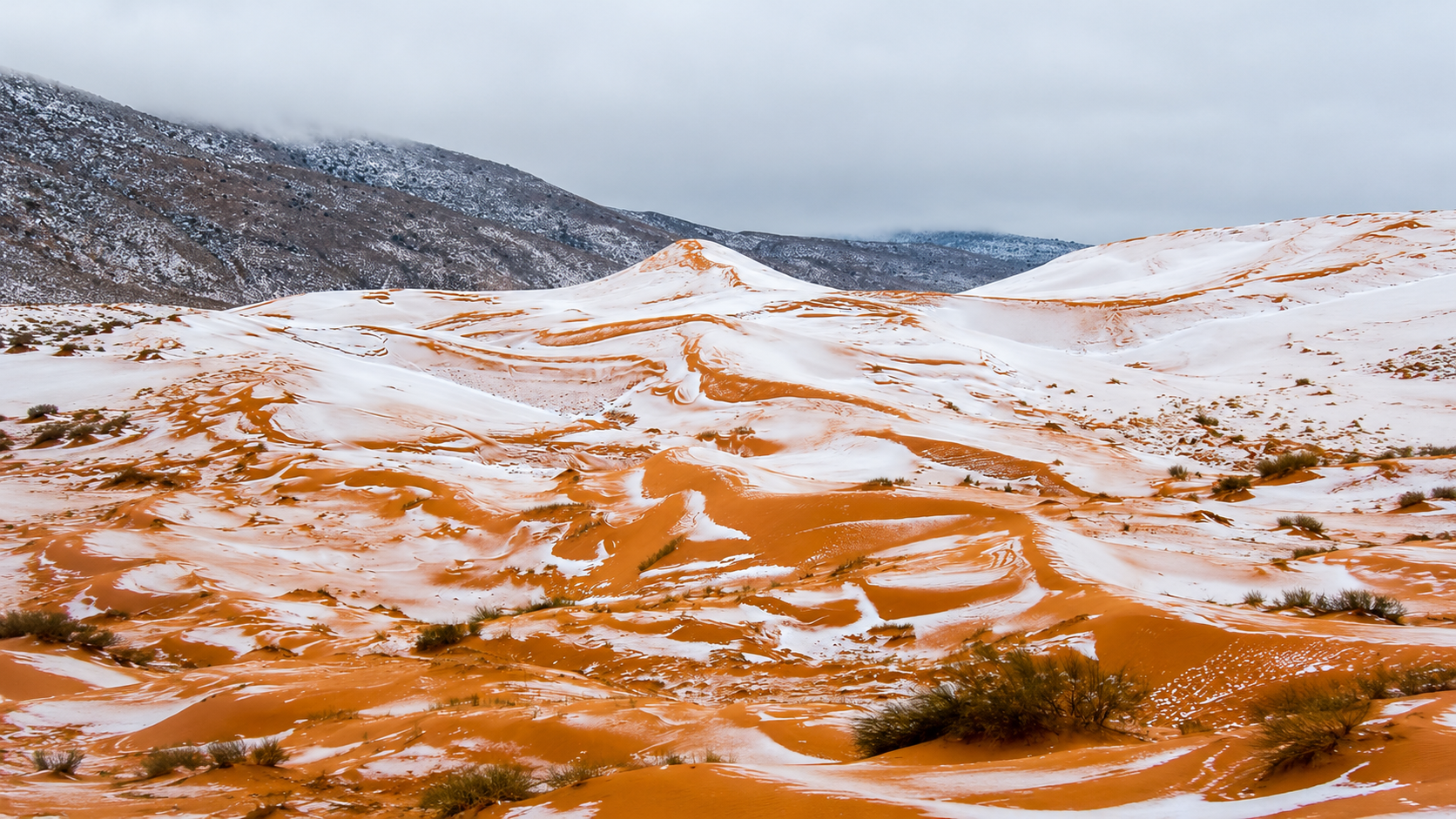
The Sahara might be famous for its heat, but winter conditions can occasionally produce something very different along its northern edge. On December 19, 2016, snow fell around Aïn Séfra, an Algerian town near the Atlas Mountains. Photographs showed a thin white covering over the normally orange landscape, creating an unusual contrast. According to NASA, the town’s previous recorded snowfall had occurred in February 1979. Most of the snow disappeared by the following day.
13. A Massive Wall of Dust Swallowed Phoenix
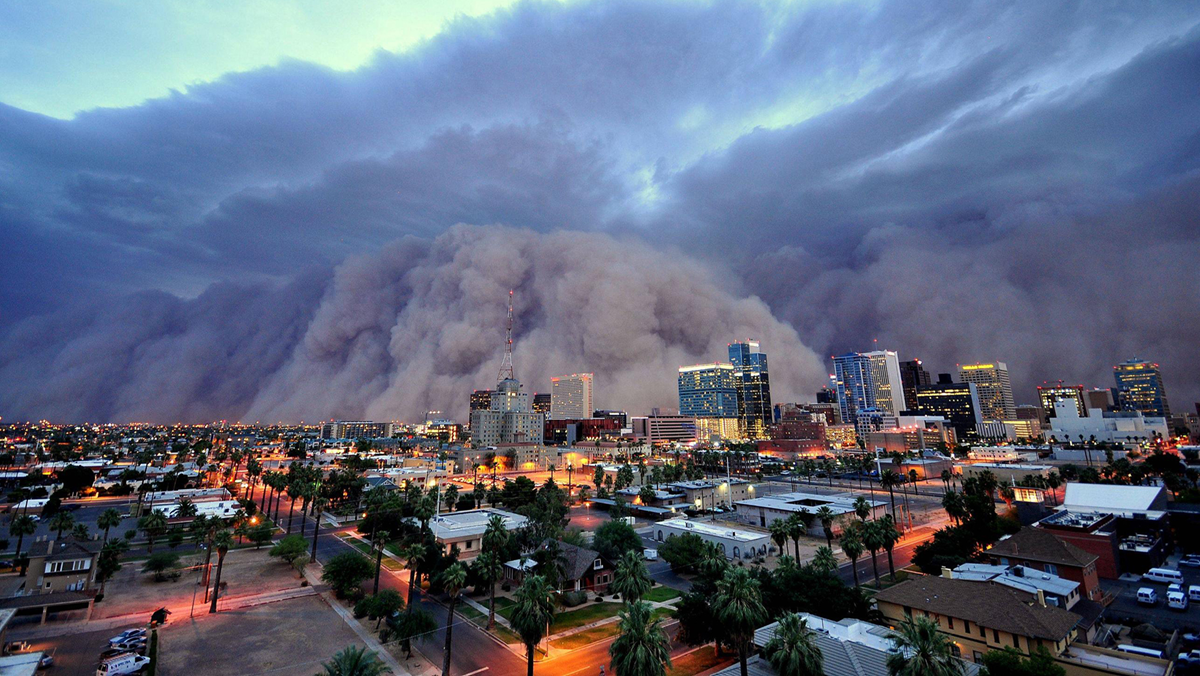
Drivers around Phoenix, Arizona, faced an extraordinary sight on the evening of July 5, 2011. An enormous dust storm, known as a haboob, moved across the metropolitan area, reducing visibility to almost zero in some locations. The storm’s leading edge stretched for nearly 100 miles, while the dust cloud reached an estimated height of at least 5,000 to 6,000 feet. Strong winds flowing outward from thunderstorms had lifted huge amounts of loose desert soil into the atmosphere. The National Weather Service documented the event, which temporarily hid familiar streets and buildings behind a moving wall of dust.
14. Parts of Buffalo Got Seven Feet of Snow While Nearby Areas Barely Got Any
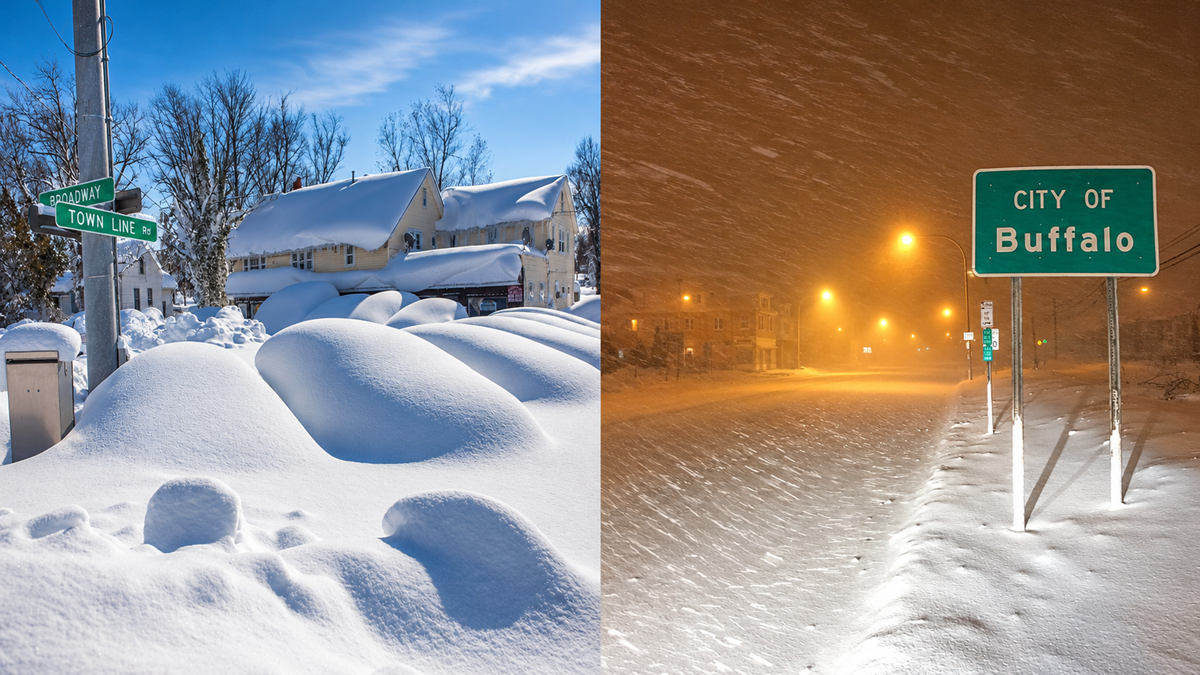
In November 2014, an extraordinary lake-effect snowstorm struck the Buffalo, New York, area. Some communities received more than five feet of snow in about two days, while areas just a few miles farther north recorded only a few inches. The sharp differences developed because a narrow band of heavy snowfall remained almost stationary as cold air moved across the relatively warmer waters of Lake Erie. A second storm added more snow to already overwhelmed neighborhoods, bringing combined totals close to seven feet in some places. The National Weather Service described the contrast as one of the most remarkable features of the event.
15. A Hailstone Weighed More Than Two Pounds
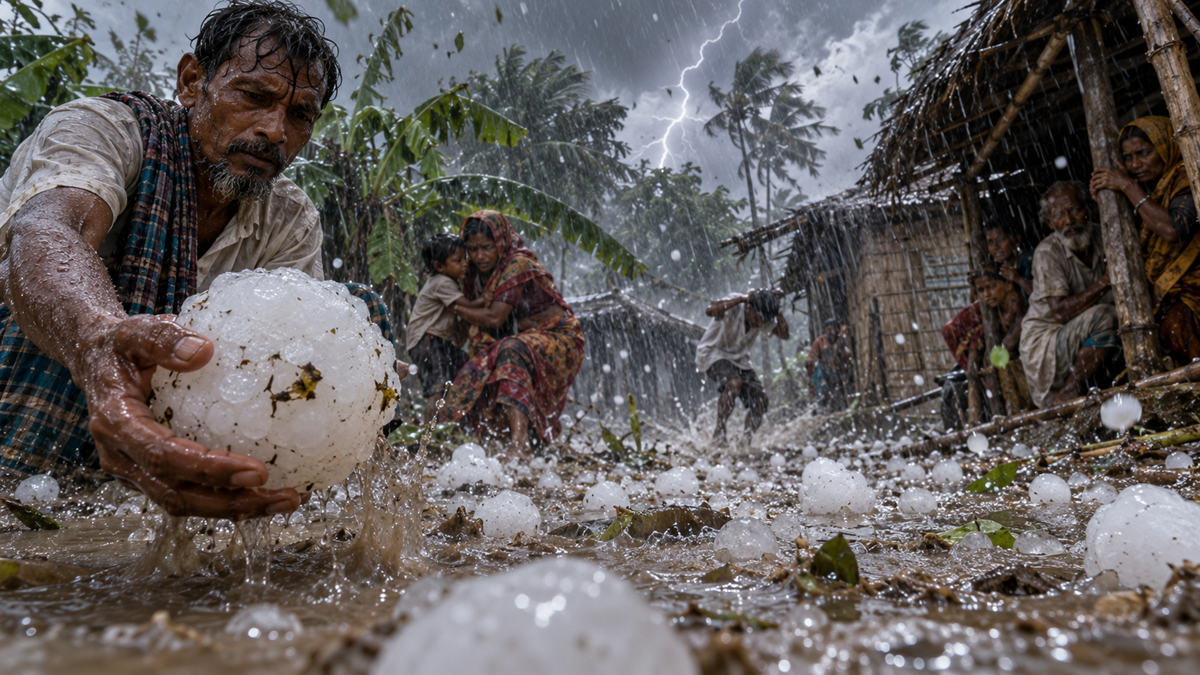
Hailstones usually arrive as small pieces of ice, but occasionally they grow to extraordinary sizes inside powerful thunderstorms. On April 14, 1986, a violent hailstorm struck the Gopalganj district of Bangladesh, producing a hailstone reportedly weighing 1.02 kilograms, or 2.25 pounds. The World Meteorological Organization lists it as the heaviest hailstone in its records for the Eastern Hemisphere. The storm was also deadly, with 92 fatalities reported. It remains one of the most extreme documented examples of a familiar weather phenomenon becoming dangerously unusual.
In the mood for more?
Check out 15 Weather Phenomena That Look Like Special Effects (But Are 100% Real), or take a look 20 Weather Events That Changed History. If you want to see more of nature’s stranger moments, you can check out The Weirdest Weather: 16 Places Where Mother Nature Never Plays Fair.