Weather events have shaped history in ways that are easy to overlook. A storm, a blizzard, a drought, or even a few days of unexpected fog rarely determine the outcome of history on their own, but they can influence timing, logistics, harvests, health, and critical decisions that ripple far beyond the forecast.
From military campaigns and political crises to engineering disasters and scientific breakthroughs, weather has repeatedly interacted with human decisions at pivotal moments. These stories aren’t about nature acting alone. They’re about how weather events collided with societies already under pressure, helping redirect the course of history in surprising ways.
1. Spanish Armada Storms
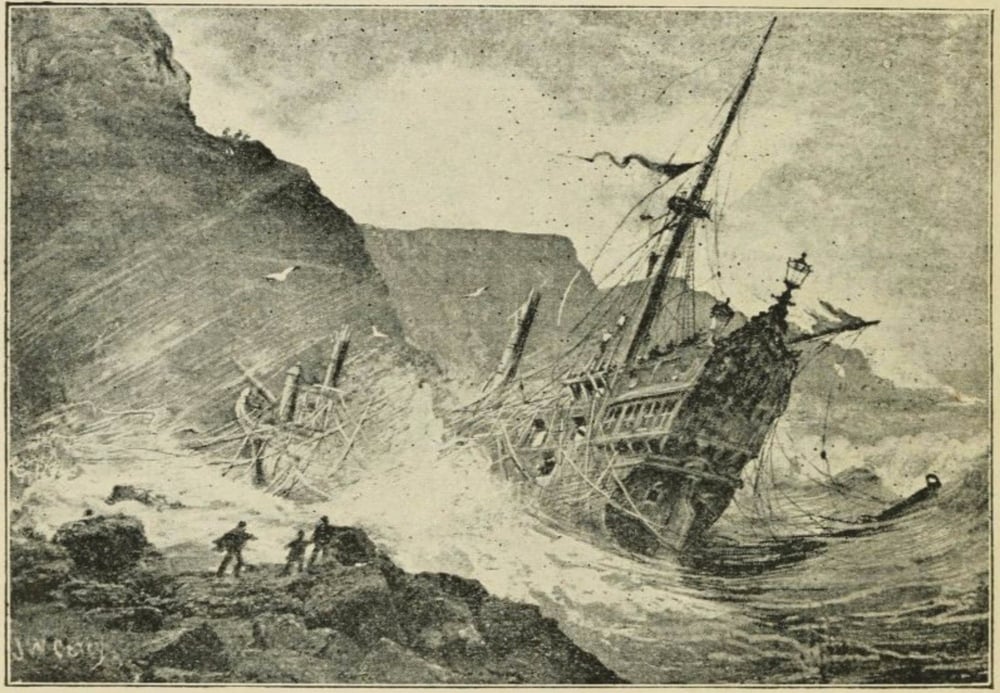
Weather events became part of one of history’s most famous military campaigns when the Spanish Armada attempted to return home after battling the English in 1588. Already weakened by combat and logistical problems, many of its ships encountered powerful storms around Scotland and Ireland, leading to devastating losses that compounded an operation already in serious trouble. Would the Armada have suffered the same fate without the storms? And can one weather system truly decide the outcome of an entire war? Historians generally agree the storms amplified an already failing campaign rather than defeating Spain on their own.
2. Great Smog of London
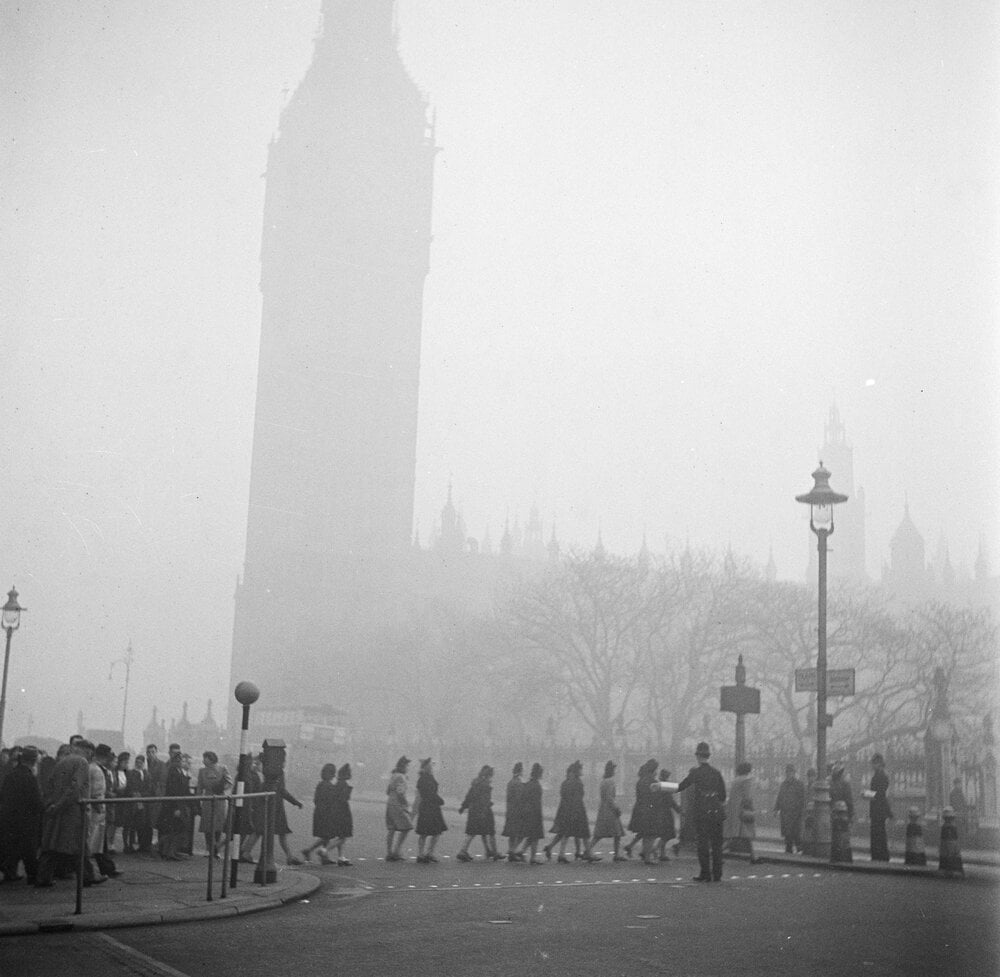
In December 1952, unusual weather conditions trapped coal smoke and industrial pollution over London, creating a dense smog that lingered for days and contributed to thousands of deaths. The disaster shocked the public and helped build support for stronger clean-air legislation that reshaped environmental policy in the United Kingdom. How often does a weather pattern help rewrite public policy? And would the tragedy have been as severe without pollution already filling the city’s air? The smog demonstrated how atmospheric conditions and human activity can combine to produce historic consequences.
3. D-Day Forecast
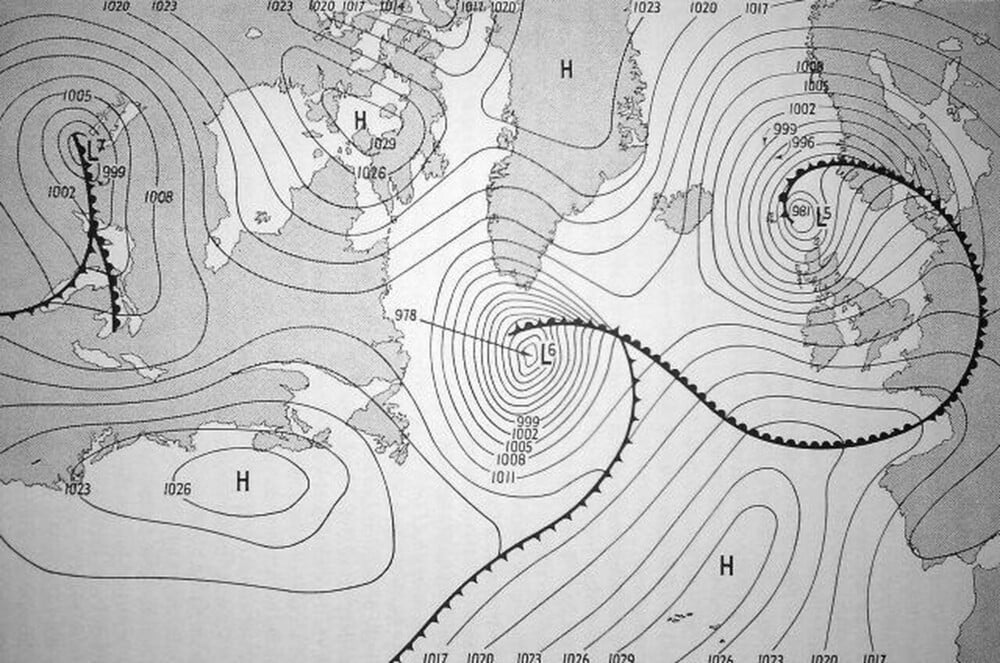
As Allied forces prepared for the Normandy invasion in June 1944, meteorologists identified a brief break in dangerous weather that offered a narrow opportunity to launch one of history’s largest military operations. The forecast prompted commanders to postpone the invasion by a day, allowing troops to cross the English Channel under conditions that, while still difficult, were far more favorable than expected. What if the forecast had been wrong? And how different might history look if the invasion had proceeded during the original weather conditions? The decision showed how accurate forecasting can influence history without guaranteeing its outcome.
4. Galveston Hurricane
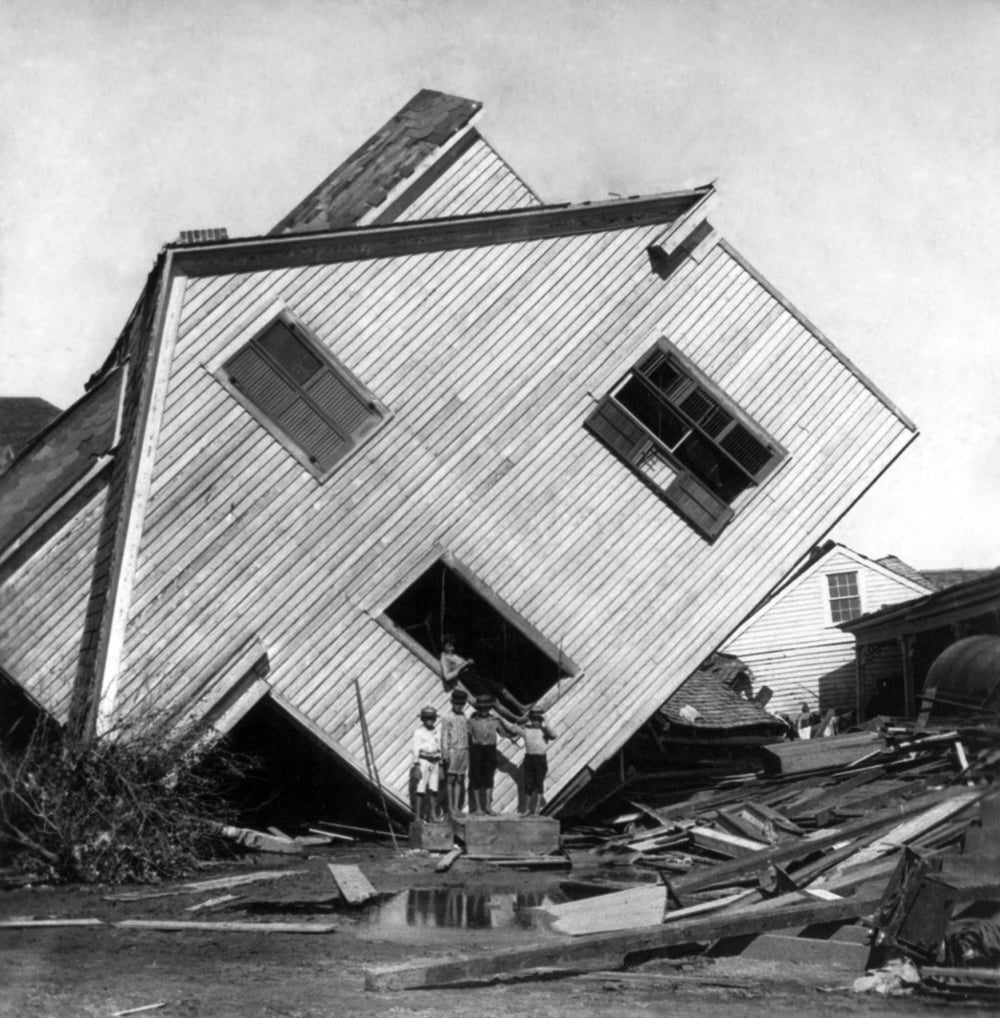
The Galveston Hurricane of 1900 devastated one of Texas’s most important cities, destroying homes, businesses, and infrastructure while claiming thousands of lives. Beyond the immediate tragedy, the disaster encouraged major engineering projects such as the city’s seawall and elevated streets while also helping shift commercial momentum toward Houston in the years that followed. Could a single hurricane influence the future of an entire region’s economy? And how often do rebuilding decisions shape history long after the storm clouds disappear? The hurricane’s legacy reached far beyond the coastline it struck.
5. Mongol Invasion Typhoon
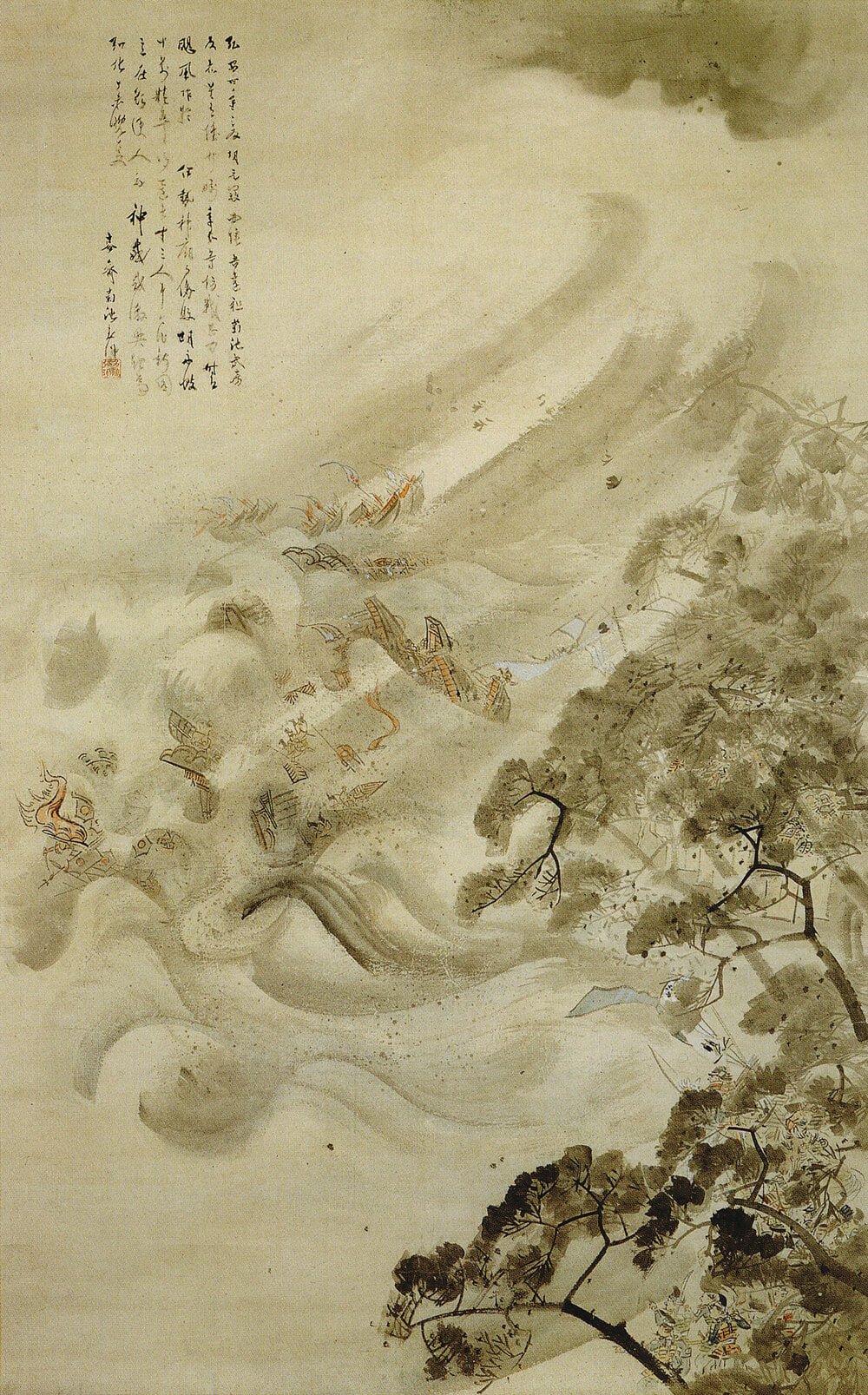
When Kublai Khan launched a massive invasion of Japan in 1281, his fleet encountered a powerful typhoon that destroyed many ships and helped end the campaign. The storm later became known in Japanese tradition as the “divine wind,” or kamikaze, reinforcing the belief that the islands had been protected by extraordinary natural forces. Would the legend exist without the storm that devastated the invading fleet? And how often does a weather event become part of a nation’s identity for centuries afterward? The typhoon entered history not only as a military setback but also as a lasting cultural symbol.
Trending on The Scroller


6. Great Blizzard of 1888
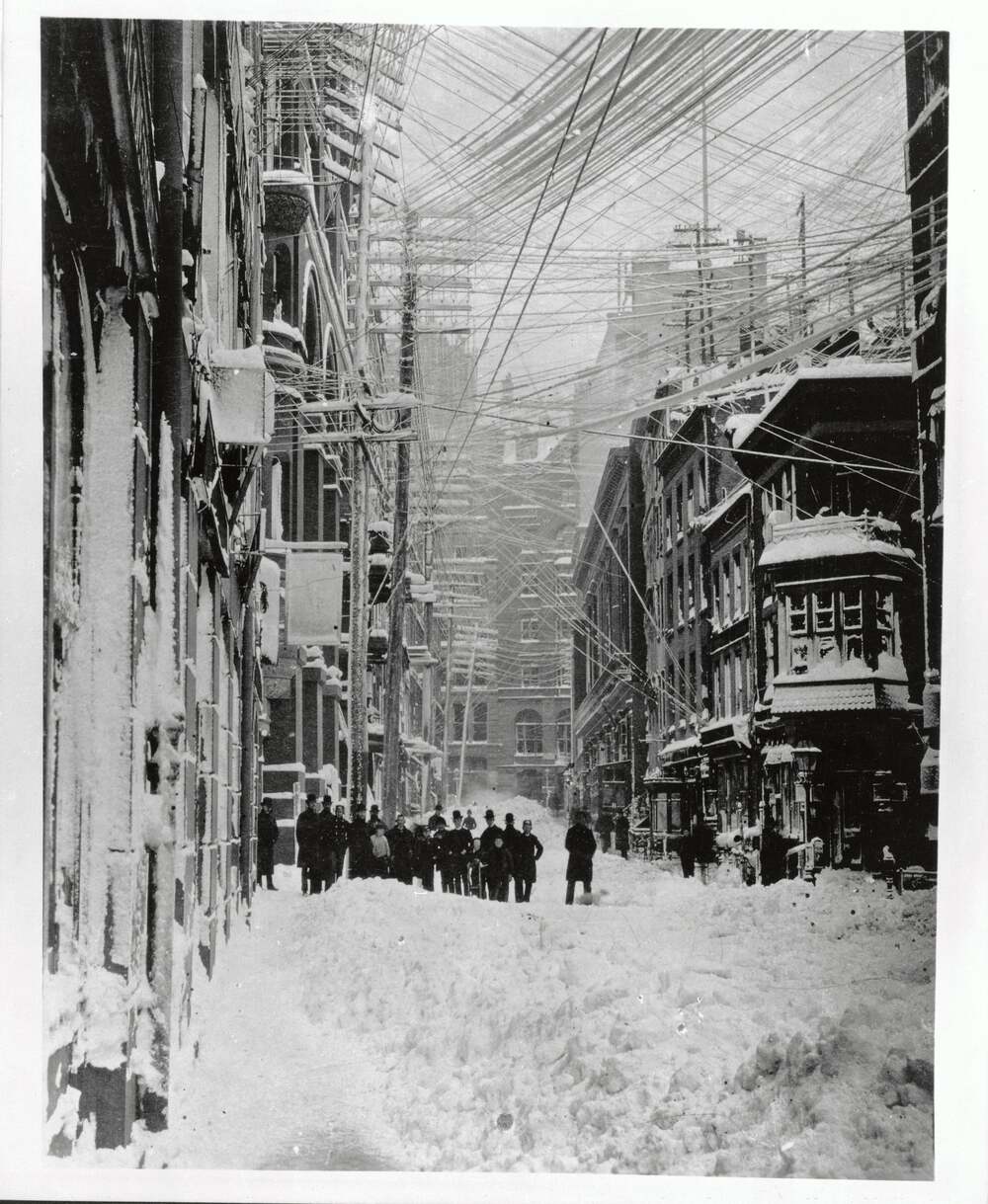
The Great Blizzard of 1888 brought massive snowfall and powerful winds to the northeastern United States, paralyzing transportation, knocking down overhead telegraph and telephone lines, and leaving cities isolated for days. The storm exposed how vulnerable urban infrastructure had become, encouraging greater interest in underground utility systems and more resilient transit planning. Could a snowstorm change the way an entire city builds its infrastructure? And how many modern underground cables exist because engineers learned from disasters like this? Weather events sometimes reshape cities long after the snow has melted.
7. Challenger Cold
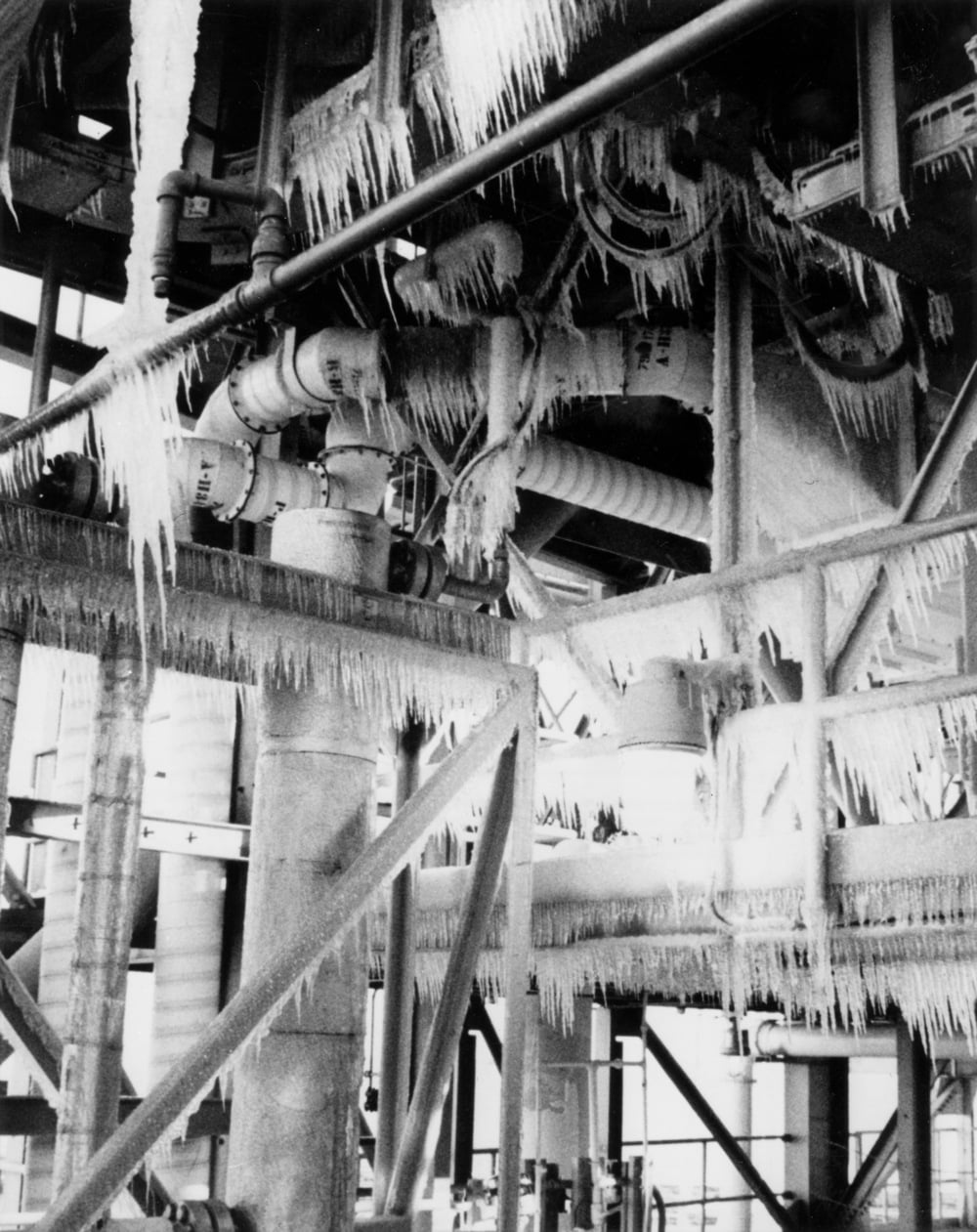
On January 28, 1986, unusually cold temperatures affected the resilience of the Space Shuttle Challenger’s O-ring seals, becoming one of several factors that contributed to the shuttle’s tragic destruction shortly after launch. Investigations later showed that the disaster resulted from both the physical effects of the weather and serious engineering and organizational failures. Could a few degrees of temperature really influence a space mission? And how often do environmental conditions reveal weaknesses that already existed in a system? The Challenger disaster remains a reminder that weather can expose problems, but it rarely acts alone.
8. Year Without a Summer
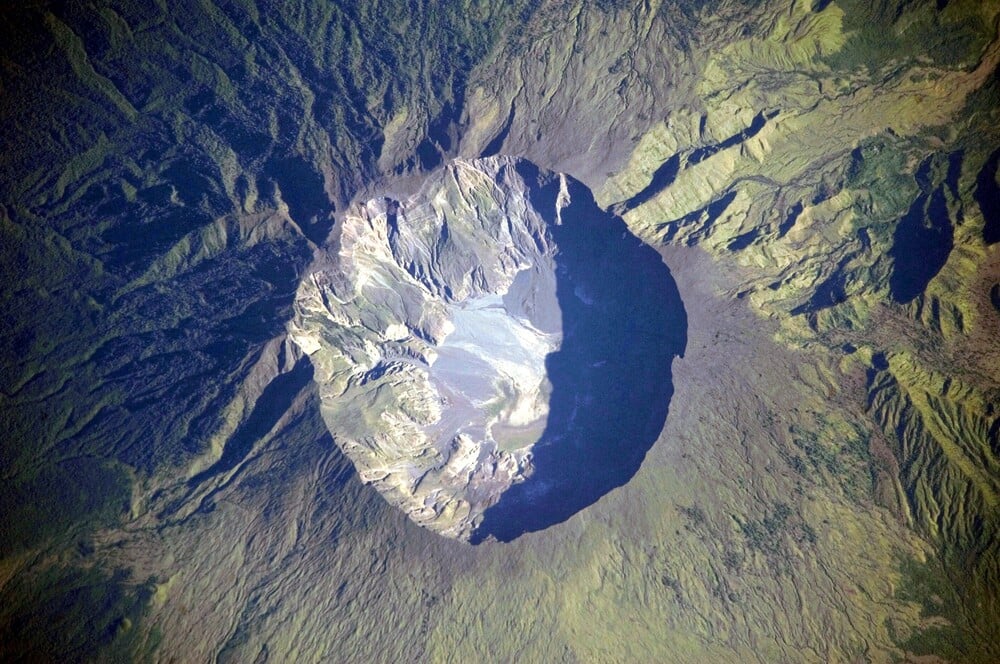
After Mount Tambora erupted in 1815, volcanic particles spread through the atmosphere and disrupted global climate, leading to the famous “Year Without a Summer” in 1816. Crop failures, food shortages, rising prices, and migration affected communities across Europe and North America, while the gloomy conditions also became part of the cultural backdrop surrounding the creation of Frankenstein. How often does unusual weather influence both agriculture and literature at the same time? And could one cold summer leave a mark on history that extends far beyond the harvest? The event demonstrated how weather anomalies can ripple through economies, societies, and culture all at once.
Sign up for our newsletter
9. Bhola Cyclone
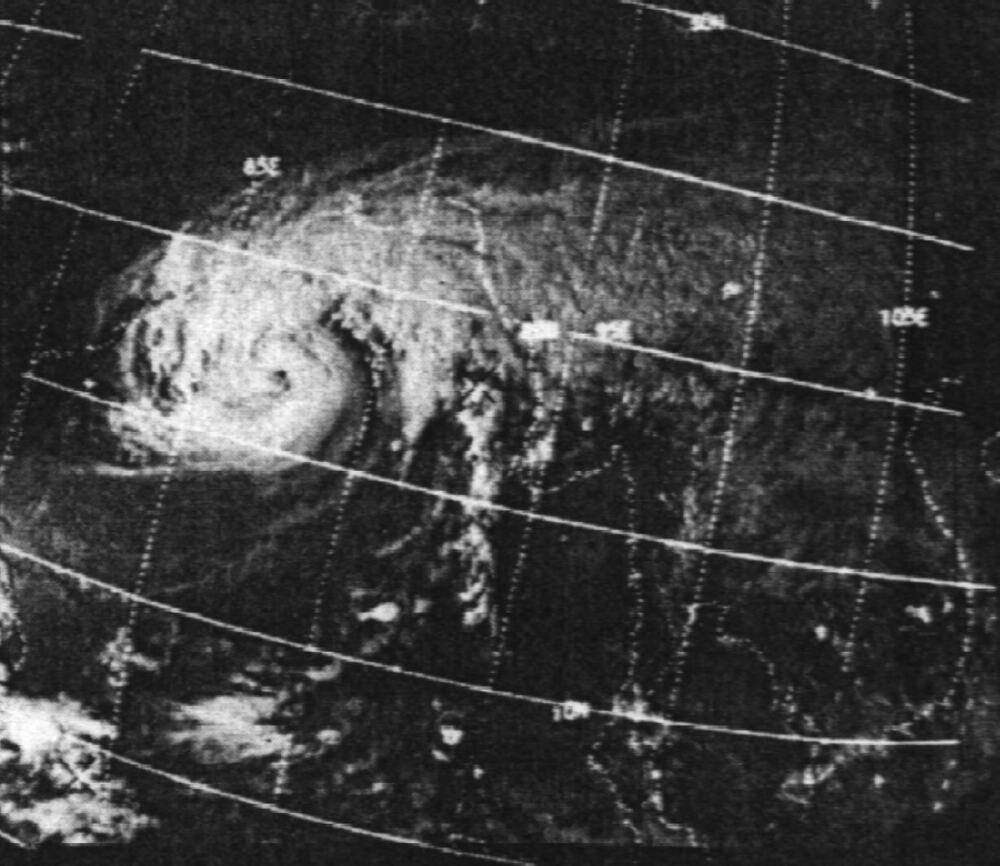
The Bhola Cyclone struck East Pakistan in 1970, causing catastrophic loss of life and widespread destruction. Public anger over the government’s response intensified an already fragile political situation, increasing tensions that eventually contributed to Bangladesh’s struggle for independence. Could a natural disaster deepen an existing political crisis without creating it? And how much does public trust depend on leadership during moments of catastrophe? The cyclone became historically significant because it collided with a society already facing enormous political strain.
10. Napoleon’s Russian Winter
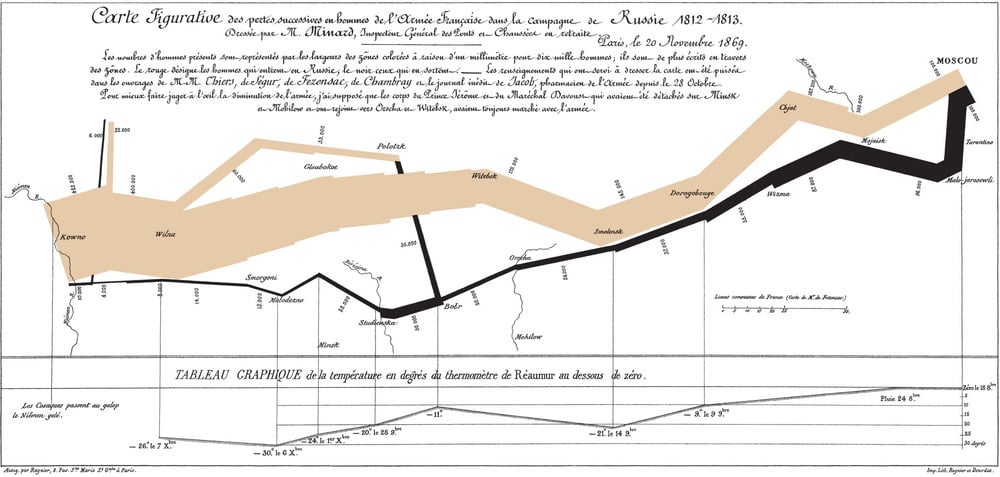
Napoleon’s retreat from Russia has long been reduced to the simple phrase “General Winter,” but the real story is far more complex. Extreme cold worsened starvation, disease, supply shortages, and exhaustion among French forces, yet logistical failures, military strategy, and continuous attacks had already placed the army in an increasingly desperate position. Would winter alone have defeated one of Europe’s greatest armies? And why do historical myths often replace complicated explanations with simple ones? The freezing temperatures became one powerful factor in a disaster that was already unfolding.
11. Miami Hurricane
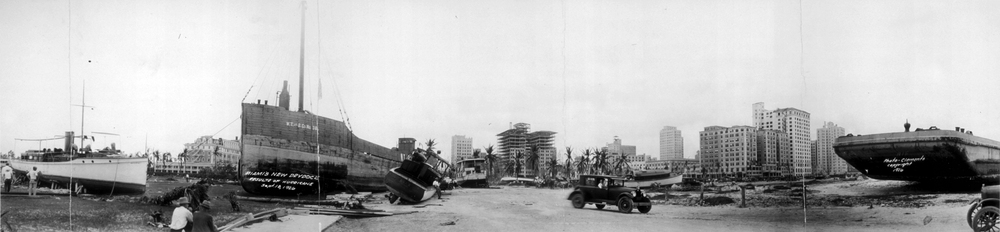
The Miami Hurricane of 1926 struck at the height of Florida’s booming real estate market, destroying property, disrupting investment, and shaking confidence in an economy already showing signs of speculation. Although it wasn’t the sole cause of the state’s economic downturn, the storm helped expose how fragile the land boom had become. What happens when a natural disaster collides with an overheated market? And could investor confidence recover quickly after witnessing such widespread destruction? The hurricane arrived at exactly the wrong moment for Florida’s economy.
12. Great Storm of 1703
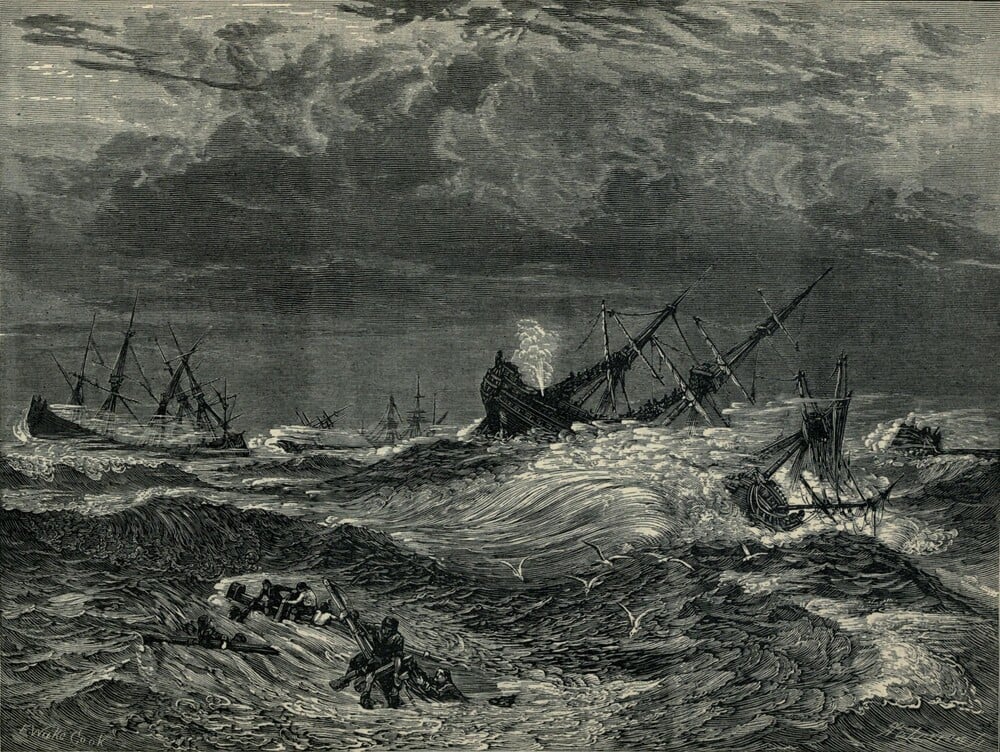
The Great Storm of 1703 battered southern England with extraordinary force, destroying buildings, sinking ships, and sweeping away the first Eddystone Lighthouse. The disaster eventually inspired engineers to rethink lighthouse construction, leading to stronger designs that influenced coastal engineering for generations. Could better engineering have emerged without such a devastating failure? And how many modern safety improvements begin with structures that didn’t survive? Sometimes weather events expose weaknesses that inspire remarkable innovation.
13. Dust Bowl
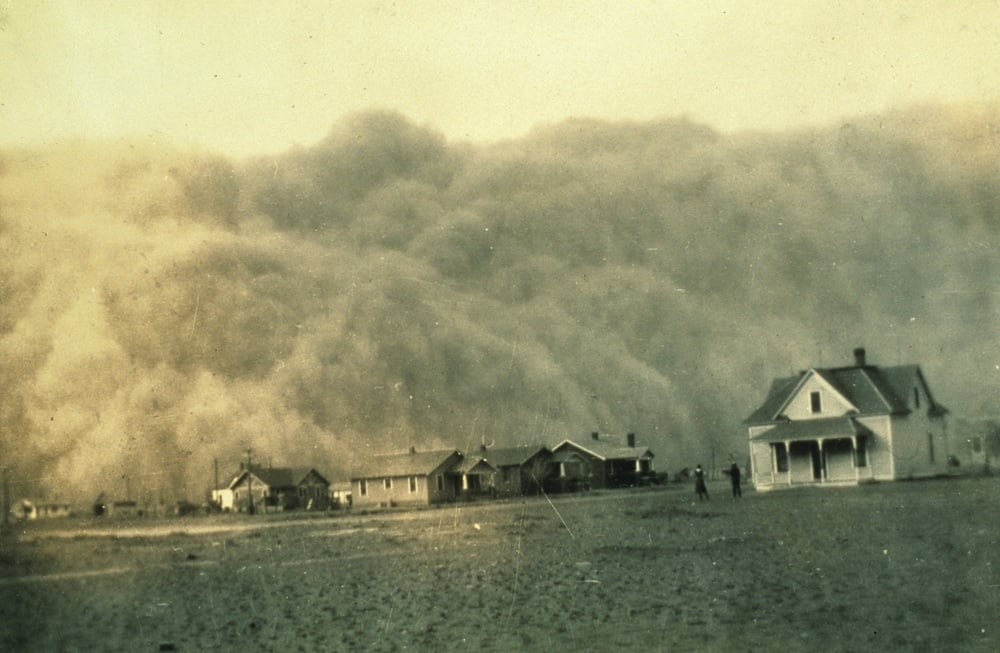
During the 1930s, severe drought combined with exposed topsoil and unsustainable farming practices to create enormous dust storms across the American Great Plains. The environmental crisis forced countless families to migrate while prompting major changes in soil conservation and agricultural policy. Would drought alone have created the Dust Bowl without years of intensive farming? And how often do natural conditions become disasters only after human decisions make them worse? The Dust Bowl showed that weather and land management often shape history together.
14. Washington Storm of 1814
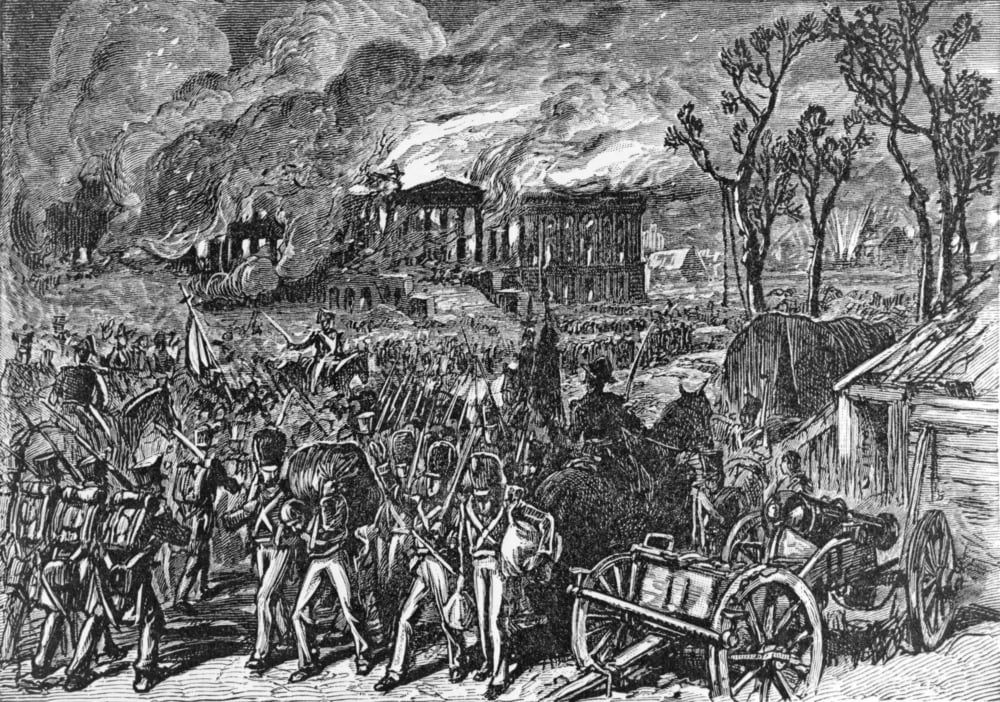
As British forces burned Washington during the War of 1812, a violent thunderstorm struck the city, helping extinguish several fires while also causing damage of its own. The storm interrupted military operations and quickly became one of the most unusual episodes in the capital’s history. How often does a thunderstorm interrupt an invasion already underway? And could one afternoon of violent weather change the final appearance of a city after battle? Nature briefly altered the course of events without changing the broader conflict itself.
15. Great Frost of 1709
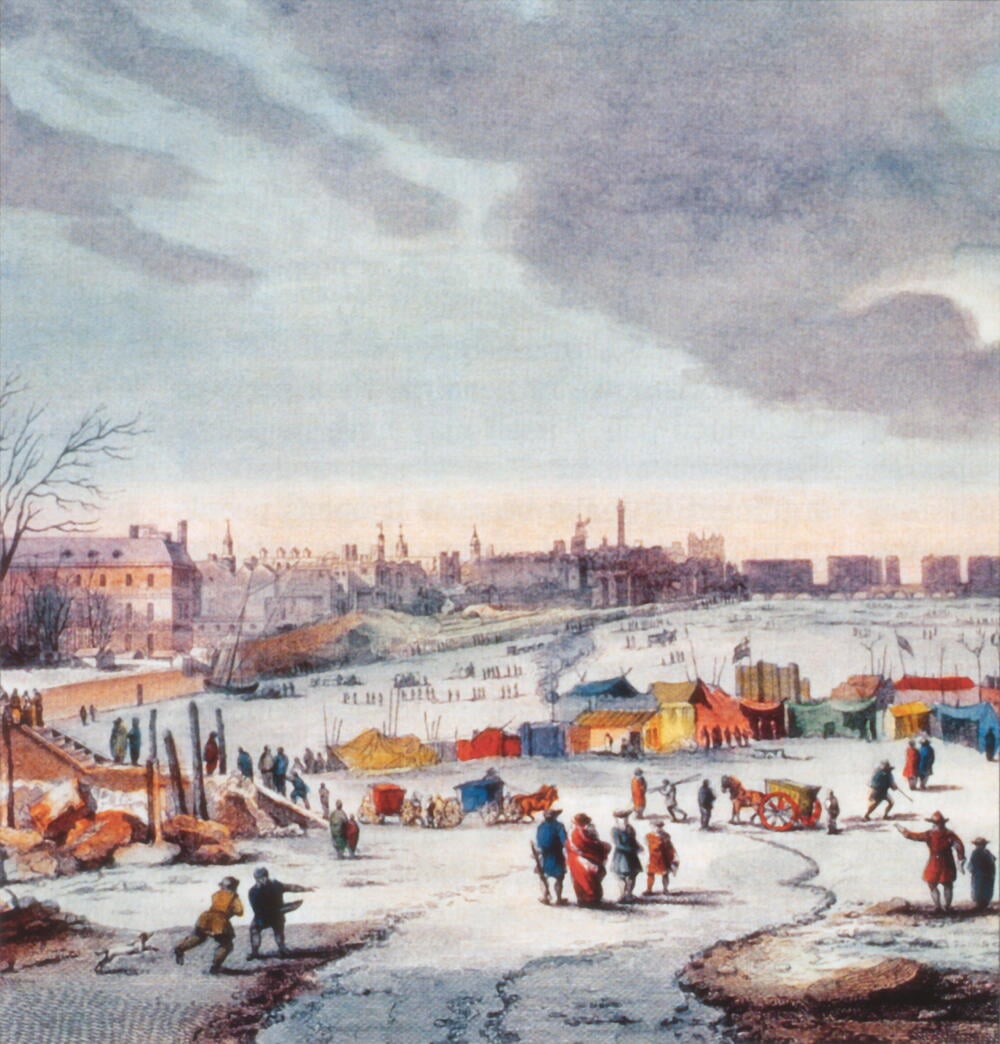
The Great Frost of 1709 brought one of Europe’s harshest winters, freezing rivers, destroying crops, killing livestock, and placing enormous pressure on economies already struggling with war and food shortages. The extreme cold intensified hardships across the continent, worsening conditions that governments were already finding difficult to manage. How much can one brutal winter amplify problems that already exist? And what happens when food supplies disappear during periods of political instability? The freezing temperatures became part of a much larger continental crisis rather than its only cause.
16. Hurricane Katrina
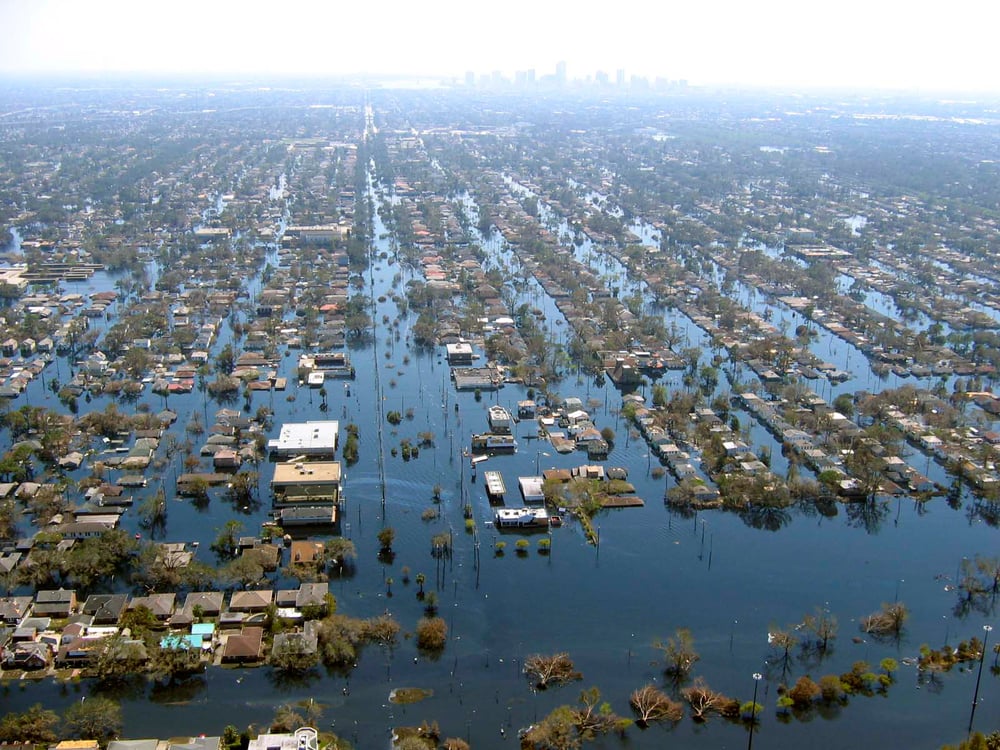
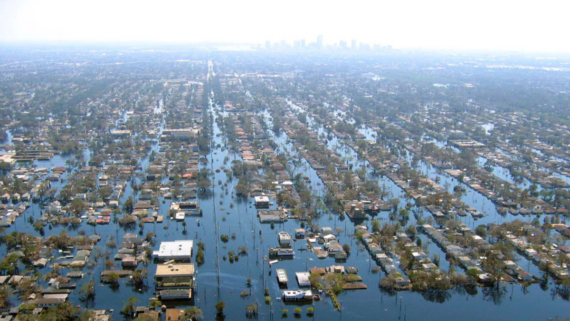
When Hurricane Katrina struck the U.S. Gulf Coast in 2005, the storm itself was only part of the disaster. Catastrophic levee failures flooded much of New Orleans, exposing weaknesses in infrastructure, emergency planning, and disaster response while reshaping engineering practices and public policy for years to come. Did the hurricane reveal problems that had been building long before landfall? And how many cities reconsidered their own flood defenses after watching what happened? The event became a powerful reminder that weather events often expose vulnerabilities already hidden beneath the surface.
17. French Hailstorms of 1788
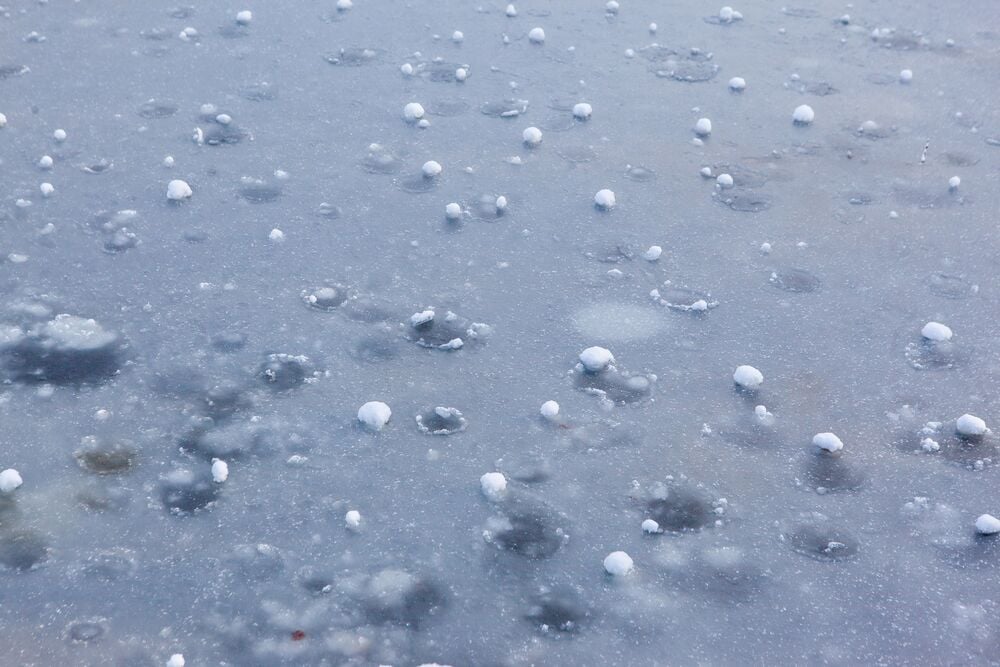
Severe hailstorms devastated crops across France in 1788, and the following harsh winter intensified food shortages and rising prices in a country already facing enormous financial and political pressures. Although the storms didn’t cause the French Revolution, they added strain to a society that was approaching a breaking point. Could failed harvests make an already unstable nation even more fragile? And how often does bad weather become one more burden that struggling societies simply can’t absorb? The storms became part of a much larger chain of events rather than a single explanation for revolution.
18. Children’s Blizzard

The Children’s Blizzard of 1888 swept across the Great Plains with astonishing speed, catching many schools and farming communities completely unprepared. Hundreds of people, including many children trying to reach home, lost their lives, and the tragedy became a defining moment in the history of weather forecasting and public warning systems. How different might the outcome have been with more accurate forecasts? And how many modern weather alerts exist because disasters like this revealed the cost of delayed warnings? The blizzard permanently changed how people viewed forecasting on the American frontier.
19. Stalingrad Winter
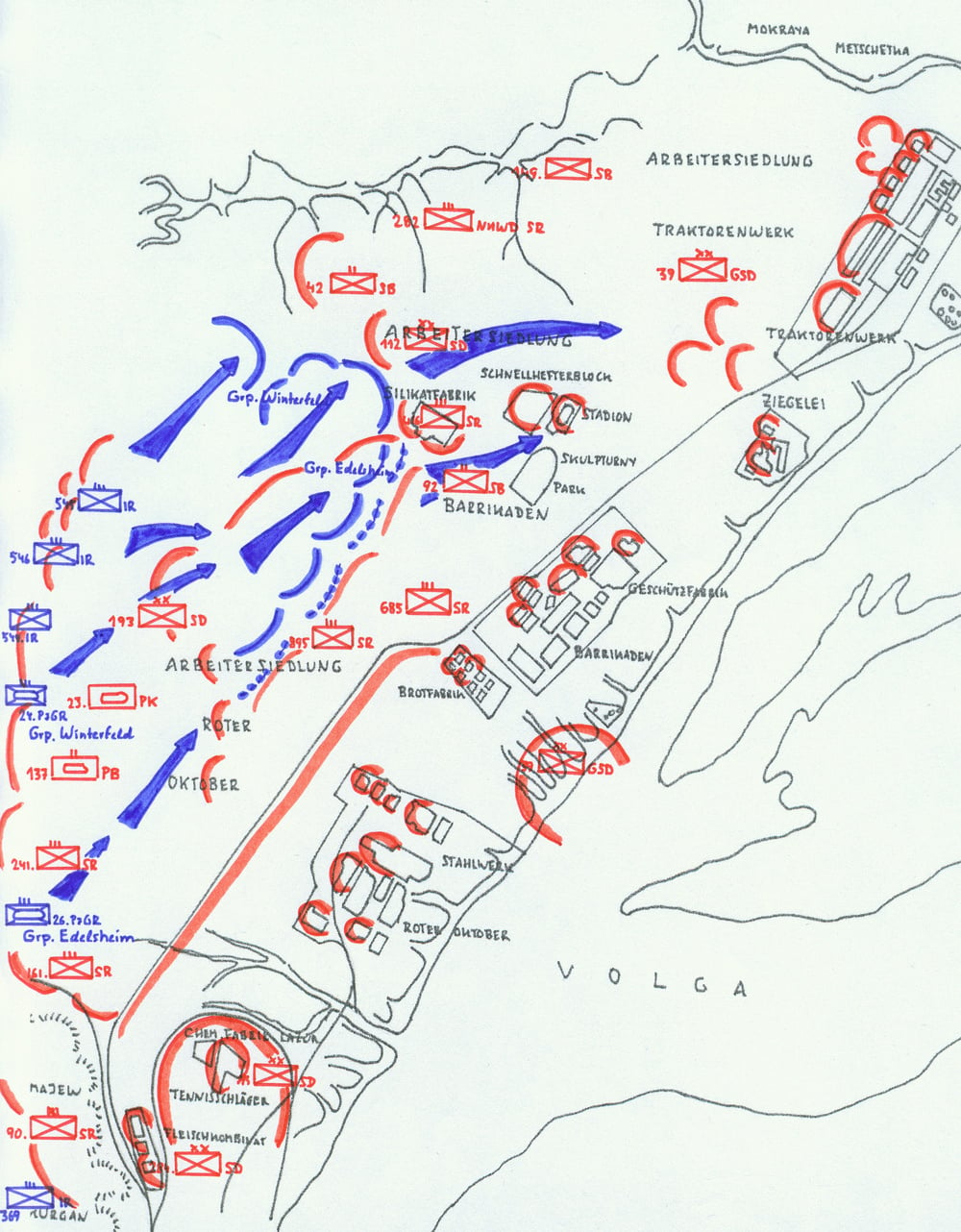
The Battle of Stalingrad unfolded under brutal winter conditions that strained soldiers, equipment, transportation, and supply lines on both sides. While the freezing temperatures became legendary, historians emphasize that military strategy, logistics, and encirclement ultimately determined the outcome more than the weather alone. Would winter have mattered as much without the strategic decisions already shaping the battle? And why are famous military defeats so often explained by climate instead of planning? The cold intensified an already desperate situation rather than deciding the battle by itself.
20. Long Island Fog
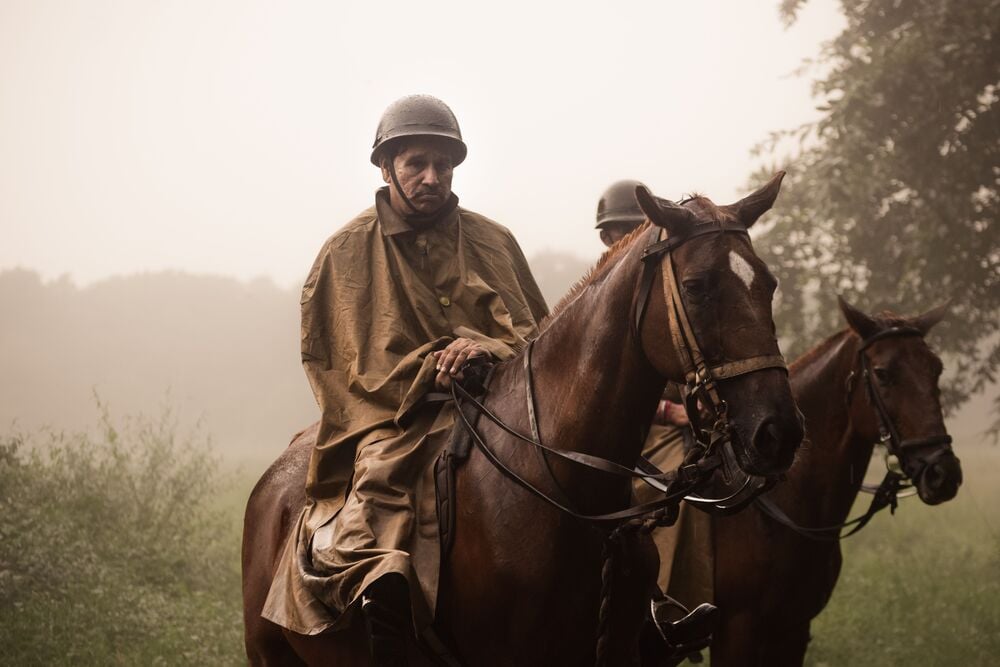
After the Battle of Long Island in 1776, George Washington faced the possibility of losing much of the Continental Army. During a carefully organized nighttime evacuation, dense morning fog settled over the area, helping conceal the final withdrawal from British forces and allowing thousands of soldiers to escape. Could American history have unfolded differently if the fog had lifted just a few hours earlier? And how often does nature provide exactly the cover an army desperately needs? The fog didn’t win the Revolutionary War, but it helped preserve the army that continued fighting it.
Weather events rarely change history by themselves. Instead, they influence critical moments by affecting timing, transportation, agriculture, health, infrastructure, and human decision-making. Whether through storms, droughts, blizzards, or unexpected fog, these atmospheric events became historically significant because they collided with societies, governments, and military campaigns already under pressure. Looking back at these moments reminds us that history is often shaped not by a single cause, but by the powerful interaction between nature and human choices.
Keep Exploring The Scroller
History isn’t shaped by people alone. Sometimes a storm, a cold front, or a few unexpected hours of fog can alter the timing of events in ways that echo for centuries. Keep exploring The Scroller for more surprising stories where science, history, and everyday forces intersect in unexpected ways:
15 Weather Phenomena That Look Like Special Effects (But Are 100% Real)
Phil’s Greatest Fails: 15 Times The Groundhog Got The Weather Completely Wrong
17 Winter Signs That Prove Cold Weather Brings Out Peak Comedy