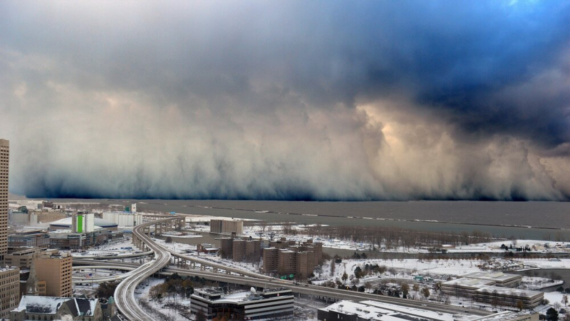
The weirdest weather on Earth sounds almost made up. If someone told you there’s a town where rain shapes the architecture, another where lightning returns almost every single night, and a place so cold that cars are left running for days because turning them off is the bigger risk… you’d probably assume they were exaggerating. They’re not.
Earth has a surprising talent for turning ordinary weather into something that feels almost impossible. Mountains squeeze oceans out of passing clouds. Deserts go years without measurable rain. Lakes manufacture their own thunderstorms. Entire valleys lose direct sunlight for months. None of these places are strange by accident. Each one sits in exactly the right spot for geography and atmosphere to create a weather phenomenon unlike anywhere else on the planet.
So before checking tomorrow’s forecast… take a look at places where “partly cloudy” would be the most unbelievable prediction of all.
1. Mawsynram, India
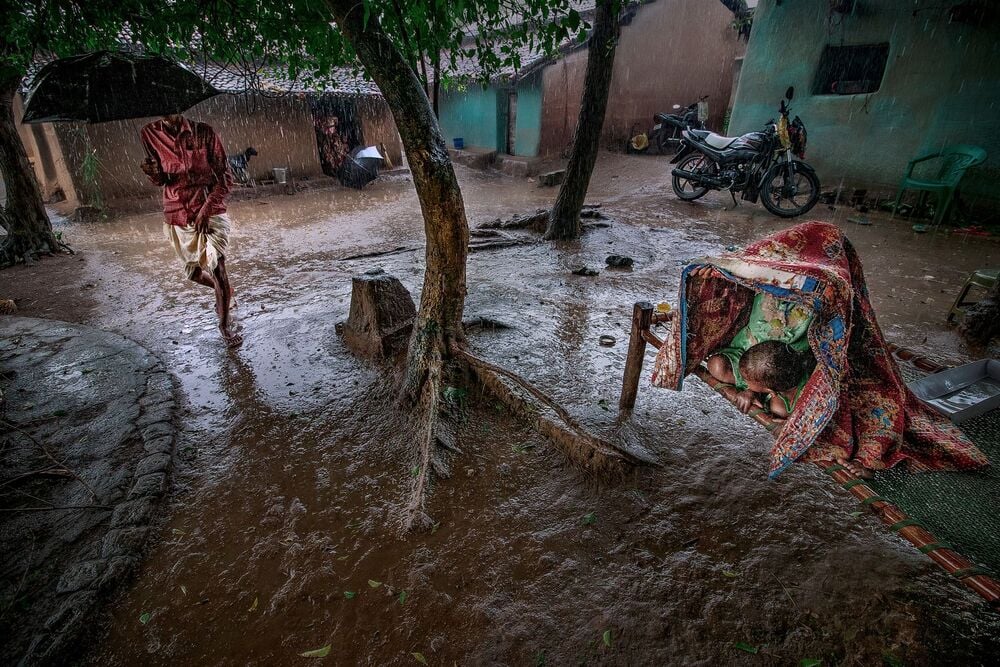
Imagine planning your entire year around one question: How do we live with this much rain? That’s everyday life in Mawsynram. Nestled in India’s Khasi Hills, this small town receives astonishing amounts of rainfall because moisture-packed monsoon clouds slam into the surrounding mountains and are forced upward, squeezing out water almost nonstop for months. The result isn’t one spectacular storm. It’s an entire climate built around rain. Roofs, roads, routines, and even local engineering have evolved to cope with it. Around here, umbrellas aren’t the interesting part. Designing a town that can survive another monsoon season is.
2. Catatumbo, Venezuela
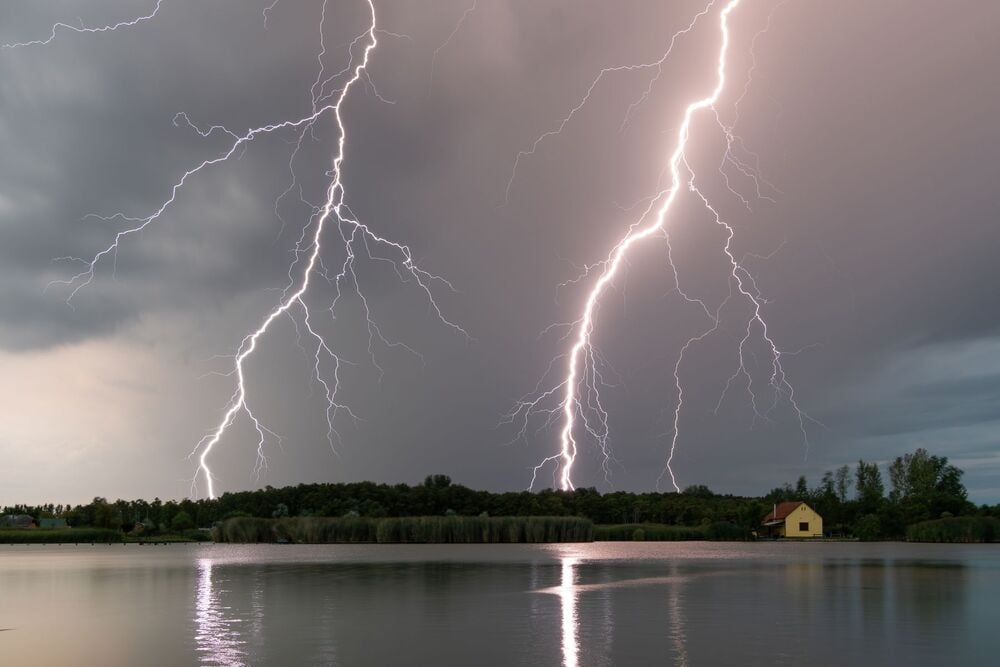
Lightning is supposed to surprise you. Catatumbo clearly missed that memo. Night after night, the skies above Lake Maracaibo erupt with thunderstorms so consistently that they almost seem scheduled. Warm, moisture-rich air rises from the lake, surrounding mountains help trap the atmosphere in just the right way, and local wind patterns complete the recipe. The result is one of the highest concentrations of lightning on Earth. The strangest part? People here don’t treat it as unusual weather. They treat it almost like another season on the calendar.
3. Oymyakon, Russia
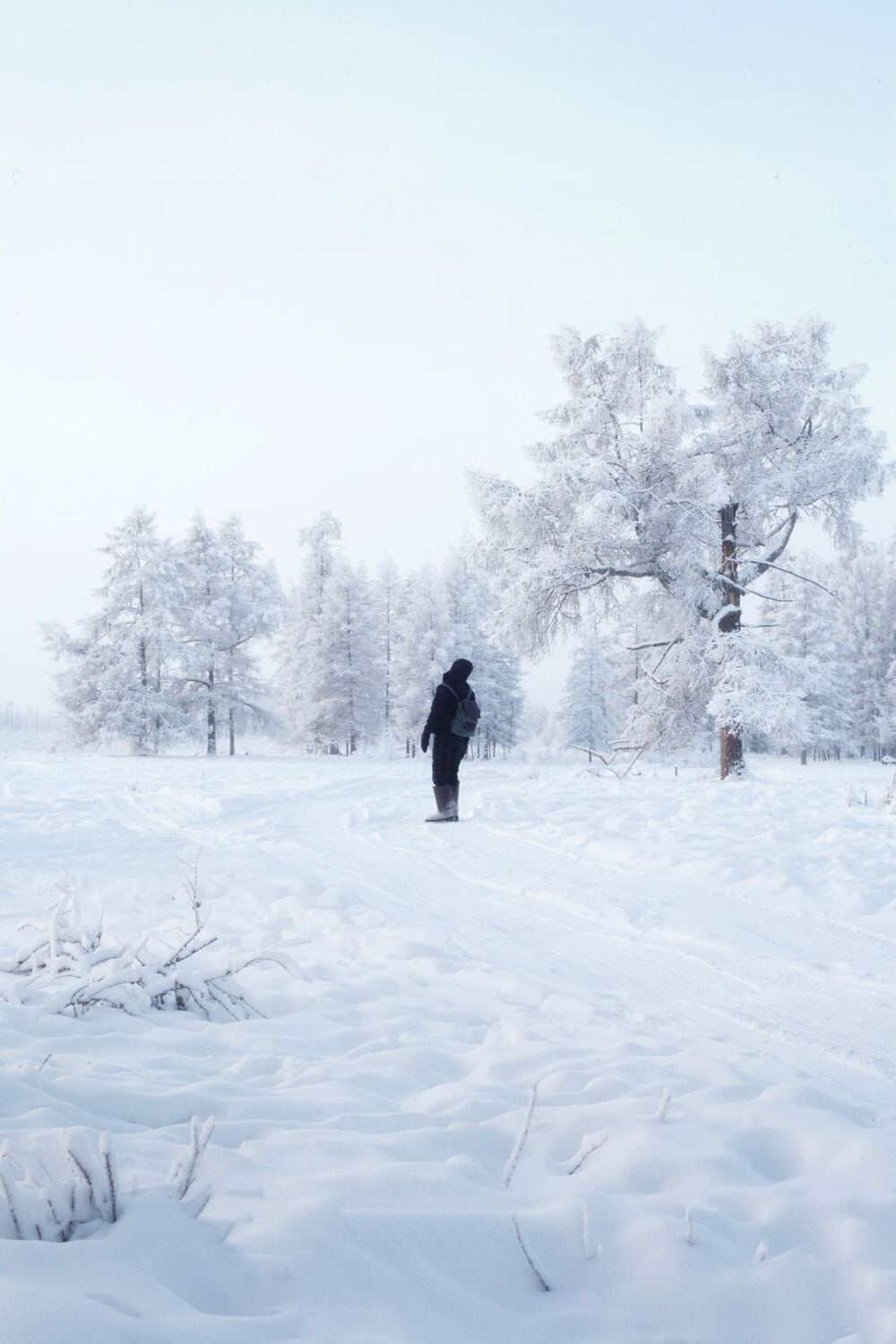
Most people worry about whether their car will start on a freezing morning. People in Oymyakon worry about whether they should ever turn it off. Winter temperatures here can plunge below -50°C, making this remote Siberian settlement one of the coldest permanently inhabited places on the planet. Metal can stick to exposed skin. Batteries lose power quickly. Engines freeze solid if left unattended for too long. And yet life doesn’t stop. Schools still open, stores still operate, and families continue their routines in conditions that would shut down most cities. Honestly? That’s the most incredible part.
4. Atacama Desert, Chile
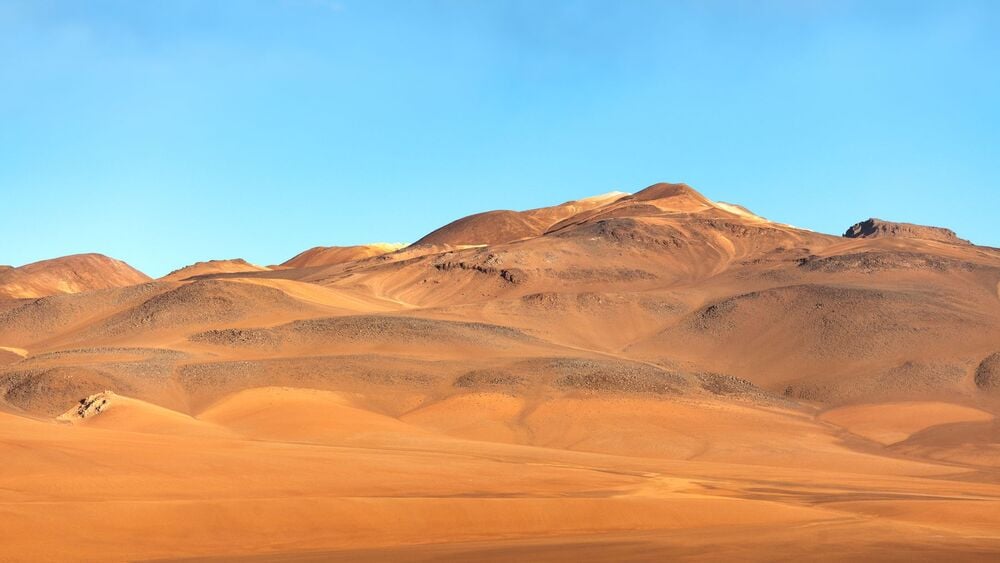
Some places check the forecast, hoping it won’t rain. In parts of the Atacama Desert, people might check it, wondering if rain will happen at all. Thanks to the towering Andes, persistent subtropical high pressure, and the cold Humboldt Current, moisture rarely gets the chance to develop into meaningful rainfall. Some weather stations have documented astonishingly long dry periods, creating landscapes where measurable rain becomes an event rather than an expectation. It almost feels backwards. We spend so much time complaining about rainy days that it’s easy to forget there are places where a single shower can become headline news.
5. Mount Washington, New Hampshire
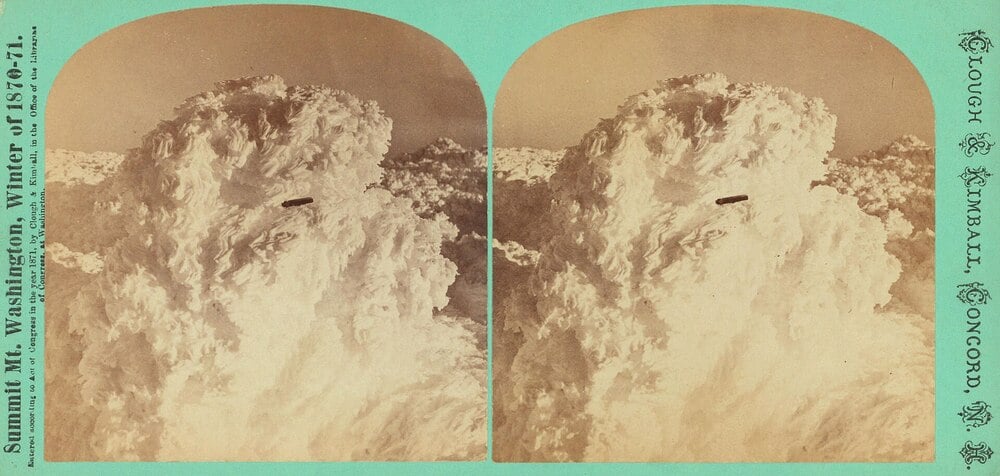
You don’t need Everest to experience terrifying weather. In fact, one of the world’s most unpredictable forecasts belongs to a mountain that’s relatively modest in height. Mount Washington sits where several major storm tracks collide, while its exposed summit magnifies violent winds, dangerous icing, and astonishingly rapid weather changes. For decades, it even held the world record for the highest reliably measured surface wind speed. So why is this mountain famous? Not because it’s especially tall. Because the atmosphere seems to have chosen it as one of its favorite places to show off.
Trending on The Scroller

6. Death Valley, California
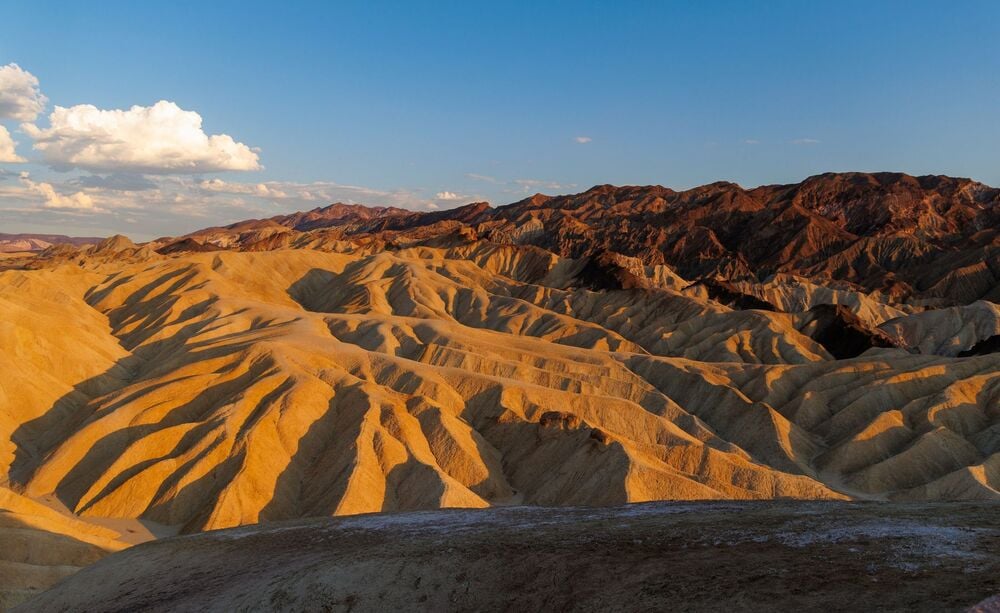
Stand outside for a few minutes in Death Valley during the height of summer, and the heat almost feels physical. It presses against your skin, shimmers above the pavement, and seems to drain the landscape of movement. The valley’s below-sea-level elevation, surrounding mountain ranges, cloudless skies, and relentless solar heating combine to create one of the hottest environments ever reliably measured. Furnace Creek still holds the World Meteorological Organization’s recognized record for the highest air temperature ever recorded. Here, extreme heat isn’t just weather. It’s geography doing exactly what it was built to do.
7. Cherrapunji, India
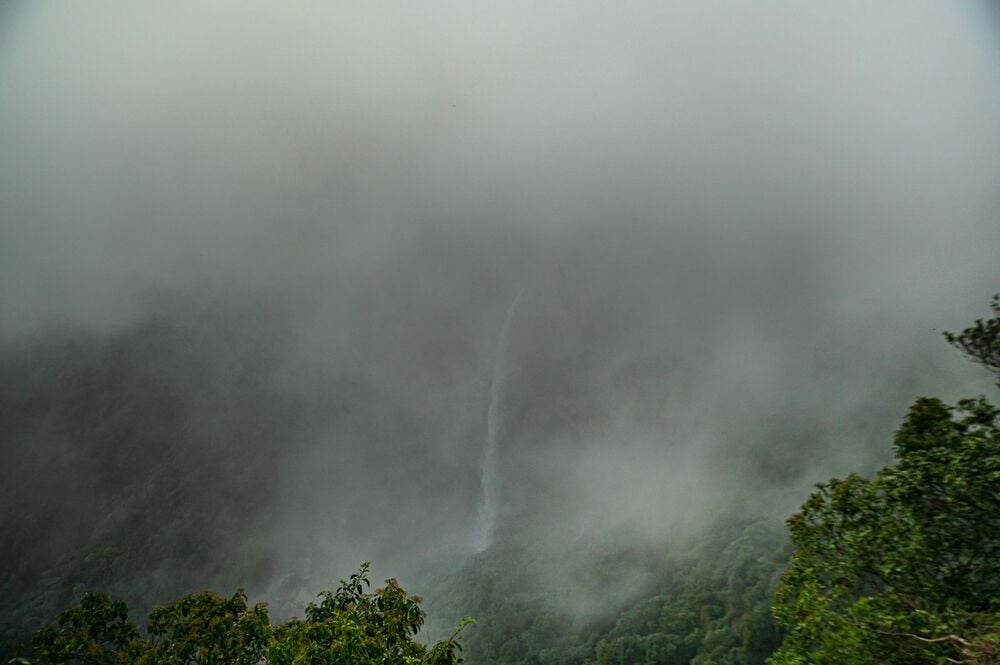
You’d think one of the wettest places on Earth would never worry about running out of water. Surprisingly, that’s exactly what can happen in Cherrapunji. While the region is famous for astonishing rainfall records during the monsoon, it also experiences a pronounced dry season that creates entirely different challenges. It’s a reminder that weather records rarely tell the whole story. Receiving extraordinary amounts of rain doesn’t necessarily guarantee a steady water supply throughout the year.
8. Antarctic Plateau
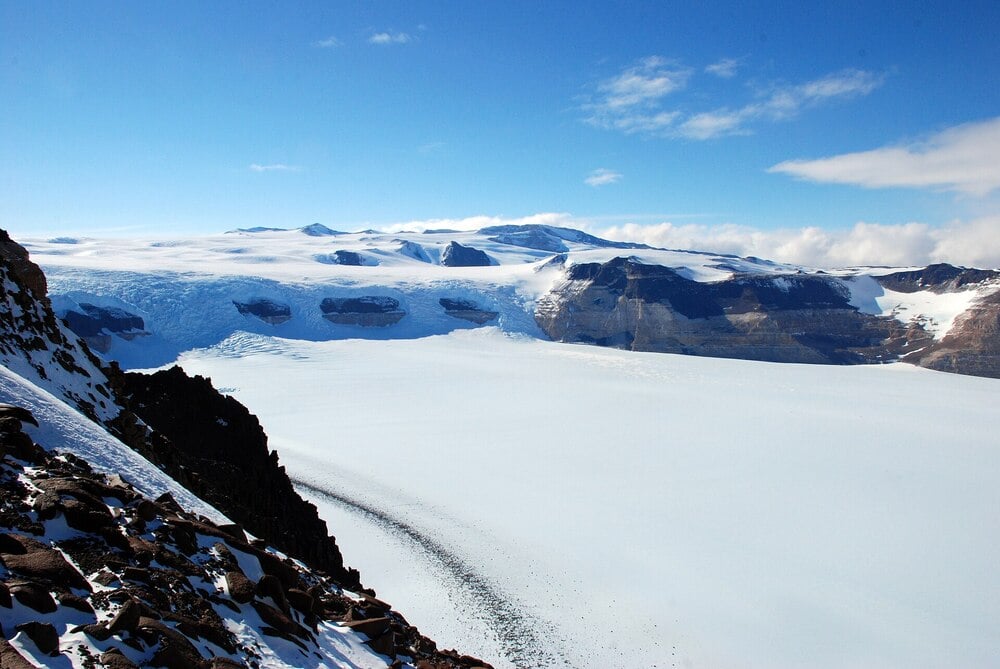
Forget surviving winter. The Antarctic Plateau operates on an entirely different scale. High elevation, months of darkness, exceptionally dry air, and intense radiational cooling combine to create the coldest surface temperatures ever observed on Earth. Satellite measurements have detected temperatures dropping below -90°C in shallow depressions across the ice sheet. At that point, weather stops feeling like something happening around us and starts looking more like planetary physics in action.
Sign up for our newsletter
9. Yakutsk, Russia
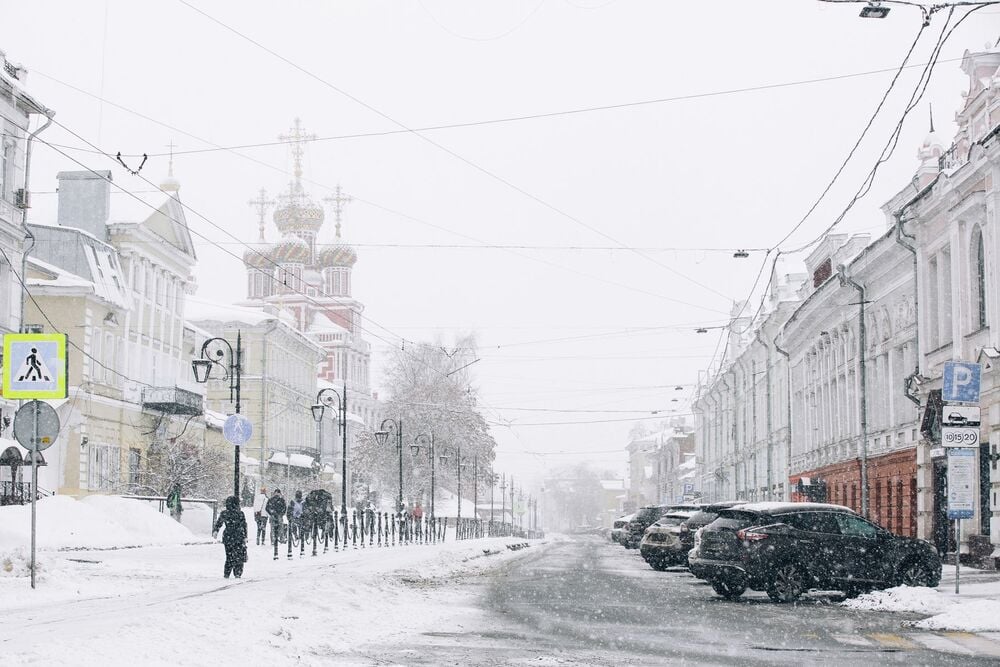
Living in Yakutsk means owning both a heavy winter parka and summer clothes that actually get plenty of use. That sounds impossible until you see the numbers. Brutally cold winters give way to surprisingly warm summers, producing one of the largest seasonal temperature swings experienced by any major city. It’s the kind of place where photographs taken six months apart can look as though they belong to completely different climates, even though they were captured on the very same streets.
10. Tutunendo, Colombia
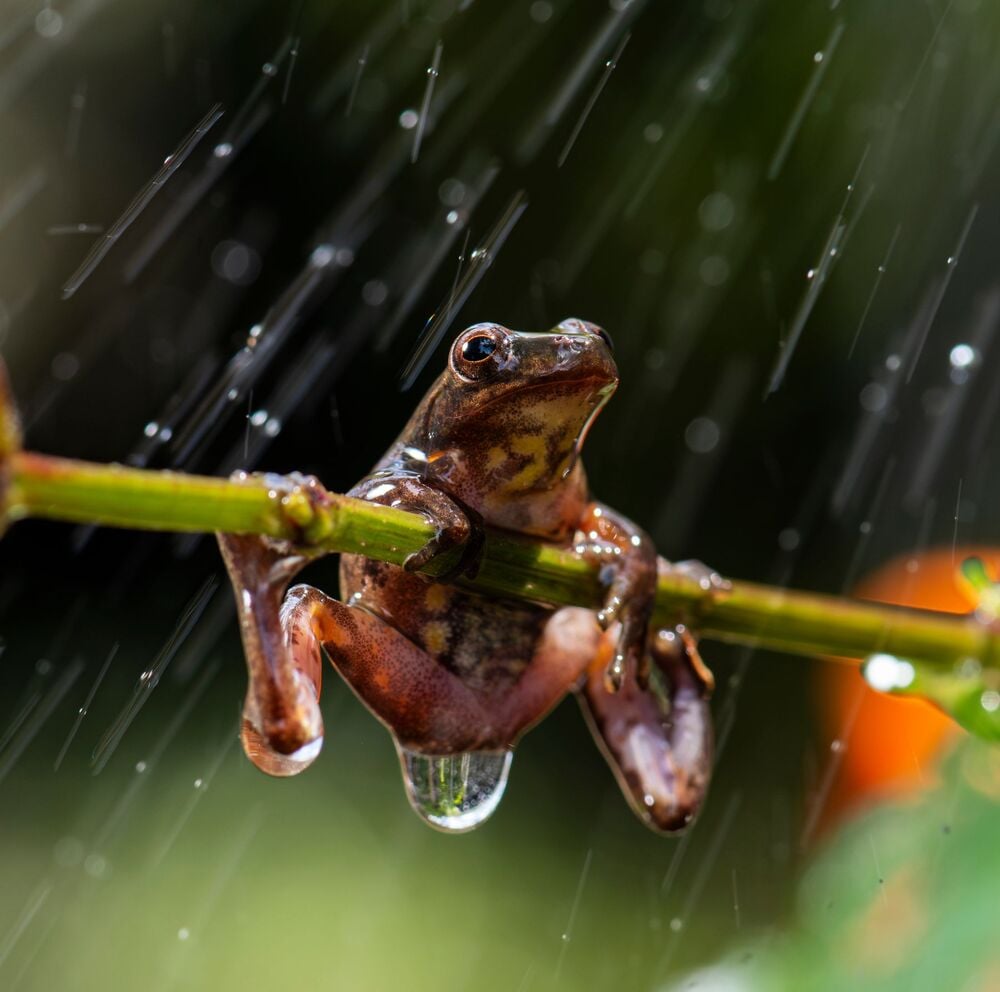
Rain doesn’t simply pass through Tutunendo. It settles in. Moisture arriving from the Pacific repeatedly rises over nearby terrain, producing extraordinary rainfall across much of the year rather than concentrating it into a single season. That’s what makes this Colombian community so unusual. While many famously rainy places depend on a few intense months, Tutunendo experiences an atmosphere that seems remarkably committed to staying wet almost all year long.
11. Wellington, New Zealand
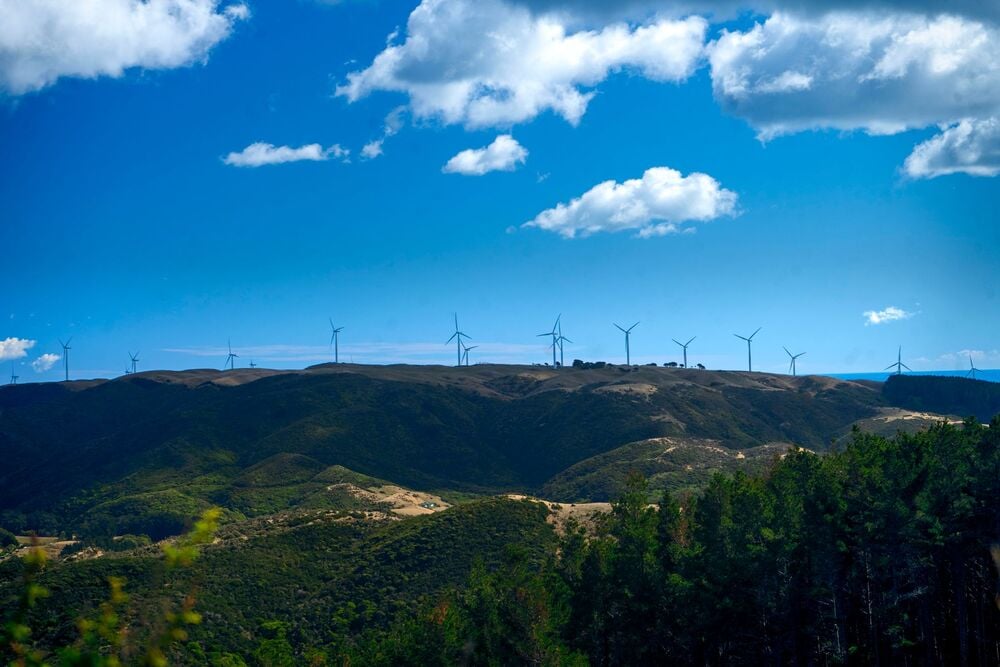
Ask almost anyone what defines Wellington’s weather, and chances are they’ll mention the wind before anything else. That’s because the city sits beside Cook Strait, where air is funneled between New Zealand’s North and South Islands, regularly producing powerful gusts. On especially blustery days, simply walking through downtown can feel like a balancing act. For locals, holding onto hats, umbrellas, and loose papers isn’t paranoia. It’s part of everyday life.
12. Lake Maracaibo Basin, Venezuela
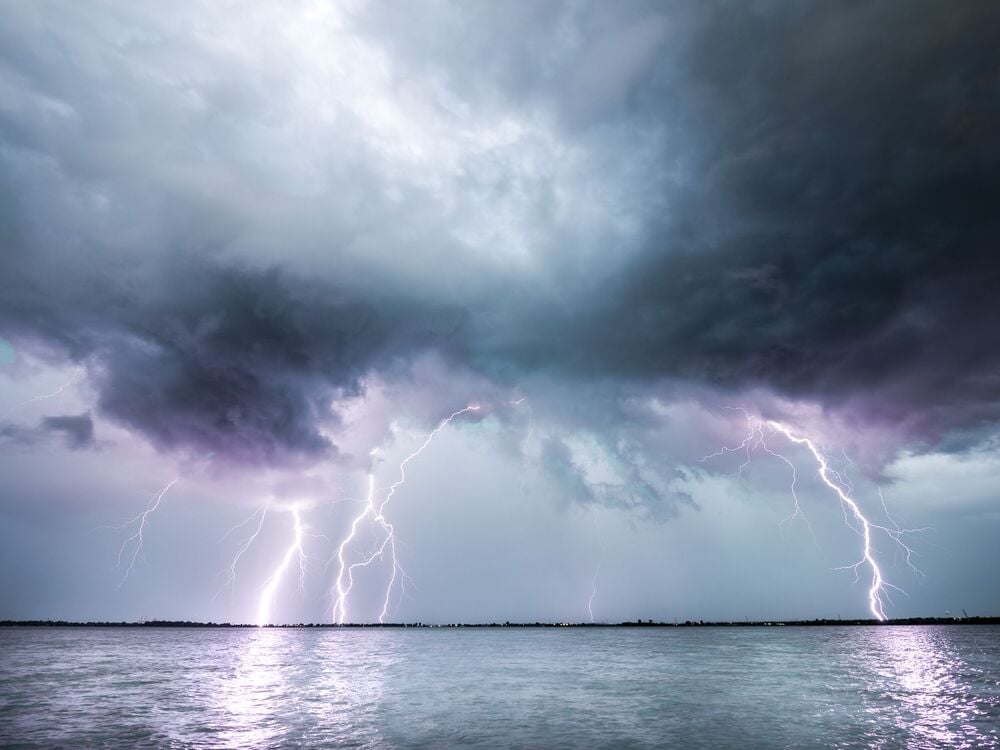
Lightning may have made Catatumbo famous, but the larger Lake Maracaibo Basin tells an even broader weather story. Long after sunset, warm air rising from the lake combines with abundant moisture and the surrounding landscape to generate thunderstorms with remarkable consistency. It’s almost as if the lake resets the atmosphere every evening, preparing the sky for another round of towering storm clouds before most people have gone to bed.
13. Sahara Desert, North Africa
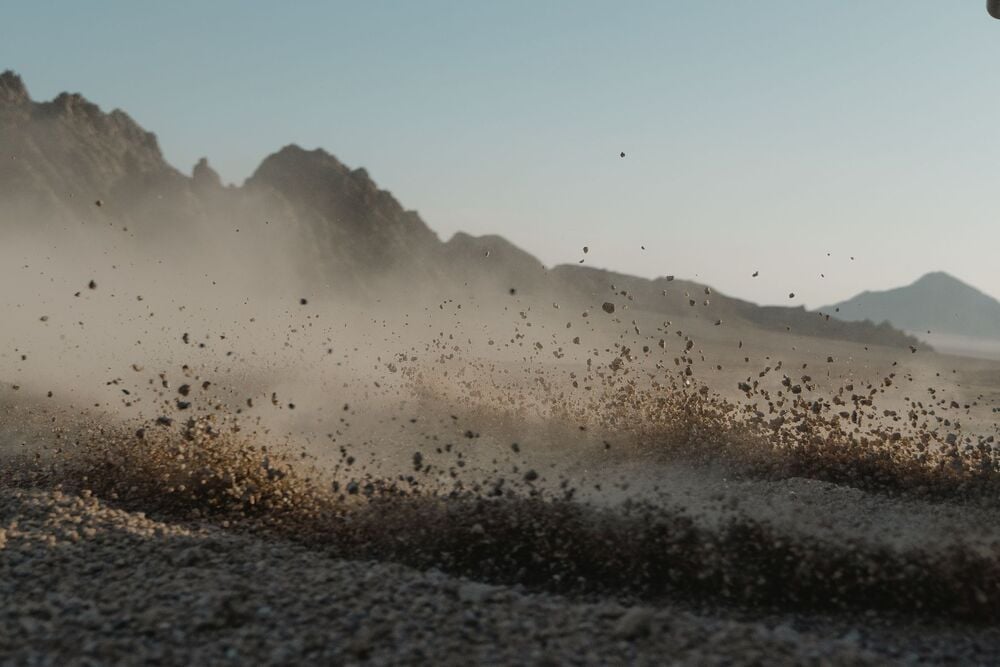
The biggest surprise about the Sahara isn’t how hot it gets. It’s how quickly that heat can disappear. During the day, intense sunshine and extremely dry air push temperatures to punishing levels. After sunset, however, the same lack of humidity allows heat to escape rapidly, creating surprisingly cold nights in many areas. Add powerful dust storms to the mix, and it’s easy to see why desert weather is far more complicated than the word “hot” suggests.
14. Great Lakes Snowbelts, United States and Canada
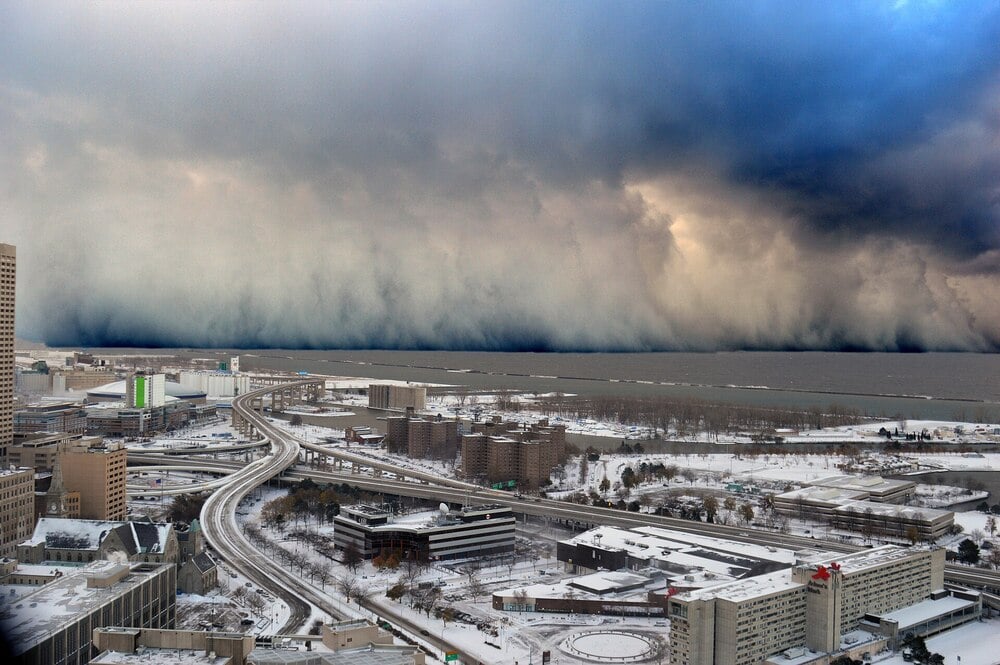
How can one neighborhood be buried under several feet of snow while another, just a few miles away, barely sees a dusting? Around the Great Lakes, the answer often comes down to lake-effect snow. As cold air moves across relatively warm lake water, it absorbs moisture before releasing it in narrow, intense snow bands downwind. The result is a weather pattern so localized that two nearby towns can wake up to completely different winters on the very same morning.
15. Rjukan, Norway
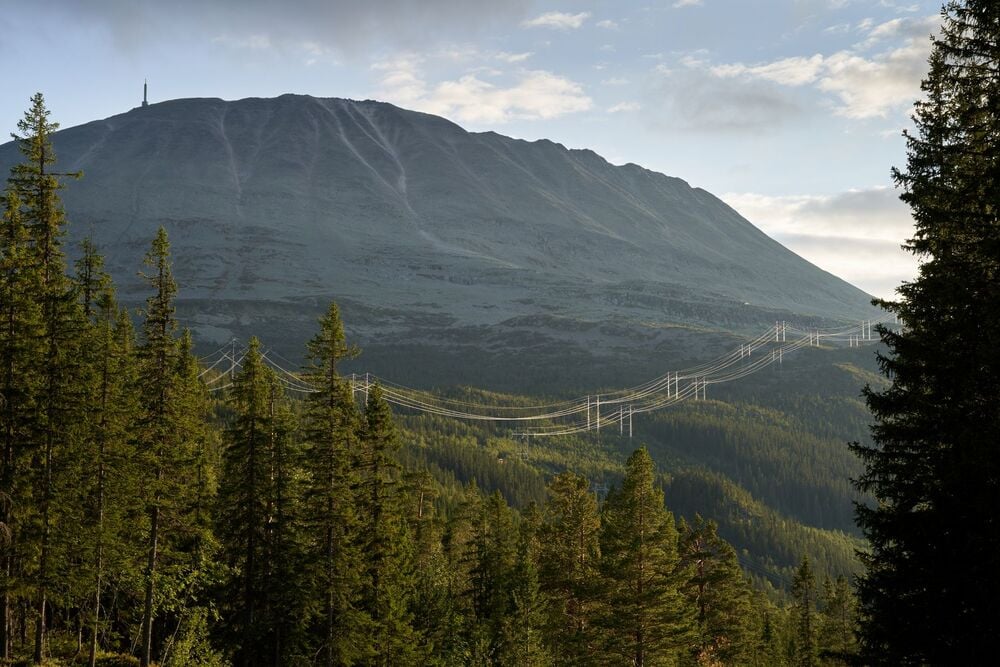
Imagine living through winter without seeing direct sunlight for months. In the narrow valley of Rjukan, steep mountains block the low winter sun so completely that the town spends much of the season in shadow. Rather than simply accepting the darkness, residents came up with an ingenious solution: giant mirrors installed on the mountainsides that reflect sunlight into the town square. It’s one of the few places where the response to unusual weather wasn’t moving away. It was bringing the sun back instead.
16. Singapore
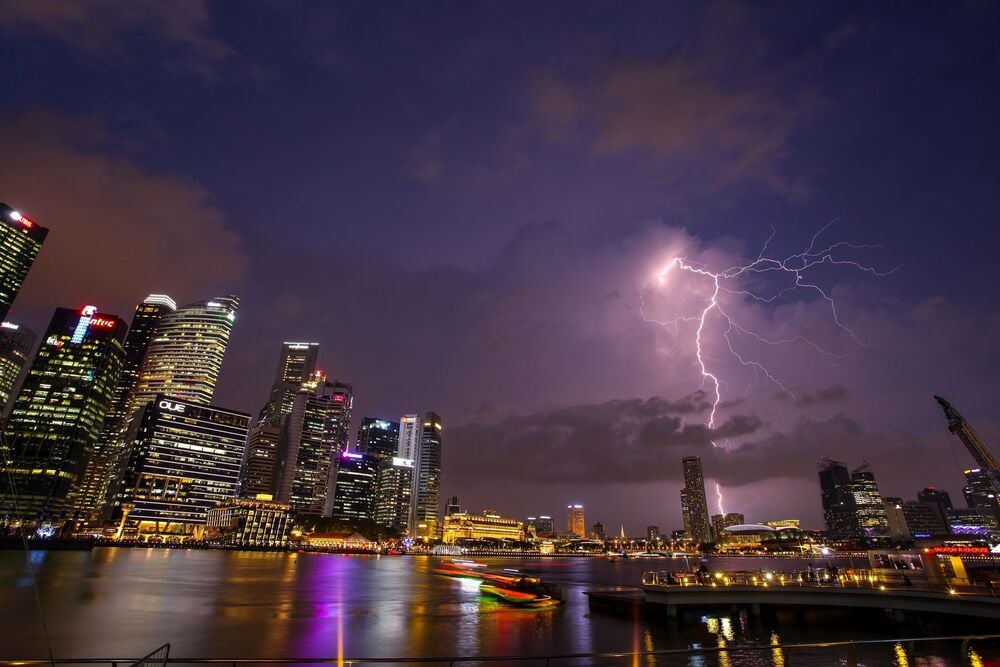
If you’re hoping for four distinct seasons, Singapore isn’t the place to find them. Sitting almost directly on the equator, the city experiences remarkably little temperature variation throughout the year. Instead of dramatic seasonal changes, daily life revolves around heat, humidity, and the almost routine arrival of afternoon thunderstorms. The forecast rarely surprises anyone, yet that’s exactly what makes it so unusual. In a world obsessed with changing seasons, Singapore’s weather seems determined to stay almost exactly the same.
The world’s strangest weather isn’t defined by a single record or one spectacular storm. It’s the result of geography, atmosphere, and timing coming together in ways that rarely happen anywhere else. Mountains can squeeze impossible amounts of rain from passing clouds, lakes can manufacture their own thunderstorms, deserts can almost erase rainfall altogether, and valleys can spend months without direct sunlight. Every place on this list follows its own set of rules, reminding us that nature doesn’t need science fiction to create something extraordinary.
Keep Exploring The Scroller
Weather is only one of the many ways our planet refuses to be ordinary. Keep exploring The Scroller for more incredible places, fascinating natural phenomena, and surprising stories that reveal just how strange the world can be when geography and nature decide to break the rules:
15 Weather Phenomena That Look Like Special Effects (But Are 100% Real)
20 Of The Most Insanely Destructive Natural Disasters From The Past
20 Natural Phenomena That Show The Earth Is Stranger Than We Think