Some places get a few weeks of freezing weather each winter. Others spend months dealing with temperatures low enough to make starting a car or walking to the store a serious challenge. Across Siberia, northern Canada, Alaska, and the Arctic, entire communities have adapted to conditions that most people rarely experience. From tiny villages surrounded by frozen wilderness to cities with hundreds of thousands of residents, these 15 places offer a look at life in some of the coldest inhabited parts of the world.
1. Oymyakon, Russia
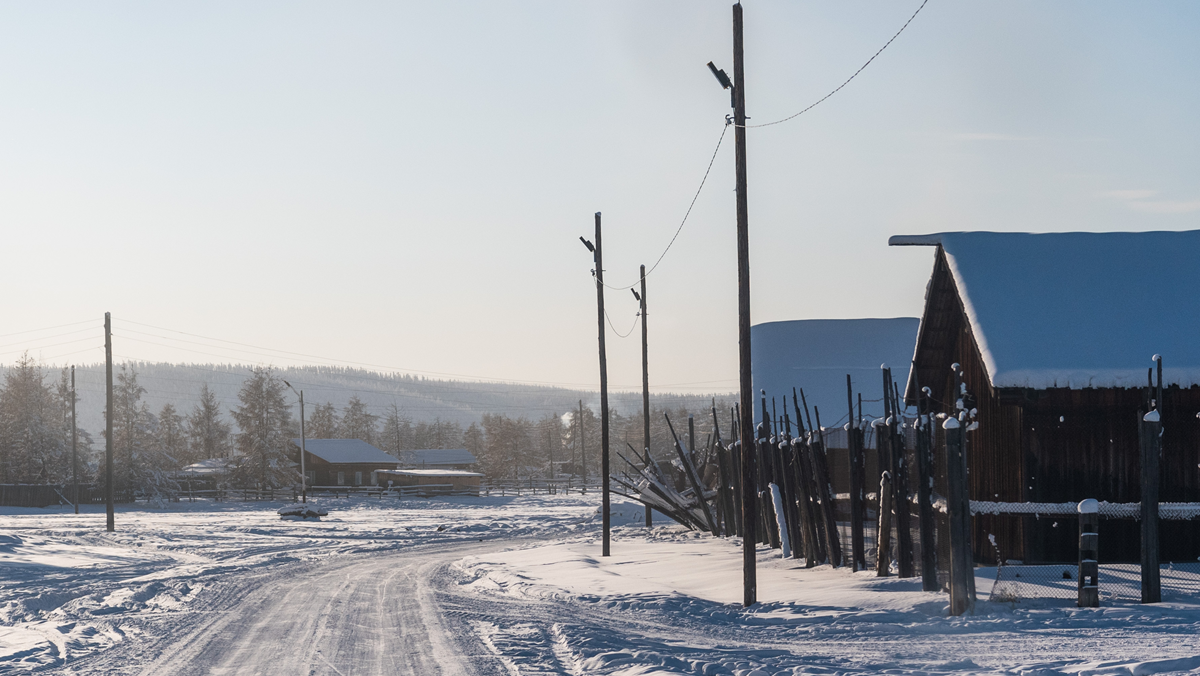
Oymyakon is widely recognized as the coldest permanently inhabited settlement on Earth. Located in Russia’s Sakha Republic, this small Siberian village recorded a temperature of approximately −67.8°C (−90°F) on February 6, 1933. January temperatures average around −46°C (−51°F), making ordinary tasks like maintaining vehicles and working outdoors particularly difficult. Despite these conditions, several hundred people live here year-round. The village has a school, homes, and a community accustomed to winters that would bring most cities to a standstill.
2. Verkhoyansk, Russia
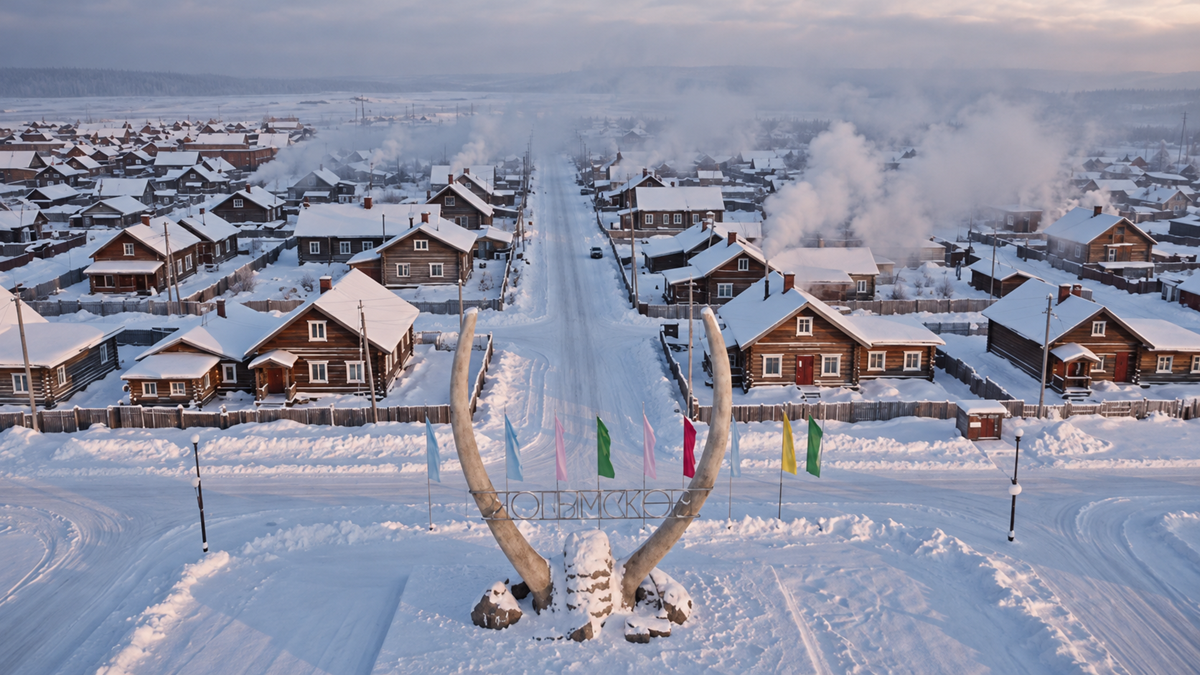
Verkhoyansk has one of the most remarkable temperature ranges of any inhabited place. Winter temperatures have fallen below −60°C (−76°F), but summer afternoons can occasionally reach well above 30°C (86°F). In June 2020, the town recorded 38°C (100.4°F), a temperature later recognized by the World Meteorological Organization as an Arctic record. Verkhoyansk also shares the historical Asian cold record with Oymyakon, although questions remain about the accuracy of its 1892 measurements. Few places experience such dramatically different winters and summers.
3. Yakutsk, Russia
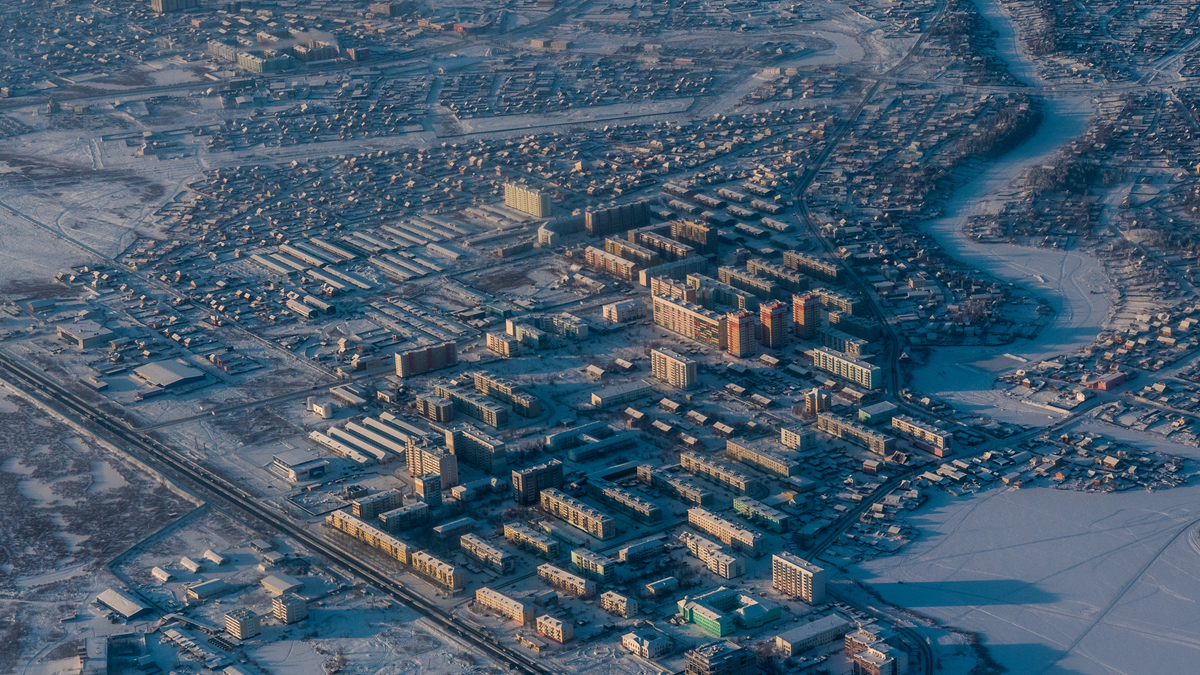
With hundreds of thousands of residents, Yakutsk is widely considered the coldest major city in the world. January temperatures average around −37°C (−35°F), and colder nights can dip below −40°C (−40°F). Yet the city has universities, shopping centers, museums, and busy residential neighborhoods. Much of Yakutsk stands on permafrost, which requires special building foundations to prevent heat from destabilizing the frozen ground. Summer is surprisingly warm, with July afternoon highs averaging around 25°C (77°F). Few large cities experience such dramatic seasonal changes.
4. Norilsk, Russia
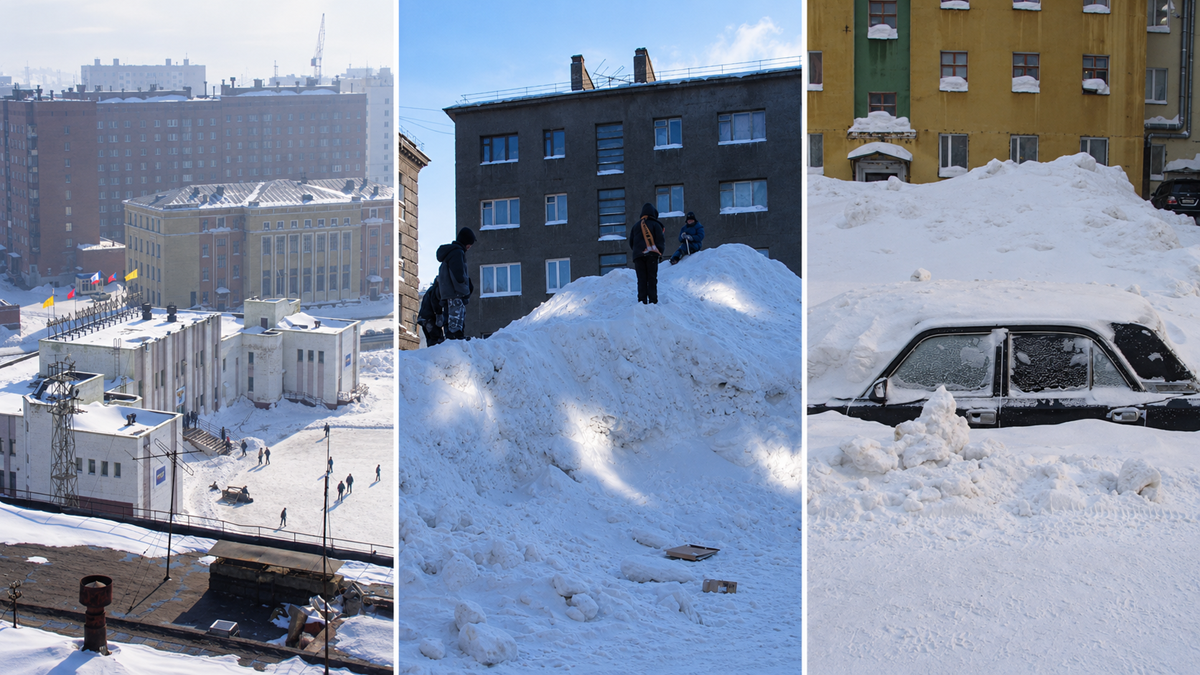
Norilsk is a major industrial city above the Arctic Circle, best known for its enormous nickel and other metal deposits. Winters are long, dark, and extremely cold, with powerful winds frequently making outdoor conditions worse. Temperatures can fall below −40°C (−40°F), while snow often remains on the ground well into spring. Despite its isolation, Norilsk has apartment buildings, theaters, shopping facilities, and a substantial population. Mining and metal production have shaped nearly every aspect of the city’s development.
5. Dudinka, Russia
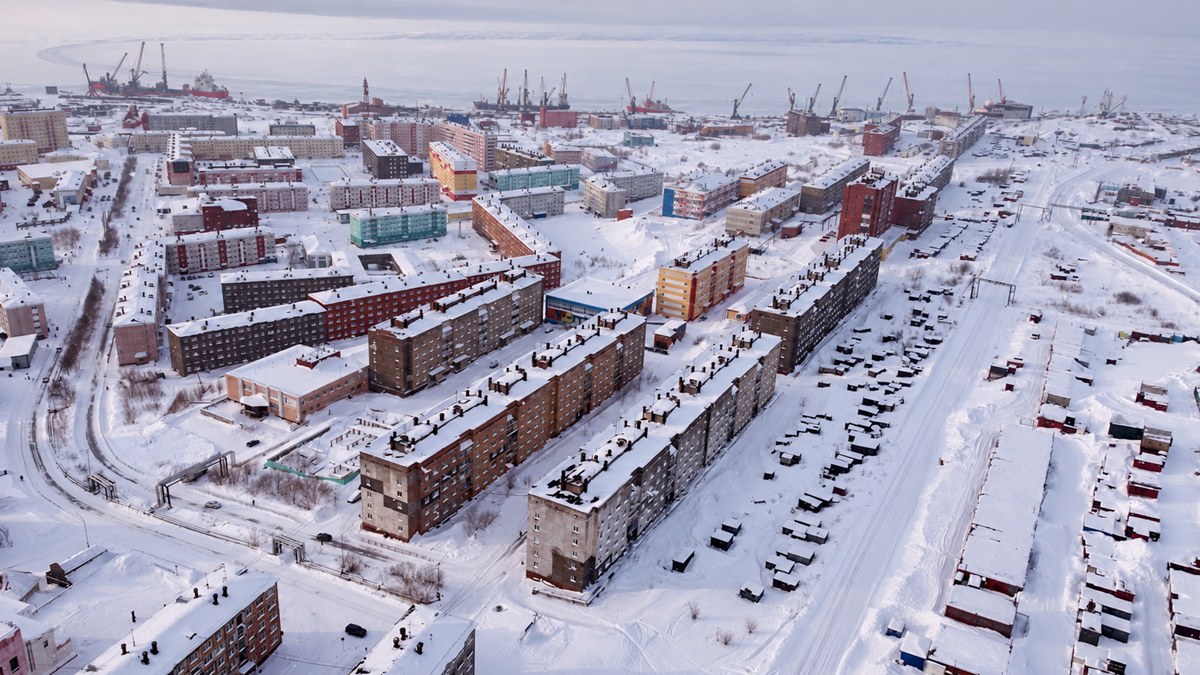
Situated along the Yenisei River in northern Siberia, Dudinka serves as an important port for the Norilsk industrial region. January temperatures average below −25°C (−13°F), and the river becomes covered in thick ice during winter. Each spring, the powerful breakup of river ice creates challenging conditions around the port, requiring careful preparation. For residents, frozen waterways and long periods of winter darkness are familiar parts of everyday life.
Trending on The Scroller
6. Tiksi, Russia
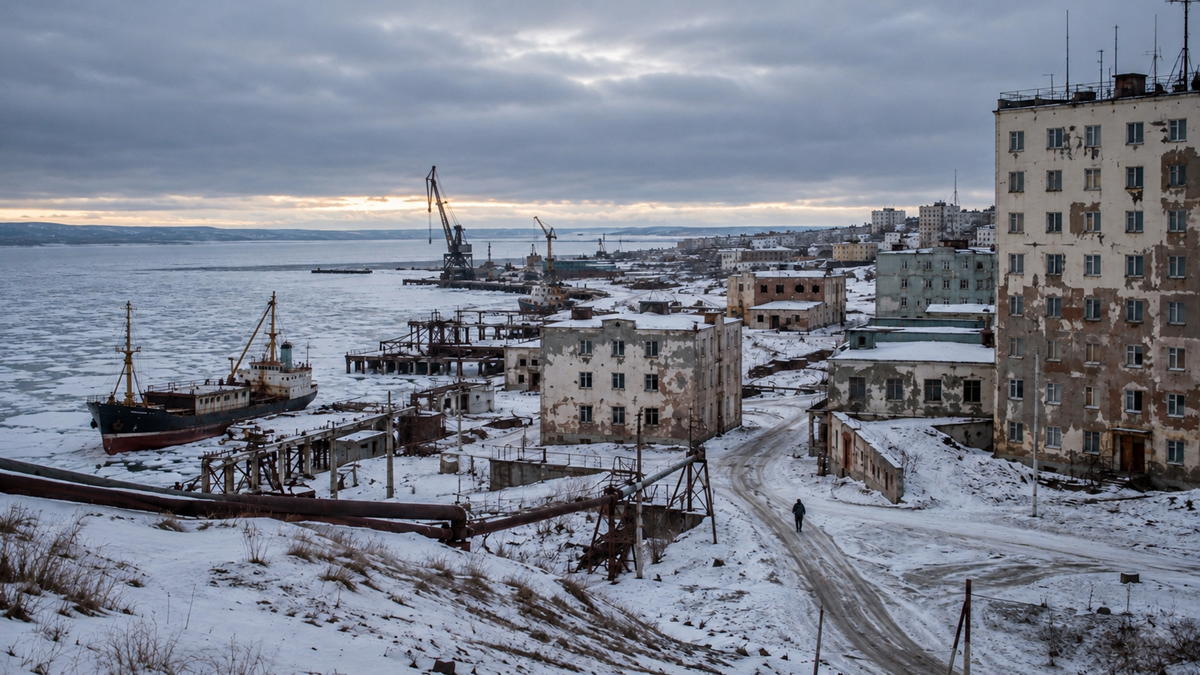
Tiksi sits along the Arctic coast of Siberia, near the mouth of the Lena River. The settlement developed as a port along the Northern Sea Route, where sea ice, severe weather, and isolation have always complicated transportation. Winter temperatures regularly fall below −30°C (−22°F), and strong coastal winds make the cold particularly uncomfortable. Although its population declined significantly after the Soviet Union collapsed, Tiksi remains an inhabited community with a long connection to Arctic shipping.
7. Anadyr, Russia
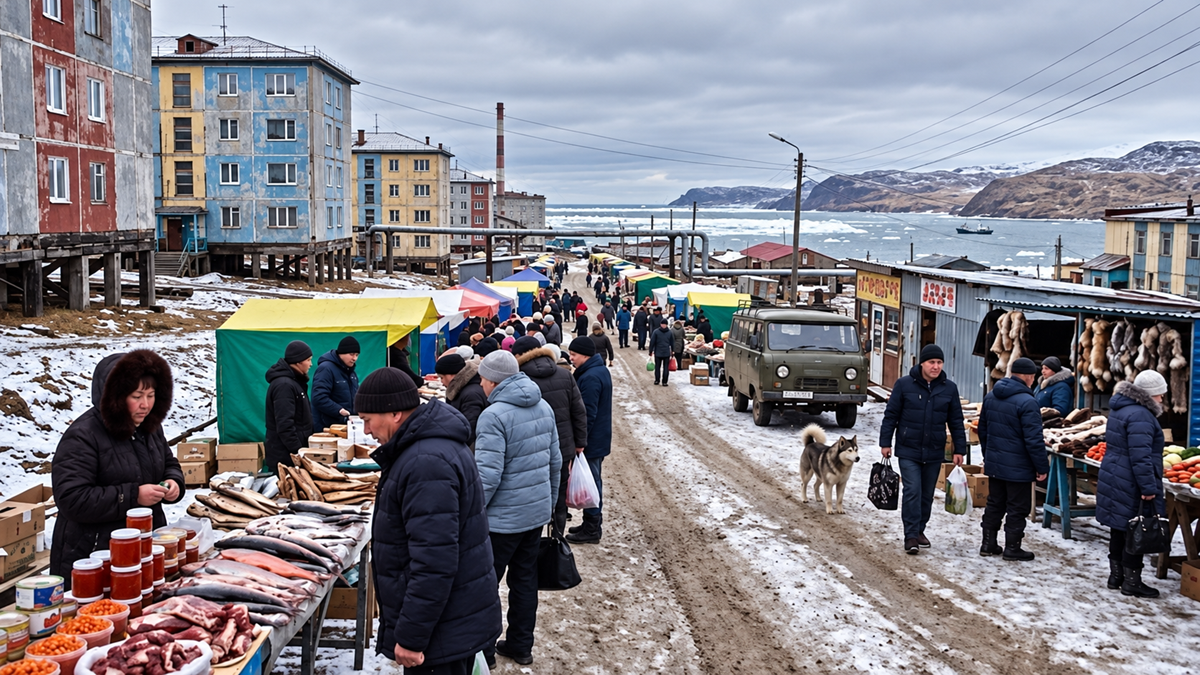
Colorful apartment buildings give Anadyr an appearance that might seem unexpected in such a harsh environment. The capital of Russia’s Chukotka region sits near the Bering Sea, where coastal winds and long winters create difficult conditions. January temperatures typically average around −20°C (−4°F), although colder spells can be considerably more severe. Unlike the inland settlements of Siberia, Anadyr has a maritime influence that moderates some winter extremes while keeping summers relatively cool. Its brightly painted buildings are among the city’s most recognizable features.
8. Grise Fiord, Canada
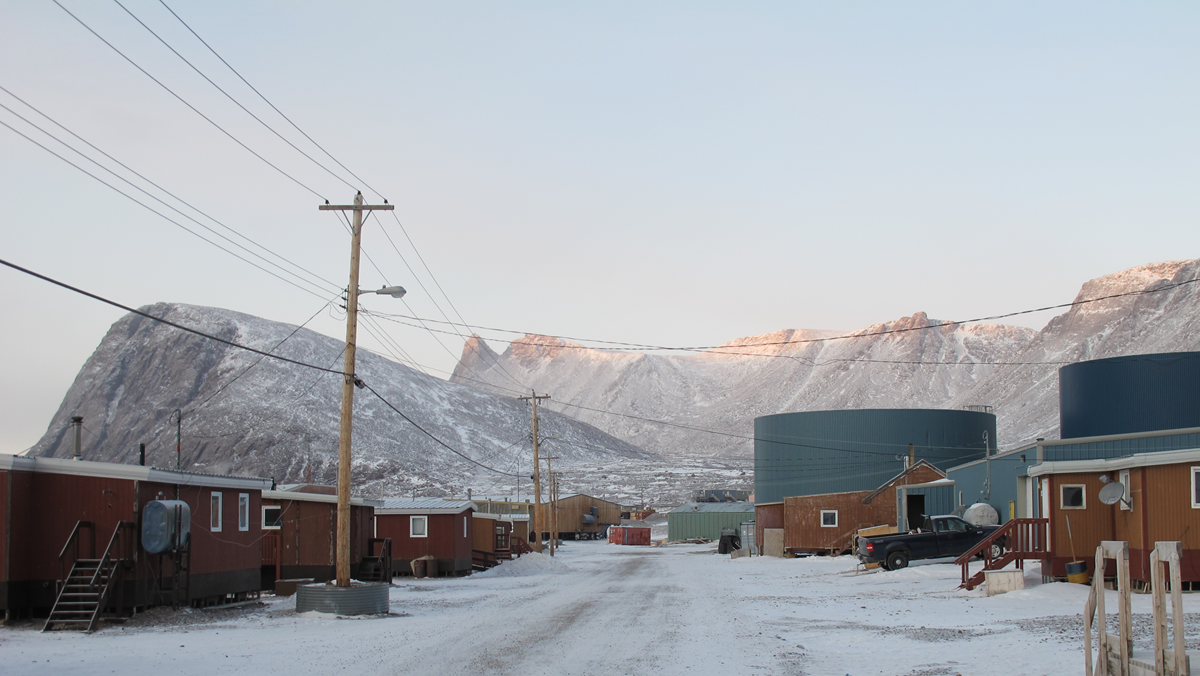
Located on Ellesmere Island at approximately 76 degrees north latitude, Grise Fiord is Canada’s northernmost civilian community. The small Inuit settlement has an average annual temperature of around −16°C (3°F), and the surrounding sea remains frozen for much of the year. Its Inuktitut name, Aujuittuq, means “the place that never thaws.” The community was established in 1953 following the Canadian government’s forced relocation of Inuit families from more southerly communities. Today, roughly 150 people live in this remote High Arctic settlement, where traditional harvesting remains an important part of local life.
Sign up for our newsletter
9. Resolute, Canada
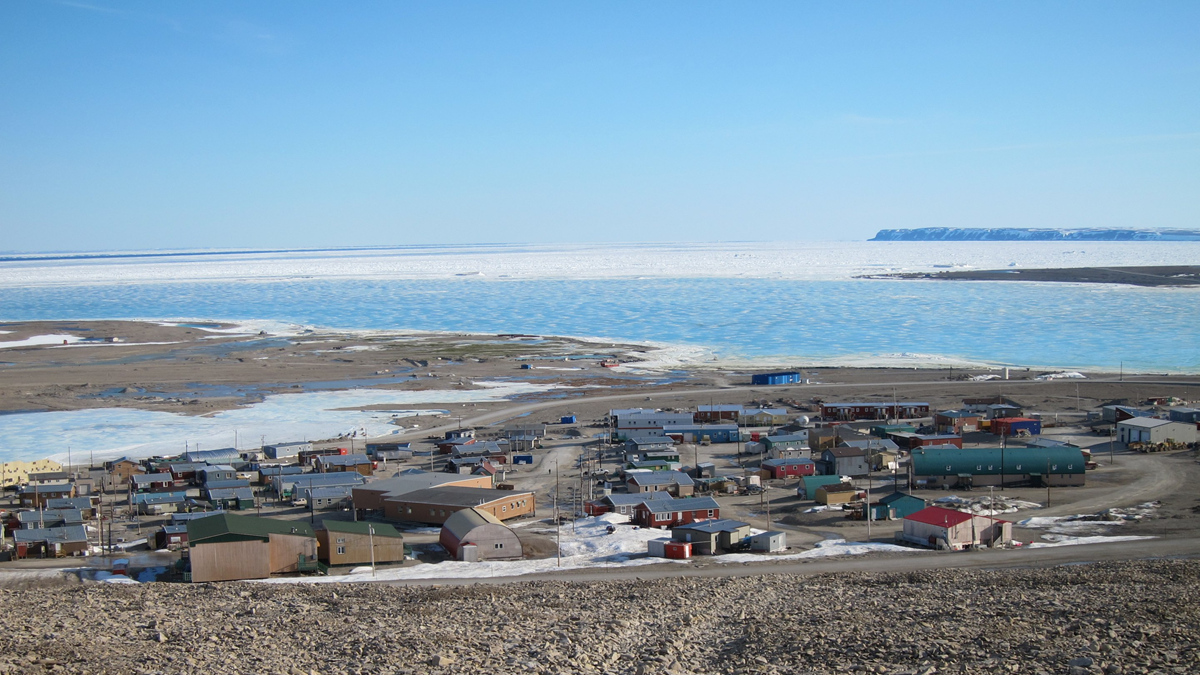
Resolute is located on Cornwallis Island in Nunavut, far above the Arctic Circle. January temperatures average around −32°C (−26°F), and even July averages are only about 5°C (41°F). The community is an important transportation hub for activities in Canada’s High Arctic, including scientific expeditions and government operations. Its airport provides a connection to a region where settlements are separated by vast distances, sea ice, and rugged terrain.
10. Utqiaġvik, Alaska, United States
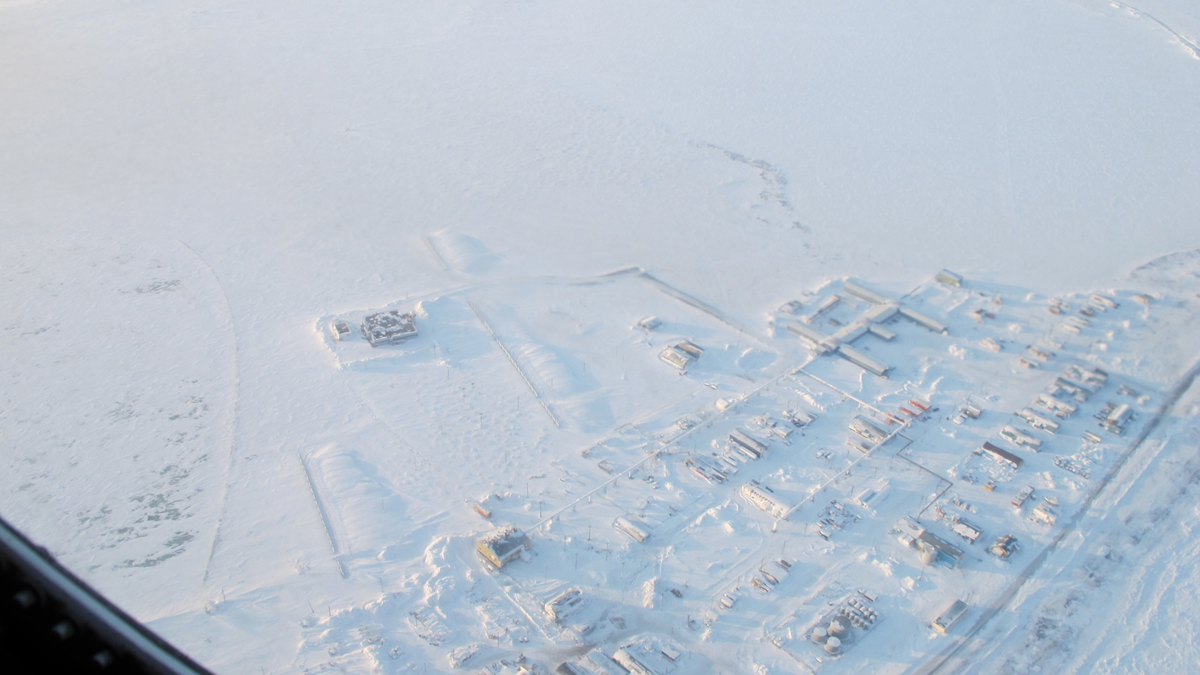
Formerly known as Barrow, Utqiaġvik is the northernmost city in the United States. Located beside the Arctic Ocean, it experiences a polar night lasting roughly two months, when the sun never rises above the horizon. Winter temperatures frequently fall below −25°C (−13°F), while winds can make outdoor conditions feel considerably colder. Despite the challenging climate, Utqiaġvik is a permanent Iñupiat community where subsistence hunting, local traditions, and modern municipal services coexist.
11. Iqaluit, Canada
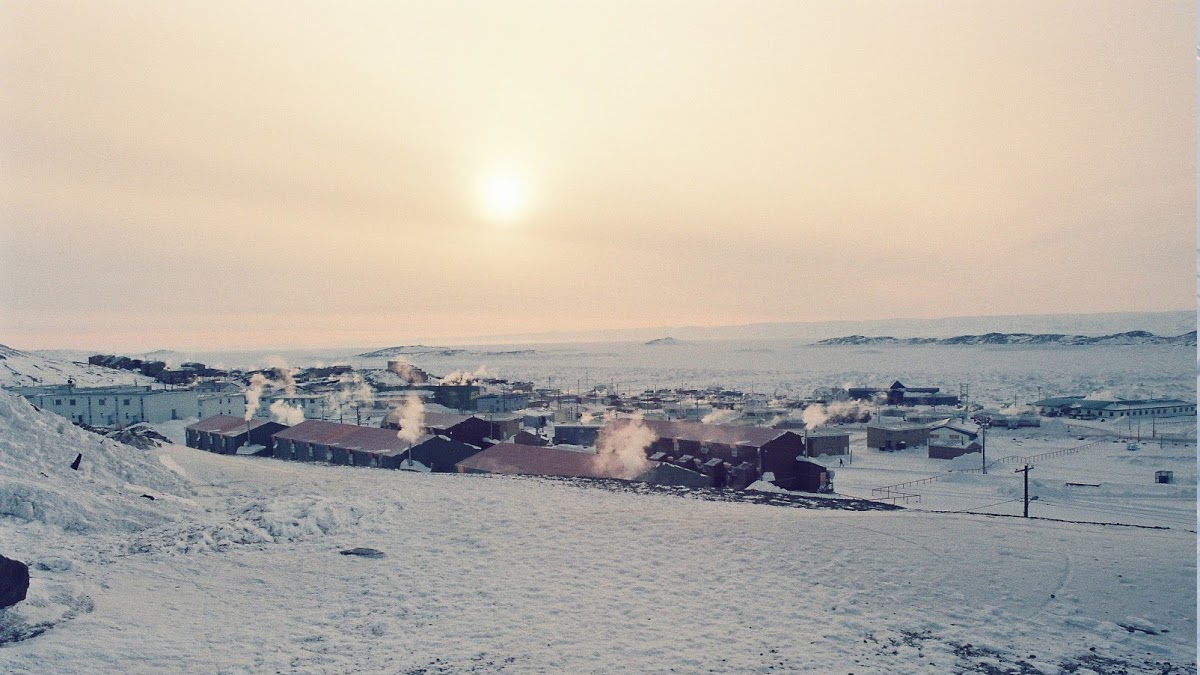
Iqaluit became the capital of Nunavut when the Canadian territory was established in 1999. Located on Baffin Island, the city experiences winters when January temperatures average around −26°C (−15°F). It has government offices, schools, stores, and a growing population, but no road connection to the rest of Canada’s highway network. Most supplies arrive by aircraft or seasonal cargo ships, making transportation particularly important in everyday life. Even during summer, average temperatures remain relatively cool.
12. Yellowknife, Canada
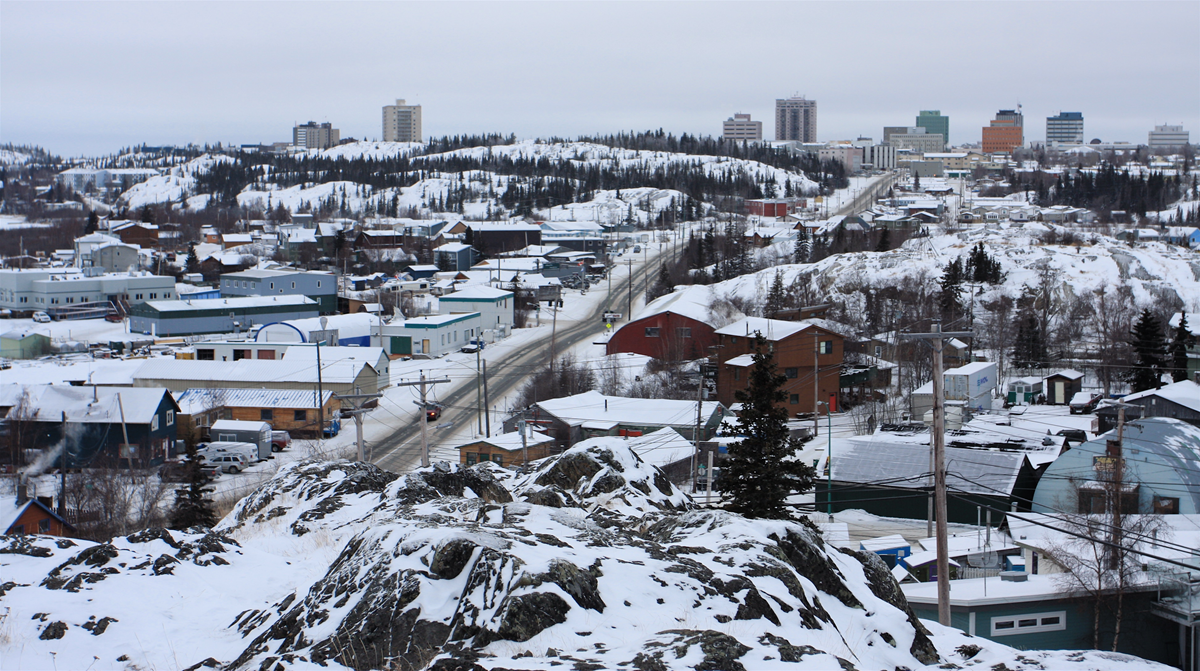
Yellowknife is well known for its northern lights, but its winters are equally memorable. January temperatures average around −25°C (−13°F), with much colder readings during particularly severe spells. Located on the northern shore of Great Slave Lake, the city grew around gold mining before becoming the capital of the Northwest Territories. Today, it serves as a regional center for government, tourism, and mining-related industries. Winter festivals and outdoor activities remain popular despite temperatures that can make spending time outside uncomfortable without proper clothing.
13. Longyearbyen, Norway
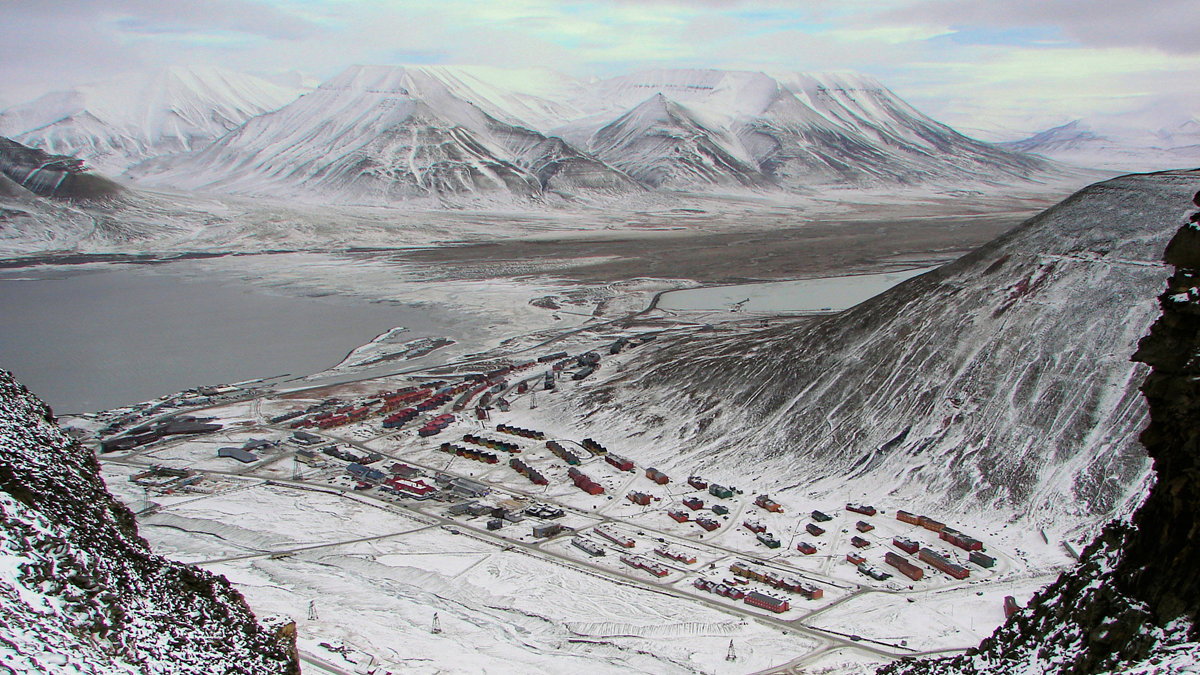
Longyearbyen is one of the world’s northernmost permanent towns, located on the Norwegian Arctic archipelago of Svalbard. Its winters are generally milder than those of inland Siberia, thanks partly to the influence of relatively warm Atlantic waters. Still, temperatures remain low for much of the year, and even summer averages are only a few degrees above freezing. The sun stays below the horizon for months during the polar night. Originally established as a coal-mining settlement, Longyearbyen has developed into a center for tourism, research, and Arctic education.
14. Ulaanbaatar, Mongolia
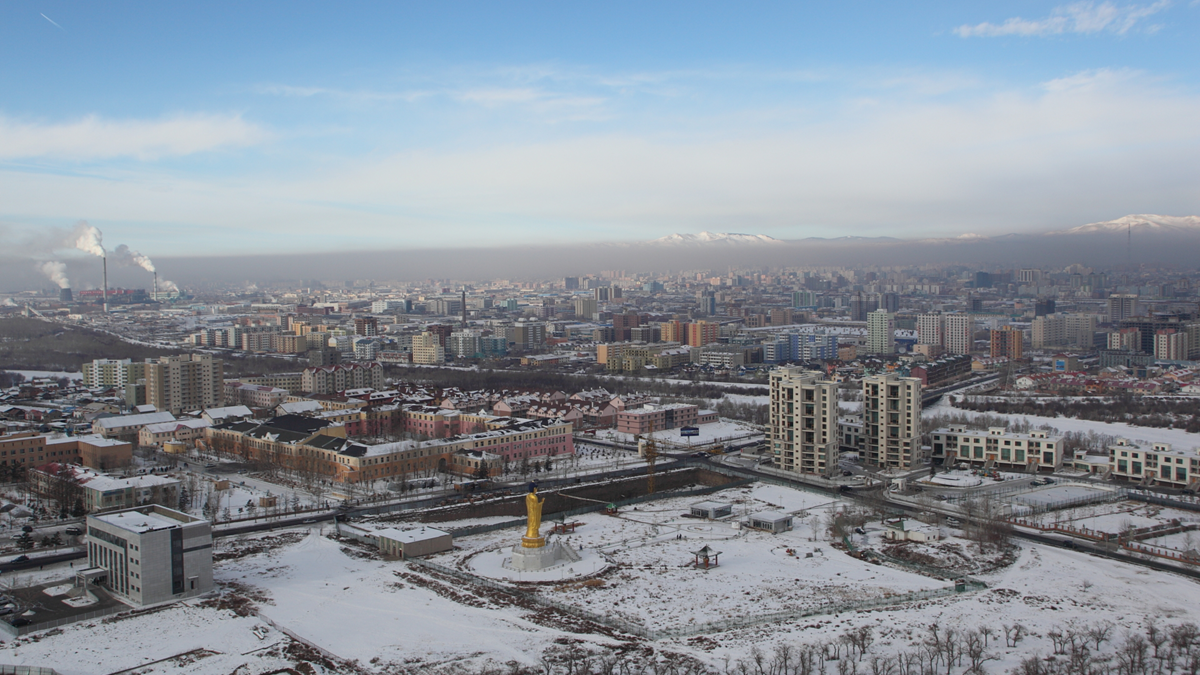
Mongolia’s capital is widely regarded as the coldest national capital in the world. January temperatures average around −20°C (−4°F), with overnight lows frequently approaching −30°C (−22°F). Its location in a high-altitude valley, far from the moderating influence of oceans, contributes to the severe winters. Ulaanbaatar combines modern commercial districts, apartment buildings, and traditional ger neighborhoods, all facing the challenges of prolonged freezing weather. Air pollution also becomes a major concern during winter, partly because of emissions from heating and temperature inversions that trap polluted air near the ground.
15. Mohe, China
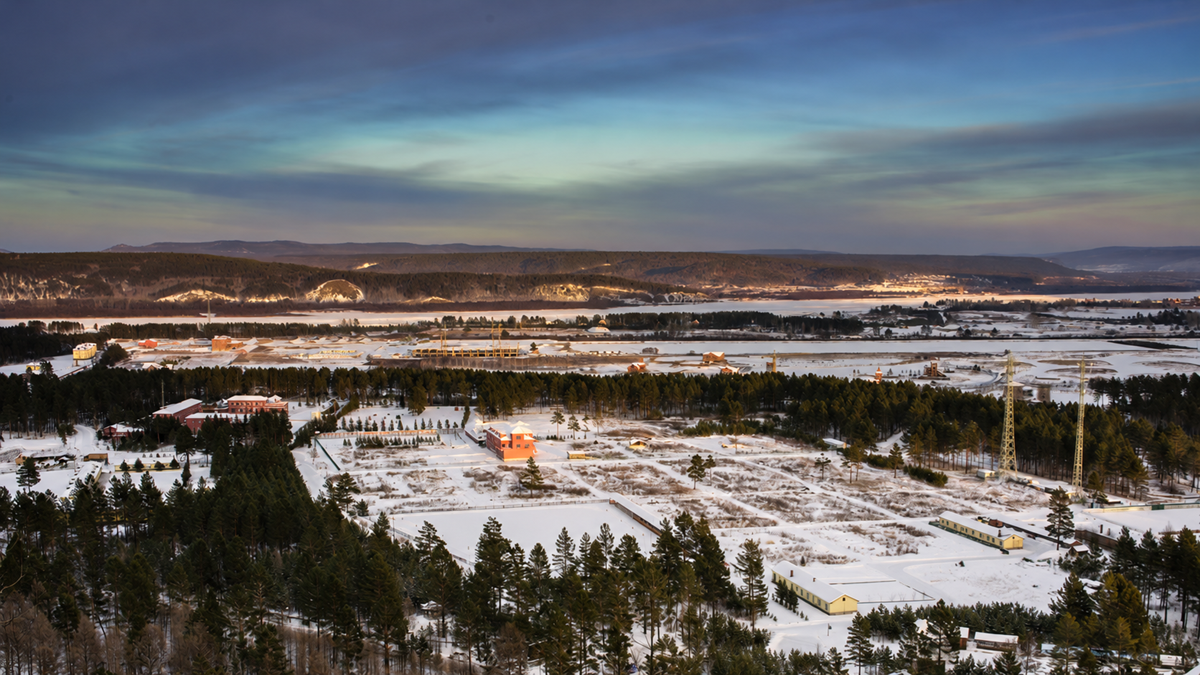
Near China’s northern border with Russia, Mohe has earned a reputation as one of the country’s coldest inhabited places. Located in Heilongjiang province, the area experiences long winters and temperatures that can fall below −40°C (−40°F). In January 2023, a weather station in Mohe recorded approximately −53°C (−63.4°F), an exceptional low for China. The region attracts visitors interested in snow-covered landscapes, winter tourism, and the possibility of seeing the northern lights. Summers, however, can be surprisingly warm compared with the long, bitterly cold winters.
In the mood for more?
Check out 15 Incredible Places Where Natural Forces Meet and Create Unusual Worlds, or take a look at 15 Places That Get an Upgrade Every Time It Storms. If you want to see more extreme environments, you can check out 15 Places on Earth So Extreme They Look Almost Impossible.