Some of Earth‘s most unusual landscapes exist because two very different natural systems happen to meet in the same place. Desert dunes fill with freshwater, ocean currents bring life to otherwise barren coastlines, and volcanic heat creates ecosystems that would struggle to survive elsewhere. These combinations can produce strange weather, unexpected habitats, and scenery that looks almost out of place. Here are 15 locations where nature’s different forces interact in particularly fascinating ways.
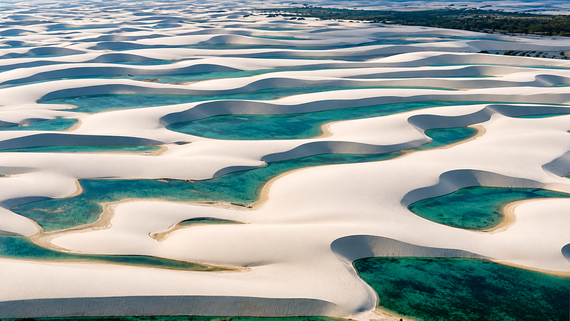
1. Lençóis Maranhenses, Brazil: Where Rain Creates Lakes in a Sea of Sand
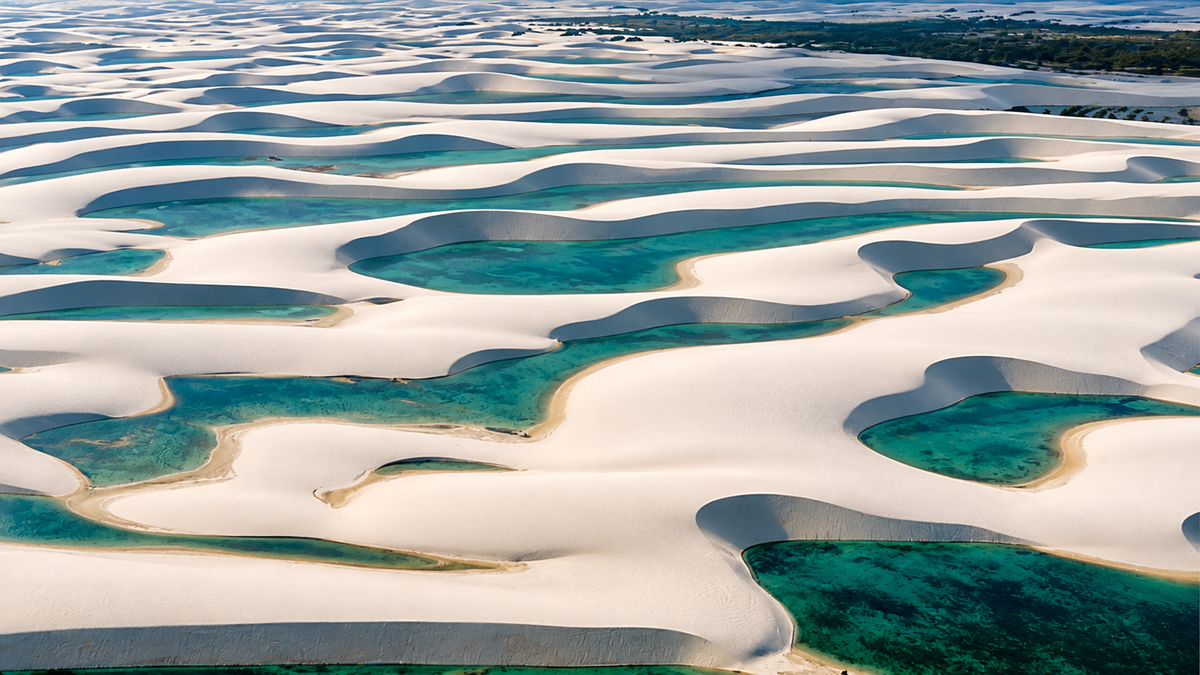
At first glance, Lençóis Maranhenses could pass for an enormous white desert. Look closer, though, and there are freshwater lagoons scattered between the dunes, sometimes stretching as far as the eye can see. This coastal region of northeastern Brazil receives heavy seasonal rainfall, which collects in the low areas between shifting hills of sand. Some lagoons disappear during the dry season, while others persist much longer. Winds constantly reshape the dunes, so the landscape never looks quite the same from one year to the next.
2. The Namib Desert, Namibia: Where Ocean Fog Keeps Desert Life Alive
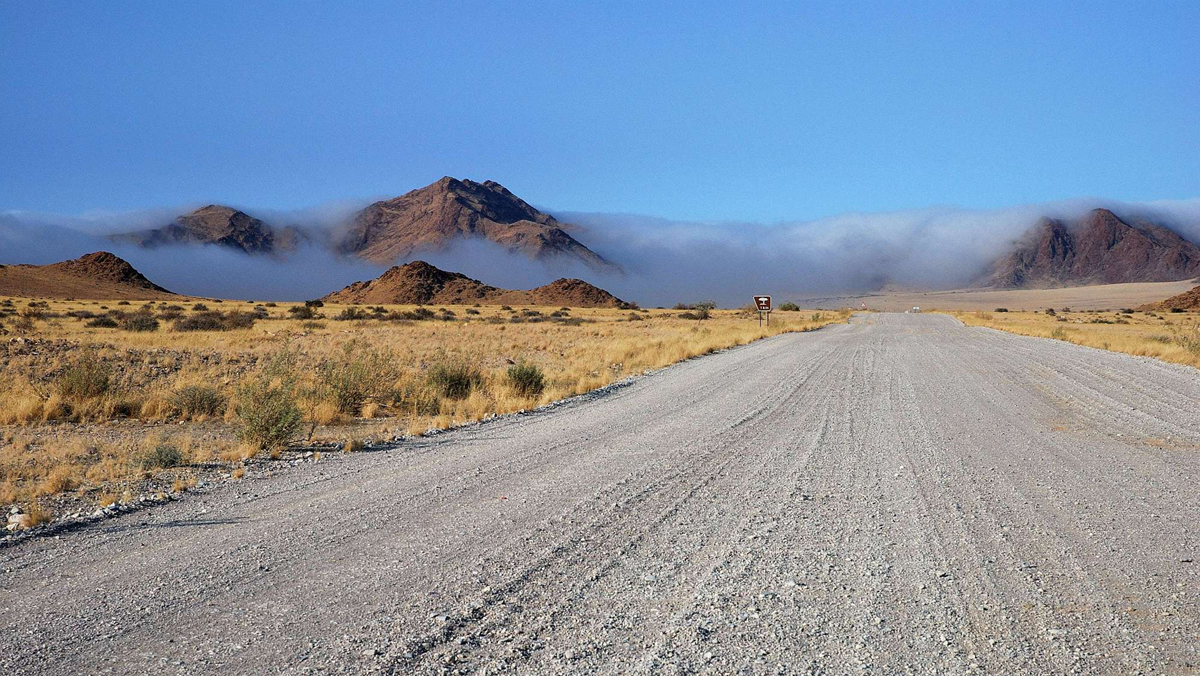
Imagine living in a desert where drinking water sometimes arrives as fog. That’s the situation for certain animals along Namibia’s Atlantic coast, where the cold Benguela Current helps generate moisture that drifts inland across the dunes. Some desert beetles collect water droplets from fog, while other species have developed their own ways of surviving the dry conditions. Parts of the Namib Sand Sea receive so little rain that this coastal fog plays an unusually important role in sustaining life.
3. The Okavango Delta, Botswana: Where a River Floods the Desert
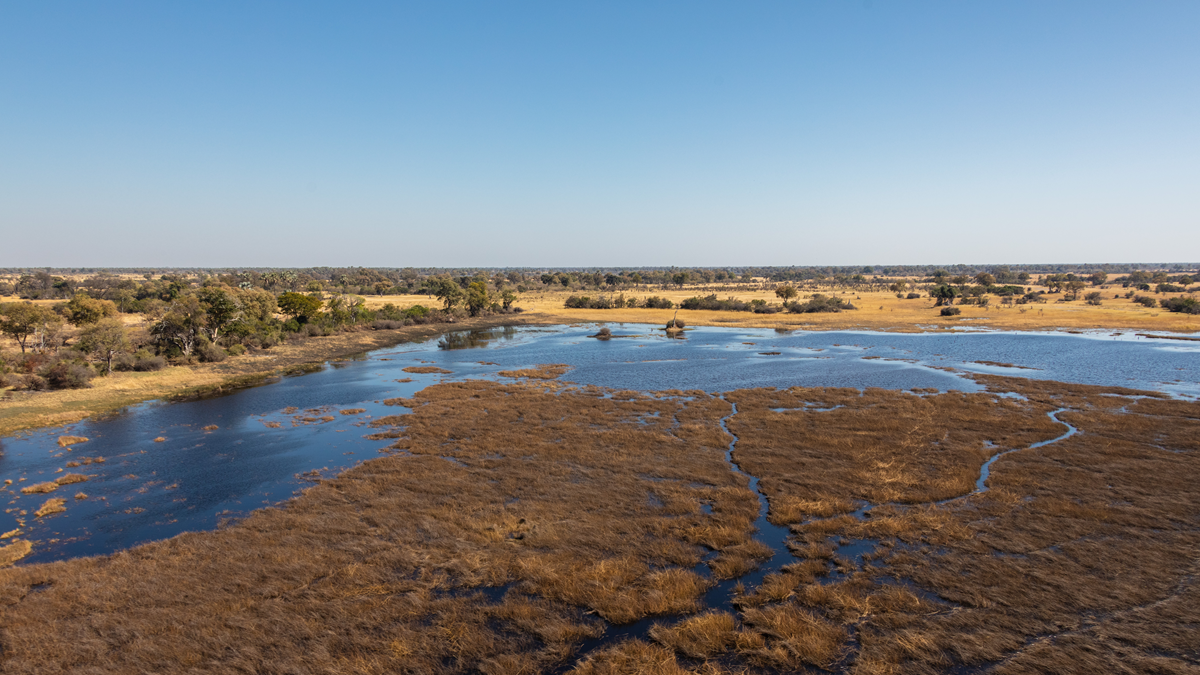
Most major river deltas eventually reach the sea, but the Okavango spreads into the sands of the Kalahari Basin instead. Its annual flood arrives across much of the delta during Botswana’s dry season, creating a temporary network of lagoons, channels, and flooded grasslands. For elephants, antelope, and countless birds, the timing couldn’t be more important. Areas that were dry months earlier suddenly become feeding grounds, breeding habitats, and freshwater refuges.
4. Lake Maracaibo, Venezuela: Where Water and Mountains Produce Extraordinary Lightning
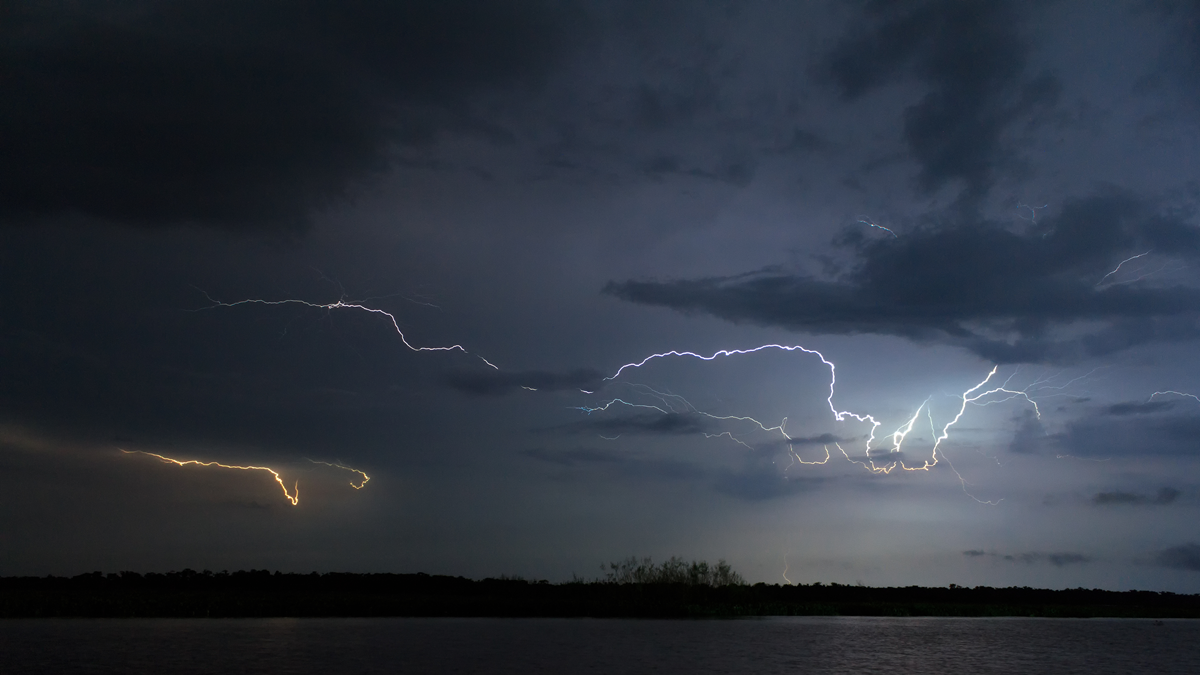
Sailors once used the frequent lightning over Lake Maracaibo as a natural nighttime landmark. Known as Catatumbo lightning, the phenomenon develops when warm, moist air interacts with local winds influenced by the surrounding mountains and valleys. Powerful thunderstorms often form after sunset, sometimes producing spectacular displays over the same general region for hours. Satellite observations have identified the area as one of Earth’s most active lightning hotspots, although the storms vary considerably throughout the year.
5. Dallol, Ethiopia: Where Volcanic Heat Meets a Vast Salt Basin
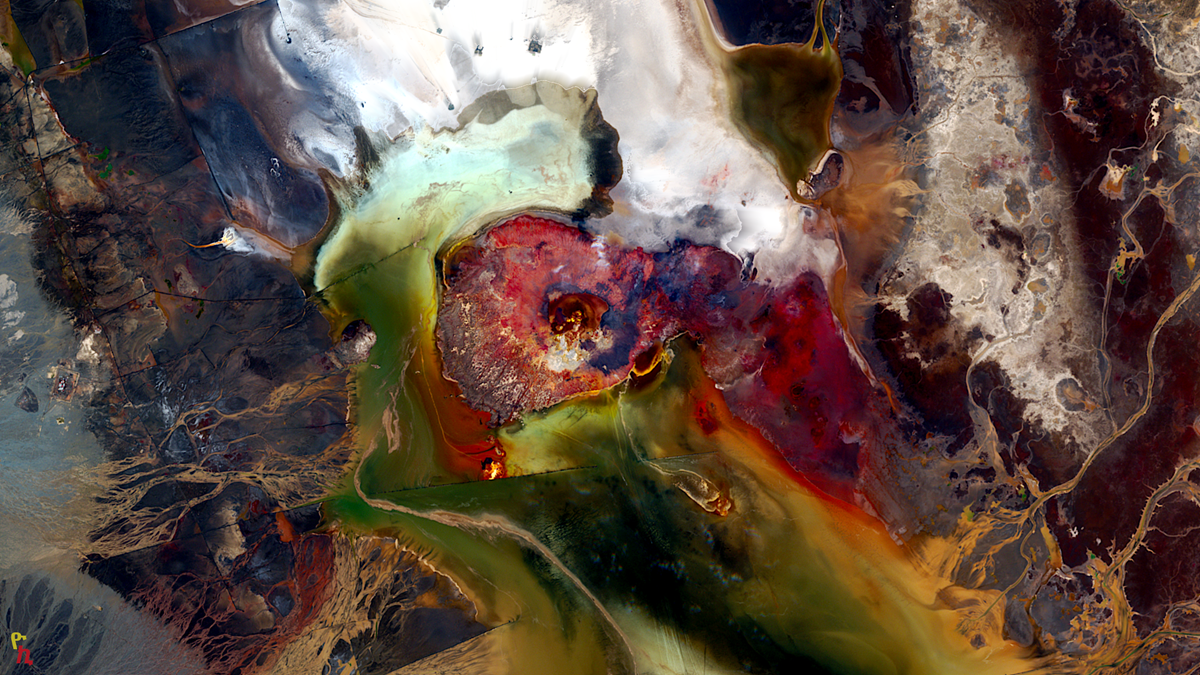
Yellow crusts, green pools, orange deposits, and steaming ground make Dallol look almost chemically manufactured. The explanation lies beneath Ethiopia’s Danakil Depression, where geothermal fluids interact with thick salt deposits and other minerals. Some pools are extraordinarily hot, acidic, and saline, with combinations of conditions in which researchers have found no evidence of life. Other nearby environments do contain microorganisms. Even in a region already known for extreme temperatures, Dallol stands apart for its unusual chemistry.
Trending on The Scroller


6. Salar de Uyuni, Bolivia: Where Rain Turns Salt into a Giant Mirror
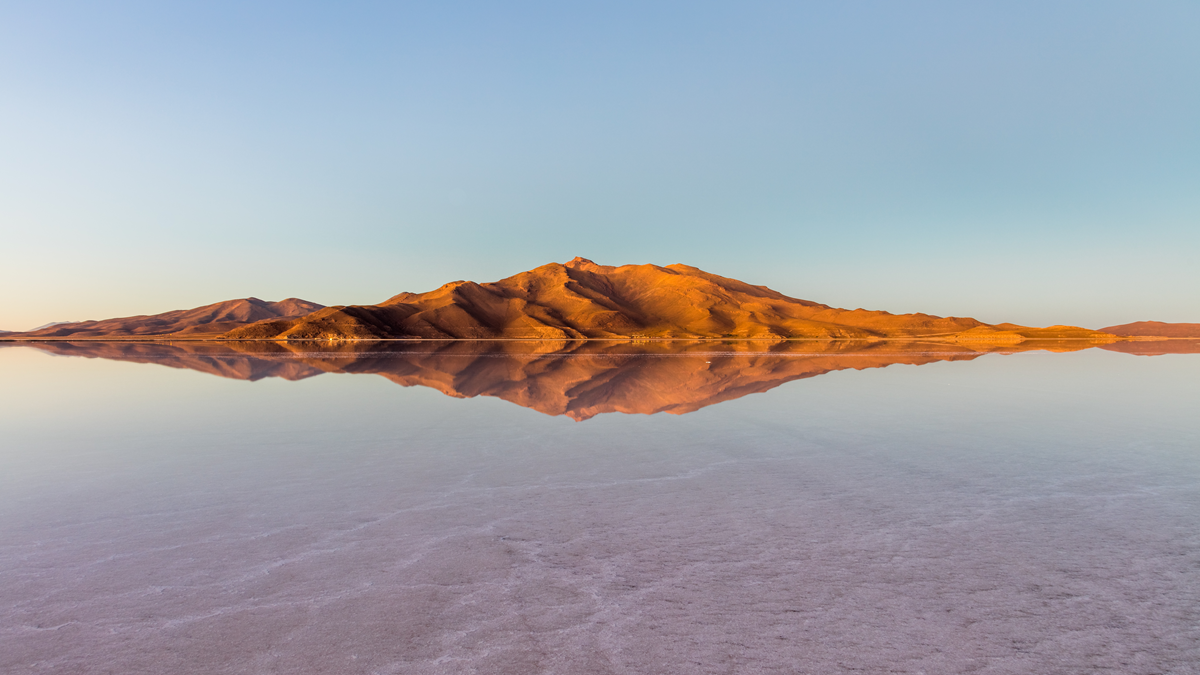
There are days at Salar de Uyuni when the horizon seems to disappear completely. Bolivia’s enormous salt flat becomes a near-perfect mirror after seasonal rains leave a thin layer of water across its exceptionally level surface. Clouds appear both overhead and underfoot, creating the impression of walking through the sky. The effect depends on calm weather, shallow water, and the remarkably flat salt crust left behind by ancient lakes.
7. The Gulf of Mexico: Where Lakes Exist Beneath the Ocean
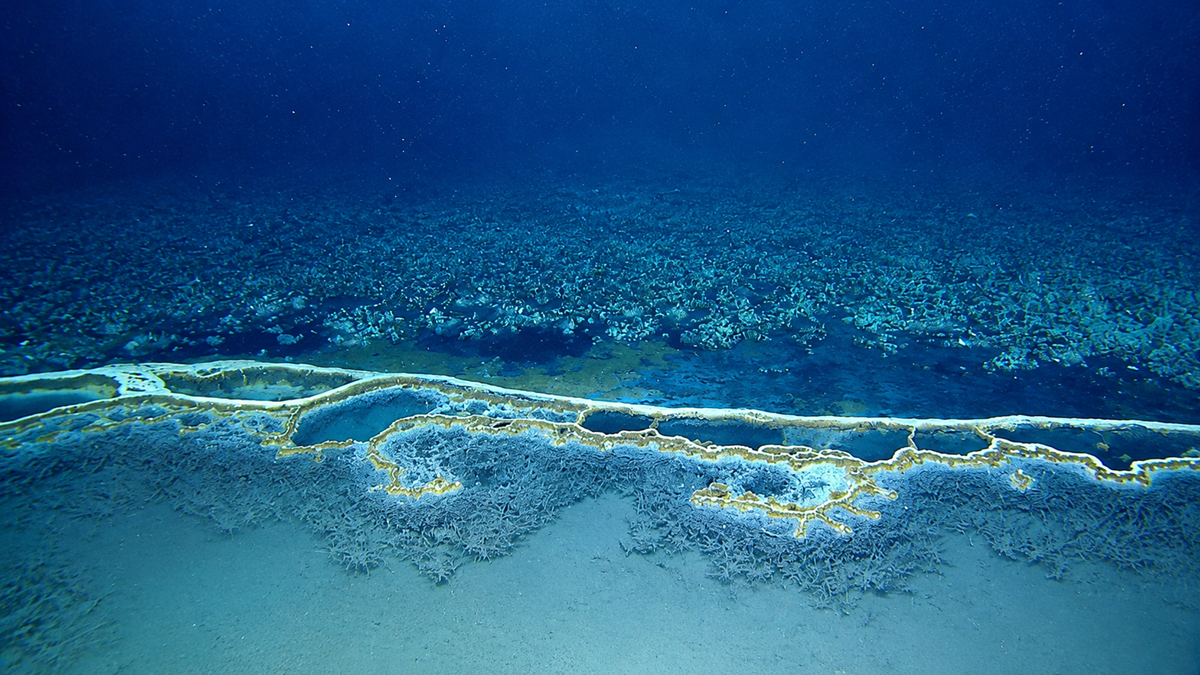
An underwater lake sounds contradictory, but that’s essentially what researchers have encountered on parts of the Gulf of Mexico’s deep seafloor. Extremely salty brine collects in depressions because it is denser than the surrounding seawater. Instead of mixing immediately, it forms pools with surprisingly distinct boundaries. Some support specialized microbial communities, while their chemistry and low oxygen levels make them dangerous environments for many marine animals.
8. Surtsey, Iceland: Where Volcanic Rock Becomes a Living Island
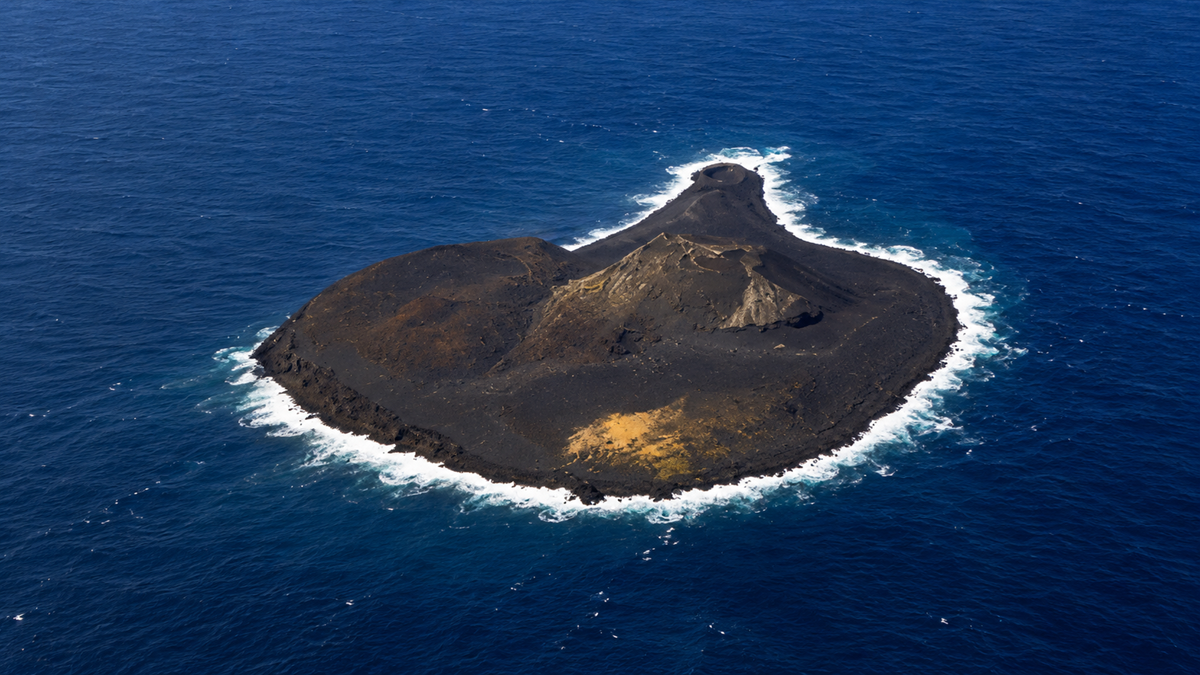
When Surtsey emerged from the Atlantic in 1963, there was no soil, no vegetation, and no established terrestrial ecosystem. The island grew through a series of volcanic eruptions that continued until 1967. Scientists then watched as seeds arrived, plants took root, and insects and birds gradually established themselves. Strict restrictions on human access have helped preserve this natural experiment, providing an unusually detailed record of how life colonizes a new volcanic island.
Sign up for our newsletter
9. The Sundarbans, India and Bangladesh: Where Rivers Meet the Sea in a Forest
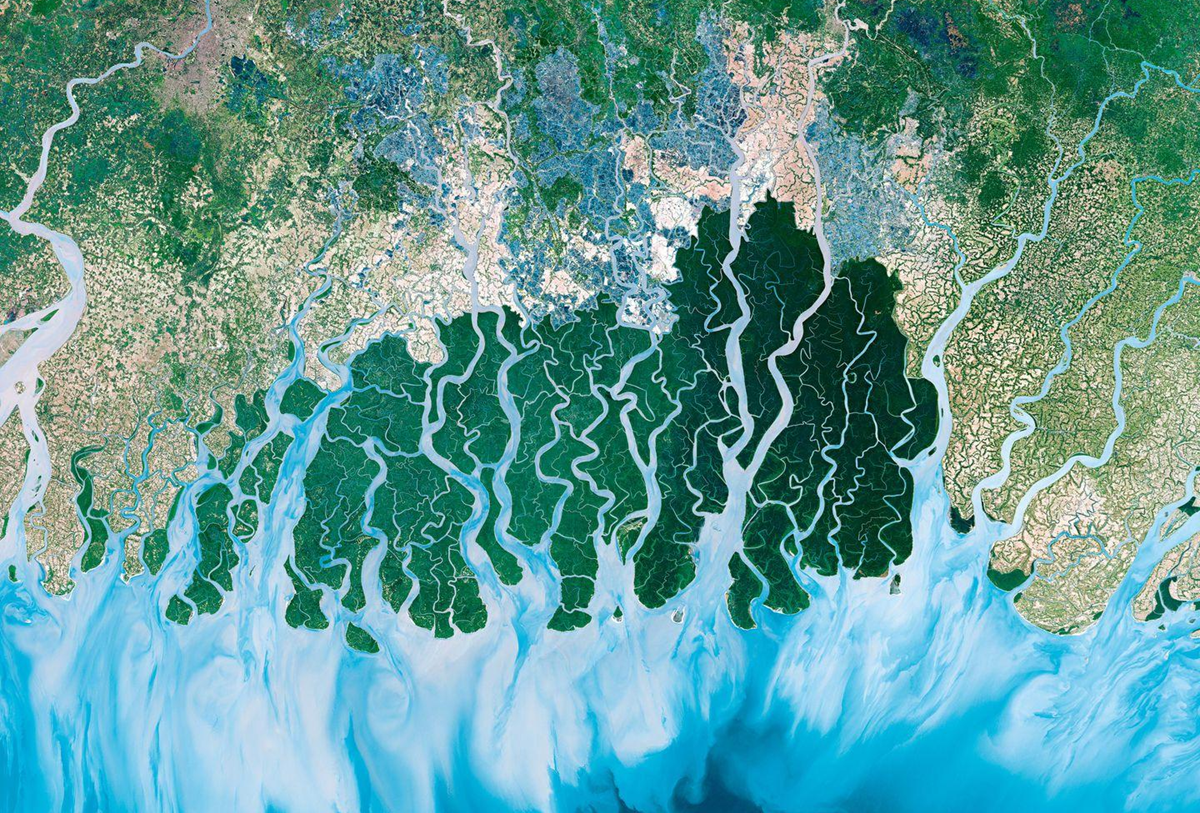
A forest where the ground regularly disappears beneath tidal water is hardly an easy place to live. Yet the Sundarbans, spanning parts of India and Bangladesh, support an extraordinary range of wildlife. Freshwater from the Ganges-Brahmaputra river system mixes with saltwater from the Bay of Bengal, creating conditions that shift with the tides, rainfall, and river flow. Mangrove trees have adapted to waterlogged, salty soils, while fish, crocodiles, and even Bengal tigers inhabit this maze of channels and islands.
10. The Galápagos Hydrothermal Vents, Pacific Ocean: Where Volcanic Heat Supports Life Without Sunlight
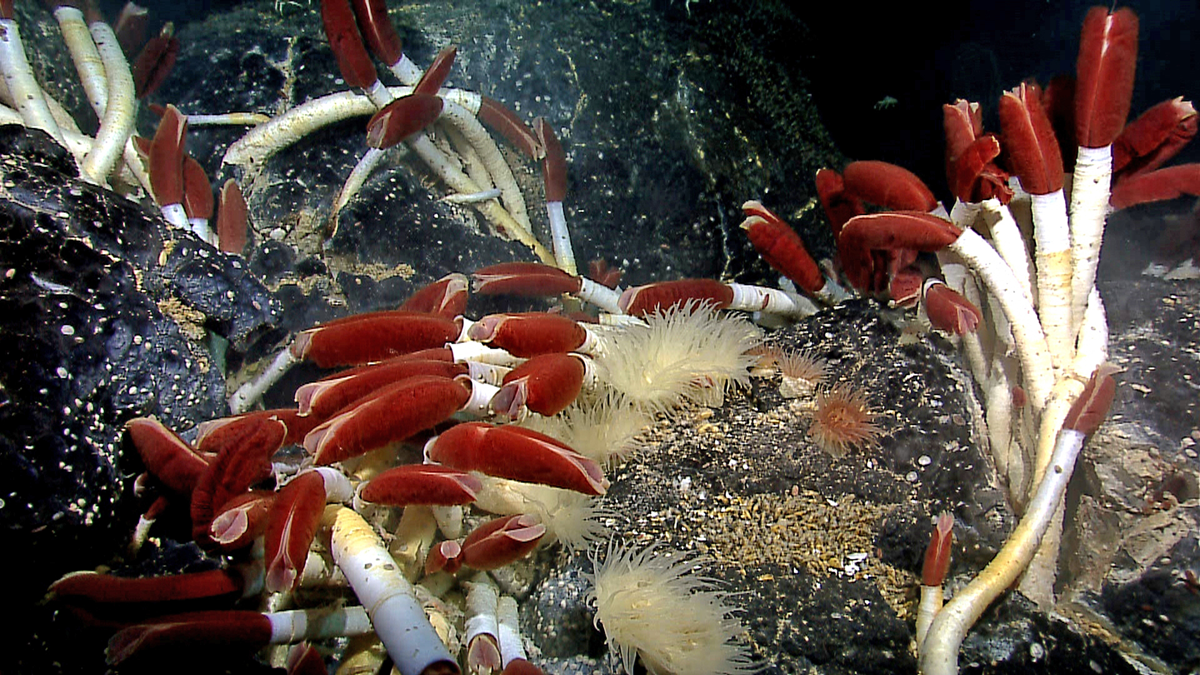
In 1977, a scientific expedition near the Galápagos Islands encountered something researchers had not expected: thriving animal communities deep in the ocean, far beyond the reach of sunlight. The animals lived around hydrothermal vents, where seawater heated beneath the ocean floor returned carrying dissolved chemicals. Microorganisms used these chemicals as an energy source, supporting food webs that did not depend directly on sunlight. The discovery revealed an entirely different foundation for complex ecosystems.
11. The Everglades, United States: Where Freshwater Marshes Meet the Ocean
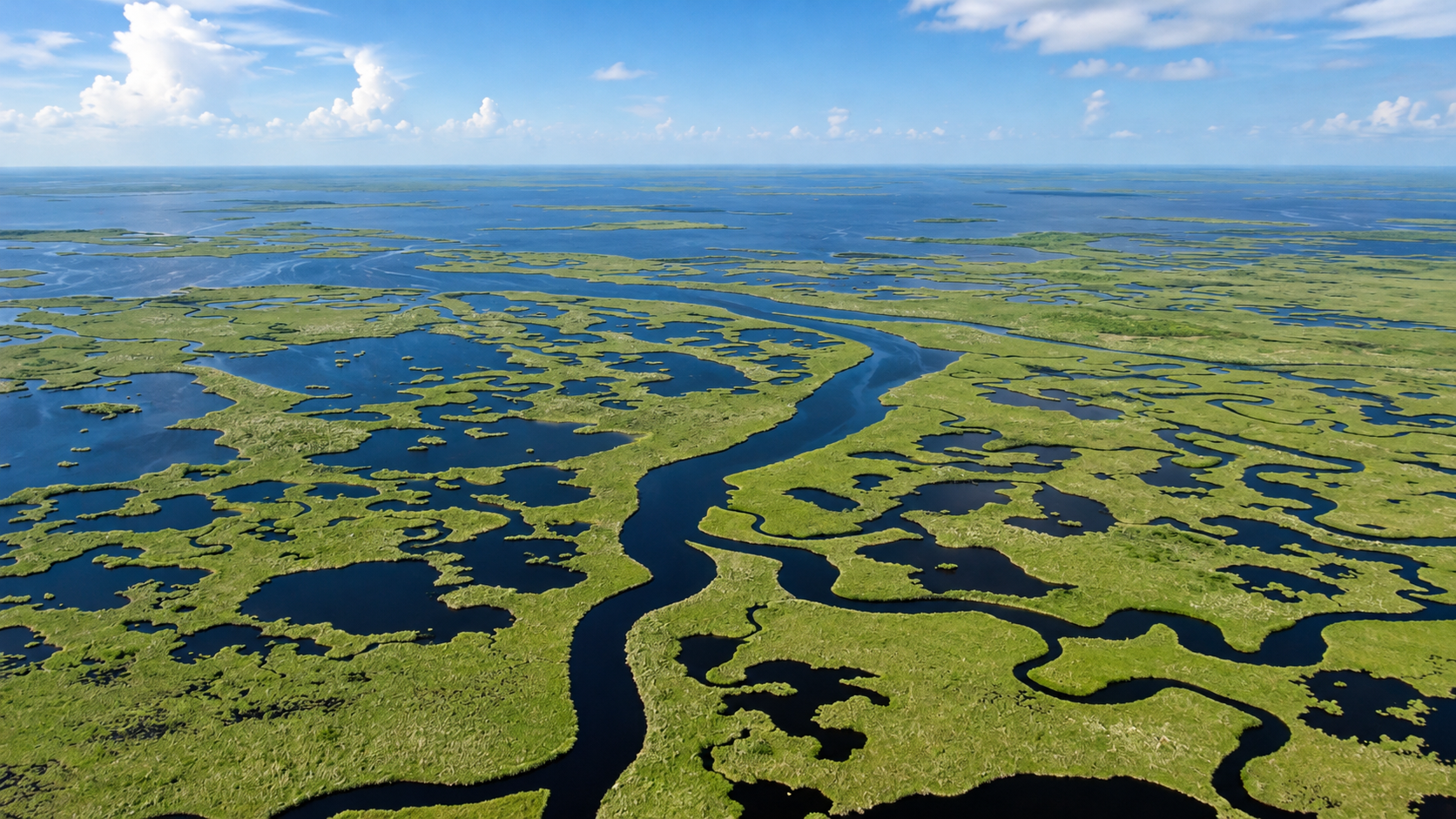
Florida’s Everglades contain one of the few regions where American alligators and American crocodiles naturally occur in the same broader landscape. The explanation has much to do with water. Freshwater moves slowly south through vast marshes before meeting the saltier environments of Florida Bay and the Gulf of Mexico. Between them lie brackish wetlands, mangrove forests, and coastal habitats that support animals with very different environmental preferences. Alligators generally favor freshwater, while crocodiles are more comfortable in brackish and saltwater areas.
12. Monteverde, Costa Rica: Where Caribbean Moisture Meets the Continental Divide
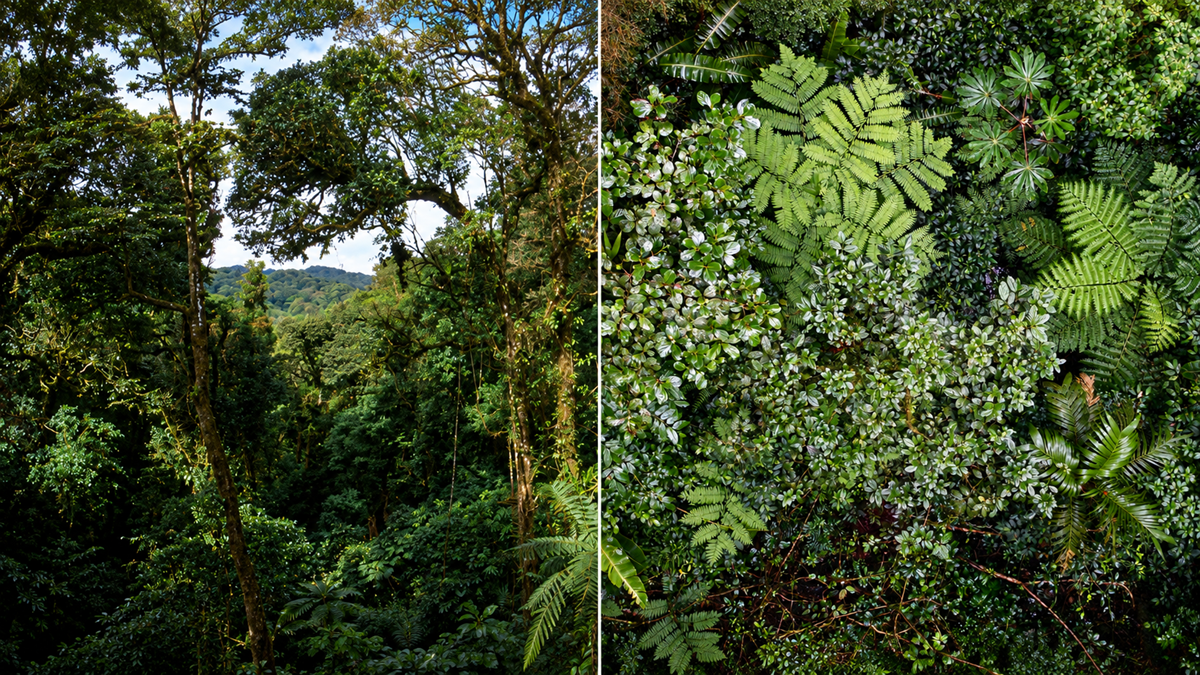
Clouds are not just part of the scenery in Monteverde. They help sustain the forest itself. Moisture carried by Caribbean trade winds rises along Costa Rica’s mountains, cooling and condensing into clouds that frequently surround the vegetation. Mosses, orchids, and other plants capture some of this moisture directly from the atmosphere. Across the Continental Divide, Pacific-facing slopes generally experience a more pronounced dry season, producing noticeably different forest conditions over relatively short distances.
13. Tonlé Sap, Cambodia: Where Two River Systems Create a Flooded Forest
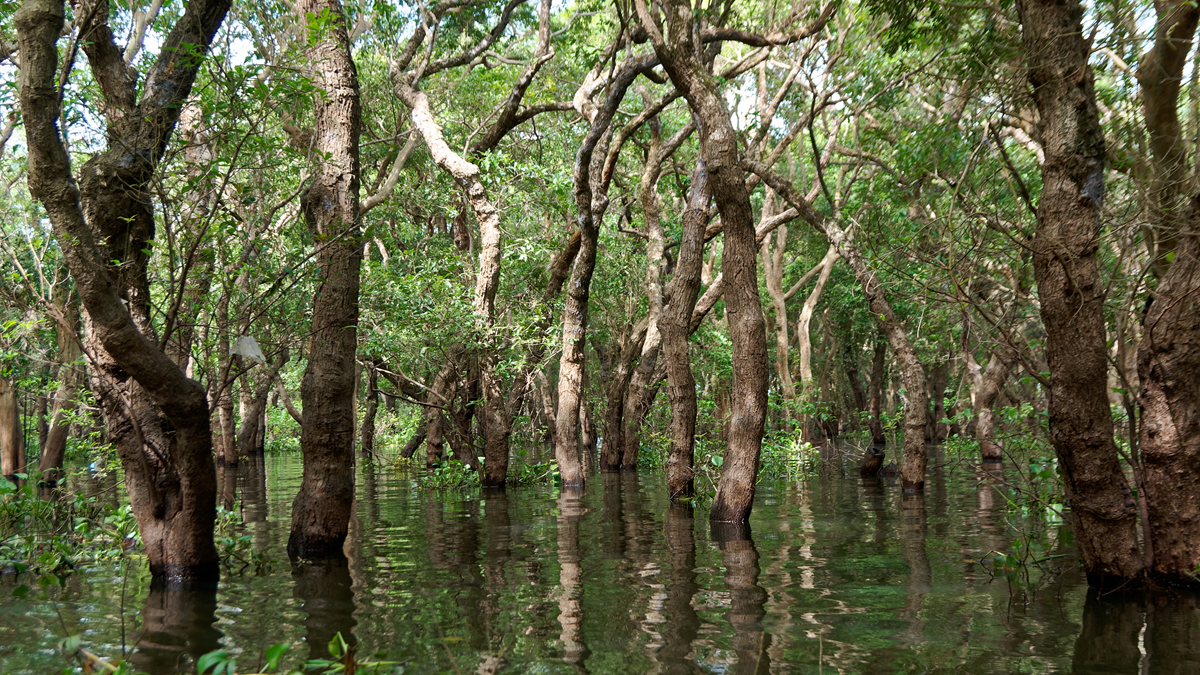
Cambodia’s Tonlé Sap has an unusual seasonal trick: its connecting river changes direction. During the rainy season, rising water levels in the Mekong force water backward through the Tonlé Sap River, causing the lake to expand dramatically. Forests and grasslands become submerged, offering fish access to new feeding and breeding grounds. When the Mekong recedes, the river flows the other way again, and much of the surrounding land emerges. Entire communities of plants, fish, and birds have adapted to this annual reversal.
14. Shark Bay, Australia: Where Ocean Water and Evaporation Create an Unusual Habitat
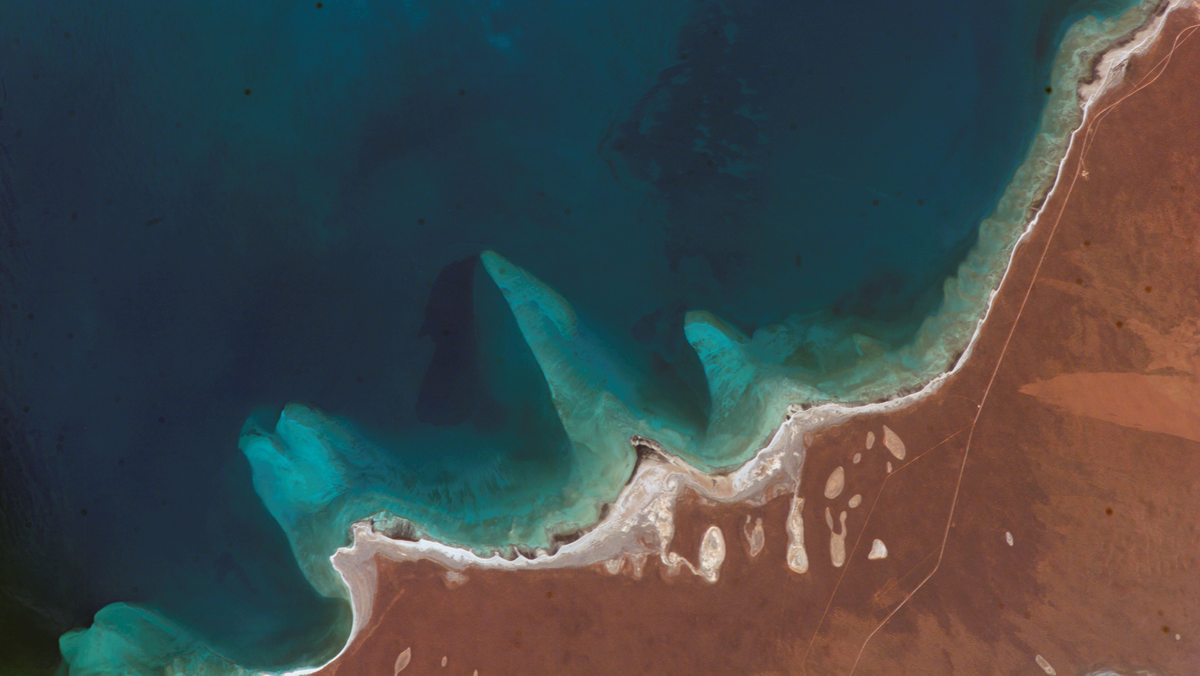
Some of the most interesting inhabitants of Western Australia’s Shark Bay are microorganisms building structures that resemble those found in Earth’s ancient oceans. At Hamelin Pool, intense evaporation and restricted water circulation contribute to unusually high salinity. A shallow geological barrier called the Faure Sill helps limit water exchange with the open bay. These conditions restrict many organisms that would otherwise disturb microbial mats, allowing living stromatolites to grow. Their layered formations offer a rare opportunity to observe a biological process with a history stretching back billions of years.
15. The Wadden Sea, Northern Europe: Where Land and Ocean Become One Ecosystem
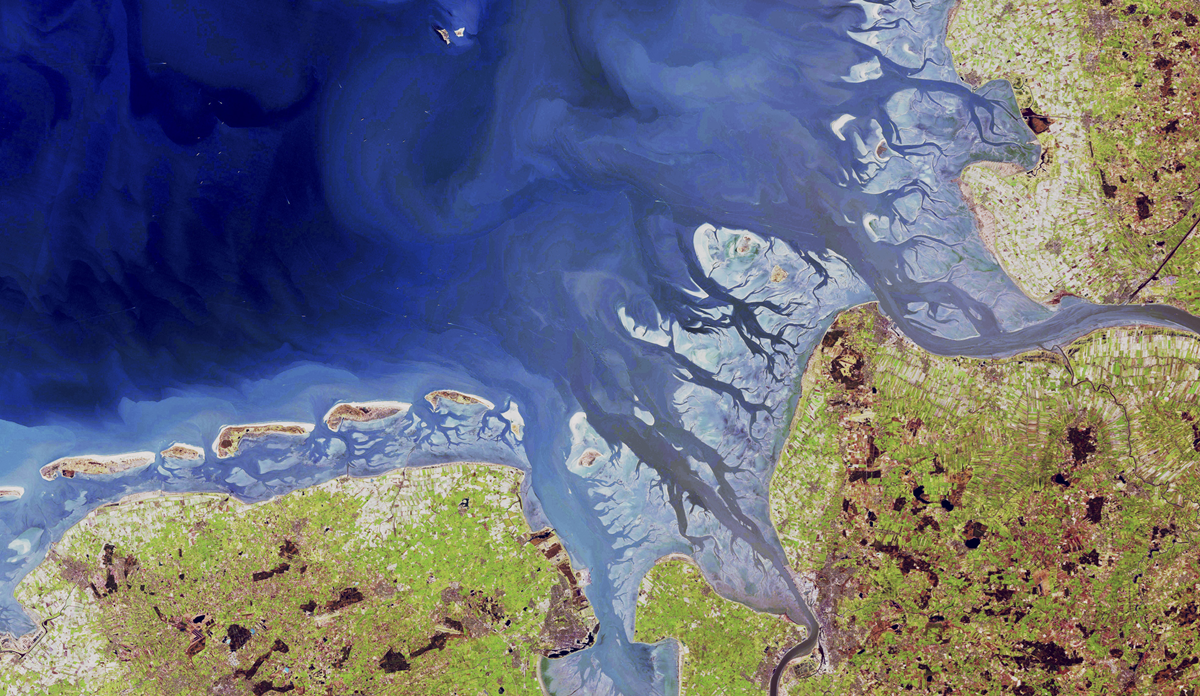
Walk across parts of the Wadden Sea at low tide, and there may be little water in sight. Return several hours later, and much of that exposed ground will be submerged. Stretching along the Netherlands, Germany, and Denmark, this enormous coastal environment is shaped by tides, sediment movement, and shallow marine waters. Worms, shellfish, and other small organisms thrive in its mudflats, attracting millions of migratory birds. Similar tidal habitats exist elsewhere, but none form a larger continuous system of intertidal sand and mud flats.
In the mood for more?
Check out 15 Places on Earth So Extreme They Look Almost Impossible, or take a look at 15 Places Around the World That Look Photoshopped, But Aren’t. If you want to see more extraordinary places shaped by nature, you can check out 15 Places That Get an Upgrade Every Time It Storms.