Habits other countries phased out are often so ordinary that they barely register as habits at all. Writing a check, getting a plastic fork with lunch, signing a credit-card receipt, or tossing a bottle into the recycling bin can feel like unremarkable parts of everyday life.
But everyday routines do not disappear everywhere at the same speed. Some countries eliminated them through national laws, others replaced them with technology, and a few simply nudged people toward something newer until the old habit faded away. The result is a curious map of daily life where something perfectly normal in one place can already feel like a relic somewhere else.
1. Writing Paper Checks for Ordinary Bills
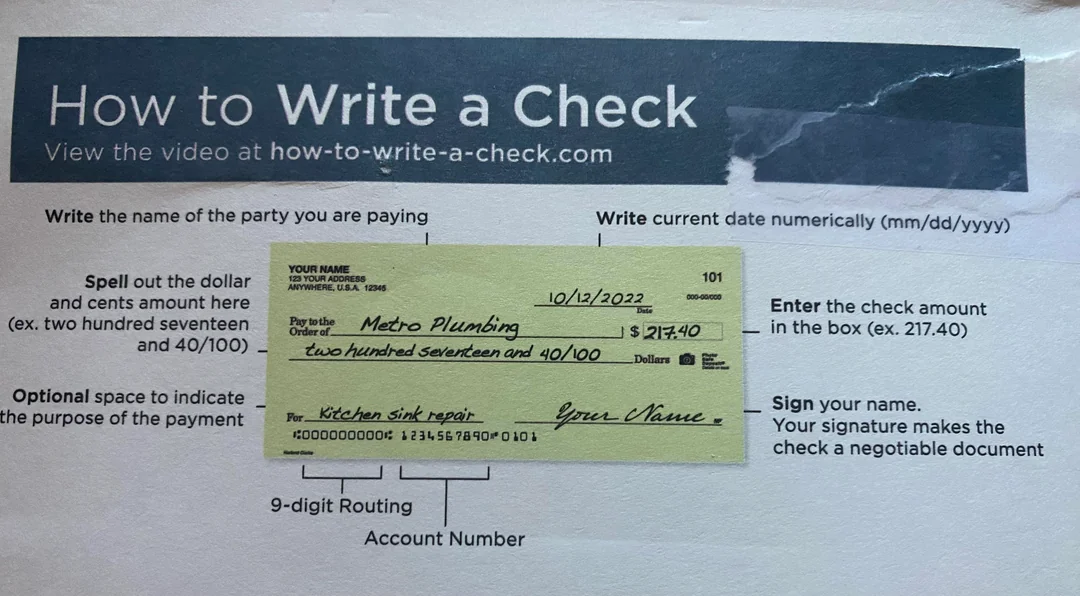
Writing out a check for rent or a utility bill still happens in the United States, even if it is far less common than it once was. Germany moved much further away from the practice: checks have nearly vanished from ordinary daily payments there and are headed toward formal retirement by the end of 2027. The little paper rectangle that once moved money around the world is quietly becoming a museum piece in some places.
2. Using One-Cent Coins in Everyday Cash Change
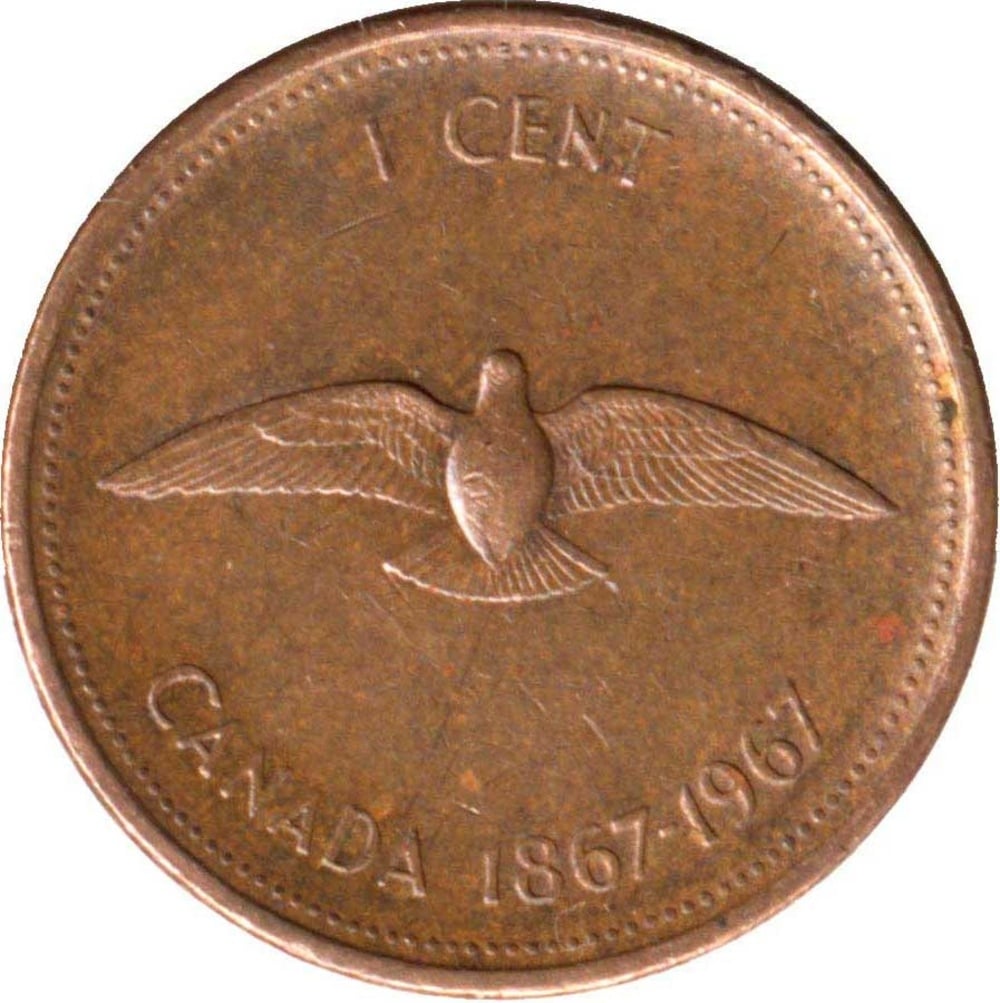
Canada essentially told its penny to enjoy retirement in 2013, when the Royal Canadian Mint stopped distributing the coin and cash transactions began being rounded to the nearest five cents. Australia and New Zealand had already eliminated their lowest-value coins decades earlier. The coin did not need to disappear from every drawer overnight. It simply stopped being necessary at the cash register.
3. Taking Free Lightweight Plastic Bags at the Checkout
There was a time when buying one item could somehow produce three plastic bags. Rwanda took a dramatically different route, introducing a sweeping plastic-bag ban years before restrictions became common elsewhere. The United States, meanwhile, still has a patchwork of state and local rules rather than one nationwide policy. Same shopping trip, very different relationship with the bag drawer under the sink.
4. Changing the Clocks Twice a Year

Twice a year, millions of people perform the peculiar ritual of adjusting clocks and then wondering why their sleep feels wrong. Mexico largely stepped away from that routine in 2022, ending daylight saving time across most of the country while keeping exceptions in some areas near the U.S. border. Plenty of countries do not change their clocks seasonally at all, although the practice has certainly not disappeared worldwide.
5. Using Disposable Plastic Cutlery by Default
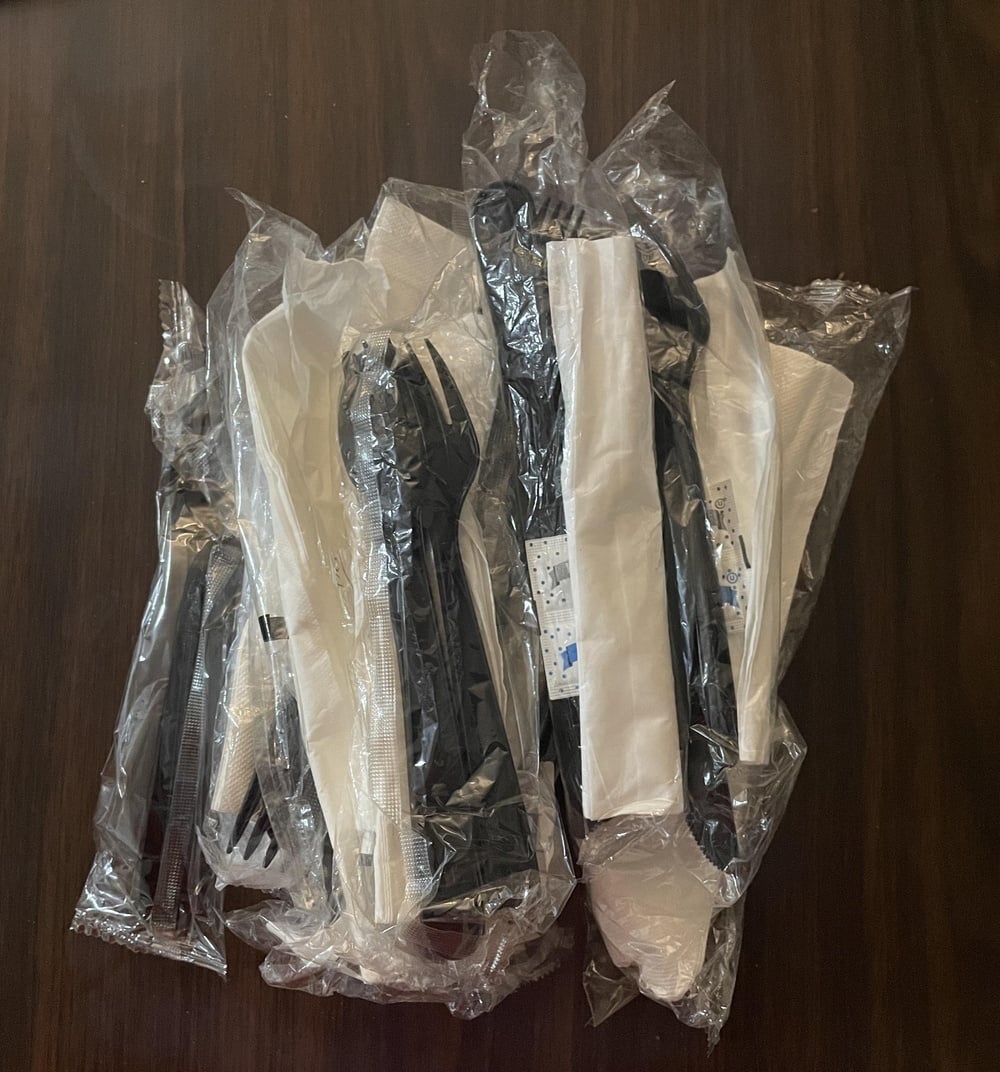
Remember when takeout practically guaranteed a little plastic fork, whether anyone wanted it or not? The European Union began restricting several single-use plastic products in 2021, including disposable cutlery and plates. The United States has no equivalent blanket federal phase-out, although individual states and cities have introduced their own rules. A tiny fork turned out to be part of a much larger waste problem.
Trending on The Scroller


6. Automatically Getting a Plastic Straw With a Drink
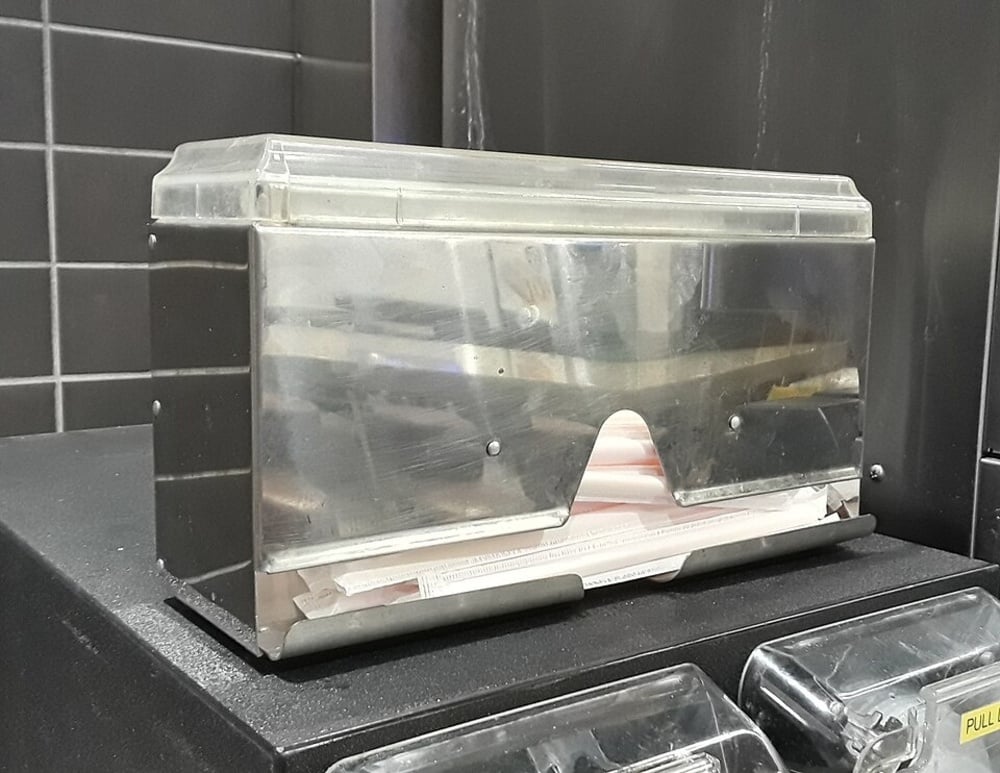
The plastic straw followed a similar path in the United Kingdom, where restrictions on supplying single-use plastic straws took effect in 2020, with exemptions for certain uses. In the U.S., whether a straw appears automatically can still depend on the state, city, or restaurant. Who would have guessed that ordering an iced drink could reveal so much about national environmental policy?
7. Using Expanded-Polystyrene Takeout Containers
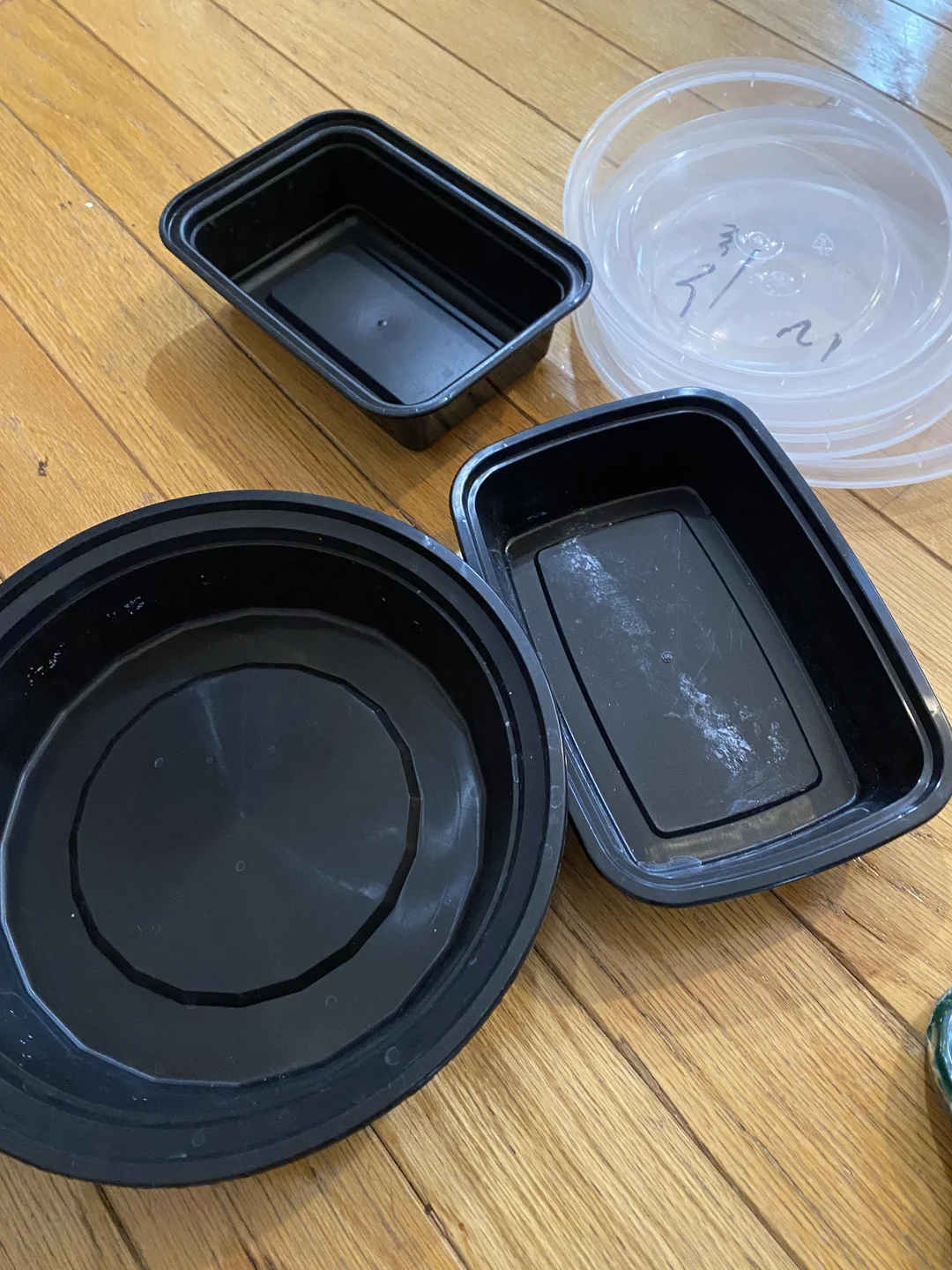
Foam takeout containers once seemed almost inseparable from leftovers, food trucks, and late-night meals. Countries and individual jurisdictions have increasingly restricted expanded-polystyrene foodware, though the timeline differs considerably from place to place. The United States followed that same uneven pattern, with bans arriving locally rather than through one nationwide rule. This is less a clean global goodbye than a slow disappearance happening at dozens of different speeds.
8. Paying Road Tolls to a Person in a Booth
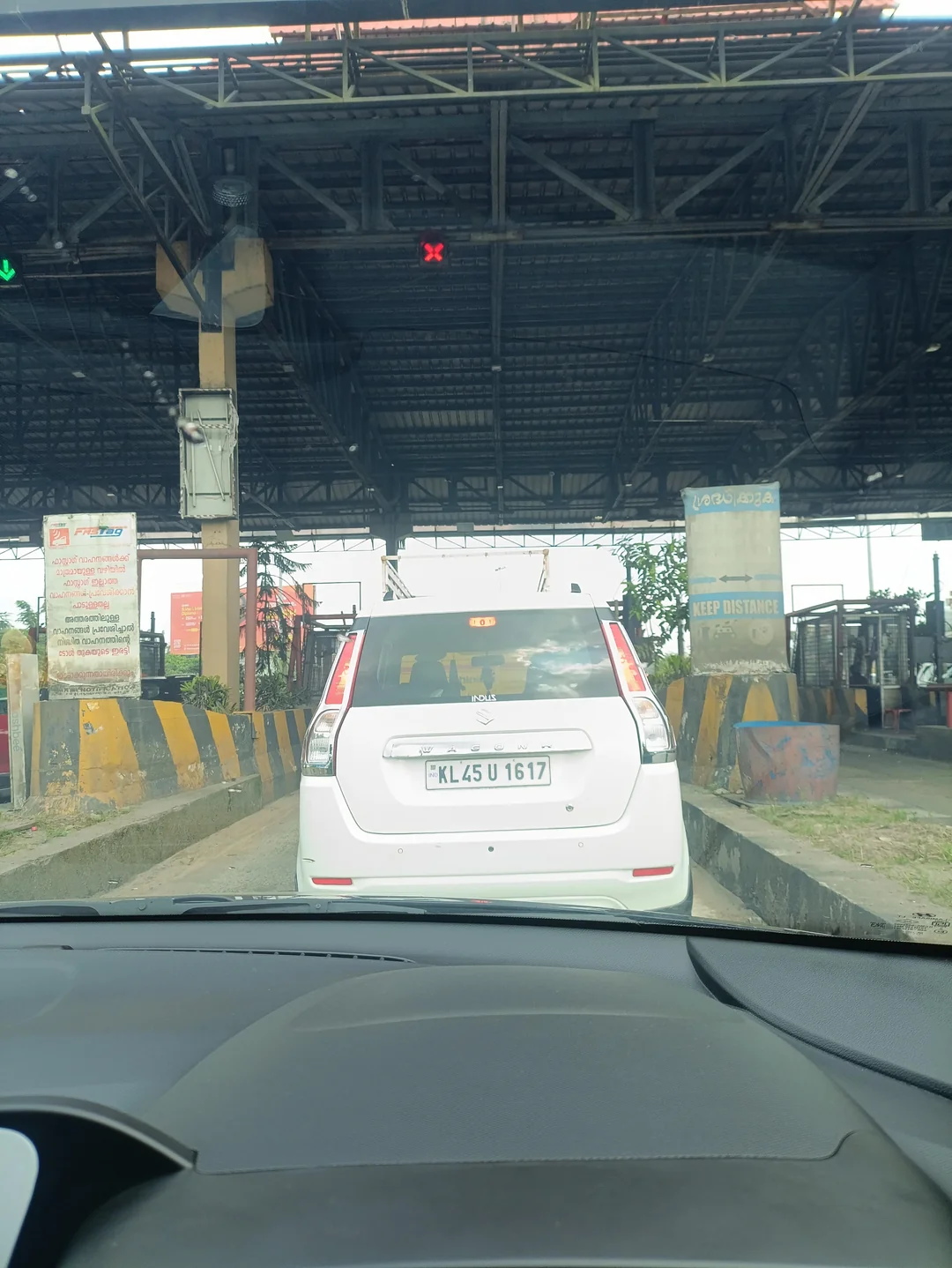
The toll-booth exchange of cash, change, and a briefly opened car window has increasingly been replaced by electronic collection. Some road networks outside the United States shifted aggressively toward cashless tolling, while American systems made the transition at different times and many retained staffed booths longer. The important distinction is the network rather than the country: this particular habit disappeared road by road, not border by border.
Sign up for our newsletter
9. Filing Taxes From Scratch When the Government Already Has the Data
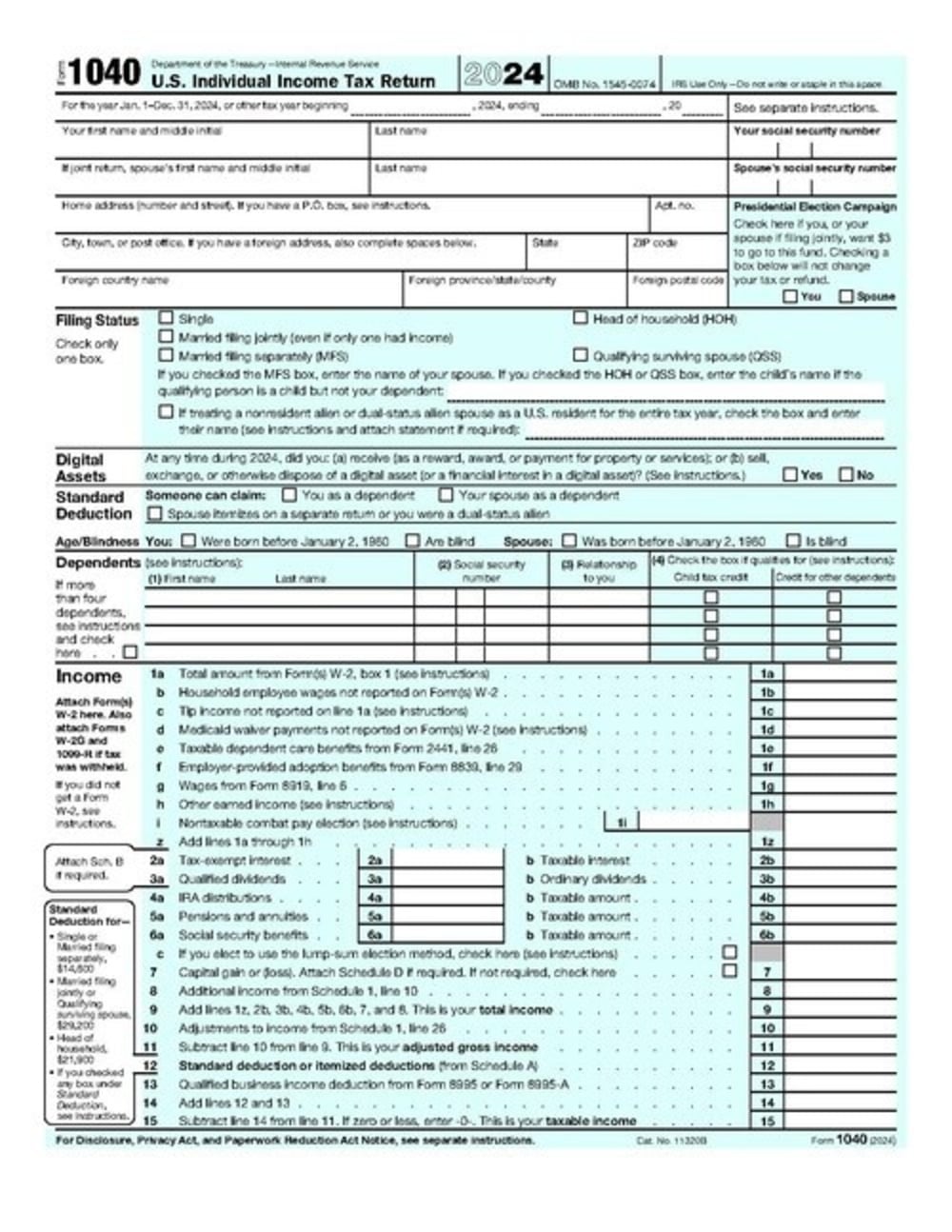
For many Americans, tax season still means collecting forms and actively assembling a return. In countries such as Sweden and Denmark, tax authorities can provide pre-filled information or calculations for many ordinary taxpayers, leaving people to review what the government already knows rather than reconstructing everything themselves. The U.S. system has been changing too, but the contrast raises an irresistible question: if the numbers are already sitting in a government database, why type them all in again?
10. Using Paper Transit Tickets for Routine Urban Travel
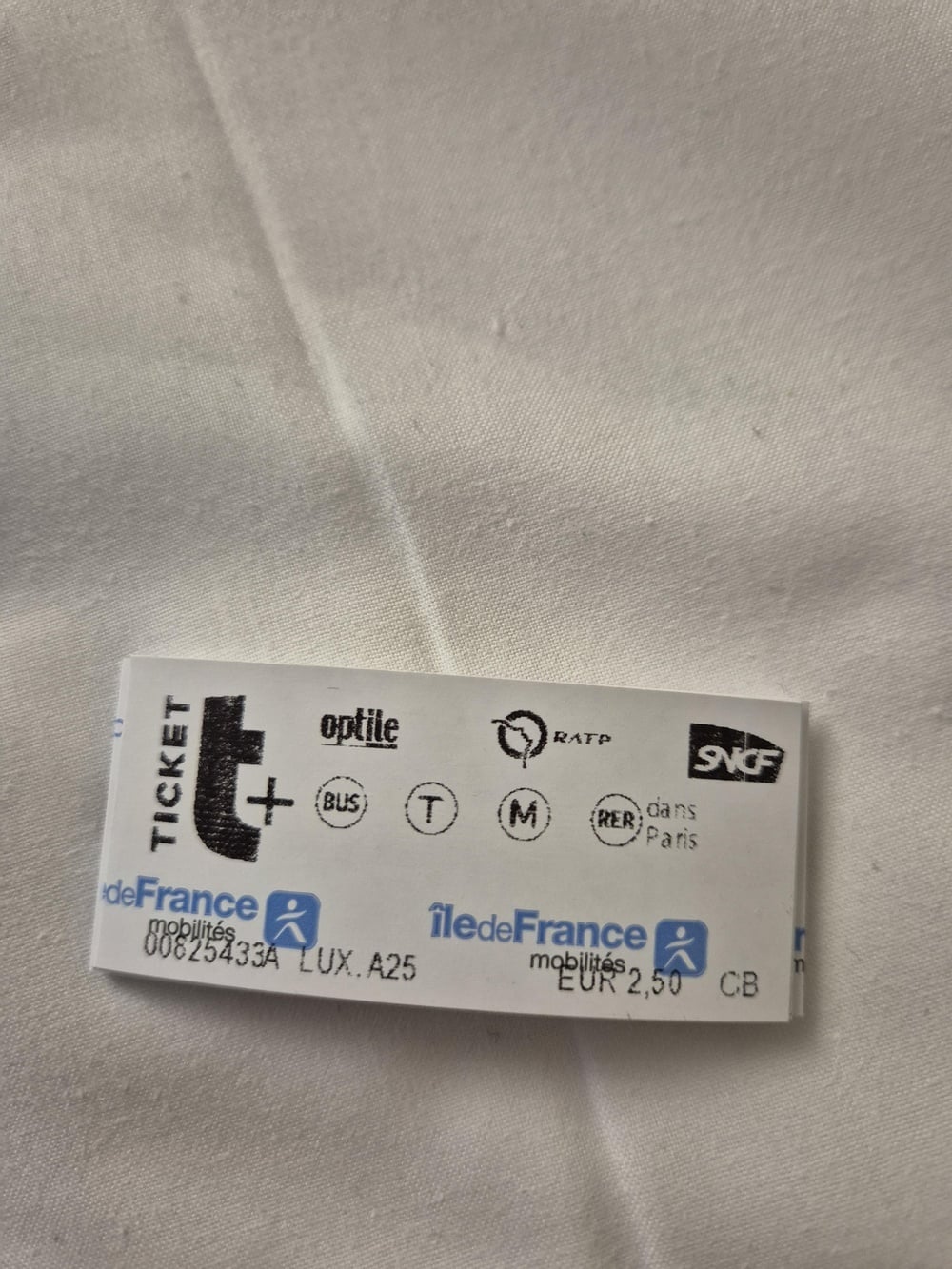
Habits other countries phased out include one tiny object that used to accumulate in pockets, wallets, and coat lining: the paper transit ticket. Some transportation systems moved early toward smart cards and contactless payments, gradually retiring older paper or magnetic formats. The transition has happened system by system rather than uniformly across entire countries, but the direction is unmistakable. That crumpled little ticket home is becoming harder to find.
11. Keeping Incandescent Bulbs as the Default Household Choice
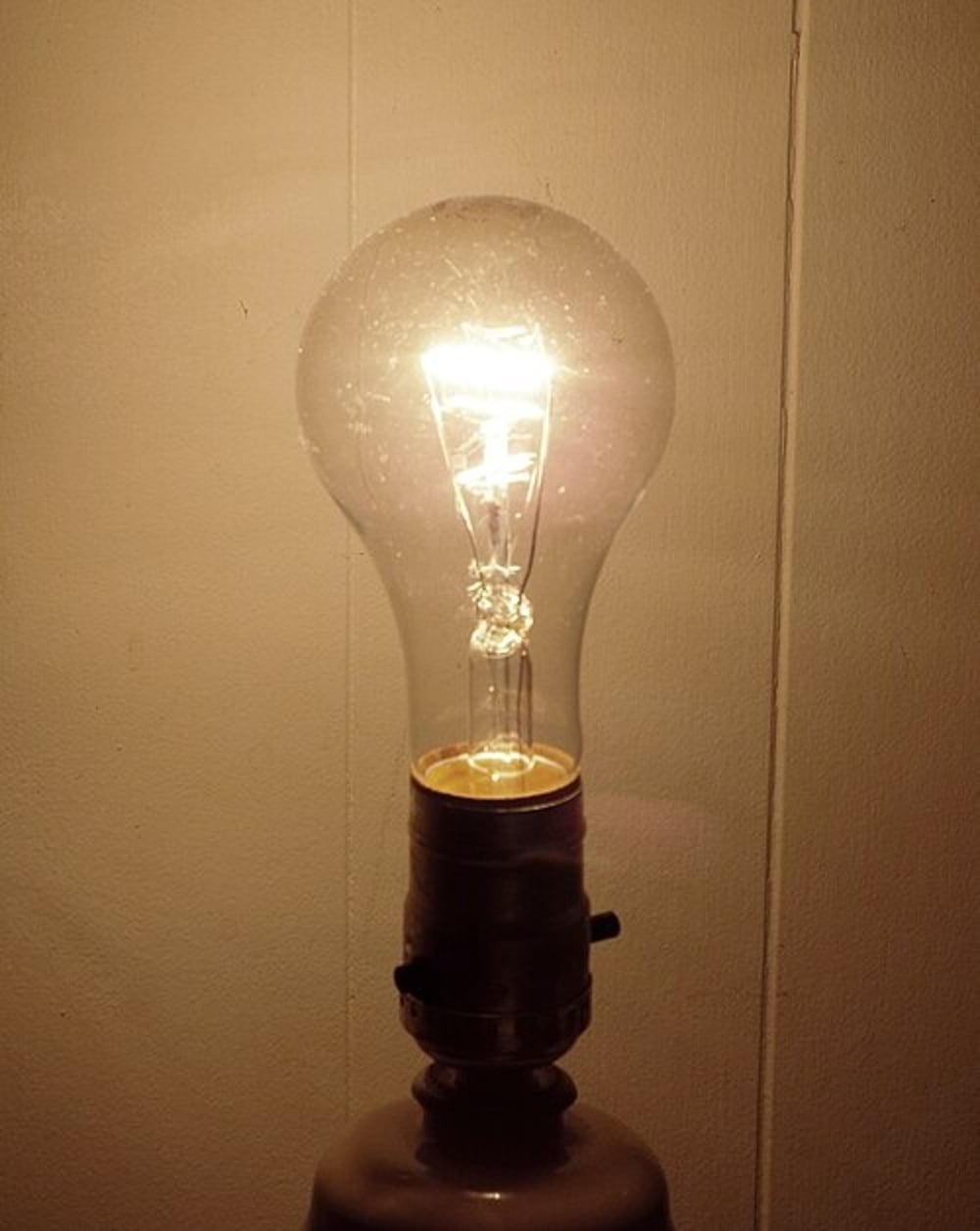
For generations, buying a light bulb meant buying essentially the same familiar incandescent design. The European Union began phasing out traditional inefficient household lamps between 2009 and the following years, pushing consumers toward more efficient alternatives. The United States eventually made a similar transition through efficiency standards, so this one is historical rather than a current transatlantic difference. The EU simply started saying goodbye earlier.
12. Buying Drinks in Containers With No Deposit Incentive
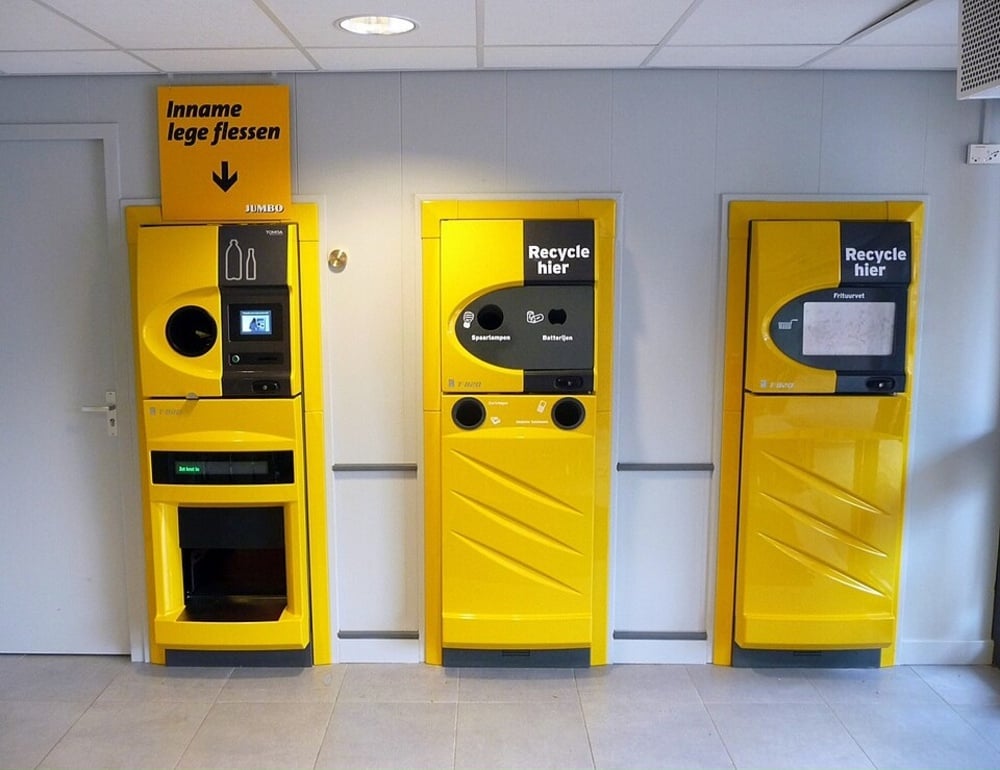
In Germany, an empty bottle or can can have a little monetary encore. The country’s deposit-return system, commonly associated with Pfand, gives consumers an incentive to return eligible beverage containers instead of simply throwing them into a recycling bin. The United States has bottle-deposit programs too, but only in certain states. In Germany, returning empties has become a much more routine part of the shopping cycle.
13. Using Leaded Gasoline
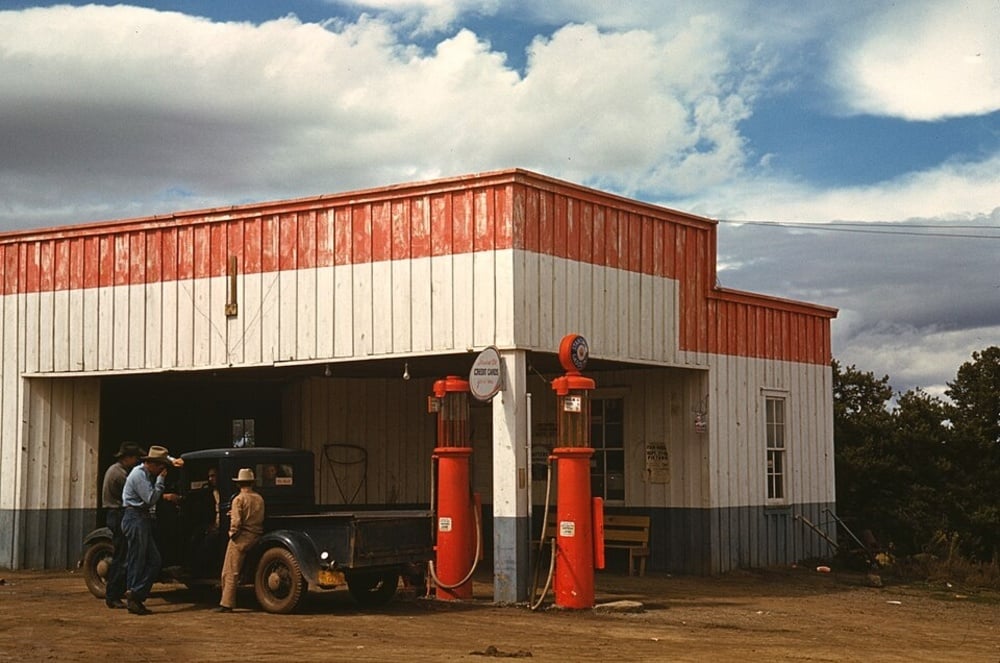
This habit belongs to a different category because it eventually disappeared everywhere. Countries eliminated leaded gasoline for road vehicles on different schedules until Algeria stopped selling it in 2021, completing the global phase-out. What had once been utterly ordinary at gas stations became obsolete worldwide. Sometimes a habit does not merely fade from one country before another. Eventually, everyone agrees it is time for it to go.
14. Smoking Inside Restaurants and Bars

Imagine ordering dinner while cigarette smoke drifts over from the next table. Ireland made that scene much less ordinary in 2004 when it introduced a national workplace smoking ban that included pubs and restaurants. Indoor smoking is now widely restricted across the United States as well, but American rules developed through a mixture of state and local action. What now feels startling in an old photograph was once simply part of going out.
15. Getting a Printed Bank Statement by Default
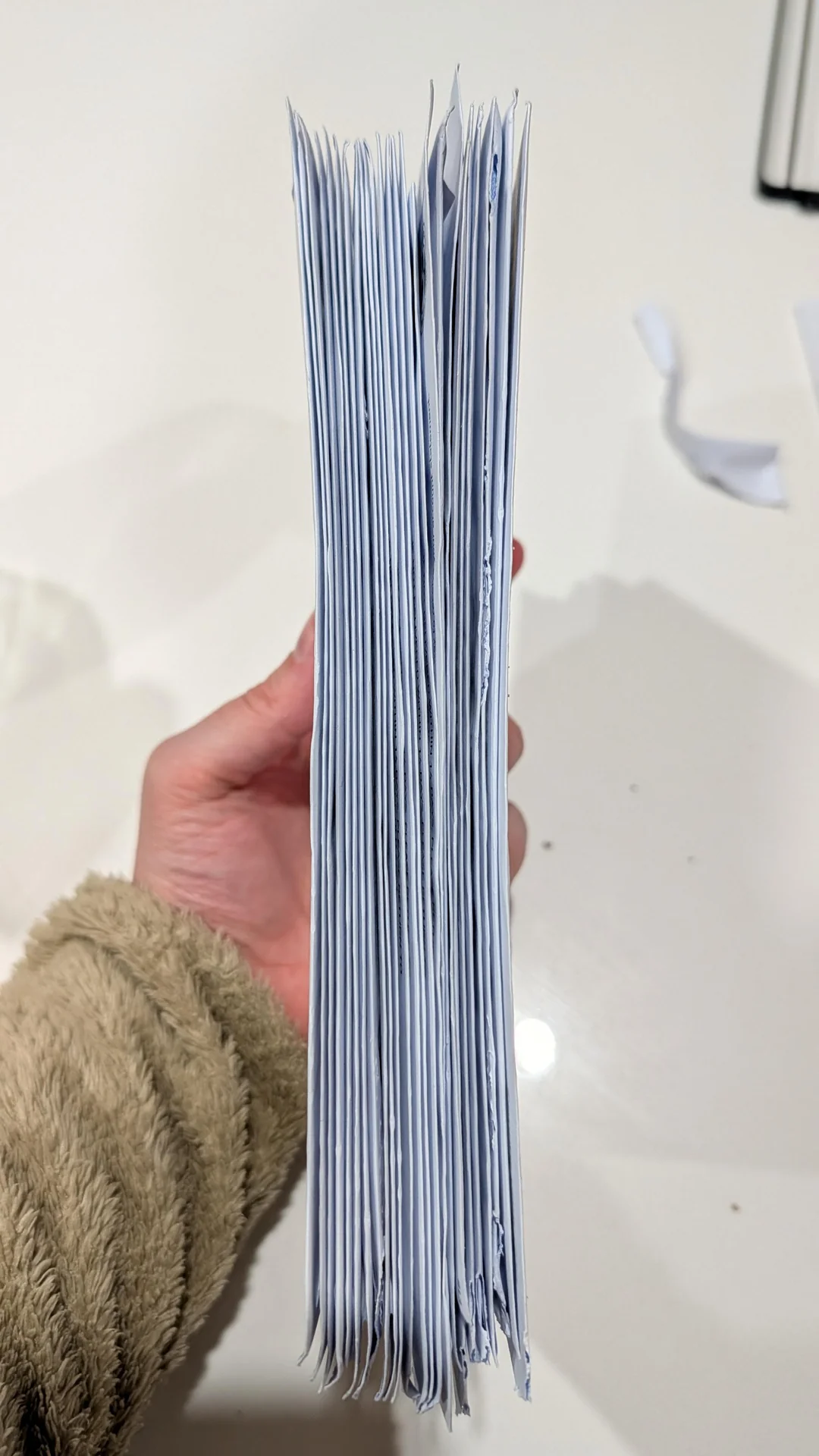
The monthly bank statement used to arrive with the reliability of a bill and the excitement level of, well, a bank statement. Digital banking has pushed paper statements toward opt-in or fee-based status in some markets, but this comparison is trickier than it first appears. There is no single clean international phase-out documented in the research, so the broader trend is clear while the idea of one country decisively eliminating the habit is not.
16. Using Physical Tax or Registration Discs in the Windshield

For decades, British motorists displayed a circular paper tax disc inside the windshield as visible proof that vehicle tax had been paid. Then, in 2014, the United Kingdom abolished the paper disc and shifted enforcement to electronic records. No dramatic new gadget replaced it. The information simply moved into a database, and a small object that had occupied British windshields for generations vanished almost overnight.
17. Receiving Utility Bills Primarily on Paper
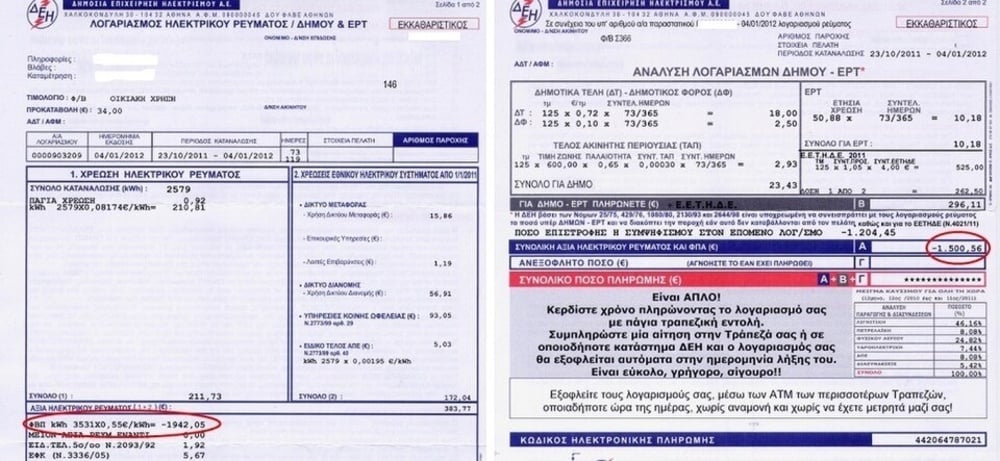
Opening the mailbox to find electricity, gas, or water bills was once an unavoidable part of household administration. Digital billing and electronic payment ecosystems have pushed that routine aside more quickly in some countries and markets than others. But this is another case where the research does not support declaring a neat national cutoff. The paper bill is fading, certainly, but its disappearance is being driven by providers and digital infrastructure rather than one universally shared switch-off date.
18. Signing a Credit-Card Receipt After a Chip Transaction

For years, paying by card could end with a tiny pen, a curling receipt, and a signature that bore only a passing resemblance to anyone’s actual name. As chip and contactless payments spread, signatures became increasingly unnecessary. Even major U.S. card networks dropped signature requirements in 2018, so this is no longer a clean America-versus-everyone-else comparison. Still, it is remarkable how quickly a ritual that once completed nearly every card purchase became optional.
Everyday habits rarely announce their retirement. They simply become less convenient, less necessary, or less legal until one day someone pulls out a paper check, asks for a plastic straw, or reaches for a pen at the card terminal and the routine suddenly feels oddly dated. These examples also show why there is no single finish line for modernization: countries, cities, companies, and consumers abandon old routines on their own timelines.
Keep Exploring The Scroller
The junk drawer of history is packed with ordinary things that once seemed permanent. Keep exploring The Scroller for more disappearing routines, forgotten everyday objects, curious international differences, and those wonderfully strange moments when normal life quietly changes while nobody is looking:
15 Habits of People Who Retired Early That Almost Nobody Talks About