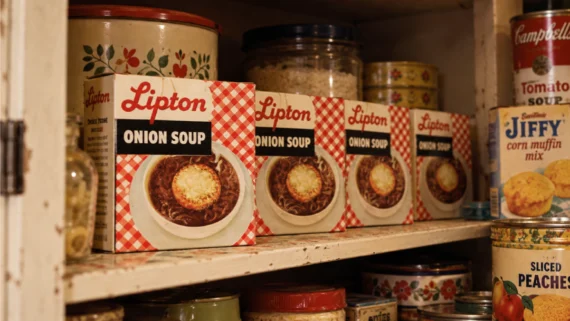
Open the wooden door of a mid-century kitchen pantry, and you would encounter a world built on shelf stability, convenience, and vibrant artificial flavors. The 60s marked a massive shift in American eating habits as processed foods and instant meals flooded suburban grocery stores, promising to liberate home cooks from hours of labor over a hot stove. Storage shelves back then were neatly lined with heavy glass mason jars, brightly colored cardboard boxes, and tins filled with ingredients designed to last through any season.
Stepping into that organized space felt like a masterclass in resourceful home cooking. From gelatins in neon shades and canned condensed soups used as instant casserole bases to shortening tins and powdered milk, everything had a very specific purpose in daily meal prep. Exploring a retro pantry offers a nostalgic, savory window into how families cooked, preserved, and ate during a decade defined by culinary innovation. Here are fourteen staples that were routinely found on kitchen shelves in the 1960s.
1. Crisco Vegetable Shortening tins
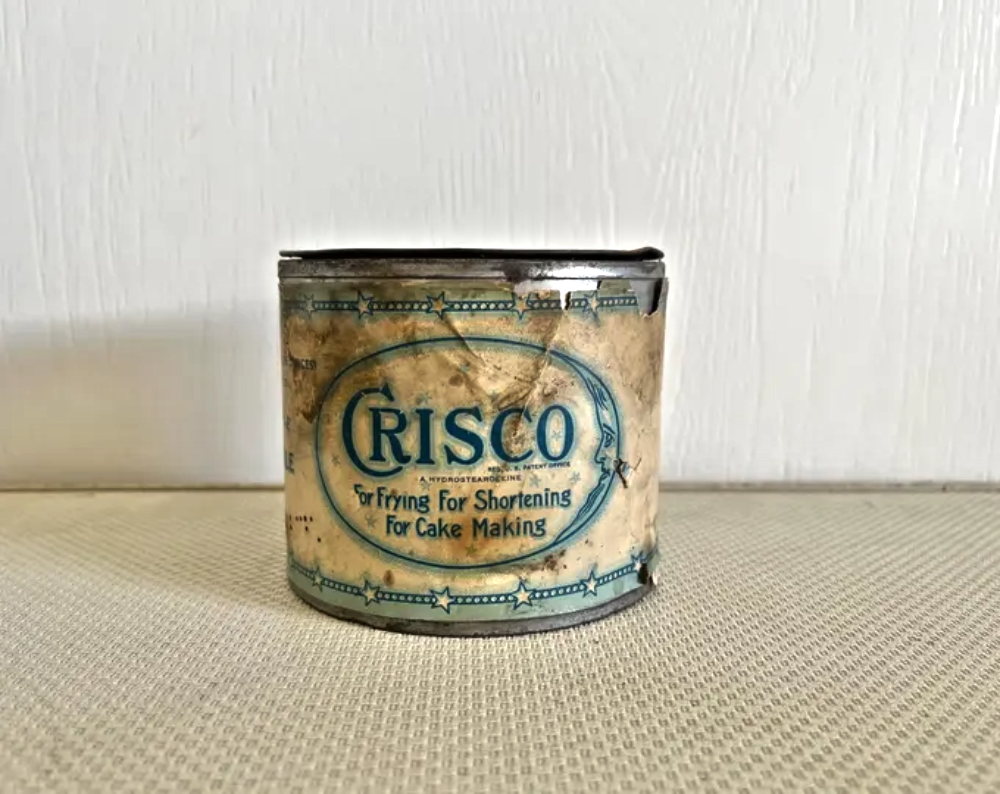
This heavy blue metal tin held a dense white vegetable fat that was the absolute secret behind pie crusts and fried chicken throughout the decade. Formulated from hydrogenated cottonseed oil, it could sit at room temperature for months without spoiling, making it far more reliable for daily baking than fresh butter.
2. Royal and Jell-O gelatin boxes
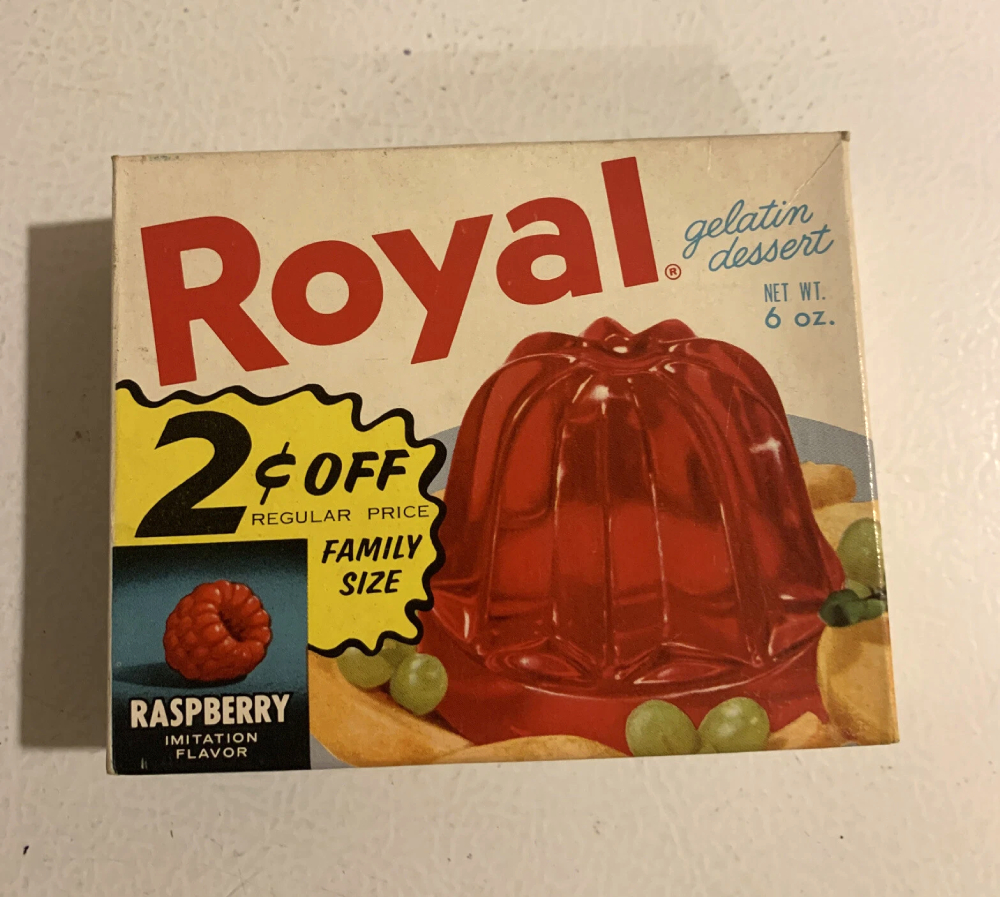
Powdered gelatin mixes in flavors like lime, cherry, and strawberry were mandatory fixtures for making both sweet desserts and savory dinner molds. Sixties cooks routinely suspended everything from canned fruit cocktail and mini marshmallows to shredded cabbage and hard-boiled eggs inside colorful gelatin rings.
3. Canned Campbell’s Cream of Mushroom Soup
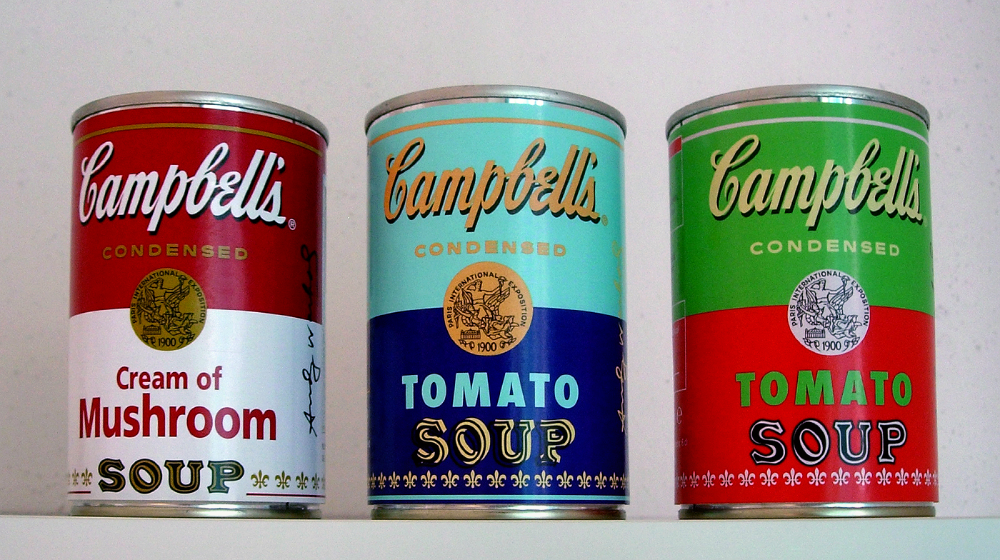
This condensed soup was rarely eaten on its own, serving instead as the ultimate instant sauce base for home cooks. It was the crucial binding ingredient for green bean casseroles, tuna noodles, and slow-cooked pot roasts, earning its reputation as the working mother’s secret weapon.
4. Mason jars of home-canned tomatoes
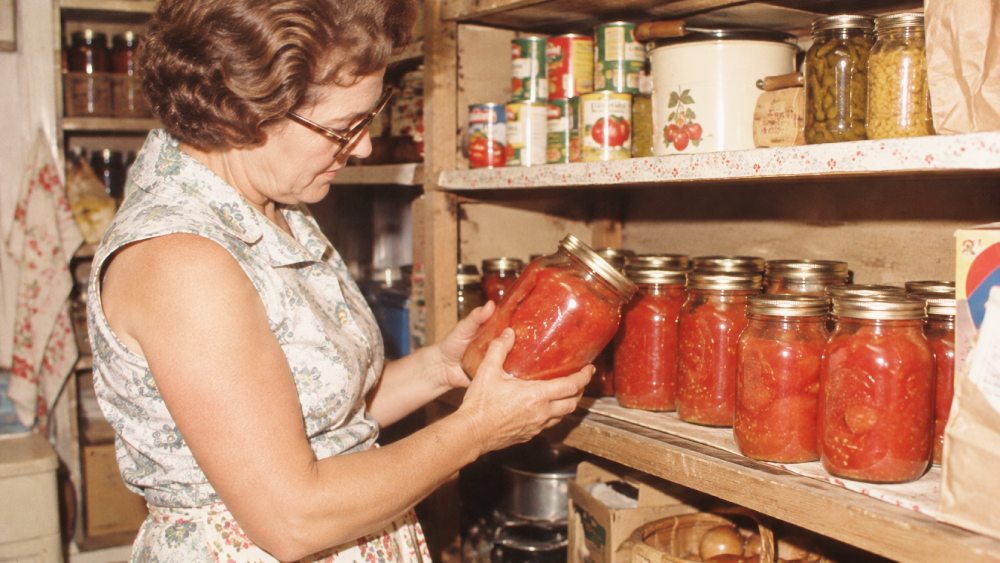
Even with processed foods on the rise, many grandmothers kept up the tradition of boiling and sealing fresh summer tomatoes in heavy glass jars. Stored on bottom shelves, these hand-preserved tomatoes provided a rich, acidic base for winter stews, chili, and spaghetti sauces.
5. Morton Salt in blue cardboard cylinders
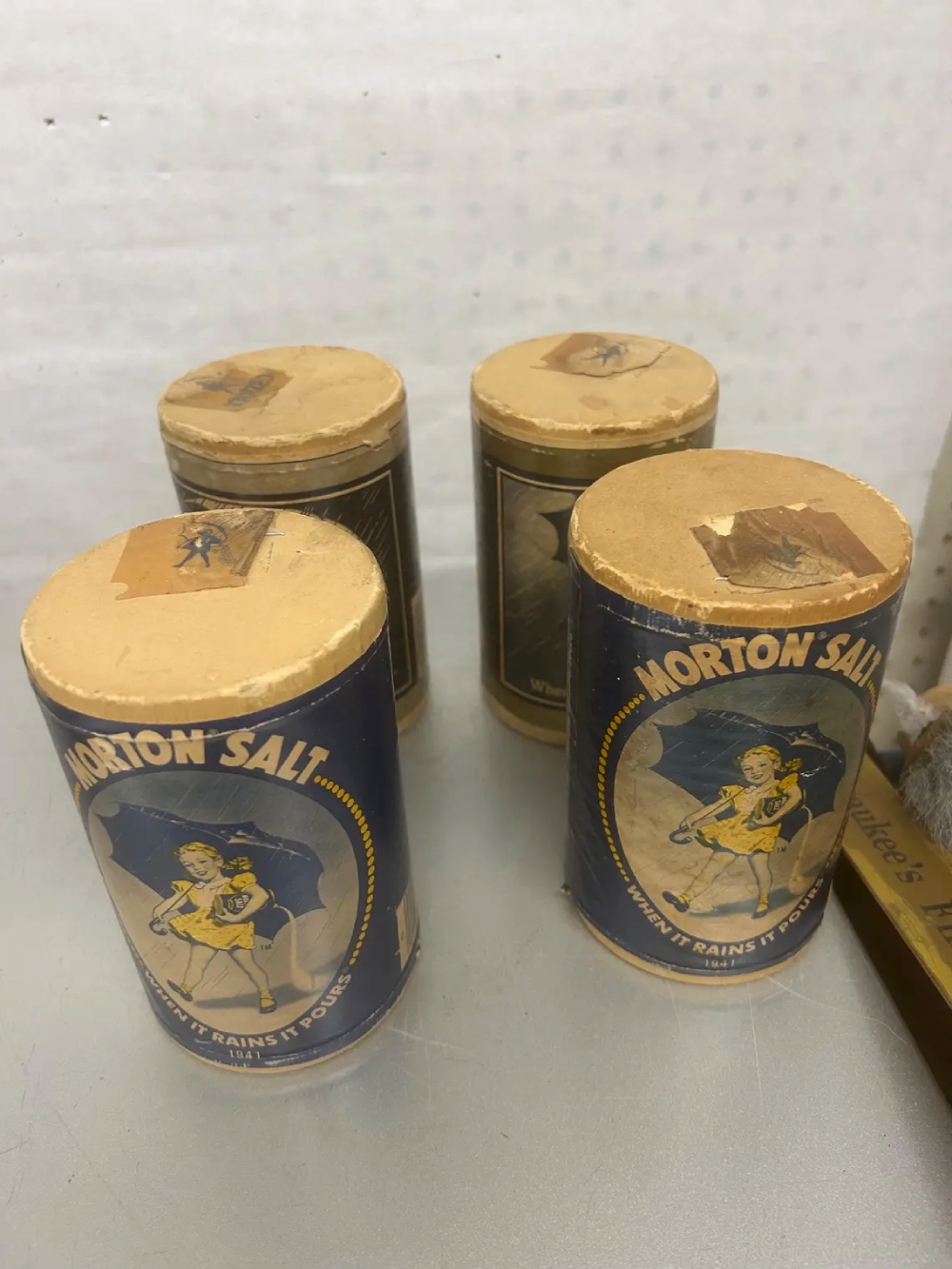
Featuring the famous umbrella girl on the label, this pour-spout container was a permanent resident near the baking spices. The addition of free-flowing agents prevented the salt from clumping together in humid kitchens, ensuring a smooth pour every single time.
Trending on The Scroller


6. Carnation Instant Nonfat Dry Milk
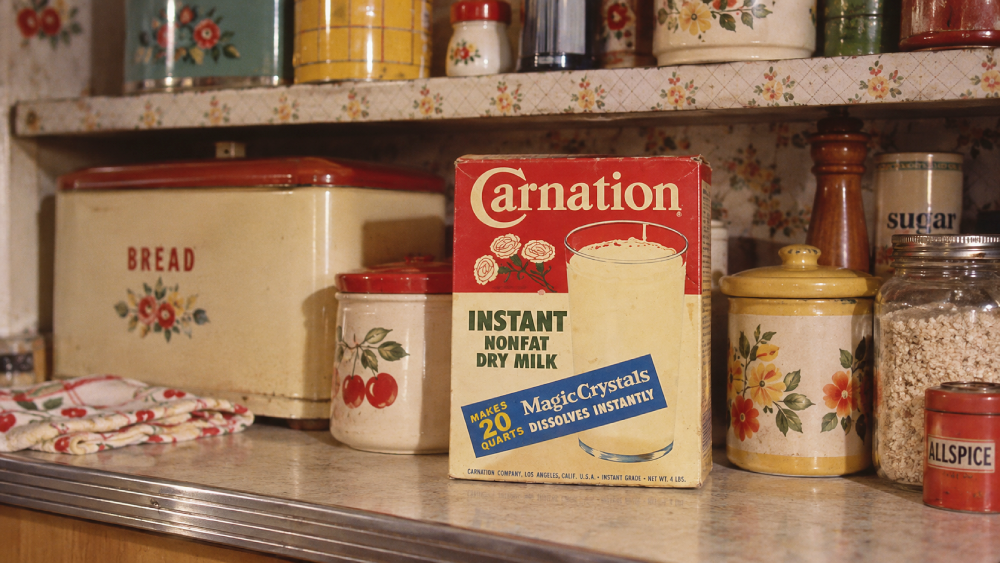
Mixing this fine white powder with cold water was an economical way to keep milk on hand for baking without taking up precious refrigerator space. Millions of suburban families relied on it to stretch their weekly grocery budgets during large family breakfasts and weekend baking marathons.
7. Boxes of Minute Rice
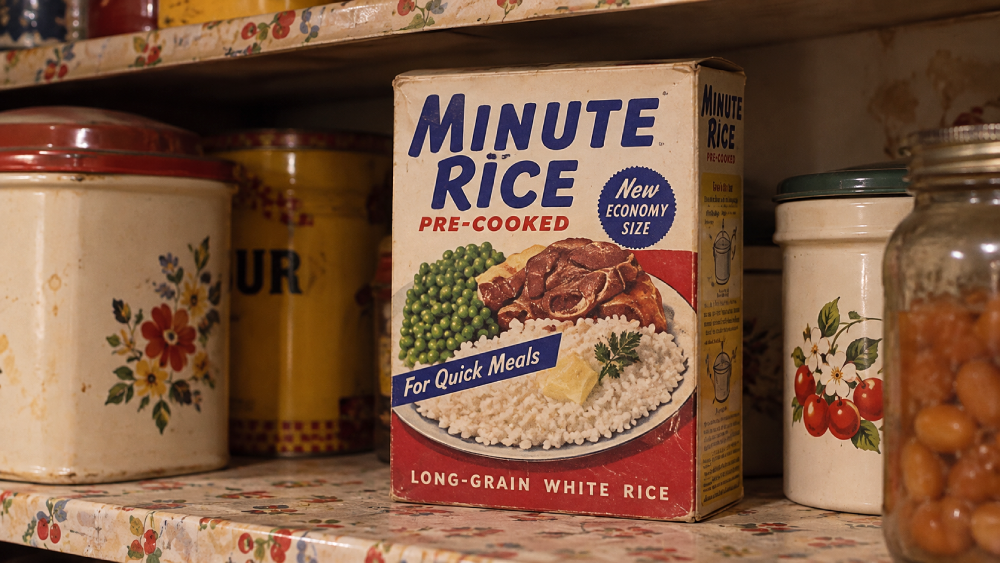
Pre-cooked and dehydrated long-grain rice revolutionized weeknight dinners by reducing cooking time from twenty minutes down to five. It became an instant staple for quick side dishes, stuffed peppers, and hearty soups when time was short after work.
8. Hershey’s cocoa powder in yellow tins
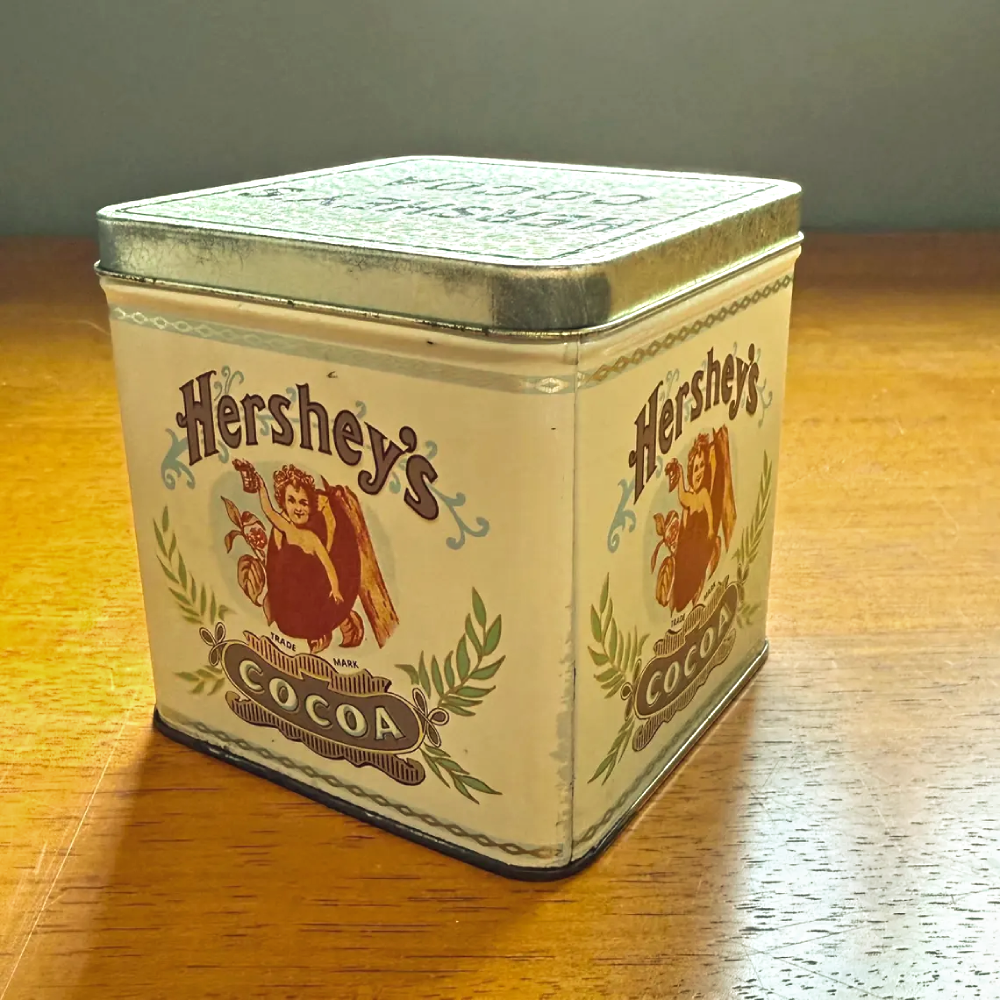
Long before pre-made chocolate syrups dominated the market, homemade hot cocoa and fudge frosting started with this iconic tin. The unsweetened cocoa powder was used alongside granulated sugar and whole milk to build rich chocolate flavor from scratch.
Sign up for our newsletter
9. Baker’s Angel Flake Sweetened Coconut
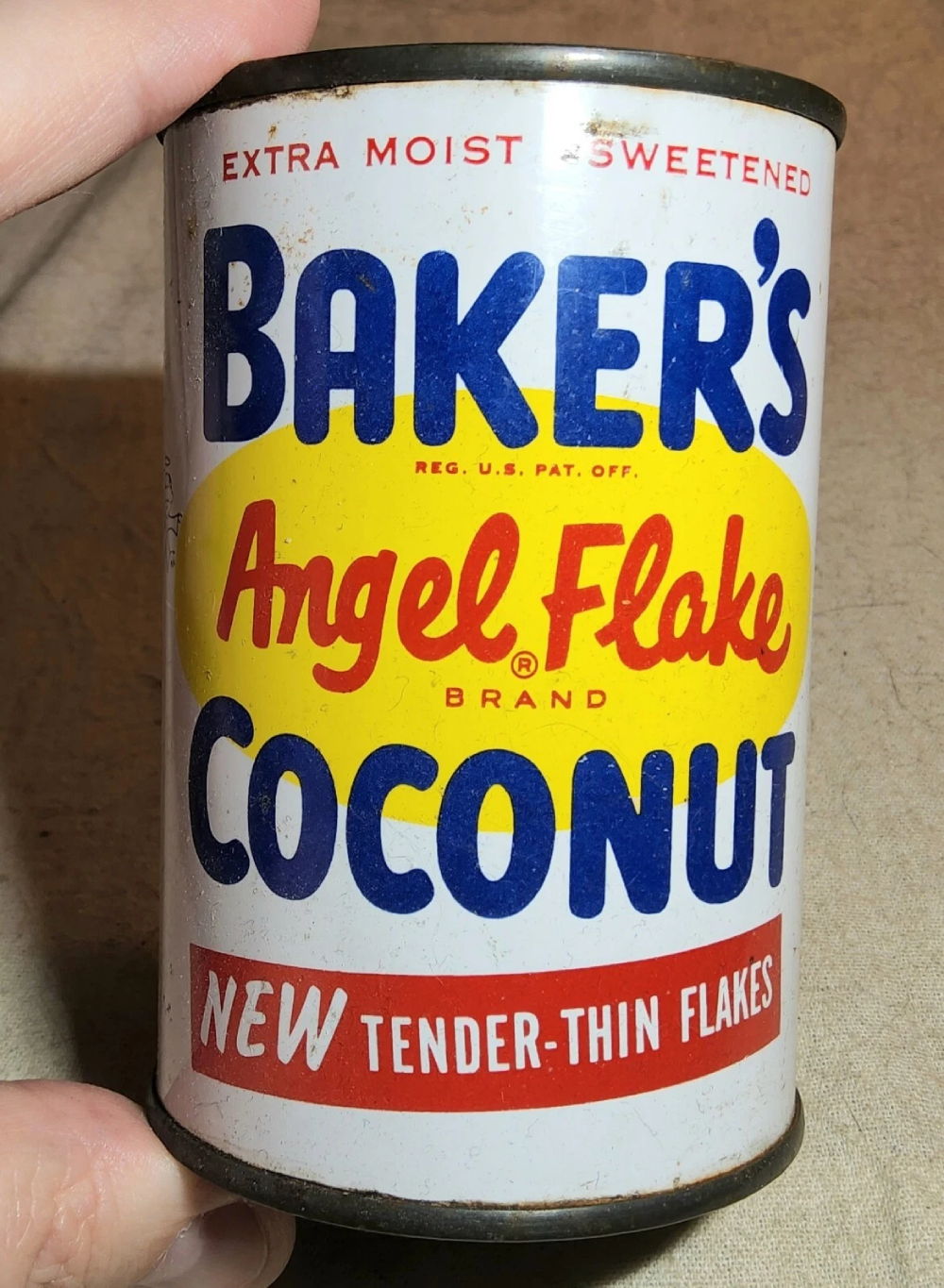
Packaged in distinctive cans and pouches, this finely shredded moist coconut was essential for topping ambrosia salads and German chocolate cakes. The coconut was treated with sugar and glycerin to keep it soft and chewy in storage for months.
10. Spam and canned corned beef
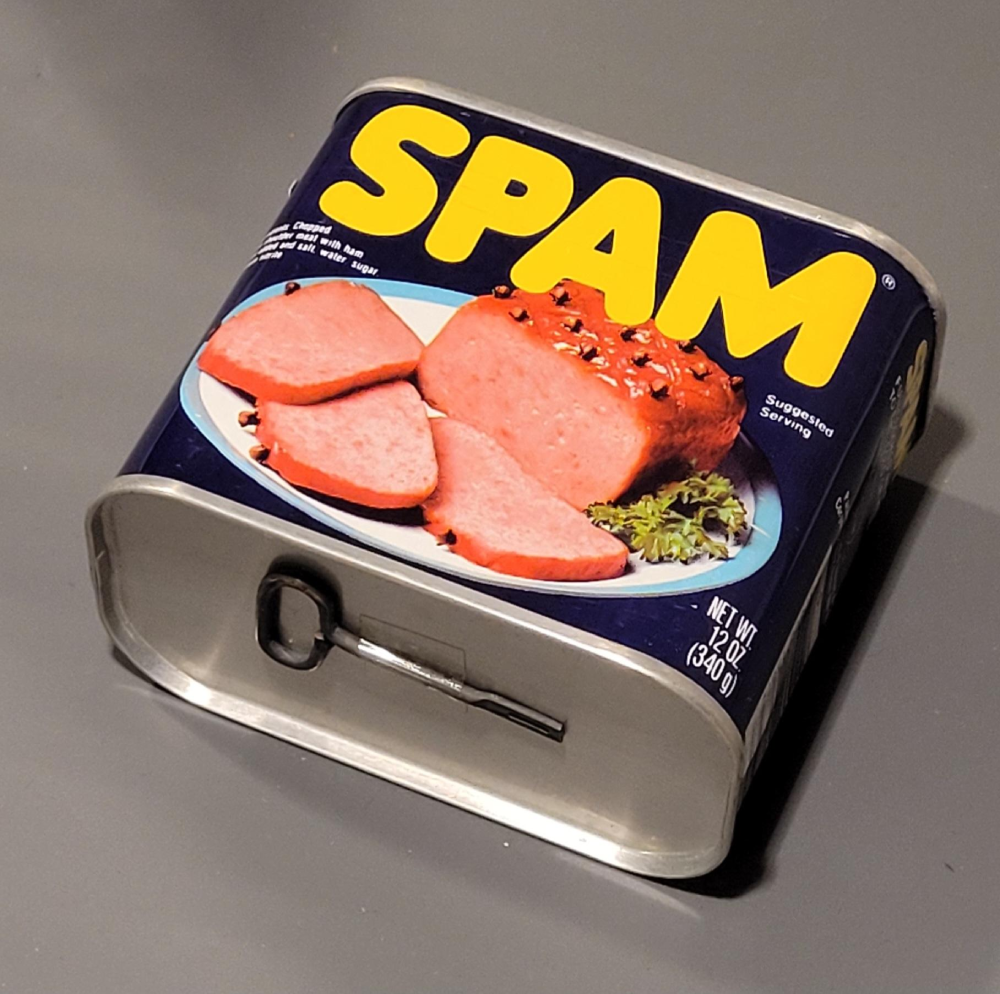
Distinctive rectangular metal tins with key-opener mechanisms were stacked high for emergency lunches and quick breakfasts. Slicing and pan-frying preserved pork or corned beef produced a crispy, salty dinner that paired perfectly with eggs or canned beans.
11. Boxes of Lipton Onion Soup Mix
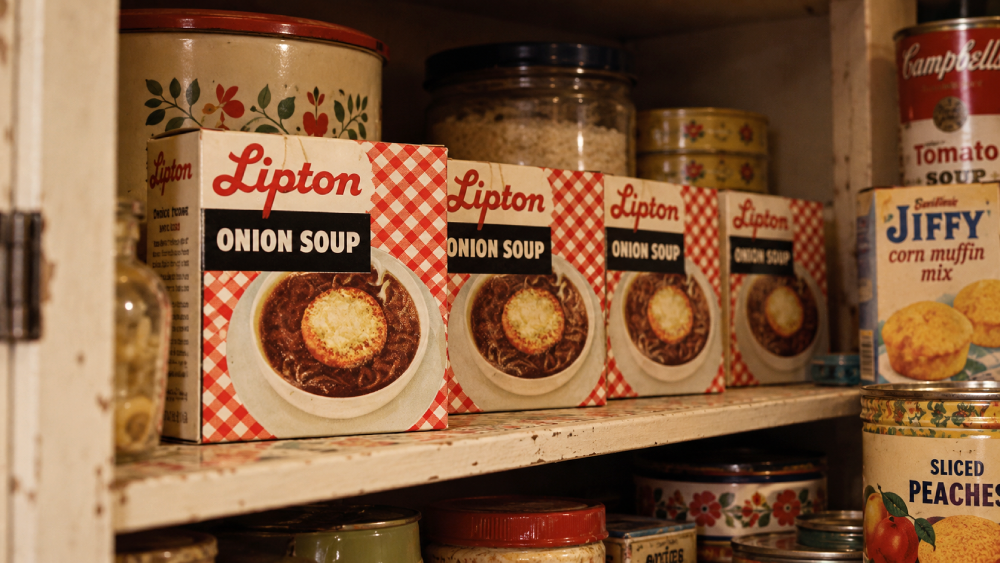
While intended as a soup starter, home cooks quickly discovered that stirring this dry mix into sour cream created the ultimate dip for potato chips. It also served as a popular seasoning packet for seasoning meatloaves and roast beef briskets.
12. Kraft grated Parmesan cheese in green canisters
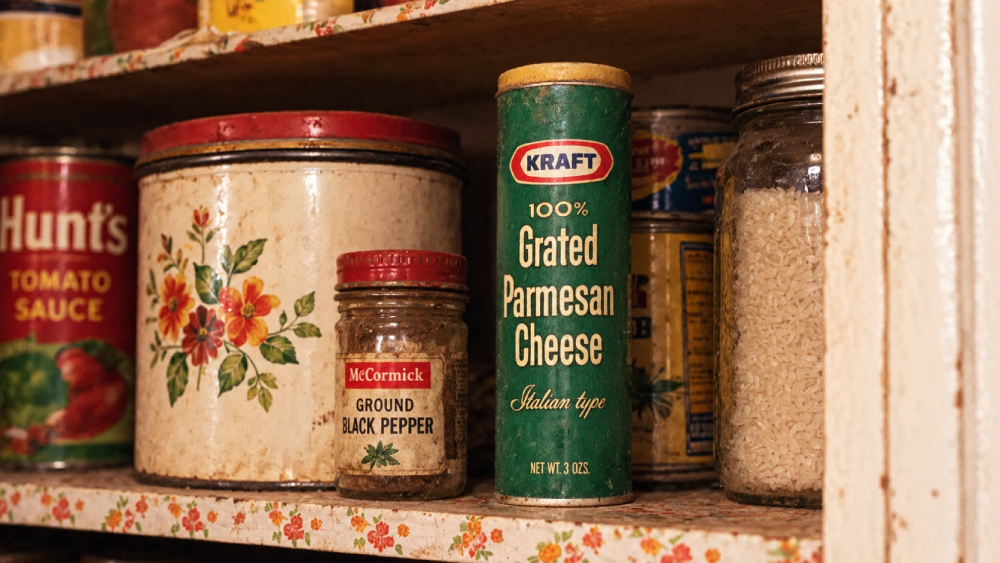
This shelf-stable, shaker-top container held aged dried cheese that was sprinkled generously over weeknight spaghetti and garlic bread. The addition of cellulose powder kept the grated cheese from clumping, allowing it to stay fresh in the cabinet for months without refrigeration.
13. Underwood Deviled Ham
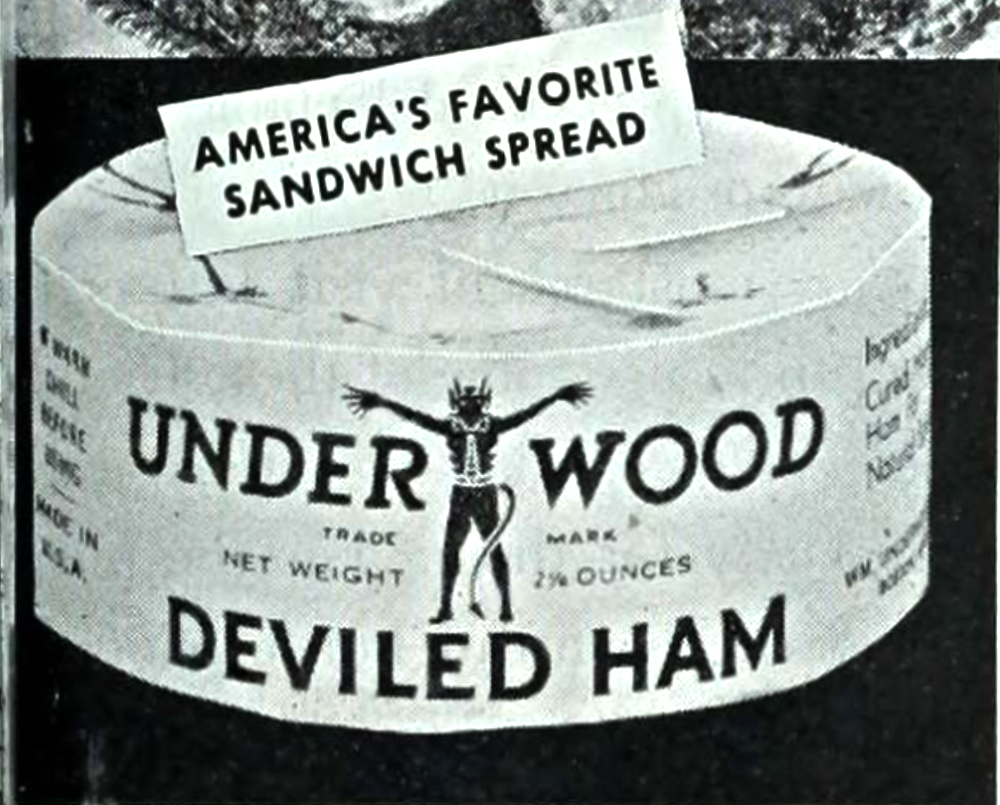
Small paper-wrapped tins of deviled ham featured a distinct red devil logo and contained a spiced meat spread made from ham, mustard, and spices. Grandmothers slathered it onto white bread with mayonnaise to make quick afternoon tea sandwiches for guests.
14. Glass bottles of Karo Syrup
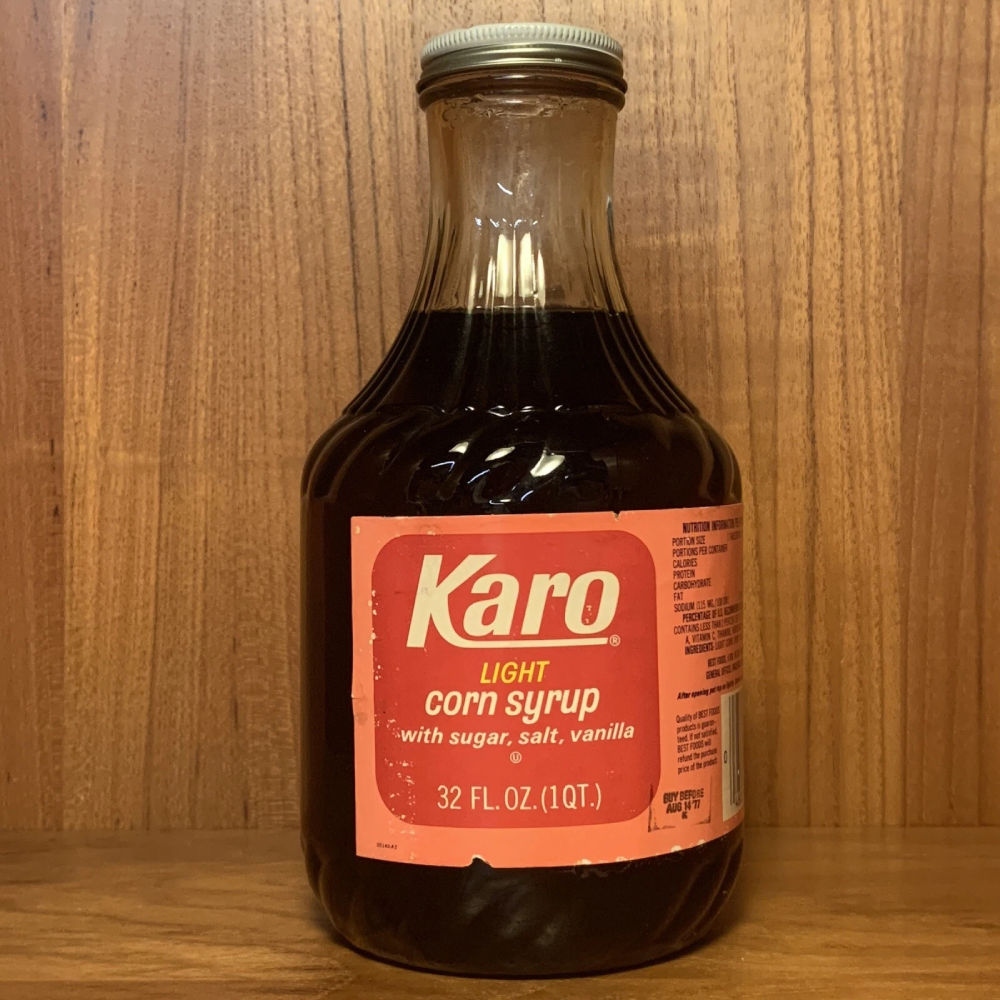
Both light and dark varieties of this thick corn syrup sat near the flour bins for making pecan pies, candy coatings, and sweet pancake toppings. It was an essential ingredient for controlling sugar crystallization in homemade fudges and holiday baked goods.
Check out more fascinating kitchen items from the past:
Taking a stroll down memory lane through these retro cupboards shows just how much home cooking has evolved over the past few decades. While today we lean more toward fresh and organic ingredients, there is no denying the cozy, dependable charm of a kitchen stocked with those classic blue tins and colorful boxes. If you love taking deep dives into retro lifestyle history, classic food trends, and nostalgic photography, be sure to check out these 16 Everyday Items on a 1980s Kitchen Counter or these 16 Old Gadgets Used Before Digital Appliances. You may also like these 14 Forgotten 20th-Century Appliances.