
Before touchscreens, smart sensors, and microprocessors took over our countertops, preparing a family meal was a hands-on, mechanical affair. Cooking required physical effort, clever engineering, and a counter full of heavy metal gear designed to crank, chop, or slice through ingredients. These analog kitchen gadgets might seem like relics from another era today, but they were once groundbreaking tools that transformed how everyday home cooks managed their daily meal prep.
These vintage tools were so fascinating because their construction truly was built to last. Made from cast iron, heavy chrome, and sturdy glass, many of these mechanical gadgets worked reliably for decades without a single circuit board or software update in sight. Looking back at these manual devices offers a fun, nostalgic glimpse into the clever engineering that powered home kitchens throughout the twentieth century. Here are sixteen old kitchen tools that were essential long before the digital age took over.
1. Wall-mounted rotary can openers
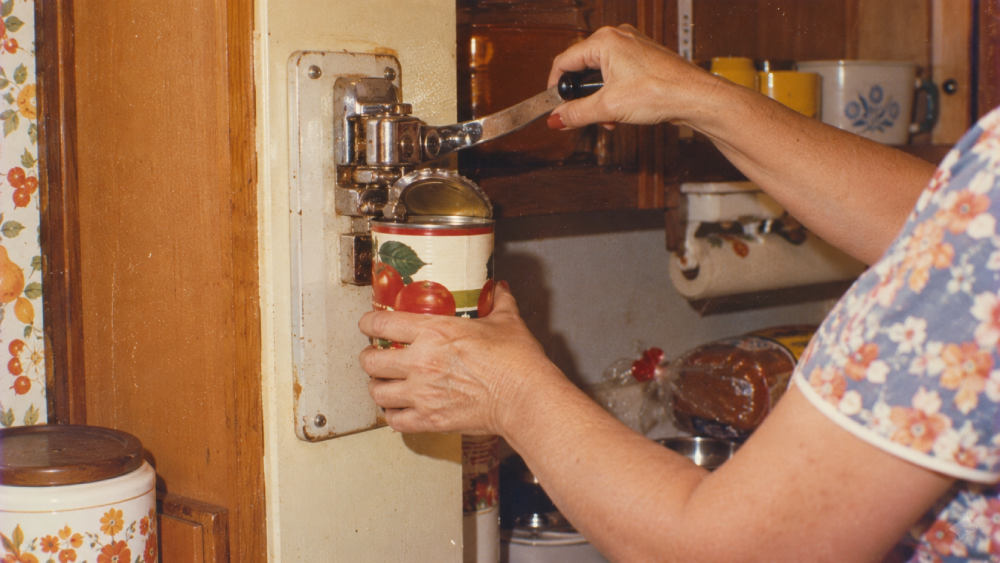
Before automatic electric units plugged into every corner outlet, a sturdy manual can opener like the Swing-A-Way was bolted directly to the kitchen wall frame. Its gear-driven cutting wheel opened metal cans with a smooth turn of the crank, while a built-in magnet held onto the razor-sharp lid so it would not drop into your food.
2. Hand-crank egg beaters
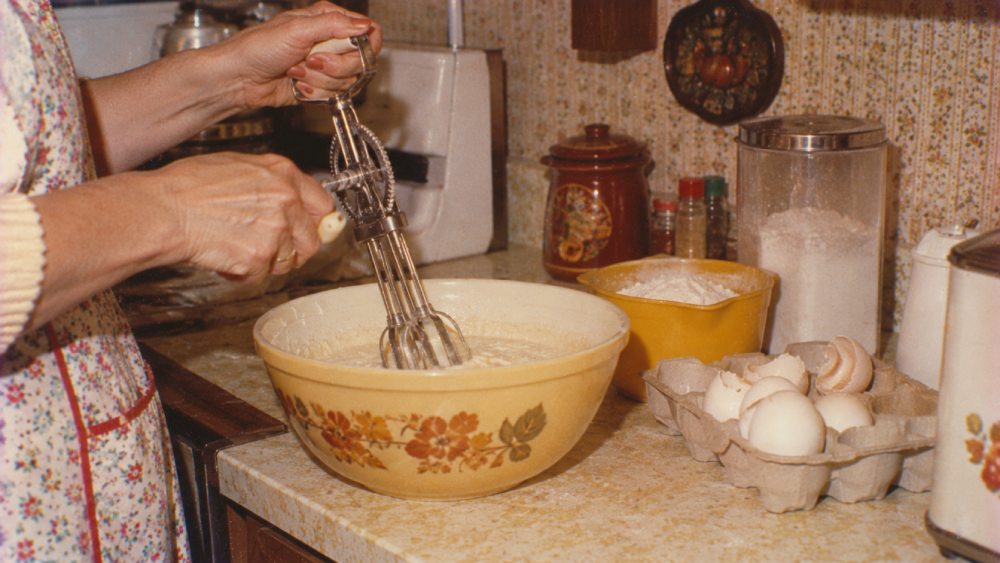
Patented in the late nineteenth century, rotary egg beaters replaced hand whisks and cut whipping times in half for home bakers. The interlocking brass or steel gears spun dual stainless steel beaters rapidly with a simple turn of the side handle, making light work of egg whites and heavy cream.
3. Hand-crack meat grinders
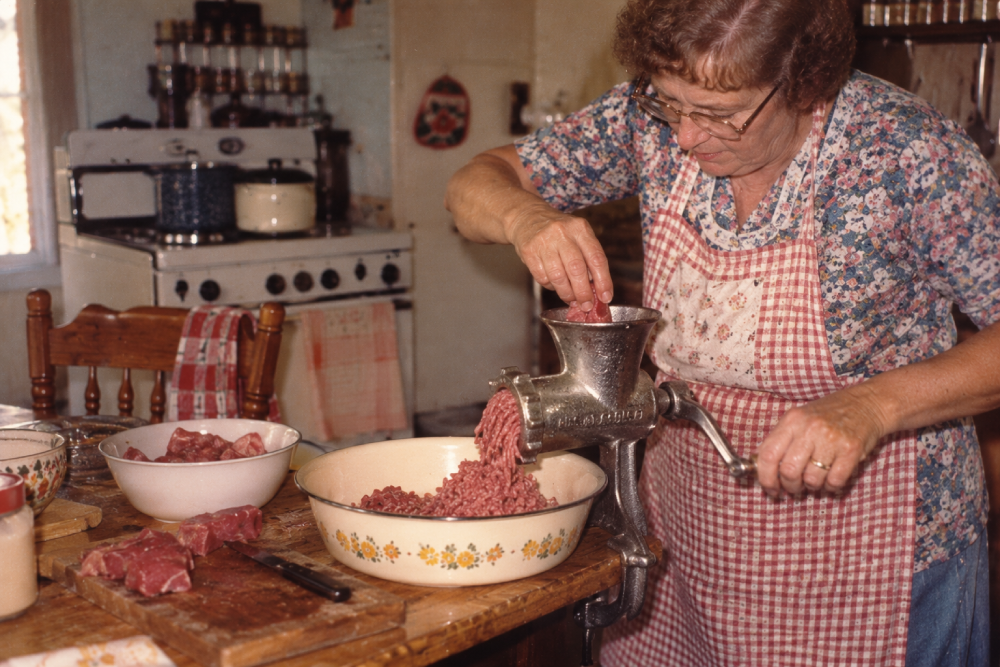
Heavy cast-iron grinders clamped securely to the edge of wooden countertops or kitchen tables to process meat, vegetables, and nuts. Home cooks relied on interchangeable cutting disks to turn leftover Sunday roasts into sandwich spreads or freshly ground beef for weeknight dinners.
4. Hand-crank sifter
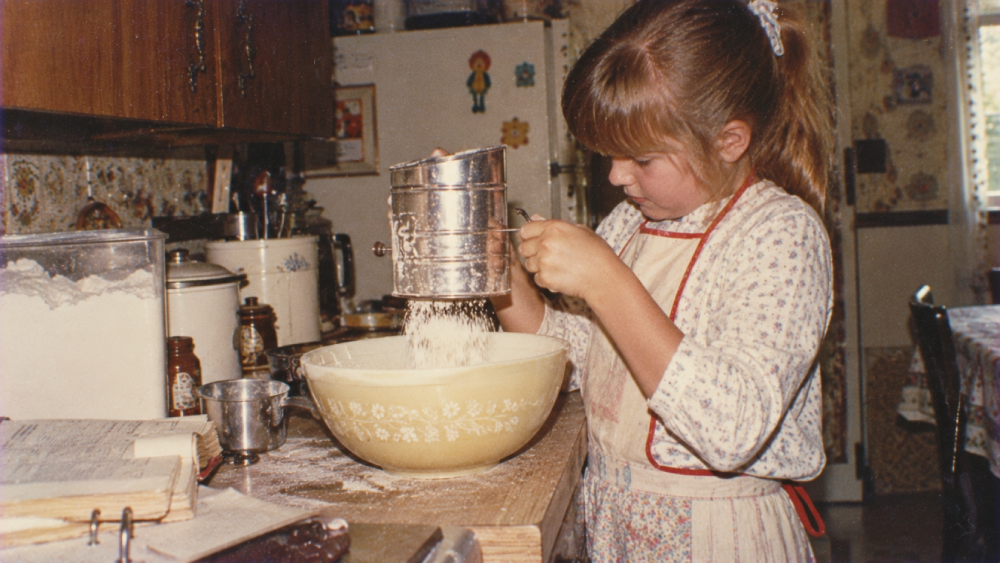
Sifting flour for delicate cakes meant grabbing a tin cylinder fitted with a hand crank that swept wire arms across a fine mesh screen. The repetitive clicking sound of the spring-loaded handle was a signature backdrop of weekend baking marathons.
5. Hand-pump cream whipper

Before aerosol whipped cream cans hit grocery shelves, home bakers poured liquid heavy cream into a tall glass jar equipped with a plunging rod and perforated disk. Rapidly pumping the rod up and down created rich, fluffy whipped cream in under a minute without needing any electricity.
Trending on The Scroller


6. Glass butter churns
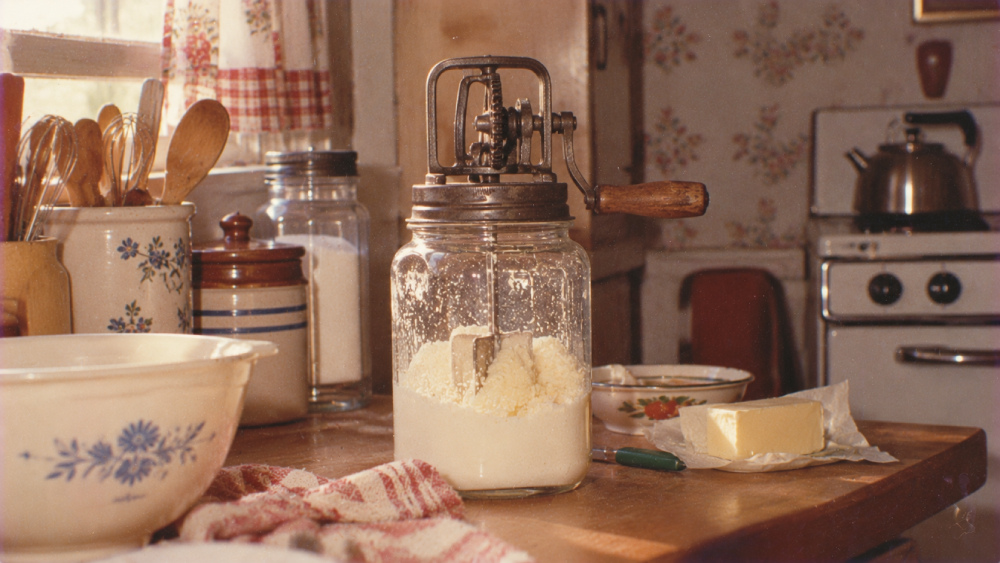
Making fresh butter at home was simplified by small tabletop churns that mounted a gear-driven paddle mechanism directly onto a heavy glass jar. By turning the wooden handle for fifteen minutes, home cooks could watch fresh cream separate into rich butter and liquid buttermilk.
7. Mechanical apple peeler and corer
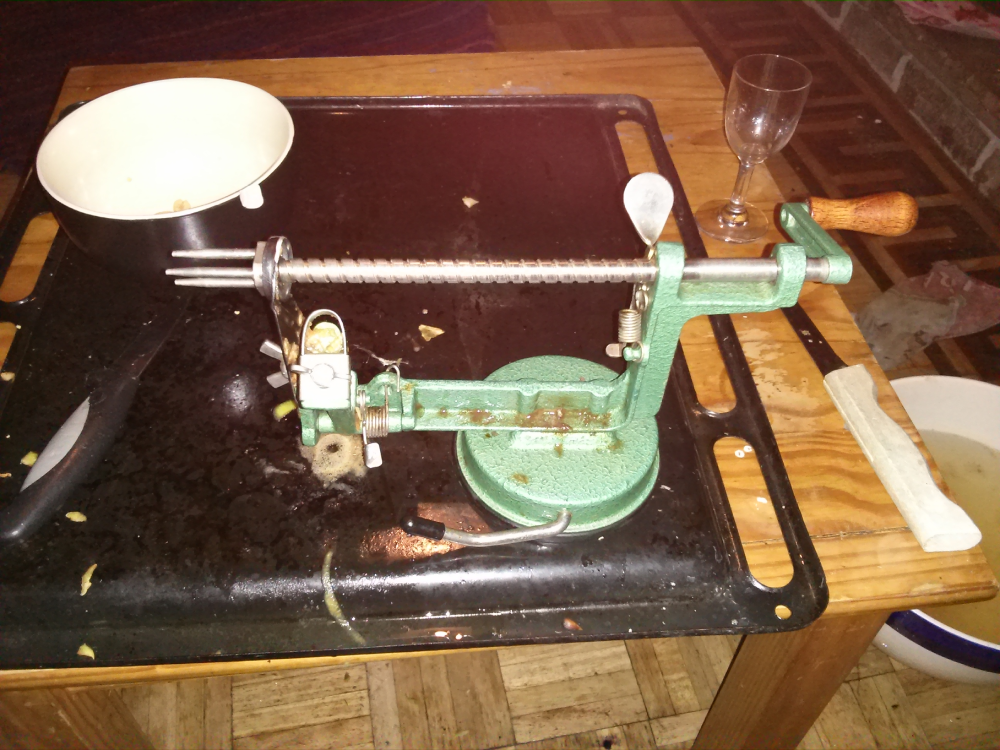
Invented in the nineteenth century, this cast-iron contraption used a hand crank, threaded rod, and spring-loaded blade to peel, core, and slice an apple in one continuous motion. It was an essential seasonal tool that saved hours of tedious labor during autumn pie baking and canning sessions.
8. Rotary nut chopper
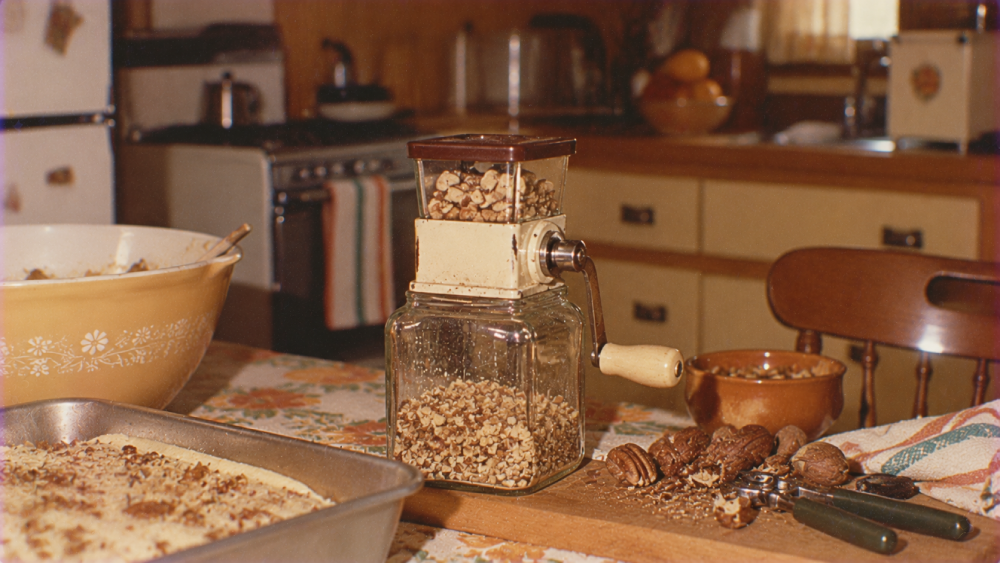
Topping desserts or salads with crushed nuts required a small glass jar fitted with a crank-operated set of metal teeth inside the hopper. Dropping walnuts or pecans into the top and turning the handle produced perfectly uniform chopped nuts caught neatly in the glass base below.
Sign up for our newsletter
9. Mechanical potato ricer
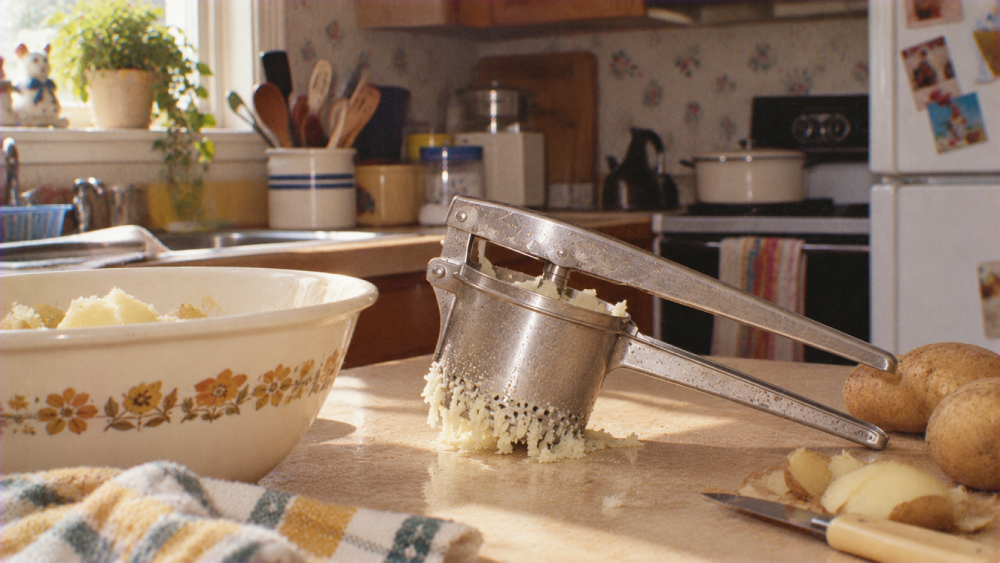
Operating much like a giant garlic press, this heavy steel lever tool forced cooked potatoes through a perforated hopper to break them into tiny rice-sized grains. It remains the secret weapon for achieving fluffy mashed potatoes because it breaks down starches without creating a gummy texture.
10. Hand-operated cherry pitter
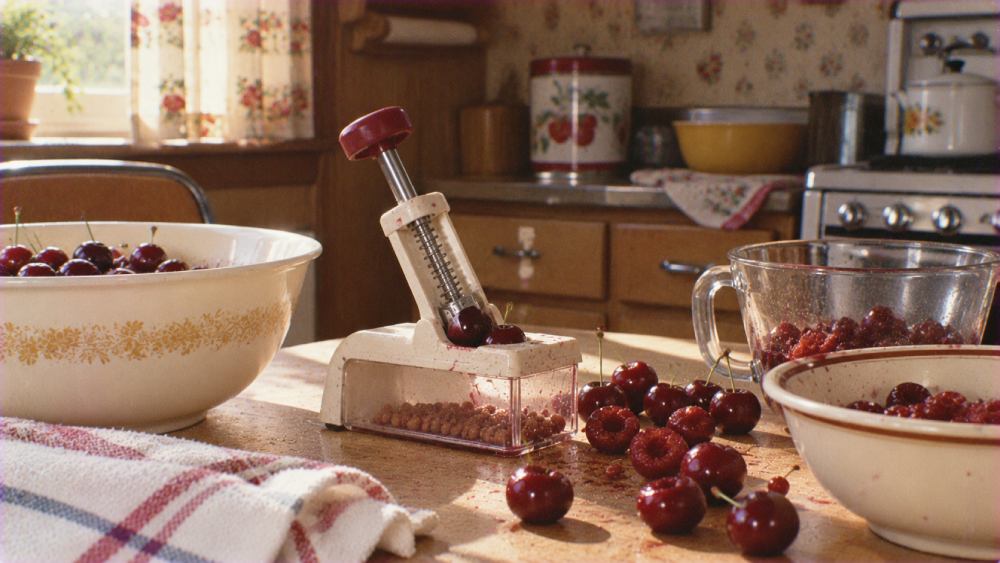
Removing stubborn pits from pounds of fresh summer cherries meant using a spring-loaded plunger tool that punched pits straight through the fruit. The ingenious design kept the cherry whole while dropping the sharp pit into a collecting tray below, saving endless prep time for preserves.
11. Tabletop pea sheller

Processing bushels of fresh garden peas was notoriously slow until hand-cranked rubber rollers offered a clever shortcut. Squeezing a pea pod between the spinning rollers popped the casing open, shooting the firm green peas into a bowl while discarding the empty pod out the back.
12. Dial-face spring kitchen scales

Long before digital displays offered gram-precise measurements, home bakers weighed ingredients on heavy metal scales featuring a large clock-style dial. An internal steel spring lowered the platform as weight was added, giving cooks a quick visual read on pounds and ounces.
13. Cast-iron cornbread molds
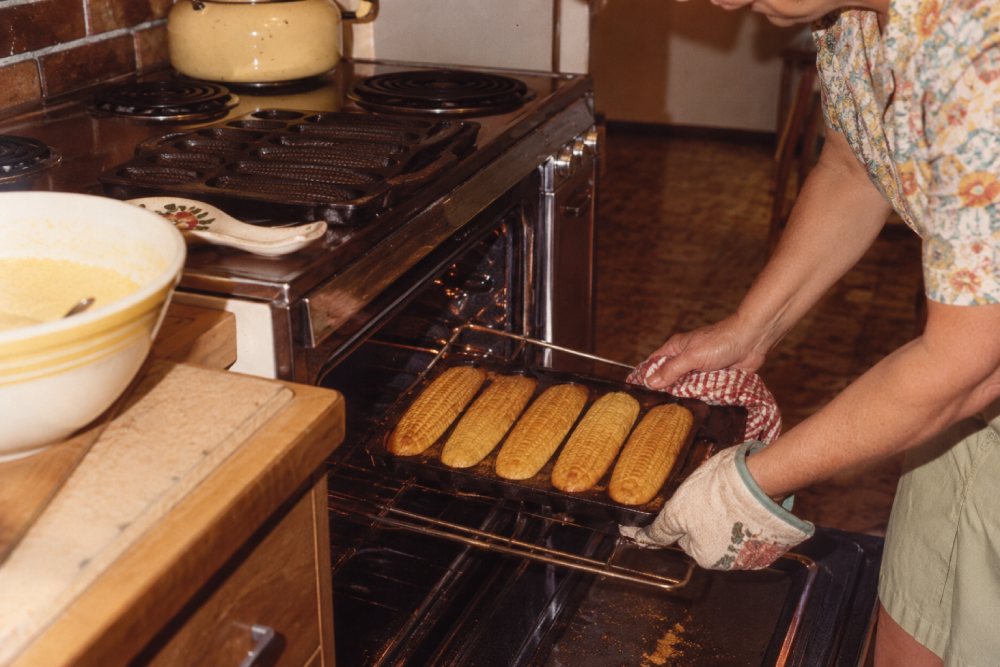
Baking classic corn sticks required heavy cast-iron pans molded into the shape of ears of corn. Heating the pre-greased iron mold in a hot oven before pouring in the batter created a crispy, golden outer crust that thin aluminum baking pans could never replicate.
14. Wire cheese slicers
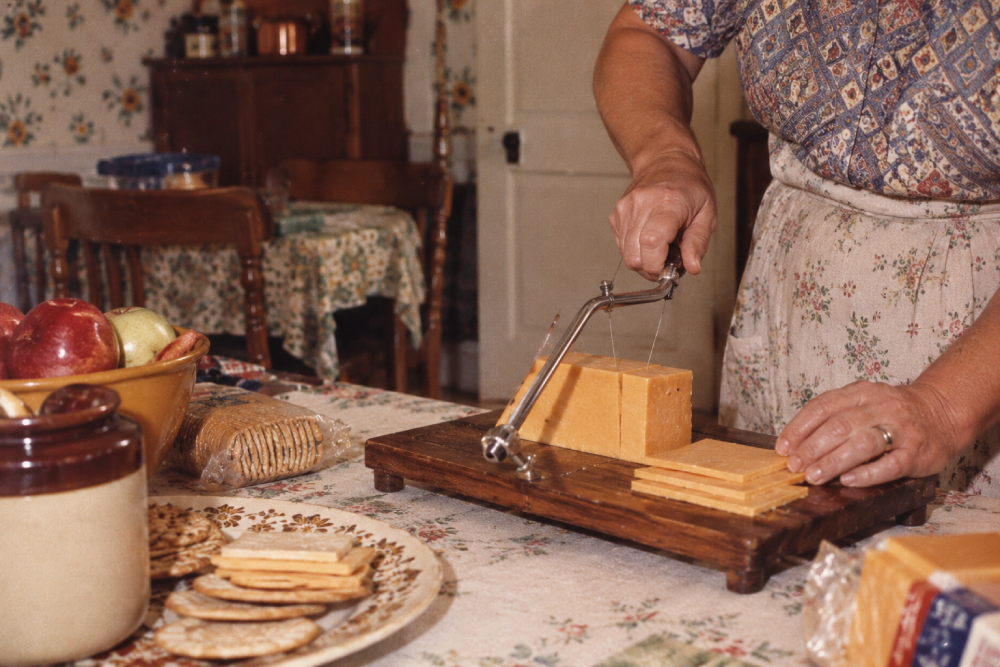
Equipped with a taut stainless steel wire stretched across an adjustable wooden or metal frame, this simple tool sliced uniform blocks of cheddar and Swiss. Adjusting the angle of the wire allowed cooks to choose between paper-thin slices for sandwiches or thick slabs for snacking.
15. Glass citrus reamers

Before electric juicers existed, extracting fresh orange or lemon juice meant pressing fruit halves onto a heavy, ribbed glass dome. Deep grooves funneled the juice into a surrounding reservoir while small glass nubs caught the seeds and pulp before pouring.
16. Mechanical ice crushers
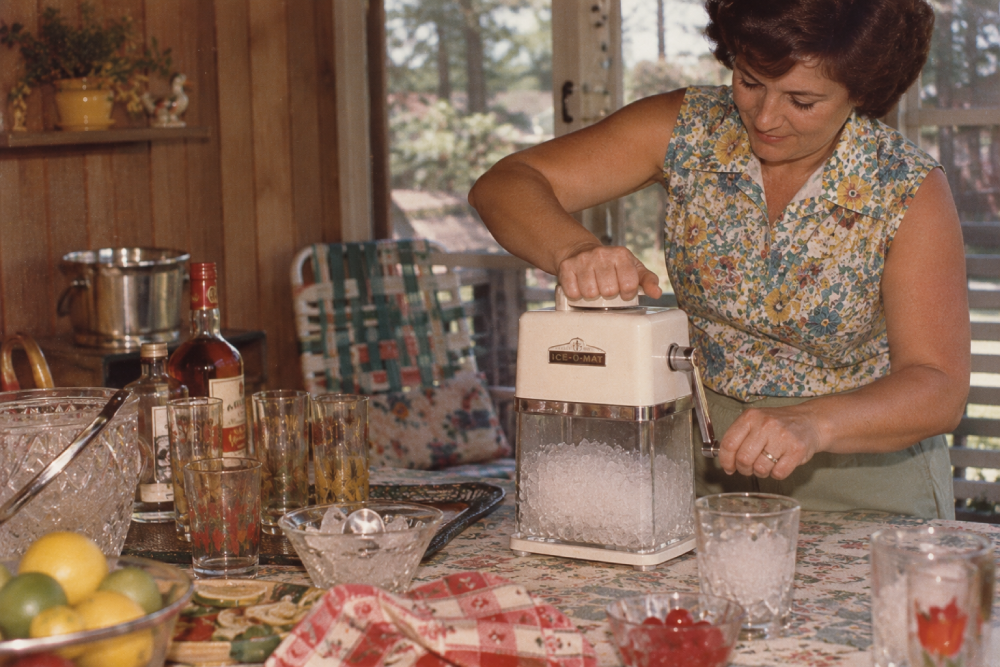
Making crushed ice for summer drinks involved dropping solid ice cubes into a heavy tabletop unit and cranking a set of metal teeth. Models like the Ice-O-Mat turned hard cubes into fine crushed ice instantly, filling a clear bottom container ready for cocktails and sodas.
Check out more fascinating gadgets from the past:
These mechanical marvels show just how resourceful kitchen design used to be before everything plugged into a wall. While modern smart appliances certainly save time, there is a distinct tactile satisfaction in using tools built purely out of metal gears and heavy glass. If you enjoy exploring retro home gadgets, vintage design trends, and nostalgic deep dives into past decades, be sure to check out these 14 Classic Appliances Common Before the 1970s or these 14 Forgotten 20th-Century Appliances. You may also like these18 vintage household items people woudn´t recognize today.