Long before sleek stainless steel surfaces and microchip automation revolutionized modern kitchens, home chores relied on mechanical innovation and heavy metal construction. During the mid-twentieth century, domestic work underwent a massive transformation as electric motor appliances gradually replaced physical manual labor. Owning specialized appliances brought a brand-new level of convenience to everyday cooking, cleaning, and food preservation, shaping the rhythm of suburban family life.
These vintage machines were so remarkable for their bold mid-century industrial design, durable build quality, and distinct physical controls. Chrome accents, retro pastel finishes, and tactile mechanical levers turned daily domestic chores into modern marvels of post-war domestic living. Looking back at these mid-century appliances offers a fascinating perspective on how fast domestic tech evolved before digital controls took over. Here are fourteen household devices that were ubiquitous in homes before the 1970s.
1. Wringer washing machines
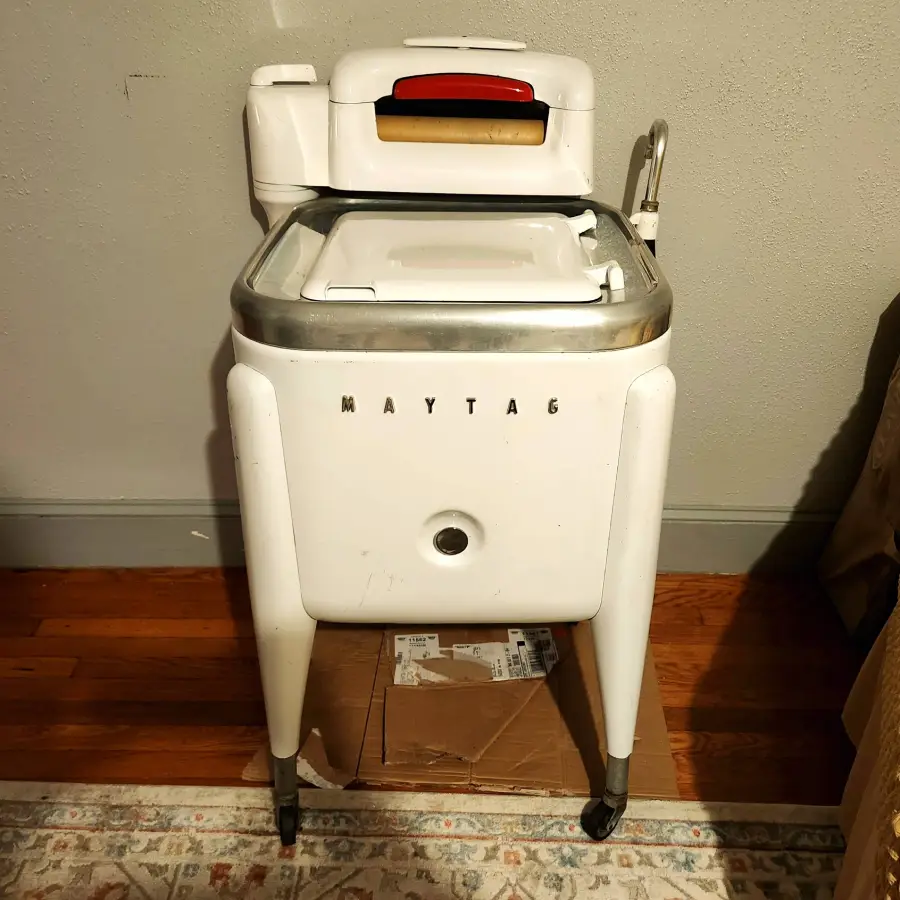
Before fully automated spin cycles dominated laundry rooms, clothes were cleaned using top-loading tubs equipped with hand-fed rubber roller wringers. Users had to manually push wet garments through the rotating rollers to squeeze out excess water, a dangerous process that required constant attention to avoid catching fingers or loose clothing.
2. Manual ice pick handlers and ice boxes
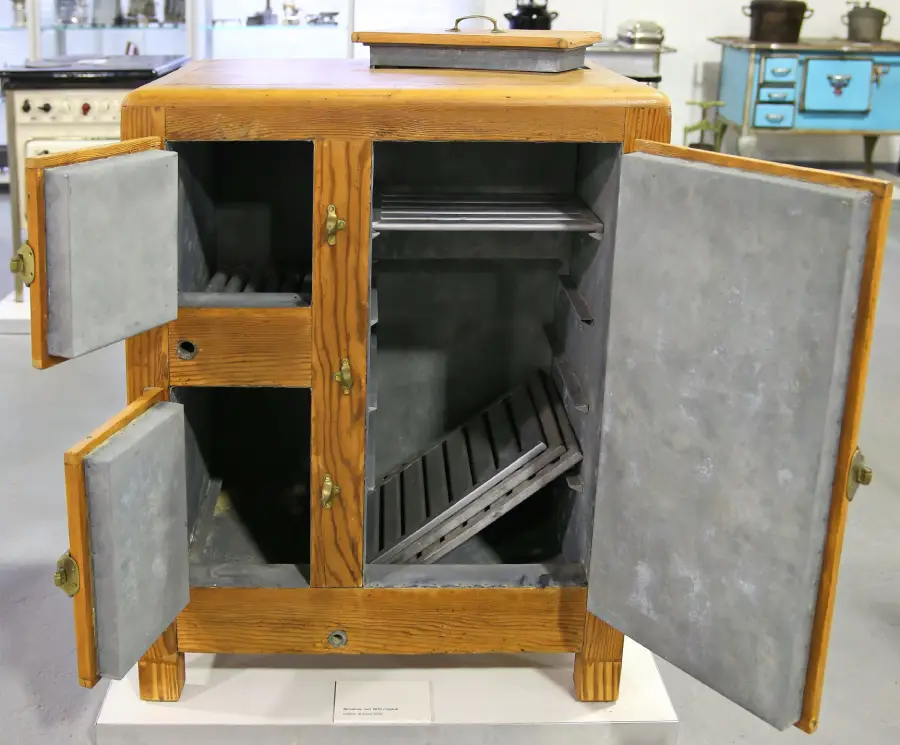
Before the widespread adoption of electric refrigeration, homes relied on insulated wooden or metal ice boxes kept cold by massive blocks of ice delivered by local ice men. Homeowners used heavy steel ice picks and tongs to chop down smaller ice chunks for drinks or daily food preservation.
3. Cast-iron waffle irons
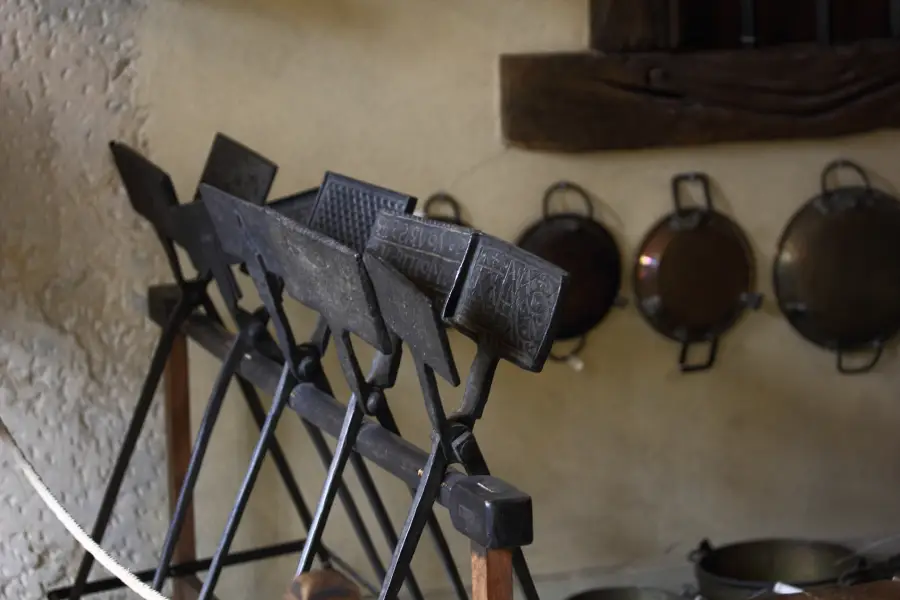
Before electric countertop waffle makers became popular, crispy breakfast waffles were baked using heavy cast-iron molds placed directly over stove burners or hot coals. Cooks had to manually flip the heavy iron mold halfway through baking to ensure heat distributed evenly across both sides.
4. Electric chrome percolators
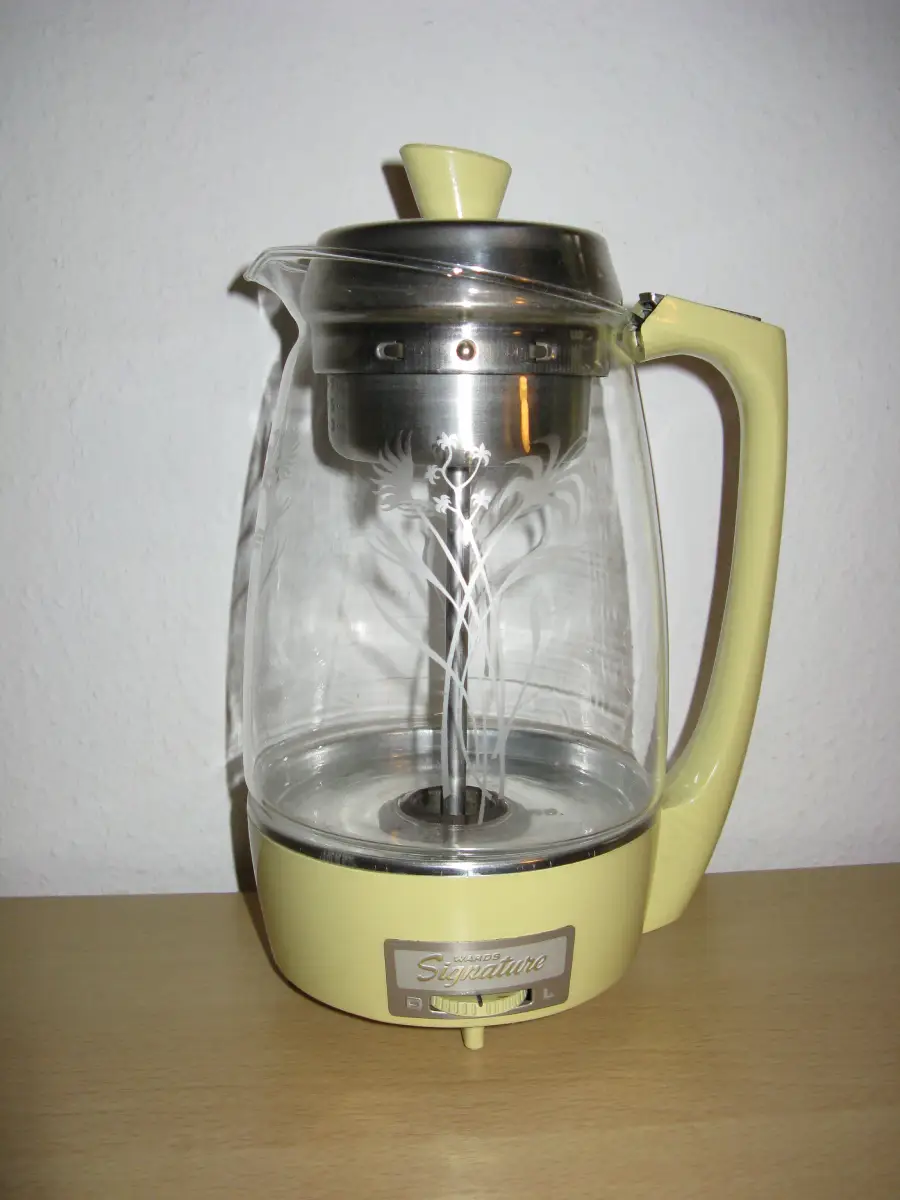
Brewing morning coffee in mid-century kitchens was handled by shiny tabletop percolators that continuously cycled boiling water up through a central tube over coarse grounds. The rhythmic bubbling sound inside the top glass knob signaled that hot, dark coffee was ready to serve.
5. Rotary dial milkshake mixers
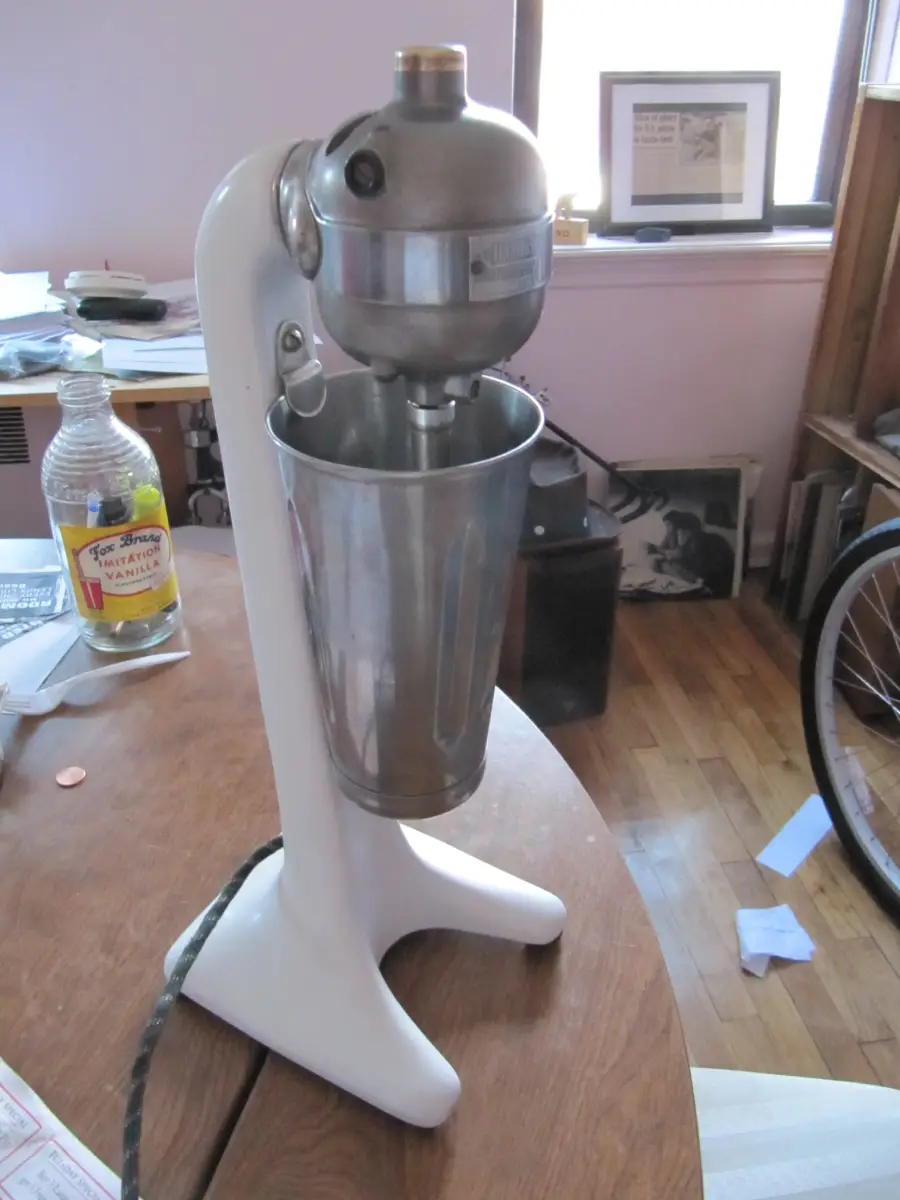
Countertop spindle mixers equipped with heavy metal cups brought commercial soda fountain milkshakes straight into home kitchens. High-torque motors drove aerating blades that rapidly whipped ice cream, milk, and flavored syrups into thick, frothy treats.
Trending on The Scroller

6. Floor buffer polishers
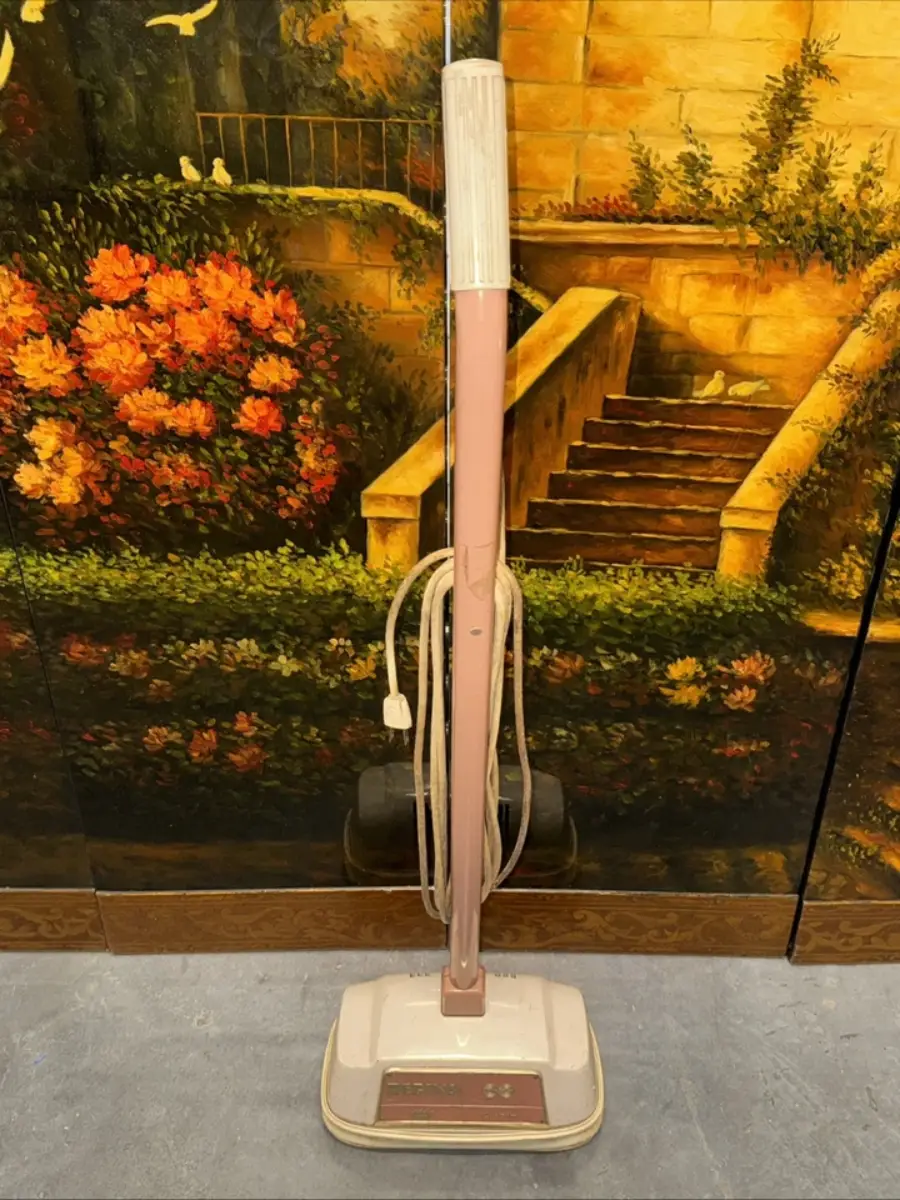
Maintaining gleaming hardwood and linoleum floors required heavy twin-brush electric floor polishers. These noisy metal machines spun stiff bristle pads at high speeds to buff wax into a mirror-like shine across living room and kitchen floors.
7. Kerosene parlor heaters
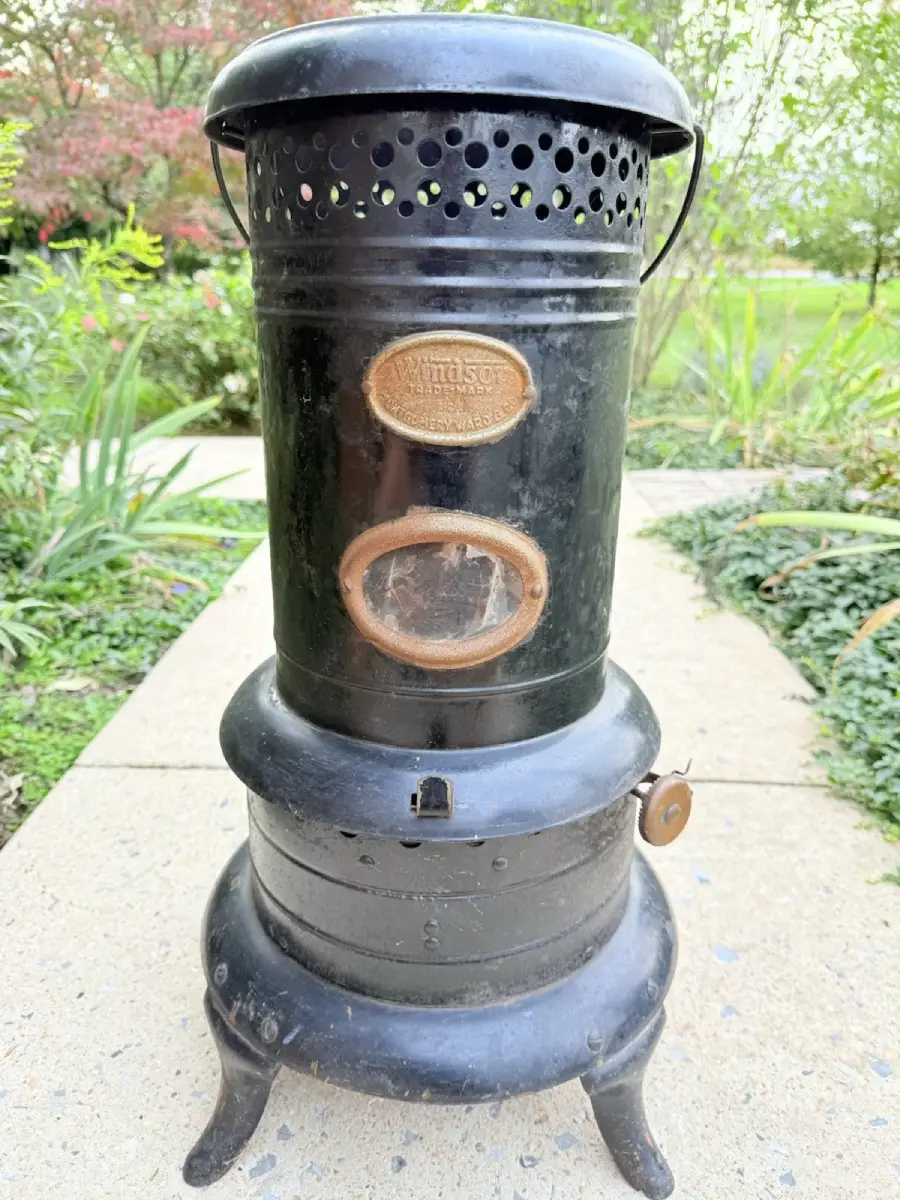
Before central heating systems were installed in every suburban neighborhood, portable kerosene heaters supplied spot warming for bedrooms and drafty living areas. These freestanding metal units featured glass sight ports so homeowners could monitor the flame level while keeping rooms cozy during winter months.
8. Mechanical bread slicing boxes
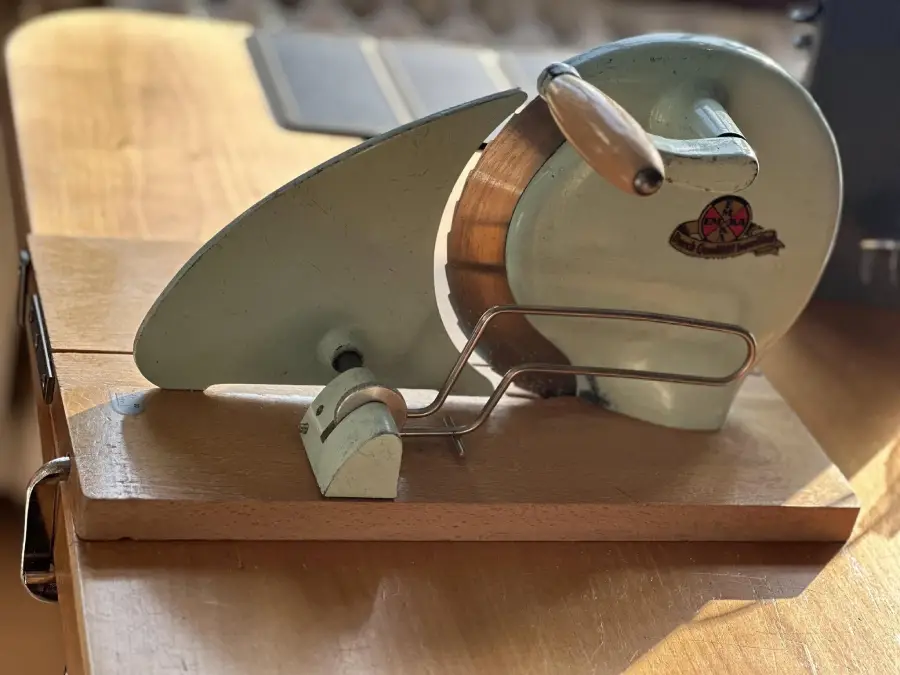
Before pre-sliced commercial bread loaves dominated grocery shelves, home bakers used wooden slicing guides equipped with long serrated blades. These kitchen accessories held fresh homemade loaves firmly in place to help home cooks slice uniform portions without crushing the bread.
Sign up for our newsletter
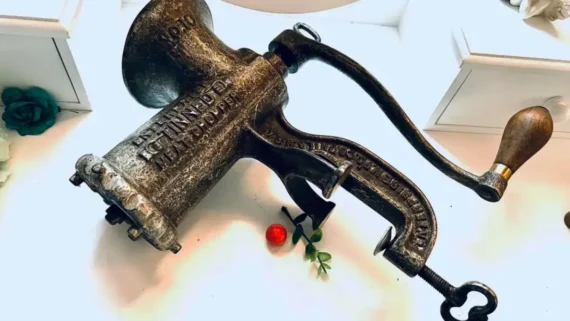
9. Hand-cranked meat grinders
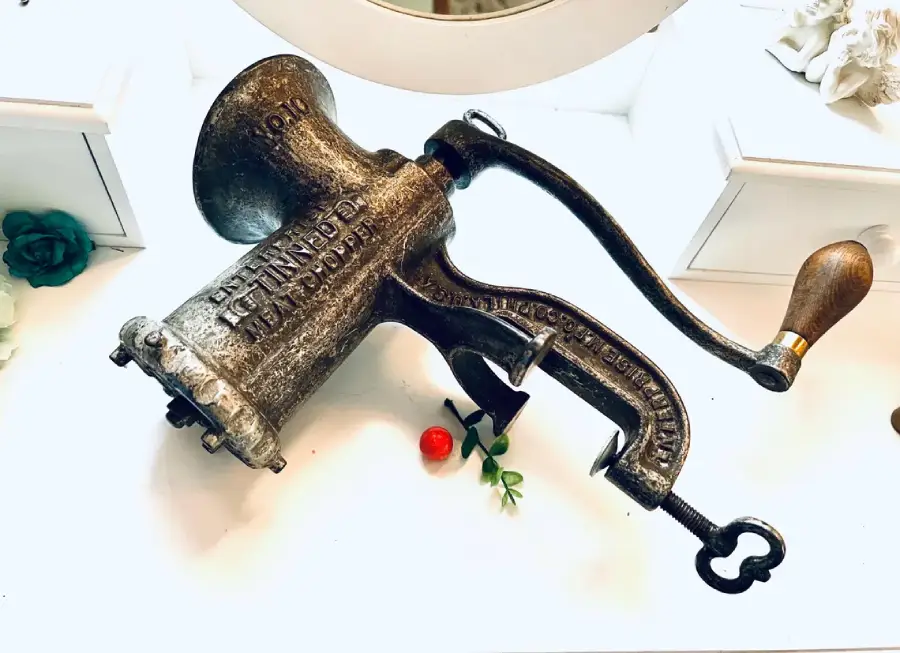
Heavy cast-iron meat grinders clamped securely onto counter edges allowed home cooks to process beef cuts, pork, and leftover roasts into ground meat for dinner recipes. Turning the wooden handle pushed meat through internal rotary blades and perforated hole plates.
10. Pop-up toasters with drop-down sides
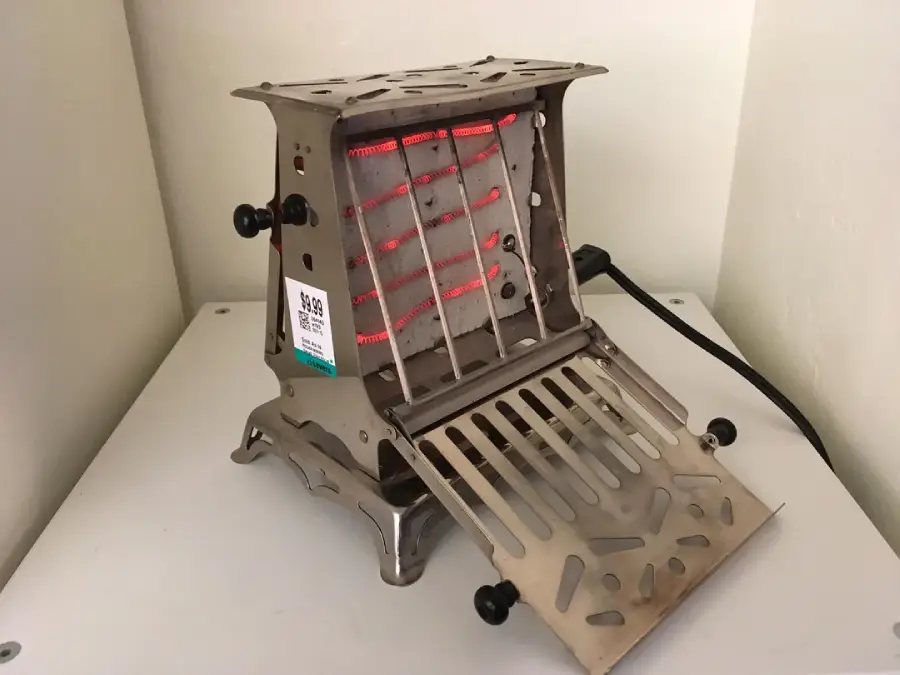
Early electric toast makers featured spring-loaded side doors that flipped downward to insert individual bread slices next to exposed heating wires. Once one side toasted, opening the door flipped the bread around to cook the opposite side without burning fingers.
11. Belt-driven food processors
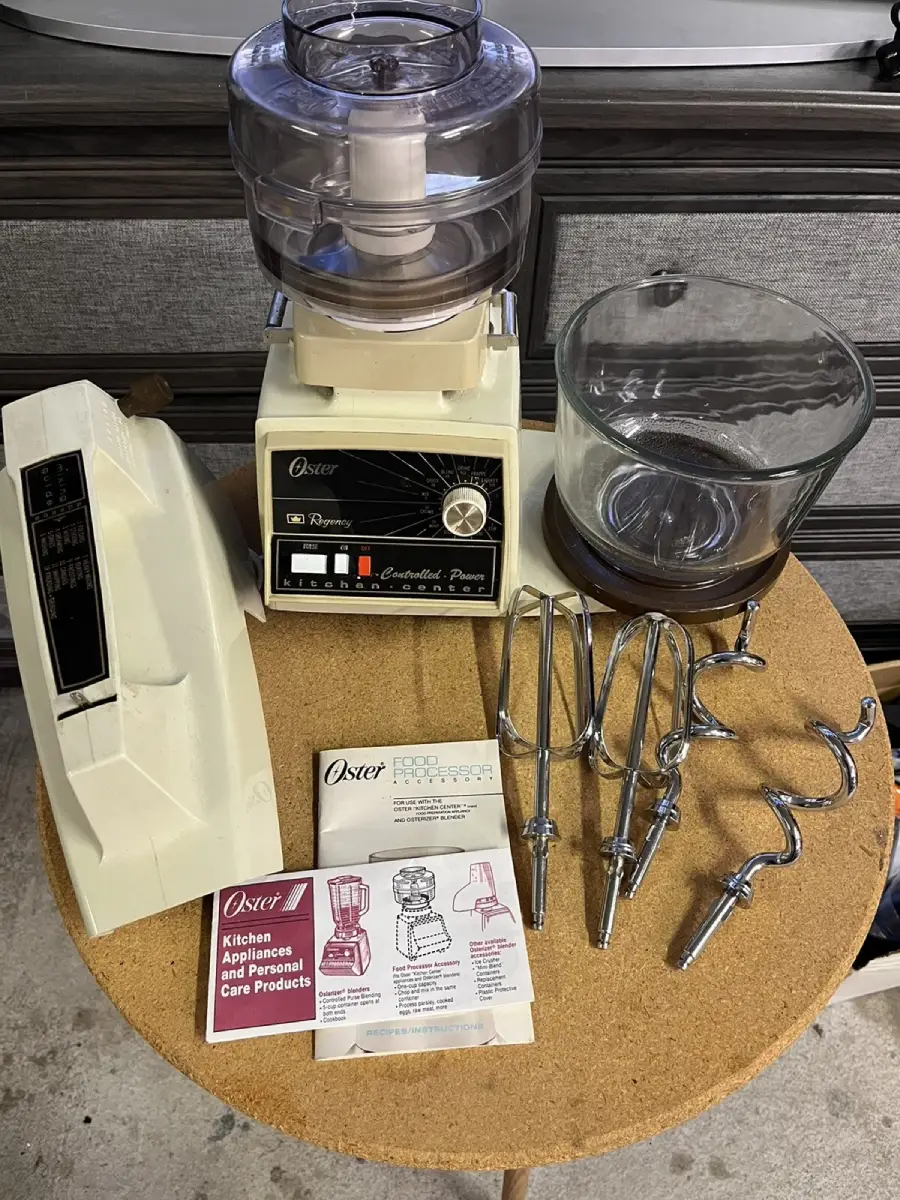
Early food prep stations relied on heavy base units driven by thick internal rubber belts to power various slicer and shredder attachments. These mechanical precursors to modern food processors could slice pounds of vegetables in seconds, though cleaning their complex gear assemblies was a tedious task.
12. Suction-cup wall can openers
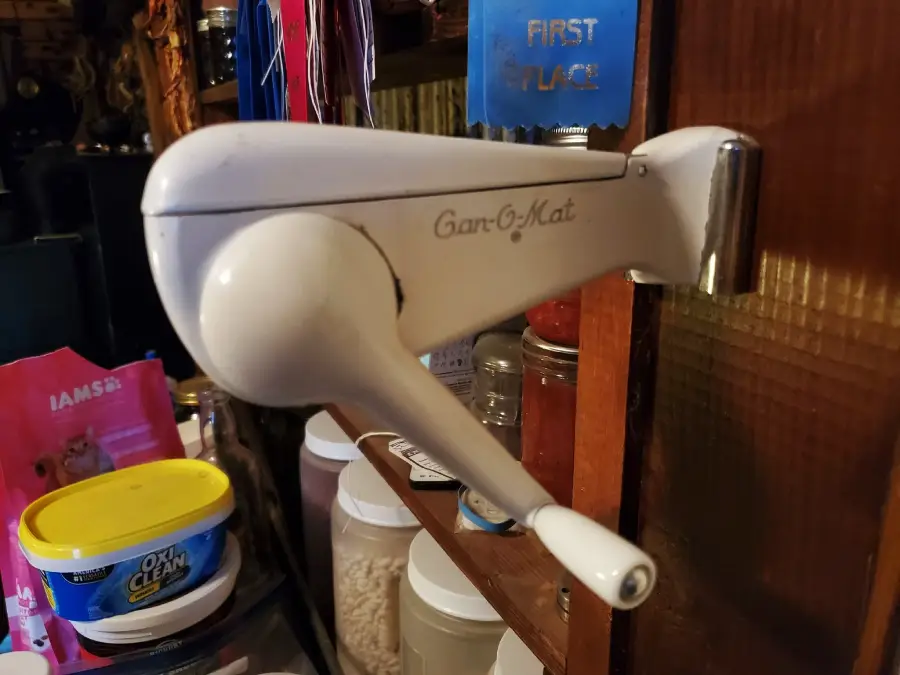
Mounted permanently near kitchen sinks or prep stations, hand-cranked wall openers held cans magnetically while sharp cutting wheels sliced smooth top lids. Pushing a side lever locked the metal rim in place so cooks could operate the crank with one hand.
13. Electric cream separators
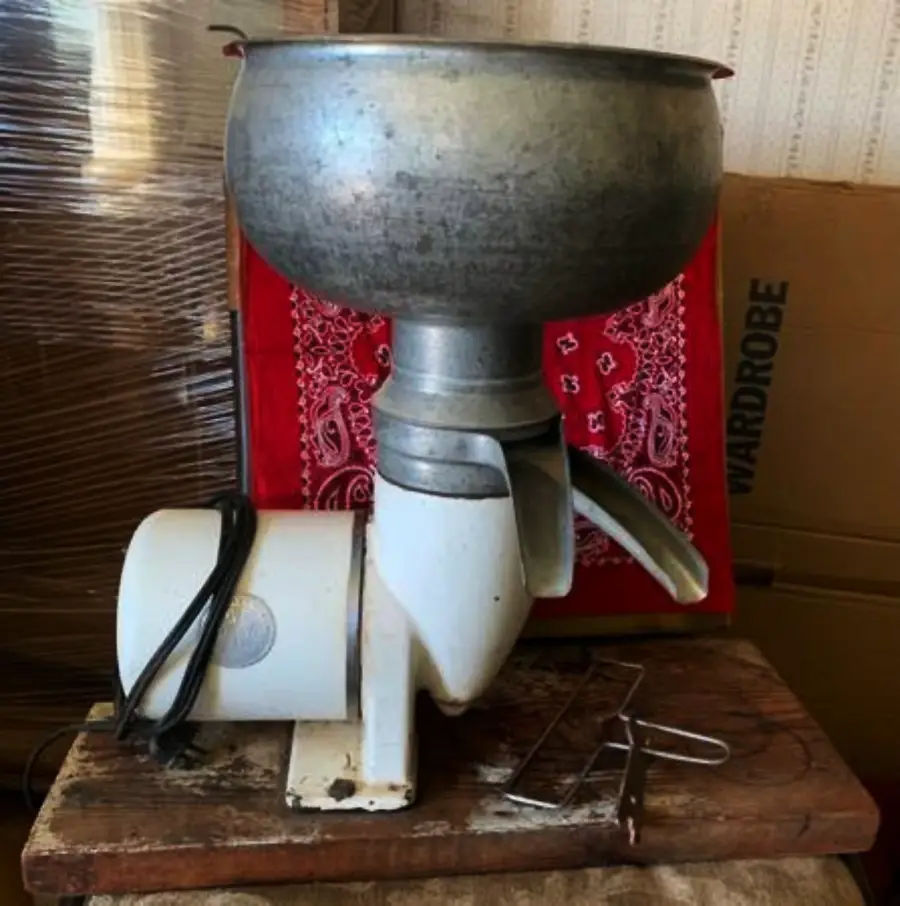
Common in rural and farmstead kitchens, centrifugal cream separators spun fresh milk at high speeds to separate heavy cream from skim milk. The dense cream flowed out of one metal spout while skim milk collected from another, providing fresh ingredients for butter making.
14. Tabletop garment steam pressers
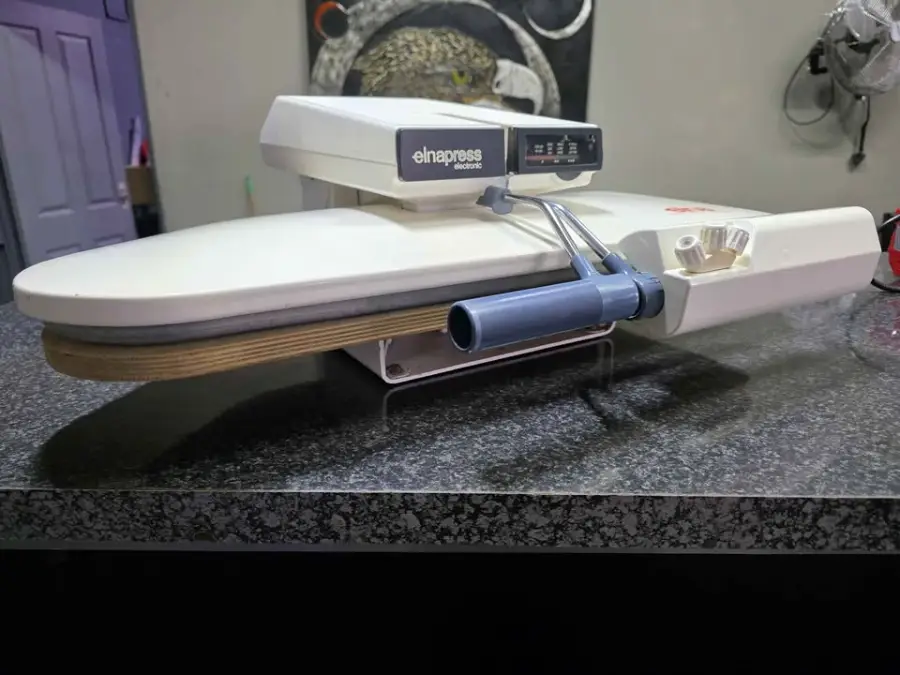
Ironing formal wear and linens required heavy clamshell steam presses that clamped down on garments with significant physical pressure. These table units used fabric-covered padded bases and heated upper metal plates to deliver crisp trouser pleats and smooth shirt collars in seconds.
Discover more interesting items from the past:
Exploring the mechanical design, industrial builds, and everyday utility of these vintage appliances highlights just how dramatically home technology has transformed over the past few decades. The impressive shift from hand-cranked tools and heavy metal units to automated digital systems reflects the continuous push for home convenience. If you love discovering retro technology archives, historical home life, and nostalgic deep dives into past eras, be sure to check out these Retro Home Quirks: 15 Strange Things Found in Old Houses, or these 16 Vintage Tools That Never Wear Out. You may also like these 16 Things Found in a 1990s Family Car.