

Some people seem to have an unfair advantage when it comes to staying organized. They rarely lose their keys, their calendars make sense, and they somehow remember the annoying little things everyone else forgets until the last minute. Most of the time, there is nothing especially mysterious going on. They have just built a handful of habits that keep small problems from turning into bigger ones.
1. They Put Things Back Before Moving On

It sounds almost too basic, but this is probably one of the biggest differences. Organized people are less likely to leave a charger on the couch, a coffee cup on the desk, or paperwork in a random pile and promise themselves they will deal with it later. They deal with it while it is still a ten-second job. That means they spend a lot less time looking for things or cleaning up after yesterday’s version of themselves.
2. Their Important Stuff Has a Usual Spot
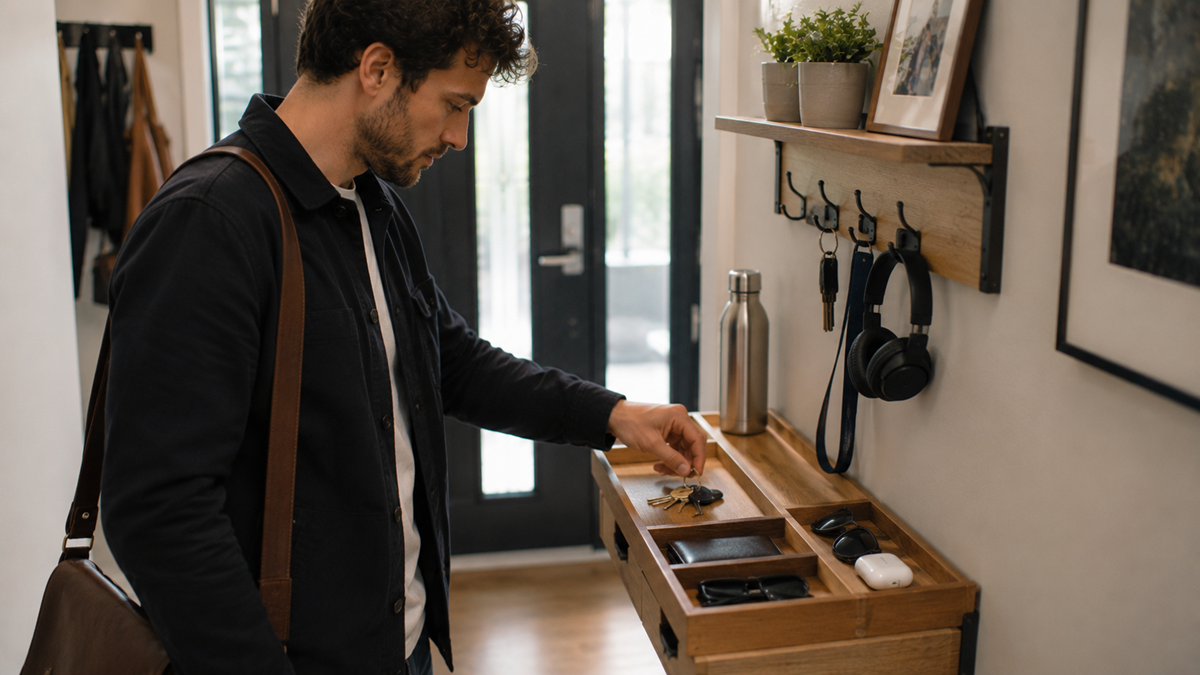
Keys tend to go in one place. The wallet has a spot. So do headphones, glasses, work badges, and the other things that can derail a morning when they disappear. The system does not have to be pretty. It just has to be predictable.
3. They Don’t Trust Themselves to Remember Everything

Many organized people are not walking around with extraordinary memories. They are writing things down. Appointments go into a calendar, groceries go onto a list, and random tasks get captured before they vanish from their brain. Once something is recorded somewhere reliable, they can stop carrying it around in their heads.
4. They Do Tiny Resets During the Day
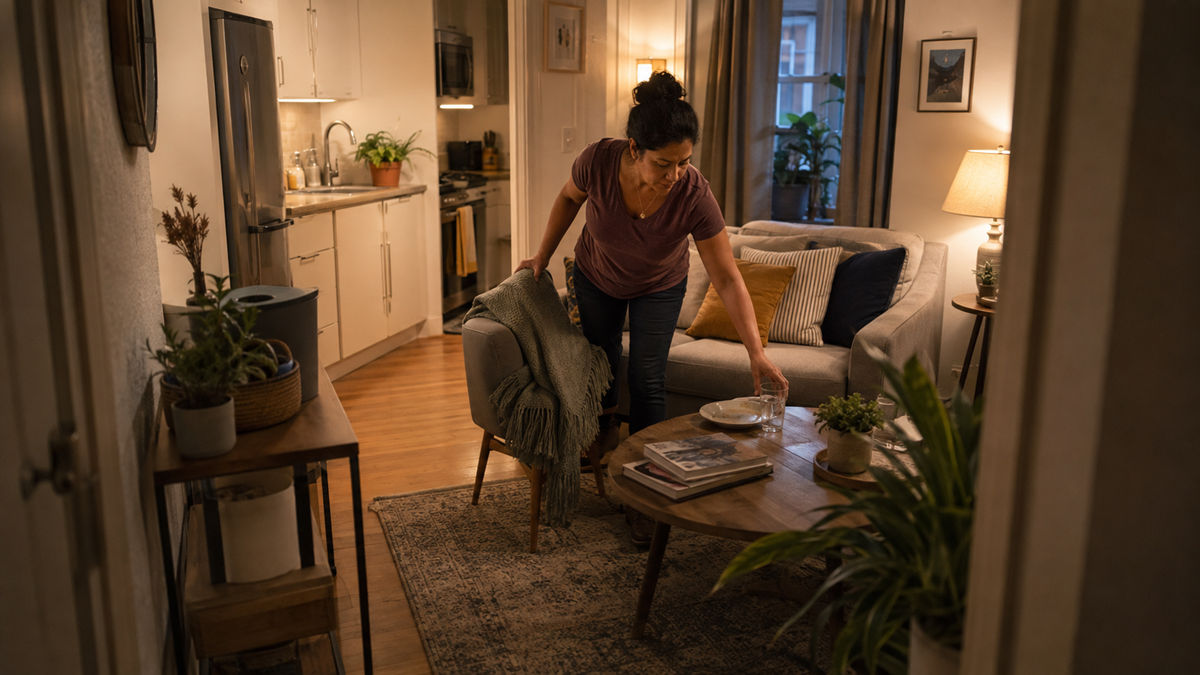
There is a big difference between cleaning for an hour and spending two minutes putting a room back together. A blanket gets folded, the kitchen counter gets cleared, and yesterday’s glass finally makes it to the sink. These little resets barely register while they are happening, but they stop clutter from gaining momentum.
5. They Look at Tomorrow Before Going to Bed

A quick glance at the next day’s schedule can prevent a surprising amount of chaos. Is there an early meeting? Does something need to be packed? Is there an appointment in the middle of the afternoon that changes the rest of the day? Organized people usually know the answers before the morning starts.
Trending on The Scroller


6. They Close Small Decisions Quickly

Not every form of clutter is visible. Sometimes the mess is a bunch of unfinished decisions: return this, book that, answer that message, figure out where something belongs. Organized people tend to clear those small open loops instead of letting them hang around for a week.
7. They Leave Earlier Than They Technically Need To

The person who always seems calm before an appointment may not be better at managing time. They may just refuse to plan every trip down to the final possible minute. Traffic, parking, elevators, slow checkout lines, and random delays happen all the time. Leaving a little room for them makes the whole day less fragile.
8. They Handle Annoying Tasks Before They Become Bigger

A five-minute job has an unpleasant way of turning into a 45-minute problem if it gets ignored long enough. Organized people are often good at catching things early, whether it is filling out a form, making an appointment, returning something, or replacing an empty household item. They are not necessarily more motivated. They just know postponing it usually makes it worse.
Sign up for our newsletter
9. Their Calendars Aren’t Packed to the Edge

A completely full calendar can look impressive and still be a disaster in practice. Organized people often leave space between things because real life needs space. Travel takes time. Meetings run over. Lunch happens. Someone calls. A schedule with a little breathing room usually works better than one built like a game of Tetris.
10. They Clean Up One Thing Before Starting the Next

This is especially noticeable in kitchens, offices, and craft spaces. One task ends, and instead of leaving the remains behind, they put a few things away before starting something else. It prevents that weird end-of-day moment when five different activities are still sitting out at once.
11. They Don’t Keep Everything Within Arm’s Reach
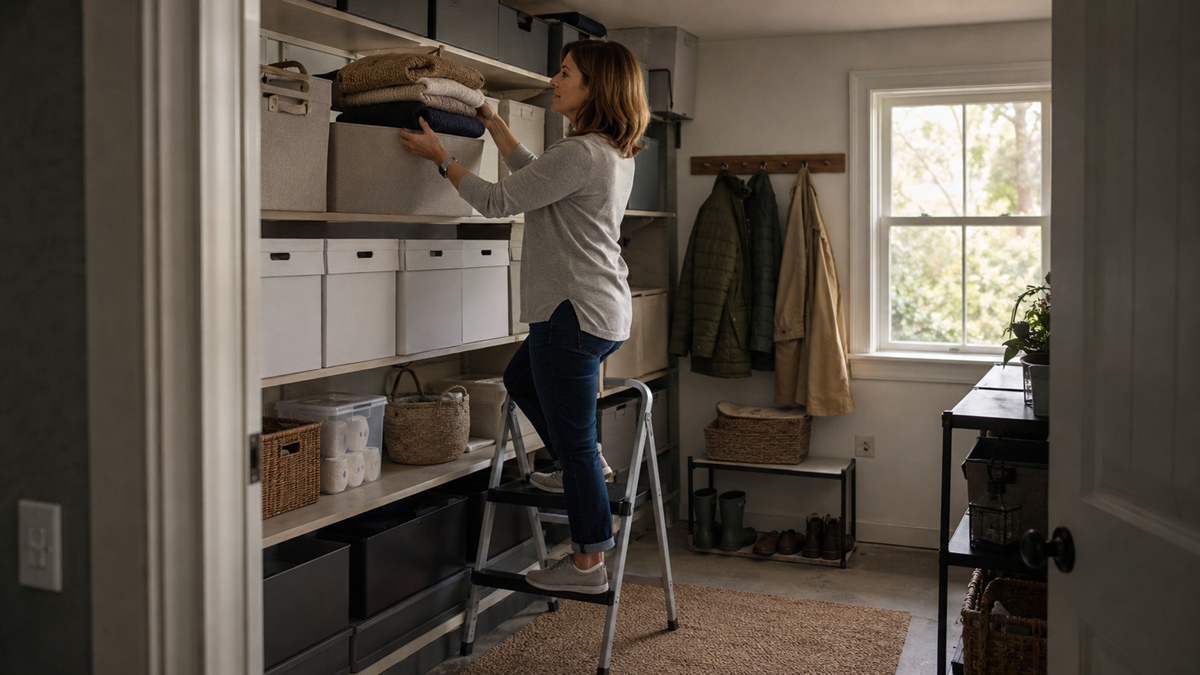
A lot of clutter comes from trying to keep too much stuff in active use. Organized people are often better at putting away what they do not need right now. Winter clothes move out of the main closet. Old paperwork gets archived. Backup supplies do not have to occupy the most convenient shelf in the house.
12. They Set Up the Morning the Night Before
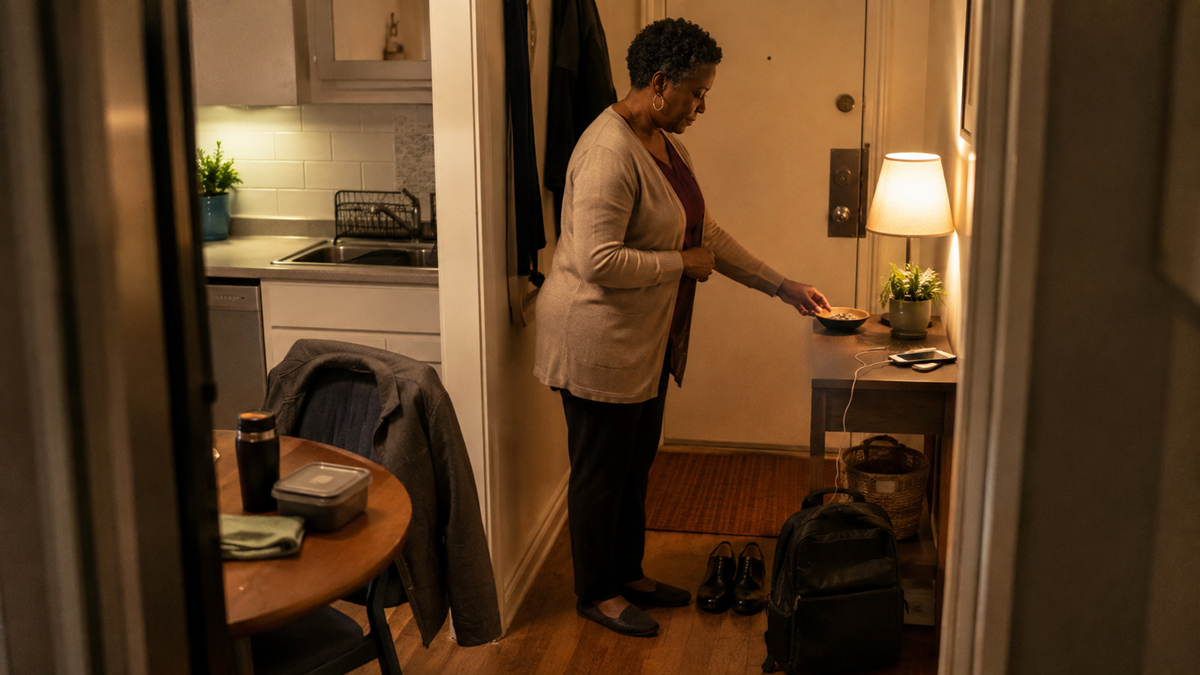
Sometimes it is just a bag near the door and a phone plugged in. Sometimes it is clothes laid out, lunch packed, and coffee ready to go. None of it looks like much. That is the point.
13. Their Systems Are Usually Boring

The internet is full of complicated productivity setups, color systems, clever apps, and beautifully labeled storage bins. Organized people often end up using much simpler methods. A calendar they actually check beats an elaborate planner they abandon after three weeks. A plain basket can work better than a complicated storage system nobody wants to maintain.
14. They Get Rid of Things Regularly

At some point, organization becomes impossible if nothing ever leaves. Drawers fill up, closets get jammed, inboxes become useless, and every shelf turns into overflow. Organized people tend to clear things out before it reaches that stage. Not in one huge dramatic purge, just little by little.
15. They Group Similar Tasks Together

Running three errands in one trip is easier than making three separate trips. The same idea works for messages, bills, meal prep, household chores, and other repetitive jobs. Doing similar things together cuts down on the stop-start feeling that can make a basic to-do list seem exhausting.
16. They Leave Themselves Obvious Clues
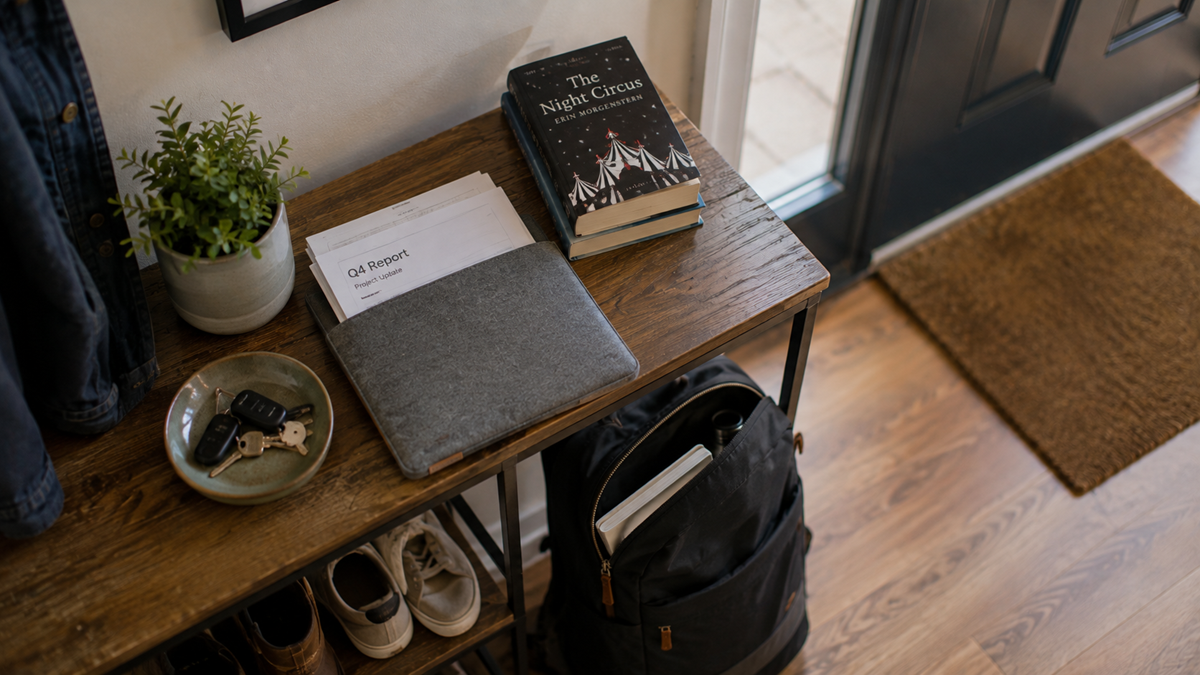
A library book that needs returning might sit beside the front door. A document for work might go straight into the work bag instead of staying on the table. Organized people often arrange things so the environment does some of the remembering for them.
17. They Fix the Mess Before It Becomes a Crisis
Organized people still have chaotic weeks. Their inbox gets messy, laundry piles up, and the desk starts collecting random objects like everyone else’s. The difference is that they tend to notice sooner. A quick reset on Wednesday is easier than trying to rescue the whole situation on Sunday night.
In the mood for more?
Check out 13 Things Professional Organizers Always Do First When Decluttering a Home, or take a look at 16 Perfectly Organized Spaces That Are Strangely Satisfying. If you want to see more lifestyle habits, you can check out 16 Habits That Become More Important With Age.
Images generated by AI