Decluttering looks simple from the outside, until someone opens a packed closet and realizes every shelf has its own backstory. Professional organizers know that the first moves matter, because they set the tone for everything that follows. Before the pretty bins, labels, and before-and-after photos, there is usually a quiet round of looking, sorting, and making the space less overwhelming. These are the things pros tend to do first, and they are often much less glamorous than people expect.
1. They Look at the Space Before Touching Anything
Professional organizers rarely walk in and start tossing things into bags. First, they scan the room like a set designer looking at a stage, noticing where piles naturally form, which surfaces are doing too much work, and what areas people seem to avoid. That first look tells them more than a drawer-by-drawer tour ever could. A cluttered kitchen counter might point to a missing mail station, while an overflowing chair in the bedroom might simply mean the closet is too hard to use.
2. They Ask What the Room Is Supposed to Do
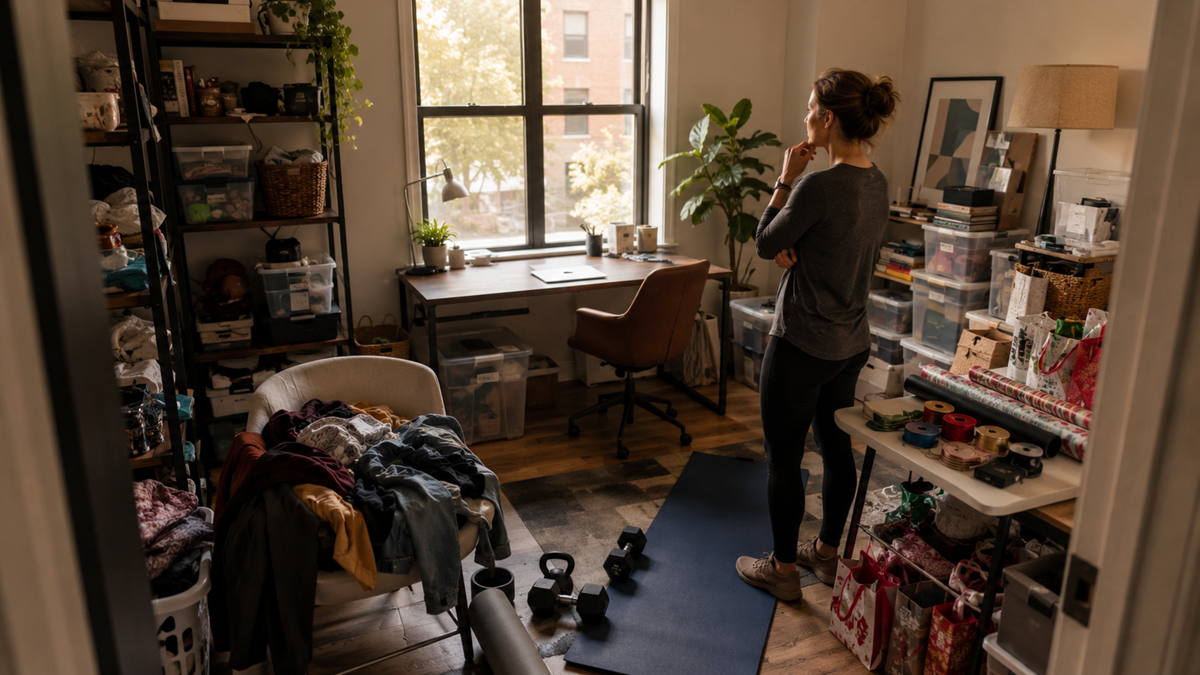
One of the first questions is not “What should we throw away?” It is “What is this space for?” A spare room can quietly become a home office, gym, gift wrap station, storage unit, and laundry overflow zone all at once. Professional organizers try to narrow that down early, because a room without a clear job will collect almost anything.
3. They Start With the Easiest Wins
Tiny victories matter more than people think. Organizers often begin with obvious trash, empty packaging, expired products, duplicate bags, or items that clearly belong somewhere else. It is not the deepest emotional work, but it changes the room fast. Once the floor is visible or a counter appears again, the whole project feels less impossible.
4. They Create a Temporary Sorting Zone
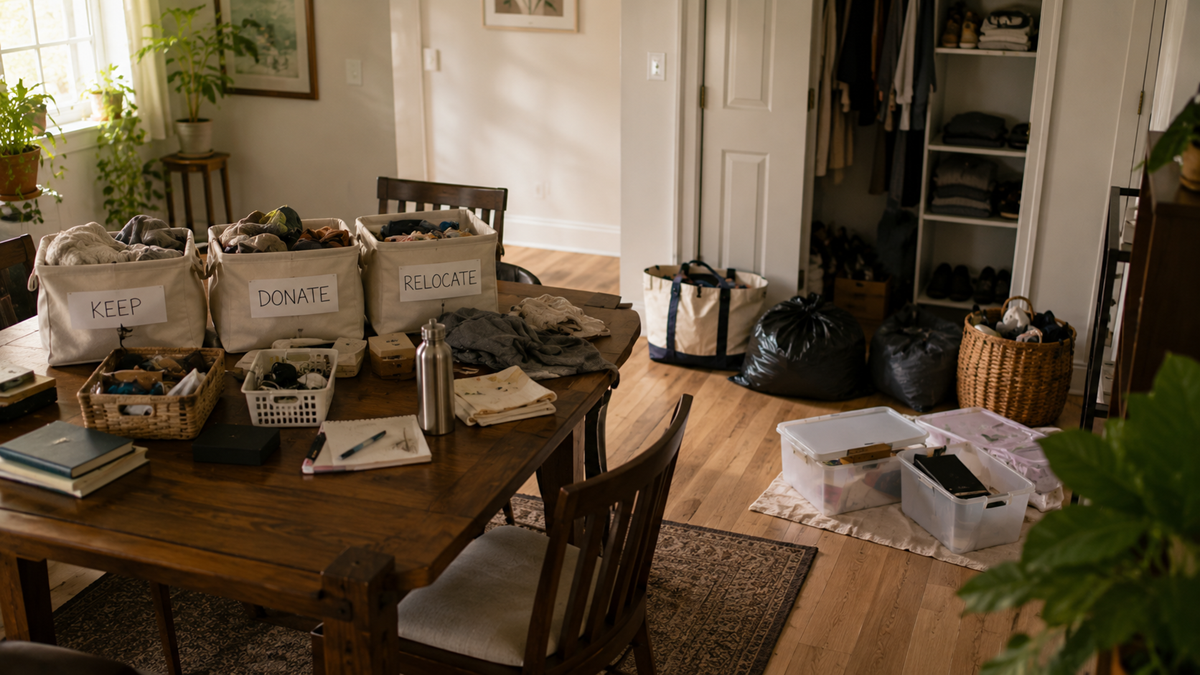
Before a closet gets emptied or a pantry gets rearranged, pros usually set up a landing area. It might be a dining table, a clean patch of floor, or even a few labeled bags by the door. The point is to stop clutter from spreading into five new places while the organizing is happening. Without a sorting zone, decluttering can turn into a strange indoor migration of stuff.
5. They Pull Similar Items Together
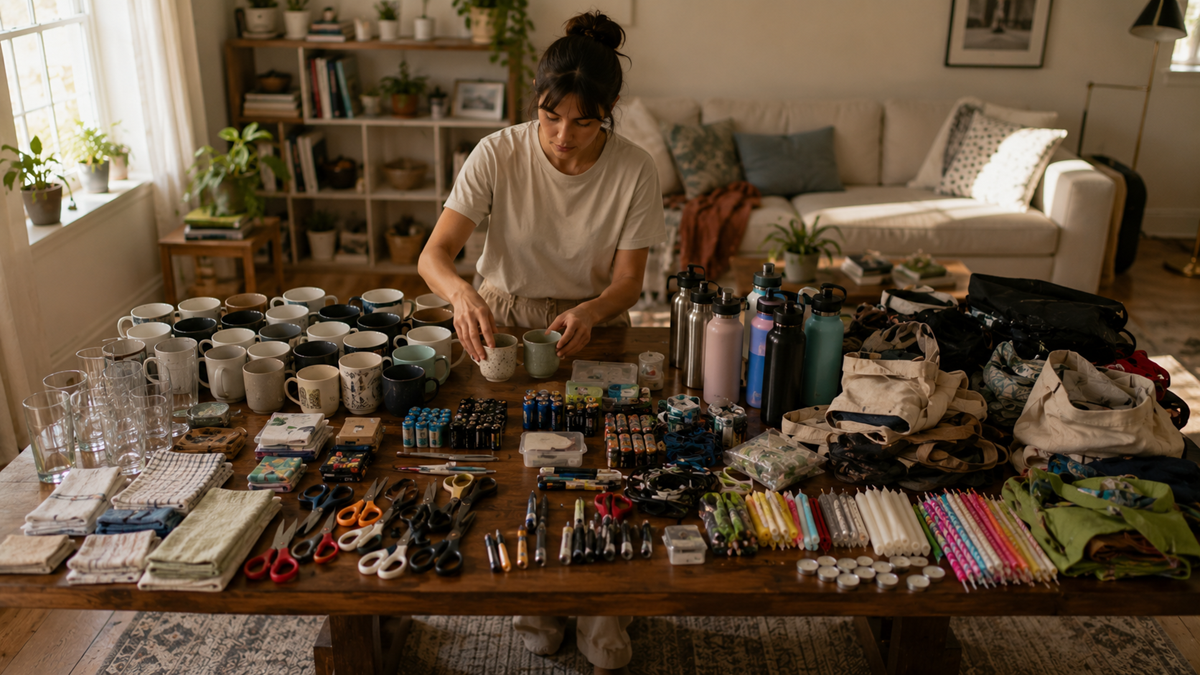
Most homes hide duplicates in plain sight. Batteries in three drawers, scissors in every room, birthday candles in a cabinet nobody opens, and reusable bags multiplying like a small fabric colony. Professional organizers bring like items together early, because it is much easier to make decisions when the full picture is sitting in front of you. Nobody needs to guess whether they own enough mugs when all 37 are on the table.
Trending on The Scroller


6. They Separate Decisions From Storage
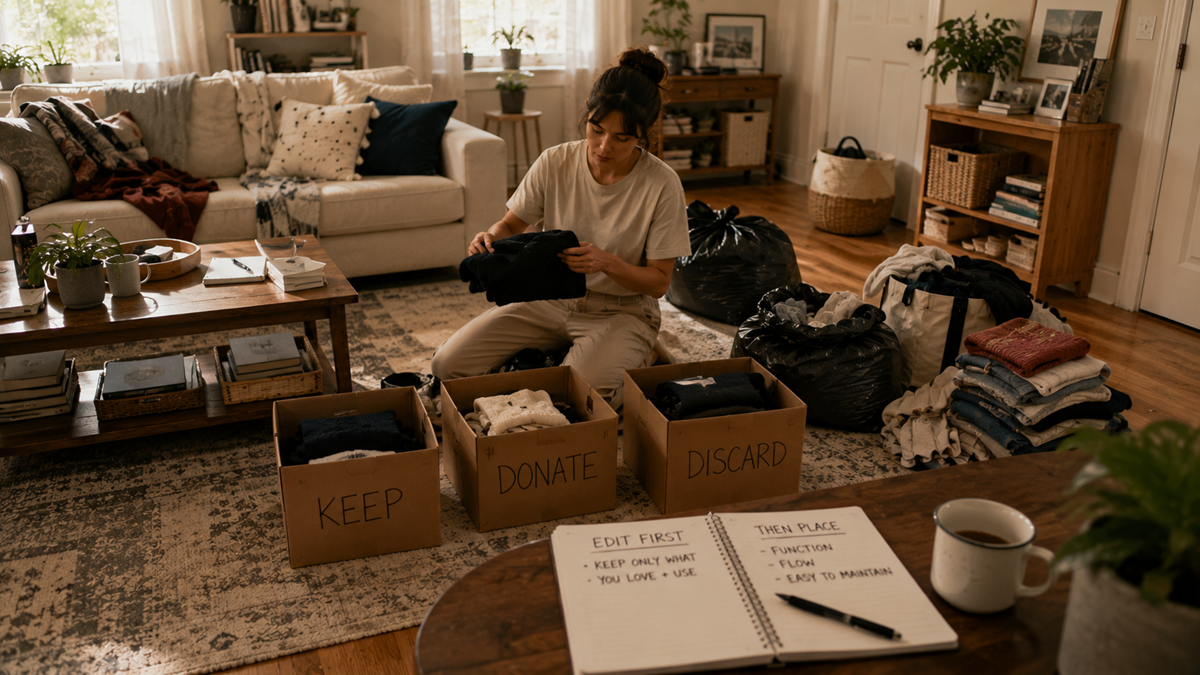
A common mistake is trying to decide what to keep while also deciding where everything should live. Organizers tend to split those steps. First comes the editing, then the placement. It keeps the process cleaner, because storage solutions should serve what remains, not what happened to be crammed into the cabinet before the decluttering started.
7. They Watch for the Items People Keep Avoiding
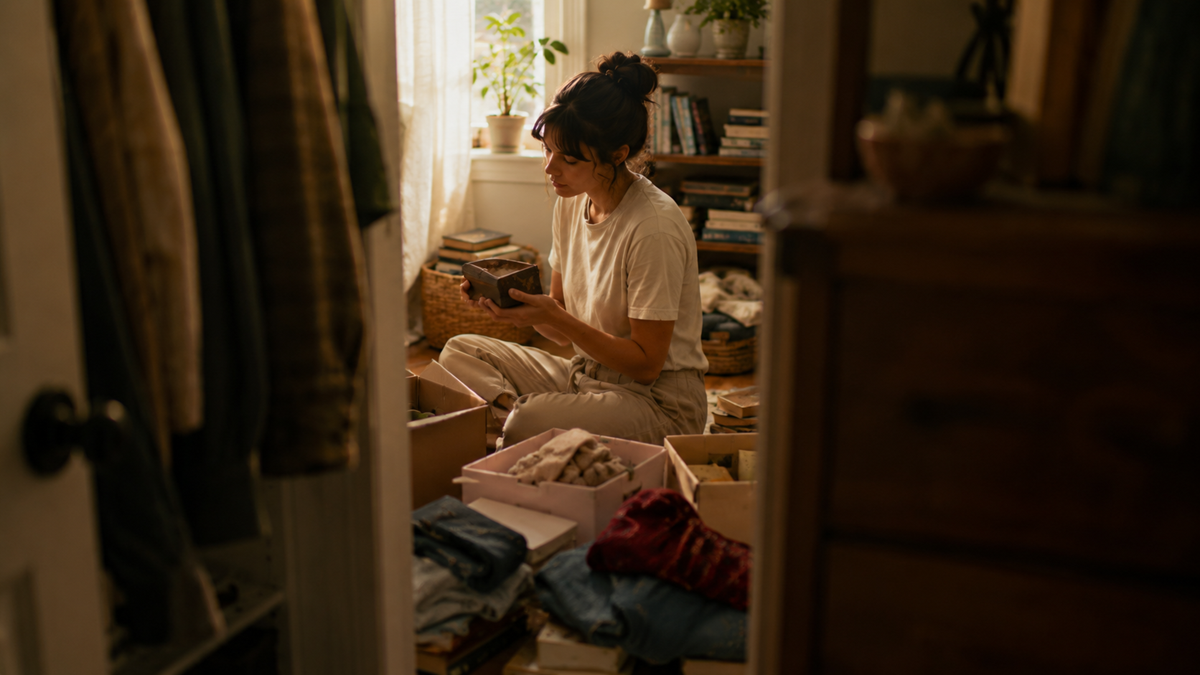
Every home has a few objects with weird emotional gravity. A box from a former job, a gift that never felt right, clothes that belonged to a different version of daily life. Professional organizers notice when someone skips over an item again and again. That hesitation usually means the decision needs a little more space, not more pressure.
8. They Remove Actual Trash First
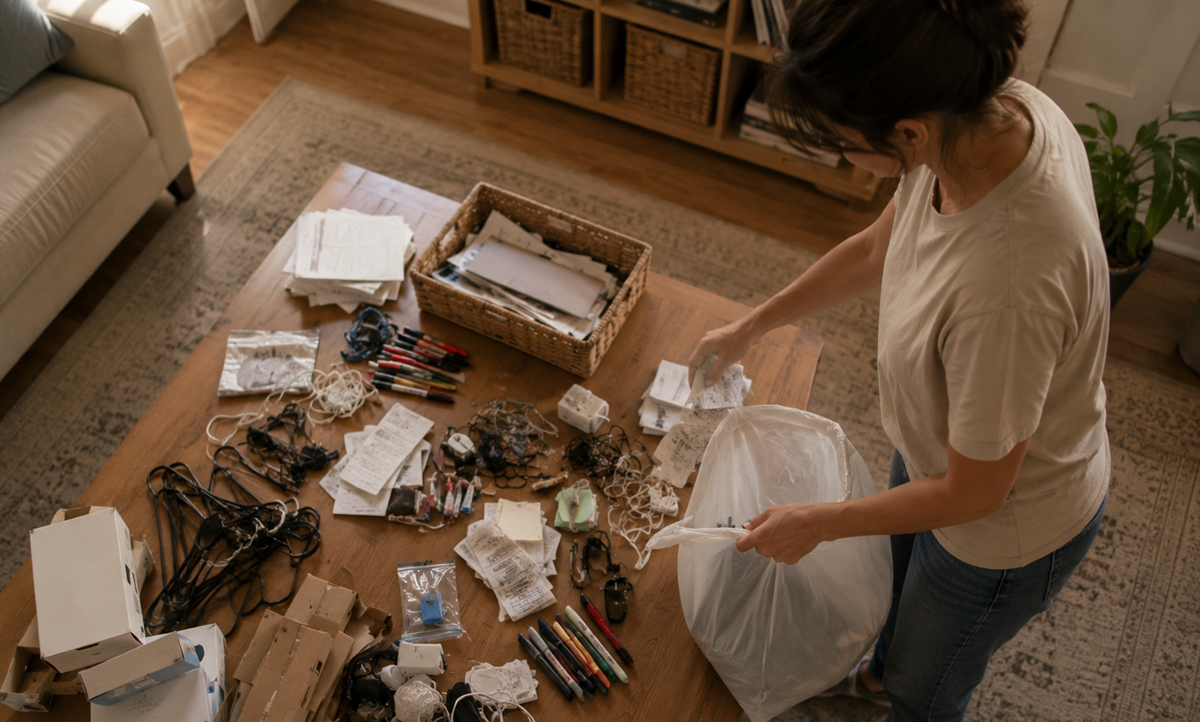
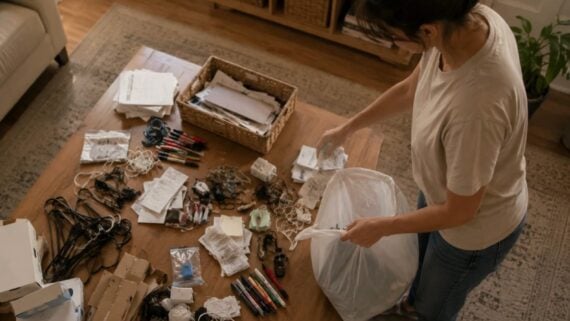
This sounds almost too obvious, but it is one of the fastest ways to make a home feel calmer. Receipts, dead pens, broken hangers, dried-out markers, empty boxes, old takeout menus, and mystery cords can quietly take over a room. Organizers usually clear those things before asking bigger questions. It gives the space a cleaner baseline.
Sign up for our newsletter
9. They Make a Donate Box Immediately
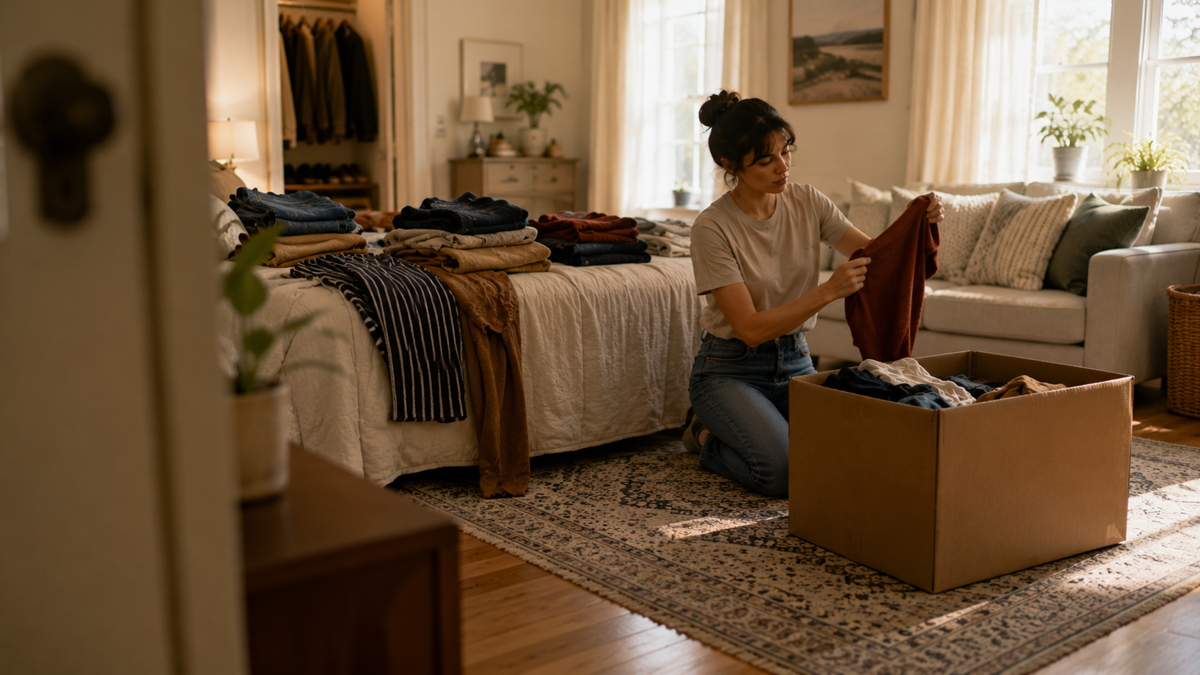
A donate box changes the mood of decluttering. Instead of making every unwanted item feel like a loss, it gives it a next stop. Professional organizers often set one up early, and they keep it visible. That way, when someone says, “I don’t use this anymore,” the item has somewhere to go before second-guessing creeps in.
10. They Notice the Clutter Hotspots
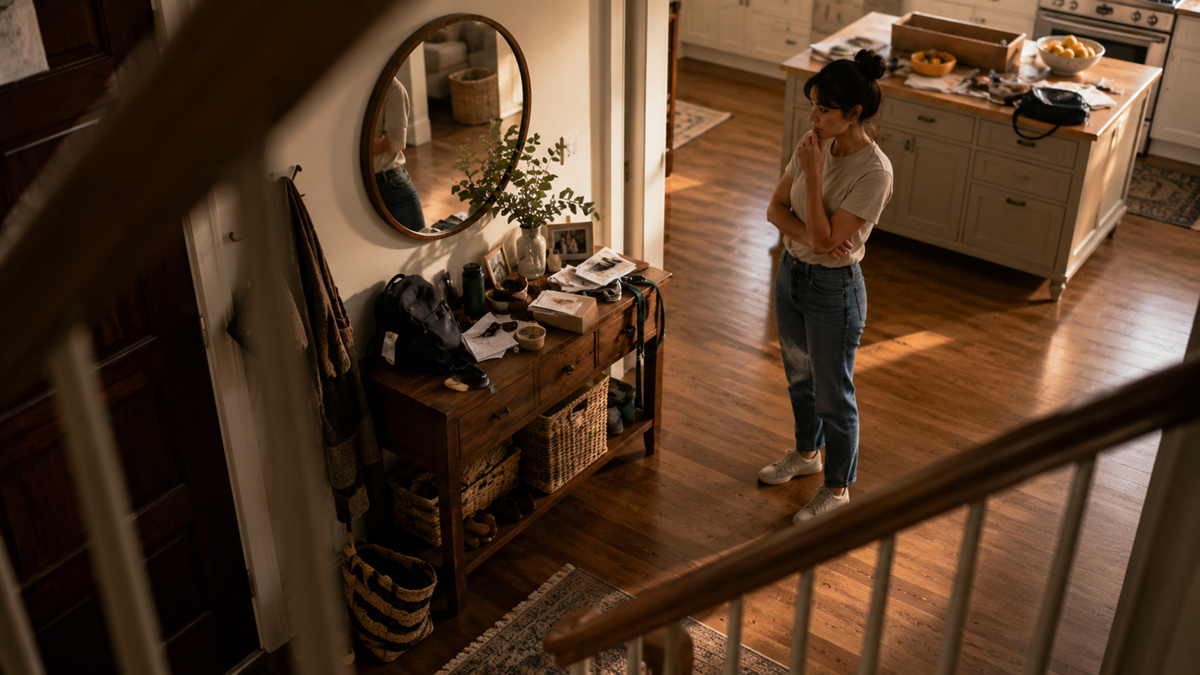
Clutter tends to have favorite places. The entryway table, the kitchen island, the bedroom chair, the stairs, the top of the dresser. Organizers pay attention to these hotspots because they usually reveal a missing system. If keys, mail, backpacks, and dog leashes all land in the same place, the problem is probably not laziness. The house is asking for a better drop zone.
11. They Avoid Buying Containers Too Early
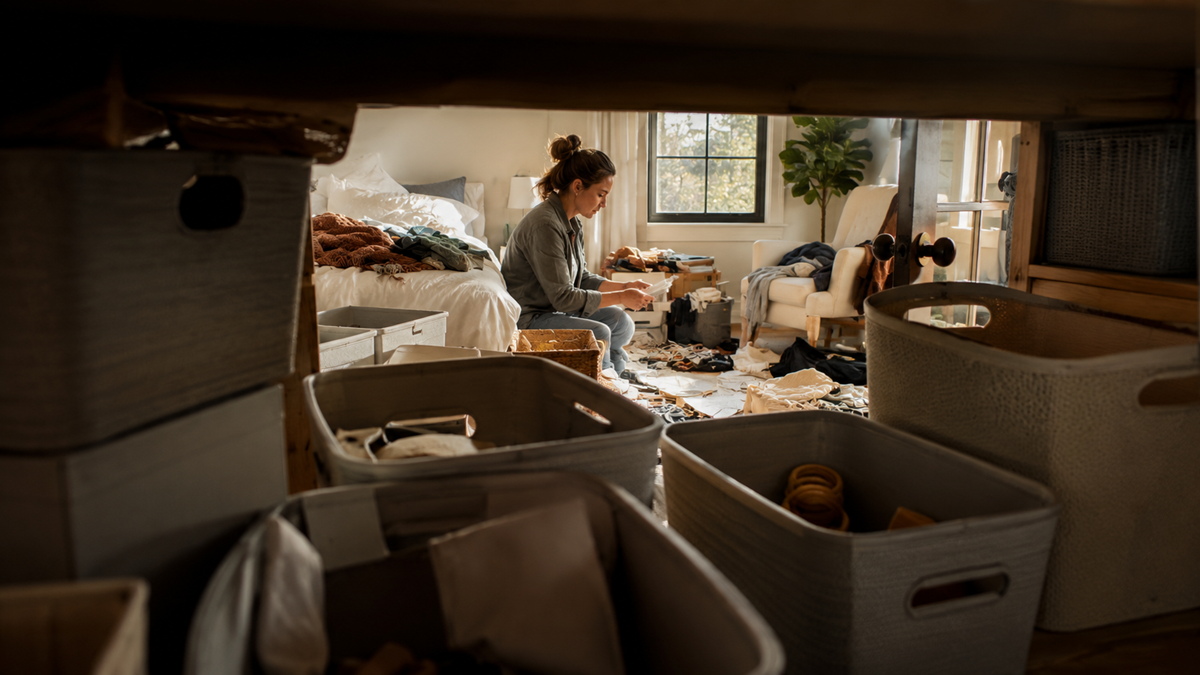
The prettiest mistake in organizing is buying bins before knowing what needs to go in them. Professional organizers usually wait. They want to see what survives the decluttering process, how often it gets used, and where it actually makes sense to store it. Otherwise, the home can end up with organized-looking clutter, which is still clutter, just wearing a matching lid.
12. They Set Aside Items That Belong Elsewhere
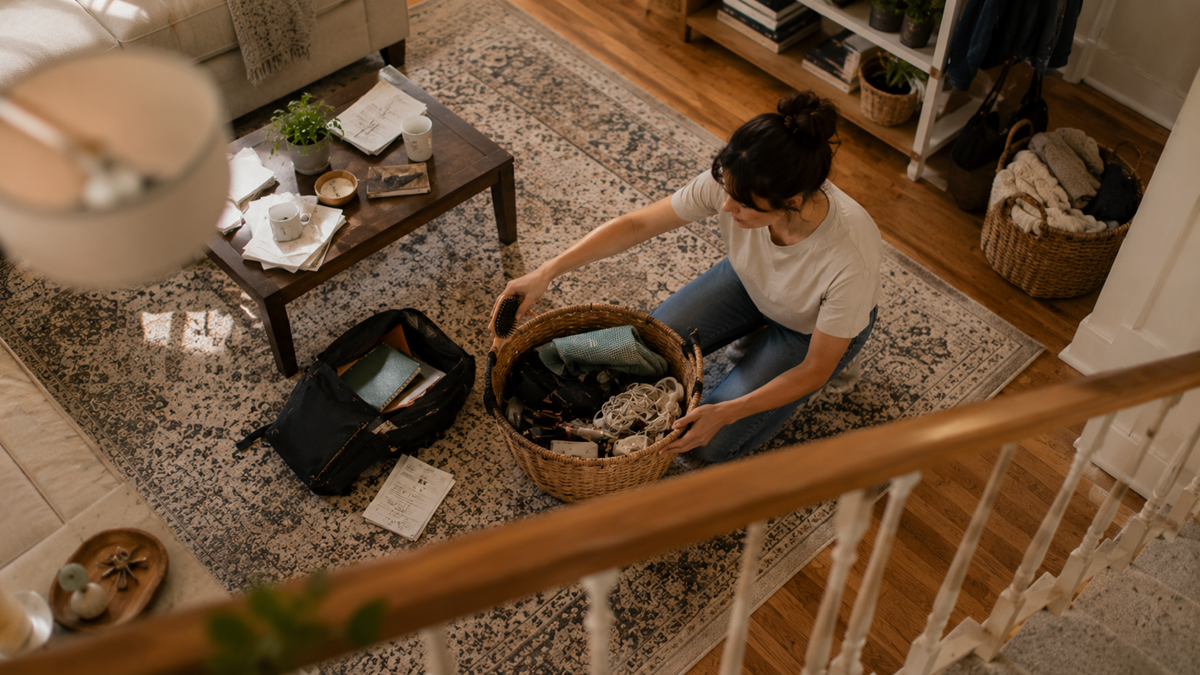
A surprising amount of decluttering is just relocation. A screwdriver in the laundry room, a hairbrush in the living room, school papers in the car, holiday tape in a kitchen drawer. Pros often create a “belongs elsewhere” pile so they do not interrupt the whole session every time one stray item appears. Later, those things can be returned in one sweep.
13. They Define What “Done” Looks Like
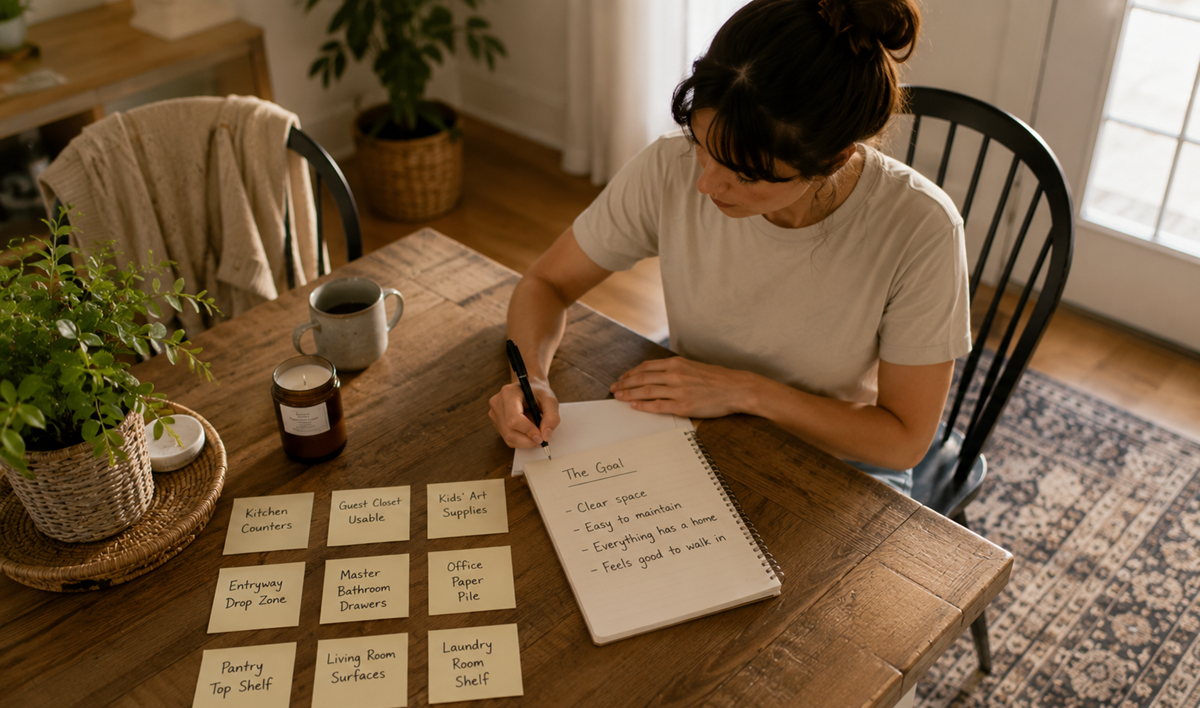
Professional organizers know that “declutter the house” is too vague to be useful. “Clear the kitchen counters,” “make the guest closet usable,” or “sort the kids’ art supplies into one cabinet” is much easier to finish. Before the work goes too far, they help define the endpoint. That small bit of clarity keeps a project from stretching into a whole weekend of wandering around with a half-full trash bag.
In the mood for more?
Check out 20 Small Home Upgrades That Make Your Space Look Instantly More Expensive, or take a look at 18 Public Spaces That Were Intentionally Built to Be Uncomfortable. If you want to see more organization ideas, you can check out 16 Perfectly Organized Spaces That Are Strangely Satisfying