The internet did not just make life faster. It quietly erased dozens of tiny routines. Before search bars, apps, and instant answers, people planned trips with paper maps, called strangers for information, waited days to see whether a photo turned out, and somehow managed to meet friends without sending seventeen location updates.
None of it felt unusual at the time. It was simply how life worked. Looking back, some of these habits seem inconvenient, others strangely charming, and a few almost impossible to explain to anyone who grew up online. These are 18 normal things people did before the internet turned waiting into something we barely tolerate.
1. Look Up Businesses in the Yellow Pages
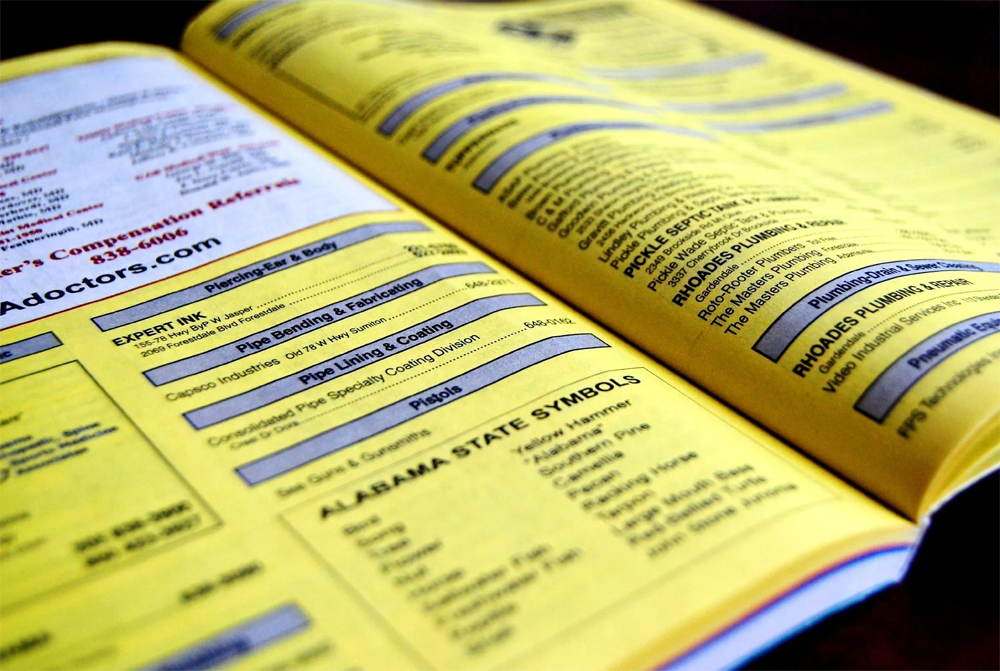
Ever tried finding a plumber by flipping through several hundred pages of tiny print? Before search engines, the Yellow Pages were the closest thing most households had to local Google. Businesses were grouped by category, phone numbers filled the page, and the biggest ads usually belonged to whoever paid the most. It was slow, bulky, and surprisingly effective, as long as you knew what category to check.
2. Plan a Road Trip With a Printed Atlas
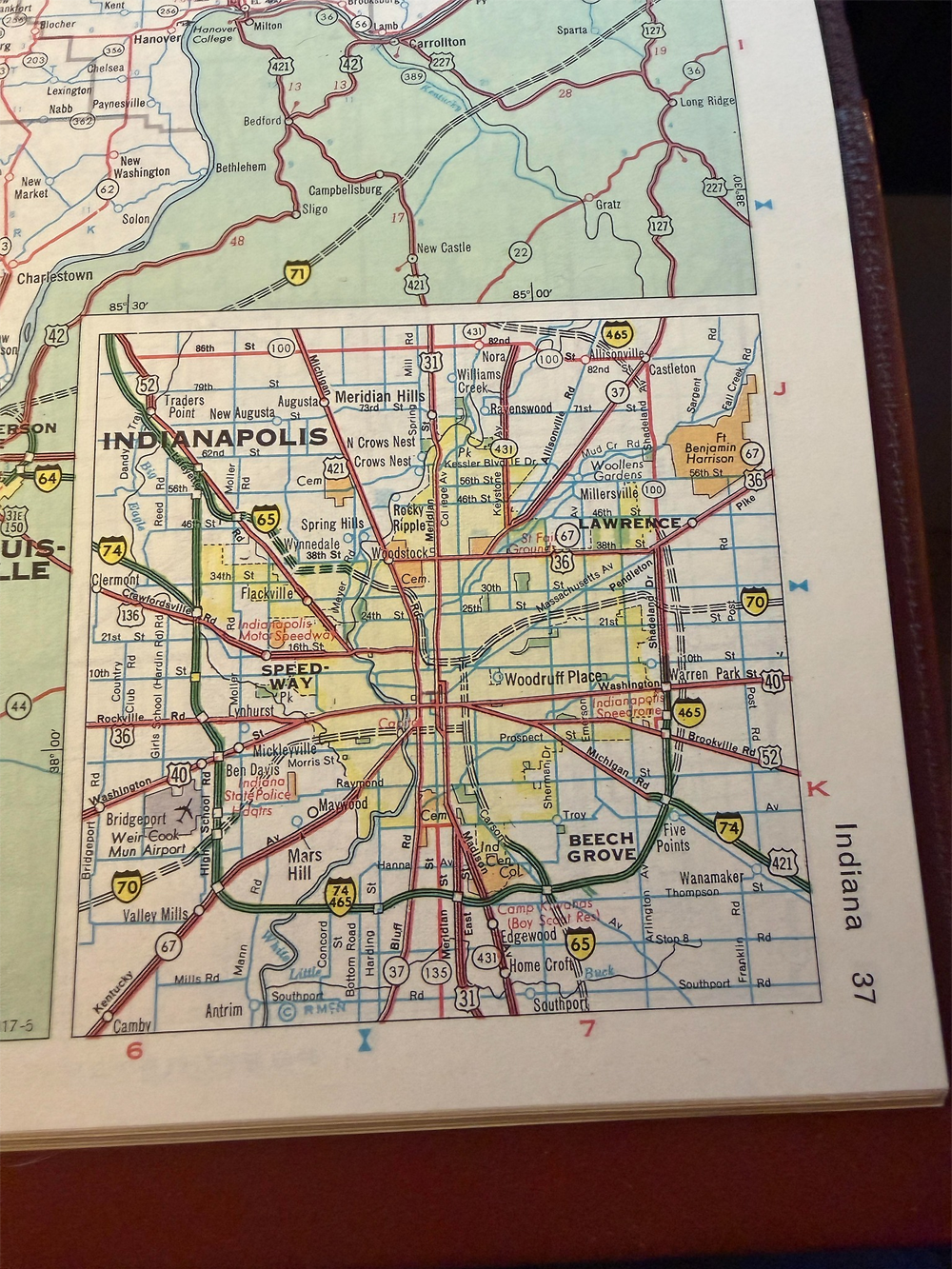
There was no blue dot showing where you were. There was only confidence, guesswork, and one person insisting they knew the route. Drivers unfolded giant road maps across the dashboard, traced highways with a finger, and tried to remember which exit came next. Missing a turn did not trigger an instant reroute. It triggered silence, blame, and possibly another twenty miles in the wrong direction.
3. Stop and Ask a Stranger for Directions
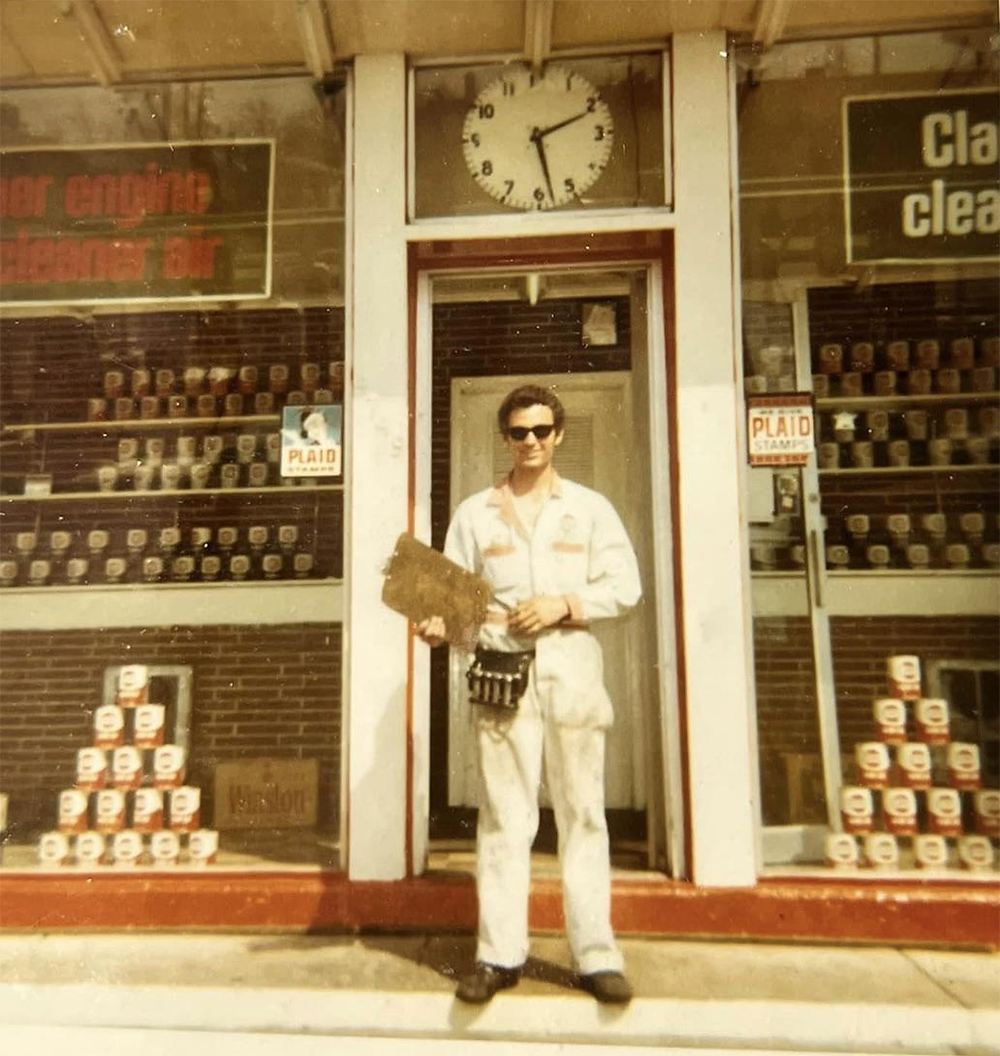
Getting lost once required actual human interaction. People pulled into gas stations, rolled down the window, or stopped someone on the sidewalk to ask how to reach a hotel, highway, or restaurant. The directions often included landmarks like “turn where the old bank used to be,” which was wonderfully helpful if you had never seen the old bank.
4. Call a Library Reference Desk

Imagine calling a stranger because you needed to know one very specific fact. Reference librarians regularly answered questions by phone, searched books and indexes, and helped people locate information that might now take ten seconds online. The process could take longer, but the answer came from someone who actually knew where to look. Not bad for a world without tabs.
5. Use a Household Encyclopedia
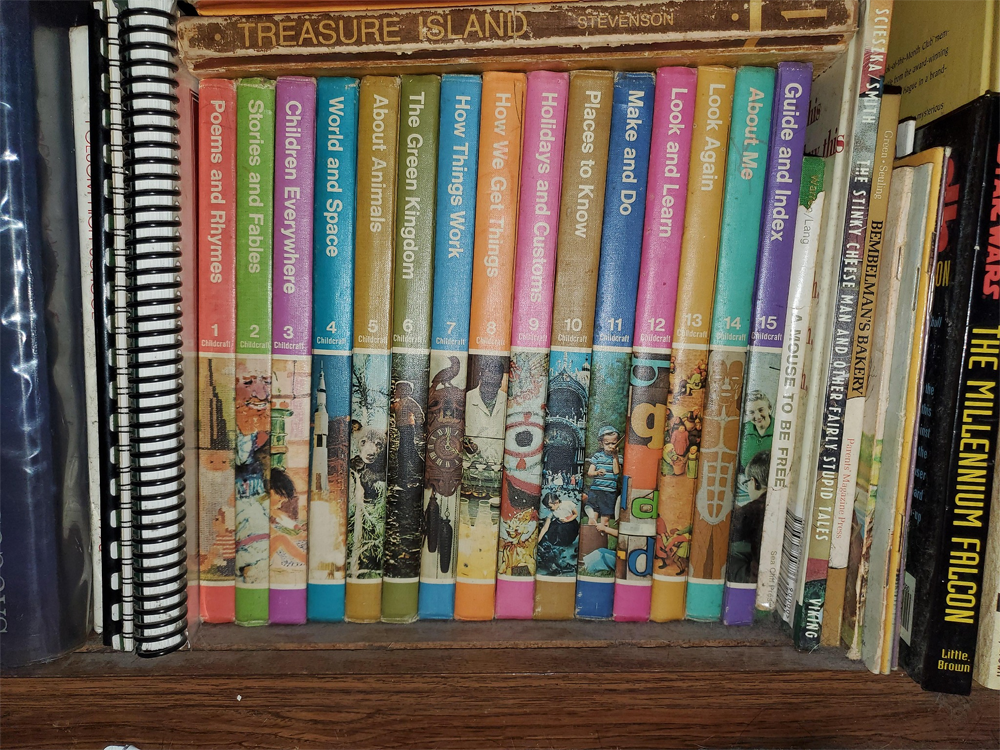
Before the internet, many homes had an entire shelf devoted to answers. Encyclopedia sets offered neatly organized knowledge about history, science, geography, and almost anything else a student might need for homework. The catch was that the information stayed frozen until a new edition arrived. If the world changed after publication, the bookshelf simply did not get the memo.
Trending on The Scroller

6. Read Newspaper Classifieds
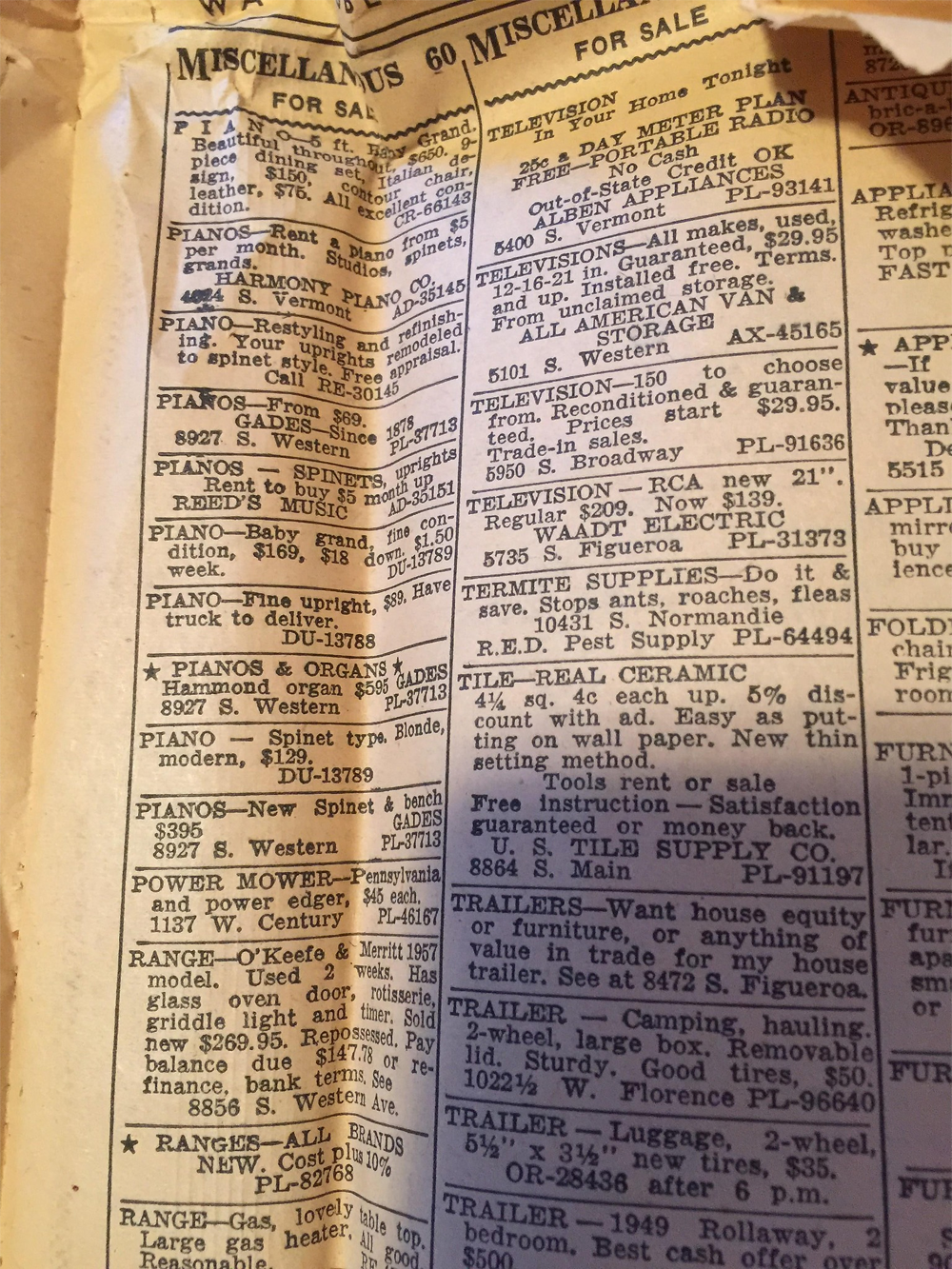
Finding a job, apartment, or used car once began with a newspaper and a pen. Classified ads packed entire marketplaces into narrow columns filled with abbreviations, phone numbers, and very little room for personality. There were no photos to swipe through or reviews to check first. You called, asked questions, and hoped “excellent condition” meant the same thing to both of you.
7. Book a Trip Through a Travel Agent
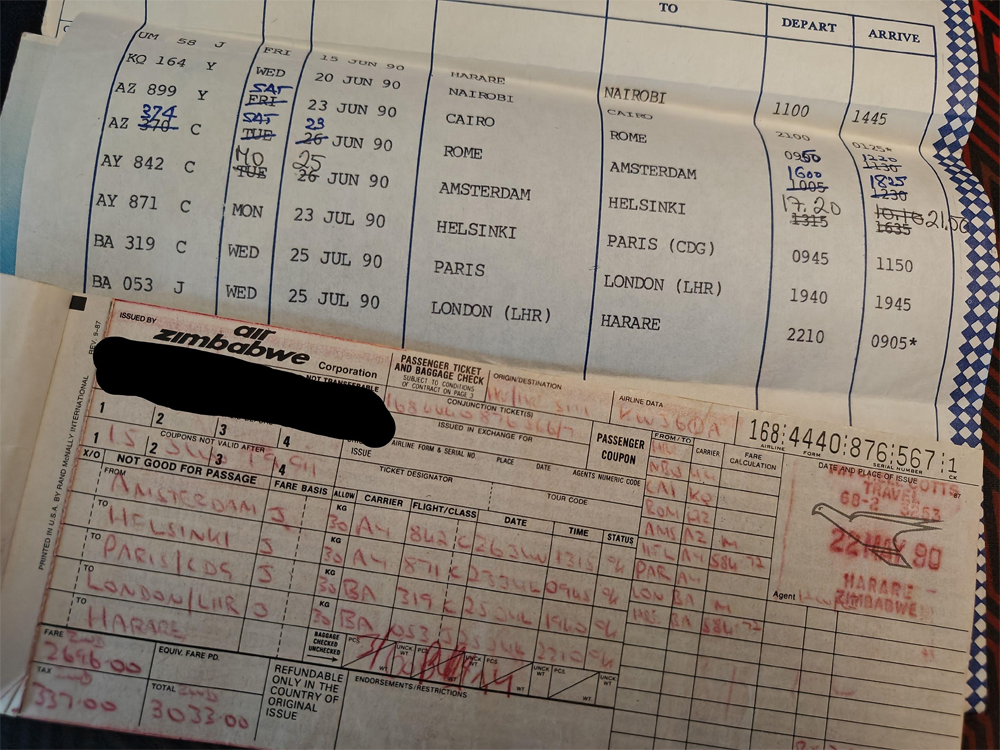
Planning a vacation used to involve sitting across a desk from someone with brochures. Travel agents compared flights, hotels, and package deals through professional booking systems most customers could not access themselves. The process felt more personal, but it also meant trusting another person to build your entire trip. Can you imagine booking a hotel without reading 300 reviews first?
8. Mail Checks and Order Forms
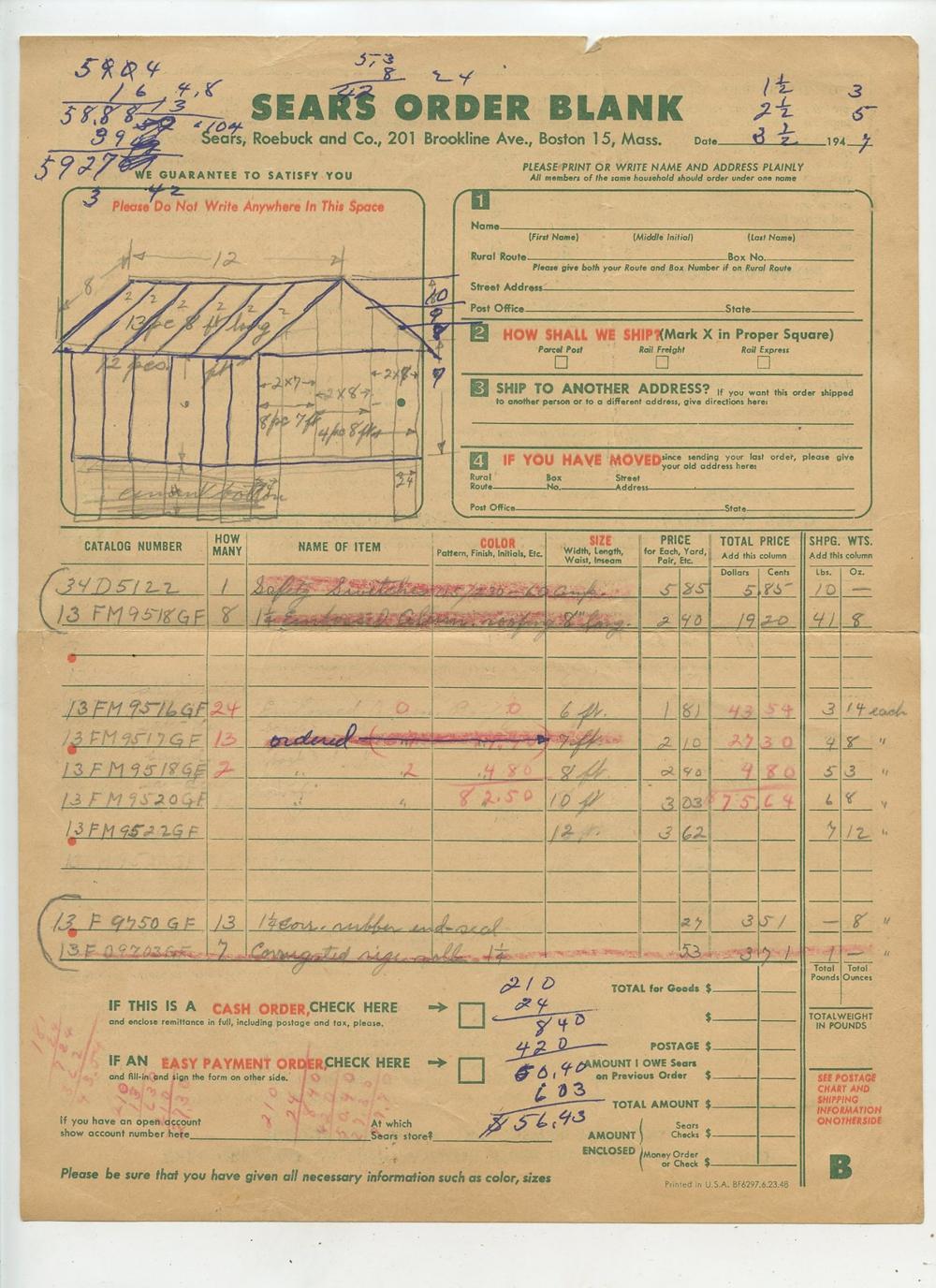
Online checkout has made patience almost obsolete. Before digital payments, people filled out paper forms, wrote checks, sealed envelopes, and mailed everything away. Then they waited. There was no tracking page, no instant confirmation, and no reassuring little map showing where the package was. Somehow, entire purchases survived on handwriting and faith.
Sign up for our newsletter
9. Stand in Line for Routine Banking

Checking your balance once required leaving the house. Deposits, transfers, withdrawals, and account questions often meant visiting a branch and waiting for a teller. Later, ATMs made some tasks easier, but banking still had business hours and physical lines. Today, we get annoyed when an app takes three seconds to load. Progress has made us efficient and dramatically less patient.
10. Check Movie Times in the Newspaper
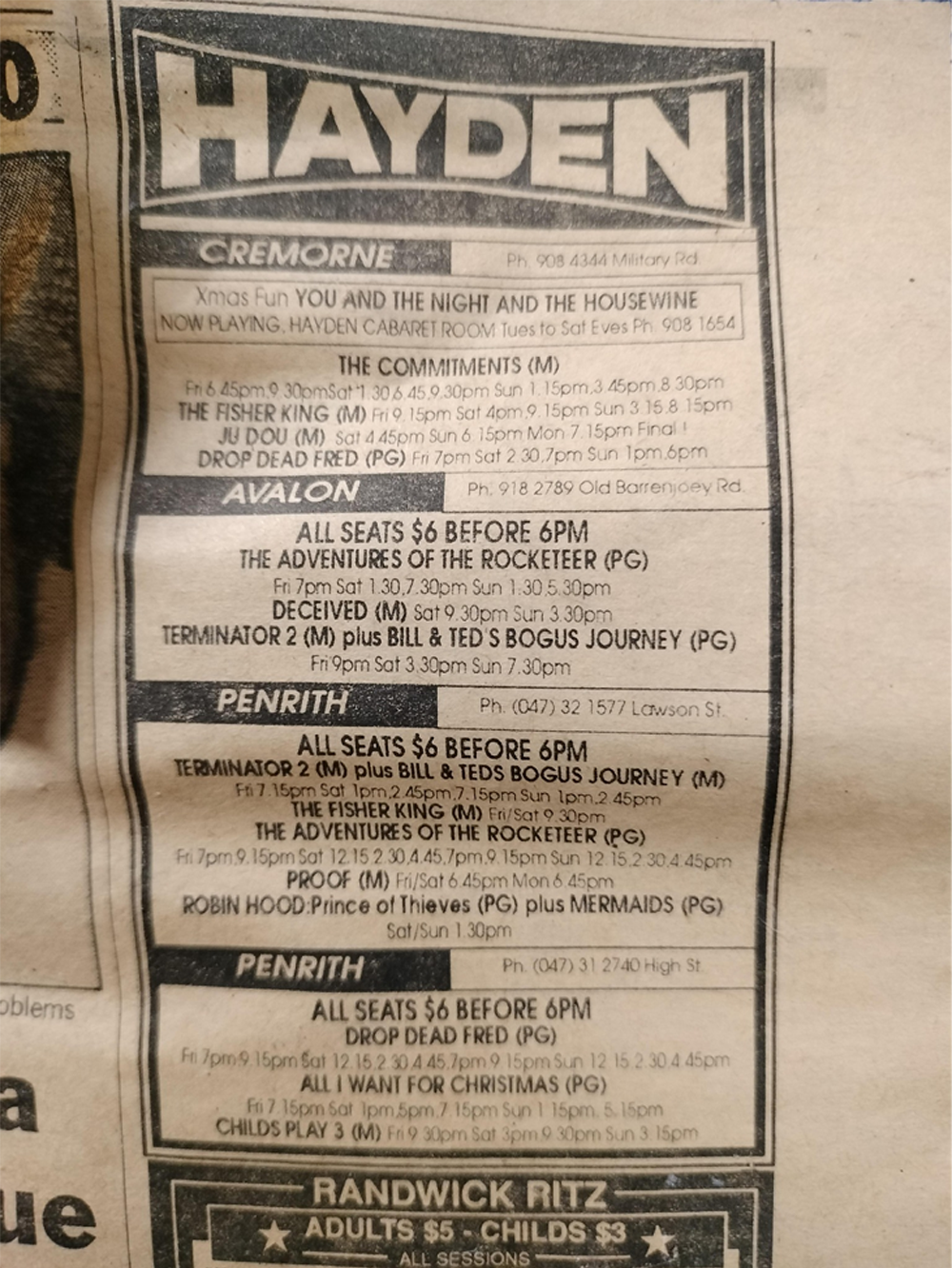
Movie night started with finding the smallest print on the page. Newspapers listed theaters, showtimes, and titles in compact grids that required more concentration than some of the films themselves. You could also call a recorded phone line or drive past the theater marquee. Miss the listing, and there was no quick search to rescue the evening.
11. Make Plans on a Landline
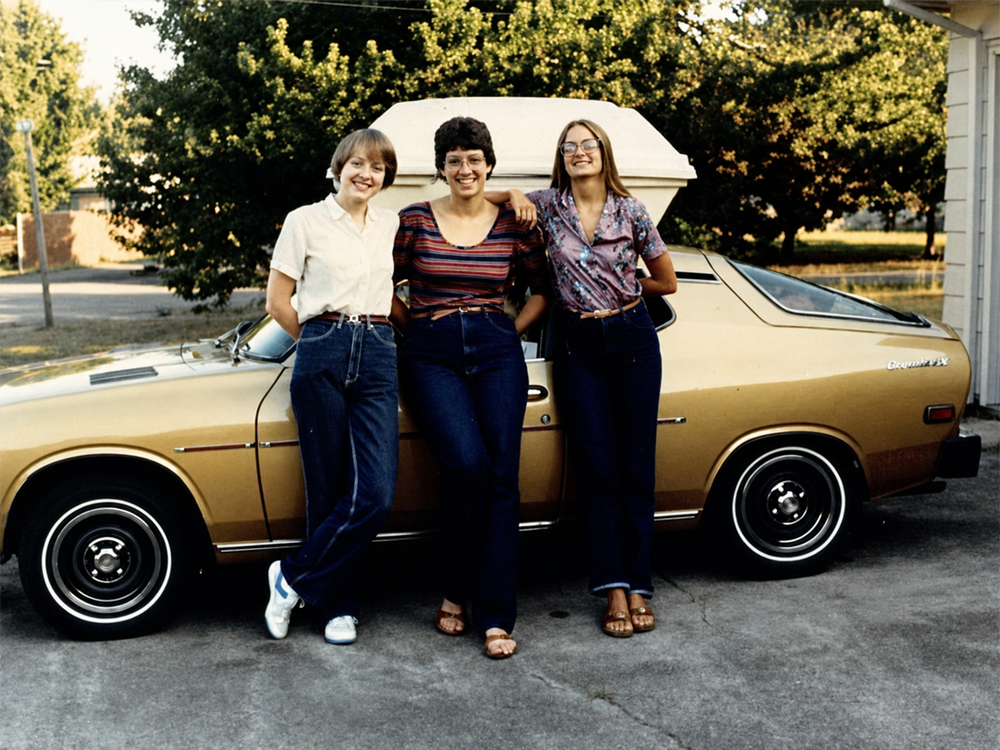
Meeting friends used to require commitment. You picked a place, agreed on a time, and then left the house with no way to send “running late” or “where are you?” every five minutes. If someone did not show up, the only options were waiting, guessing, or going home. Somehow, plans still happened, even without a live location pin tracking everyone’s progress.
12. Leave Messages on an Answering Machine
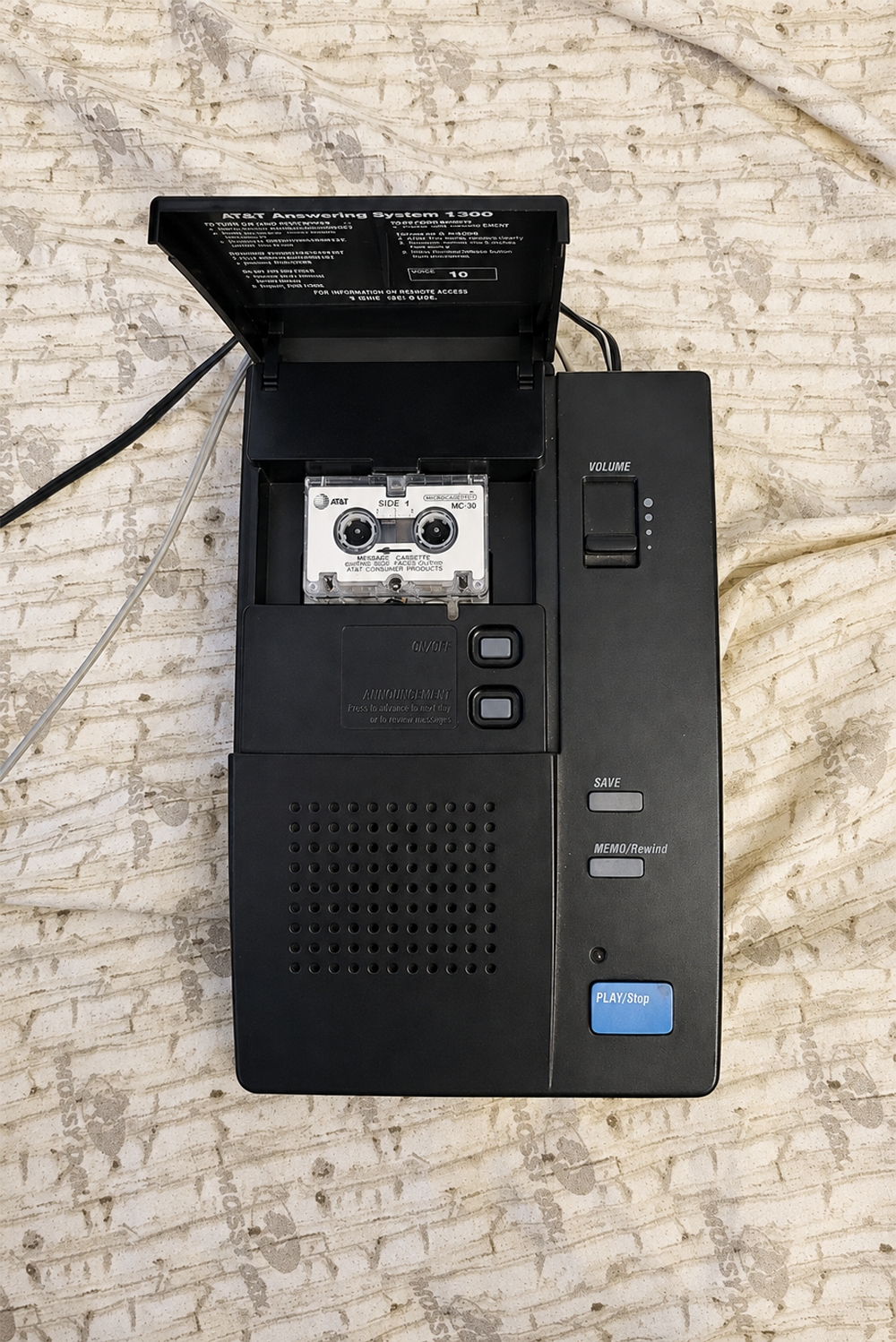
Remember when one missed call became a performance for the entire household? Messages played out loud from a machine sitting in the living room or kitchen, which meant privacy was more of a suggestion than a guarantee. Families could hear who called, what they wanted, and exactly how awkwardly they ended the message. Nothing built suspense quite like pressing play and hearing, “Hi… it’s me.”
13. Wait Days to See Vacation Photos
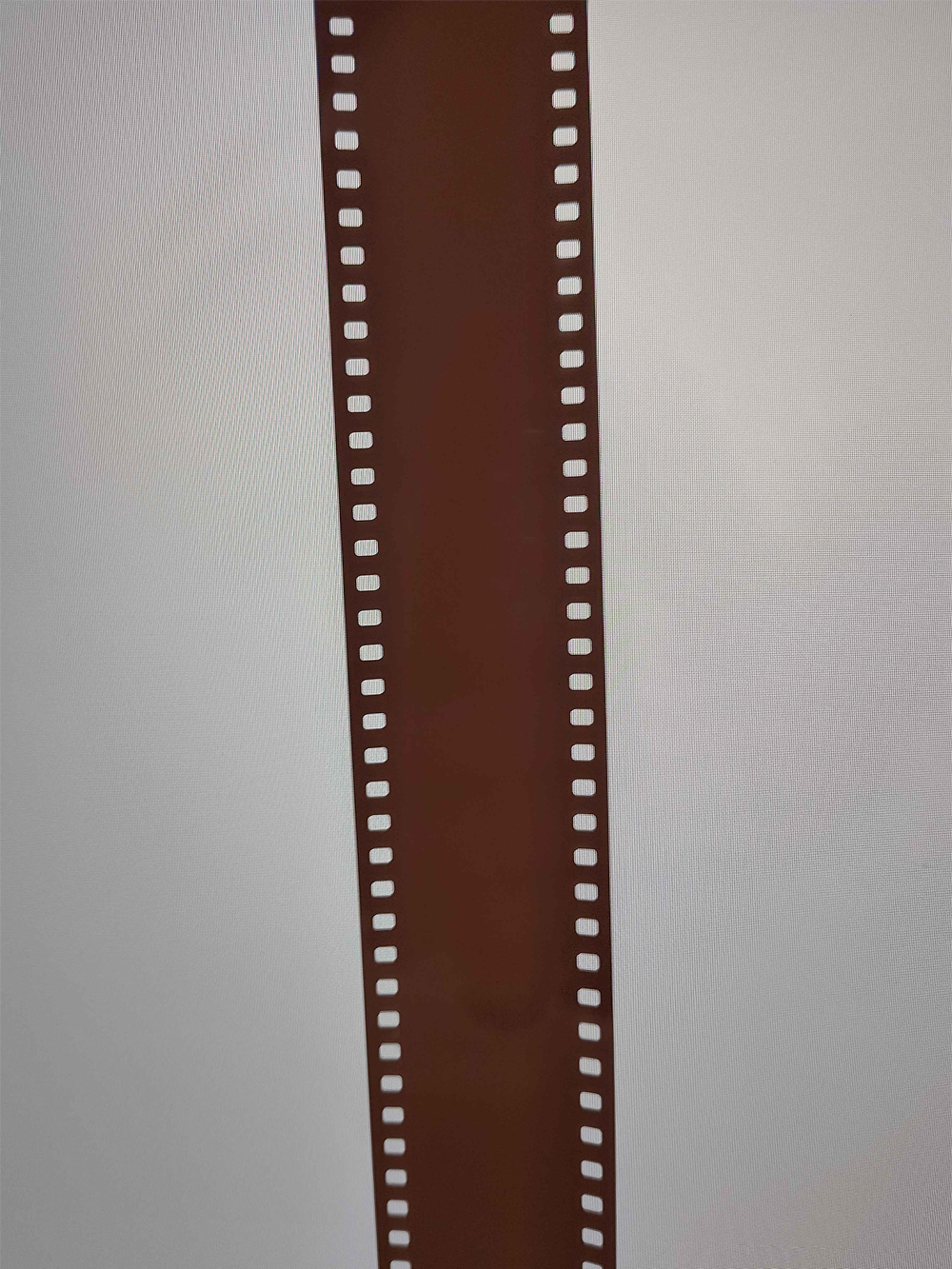
Taking the picture was only the beginning. Film had to be developed before anyone knew whether the shot was blurry, overexposed, or mostly covered by a thumb. A whole vacation could pass before the evidence came back. Can you imagine taking twenty-four photos and discovering a week later that twelve of them were unusable?
14. Order Products From Mail-Order Catalogs
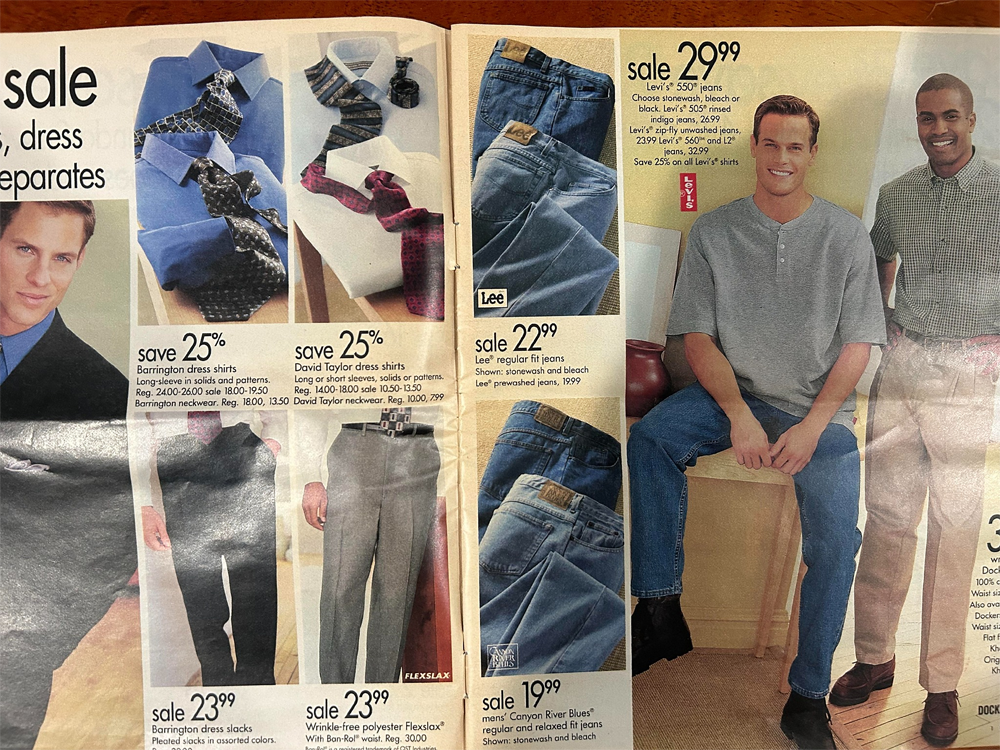
Shopping from home once involved page numbers, product codes, and a remarkable amount of trust. People circled items in catalogs, filled out forms, called order lines, or mailed payment without seeing customer photos or unboxing videos. Then came the long wait. The package might arrive exactly as expected, or it might reveal that “luxury fabric” had been doing some very ambitious advertising.
15. Write Letters and Keep Pen Pals
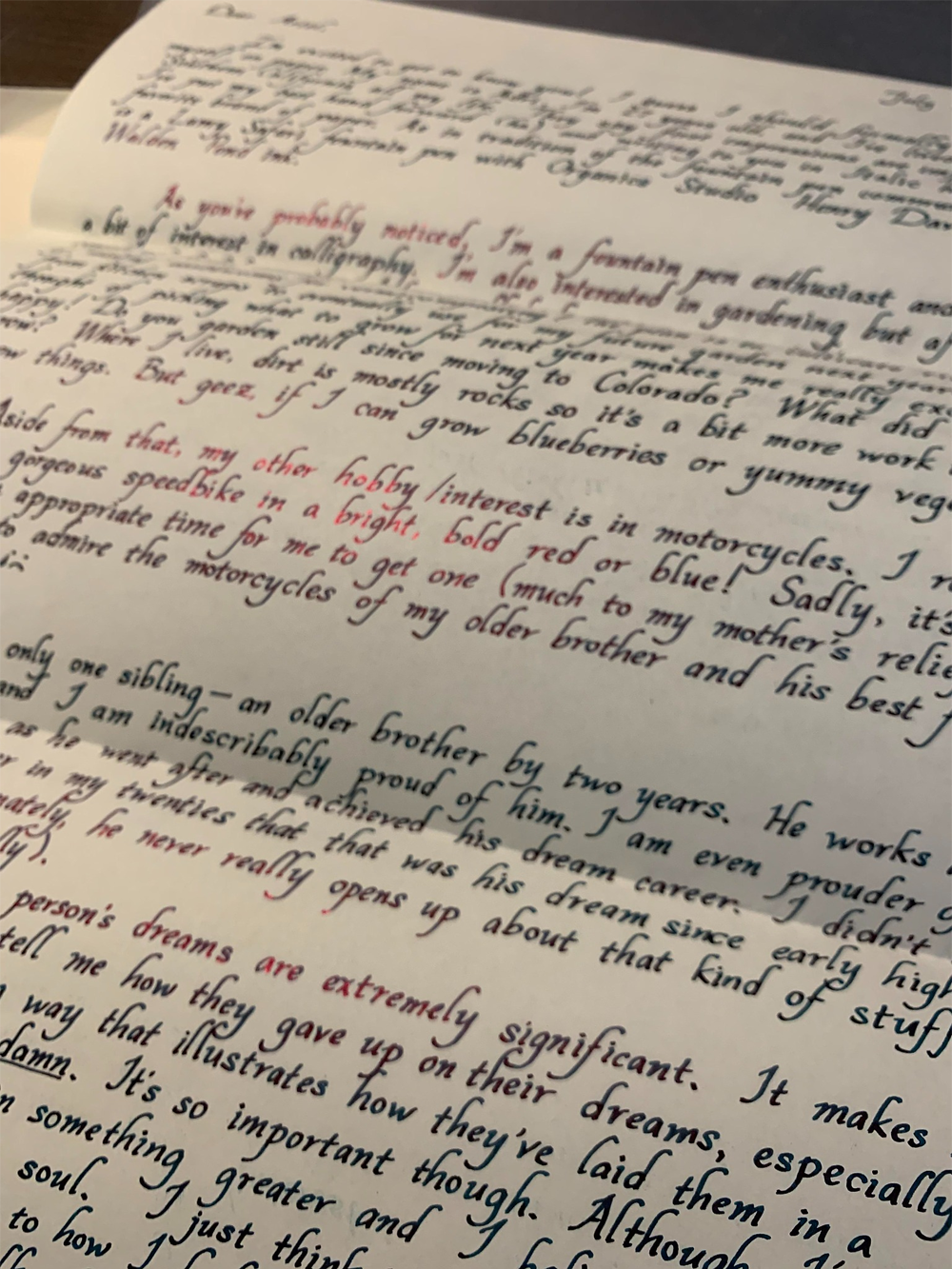
Long-distance friendships once moved at the speed of the postal service. People wrote pages by hand, mailed them, and waited days or weeks for a reply. That delay made every letter feel more deliberate, but it also meant conversations unfolded one envelope at a time. When was the last time a message arrived slowly enough to feel like an event?
16. Use TV Guide and Program a VCR
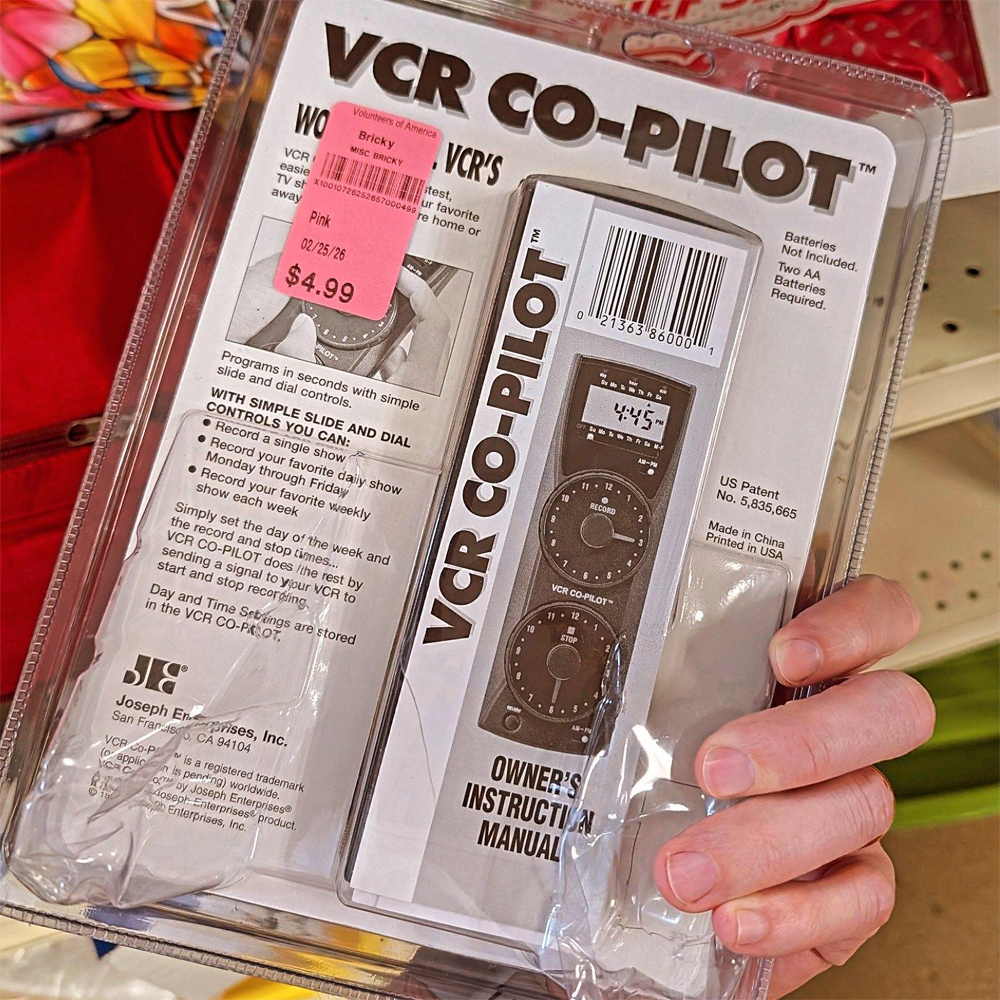
Watching television used to involve strategy. People checked TV Guide, chose what they wanted to watch, and programmed the VCR in advance, often while praying the blinking clock was finally set correctly. Miss the start time or enter the wrong channel, and your favorite show might be replaced by two hours of local news. On-demand viewing has removed the risk, but also the small triumph of getting the recording right.
17. Memorize Important Phone Numbers
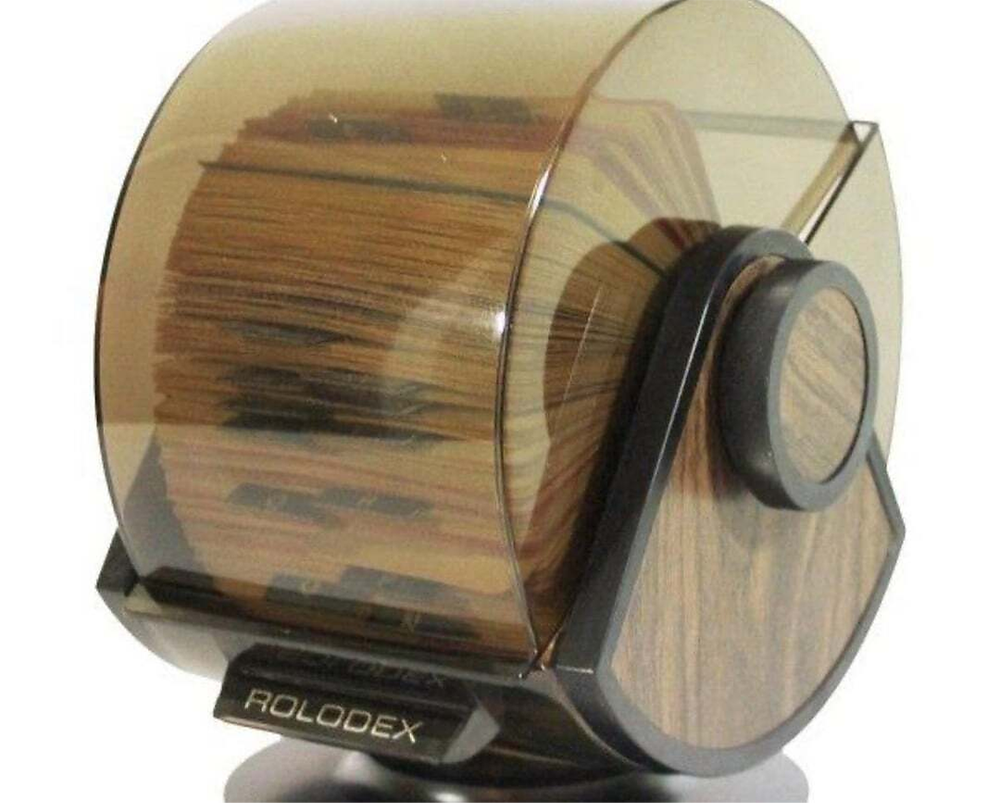
How many phone numbers do you actually know today? Before contact lists stored everything for us, frequently called numbers lived in memory, on a note by the phone, or inside a paper address book. Children knew their home number, friends knew one another’s, and some people could recite entire lists without hesitation. Smartphones made calling easier, but they also outsourced one surprisingly useful part of our memory.
18. Call Recorded Time, Weather, and Information Lines
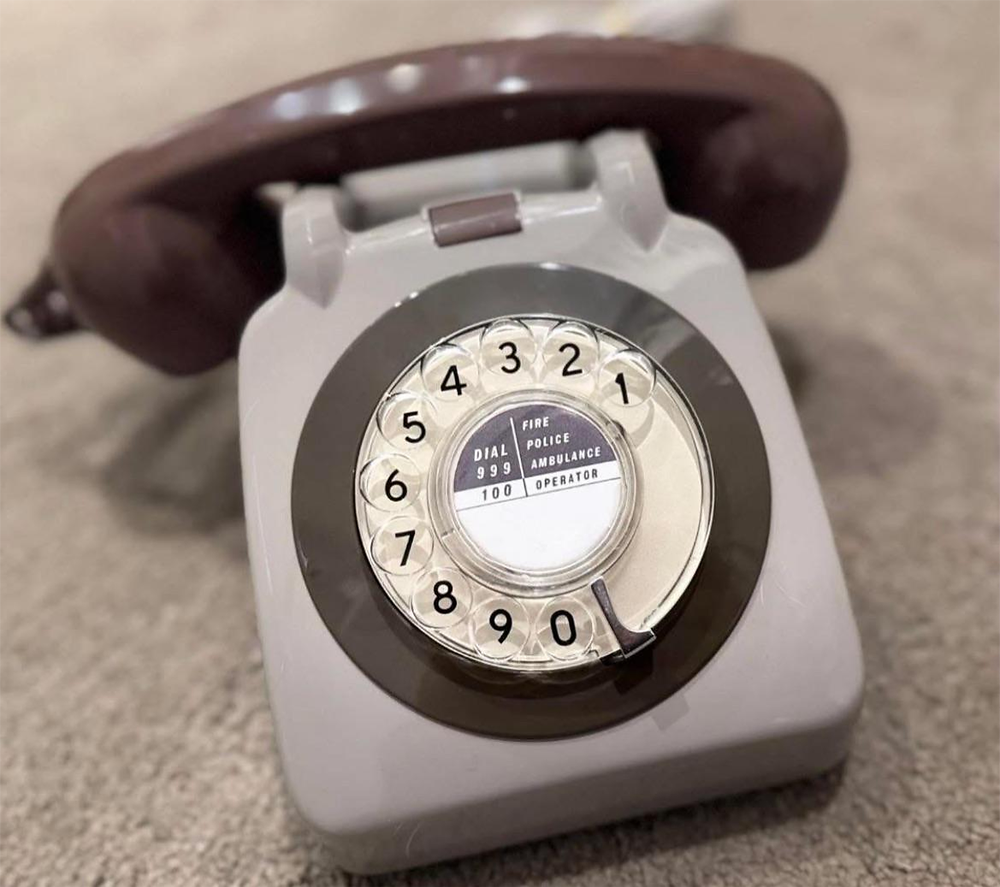
Before apps delivered every update instantly, people sometimes called a phone number just to hear the time. Recorded services provided weather forecasts, directory information, and other small pieces of current information through a calm automated voice. It sounds almost comically limited now, but those calls were useful, dependable, and often faster than waiting for the evening news. Imagine paying attention to an entire recording because there was no screen to skim.
Life before the internet was not simpler. It was slower, more physical, and full of tiny systems that required patience. People carried maps, trusted printed listings, memorized numbers, mailed payments, and waited for answers that now appear in seconds. Some of those routines were frustrating. Others created a sense of anticipation that modern convenience has quietly erased.
The internet did more than replace tools. It changed how we deal with uncertainty, delay, privacy, and even one another. Looking back, the strangest part is not that people managed without constant access to information. It is how normal all of it felt.
Keep Exploring The Scroller
Curious about the everyday habits technology quietly erased? Keep Exploring The Scroller for more forgotten routines, retro technology, surprising history, and ordinary moments that now feel almost impossible to imagine:
20 Photos Of Things People Spotted Before The Rest Of The Internet Was Able To