
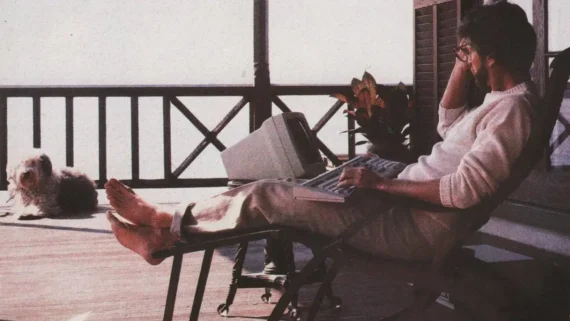
The structural layout of the commercial workplace environment has undergone an absolute transformation since the closing decades of the twentieth century. Walking into a corporate office today reveals a streamlined landscape of wireless devices, cloud computing networks, and flexible hot-desking setups engineered for digital speed. However, the pre-internet era relied entirely on a physical, tactile workspace where communication required manual movement and institutional storage demanded massive corridors of steel hardware. As digital networks gradually integrated into daily business pipelines, traditional desk tools and face-to-face protocols were systematically replaced by virtual alternatives, permanently altering how professionals collaborate and process data.
The sweeping reality of this technological shift highlights just how radically automated software and real-time connectivity have completely redefined modern career culture. The truth is that the modern workplace operates on an unyielding, around-the-clock digital cycle that has completely dissolved traditional boundaries between professional obligations and personal time. Before internet infrastructure streamlined corporate communication, an enterprise’s daily momentum was strictly governed by the physical constraints of local mail delivery, geographic proximity, and standardized daytime operating hours. Let’s take a look at fourteen profound ways the internet has completely revolutionized our office lives over the decades, tracking the incredible evolution from physical paper to the digital cloud.
1. The bulky desk landscape transition
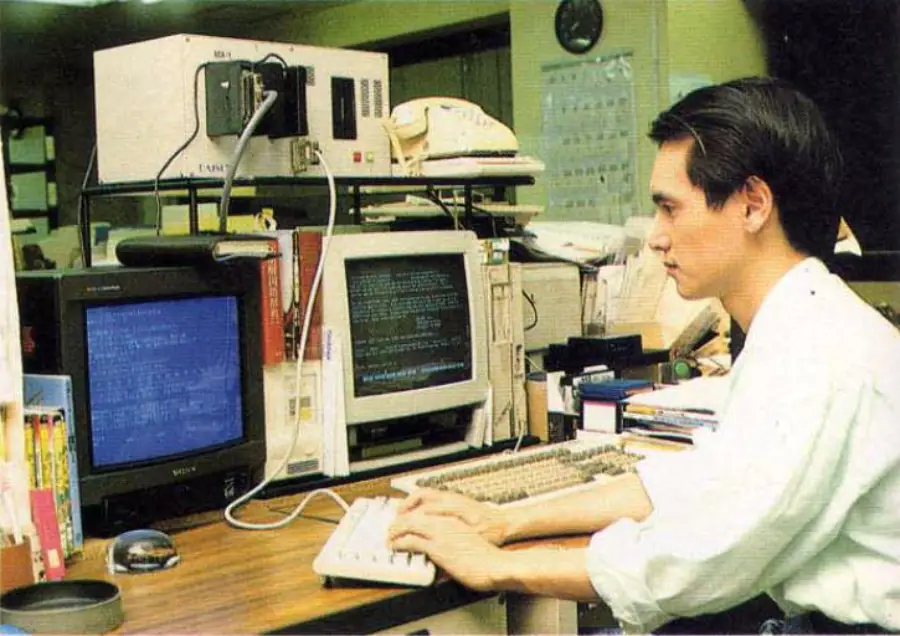
The traditional white-collar desk surface rapidly shifted from housing mechanical manual typewriters and physical plastic paper trays to hosting a massive, heavy cathode-ray tube (CRT) computer monitor. These deep, glowing screens occupied up to eighty percent of an employee’s physical desk space during the late nineties, acting as a giant structural monument to the dawn of the digital computing era.
2. The slow demise of the fax machine
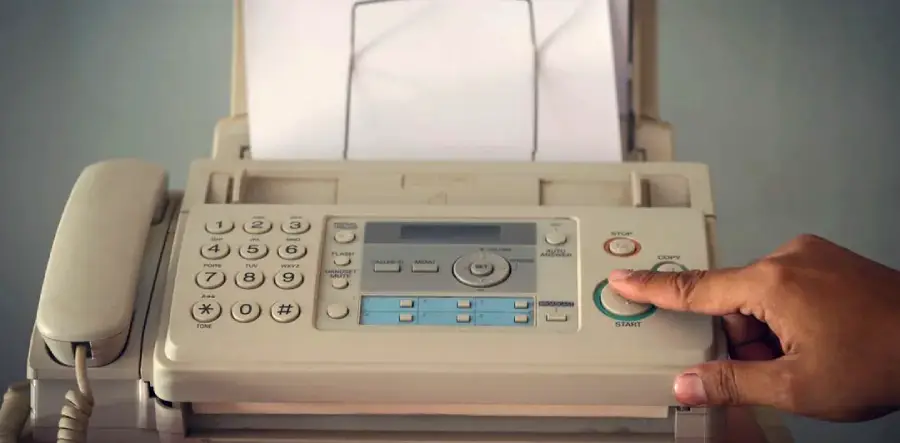
The thermal paper fax machine smoothly transitioned from its premium status as the single most advanced, high-speed miracle weapon in corporate communications to the most thoroughly ignored piece of machinery in the entire breakroom. While mid-twenties office infrastructure heavily relied on these clicking machines to transmit legal documents over telephone lines, digital email scanning tools quickly rendered the clunky hardware completely obsolete.
3. The shift to virtual conference spaces
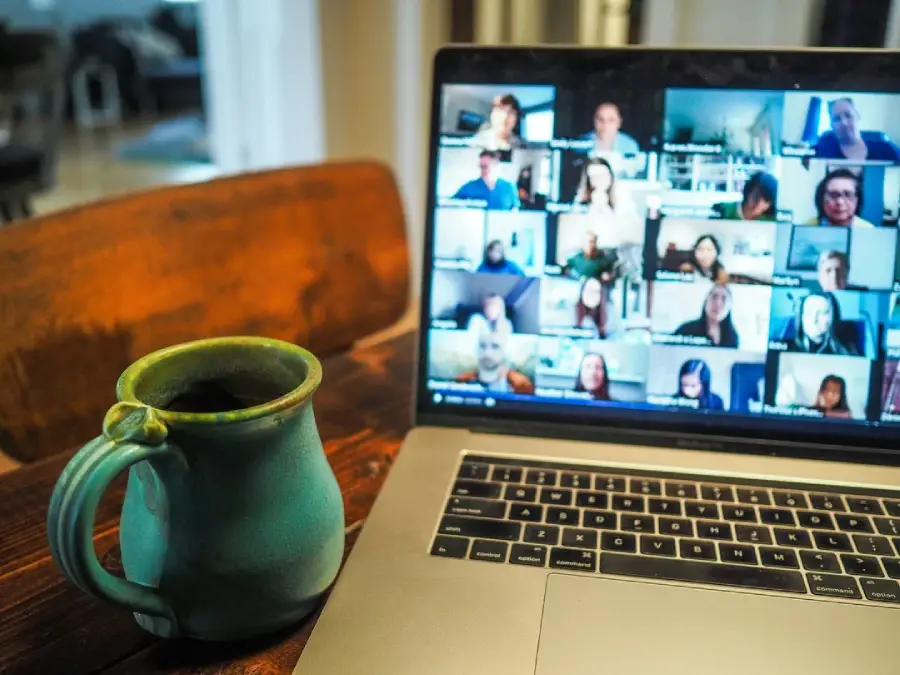
Corporate team sessions moved rapidly away from physical boardroom settings packed with wooden tables, ink markers, and wall-mounted whiteboards toward digital streaming applications featuring custom virtual background landscapes. This digital migration allows remote professionals to comfortably pitch multi-million dollar business contracts from their home living rooms while masking real-world domestic clutter behind an image of a pristine tropical beach.
4. The digital evolution of information archives
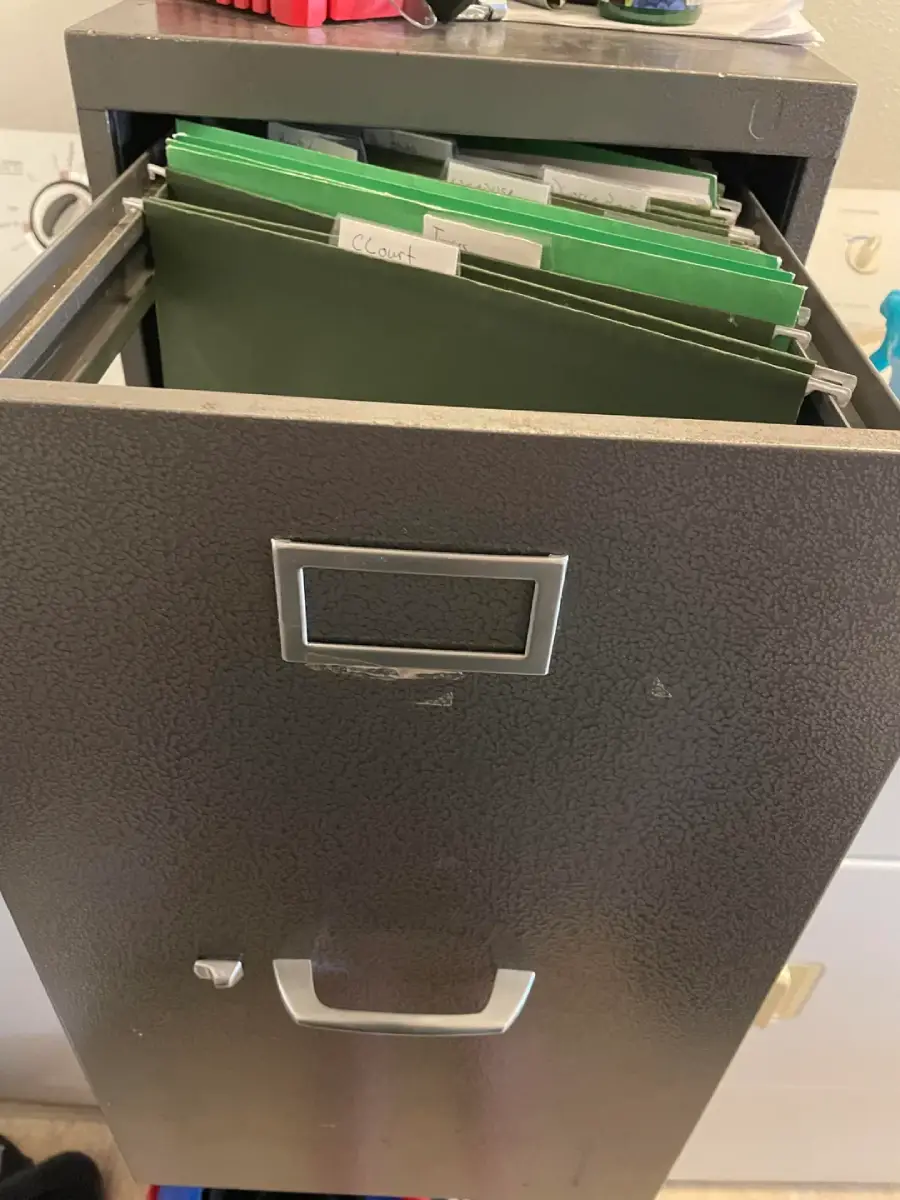
Towering rows of industrial steel filing cabinets packed with alphabetical paper folders were systematically replaced by shared Google Drive cloud structures that almost nobody organizes correctly. The physical vulnerability of misplacing a single paper document has evolved into a modern digital maze where identical corporate files are routinely duplicated across random shared folders under chaotic, unsearchable titles.
5. The professional recognition metamorphosis
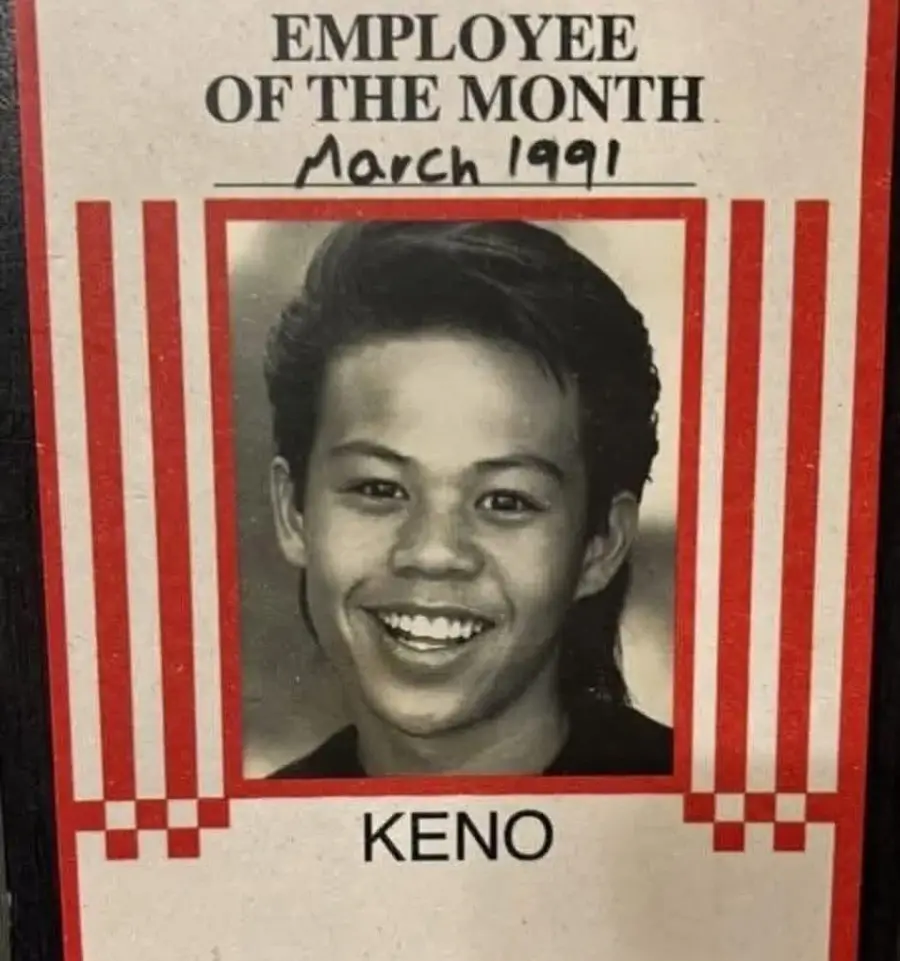
The coveted Employee of the Month award permanently shifted from being a proud, physically framed portrait displayed on the central lobby wall to a corporate LinkedIn post that casual connections scroll past without reading. This modernization has effectively traded a tangible piece of workplace status for a temporary spike in professional social network engagement that quickly disappears into the digital feed.
Trending on The Scroller

6. The clock-in tracking revolution
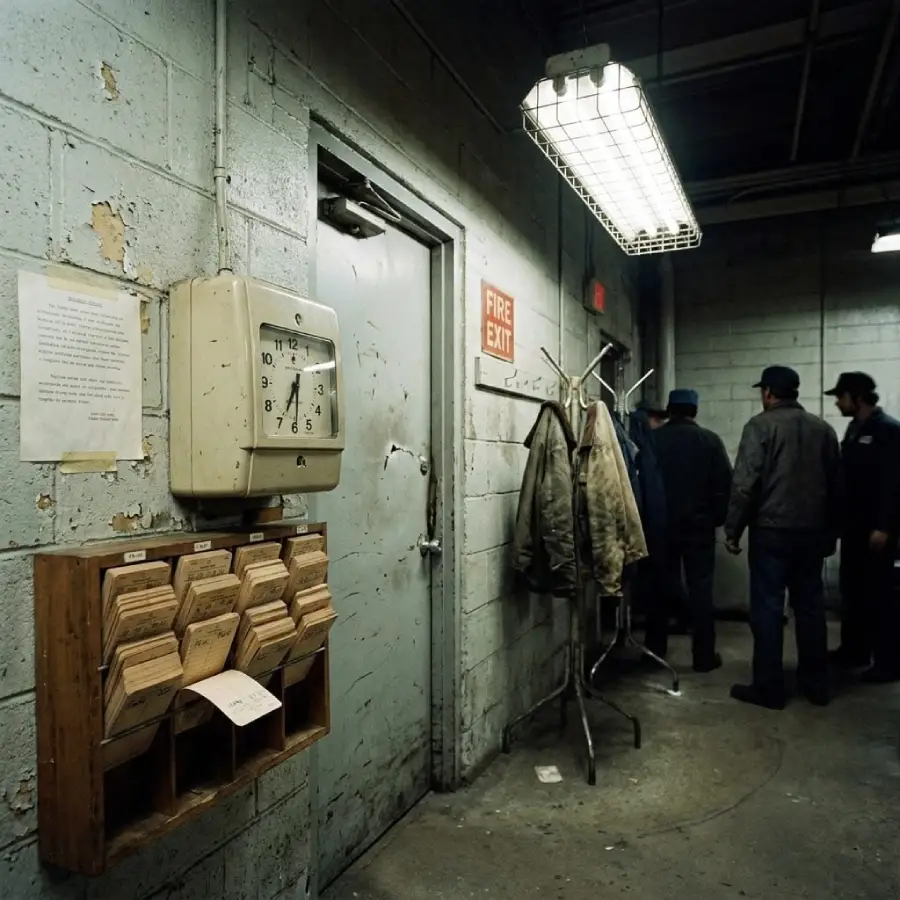
The mechanical ritual of physically inserting a heavy paper card into a motorized time-punch clock at the front entrance has been completely replaced by advanced, location-aware tracking software. These digital applications monitor an employee’s working hours through mobile devices, automatically broadcasting automated notifications to their personal smartphones the exact second they enter or exit a designated corporate boundary.
7. The hyper-connected communication loop
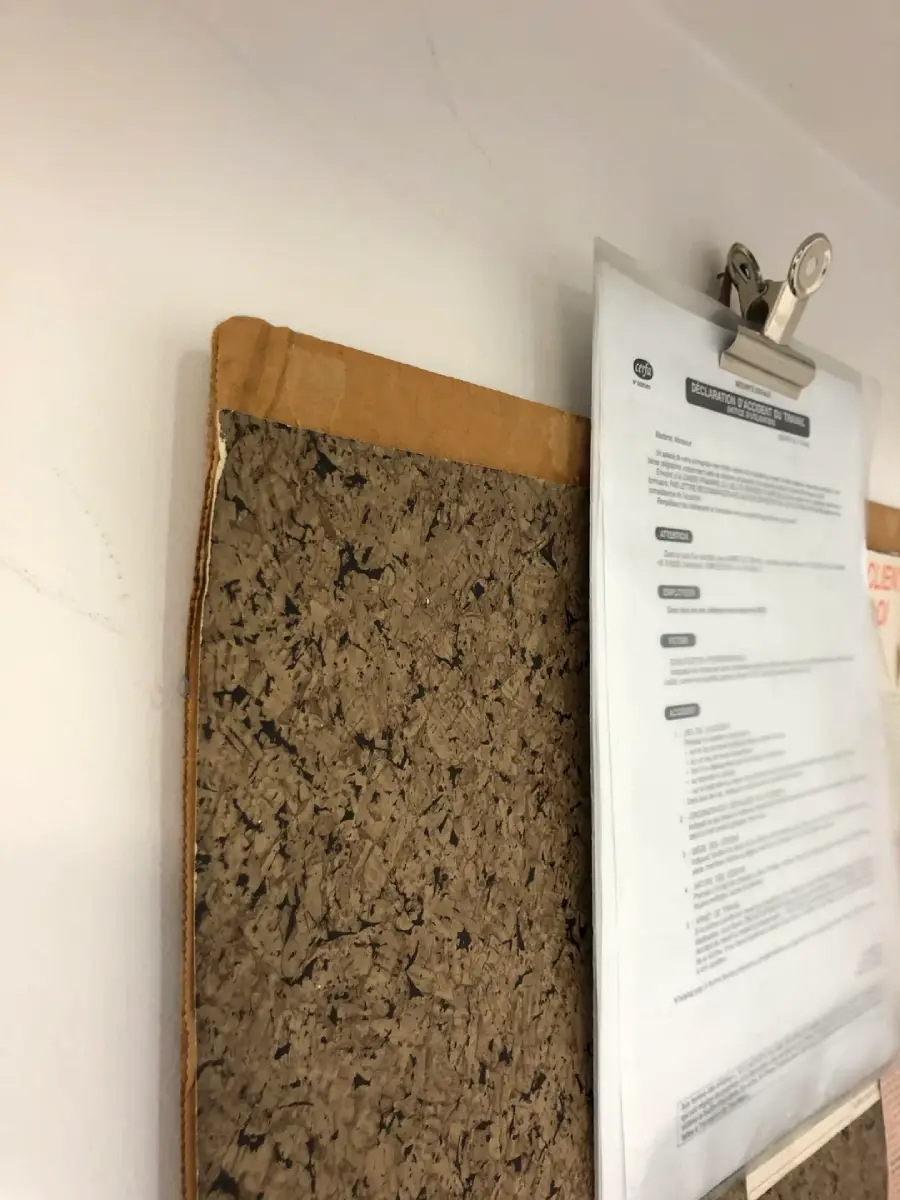
Official organizational updates that were once manually pinned onto a corkboard in the physical staff breakroom are now instantly broadcast through digital internal communication platforms like Slack at eleven o’clock at night. This permanent, instant messaging access has effectively disrupted the traditional evening wind-down, transforming casual late-night thoughts into pressing digital notifications that demand immediate attention.
8. The corporate contact directory upgrade
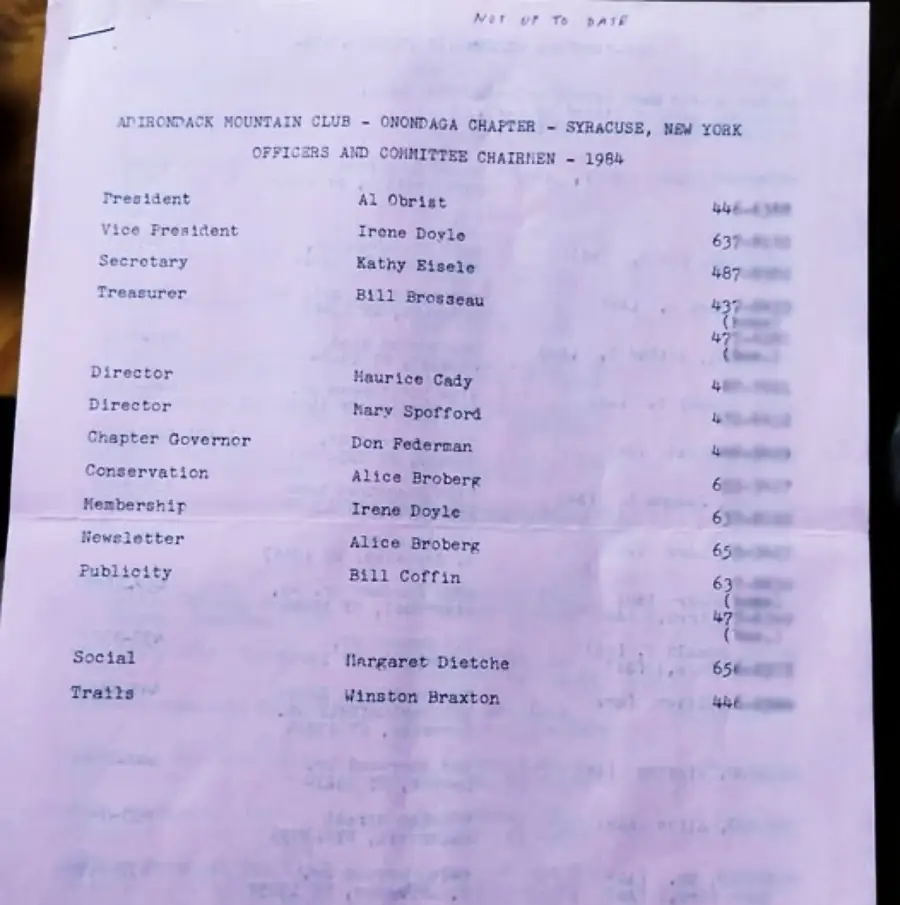
The traditional company roster has successfully transitioned from an elite, custom-printed laminated telephone booklet that sat perpetually un-updated on a secretary’s desk to a modern, self-managed digital profile on professional networking platforms. Unfortunately, this digital update has yielded the same historic result, leaving modern managers to rely on outdated profiles containing text from five job roles ago.
Sign up for our newsletter
9. The digital slide presentation boom
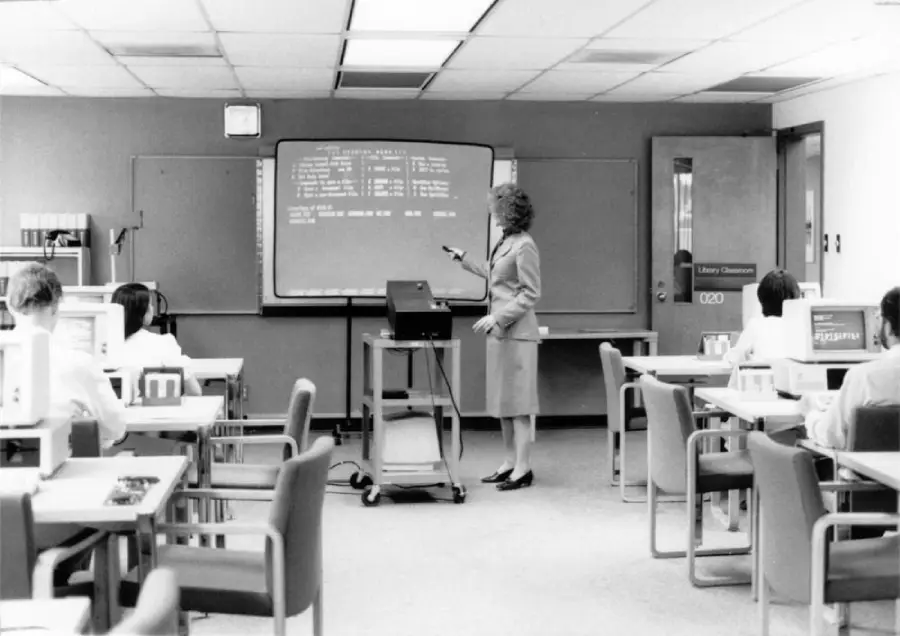
Corporate business briefings underwent a massive visual overhaul, stepping away from physical plastic transparencies laid over humming overhead light projectors to favor high-concept PowerPoint slideshows packed with intricate transition graphics. The introduction of early presentation software led to an absolute epidemic of spinning text blocks and bouncing chart lines, as workers prioritized decorative clip art and flashy animations over actual core financial data.
10. The normalization of remote employment
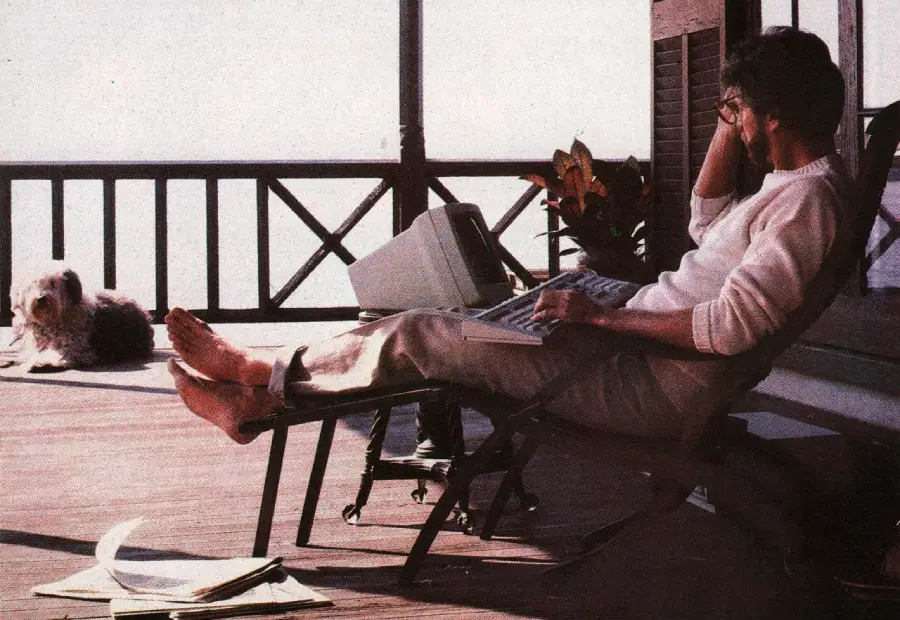
The concept of working directly from home has completely evolved from an exceptionally rare corporate privilege reserved strictly for weather emergencies into the standard operational blueprint that the global workforce aggressively fights to retain. This modern remote revolution has forced organizations to completely downsize their physical real estate holdings, transforming downtown skyscrapers into largely empty monuments to pre-Internet lifestyle traditions.
11. The algorithmic resume filtering screen
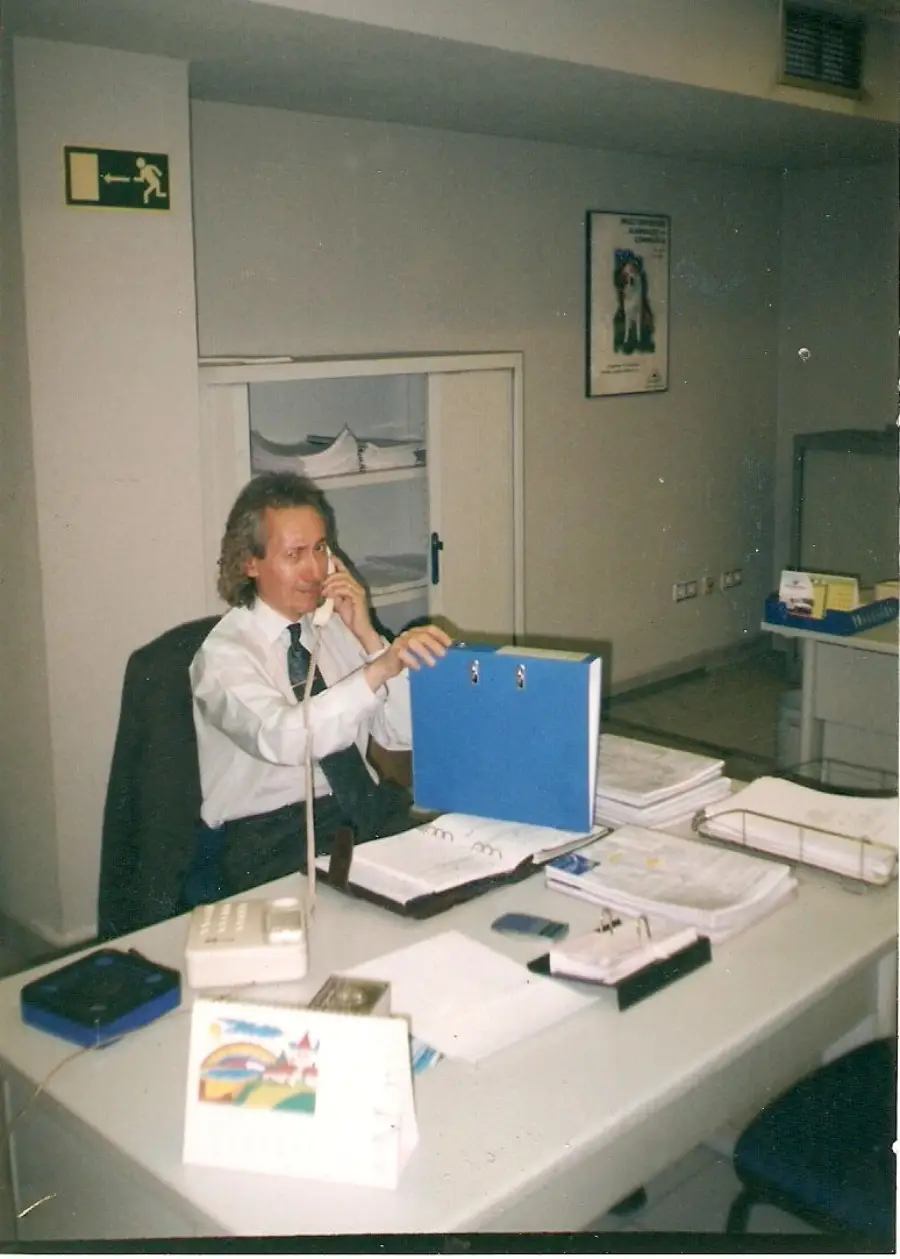
The traditional application process has shifted from an individual physically delivering a meticulously printed resume on heavy, high-grade linen paper directly into a hiring manager’s hand to a digital PDF file tossed into an online database. Today, sophisticated automated tracking systems utilize custom keyword matching algorithms to aggressively filter out thousands of applications before a single human eye ever reads the candidate’s professional credentials.
12. The virtual training lecture era

Professional skill building and corporate onboarding have evolved from studying a thick, photocopied, comb-bound training manual to scrolling through an exhaustive forty-five-minute YouTube tutorial video. Because these digital training modules are often played passively in the background at double speed while employees manage their regular inboxes, the vast majority of workers rarely absorb the actual procedural details.
13. The boundaryless customer expectation
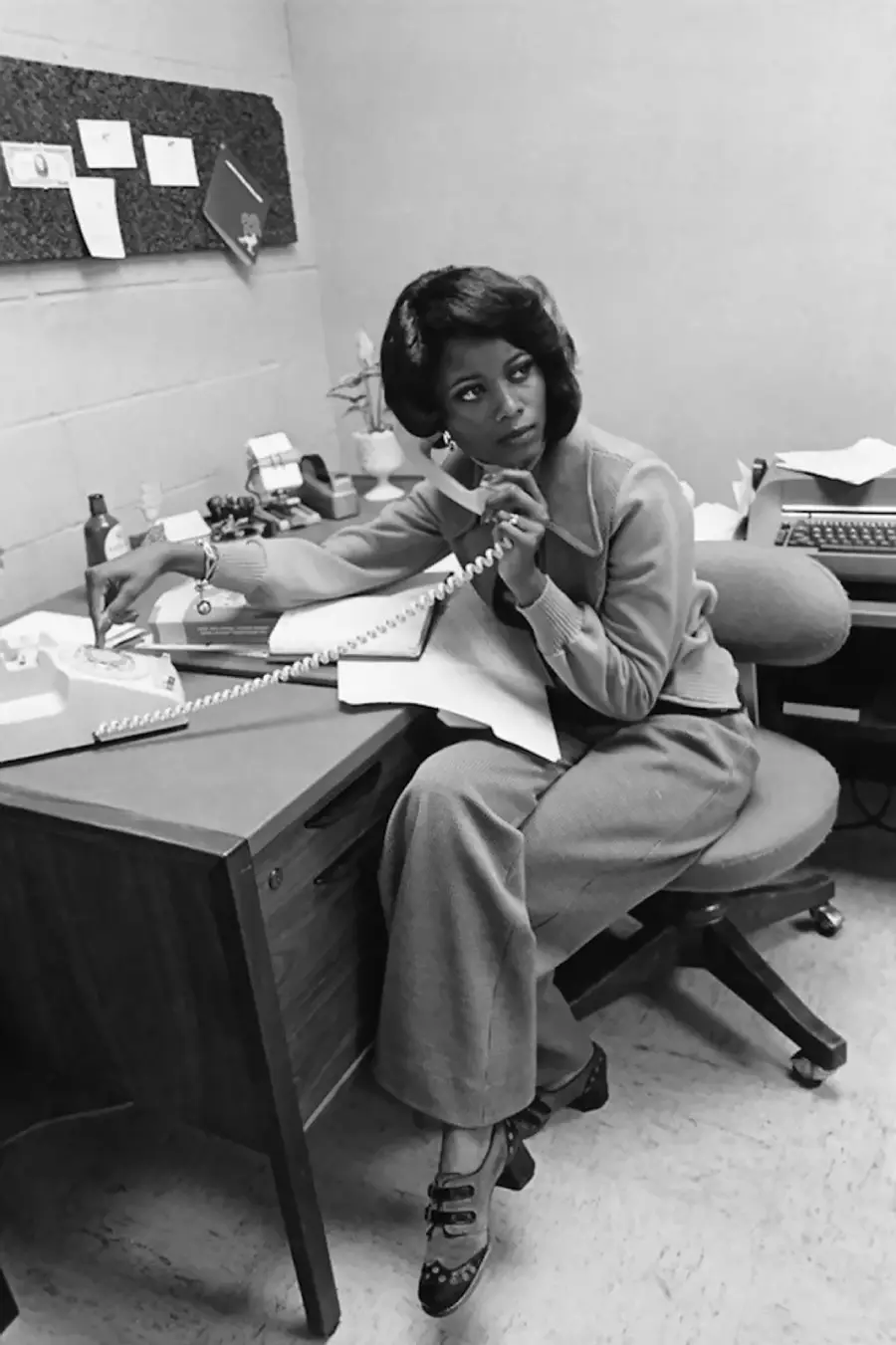
Commercial consumer relations shifted dramatically from a client placing a direct landline call during standard daytime operation hours to a shopper firing off a casual WhatsApp text message at ten o’clock at night, expecting an instantaneous reply. This constant digital access has completely dismantled traditional retail boundaries, forcing modern customer support teams to remain perpetually on-call to protect their online review scores.
14. The invisibility of remote overtime hours
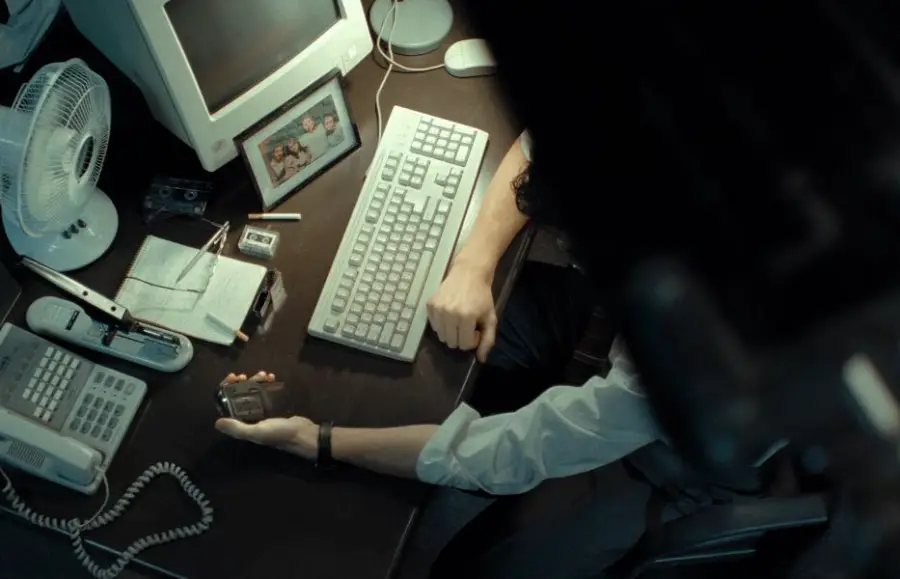
The concept of earning professional credit for staying late at the office was historically validated because a supervisor could physically see an employee sitting beneath fluorescent lights at a desk. In the modern remote landscape, extra evening hours have become entirely invisible to corporate managers, leaving isolated professionals to quietly log grueling nighttime shifts from their personal kitchen tables with zero external acknowledgment.
Explore more about the work culture over the decades:
Revisiting these incredible technological shifts serves as an excellent reminder of the unique, fast-paced changes that have shaped our daily career routines over the decades. Looking over these bulky computer monitors, virtual meeting rooms, and endless late-night digital notifications proves that while modern office hardware and automated communications applications change completely across the generations, the value of dedicated human ingenuity remains entirely constant. When we choose to look past the modern convenience of our current home office setups to appreciate the rigorous analogue history of the classic corporate layout, we gain a much deeper understanding of commercial history. If you enjoyed this detailed look back at the corporate habits that defined past generations of white-collar workers, make sure to explore these 15 Jobs That Only Exist Because Of The Digital Age, or 15 Strange 1930s Jobs Born During the Great Depression. You may also like these 15 High-Paying Jobs from 1975 That No Longer Exist.