Deals are supposed to save money, but some of them quietly encourage shoppers to spend more instead. It usually happens one small, reasonable-sounding decision at a time, helped along by packaging, pricing menus, and checkout screens designed around how people shop. A deal doesn’t need to be fake to work against you; the math just needs to be a little harder to notice than the advertised savings. Here are 15 familiar setups where the price tag says one thing and the receipt tells a different story.
1. The Bigger Box That Costs More Per Ounce

Grocery stores lean hard on the assumption that bigger automatically means cheaper, and most shoppers never check the small unit-price sticker to confirm it. During promotions, the smaller size sometimes drops in price while the “value” size doesn’t move, quietly flipping which one is actually the better buy. The word on the label isn’t doing any math; it’s doing marketing.
2. Spending More to Get Free Shipping
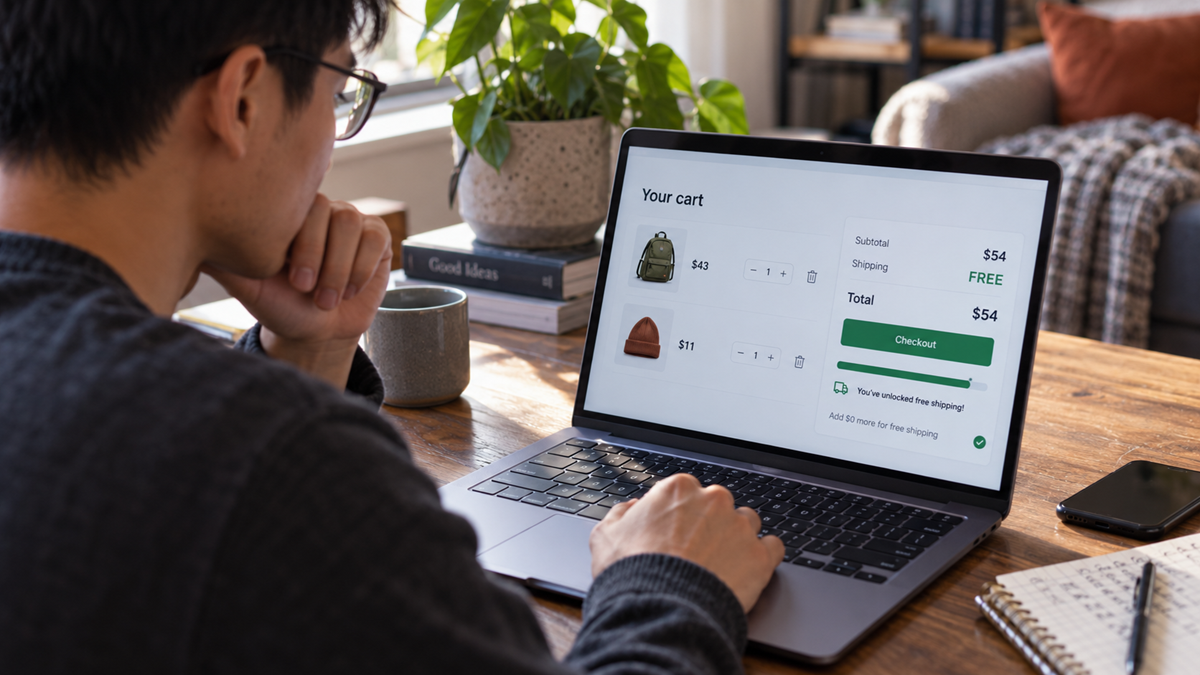
A cart sitting at $43 with a $7 shipping charge, and free delivery kicking in at $50, creates a strange kind of logic. Adding an $11 item feels like beating the system, even though the total just went up by four extra dollars. People tend to hate paying for shipping more than they hate paying for stuff, and retailers know it.
3. Combo Meals Nobody Actually Wanted
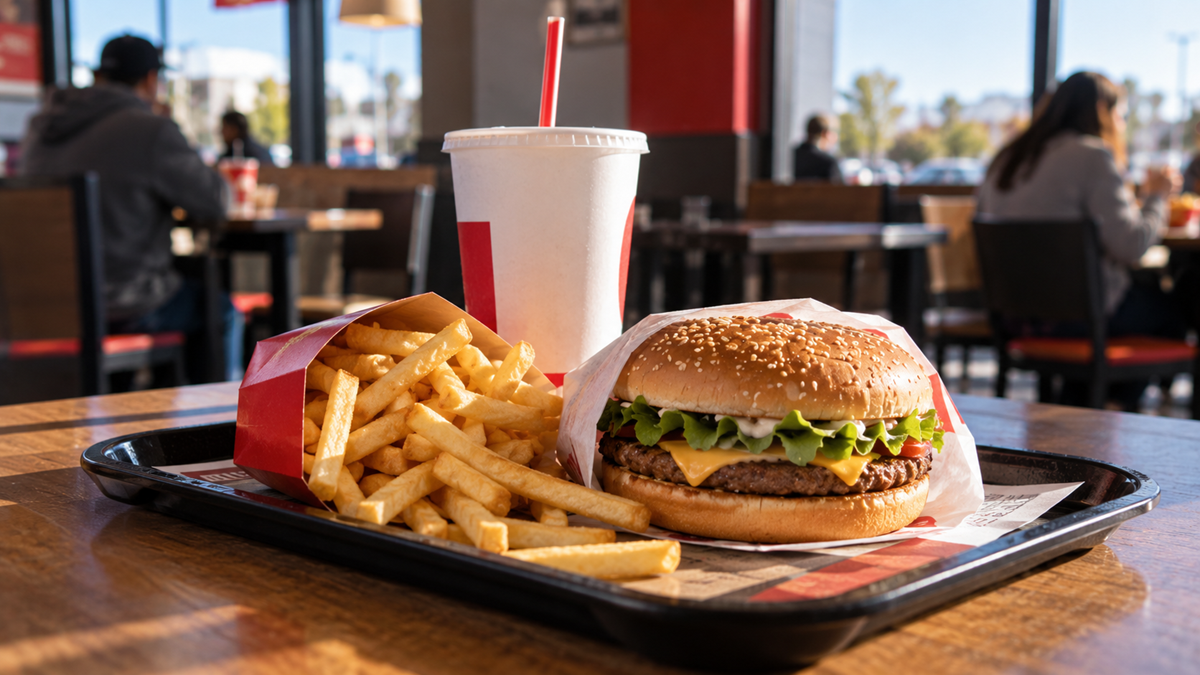
A burger meal with fries and a drink for one price sounds efficient, and often it is, if all three were already on the list. The trouble starts when someone walks in wanting just the burger and ends up talking themselves into the combo because the upgrade costs less than a dollar. Fast food chains have had decades to perfect that exact moment of hesitation.
4. Buy Two, Get One Free
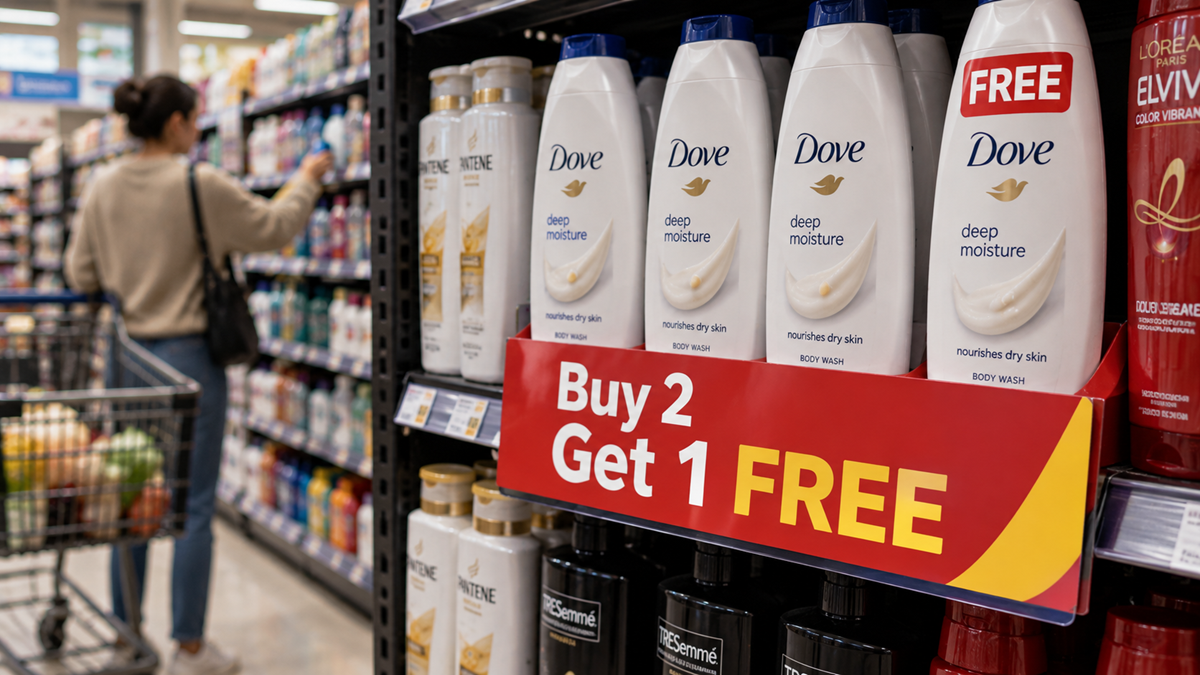
The free item does all the talking here, while the part where you have to buy two barely registers. For something used every week, this can genuinely be a good deal. For everything else, it’s a fast way to leave with three of something instead of the one that was actually needed.
5. Annual Plans That Bet on Future You

Ten dollars a month sounds worse than a hundred dollars a year, at least on paper, and the yearly plan usually is cheaper if the service gets used consistently. The catch is that it requires guessing correctly about a version of yourself twelve months from now. Software companies, gyms, and streaming services are all fairly comfortable collecting that bet upfront.
Trending on The Scroller


6. Giant Trays of Food That Don’t Last

A restaurant-sized container of strawberries or salad greens looks like a steal when you calculate the price per pound. That calculation stops meaning anything the moment a third of it turns to mush in the fridge. Bulk pricing rewards people who can eat, freeze, or share what they bought, not people who bought it out of habit.
7. The “Small” Upgrade That Isn’t Really Small
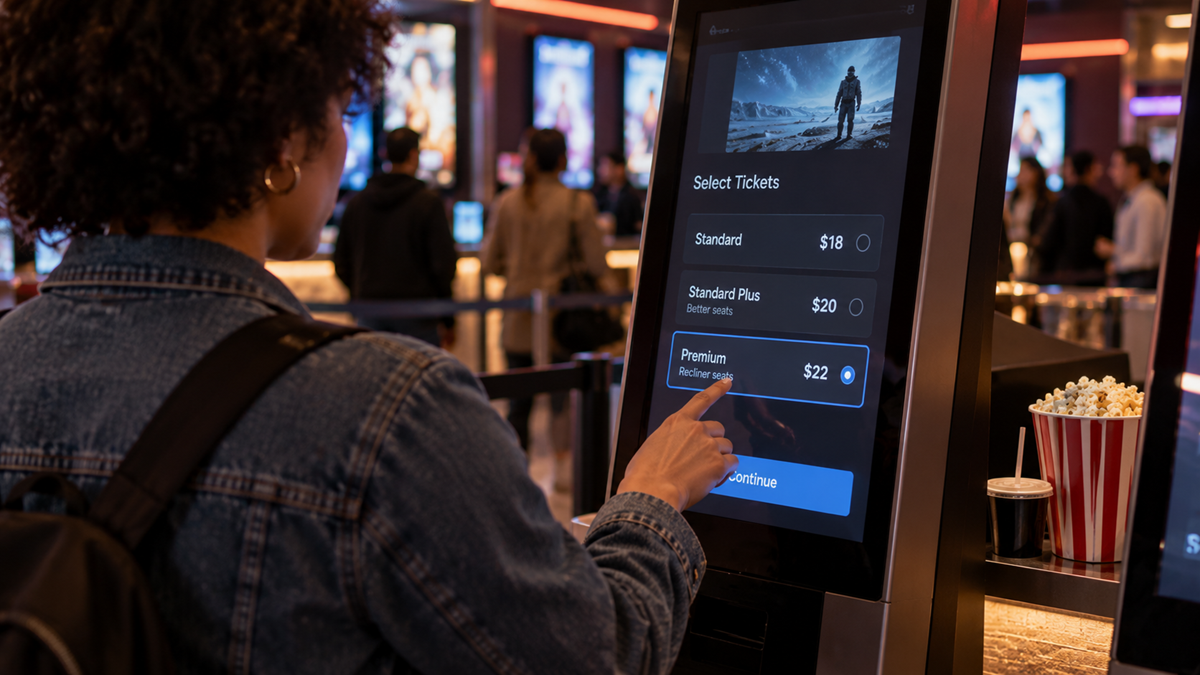
Eighteen dollars becomes twenty-two, and somehow that four-dollar difference barely registers once the bigger number has already been accepted. Movie tickets, car washes, streaming tiers, and airline seats all use some version of this trick. The first price does the heavy lifting of making the second one feel harmless.
8. Hotel Rooms With Breakfast Baked In

A room with breakfast included feels like a two-for-one deal before the trip has even started. Compare the same room without breakfast, though, and the gap in price sometimes covers a full meal for the whole family somewhere down the street. Turning a future cost into something that feels prepaid is a surprisingly effective trick.
Sign up for our newsletter
9. Loyalty Points That Make Leaving Feel Wasteful
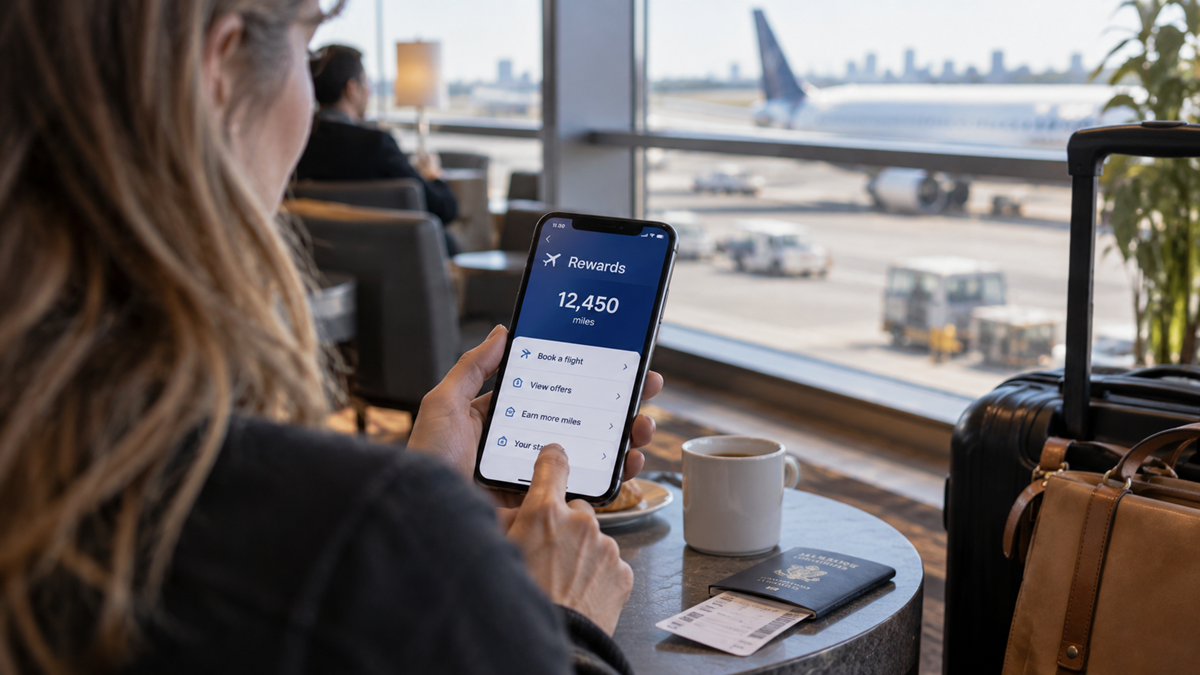
Miles, stars, and reward credits do return real value over time. But once a few hundred points have piled up, switching to a cheaper competitor starts to feel like throwing something away, even when the competitor’s regular price beats the loyalty discount. At some point the program stops being a perk and starts steering the next decision.
10. The Middle Option on Every Pricing Page
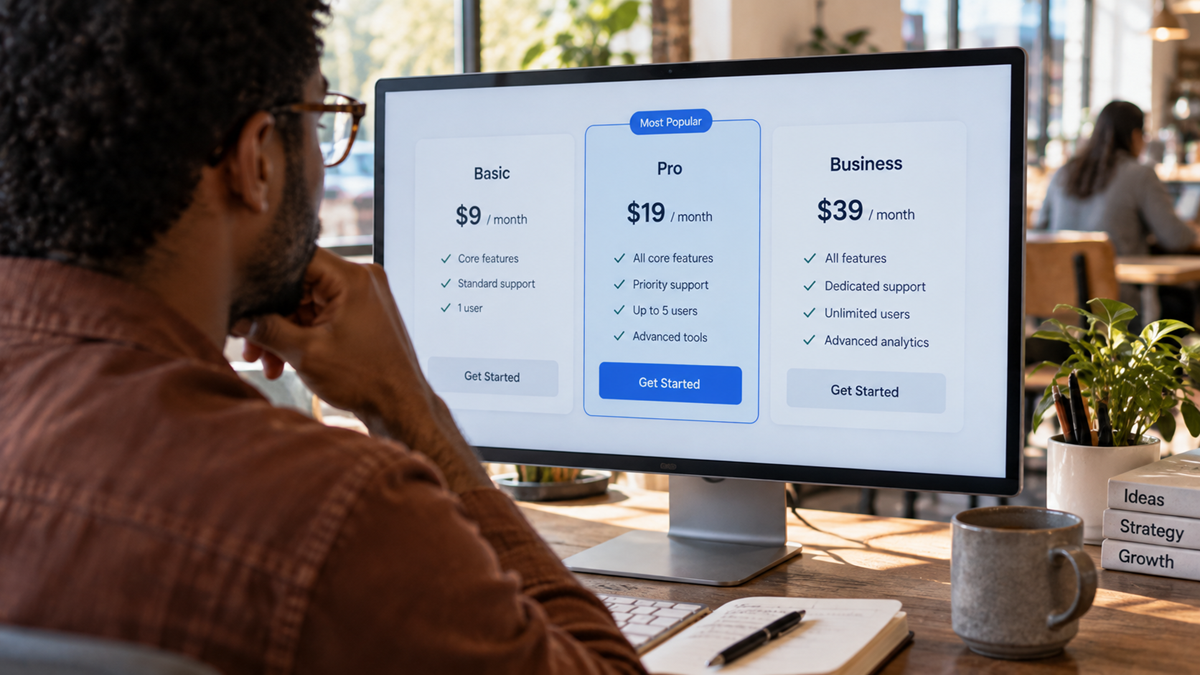
Three plans appear on a screen: cheap, middle, expensive, and the middle one instantly feels like the sensible adult choice. Nobody wants to pick the bare minimum, and almost nobody wants the top tier either. Plenty of pricing pages are built specifically to make that middle box the easiest thing to click.
11. Travel Bundles With Extras Nobody Priced Out

Flight, hotel, rental car, checked bag, seat selection, and insurance can all get folded into a single checkout total that looks tidy and complete. What gets lost is any real sense of what each piece costs on its own. Someone who would have skipped the insurance entirely ends up paying for it simply because it arrived bundled with everything else.
12. The Dollar You Keep Saying Yes To
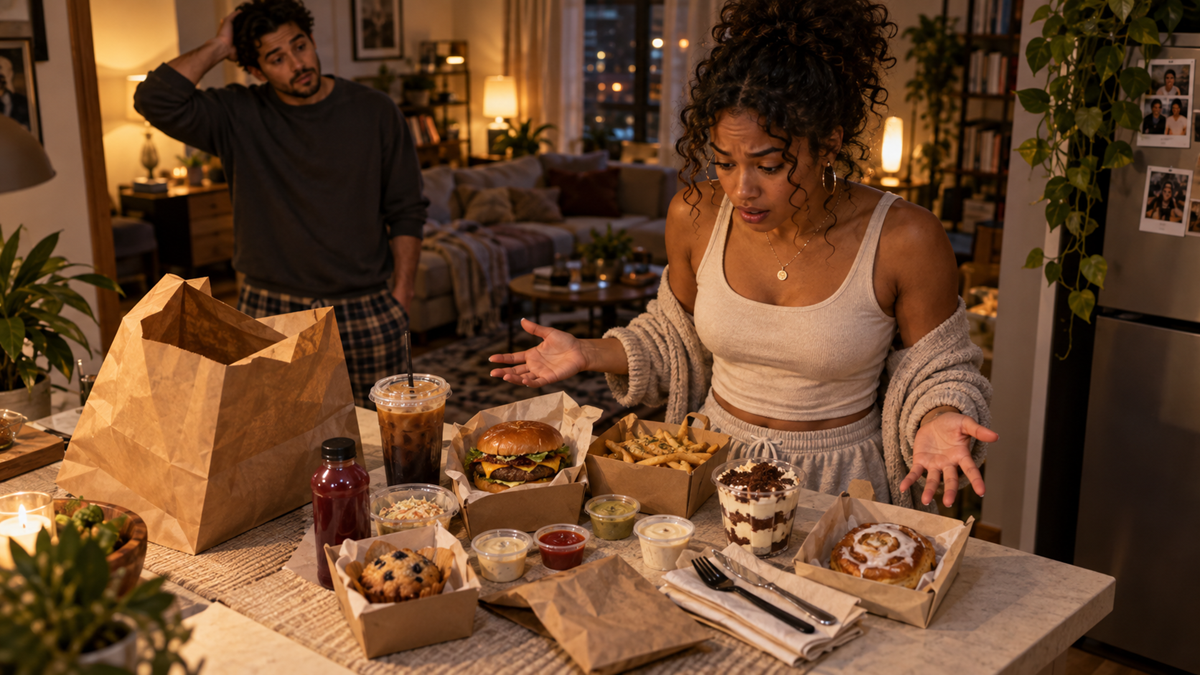
One extra dollar for a bigger size, a better tip suggestion, or a small add-on barely feels worth arguing about. Say yes to it four or five times in one order, and the total looks nothing like the “cheap” order it started as. Coffee shops and delivery apps rarely show that running total until it’s already too late to backtrack easily.
13. Store Credit Dressed Up as a Discount
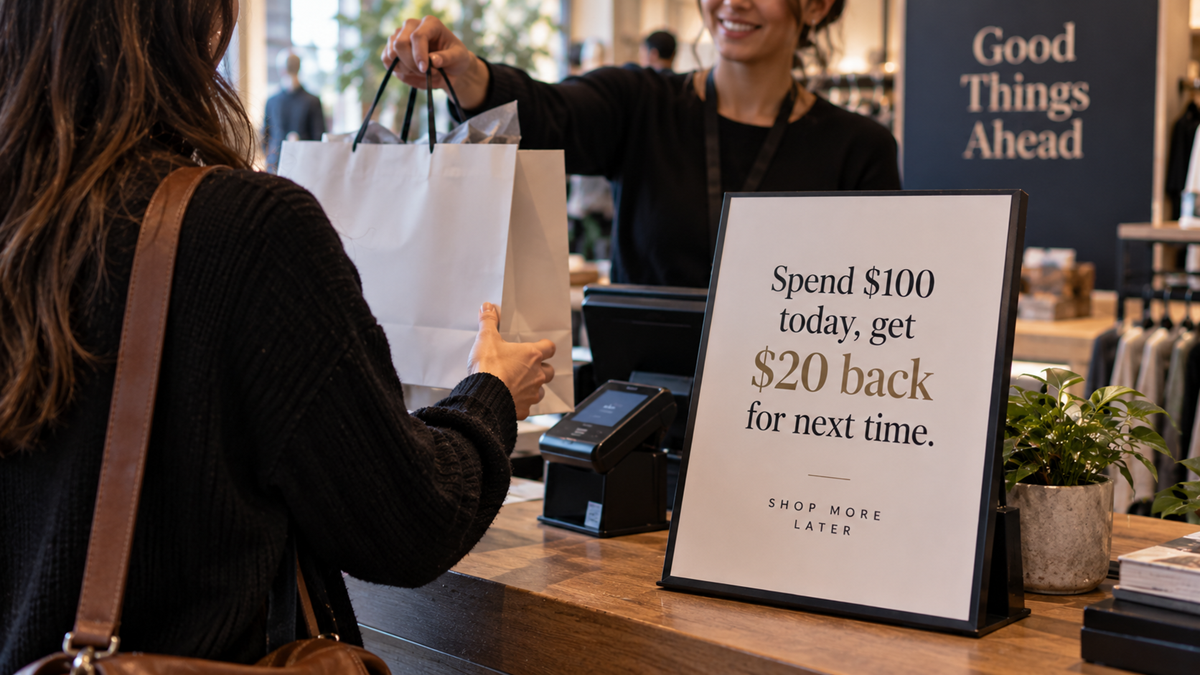
Spend a hundred dollars today, get twenty back for next time, and it reads almost exactly like a straight twenty-dollar discount. It isn’t. That twenty only turns into value after another purchase, on the store’s terms and usually with more money added to it. For the retailer, it’s less a discount and more an invitation to come back.
14. The “Only $X a Day” Price Breakdown
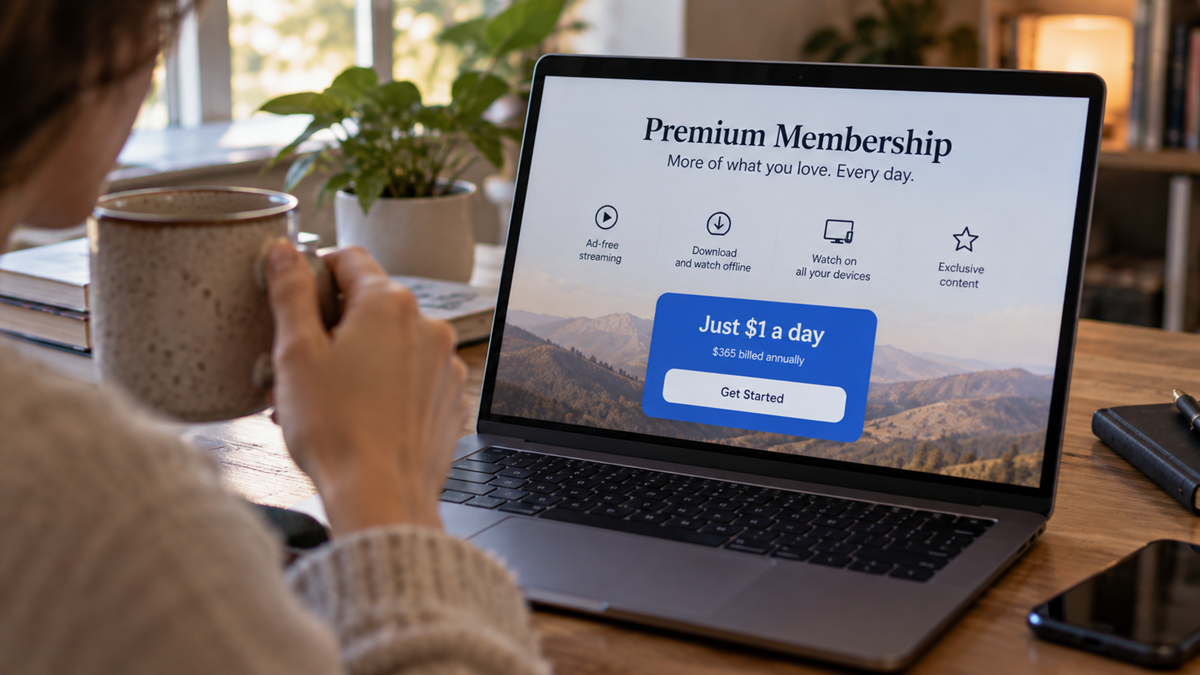
A service that costs $365 a year can sound a lot easier to swallow when it’s advertised as “just a dollar a day.” The total hasn’t changed, but breaking it into a tiny daily number makes it feel almost trivial. Subscription services, financing offers, insurance plans, and memberships use this framing because people react very differently to one large number than to the same cost chopped into pieces.
15. A Countdown Timer on Something You Weren’t Buying Anyway
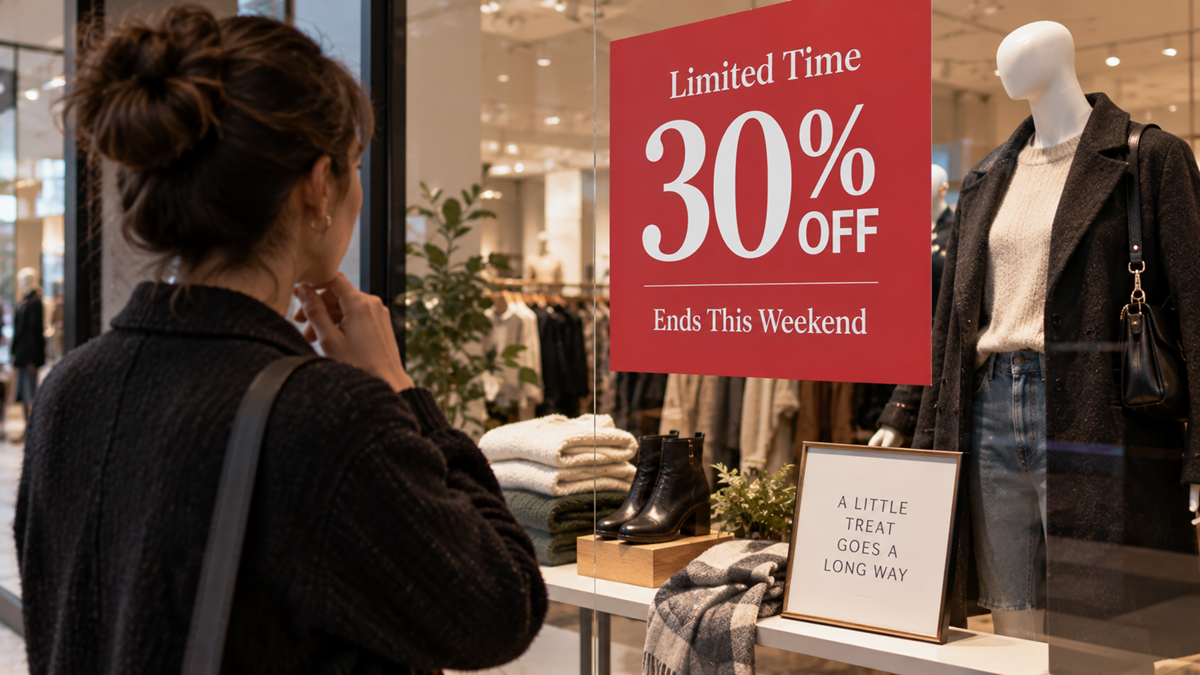
Thirty percent off feels rewarding, right up until you remember the alternative was spending zero dollars on an item that wasn’t on the list to begin with. Flash sales, weekend-only pricing, and expiring coupons are built to shift the question away from whether something is needed and toward whether the price might vanish. The discount can be completely genuine, and the unnecessary purchase can still happen right alongside it.
In the mood for more?
Check out 15 Financial Habits People Learn in Their 40s and Wish They Started at 25, or take a look at 15 Money Myths That Sound True Until You Look Closer. If you want to see more everyday spending stories, you can check out 15 Things That Have Skyrocketed in Price Due to Inflation.