
Money advice has a way of turning into rules, even when those rules were never especially accurate to begin with. Some ideas get passed down through families; others come from movies, advertising, or financial advice that made more sense decades ago. A few contain a grain of truth but fall apart once real-life costs, taxes, debt, and human behavior enter the picture. These common money myths are worth looking at a little more closely.
1. Renting Is Always Throwing Money Away

The phrase makes renting sound like the financial equivalent of setting cash on fire, but housing is more complicated than that. Homeowners also spend money they never recover through mortgage interest, property taxes, insurance, maintenance, repairs, and transaction costs. Buying can be a great long-term move, especially when someone expects to stay put for years, but renting may make more sense for people who need flexibility or live in extremely expensive housing markets. The useful comparison is not rent versus a mortgage payment alone; it is the total cost of each option.
2. A Higher Salary Automatically Makes You Wealthier

A bigger paycheck certainly helps, but income and wealth are not the same thing. Someone earning $200,000 a year while spending nearly all of it can have a lower net worth than someone earning half as much and consistently saving and investing. Lifestyle inflation has a habit of quietly following salary increases, with a nicer apartment, a newer car, more expensive vacations, and a collection of subscriptions that did not exist before the raise.
3. Cash Is Always the Safest Place for Your Money

Cash feels safe because the number in the account does not bounce around from day to day. The problem is that inflation slowly reduces what that money can buy. Keeping cash for emergencies and short-term expenses makes sense, but leaving long-term savings entirely in cash can carry its own kind of risk.
4. Credit Cards Are Basically Free Money Until the Bill Arrives
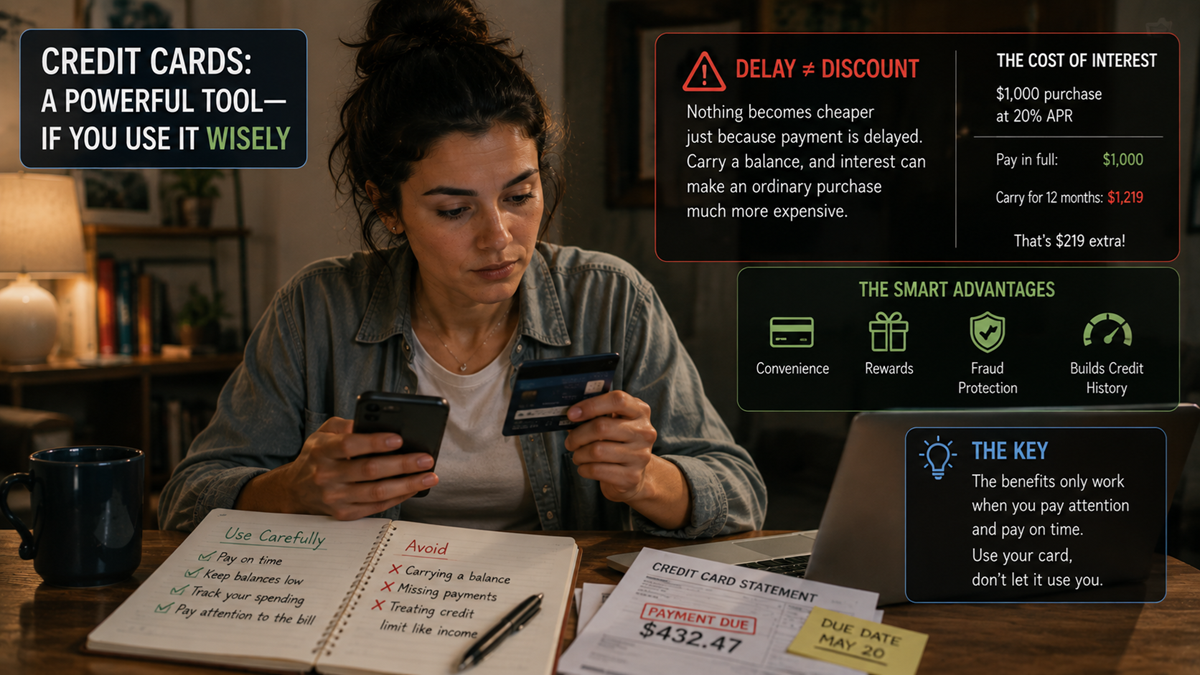
Credit cards can make spending feel strangely detached from money, but nothing about the purchase becomes cheaper because payment is delayed. Carry a balance, and interest can make an ordinary purchase considerably more expensive. Used carefully, cards can provide convenience, rewards, fraud protection, and help build a credit history, but those advantages depend on paying attention to the bill rather than treating the credit limit like income.
5. You Need to Be Rich Before Investing Makes Sense

Investing is often presented through images of Wall Street traders, six-figure portfolios, and people discussing markets over expensive lunches. In reality, someone regularly investing a modest amount over a long period can benefit enormously from compounding. Many brokerage platforms and retirement plans allow people to begin with relatively small sums, so the size of the first investment matters less than people sometimes assume. Starting early can be more valuable than waiting until there is finally a large pile of spare cash.
Trending on The Scroller

6. Carrying a Credit Card Balance Improves Your Credit Score

This one has survived surprisingly well. You generally do not need to pay interest by carrying debt from one billing cycle to the next to build a strong credit history. Regularly using credit and paying the statement balance on time can demonstrate responsible borrowing without handing extra money to the card issuer.
7. Buying Something on Sale Means You Saved Money

A $300 jacket marked down to $180 looks like a $120 saving, but only if you genuinely needed or planned to buy the jacket. If the discount persuaded you to spend $180 you otherwise would have kept, you did not actually come out $120 richer. Retailers understand how powerful the word “sale” can be, which is why discounts, countdowns, loyalty offers, and limited-time promotions are everywhere.
8. All Debt Is Bad

Debt has a terrible reputation for understandable reasons. High-interest credit card balances and expensive short-term loans can become serious financial problems, but borrowing is not automatically destructive. Mortgages, student loans, or business financing can sometimes help people acquire assets or opportunities they could not reasonably pay for upfront. What matters is the interest rate, repayment terms, purpose of the loan, and whether the borrower can comfortably handle the payments.
Sign up for our newsletter
9. You Should Always Buy the Cheapest Option

The lowest sticker price is not necessarily the lowest long-term cost. A cheap pair of shoes that needs replacing every few months can eventually cost more than a better-made pair that lasts for years. This does not mean expensive products are automatically better either, which is why cost per use can sometimes be a more useful way to think about a purchase.
10. Keeping Money in a Checking Account Is Basically the Same as Saving It

Technically, the money is still there, but checking accounts are designed for spending. When savings sit beside grocery money, rent, and everyday purchases, they can be much easier to chip away at without noticing. Separating emergency or long-term savings into another account creates a small barrier, and sometimes that tiny bit of inconvenience is enough to change behavior.
11. A Million Dollars Means You Are Set for Life

The cultural image of a millionaire has not fully caught up with inflation, housing prices, longevity, and the cost of retirement. One million dollars is still a substantial amount of money, but whether it provides lifelong security depends heavily on a person’s age, location, expenses, debts, investment returns, and how quickly the money is withdrawn. A 30-year-old living on $100,000 a year faces a very different equation from a 70-year-old homeowner with modest expenses.
12. Talking About Money Is Rude

Many families treat salaries, debt, inheritances, and even basic household finances as topics that should remain private. Privacy is perfectly reasonable, but complete silence can leave people with no idea what jobs actually pay, what common services cost, or whether they are being underpaid. More open conversations do not require sharing every bank statement; sometimes simply comparing experiences is enough to make financial decisions less mysterious.
13. A Tax Refund Is Free Money From the Government
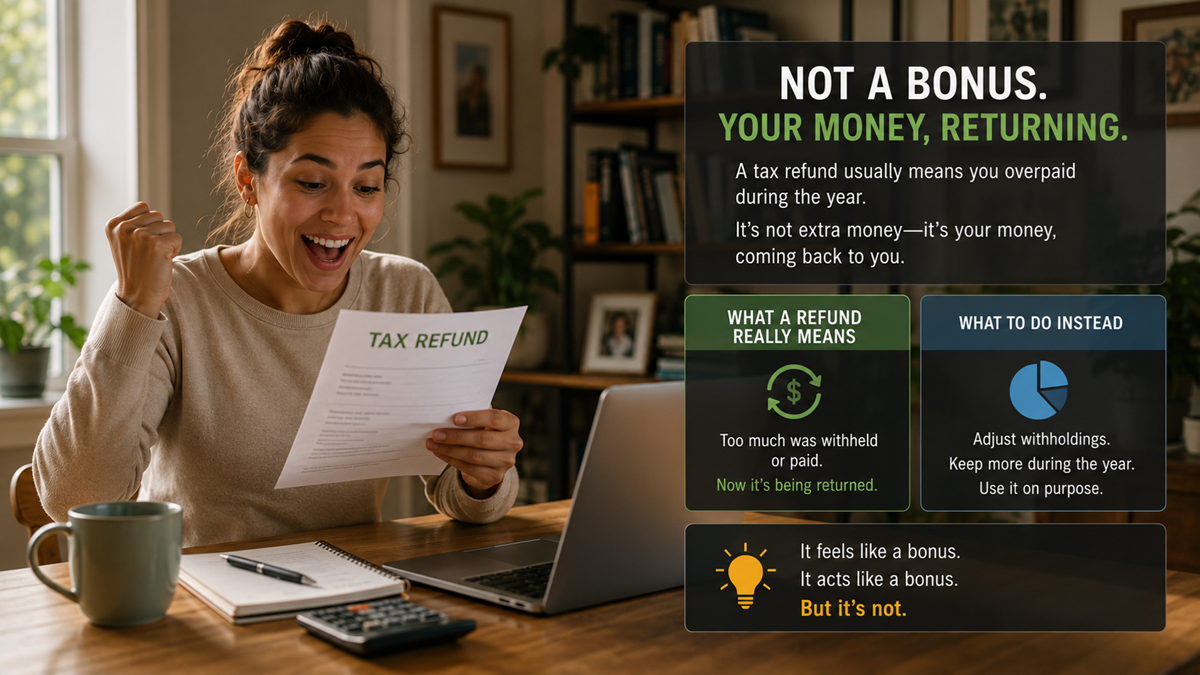
Receiving a large tax refund can feel like an unexpected bonus, which helps explain why people often plan purchases around it. In many cases, though, the refund simply means too much money was withheld or paid during the year and is now being returned. It is your money arriving later, not a surprise prize.
14. Wealthy People Never Worry About Money

Having more money removes many financial stresses, particularly the brutal ones involving food, housing, healthcare, or unexpected bills. It does not automatically remove anxiety about money itself. People can worry about losing wealth, maintaining a lifestyle, supporting relatives, bad investments, businesses, taxes, or whether what they have accumulated will last.
15. Being Good With Money Means Never Spending on Fun

Personal finance advice can sometimes make a normal purchase sound like a moral failure. Saving everything is not particularly useful if the result is a life designed entirely around avoiding spending. A workable budget normally leaves room for restaurants, hobbies, travel, entertainment, or whatever someone actually enjoys, while still protecting larger financial goals. The difficult part is rarely eliminating every pleasure; it is deciding which expenses are genuinely worth keeping.
In the mood for more?
Check out 15 Financial Habits People Learn in Their 40s and Wish They Started at 25, or take a look at 15 Things Americans Quietly Stopped Spending Money On in the Last 20 Years. If you want to see more personal finance history, you can check out 18 Things Our Grandparents Did With Money That Financial Advisors Now Say Were Genius.
Images generated by AI