The landscape of American consumerism has undergone a massive, silent revolution over the course of the last two decades. If we were to look at a typical household ledger from twenty years ago, we would find a completely different set of line items dominating the monthly budget. In the mid-2000s, allocating a significant portion of your disposable income to physical media, specialized hardware, and directory services was simply a routine part of modern life. These transactions weren’t viewed as luxuries; they were the standard cost of staying informed, entertained, and connected to the world around us.
Today, technological integration and shifting lifestyle preferences have caused consumers to quietly divert their money away from these once-essential goods and services. The rapid rise of the smartphone economy, cloud computing, and subscription models transformed countless physical products into free, invisible features on a screen. This economic migration happened so gradually that most families never had a formal conversation about cutting these items from their budgets; they simply stopped buying them altogether. Let’s take a look at fifteen things Americans used to buy regularly that have quietly vanished from the modern shopping cart.
1. Physical landline telephone services
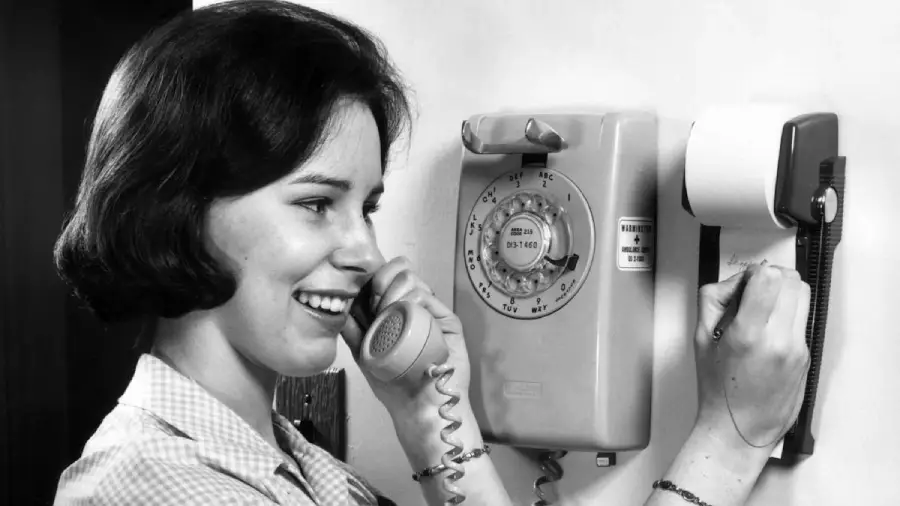
In the mid-2000s, maintaining a dedicated home phone line was considered a fundamental requirement for a stable, reachable household. Families routinely paid a monthly utility bill to local telecom monopolies just to keep a physical copper wire connected to their kitchen walls. As cellular networks achieved universal coverage and mobile data plans became the standard, the traditional landline quickly evolved into an unnecessary double expense. Federal communication data shows that over seventy percent of American households have completely abandoned their landlines in favor of an exclusively mobile lifestyle.
2. Printed yellow pages and city directories
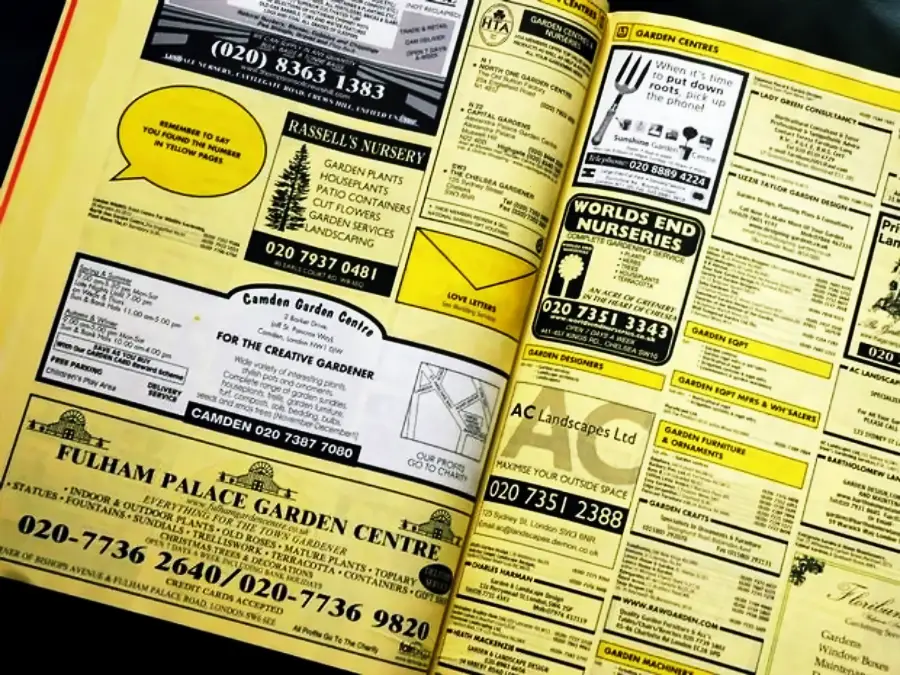
There was a time when a massive, brick-sized paper directory would appear on every American doorstep once a year, serving as the definitive gateway to local commerce. Businesses invested billions of dollars collectively to secure large, colorful advertisements in these thick directories to ensure customers could find their telephone numbers. The rapid expansion of search engines and digital maps turned these paper behemoths into instant recycling bin material. Today, the idea of flipping through hundreds of paper pages to find a local plumber feels like a relic from a distant century.
3. Movie and video game rentals
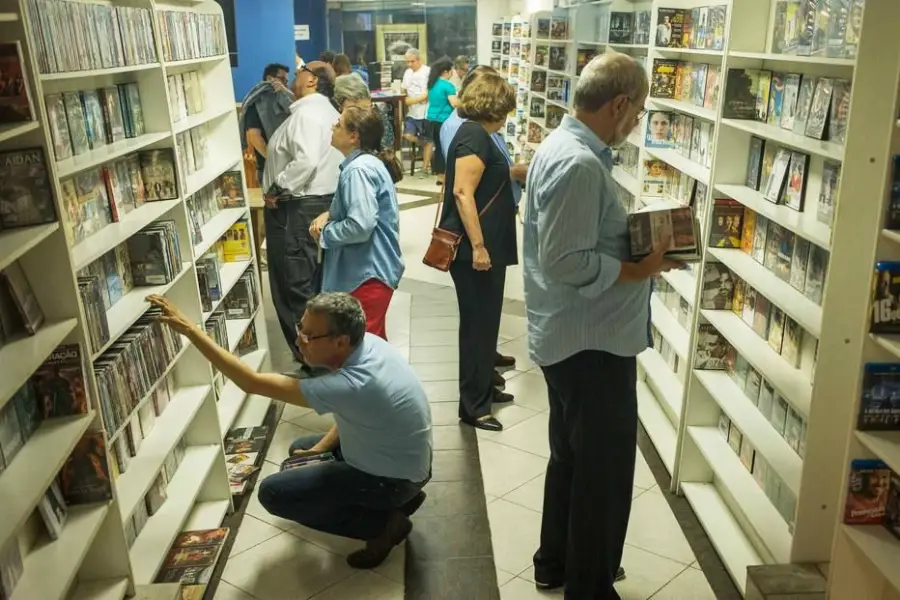
The Friday night ritual of driving to a brightly lit local video store to browse rows of physical plastic cases was a cornerstone of suburban entertainment culture. Consumers spent a significant amount of cash annually on individual movie rentals, late fees, and membership cards at massive national chains. The arrival of high-speed broadband internet allowed streaming platforms to completely automate the distribution of entertainment overnight. The physical video store model collapsed with staggering speed, transforming an active weekend errand into a passive click of a remote control from the couch.
4. Standalone GPS navigation devices

Before the smartphone era, dashboard-mounted GPS units costing several hundred dollars were among the most popular holiday tech gifts in America. Drivers regularly spent extra cash purchasing annual map update discs or SD cards to ensure their device recognized newly constructed highways and exits. Once mobile operating systems began bundling sophisticated, real-time mapping software into every phone for free, the market for separate dashboard hardware evaporated. A specialized gadget that once required a significant financial investment became a standard, overlooked background feature on our phones.
5. Classified newspaper advertisement
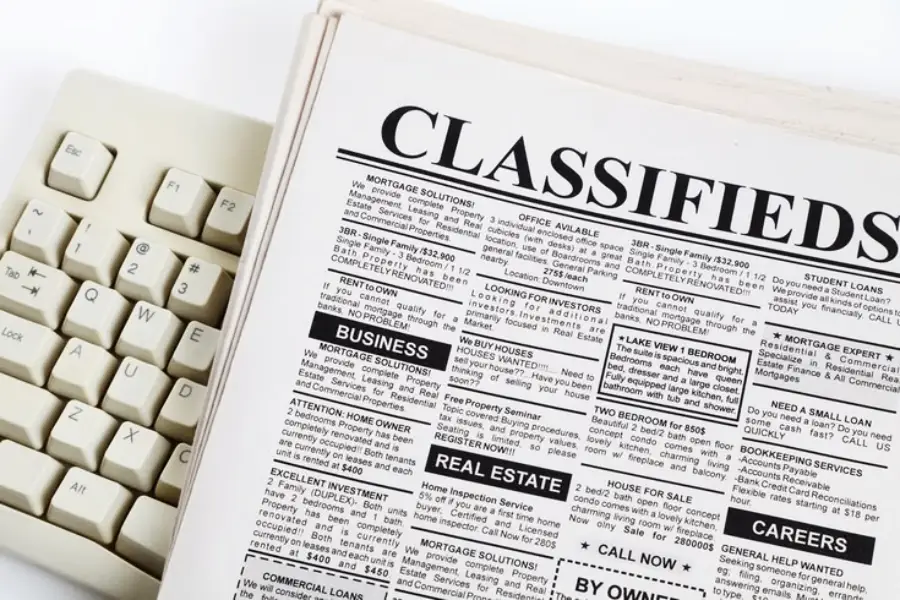
For generations, local newspapers generated a massive portion of their operating revenue from the classified section, where ordinary citizens paid by the word to sell used cars, list apartments, or advertise garage sales. Finding a roommate, buying a lawnmower, or searching for an entry-level job required buying the Sunday paper and circling listings with a pen. The rise of free, specialized digital marketplaces completely decimated this traditional revenue stream within a single decade. Americans quietly migrated to digital peer-to-peer platforms, leaving newspaper classified sections to shrink into near-total obscurity.
Trending on The Scroller


6. Dial-up internet subscriptions
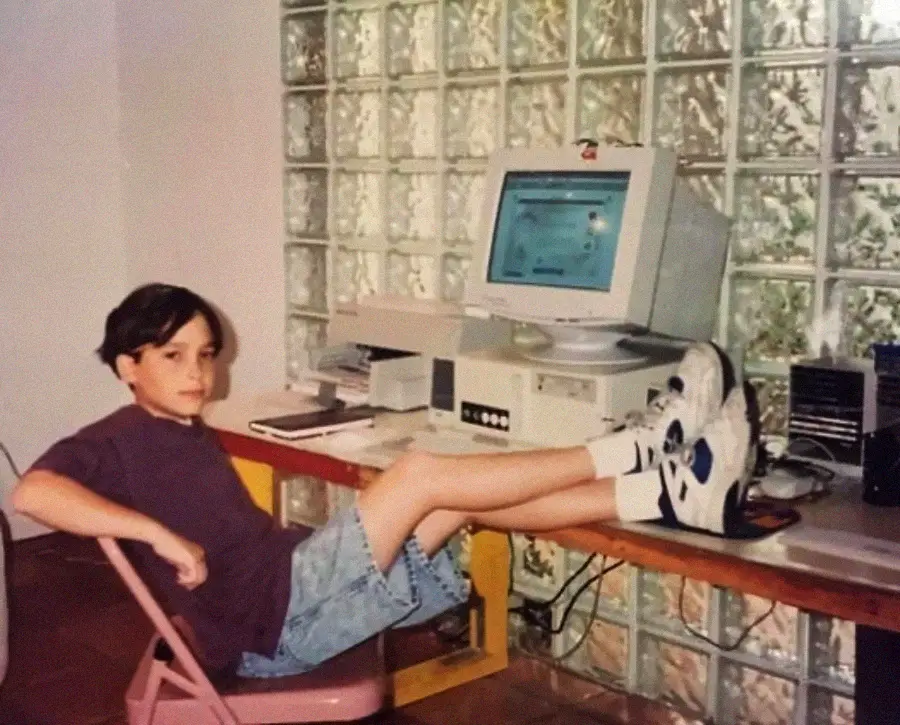
In the early 2000s, millions of American households were still paying monthly fees to companies like AOL for the privilege of listening to a chaotic symphony of modems connecting to the World Wide Web. This service completely occupied the household phone line, meaning you couldn’t receive a call while browsing early internet forums. The aggressive rollout of fiber-optic cables and broadband connections made these slow, metered dial-up subscriptions entirely obsolete. Today, high-speed connection is viewed as a basic utility, and the screech of a dial-up modem is strictly a nostalgic sound bite.
7. Compact Discs and physical album art
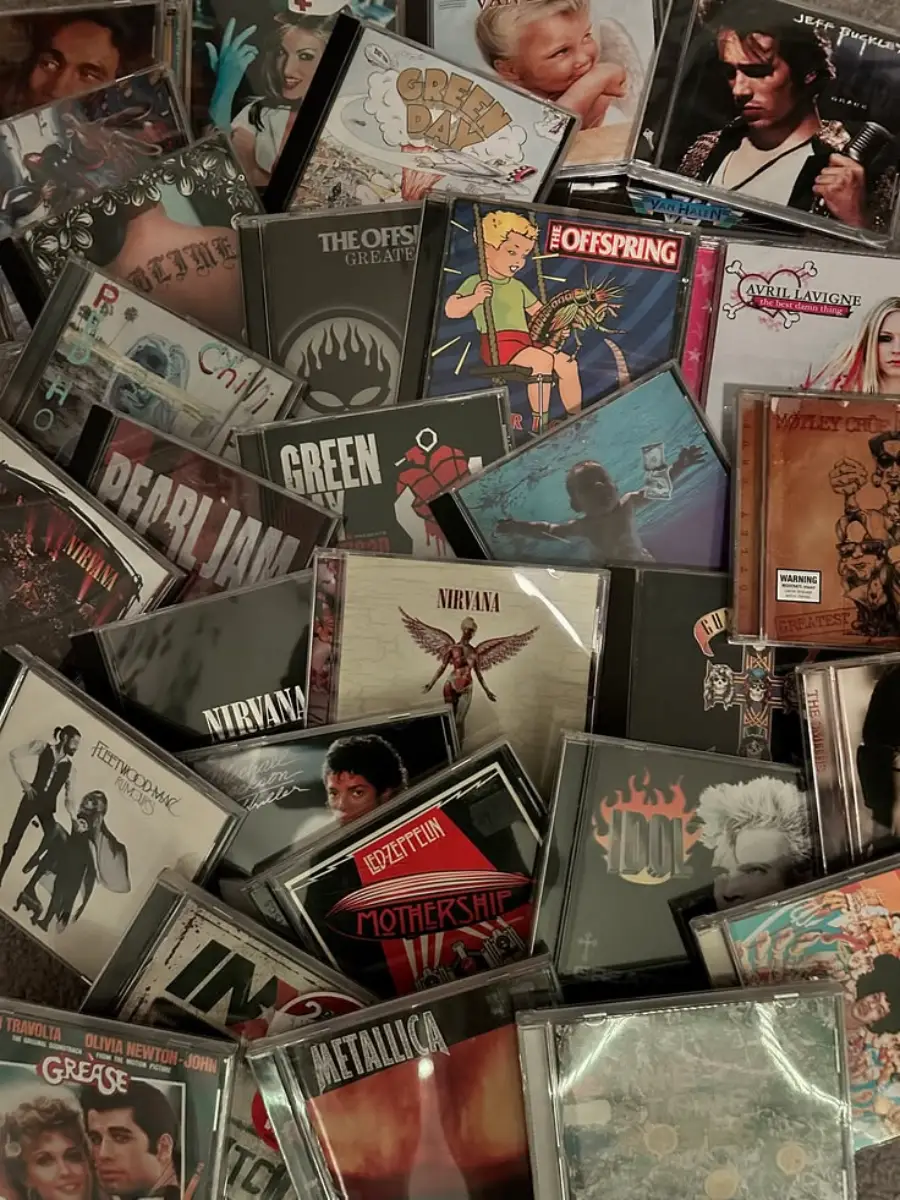
Music lovers once built massive physical collections, proudly displaying rows of plastic jewel cases on dedicated living room shelves and carrying large zippered binders in their cars. Buying a new album was a twenty-dollar financial commitment that often required driving to a mall music store on release day. The transition from physical discs to digital MP3 downloads, and eventually to all-inclusive streaming platforms, completely changed the economics of music consumption. Americans stopped purchasing individual albums by the millions, opting instead to rent access to the entirety of human music history for a flat monthly fee.
8. Reference encyclopedias and physical dictionaries

Owning a multi-volume set of leather-bound encyclopedias was once the ultimate status symbol for an education-focused American household, often purchased via long-term payment plans from traveling salesmen. These heavy books were the primary resource for every school research paper and family debate for the better part of a century. The arrival of massive, crowdsourced digital repositories made physical knowledge repositories completely impractical and obsolete. Information became a utility that is updated instantly and accessed for free, turning thousand-dollar book sets into decorative vintage items.
Sign up for our newsletter
9. Mapbooks and paper road maps
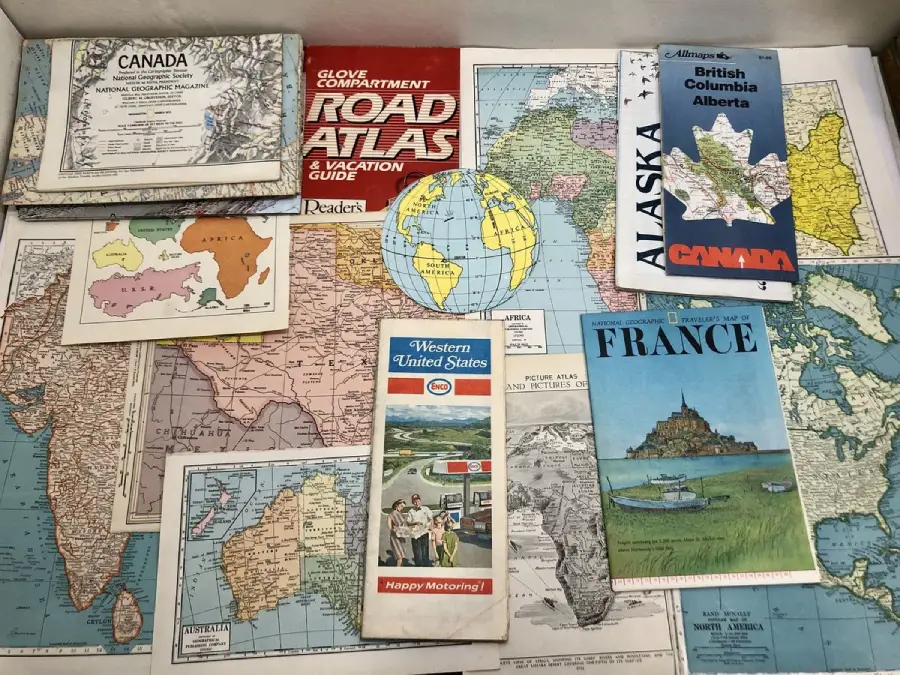
Planning a family road trip once involved a mandatory stop at a gas station or an automotive club to purchase large, folding paper maps or spiral-bound road atlases. Co-pilots were tasked with meticulously tracing routes with highlighters and shouting out exit numbers ahead of time. Digital navigation tools eliminated the need for paper navigation, introducing turn-by-turn voice guidance and real-time traffic updates. Today, keeping a paper map in the glove compartment is viewed as an eccentric survivalist trait rather than a basic travel necessity.
10. Cable television bundles
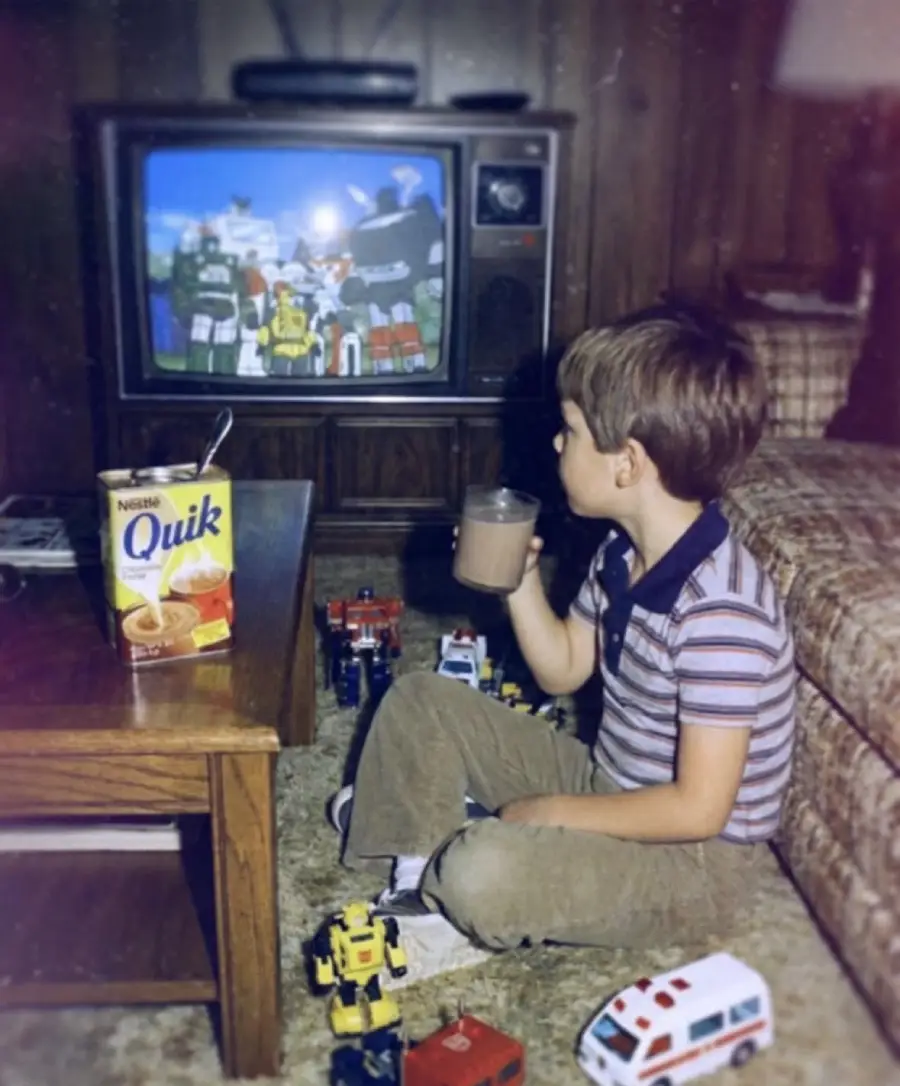
The traditional premium cable television package, complete with a massive bundle of hundreds of channels you never watched, was a standard monthly expense for decades. Consumers quietly accepted consistent price hikes and equipment rental fees for cable boxes because there was simply no other way to access high-quality television content. The rise of independent streaming services triggered a massive cord-cutting movement that has seen millions of households cancel their cable contracts annually. This shift forced the entire entertainment industry to restructure how content is sold to the public.
11. Travel agency services
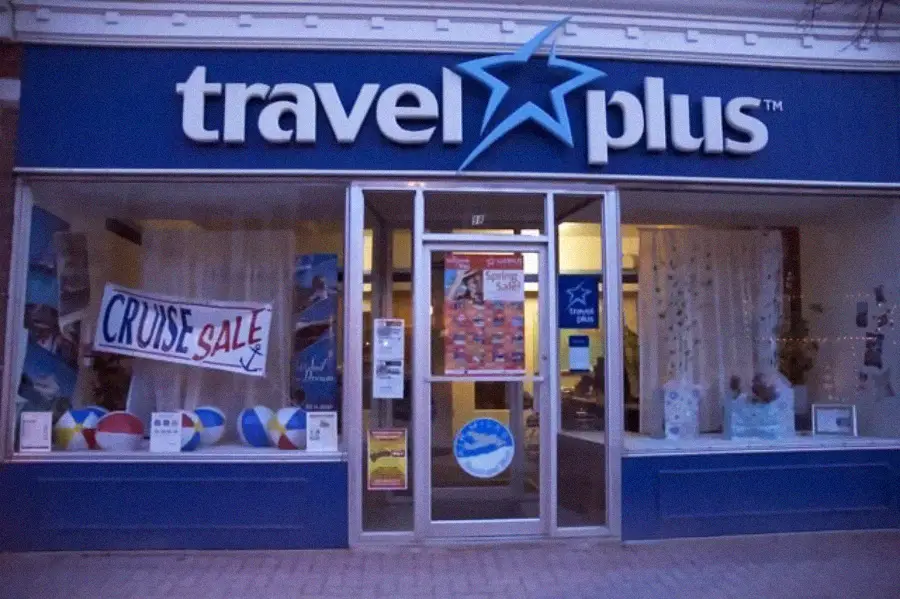
Booking a vacation once required walking into a local strip-mall travel agency, where a professional would look up flight schedules, print out physical tickets, and handle hotel reservations for a fee. Travelers relied entirely on these agents to navigate the complex internal databases of airlines and cruise corporations. The democratization of the internet allowed consumer-facing travel booking engines to put that data directly into the hands of the public. Americans realized they could compare prices and build their own custom itineraries in their pajamas, bypassing the traditional travel agent completely.
12. Checkbook and processing fees

Writing a paper check at the grocery store checkout counter or mailing a physical slip of paper to pay the electricity bill was a routine weekly chore for the American middle class. Banks charged regular fees for printing custom checkbooks, and consumers spent significant time manually balancing their paper ledgers. The explosive growth of online bill pay, mobile banking apps, and peer-to-peer digital transaction networks made paper checks a rarity. Outside of major real estate transactions, the average consumer rarely interacts with physical checks anymore.
13. Digital point-and-shoot cameras
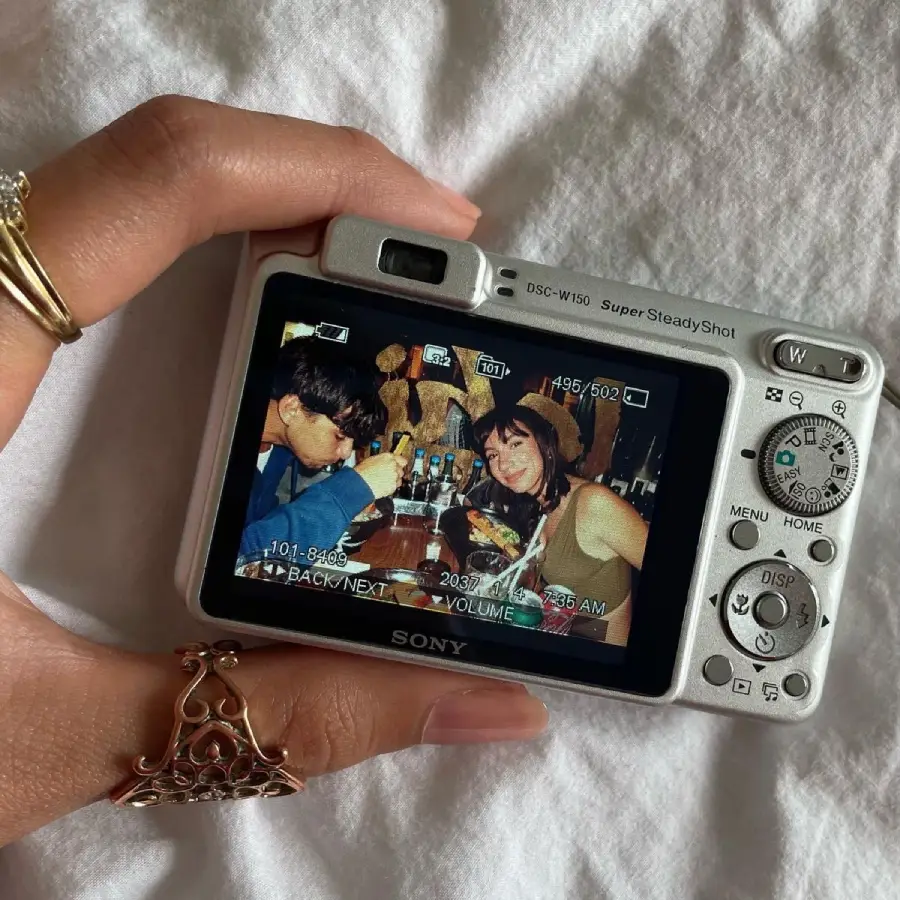
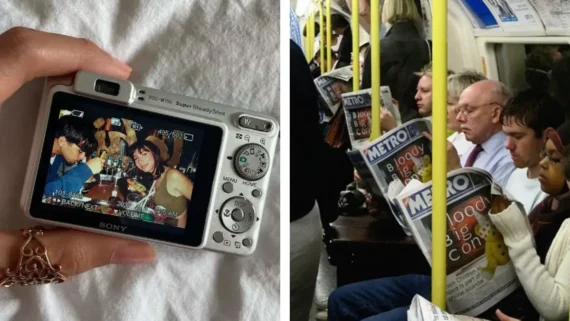
In the mid-2000s, no vacation, birthday party, or night out was complete without a compact digital camera tucked into your pocket or purse. Consumers spent hundreds of dollars on standalone camera hardware, memory cards, and protective cases to capture their daily memories. The rapid advancement of smartphone camera sensors and image processing software annihilated the market for entry-level digital cameras. Unless you are a professional photographer or a serious hobbyist, the smartphone has become the exclusive eye through which we record our lives.
14. Commuter newspapers and print magazines
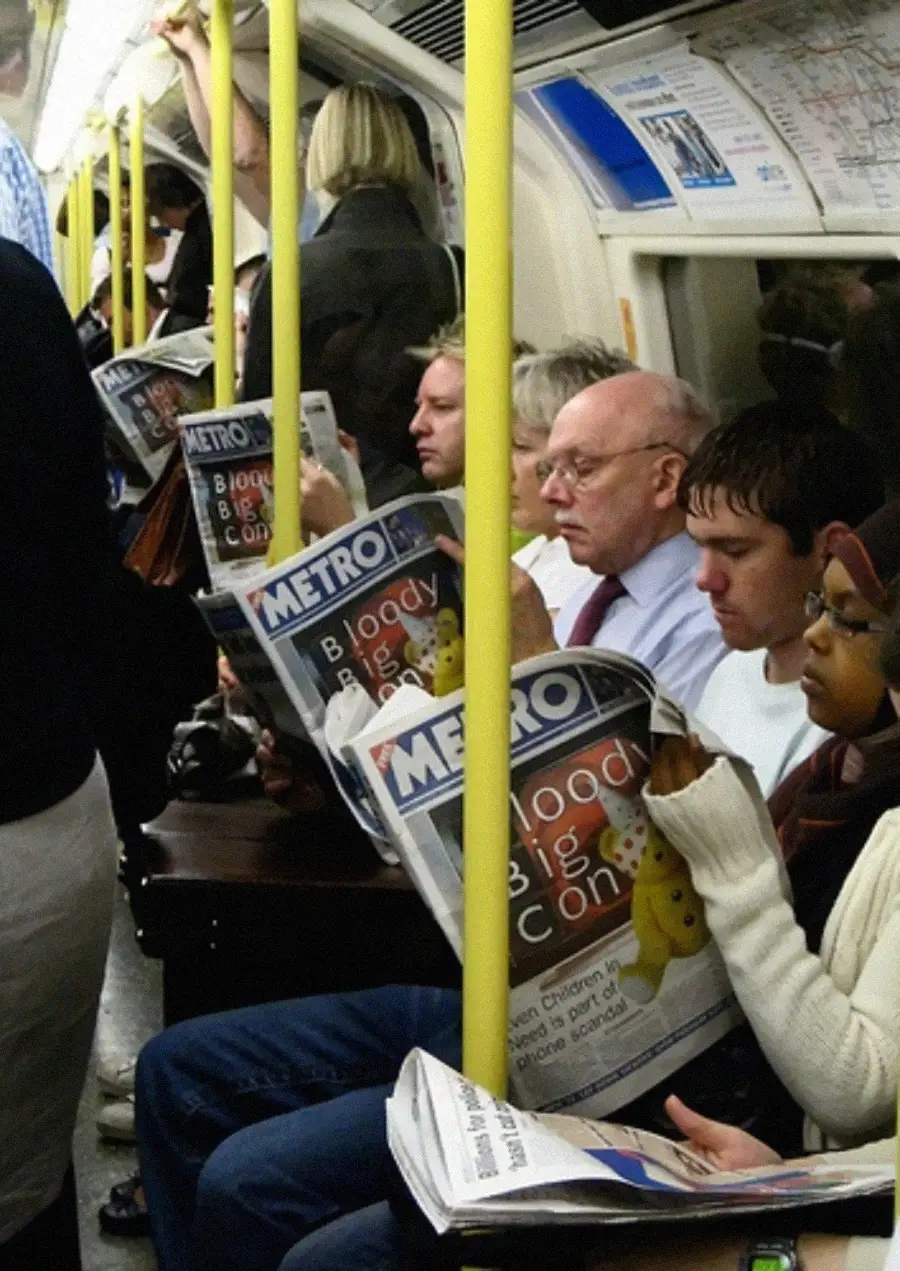
The morning train ride or bus commute across major American cities was once defined by the rustle of printed newspapers and glossy lifestyle magazines bought from station kiosks. Publishers printed specialized, abbreviated commuter editions designed specifically to be read during a short transit ride. The introduction of tablets and large-screen smartphones turned the daily commute into a silent sea of people scrolling through digital feeds and news applications. Print subscriptions plummeted across the industry, forcing classic publications to either build digital paywalls or vanish completely.
15. Specialized roadside assistance memberships

Paying an annual subscription fee to a traditional automobile club for roadside assistance was long considered an essential insurance policy for any regular driver. This membership provided peace of mind, ensuring that a tow truck or a battery jump was just a phone call away if your vehicle broke down. Today, modern car manufacturers, credit card companies, and primary auto insurance providers routinely bundle roadside assistance directly into their base services for free. Consumers quietly realized they were paying double for a service they already owned, leading to a steady drop in standalone club memberships.
In the mood for money content?
The transformation of our spending habits over the last two decades highlights the incredible speed at which technology can turn a multi-billion-dollar physical industry into a historical footnote. These vanished expenses are a testament to the quiet ways progress reshapes our daily routines and our household budgets without us even realizing it. If you enjoyed this financial trip down memory lane, be sure to explore these 18 Genius Money Habits Our Grandparents Swore By, or 20 Ways Seventies Families Saved More Money. You may also like these 16 Iconic American Companies Started On a Budget.