The 1990s had a way of making small expenses feel permanent. People spent money on all kinds of things that seemed completely normal at the time, mostly because there was no faster or cheaper alternative sitting in their pockets. Some of those purchases vanished because technology improved. Others just died once people realized they were putting up with a lot of nonsense.
Video rental late fees
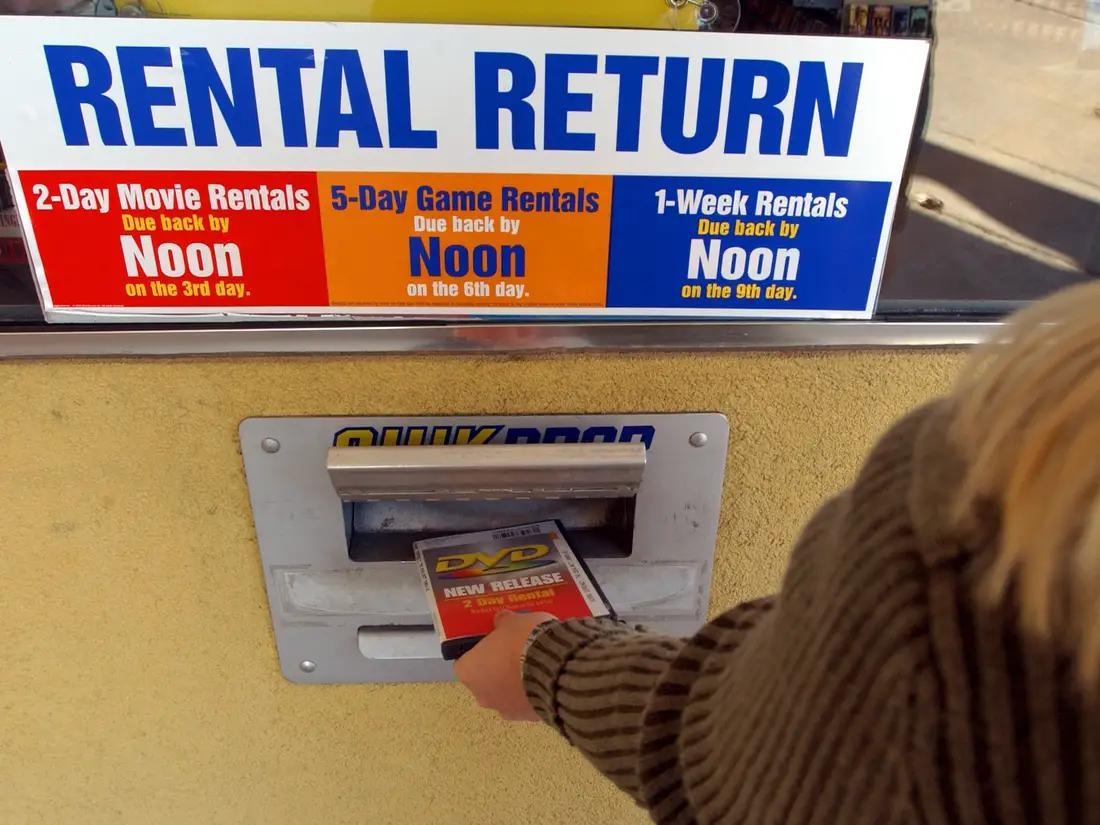
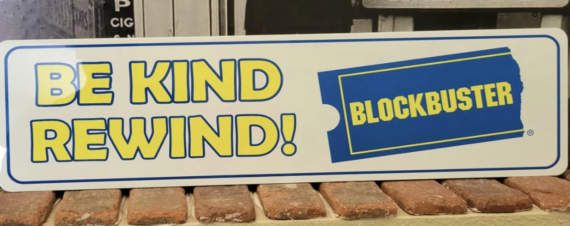
Renting a movie used to come with a second risk built in. You grabbed the VHS on Friday, forgot about it by Sunday, and then got hit with a late fee when you finally brought it back. Stores like Blockbuster did not mind that system at all.
Pay phone calls
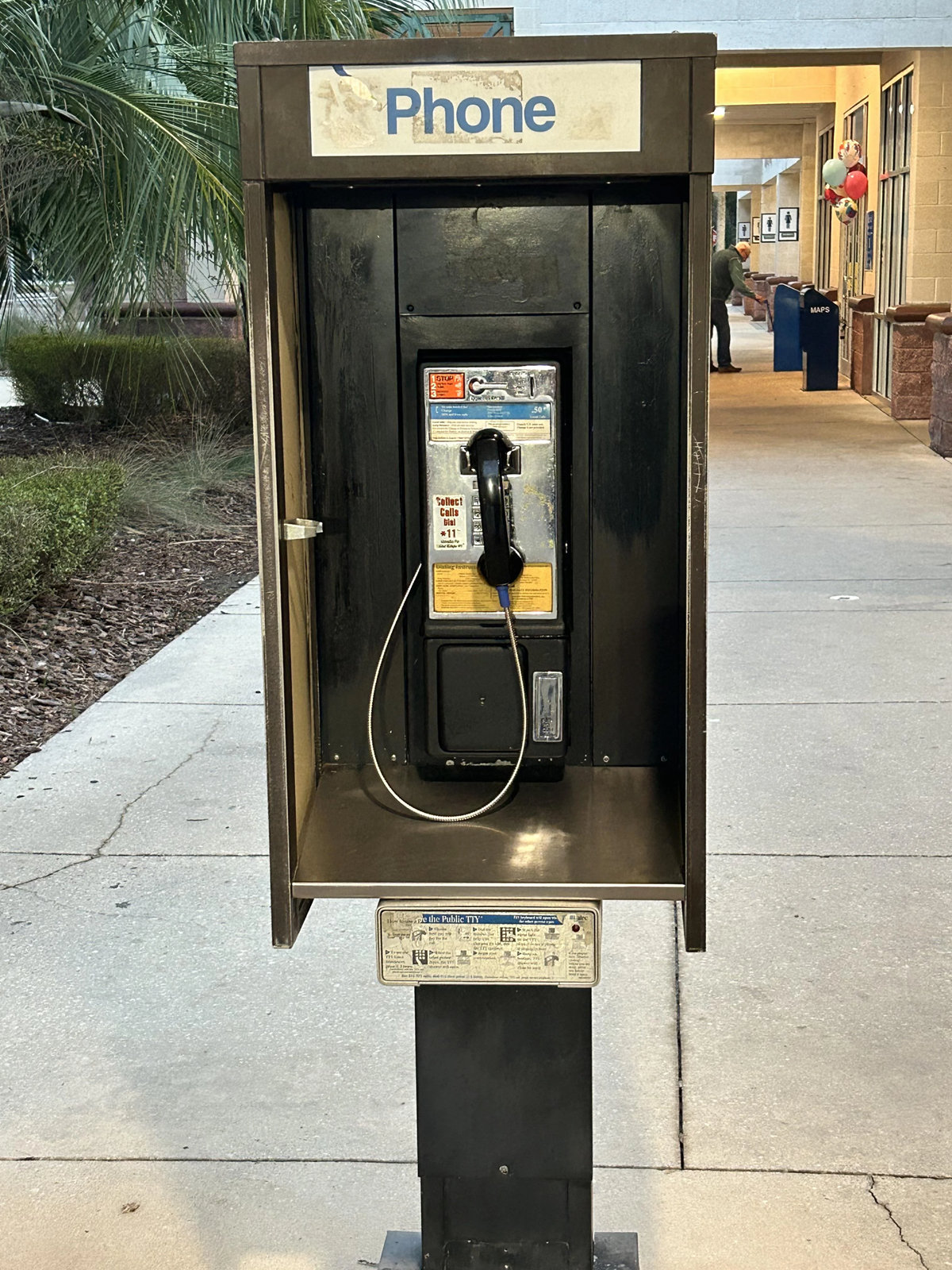
A quarter could still solve a problem in the 1990s. If you missed your ride, needed to call home from the mall, or got stranded somewhere, the pay phone was sitting there like a backup plan. It only worked if you had change, of course, which was part of the annoyance.
Pager service
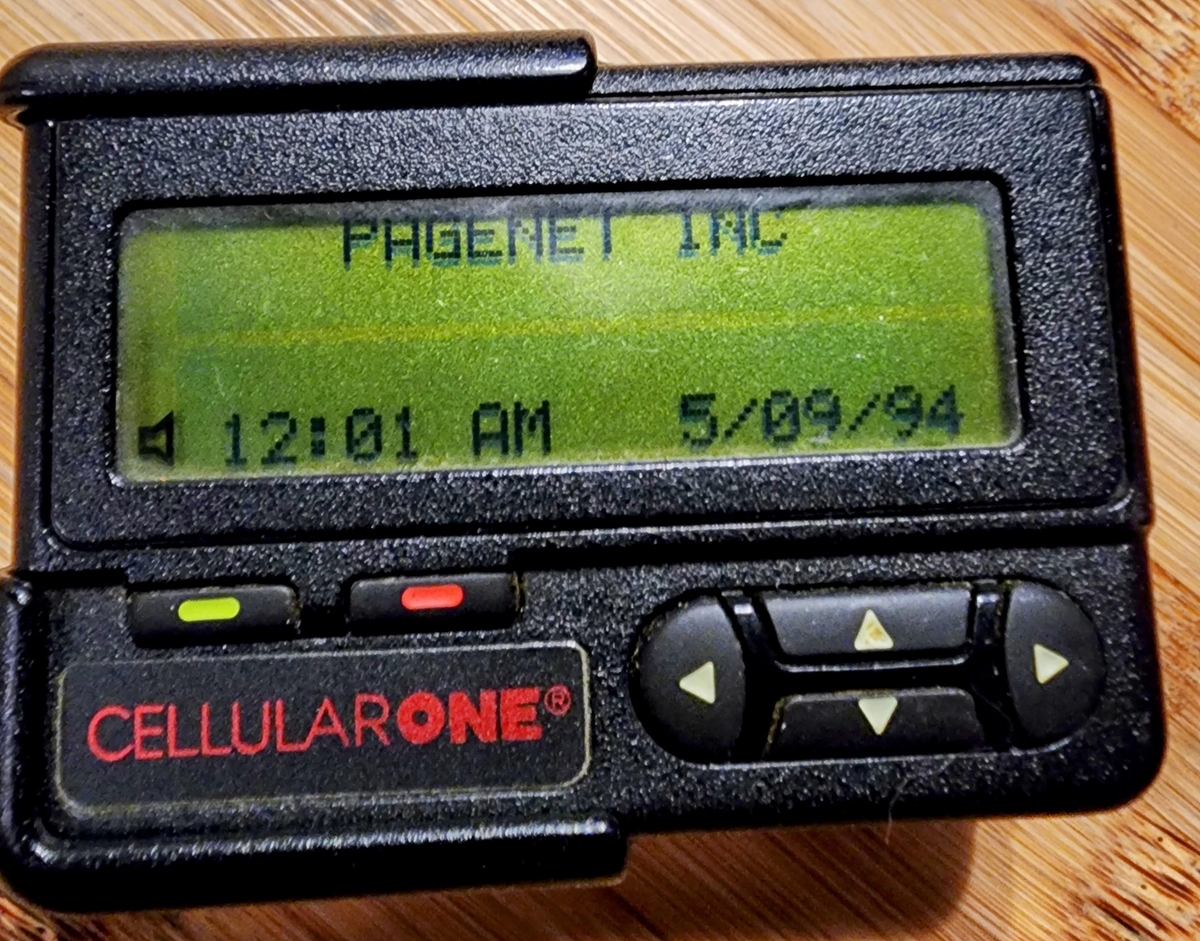
Pagers were not just a one-time purchase. There was usually a monthly fee attached, which meant people were paying to receive short messages that often just told them to go find a landline. Strange setup in hindsight, pretty normal back then.
Disposable cameras
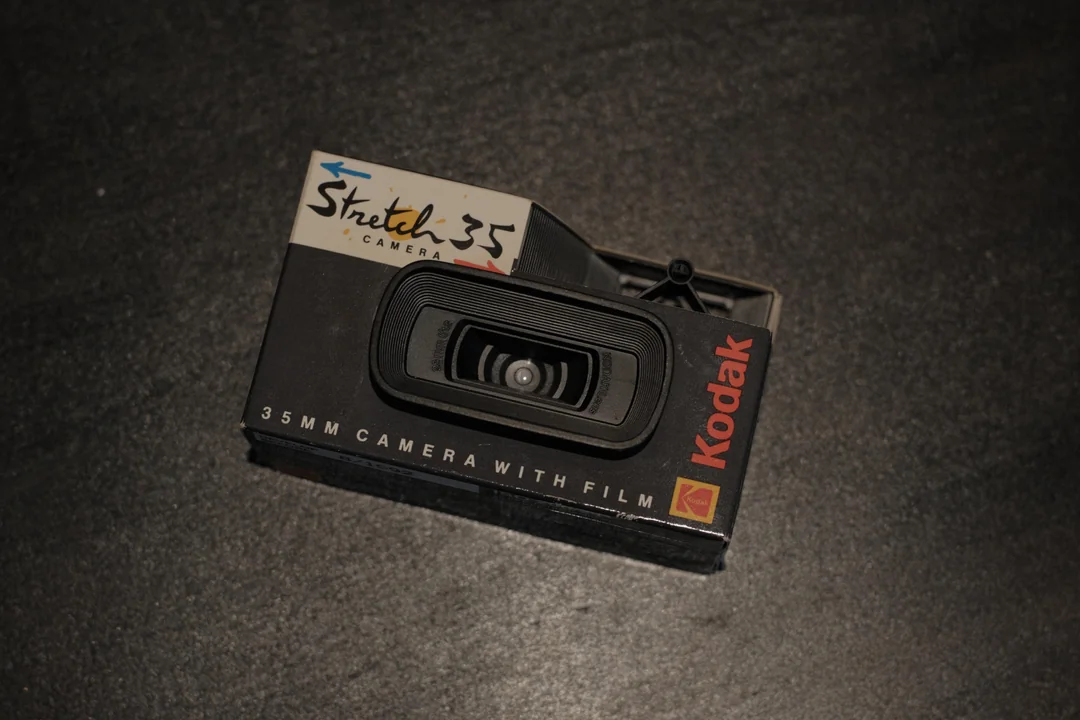
People bought these constantly. Vacations, birthday parties, school trips, summer camp, there was always a reason to pick one up at a pharmacy or supermarket checkout. Then digital cameras got better, phones followed, and that whole habit fell off a cliff.
Long-distance phone plans
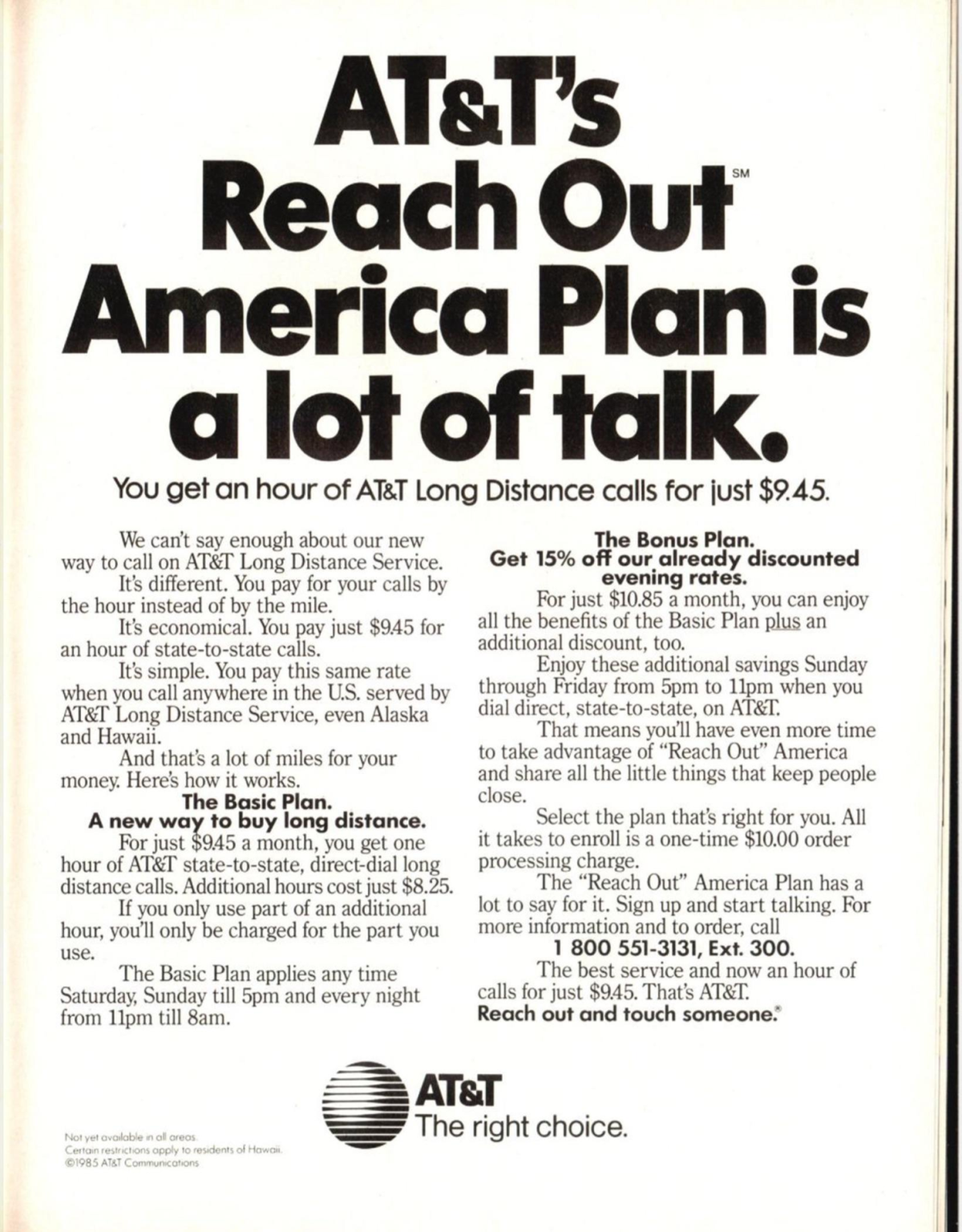
Calling someone outside your local area could still feel expensive enough to plan around. Families waited until night, signed up for special rates, or kept an eye on the clock so the monthly bill would not get ugly. Phone companies made a lot of money off something that would barely register as a feature now.
Trending on The Scroller

Printed TV guides
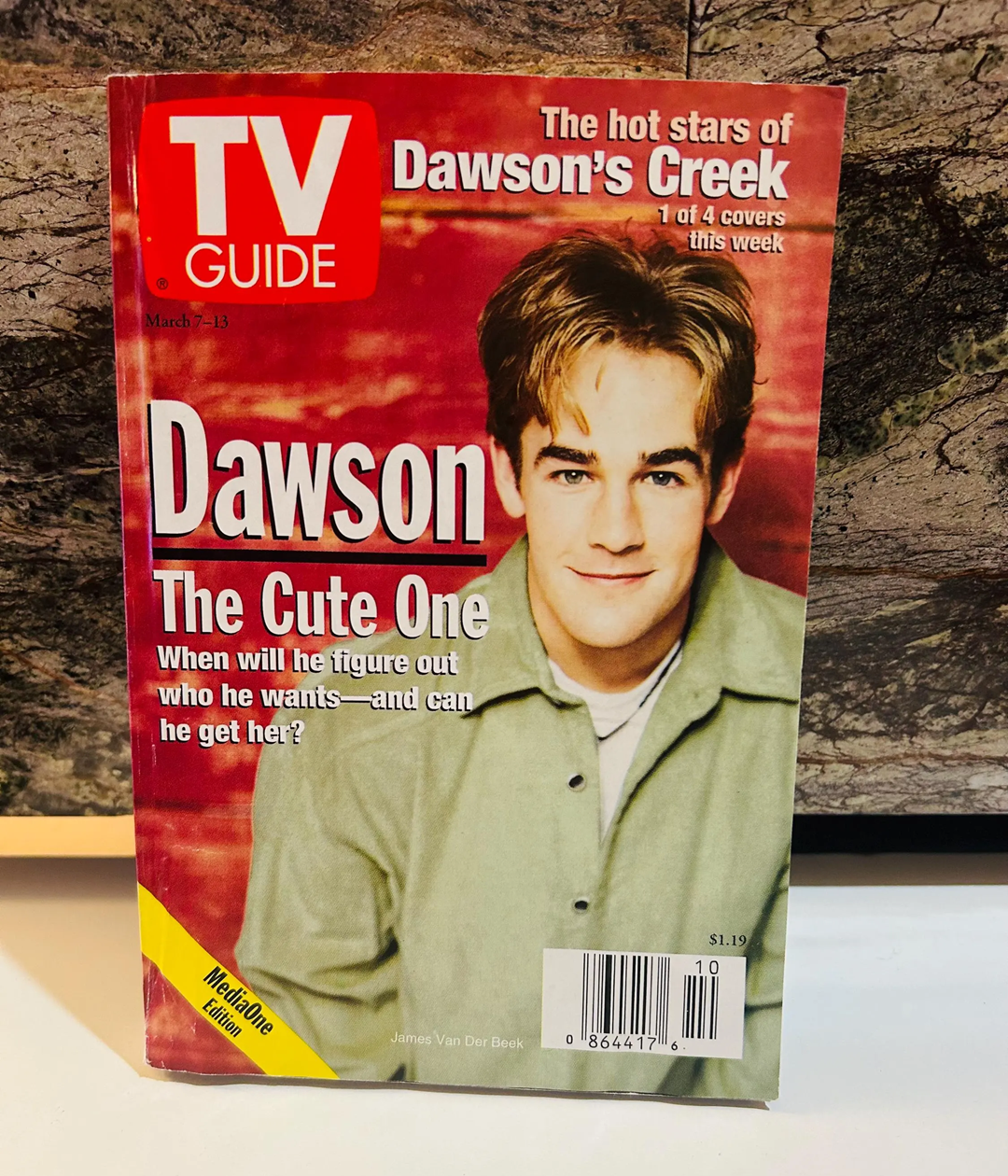
There was a time when buying a magazine to check what was on television felt reasonable. It sounds a little ridiculous now, but if your cable box guide was clunky, or you did not have one at all, a printed schedule actually helped. A lot of living rooms had one lying around somewhere.
Road maps and city map books
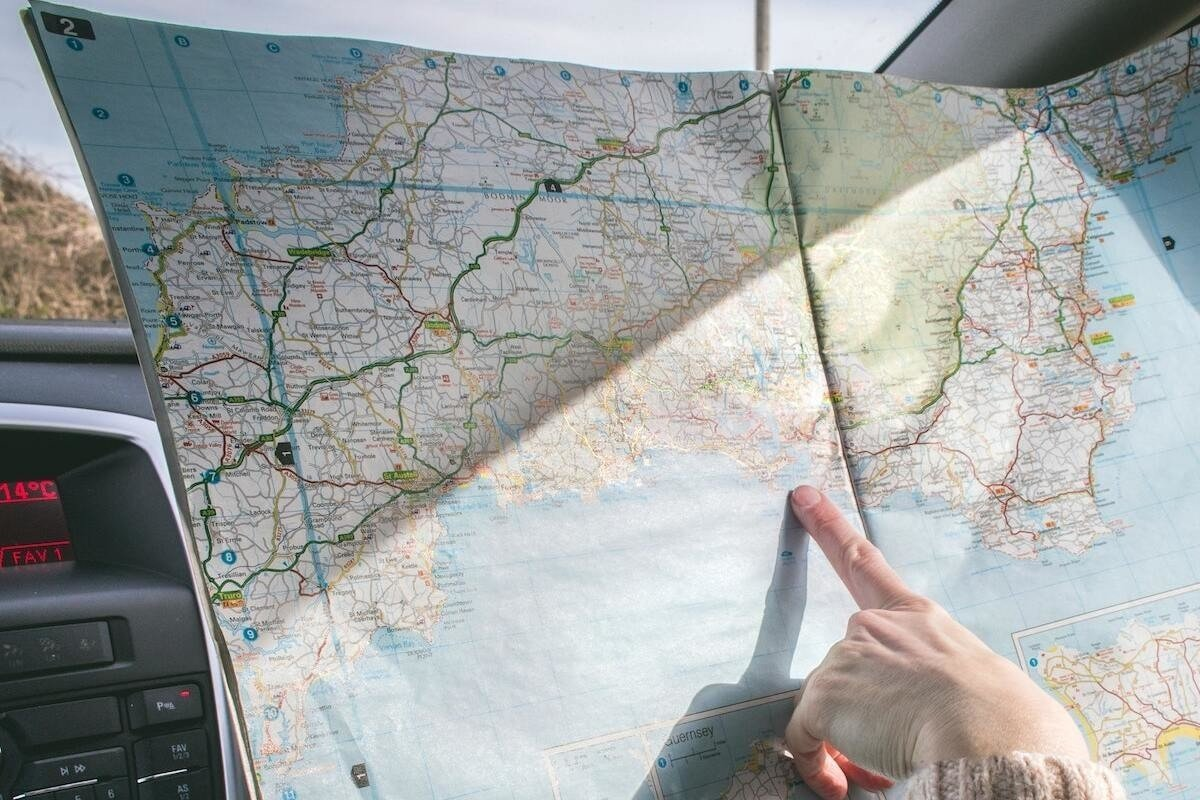
Before GPS became automatic, people spent real money just to avoid getting lost. Foldout maps lived in glove compartments, and city guidebooks were practically required in some places. Half the battle was figuring out how to fold the thing back the way it came.
AOL hourly internet access
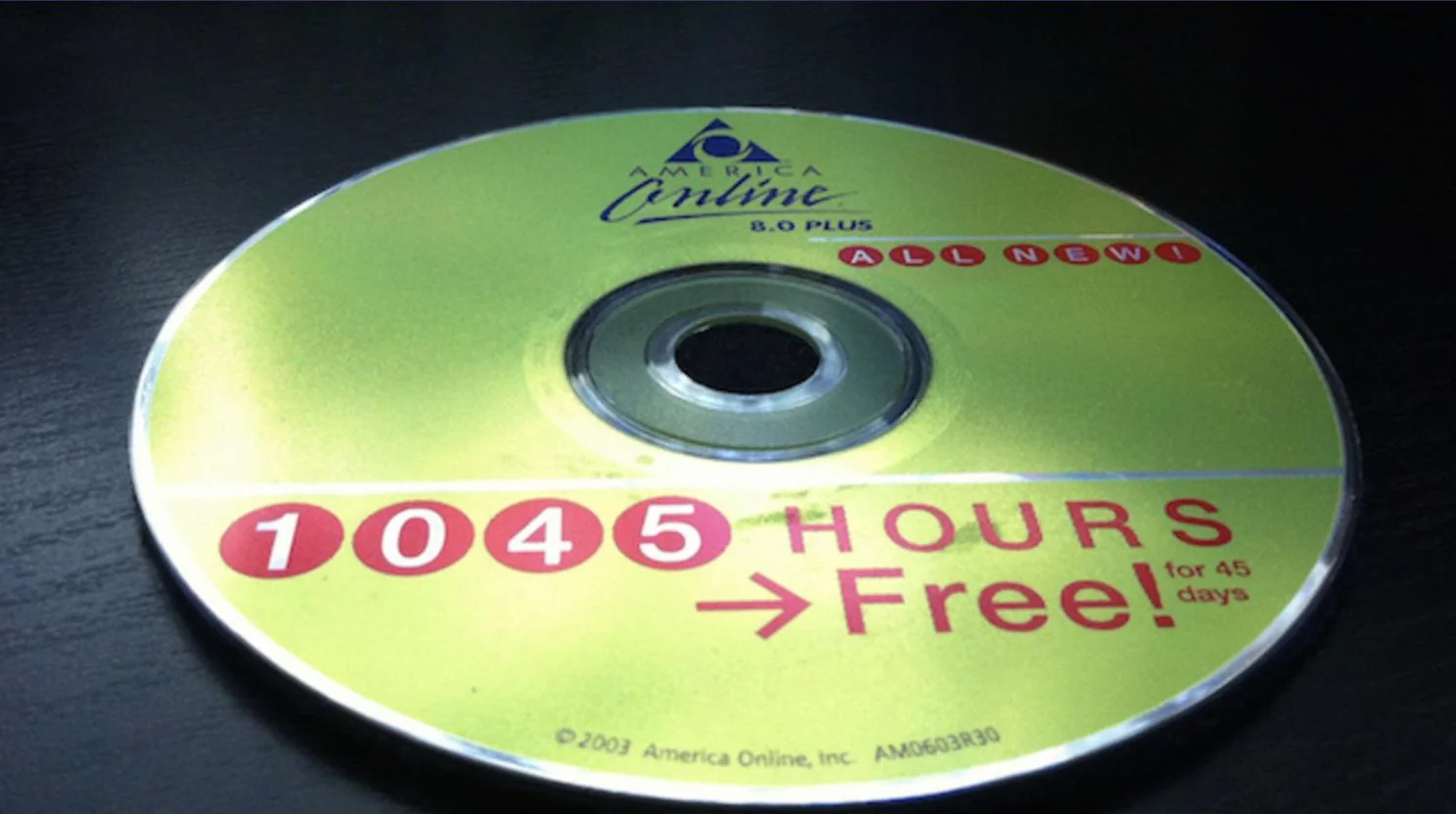
Going online once felt like something you entered for a while and then left. Services like AOL, CompuServe, and Prodigy charged by the hour after the trial period, so internet time had a meter running in the background. On top of that, somebody else in the house was usually complaining because the phone line was tied up.
Sign up for our newsletter
Encyclopedia sets
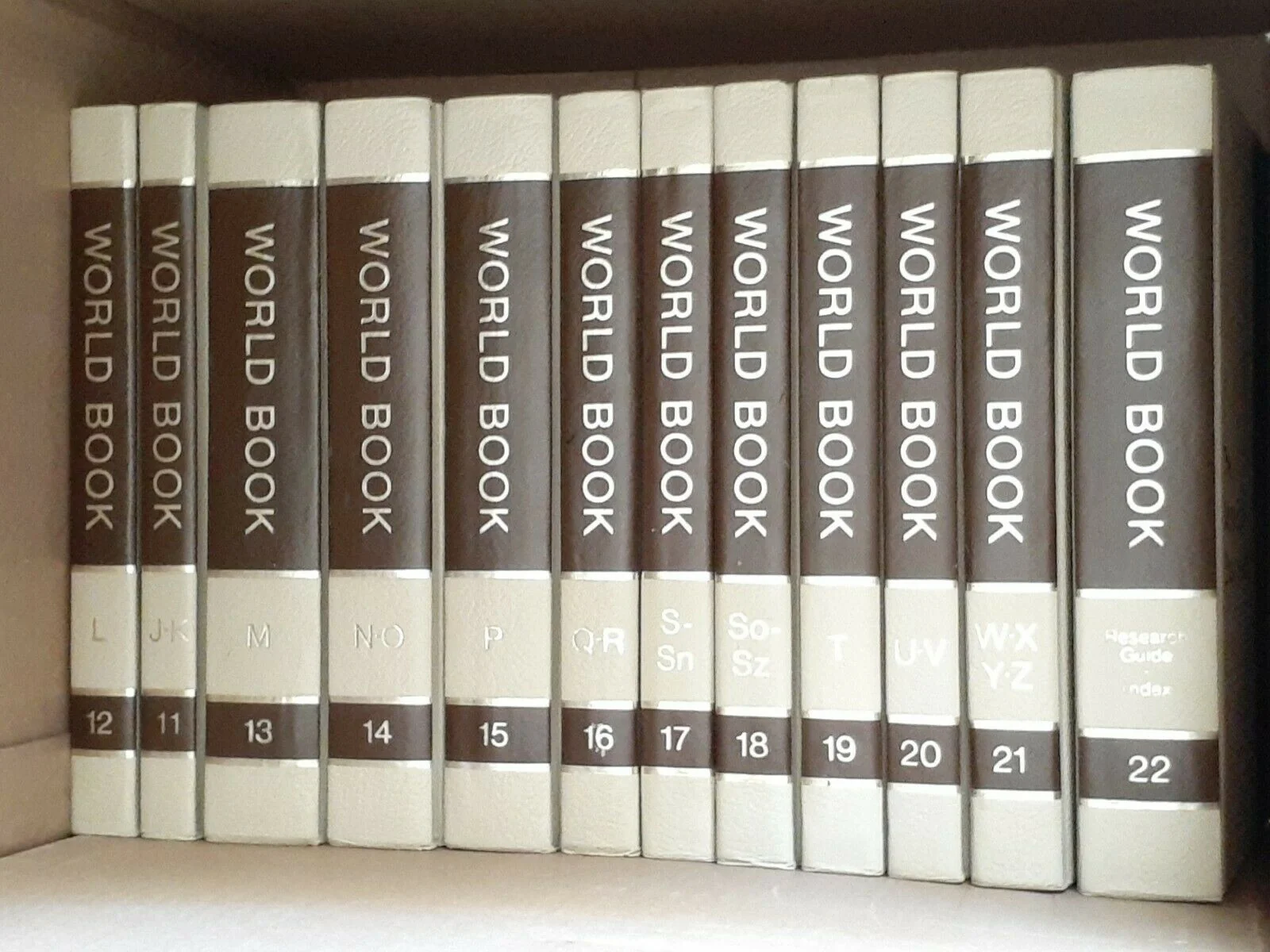
A lot of parents spent serious money on encyclopedia collections because they thought of them as a smart household investment. Britannica and World Book were staples for years, and later Encarta turned that same idea into software. It made sense in a world where you could not just look something up in ten seconds.
Cassette singles
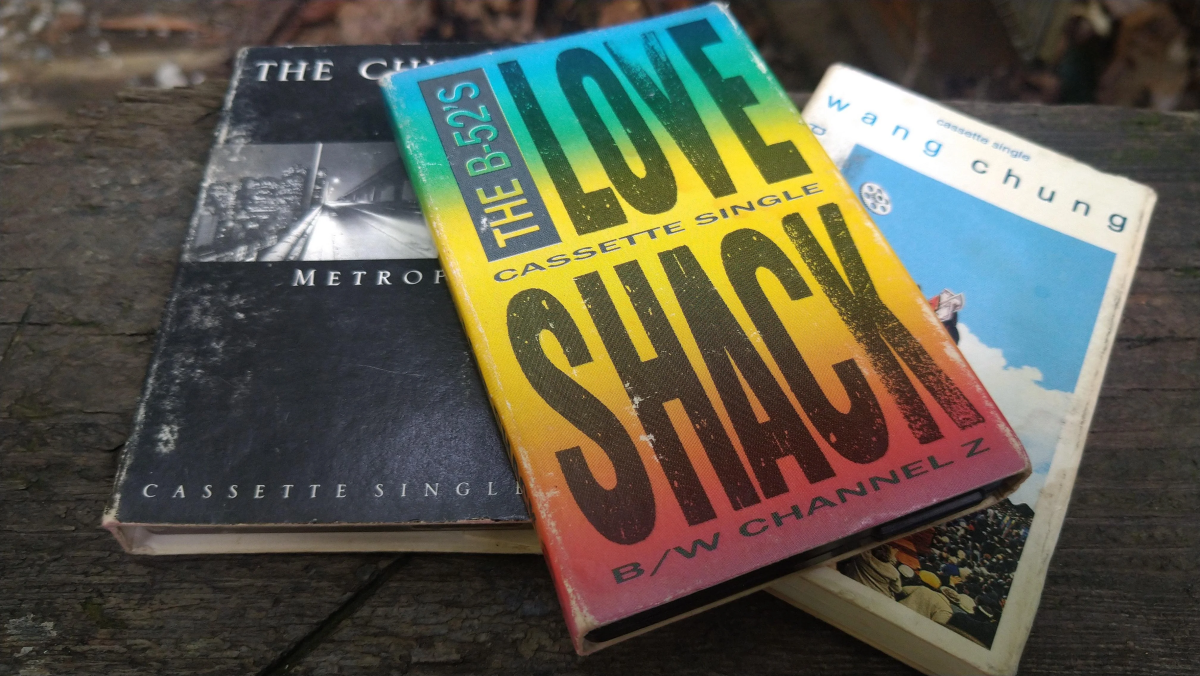
The cassette really was an odd little product. People wanted one song, labels wanted the sale, and this was the compromise. It worked for a while, but it belonged to a very specific moment in music buying when every format felt slightly inconvenient.
Phone cards
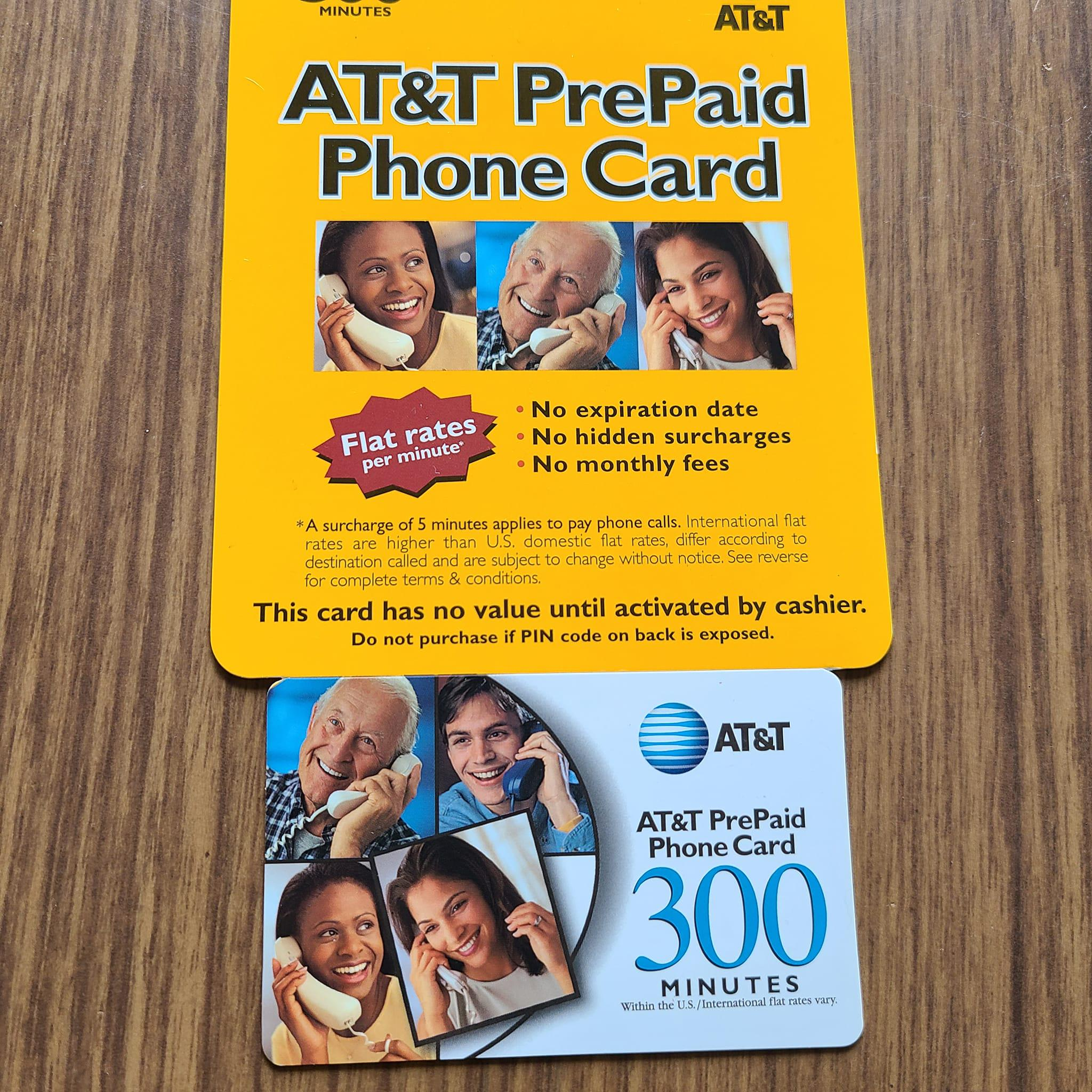
Prepaid calling cards used to hang near checkout counters everywhere. People bought them for college, travel, international calls, or just to avoid expensive hotel rates. You scratched off the back, typed in a long code, and hoped the remaining minutes lasted as long as promised.
Classified newspaper ads
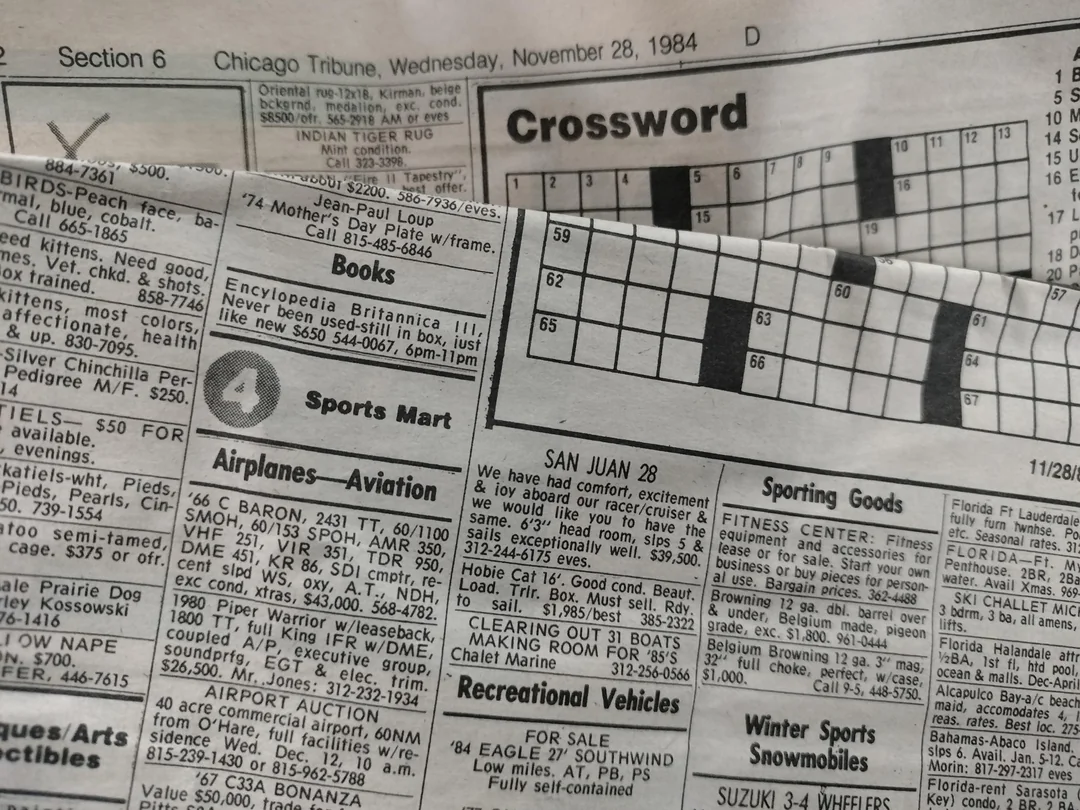
Need to sell a couch, find an apartment, hire somebody, unload a used car? That often meant paying for a tiny newspaper ad. It was cramped, awkward, and not especially cheap, but for a long stretch it was just how those things got done.
Music club memberships
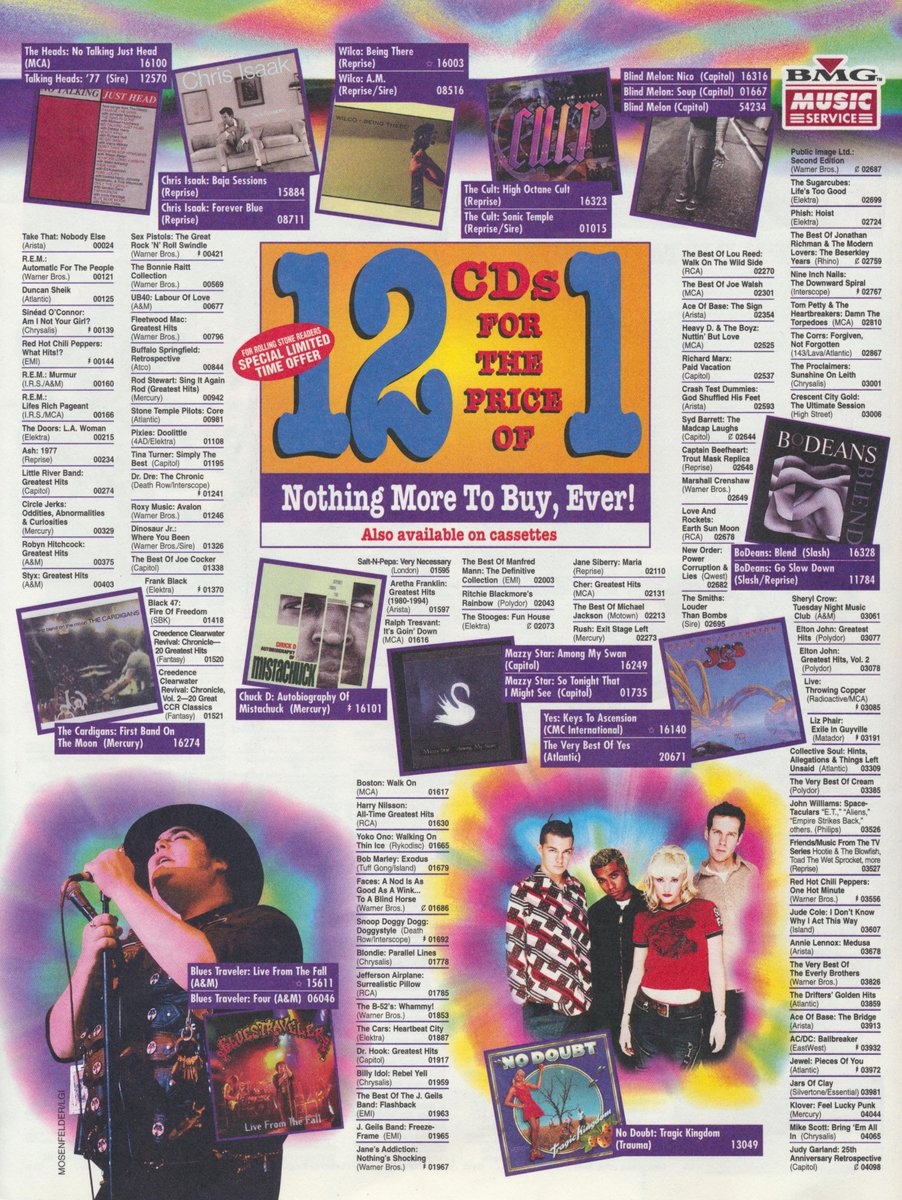
Columbia House and BMG got a lot of people with the same pitch. A few CDs for almost nothing sounded like a steal until the obligations kicked in and the pricing got worse. Plenty of households have at least one story about ordering more than they meant to because of those deals.
Camcorder tapes
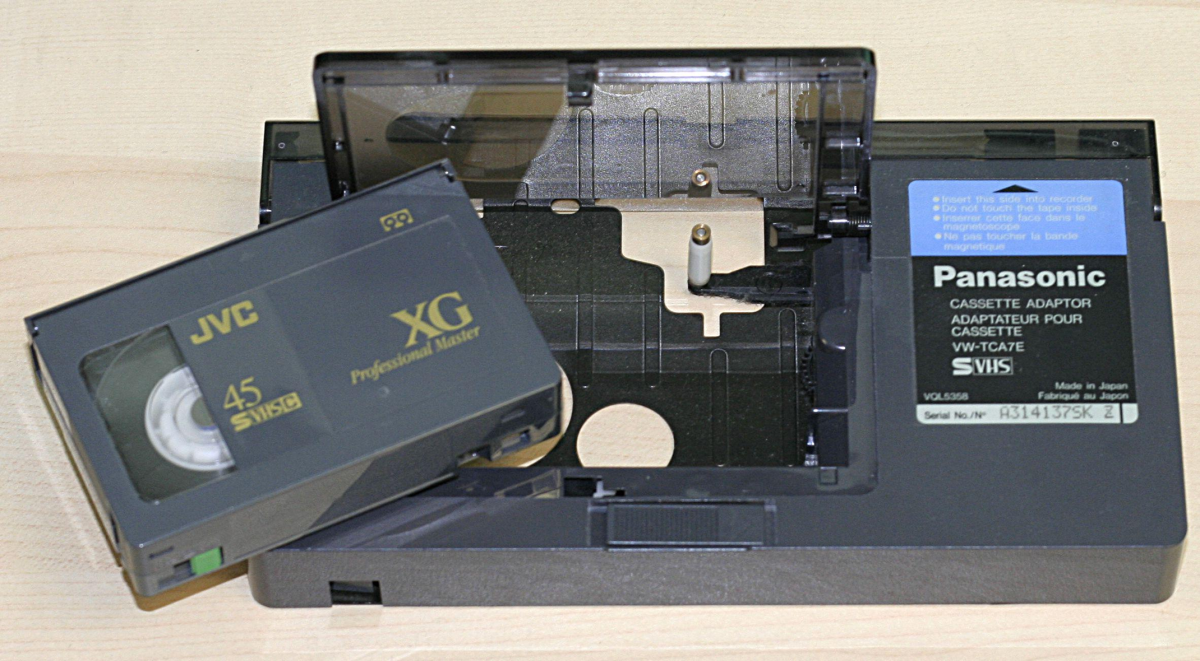
Home videos came with an ongoing cost that people barely questioned. If you wanted to film birthdays, holidays, school events, or random family chaos, you kept buying tapes. A lot of that footage probably still exists, even if the camcorder is long gone.
Rewinding fees
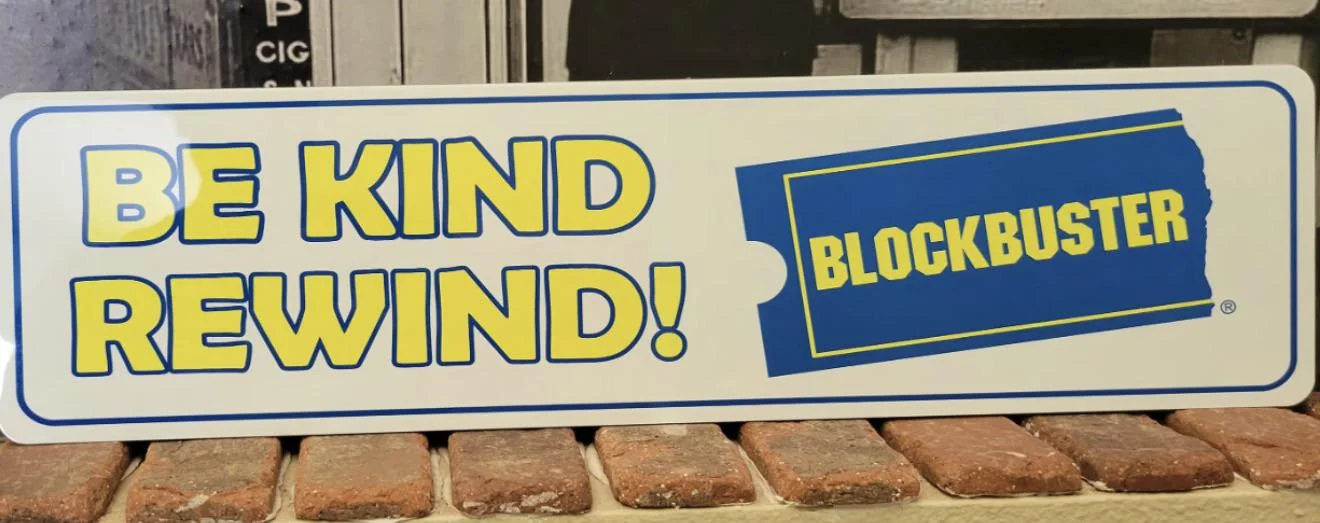
Video stores really did charge people for bringing tapes back without rewinding them. It was petty, specific, and somehow accepted as part of the deal. That whole fee now feels like a joke from another planet.
None of this felt old-fashioned at the time. It was just how money moved through daily life for a while. Then the tools changed, the habits went with them, and a bunch of once-routine expenses disappeared with almost no ceremony.
In the mood for more?
For more 90s content, you can check out 15 Things Five Dollars Could Get You In 1990, 12 “One-Hit Wonder” Bands from 1990 and Where They Are Now or 16 Pieces of 90s Technology That Defined Everyday Life.