Some of the biggest businesses in the world barely register in everyday conversation. They do not have glamorous storefronts, celebrity founders, or products people line up to buy, but they sit underneath everything from hospitals and airports to supermarkets and construction sites. Many of them make money by solving boring, repetitive, unavoidable problems at enormous scale. Once you start looking at the industries behind ordinary life, the numbers can get surprisingly large.
1. Waste Management
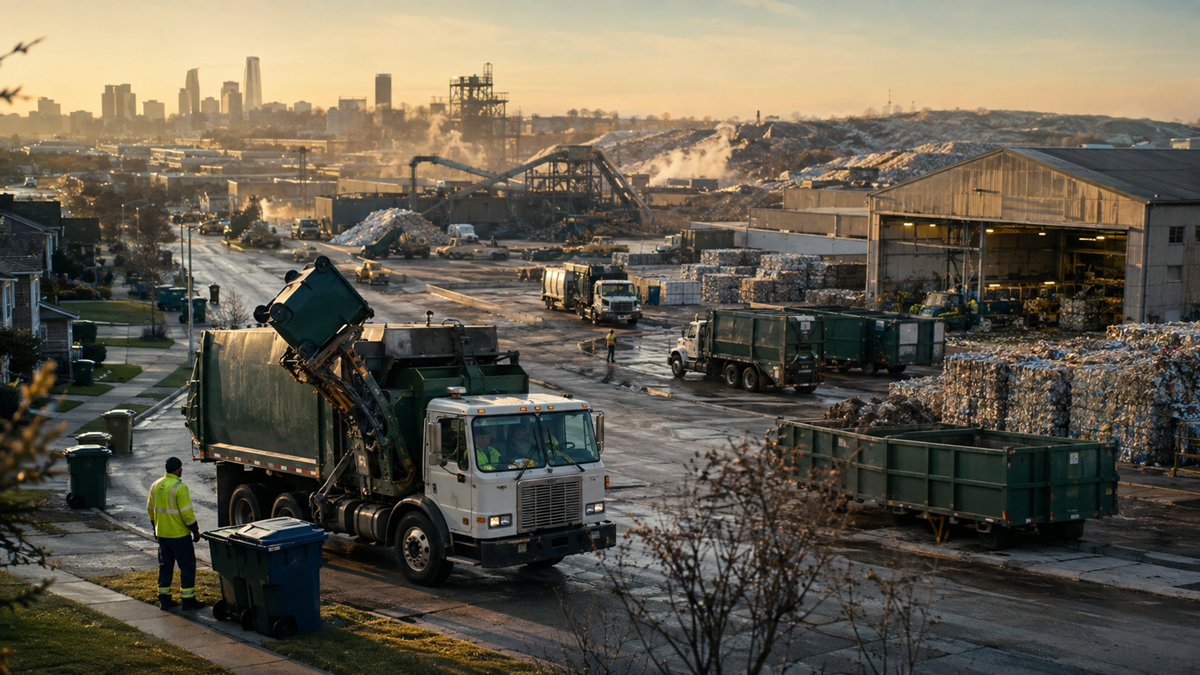
Trash disappears from the curb so routinely that it is easy to forget how large the business behind it really is. Waste collection companies handle residential garbage, commercial dumpsters, recycling, hazardous materials, landfill operations, and industrial waste, often through long-term municipal or corporate contracts. The service is not optional for most customers, and that steady demand can make waste management a remarkably durable business.
2. Industrial Gases
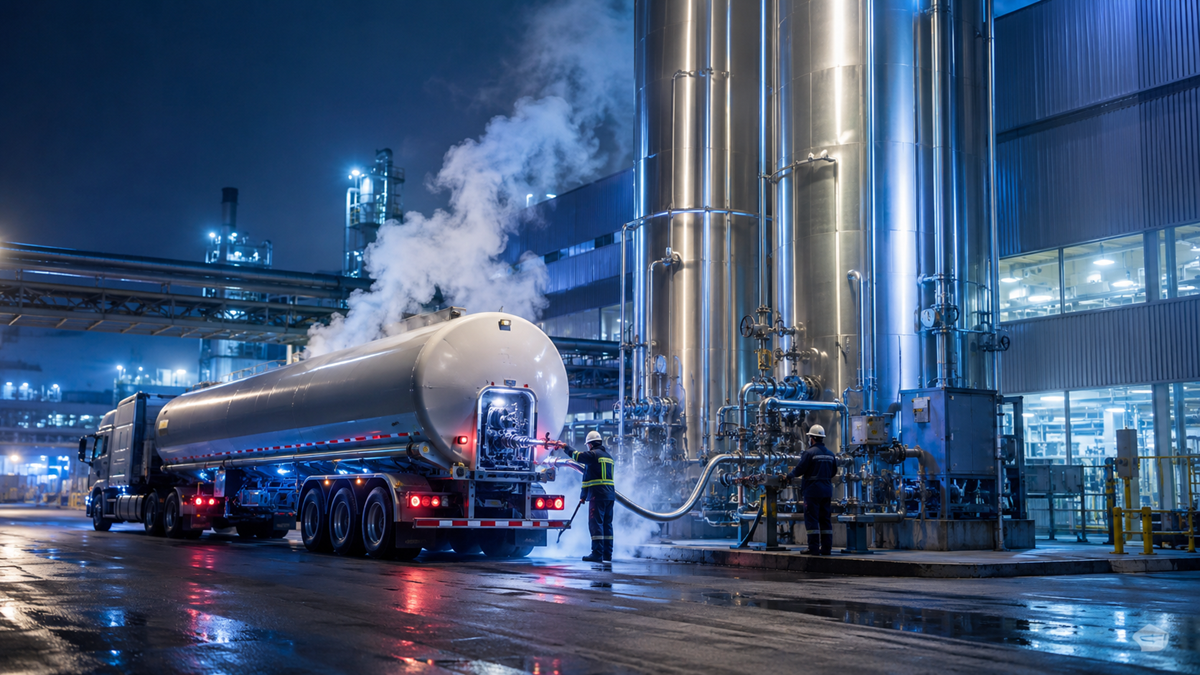
Oxygen, nitrogen, argon, hydrogen, and other industrial gases are used in everything from hospitals and food packaging to steelmaking and semiconductor production. Most consumers rarely encounter the companies supplying them, even though manufacturers depend on reliable deliveries every day. In many cases, the gas supplier becomes deeply integrated into a factory’s operations, making the relationship difficult and expensive to replace.
3. Pallet Manufacturing and Rental
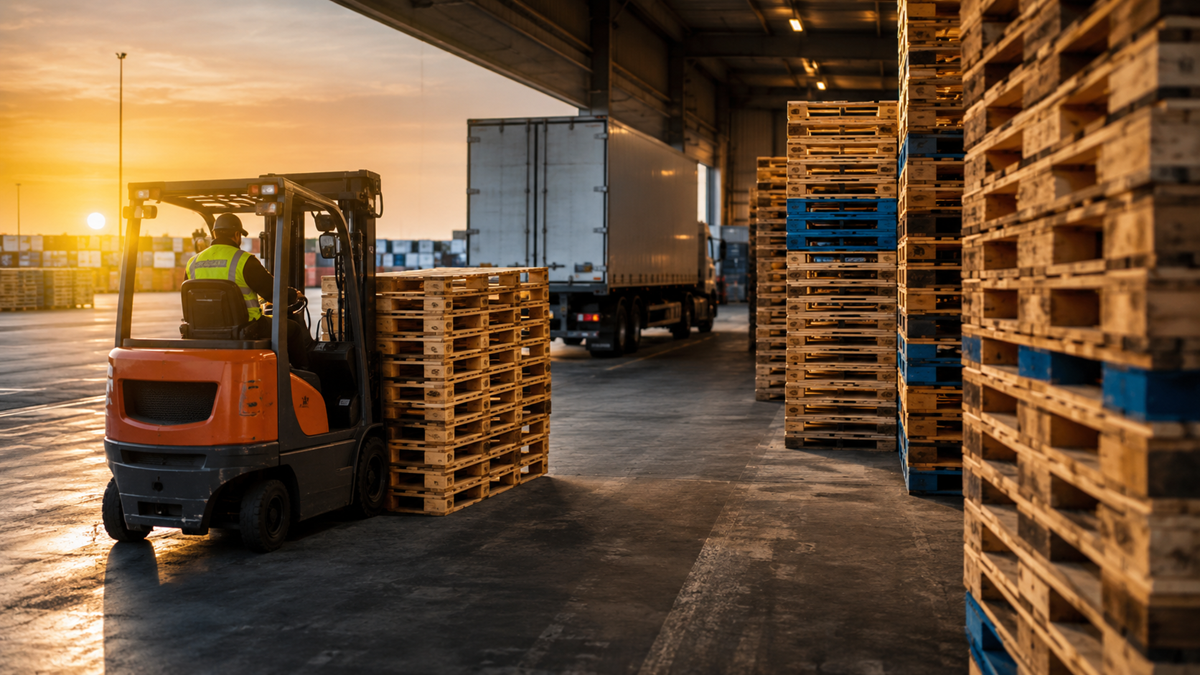
The humble wooden pallet may be one of the least glamorous objects in global commerce, but enormous volumes of goods depend on it. Manufacturers, warehouses, retailers, and logistics companies need standardized platforms to move products efficiently through supply chains. Some businesses do not just manufacture pallets, they operate vast rental and pooling systems that circulate them between thousands of customers.
4. Commercial Laundry Services
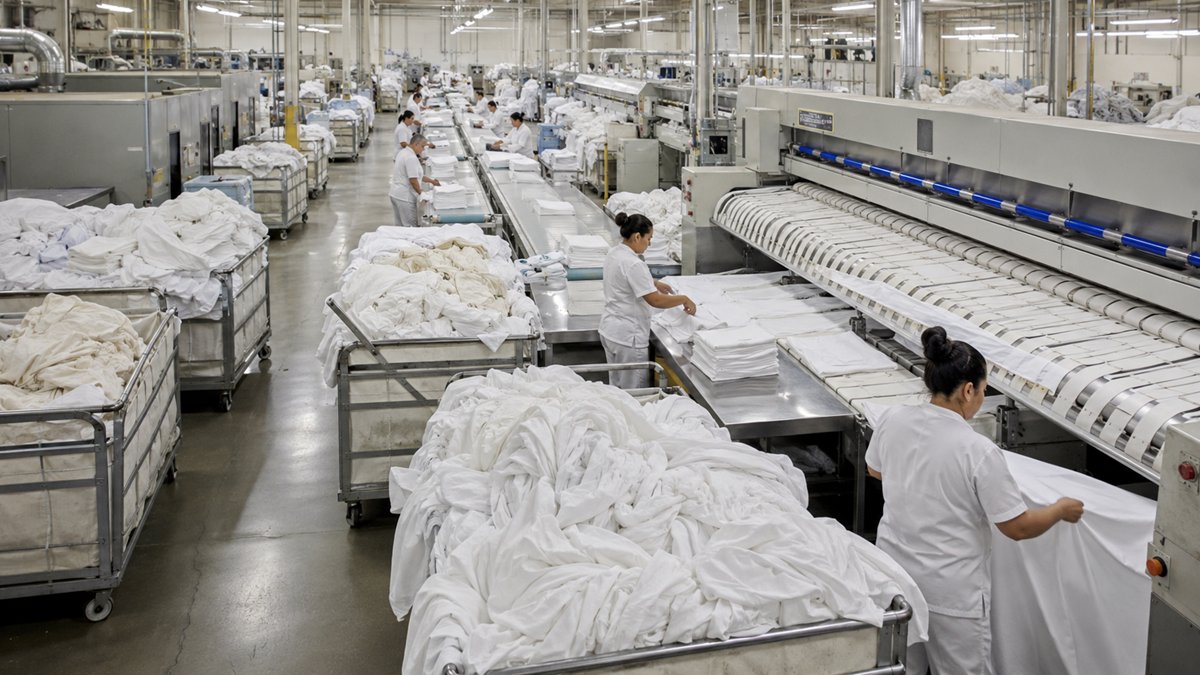
Hotels, hospitals, restaurants, factories, gyms, and nursing homes produce mountains of dirty textiles every day. Instead of washing them in-house, many outsource the job to large commercial laundries capable of processing huge quantities of sheets, towels, uniforms, and linens. It is a business built around repetition, contracts, and the fact that tomorrow there will be another pile waiting.
5. Funeral Services

Death care is an enormous industry made up of funeral homes, crematories, cemeteries, memorial products, transportation, and administrative services. Demand is unavoidable, while many purchases are made during emotionally difficult moments when families value convenience and guidance. Large operators can own hundreds or even thousands of locations, though much of the industry still feels local from the customer’s perspective.
Trending on The Scroller


6. Pest Control

Termites, rodents, cockroaches, bedbugs, and other pests are not going out of business anytime soon. Pest-control companies serve homes, restaurants, hotels, warehouses, offices, and food-processing facilities, often through recurring service agreements rather than one-off visits. That subscription-like structure can turn a fairly ordinary service into a very dependable revenue stream.
7. Elevator Maintenance
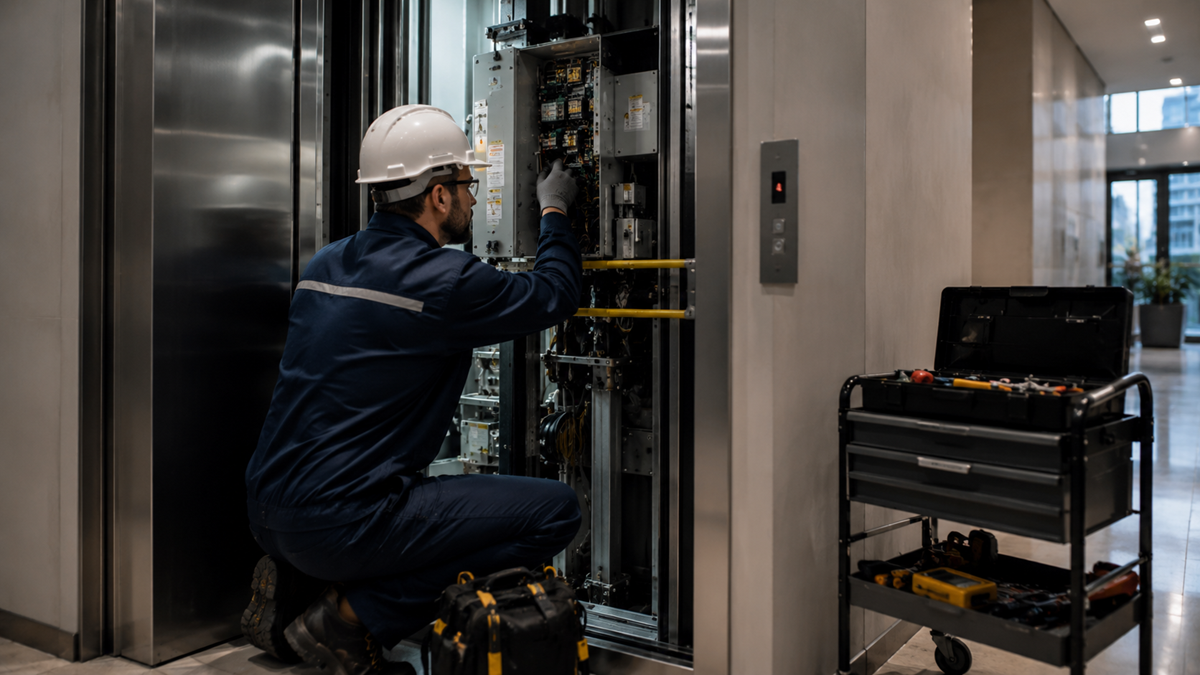
Installing an elevator is only the beginning. Buildings need inspections, repairs, replacement parts, modernization, emergency service, and ongoing maintenance for decades afterward. Because elevator systems are specialized and safety-critical, property owners usually cannot treat maintenance like a casual DIY expense.
8. Data Centers
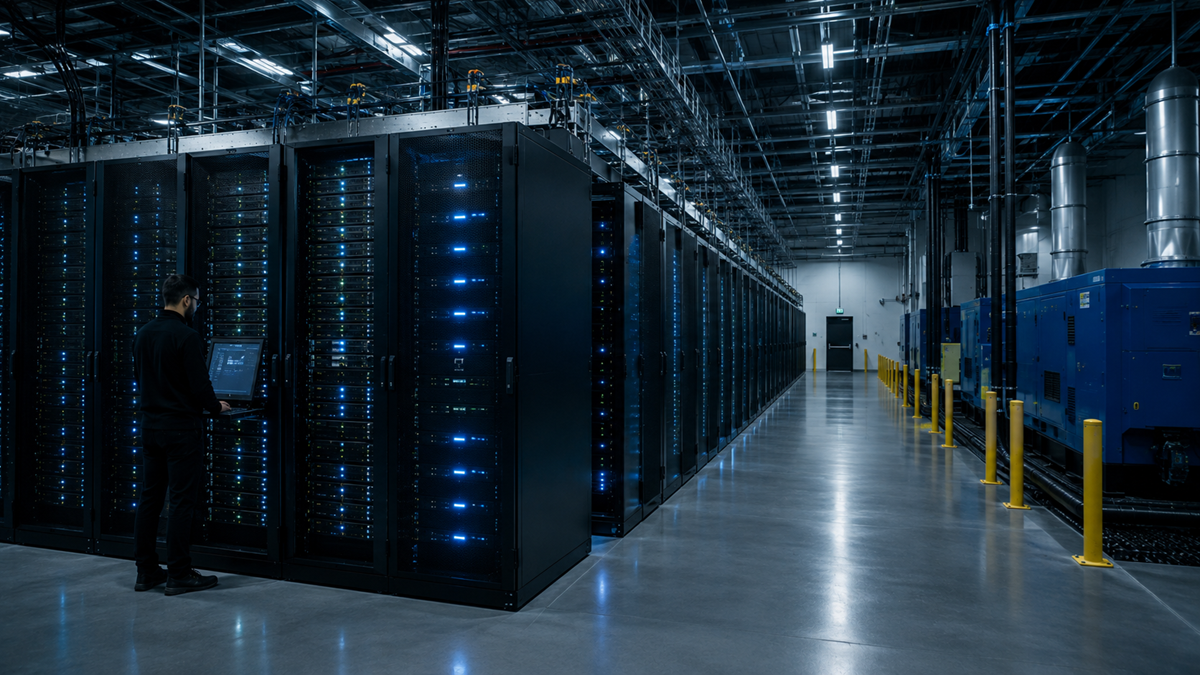
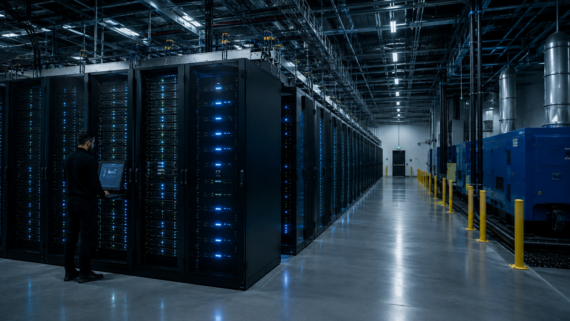
Most people think of the internet as something weightless, but it lives inside enormous buildings packed with servers, cooling systems, backup generators, electrical infrastructure, and security. Data-center operators rent space, power, and connectivity to cloud companies, banks, streaming services, retailers, and countless other businesses. The more digital life becomes, the more valuable those physical facilities can become.
Sign up for our newsletter
9. Uniform Rental
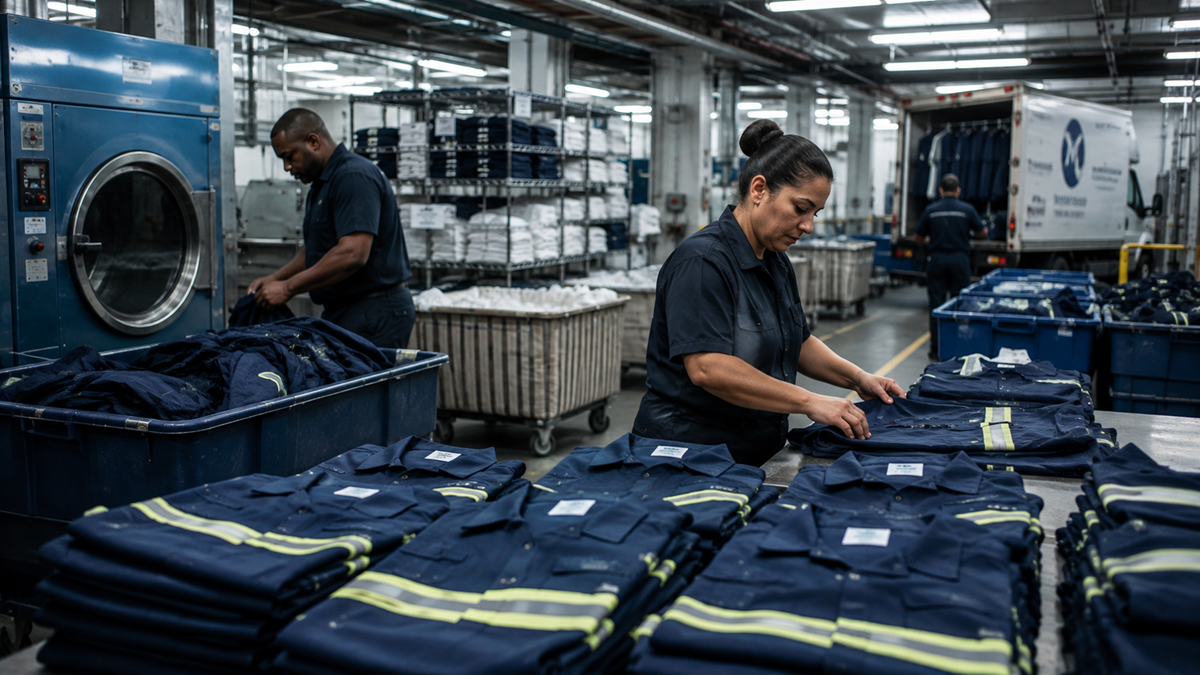
A mechanic, factory worker, chef, delivery driver, or hospital employee may put on a clean uniform every morning without thinking much about where it came from. Behind that routine is a sizable industry that rents, collects, launders, repairs, replaces, and redistributes workwear. The recurring nature of the service makes it particularly attractive, especially when companies sign multi-year contracts.
10. Veterinary Pharmaceuticals

Pet owners see the occasional flea treatment or prescription, but the broader animal-health business is much larger. Veterinary drug companies supply medications and vaccines for pets, livestock, poultry, and other animals, serving both individual clinics and large agricultural operations. As spending on companion animals has increased in many countries, the pet side of the industry has become especially lucrative.
11. Portable Toilets
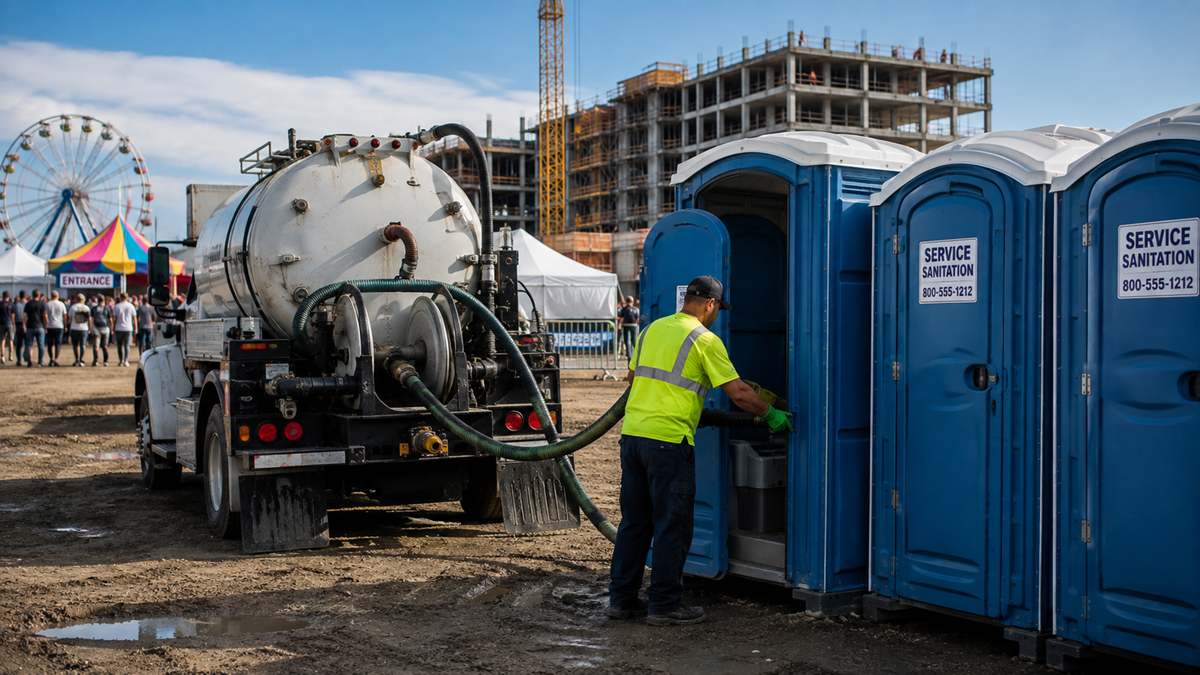
Construction sites, festivals, sporting events, fairs, and outdoor work crews all need temporary sanitation. Portable toilet companies make money not only by renting the units but also by delivering, cleaning, servicing, and collecting them. It is a straightforward example of an unglamorous problem that customers are extremely willing to pay someone else to handle.
12. Testing, Inspection, and Certification
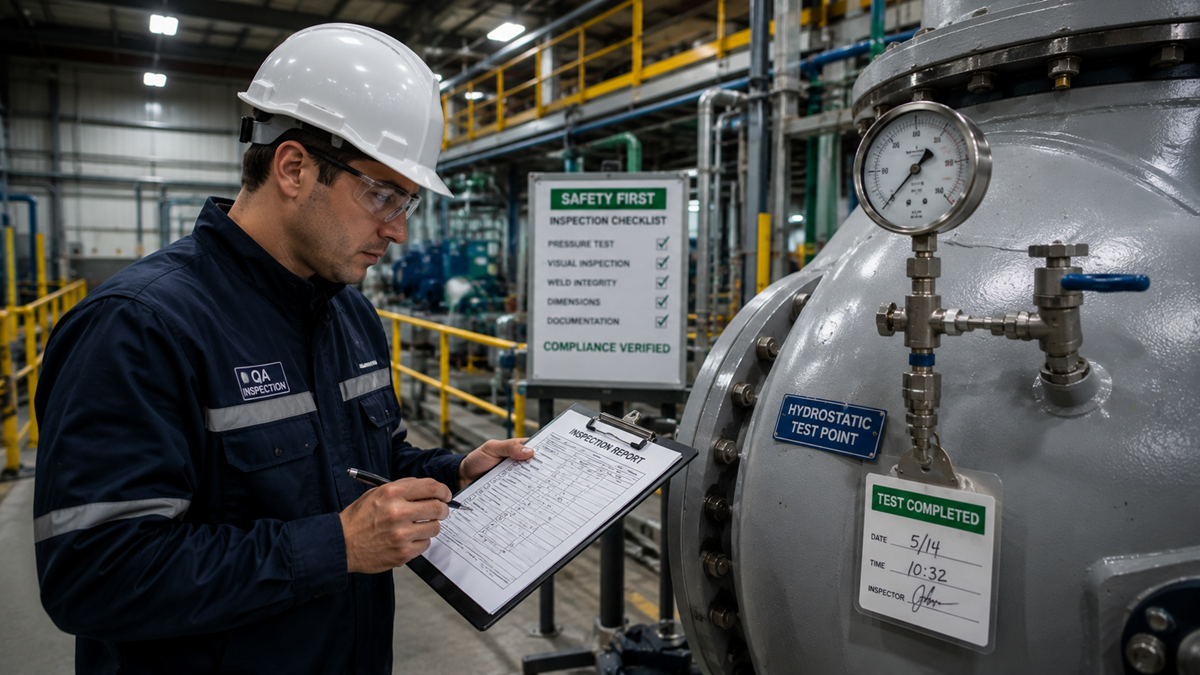
Products and facilities often need to be tested before anyone is allowed to sell, operate, ship, or insure them. Specialized firms inspect everything from elevators and pipelines to toys, electronics, factories, and food-processing systems. Because compliance requirements can be mandatory, these businesses often occupy a quiet but essential position between companies and regulators.
13. Self-Storage
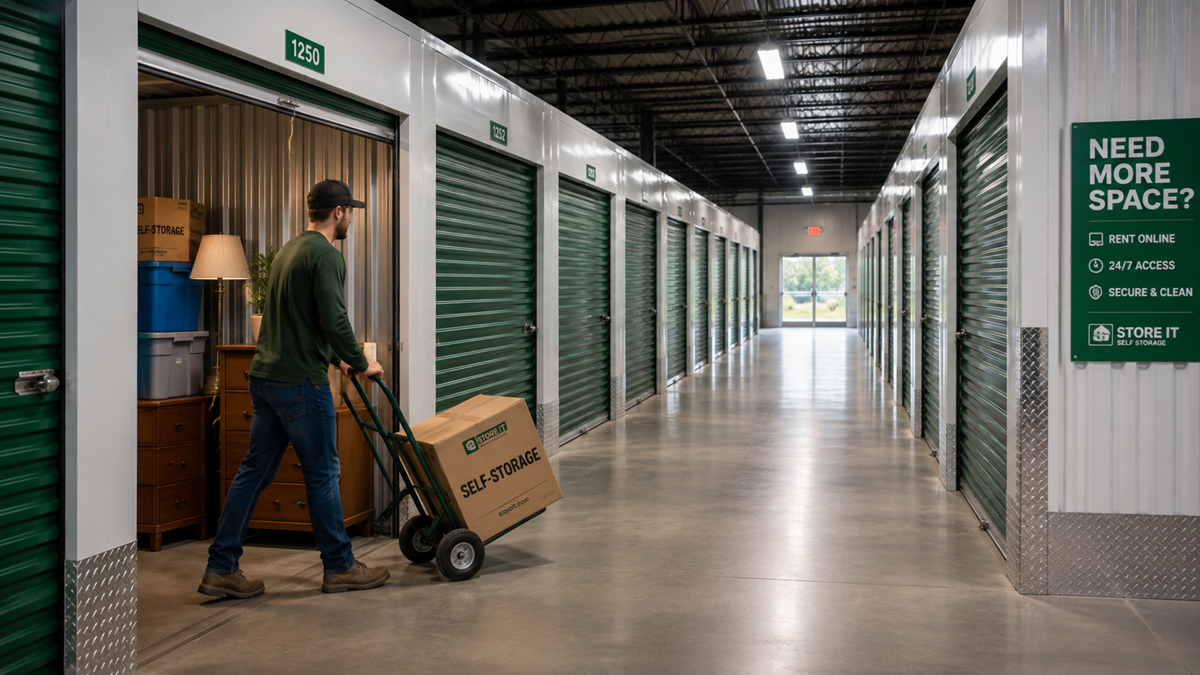
A warehouse full of locked rooms does not look like an especially sophisticated business, which is part of its appeal. Self-storage operators rent small spaces to people dealing with moves, divorces, inheritances, downsizing, renovations, or simply too much stuff. Once a facility is established and occupied, relatively modest staffing needs can make the economics attractive.
14. Commercial Refrigeration
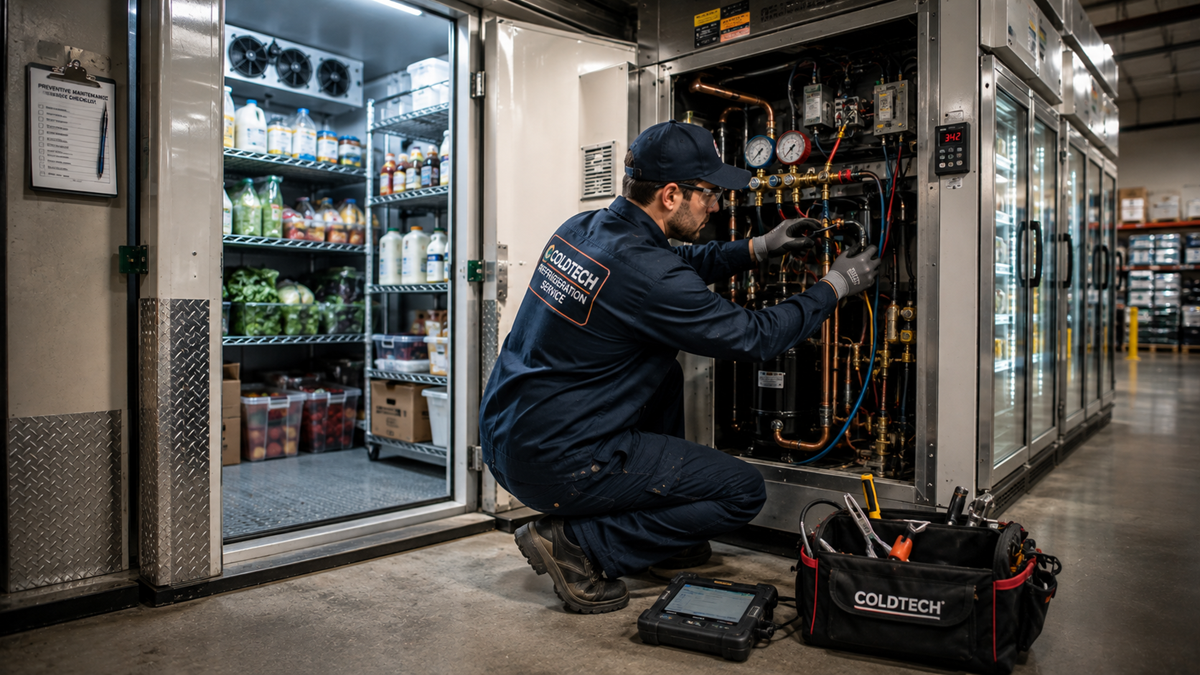
Supermarkets, restaurants, warehouses, pharmaceutical facilities, and food distributors all rely on temperature-controlled equipment that cannot simply stop working. Companies that install and maintain refrigeration systems benefit from constant servicing needs and expensive equipment replacements. When a freezer holding thousands of dollars in inventory fails, customers tend to want it repaired immediately.
15. Payment Processing
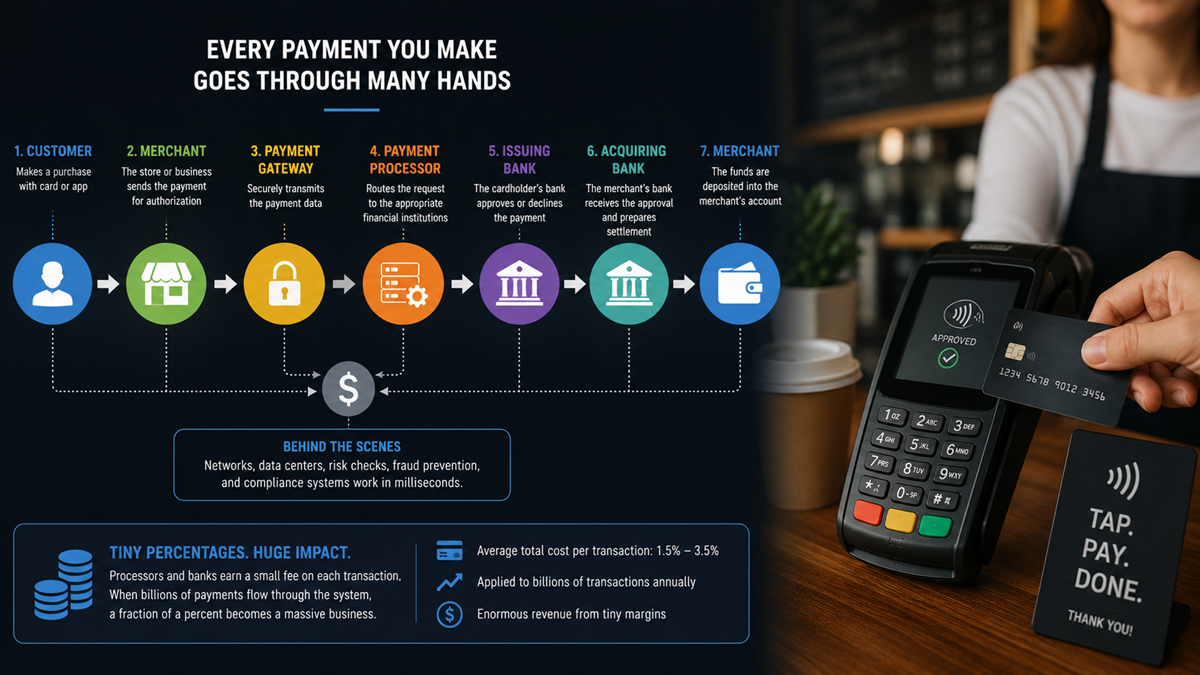
Every time a customer taps a card, orders something online, or pays through an app, several companies may take a tiny piece of the transaction. Payment processors, gateways, acquiring banks, and related infrastructure providers operate mostly behind the scenes, but the volume passing through their systems is enormous. A fraction of a percentage can become a very large business when applied to billions of transactions.
In the mood for more?
Check out 17 Industries That May Look Unrecognizable by 2036, or take a look at 17 Things Nobody Tells You About Running a Business. If you want to see more hidden corners of the economy, you can check out 16 Night Shift Jobs That Kept Cities Running Behind the Scenes.
Images generated by AI