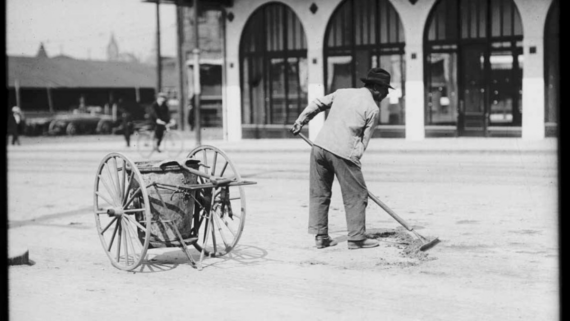
When the sun dipped below the horizon and urban streets faded into quiet darkness, the daytime bustle of modern life came to a complete halt. Office workers headed home to rest, retail storefronts locked their doors, and public transit schedules slowed down for the night. To the average citizen sleeping soundly in their bed, the city appeared to be in a state of suspended animation until the morning commute arrived. However, behind those dark windows and empty avenues lay a sprawling, highly coordinated network of nocturnal jobs operating continuously beneath the radar.
Keeping an entire urban municipality safe, powered, clean, and fed required a massive, dedicated force of after-hours professionals. These essential jobs demanded working in complete isolation, navigating high-stakes emergencies with minimal staff, and pushing past physical exhaustion to meet strict dawn deadlines. From the noisy presses that printed the morning news to the subterranean water treatment plants ensuring clean taps, these nocturnal heroes served as the invisible backbone of daily civilization. Let’s take a look at sixteen essential night shift jobs that kept our cities running smoothly behind the scenes while the rest of the world was fast asleep.
1. Switchboard operator
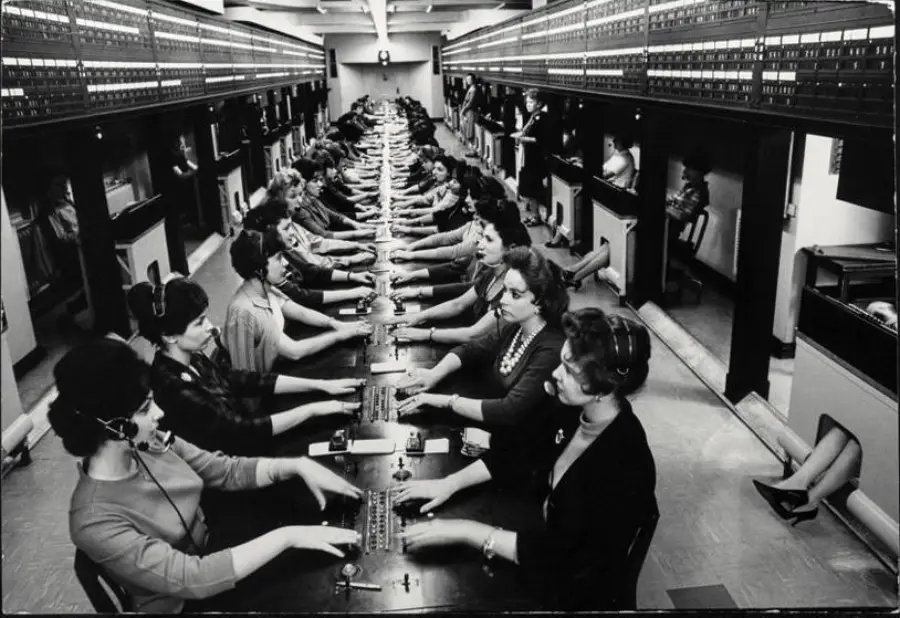
Before automated telephone routing existed, nocturnal switchboard operators stayed awake through the quietest hours manually plugging copper cords into jackboards to connect emergency calls, hospital lines, and late-night businesses. Working in near-total isolation, these sharp-eared operators served as the literal lifeline for late-night crises, routinely handling life-or-death situations with zero digital automation.
2. Commercial bakery oven operator
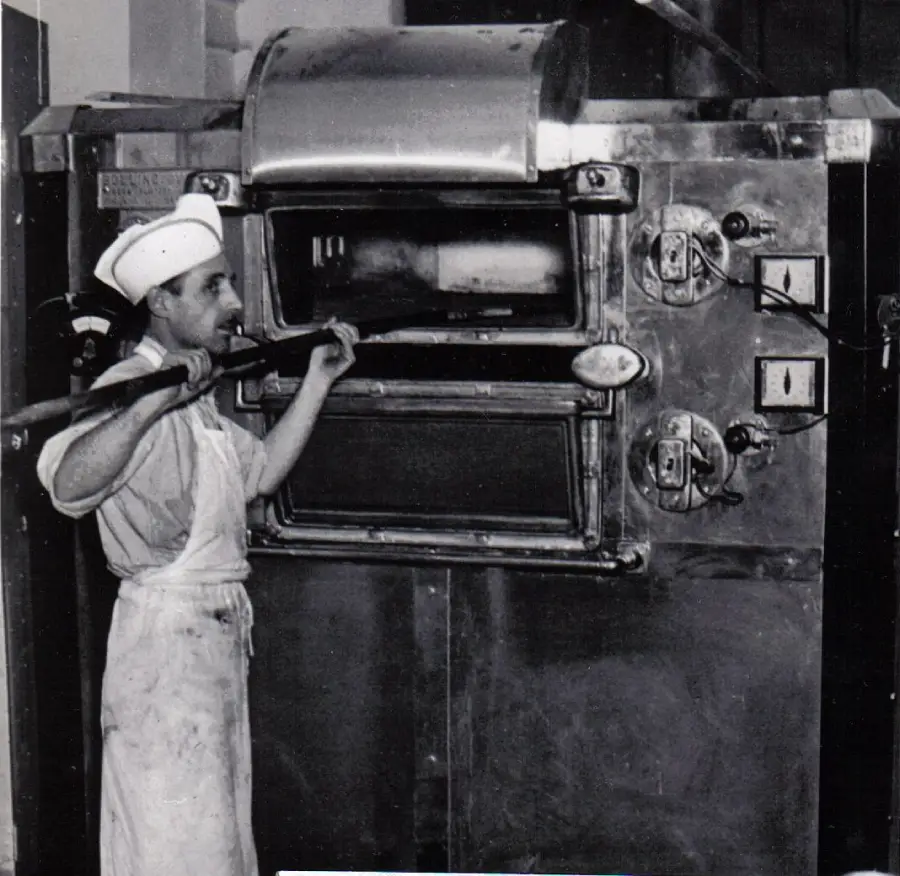
The fresh bread lined up on bakery shelves every morning required industrial oven operators to start their intense, heat-heavy shifts right at midnight. Large-scale bakeries operated exclusively through the dark hours, so supply trucks could execute morning deliveries, filling the empty, cool city streets with the sweet, unmistakable aroma of freshly baked dough long before the first alarm clocks went off.
3. Newspaper press operator
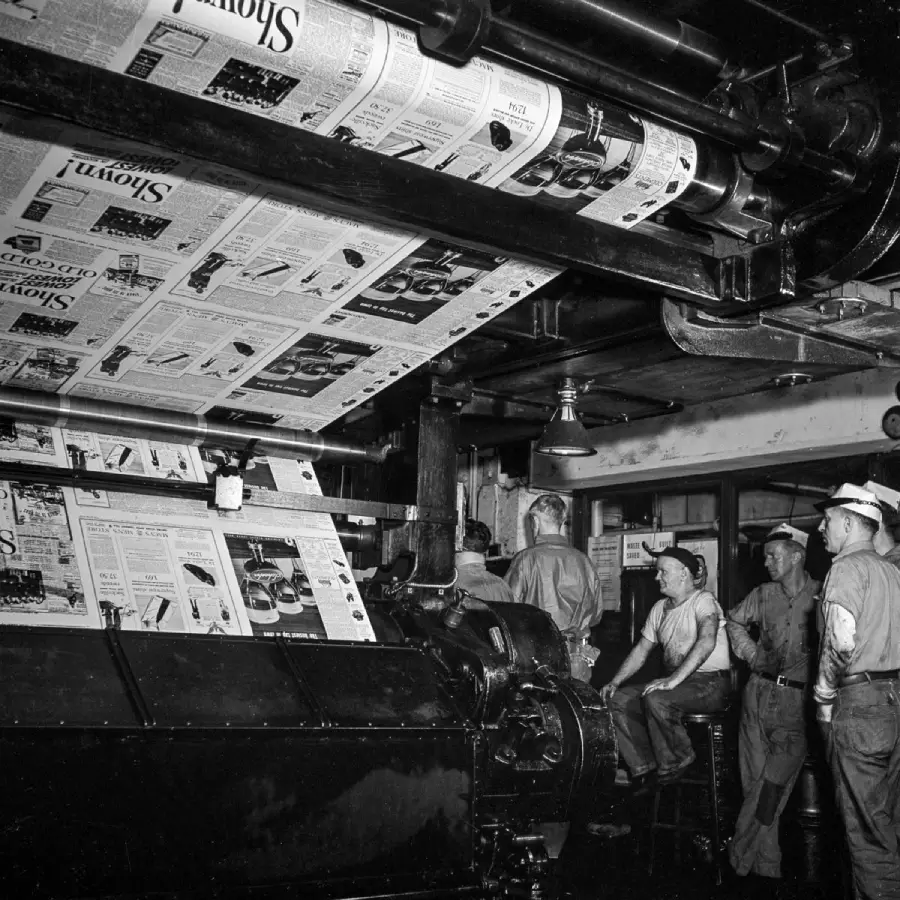
Delivering the morning news required a high-speed, nocturnal marathon of typesetting, ink management, and heavy mechanical printing that lasted from midnight until dawn. The press room of a major city daily at 3:00 AM was one of the loudest, most intense industrial environments in the city, with press operators constantly monitoring massive paper rolls spinning at terrifying speeds.
4. Elevator operator
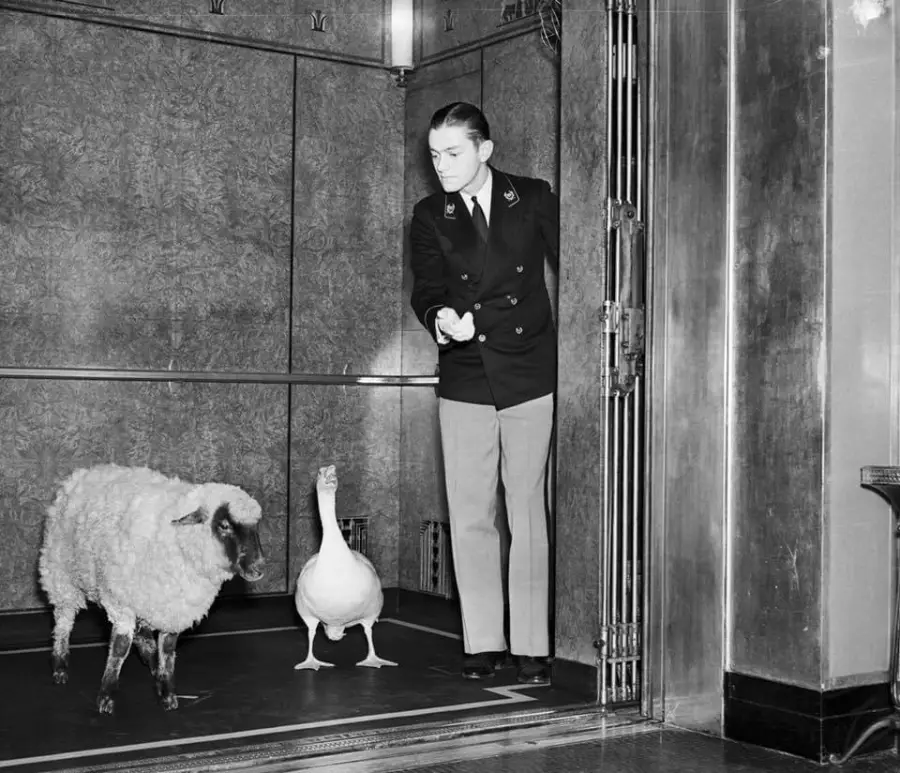
Luxury hotels and high-rise office towers maintained dedicated elevator operators throughout the night to assist late arrivals, on-call doctors, and cleaning crews. The late-night operator was frequently the sole staff member visible inside quiet lobbies, serving as both an informal receptionist and the primary first responder if a mechanical emergency struck the building.
5. Taxi dispatcher
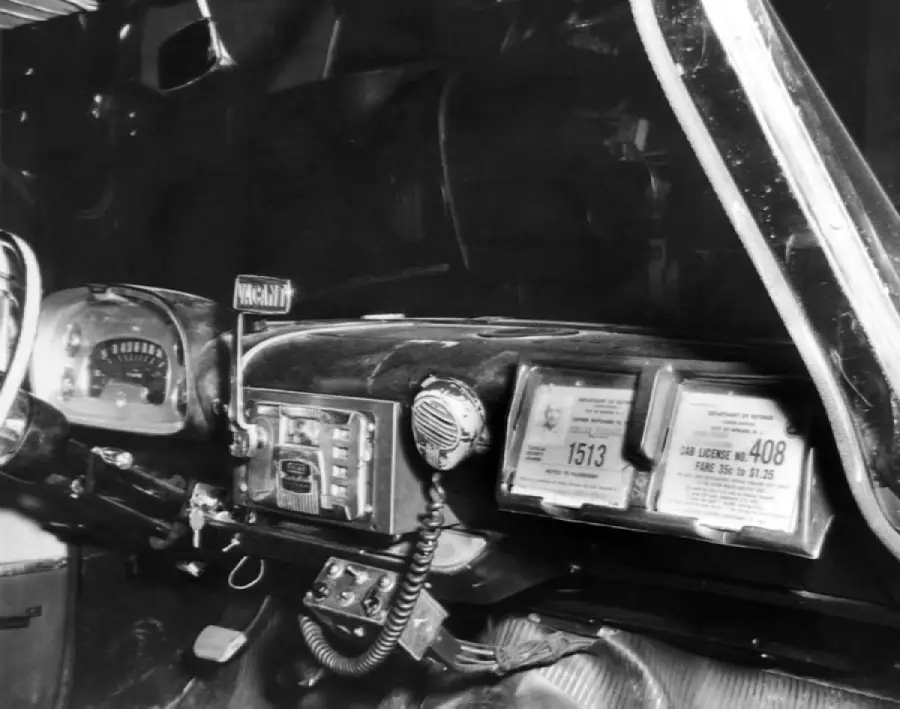
Long before mobile GPS navigation and ride-hailing applications existed, nocturnal taxi dispatchers spent their nights coordinating entire fleets of cabs over crackling radio frequencies. A skilled late-night dispatcher memorized street layouts, monitored late-night traffic bottlenecks, and recognized the voices of regular callers, acting as the invisible brain behind urban transportation.
Trending on The Scroller

6. Emergency room nurse and medical tech
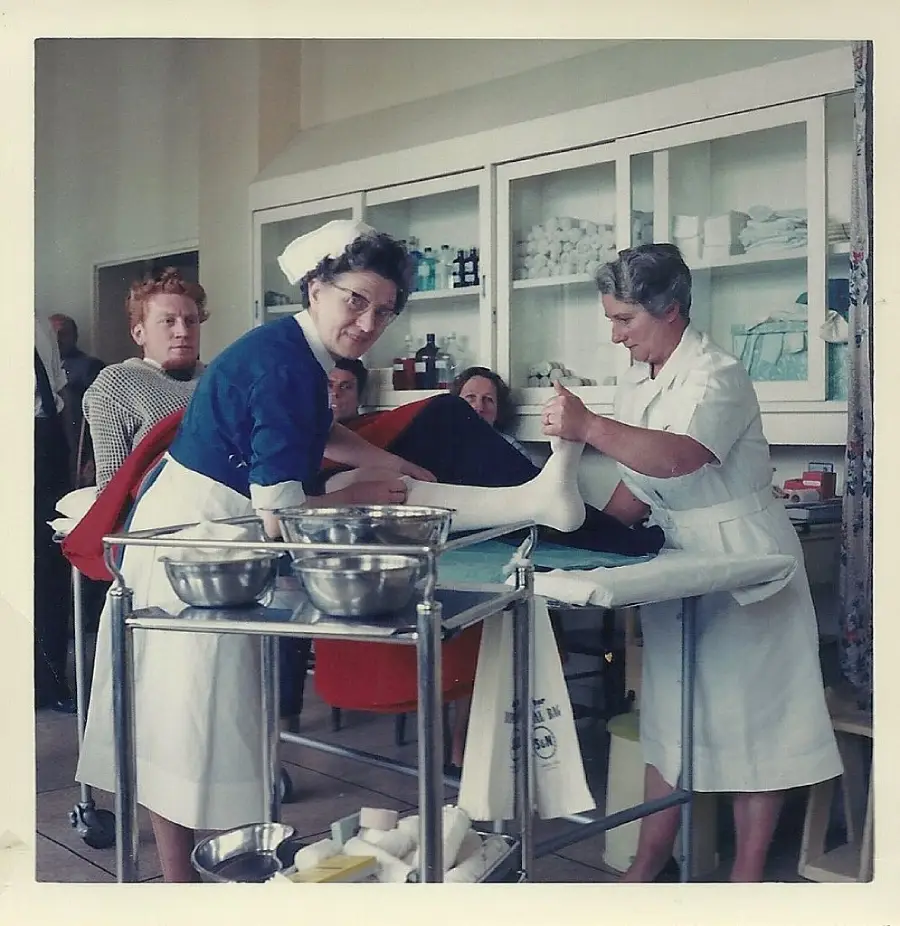
Hospitals never close their doors, and the graveyard shift is statistically when the most severe trauma cases, high-speed accidents, and sudden laborers flood the emergency department. Operating with significantly smaller teams and fewer resources than the daytime staff, night shift nurses developed exceptional clinical autonomy and split-second decision-making skills that kept patients alive until the morning shift arrived.
7. Power plant operator
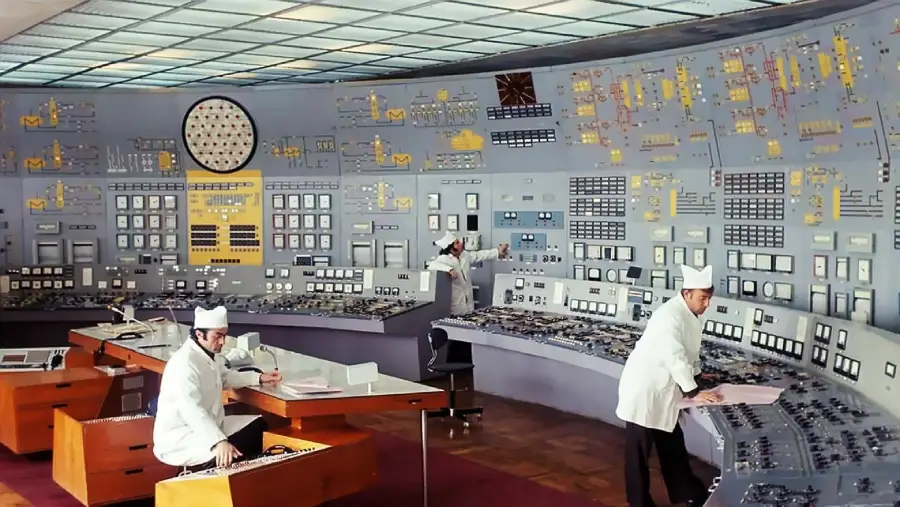
The electric grid powering a city’s streetlights, hospital machines, and late-night diners relied on specialized technicians who continuously monitored turbine outputs, transformer temperatures, and voltage loads. Power plants operate twenty-four hours a day, three hundred and sixty-five days a year, making these late-night operators the very first line of defense against sudden grid failures and blackouts.
8. Commercial office cleaner

Massive downtown office skyscrapers were thoroughly scrubbed, vacuumed, and sanitized every single night by dedicated custodial crews who entered the floor as the last office worker exited. Working floor by floor through empty towers, these crews emptied thousands of wastebaskets and polished miles of flooring so office workers could return to a spotless environment every morning.
Sign up for our newsletter
9. Night watchman
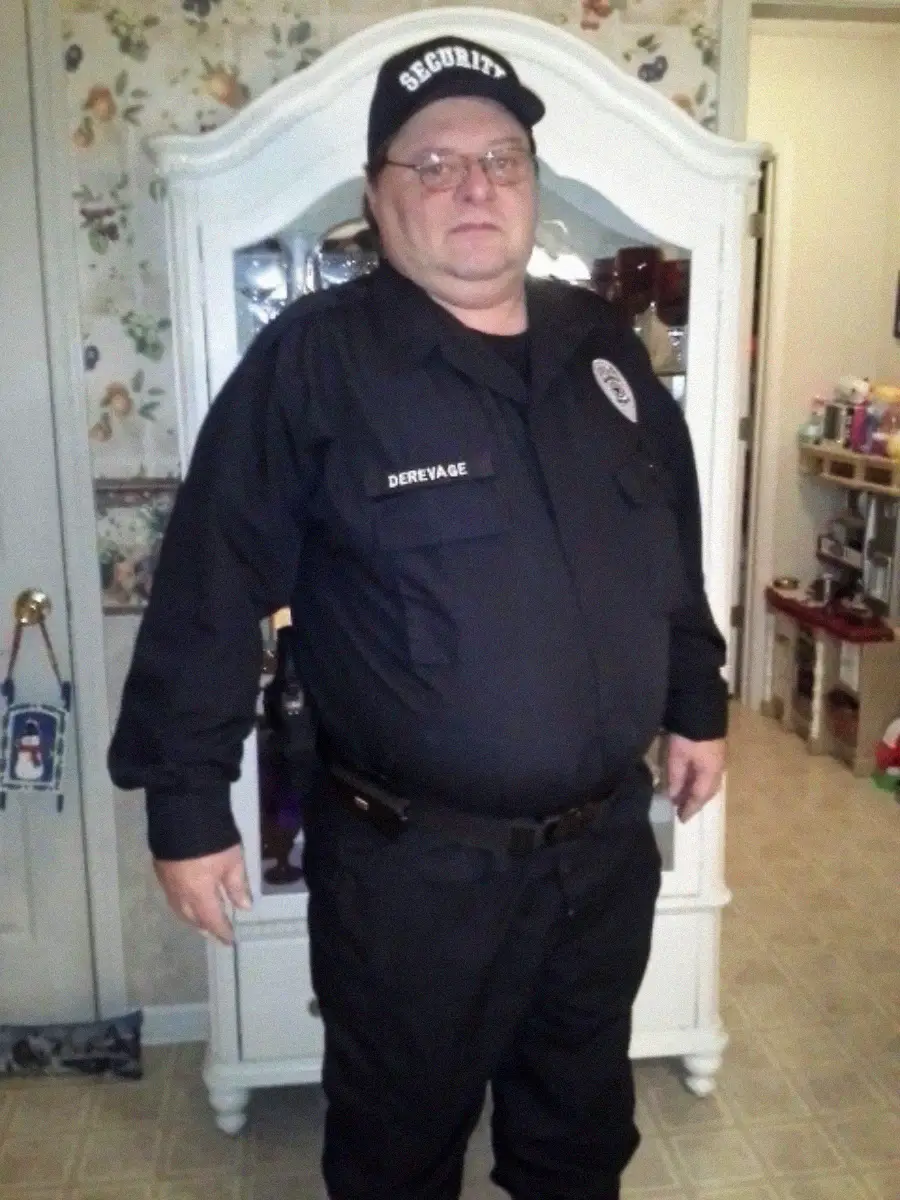
Commercial banks, art museums, rail yards, and industrial warehouses required constant physical vigilance during their most vulnerable hours. Armed with a heavy flashlight and a mechanical clock-punch key, the night watchman walked strict timed rounds, serving as the sole barrier against break-ins, electrical fires, and sudden pipe bursts in completely deserted properties.
10. Freight train engineer
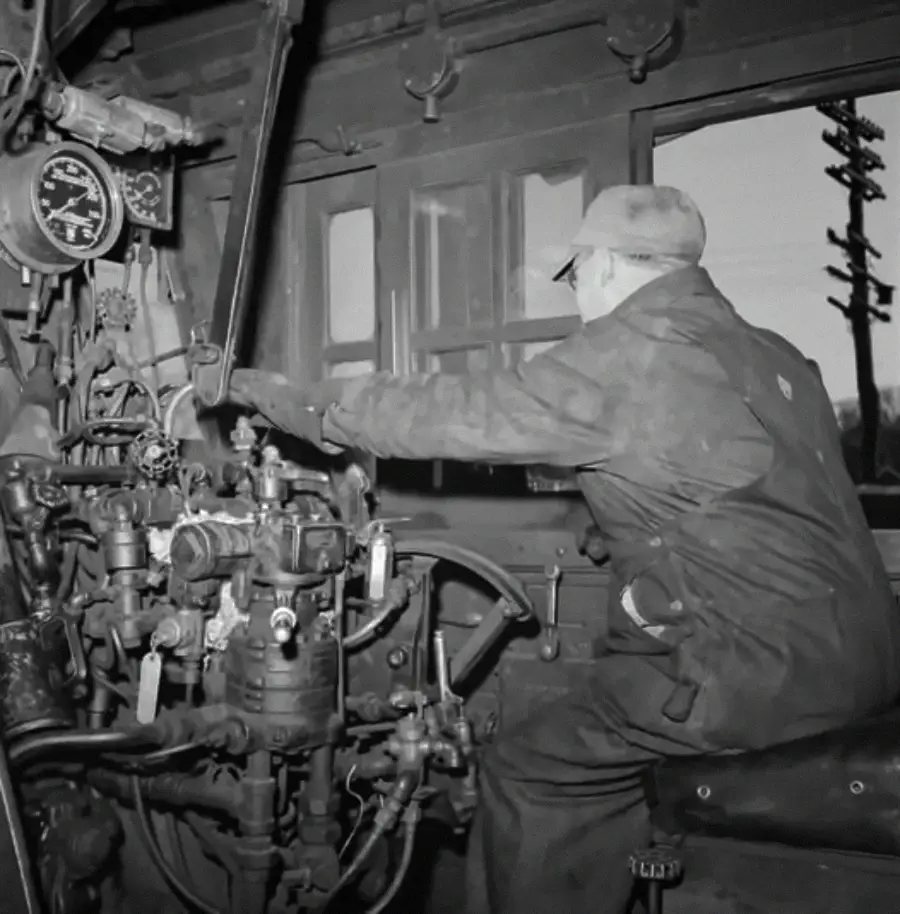
Freight rail networks deliberately scheduled their longest, heaviest trains to run through the dark hours when passenger track traffic was virtually nonexistent. Engineers piloted massive locomotives hauling thousands of tons of cargo across hundreds of miles of pitch-black countryside, maintaining constant communication with regional dispatchers to ensure critical supply chains moved without a hitch.
11. Supermarket stocker
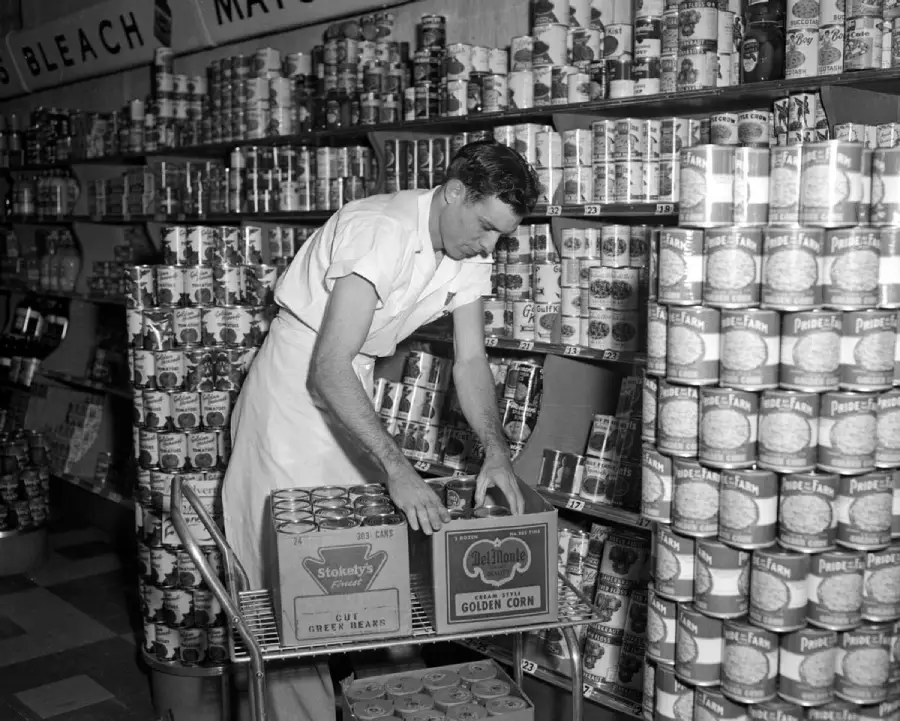
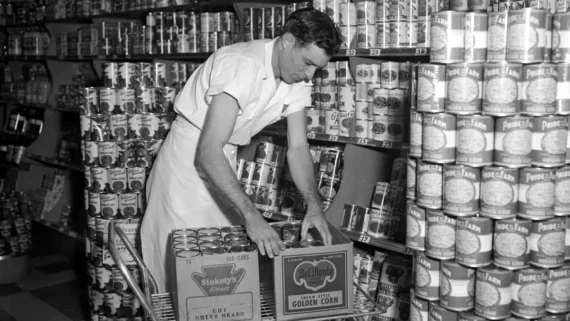
Grocery store shelves did not restock themselves; they were systematically filled overnight by crews who worked from closing time until the doors opened at dawn. Stockers unloaded heavy shipping pallets, organized storage backrooms, and placed thousands of individual products on shelves with correct price tags, executing the most physically demanding work in the retail supply chain while the aisles were completely empty.
12. Water treatment plant operator
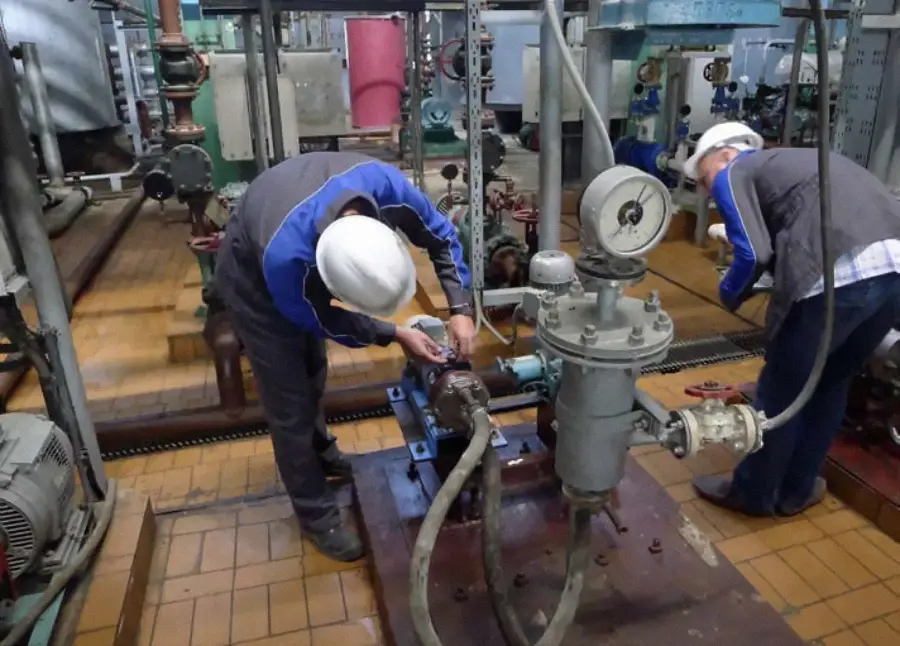
The clean tap water that millions of citizens used to brush their teeth every morning was continuously processed and chemically balanced throughout the night. Late-night operators tested chlorine levels, cleared filtration beds, and adjusted distribution pressure to guarantee that safe, drinkable water flowed effortlessly to every neighborhood without interruption.
13. On-call firefighter
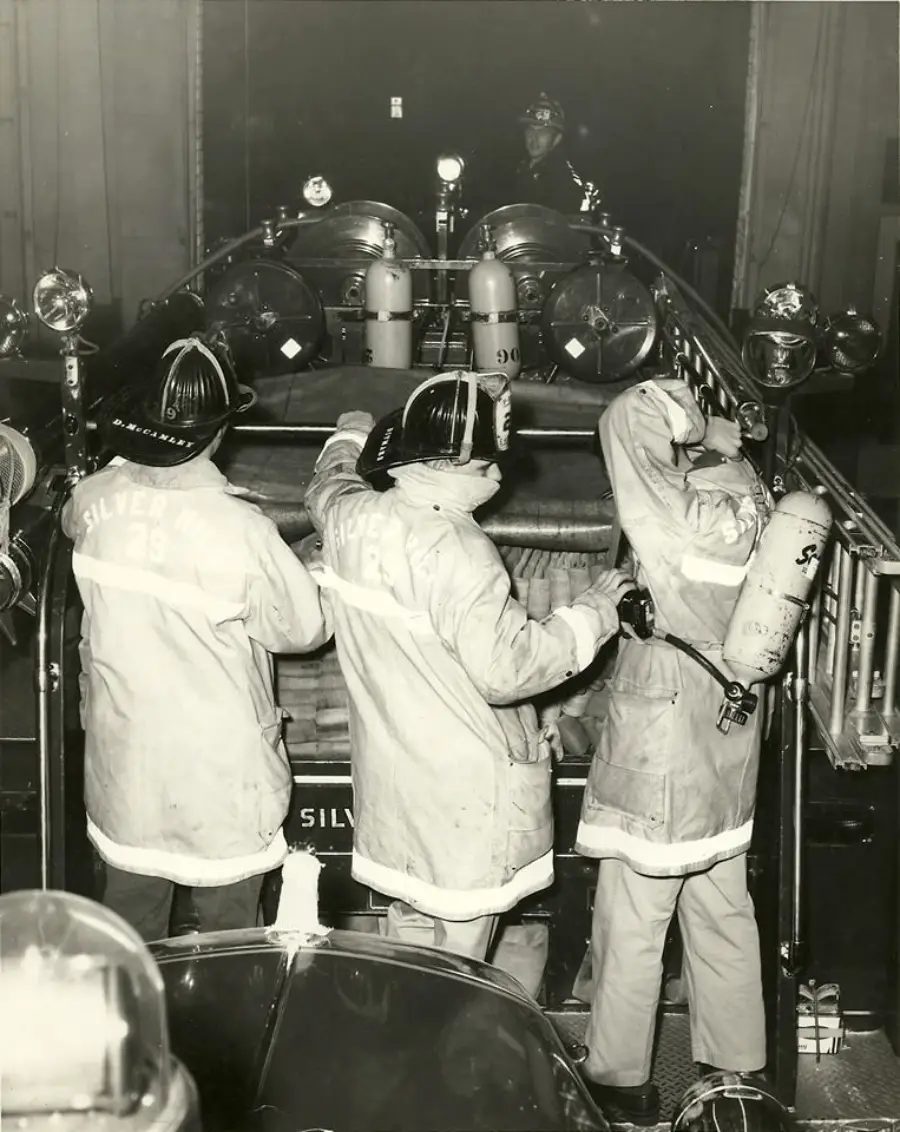
Fire stations operated on intense twenty-four-hour rotations, with the night shift statistically representing the most dangerous hours because residential fires trapped sleeping families who could not evacuate quickly. Station firefighters slept in their gear, trained to leap out of bunk beds, slide down the pole, and have the engine rolling out the doors in under ninety seconds when the alarm sounded.
14. Cold storage and meatpacking worker
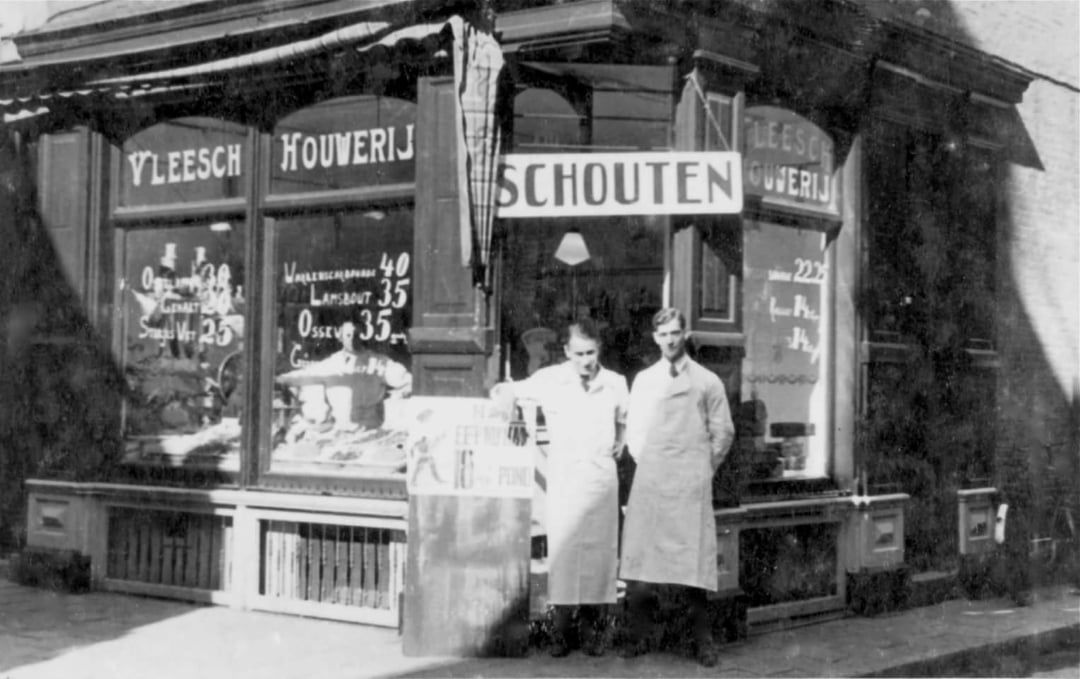
Industrial meat processing facilities operated heavy night shifts to prepare fresh cuts for morning delivery to local butchers, supermarkets, and restaurants. Working under freezing conditions with heavy industrial equipment, these workers executed one of the most physically exhausting and dangerous manufacturing tasks in the urban economy.
15. Late-night AM radio DJ
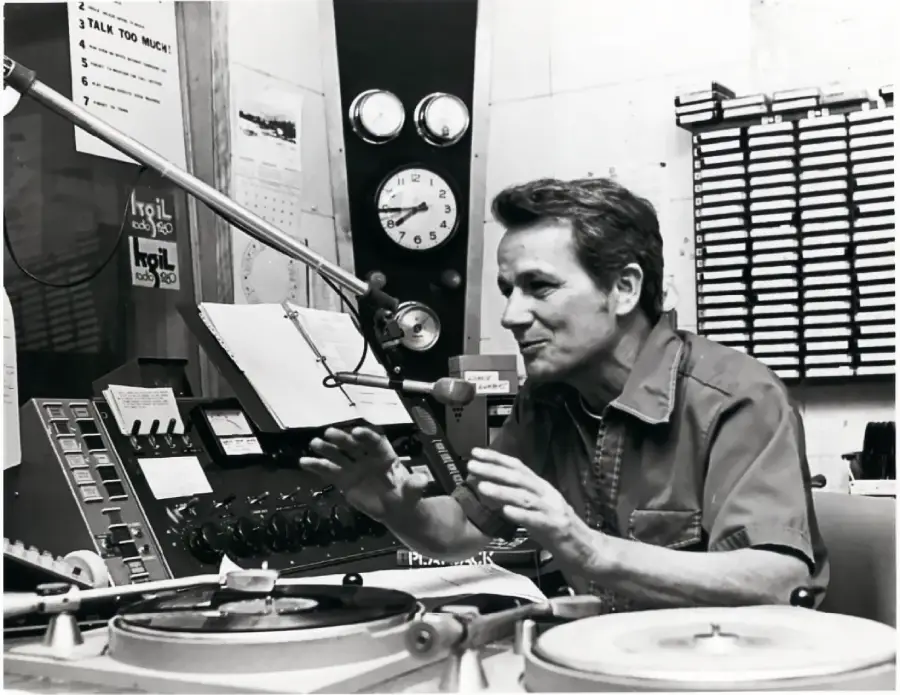
AM radio stations kept night shift workers, long-haul truckers, and insomniacs company with continuous after-hours broadcasts hosted by a single DJ sitting alone in a quiet studio. These nocturnal radio personalities selected tracks, read wire news reports, and took live calls from lonely listeners, serving as a comforting, familiar voice in the dark for those who had nobody else to talk to at 3:00 AM.
16. Emergency ambulance dispatcher
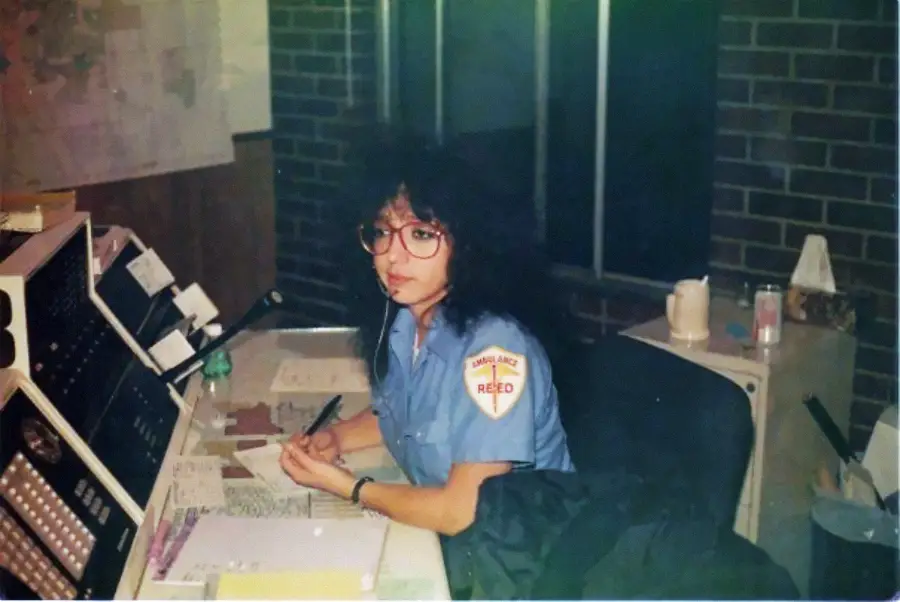
Medical dispatchers managed the city’s urgent ambulance responses during the late hours when severe heart attacks, highway collisions, and acute crises peaked. Working in high-tech control rooms with multiple phone lines ringing simultaneously, these calm operators made split-second, life-saving calls regarding which unit to dispatch and which hospital trauma bay was equipped to take the case.
Explore more jobs from the past:
The essential contribution of these nocturnal workers serves as a powerful reminder of the incredible dedication, physical grit, and invisible labor required to keep modern society moving forward. Looking back at these late-night switchboards, noisy printing presses, and silent power plant control rooms proves that while our daytime routines get all the attention, the foundation of urban life is built in the dark. When we choose to look past the daytime bustle of our modern cities to appreciate the hands-on history of these vital after-hours professions, we gain a much deeper respect for the people who work while we sleep. If you loved taking this fascinating look back through working-class history and want to explore more deep dives, make sure to check out these 14 Seasonal Jobs That Defined Small-Town Life, or 14 Historical Jobs That Modern Machines Completely Replaced. You can also enjoy these 16 White-Collar Jobs That Changed Forever After Computers.