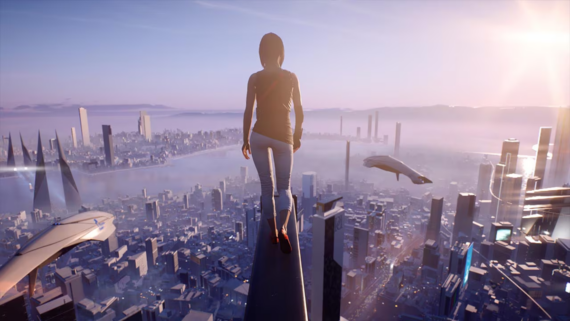
Industry change can happen so slowly that hardly anyone notices, or so quickly that the old way of doing business suddenly stops making sense. Over the next decade, advances in technology, shifting habits, and economic pressures could transform familiar fields like supermarkets, hospitals, classrooms, movie studios, and construction sites. Nobody can predict exactly what 2036 will look like, but these 17 industries already show signs that their future versions may feel surprisingly unfamiliar.
1. Grocery Stores
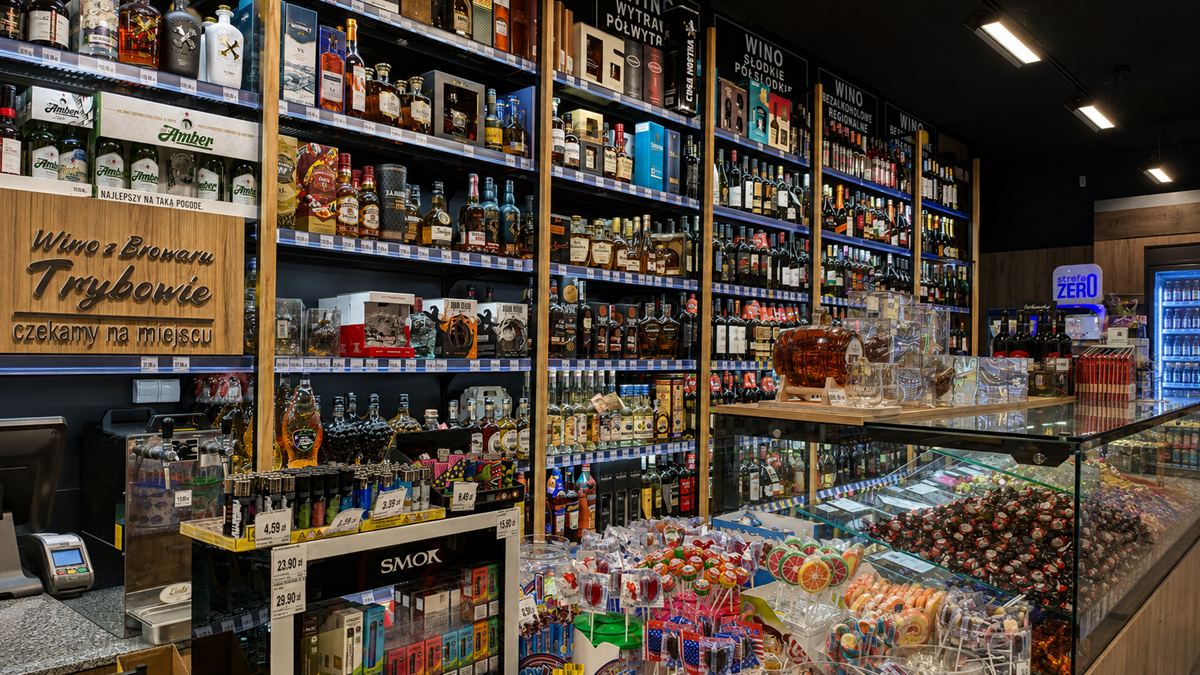
The weekly supermarket run could become a much less recognizable ritual. Self-checkout was only the beginning. Stores are experimenting with computer vision, electronic shelf labels, automated inventory systems, personalized digital offers, robotic fulfillment, and smaller locations designed partly as pickup hubs. Some shopping may become almost invisible, with recurring household basics reordered automatically while customers visit physical stores mainly for fresh food, prepared meals, or things they actually want to browse. The supermarket probably will not disappear. It may simply stop being a building (and an industry) where everybody pushes a cart through 20 aisles in roughly the same way.
2. Trucking and Freight
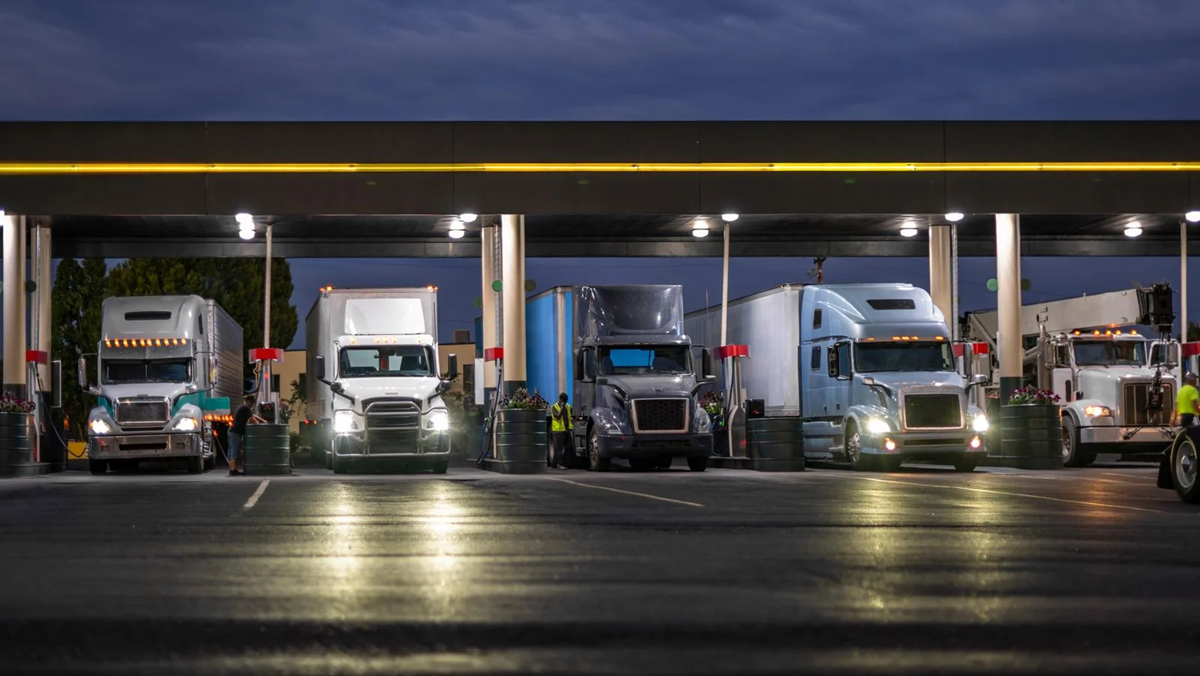
Highway trucking sits in an unusual position: the industry needs enormous numbers of human workers, yet some of its most repetitive tasks are exactly the sort automation companies have spent years trying to tackle. Fully driverless trucks everywhere are far from guaranteed, but long stretches of predictable highway driving are a very different technical problem from navigating a chaotic city street. That could create a split system where automated vehicles handle certain highway routes while people take over around terminals, cities, loading docks, bad weather, and unusual deliveries. The job of “truck driver” may eventually describe several jobs rather than one.
3. Fast Food
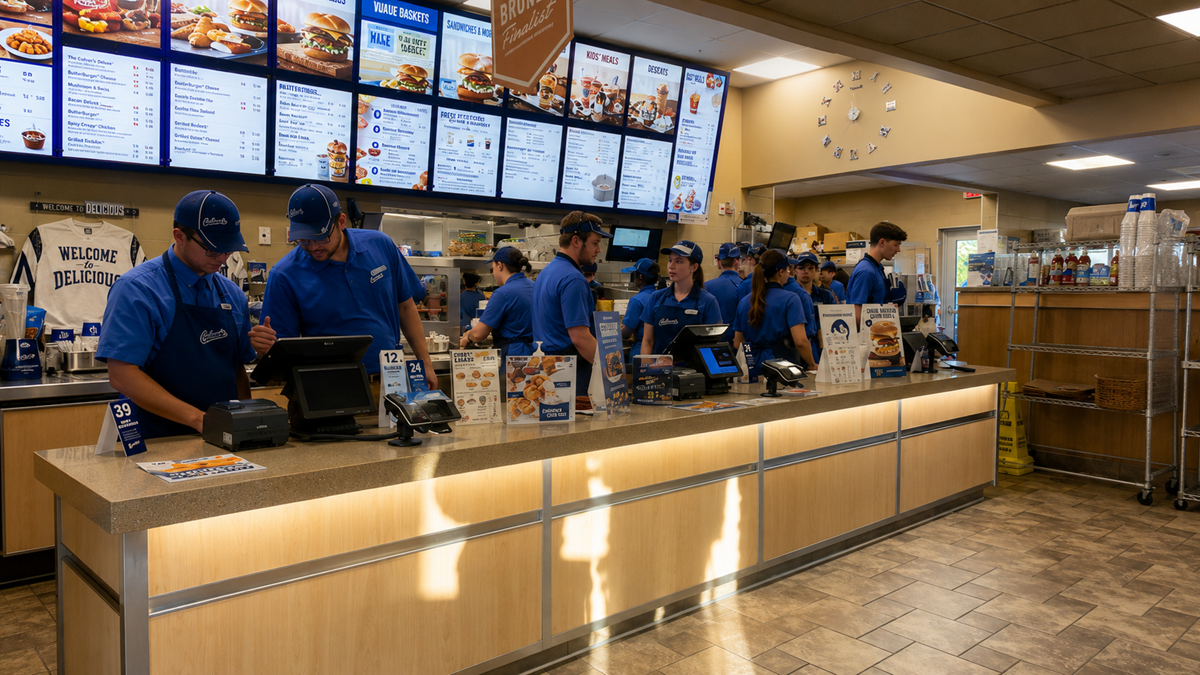
Walk into enough newer fast-food restaurants and the industry shift is already visible. Ordering kiosks, app-only discounts, digital menu boards, automated drink systems, delivery shelves, and kitchens increasingly shaped around mobile orders have changed what the front counter is for. The restaurant of the 2030s could have fewer obvious customer-facing steps, while employees spend more time assembling orders, managing equipment, handling exceptions, and keeping a highly automated kitchen moving.
4. Movie and Television Production Industry
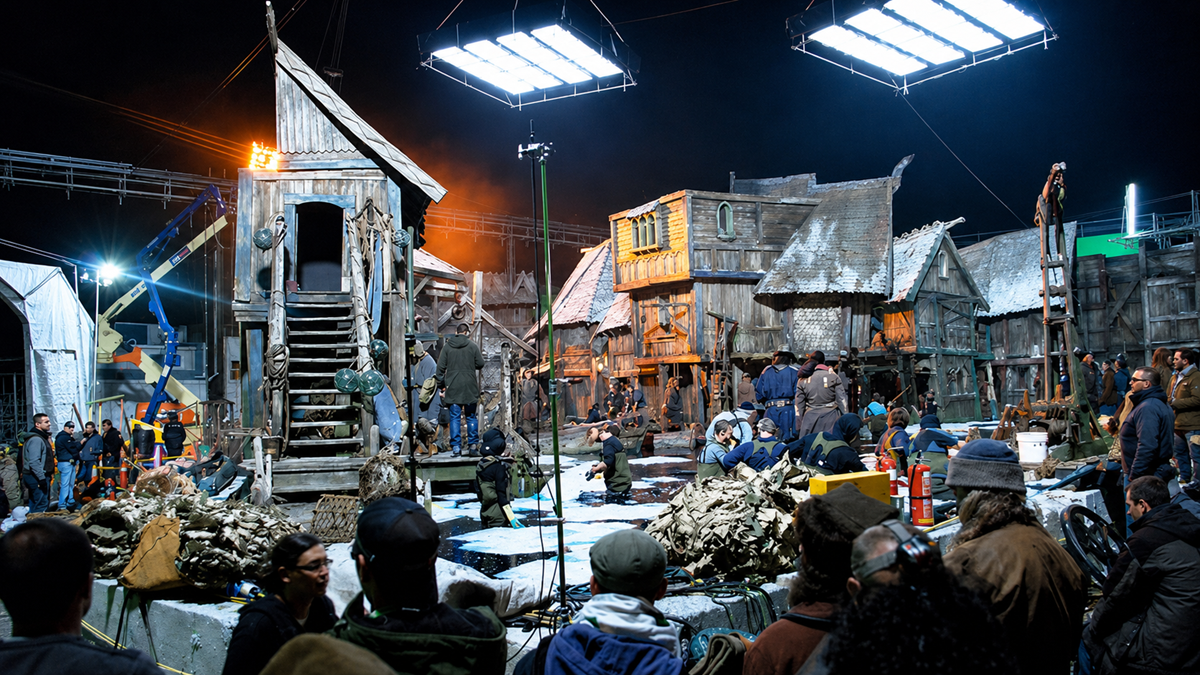
Film sets will still need actors, directors, designers, camera crews, editors, and a long list of specialists, but the tools surrounding them are changing quickly. Virtual production can replace some location work with enormous LED environments, digital doubles can perform shots that once required complicated effects setups, and generative software is being explored for tasks ranging from concept development to post-production. None of this eliminates the messy human business of deciding what audiences actually want to watch. It does mean the line between filming something, animating it, simulating it, and generating parts of it may become much harder to see.
5. Video Games Industry
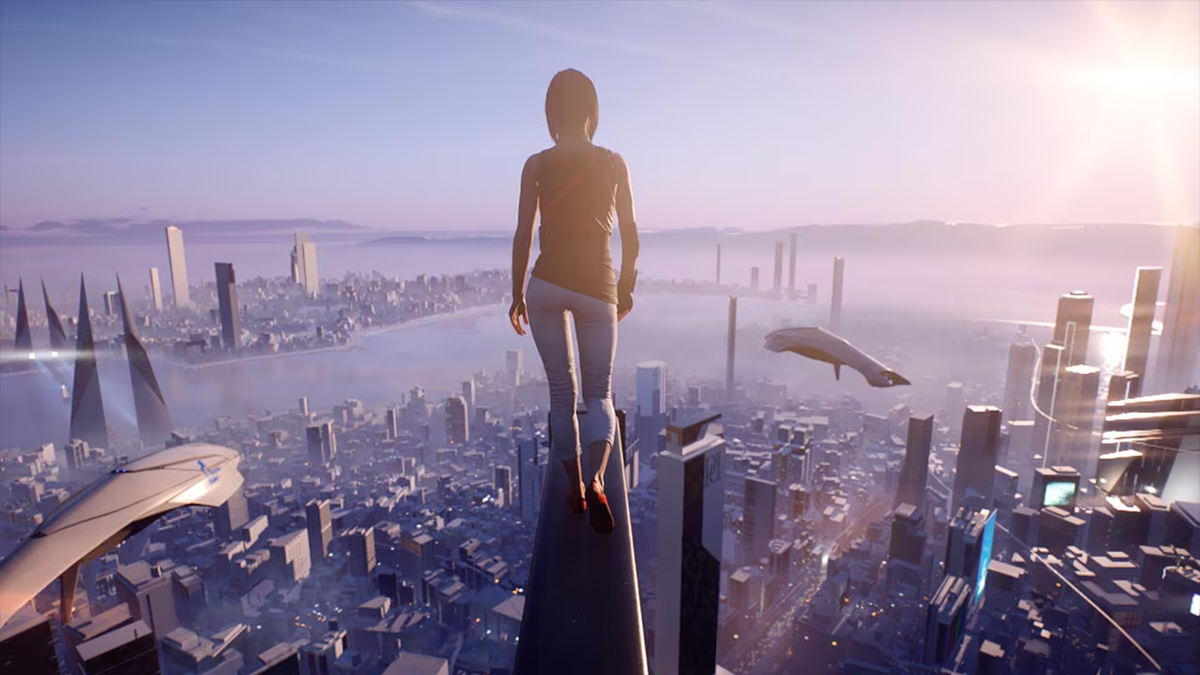
Games have spent decades becoming bigger, but the next change may be about becoming less fixed. Developers are exploring systems that can generate dialogue, environments, character behavior, voices, and other material more dynamically. A future game might react to a player’s decisions in ways that were never individually scripted by a writer sitting at a desk. That creates plenty of creative and labor questions, but it also makes the old idea of a game as one completely predetermined package feel increasingly narrow.
Trending on The Scroller

6. Hospitals
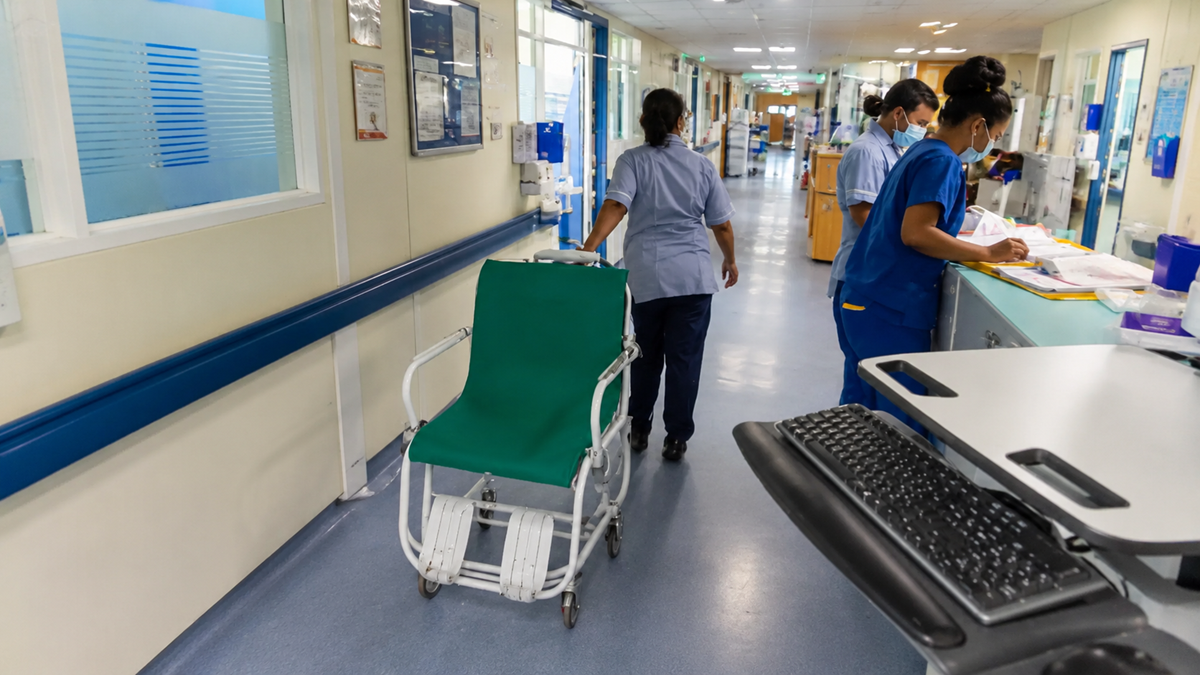
Hospitals are full of work that patients rarely see: documentation, scheduling, imaging reviews, medication checks, supply management, monitoring, billing, and constant movement of people and equipment. Software and robotics are gradually reaching many of those layers. Doctors and nurses are not likely to vanish from the picture, but their days could look very different if more routine paperwork is generated automatically, remote monitoring keeps some patients out of hospital rooms, and machines take over more transport and logistical tasks. The biggest visible change may be that a growing amount of “hospital care” happens somewhere other than a hospital.
7. Education

The classroom itself may survive just fine. The standard lesson, identical worksheet, and one-speed approach to an entire group are more exposed. Digital tutoring systems can already adjust explanations and practice material to individual students, while teachers are being pushed to rethink assignments in a world where polished text can be produced almost instantly. By the mid-2030s, teaching may involve much more coaching, discussion, verification, project work, and individual feedback, with less time spent simply delivering information that students can retrieve elsewhere.
8. Construction
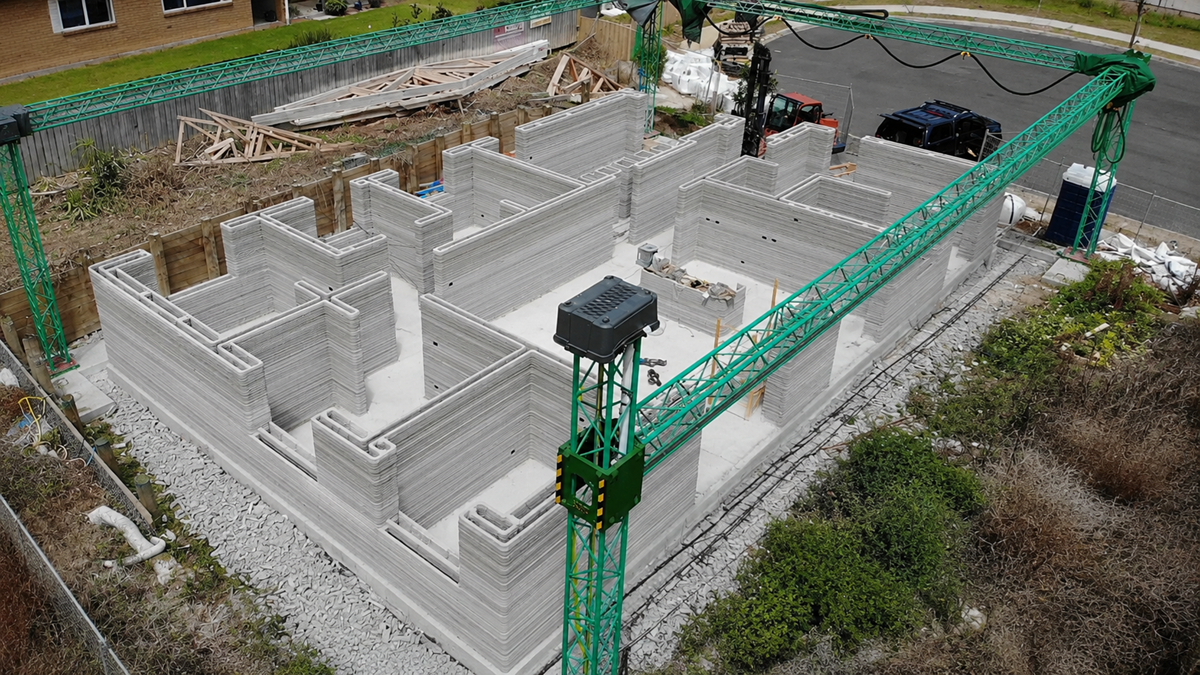
Construction sites have a reputation for looking roughly the same across generations, but that may not hold for much longer. Prefabricated building components, drones, robotic surveying, automated equipment, 3D printing, digital building models, and increasingly precise project software are moving more work away from improvisation on-site. Instead of assembling almost everything piece by piece in changing outdoor conditions, some projects may arrive as carefully planned modules that fit together more like manufactured products. There will still be mud, noise, delays, and somebody wondering where a shipment went, of course.
Sign up for our newsletter
9. Farming
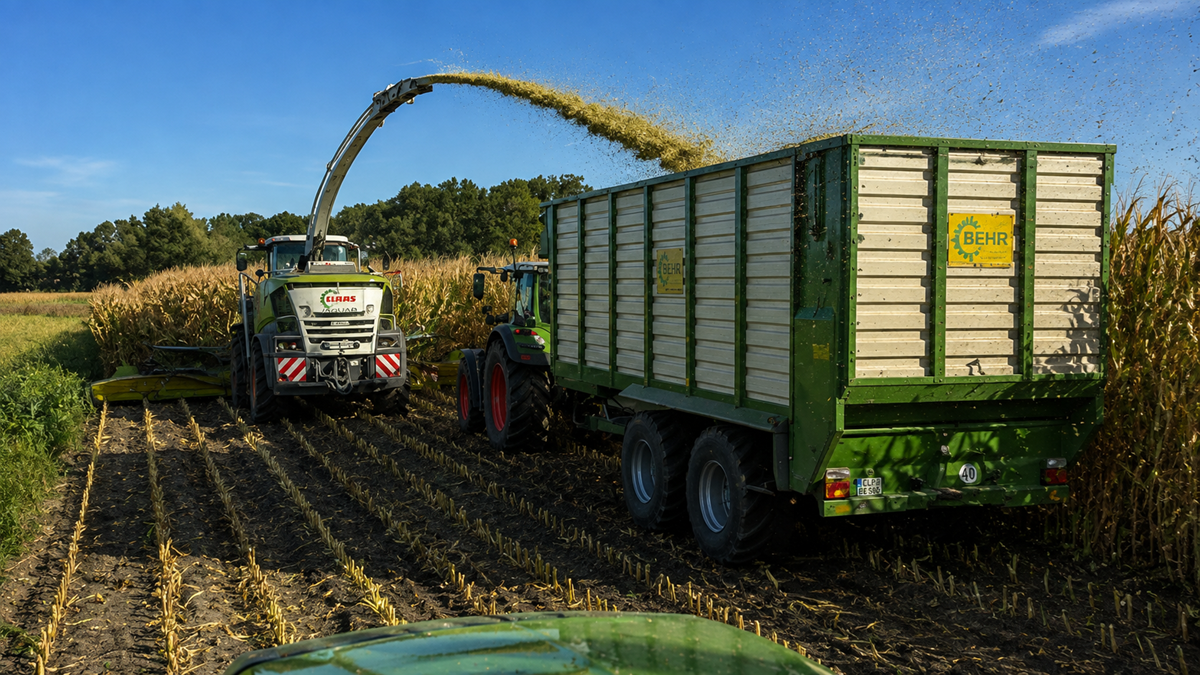
The farmer driving endless passes across a field is already becoming less universal. GPS-guided machinery, drones, sensors, computer vision, selective spraying systems, autonomous equipment, and software that analyzes crop conditions can make individual plants or small sections of a field visible in ways that older methods could not. The farm of 2036 may involve surprisingly little manual steering and a lot more monitoring screens, machine maintenance, data, and remote decision-making.
10. Insurance

Insurance has traditionally involved a lot of forms, phone calls, adjusters, photographs, estimates, and waiting. Many of those steps are becoming easier to automate or perform remotely. A damaged car can be documented with a phone, connected devices can provide information about certain risks, and software can sort straightforward claims before a person ever sees them. Humans will remain especially important when claims become complicated or disputed, but the routine side of insurance could become almost entirely digital.
11. Banking Industry
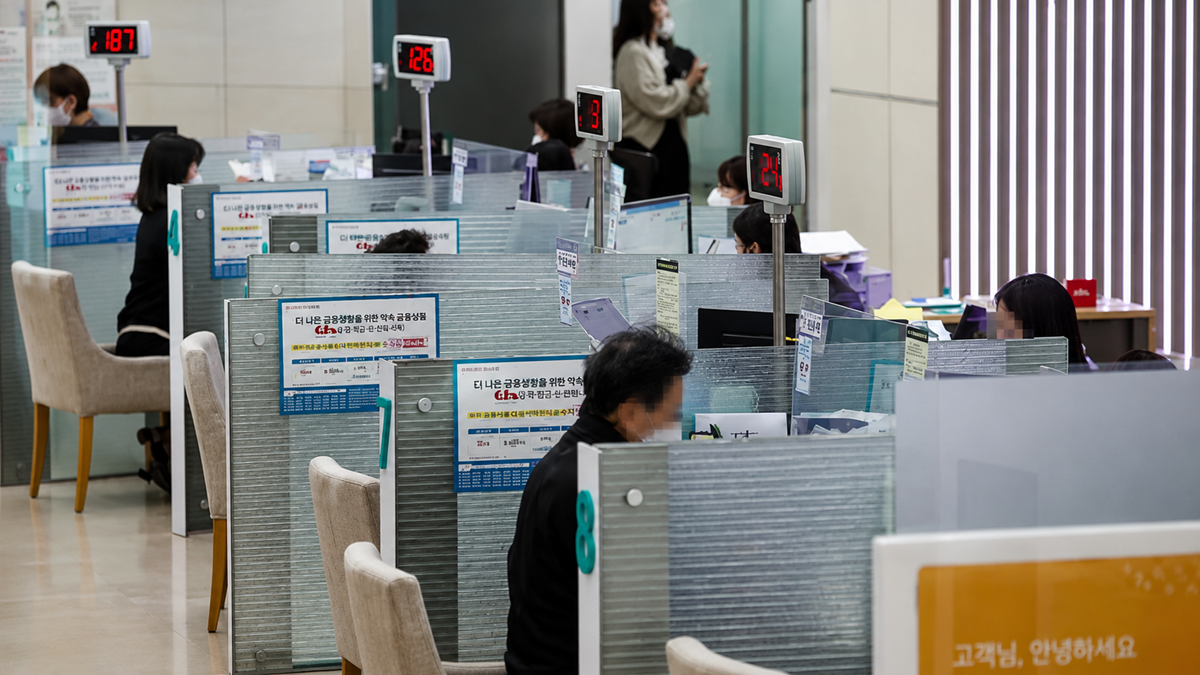
The neighborhood bank branch has already lost some of its old everyday functions. Depositing checks, transferring money, paying bills, applying for basic products, and managing accounts can all happen without visiting a teller. Over the next decade, branches may become even more specialized, focused on complicated financial decisions, business customers, identity verification, or situations where people specifically want a human being. For many customers, a “bank” may feel less like a place and more like a background service attached to everything else they do.
12. Real Estate Industry

Buying a house is too expensive and emotional to become a completely automated click-and-buy process anytime soon. But almost everything surrounding the transaction is being digitized: property search, virtual tours, mortgage applications, document review, pricing tools, electronic signatures, and remote closings. Agents who once controlled access to listings now operate in a world where buyers may know a startling amount about a property before speaking to anyone. The profession could shift further toward negotiation, local knowledge, problem solving, and transaction management rather than simply finding homes to show.
13. Hotels
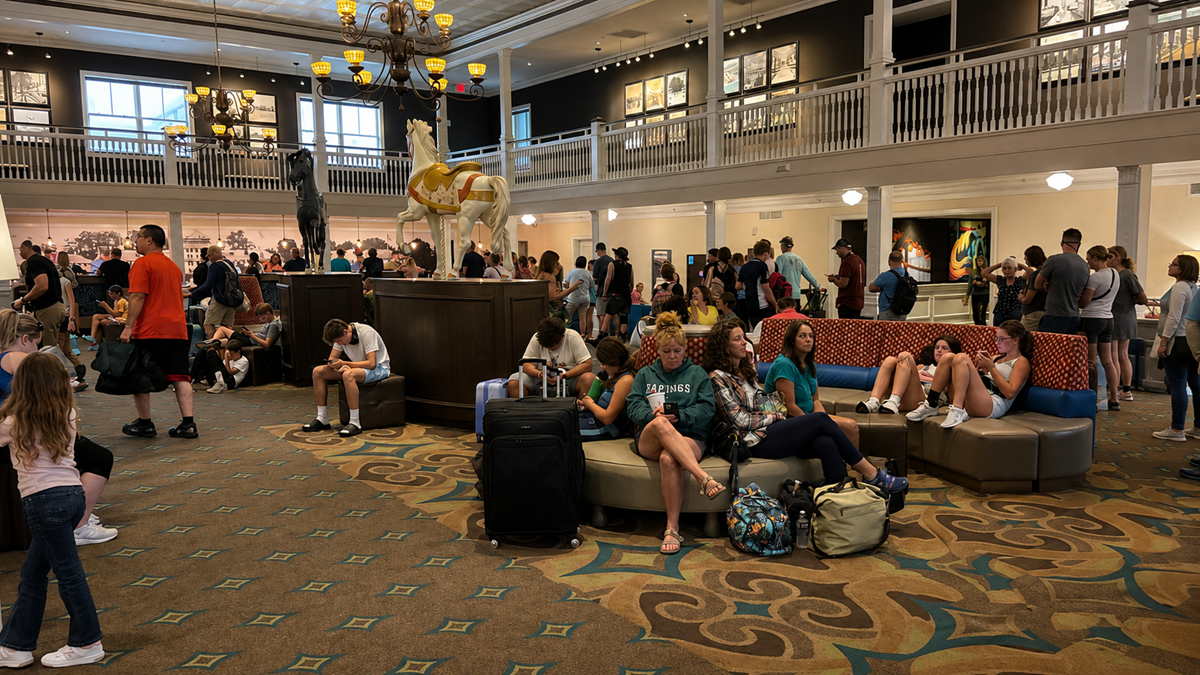
Hotel lobbies may get quieter. Mobile keys, app-based check-in, automated messaging, self-service kiosks, delivery robots, and smarter room systems can remove many of the tiny interactions that once defined a hotel stay. Luxury properties will probably keep leaning heavily on human service, since personal attention is part of what guests are buying. At more standardized hotels, though, arriving at midnight might eventually feel closer to accessing a private apartment than checking into a traditional hotel.
14. Legal Services

A huge amount of legal work involves reading, searching, comparing, summarizing, drafting, and reviewing documents. Those are precisely the areas where new software is getting more capable. Lawyers will still be needed for judgment, negotiation, courtroom work, strategy, accountability, and complicated human disputes, but junior professionals may spend far less time doing the repetitive document work that has traditionally filled their early careers. That could change not only how firms operate, but how lawyers learn the profession in the first place.
15. Manufacturing Industry
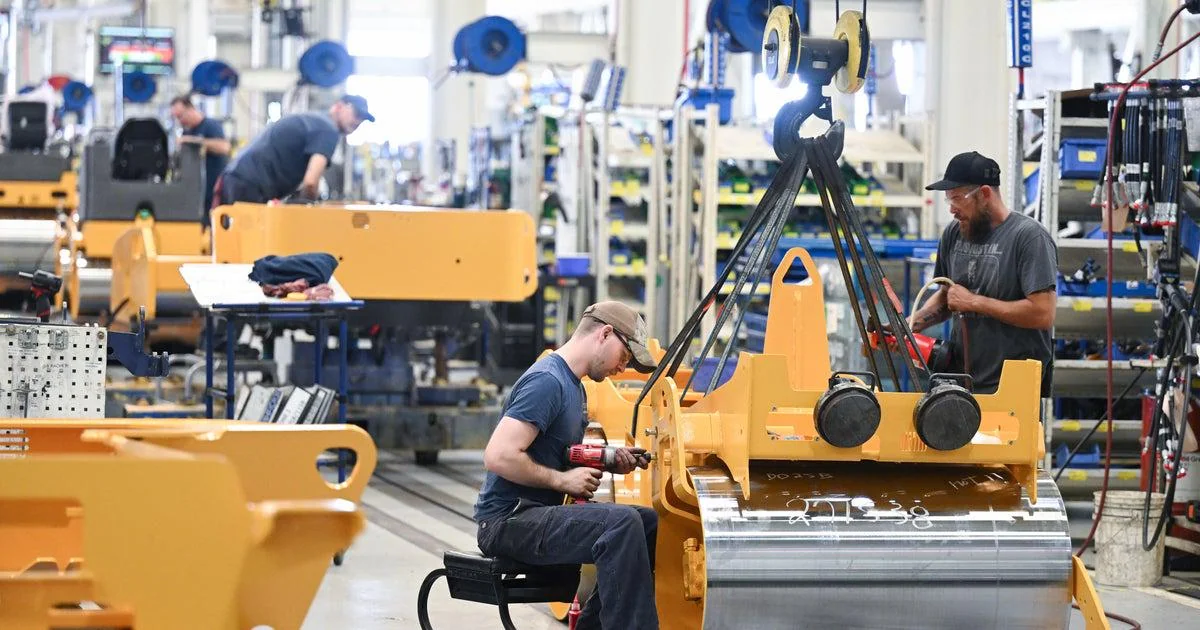
The classic image of a factory is a long production line filled with people repeating one task. Modern manufacturing has been moving away from that picture for years, and increasingly capable robots could push it much further. Machines that can be reprogrammed, equipped with better vision, and moved between tasks make automation useful beyond enormous factories producing millions of identical objects. Workers may be more likely to supervise cells of equipment, troubleshoot problems, inspect results, and manage production systems than stand at a single station all day.
16. Electricity and Utilities Industry
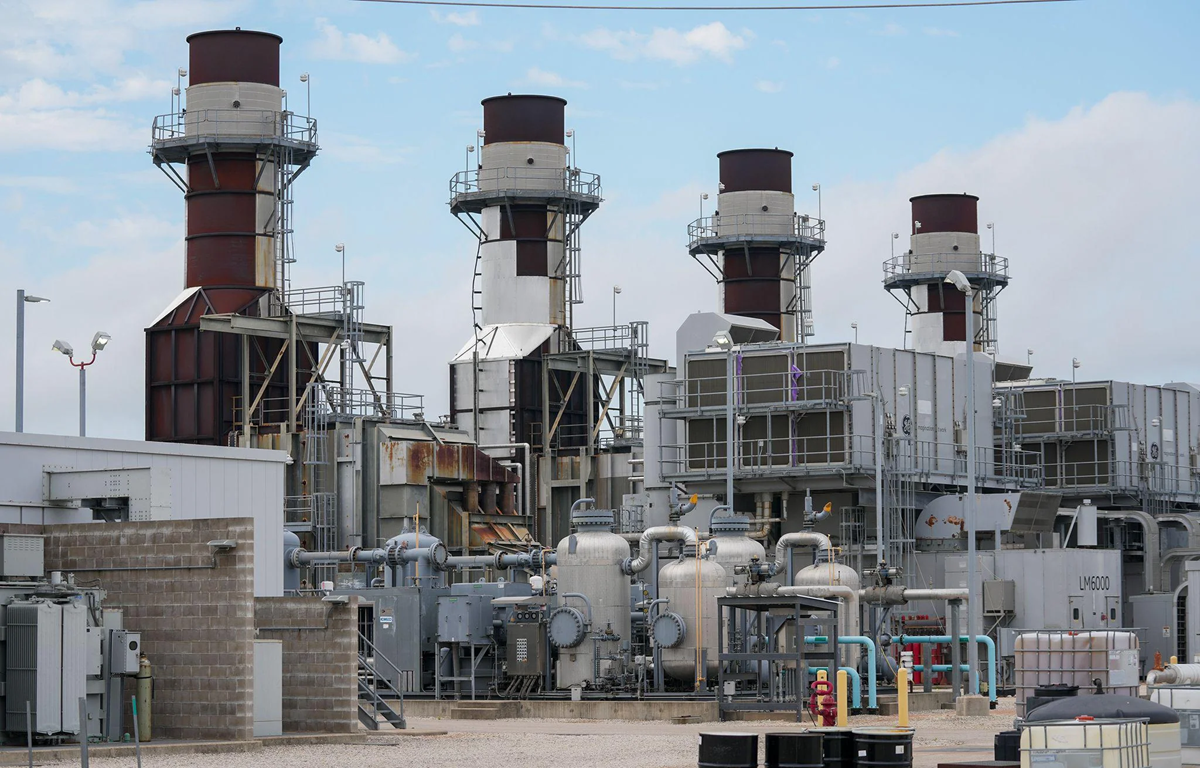
Electricity used to have a fairly simple direction: large power plants generated it, transmission lines carried it, and customers consumed it. Rooftop solar, home batteries, electric vehicles, smart meters, large-scale storage, and increasingly software-controlled grids complicate that picture. Some homes and businesses can now produce electricity as well as use it, while batteries can shift when power enters or leaves the grid. Utilities of the 2030s may spend much more time orchestrating millions of small energy decisions rather than simply sending electricity outward from a few major sources.
17. Advertising Industry
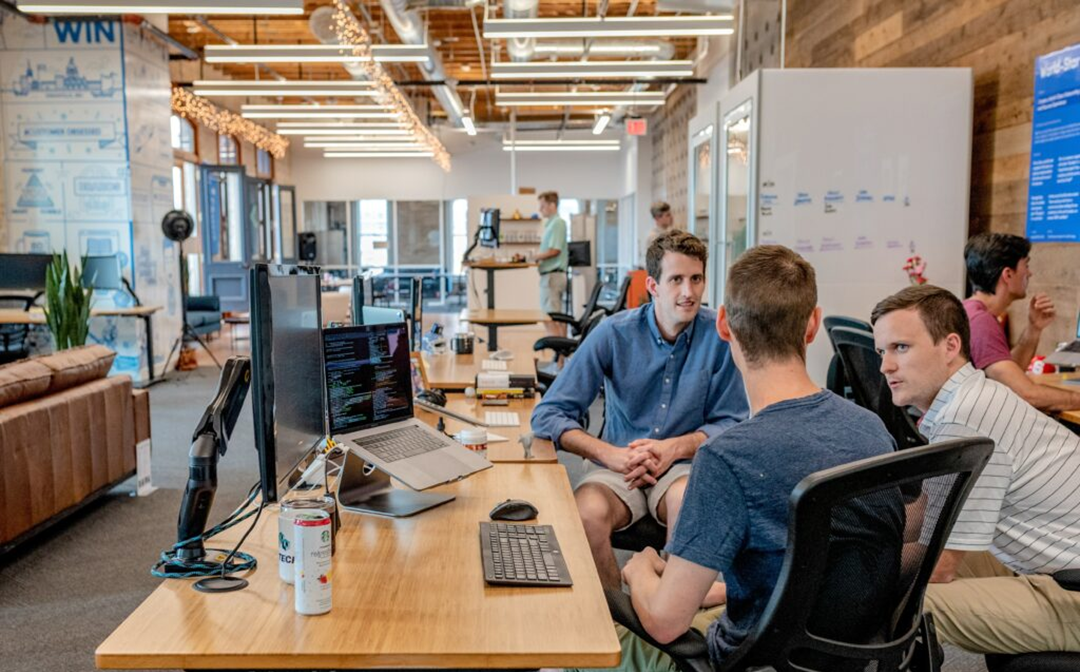
Advertising may be one of the hardest industries to recognize from the outside because so much of its transformation happens behind a screen. Campaigns that once required separate teams to make dozens of versions can increasingly produce and test creative material at huge scale, while algorithms decide which audiences see which variation. Synthetic voices, virtual models, generated imagery, automated media buying, and personalized messages could make the idea of one definitive advertisement feel strangely old-fashioned. The difficult part will remain stubbornly human: figuring out what people care about without annoying them in the process.
In the mood for more?
Check out 17 Real Jobs in 2026 That Sound Completely Invented, or take a look at 14 Jobs That Completely Disappeared in the Last 30 Years. If you want to see more job-focused stories, you can check out 12 Surprisingly Satisfying Jobs That Rarely Come With Huge Paychecks.