

A high salary can make a difficult job easier to tolerate, but it does not automatically make the work feel worthwhile. People often report greater satisfaction when they can see the results of their effort, build useful skills, help someone directly, or control how their day unfolds. That helps explain why some modestly paid professions keep appearing in conversations about meaningful and enjoyable careers. These jobs are not free from stress, but they offer rewards that are difficult to measure on a paycheck.
1. Physical Therapist

Physical therapists spend much of their day helping people regain abilities they once took for granted. Progress may arrive slowly, from standing without assistance to walking across a room, but it is usually visible. That direct connection between effort and improvement can make the work feel unusually concrete, even when the paperwork, long hours, and educational requirements are demanding.
2. Librarian

The quiet public image of librarianship leaves out much of what librarians actually do. They help people navigate technology, research family histories, apply for jobs, find reliable health information, discover new authors, and access community services. The pay rarely competes with private-sector information jobs, but the combination of public service, independence, and constant learning appeals to people who genuinely enjoy connecting others with useful knowledge.
3. Firefighter

Firefighting comes with obvious danger, physical strain, interrupted sleep, and stretches of routine maintenance between emergencies. It also creates close teams and a very clear sense of purpose. Few workers need to wonder whether their presence mattered after helping someone escape a fire, treating an injured driver, or responding during a local disaster.
4. Occupational Therapist

An occupational therapist might help a stroke survivor prepare a meal, teach a child how to manage classroom tasks, or adapt a home for someone with limited mobility. The victories can look small from the outside. For the person regaining independence, they can change an entire day.
5. Park Ranger

The scenery is certainly part of the appeal, though park rangers do far more than walk through photogenic landscapes. Depending on the assignment, they may lead educational programs, protect wildlife, maintain trails, enforce regulations, assist lost visitors, or respond to emergencies. The work can be seasonal and the compensation modest, but spending each day protecting a place people care about offers a kind of satisfaction that an office view rarely matches.
Trending on The Scroller


6. Speech-Language Pathologist

Helping someone communicate more clearly can affect nearly every part of that person’s life. Speech-language pathologists work with children learning to form sounds, adults recovering after strokes, and patients dealing with swallowing disorders or neurological conditions. Progress requires patience, but hearing a client say a difficult word or communicate a need independently can make months of repetitive practice feel worthwhile.
7. Hairdresser

A good appointment is rarely just about cutting hair. Hairdressers develop long relationships with clients, hear about marriages, breakups, new jobs, illnesses, and ordinary weekly frustrations, all while doing skilled work with an immediate visual result. Income can be inconsistent, especially early in a career, but the mixture of creativity, conversation, and independence keeps many people in the profession for decades.
8. School Counselor

School counselors often work with too many students and too few resources. Even so, they may be the first adult to notice when a child is struggling, the person who helps a teenager plan for college, or the calm presence during a family crisis. The work does not always produce instant results, but its influence can become clear years later.
Sign up for our newsletter
9. Fitness Trainer

Personal trainers get to watch clients become stronger, more confident, and capable of doing things that once seemed intimidating. The job also offers movement, social interaction, and, for independent trainers, some control over scheduling. Building a stable client base is not easy, but the visible progress keeps the work from feeling abstract.
10. Carpenter

There is a particular pleasure in finishing the day with something physical to show for it. Carpenters turn measurements, plans, and raw materials into cabinets, staircases, frames, furniture, and entire rooms. The work can be hard on the body, yet the mix of problem-solving, craft, and tangible results gives many tradespeople a sense of accomplishment that is harder to find in screen-based jobs.
11. Animal Trainer

Animal training requires close observation, consistency, timing, and more patience than most people realize. Trainers may work with pets, service animals, horses, zoo animals, or animals appearing in film and television. The pay varies widely and the work can be physically messy, but developing trust with an animal and seeing its behavior change creates an unusually direct form of feedback.
12. Community Program Coordinator
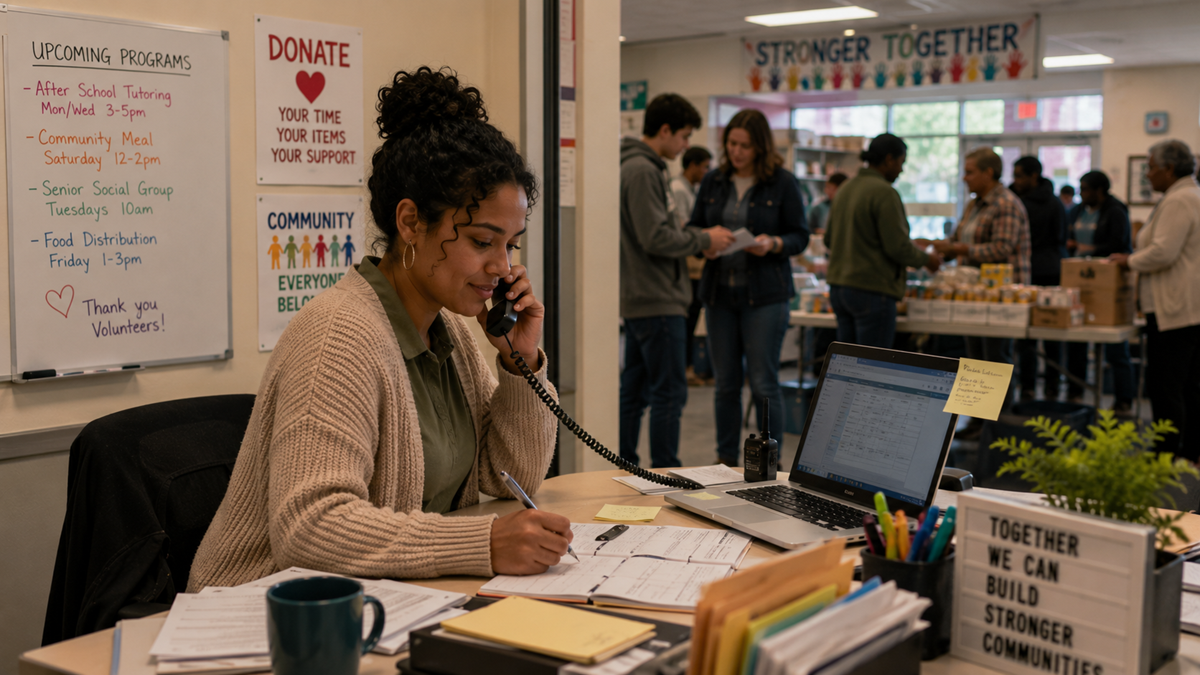
Community program coordinators are often the people turning limited budgets into after-school activities, food distributions, neighborhood events, support groups, and services for older residents. Much of the job involves schedules, phone calls, forms, and last-minute problem-solving. Then an event fills up, a family receives needed assistance, or a lonely resident finds a regular social group, and the purpose behind all that administrative work becomes visible.
In the mood for more?
Check out 17 Real Jobs in 2026 That Sound Completely Invented, or take a look at 14 Jobs That Completely Disappeared in the Last 30 Years. If you want to see more unusual career stories, you can check out 15 Surprisingly Lucrative Jobs Most People Have Never Heard Of.
Images generated by AI