

For a long time, a lot of these jobs didn’t look fragile at all. They were ordinary, familiar, built into the rhythm of daily life, which is usually why people stop noticing them. Then habits changed, technology got cheaper, and entire categories of work slipped out of view. Not with some dramatic ending, usually, but in a slow, practical way, until one day they were just gone.
Video Store Clerk
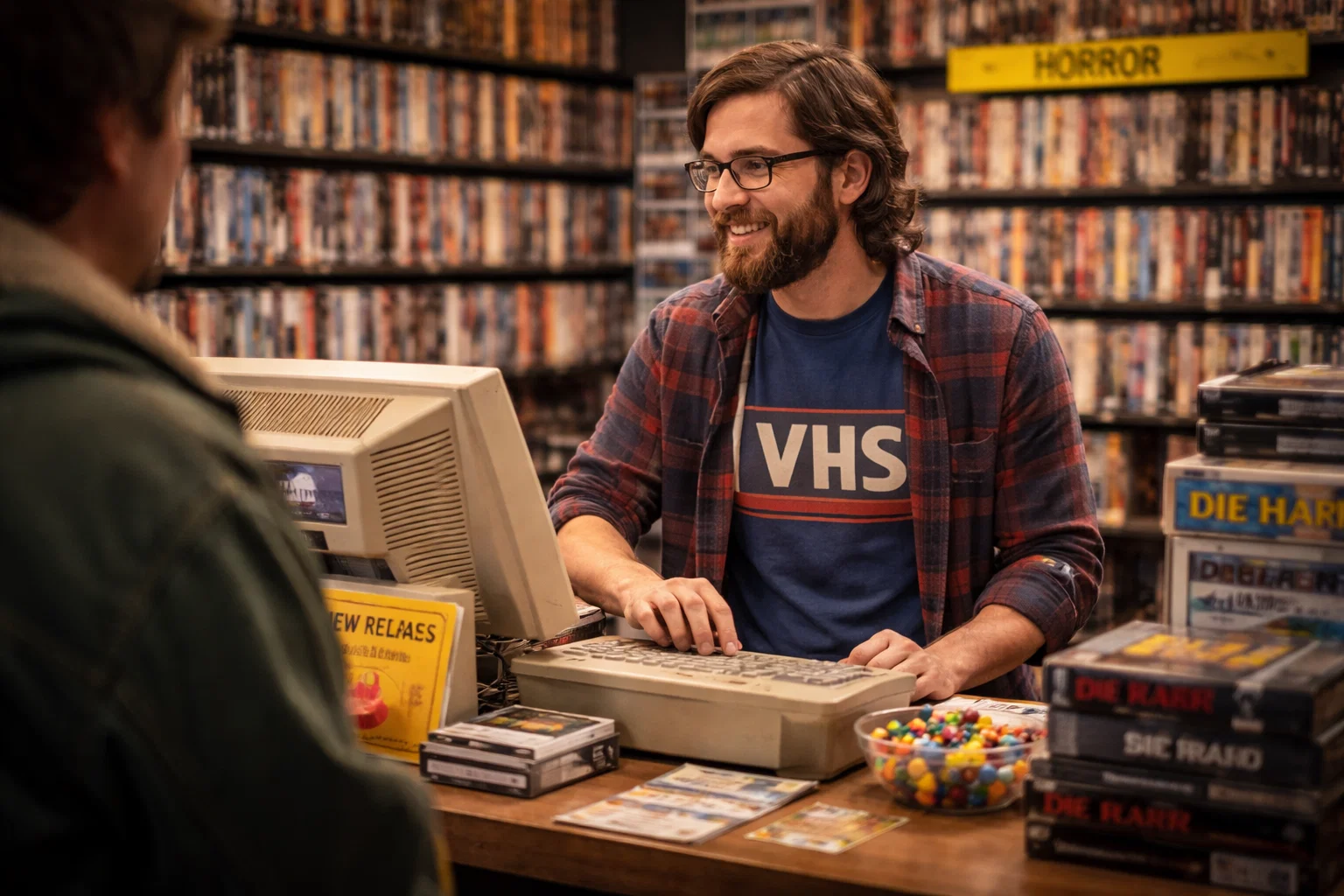
It is hard to explain to younger people how normal it once was to spend twenty minutes wandering a video store and another ten asking the clerk what was actually worth renting. Those workers were part cashier, part referee, part local movie nerd. They knew which tapes were always out, which sequels were terrible, and which regular customer would absolutely ask again whether Heat was back in stock. Once streaming took over, the whole ecosystem collapsed fast. The stores vanished, and so did the person standing behind the counter with a laminated membership form and a recommendation ready.
Bank Teller for Passbook Accounts
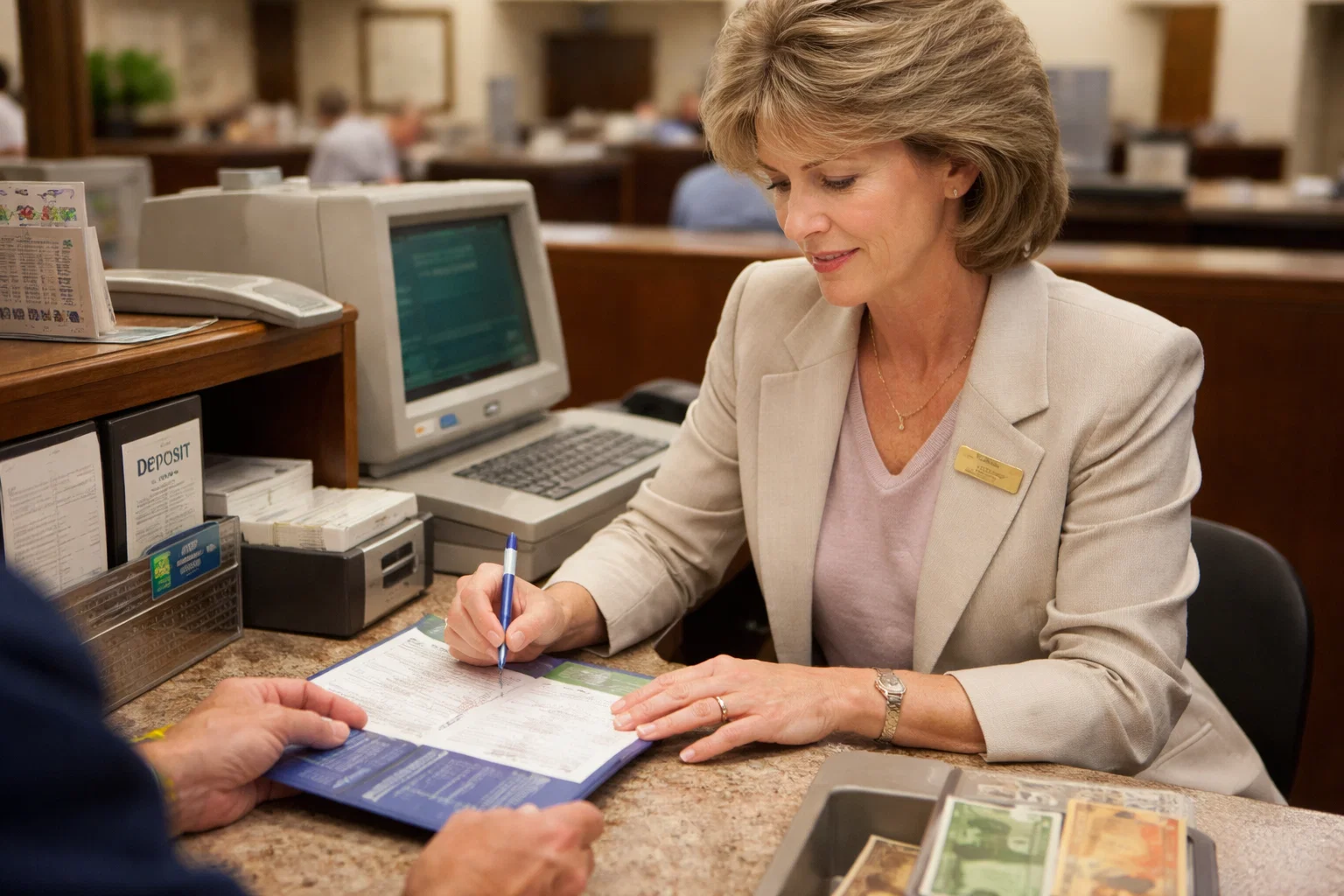
There was a version of banking that moved at the pace of a line, a stamp, and a little booklet carried in someone’s bag or coat pocket. Customers brought in passbooks to update balances, record deposits, and keep a physical running history of their account, and the teller handling it did more than hand over cash; they were maintaining a system people actually trusted because they could hold it in their hands. ATMs chipped away at that rhythm first, then online banking, mobile apps, and direct deposit made the whole passbook routine feel unnecessary. Bank tellers still exist, obviously, but the passbook-centered version of the job, once common in ordinary branches, has mostly disappeared.
Typesetter
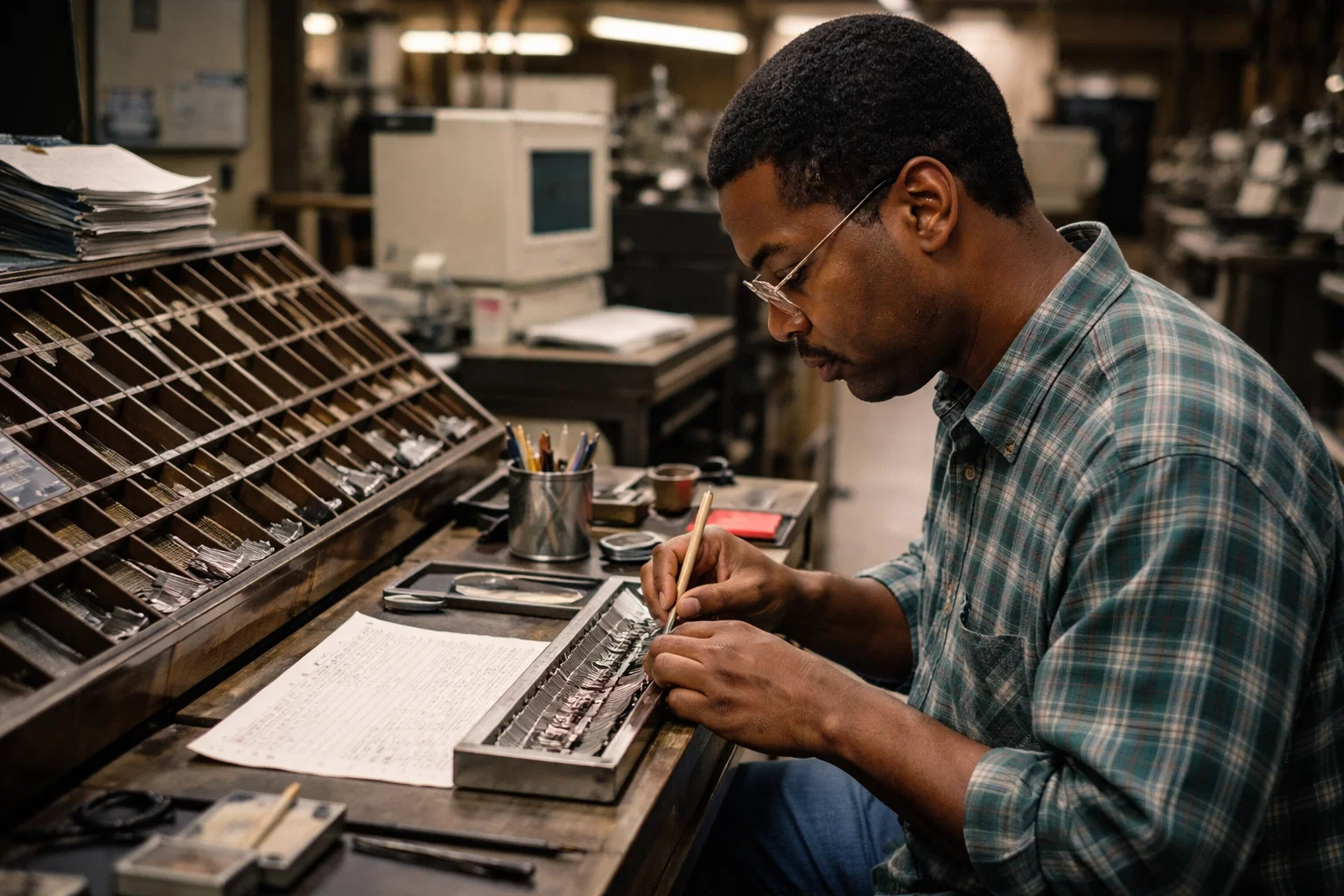
This is one of those jobs that still leaves a ghost behind, because the work still exists even if the title barely does. Typesetters were once the people who turned raw text into something printable and readable, whether through older mechanical systems or later digital setups that still required a dedicated craft. Then desktop publishing spread, software got better, and the responsibility drifted into design teams, editorial desks, and freelancers working alone. Same basic need, different structure. The specialist role thinned out until it stopped being part of ordinary publishing life.
Switchboard Operator

It sounds older than it really is. Switchboard operators were still a real presence in hospitals, hotels, office buildings, and government facilities well into the modern era, routing calls, handling urgent messages, and quietly keeping communications from turning into a mess. In some places, they were the first person to know when something had gone wrong. Direct dialing, automated systems, and later digital phone networks took that work apart piece by piece. The phones kept ringing, but fewer and fewer humans were needed to connect one person to another.
Phone Booth Coin Collector
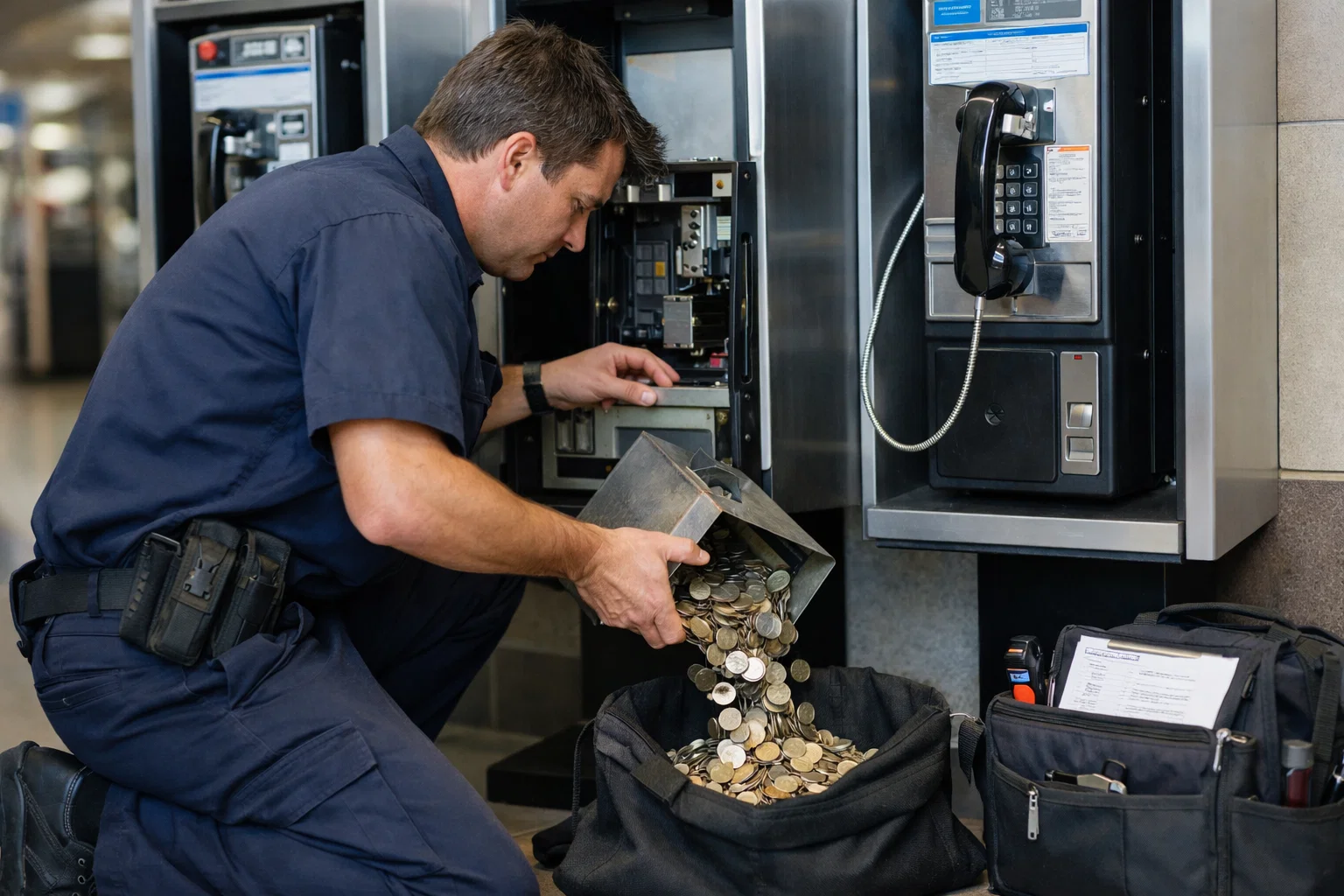
A whole support economy used to exist around pay phones, and one part of it was simply collecting the money inside them. Somebody had to open the box, empty the coins, service the unit, and move on to the next one. Once cell phones became common, that work stopped making sense almost overnight. The phones disappeared from sidewalks, gas stations, airports, and bus terminals, and the jobs attached to them disappeared too.
Trending on The Scroller
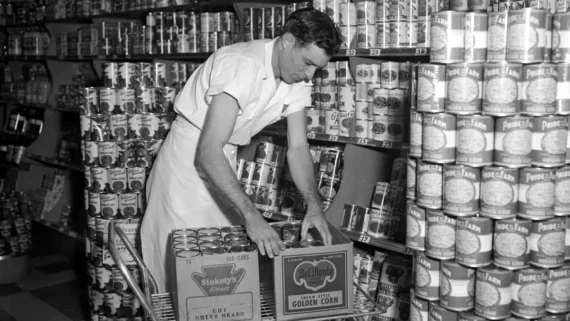

Newspaper Classified Ad Taker
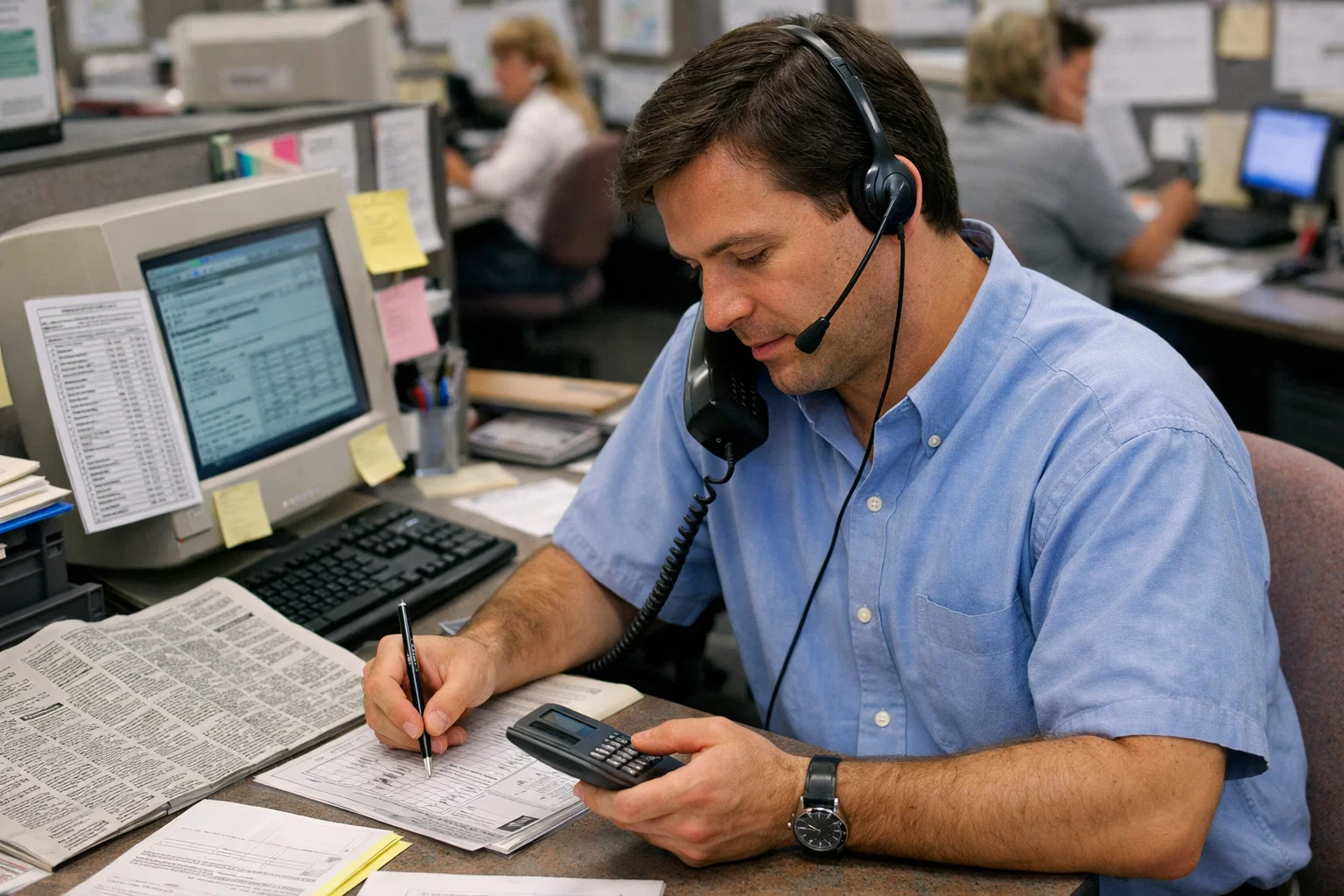
Local newspapers used to make serious money from classifieds, and there were people whose full-time job was helping customers place those ads correctly. They answered phones, counted lines, fixed wording, calculated rates, and tried to make sense of whatever rushed message somebody wanted to cram into a tiny box in the Sunday edition. Apartments, jobs, used cars, garage sales, furniture, lost pets, it all ran through that pipeline. Then online listings broke the whole model. Craigslist did a lot of the damage early, and later marketplace apps finished the job. Newspapers lost revenue, yes, but they also lost a kind of office work that had once been constant.
Word Processor Operator
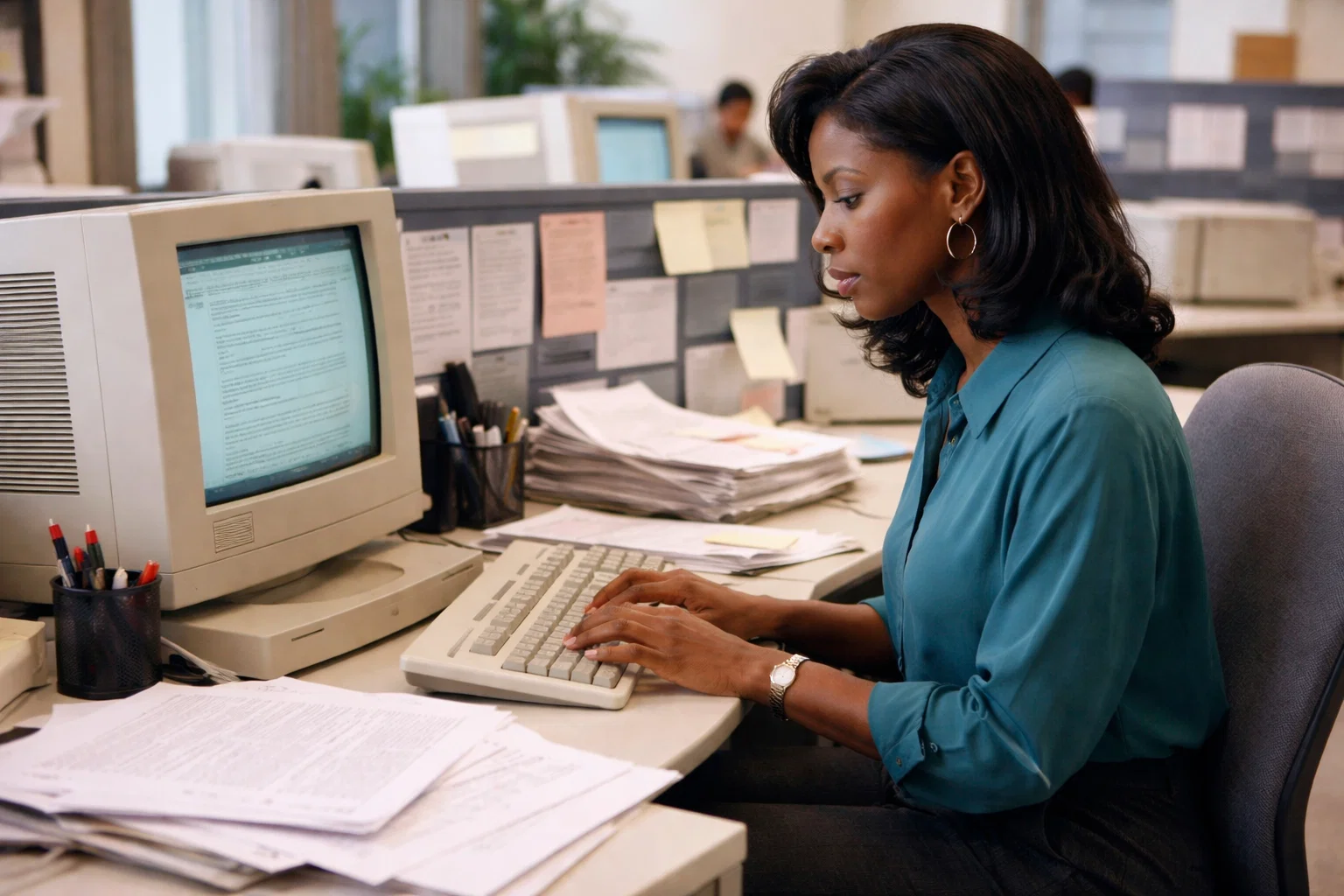
For a while, especially in larger offices, typing up documents was specialized enough to be its own role. Word processor operators handled drafts, revisions, formatting, printing, and the endless stream of little corrections that used to move around an office on paper. In law firms and corporate departments, they were essential because not everybody was expected to produce polished documents on their own machine. Then the machine ended up on everybody’s desk. Once that happened, this job had nowhere to go.
Dial-Up Internet Installer
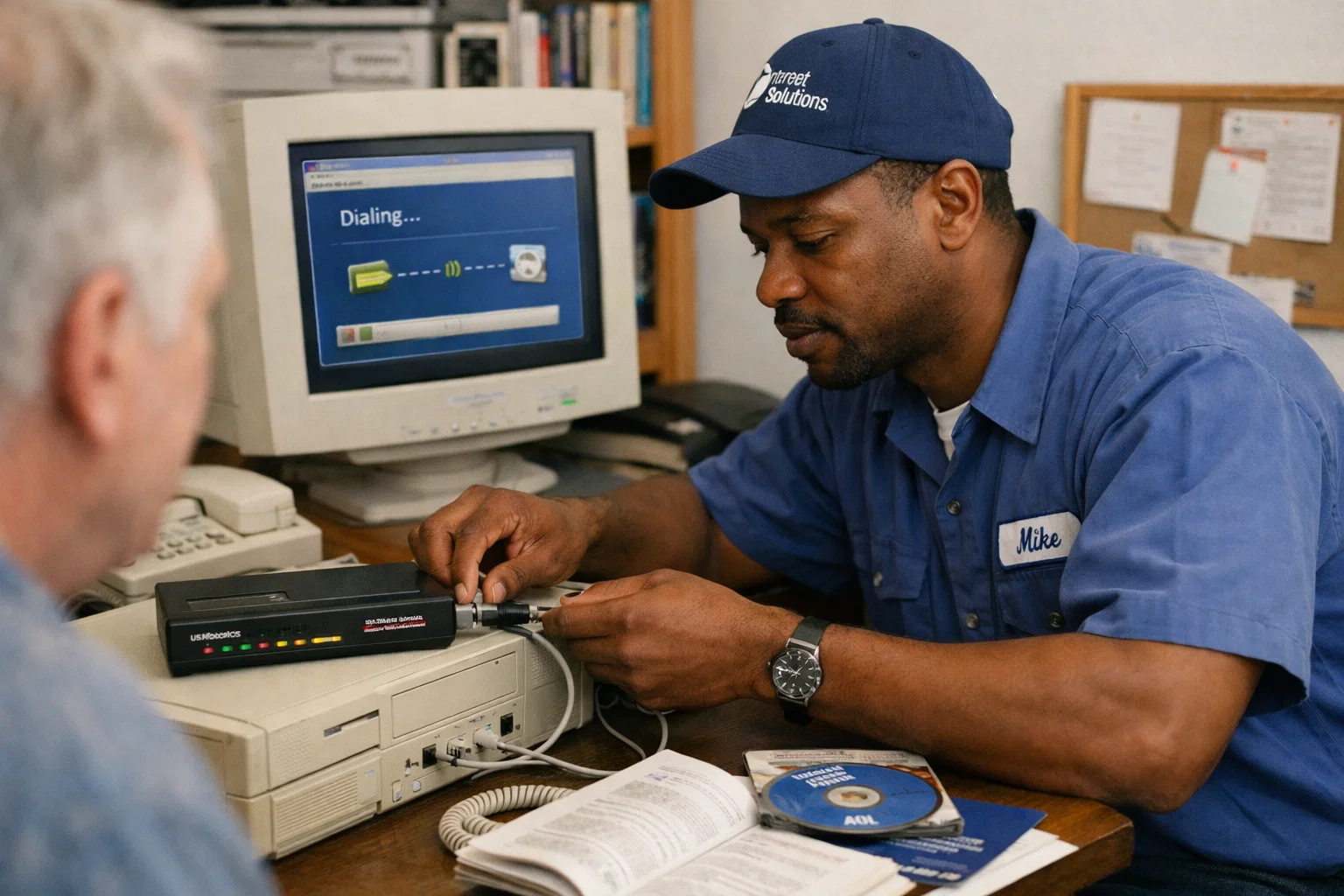
There was a brief era when getting online at home felt just technical enough to need a person. Not always, but often enough. Installers and support workers helped people connect modems, set up software, troubleshoot strange line issues, and explain why the internet sounded like a robot being strangled every time it connected. Broadband made the whole process easier, and Wi-Fi later made it feel almost invisible. A job that once felt modern ended up looking temporary in hindsight.
Sign up for our newsletter
Record Store Listening Booth Attendant
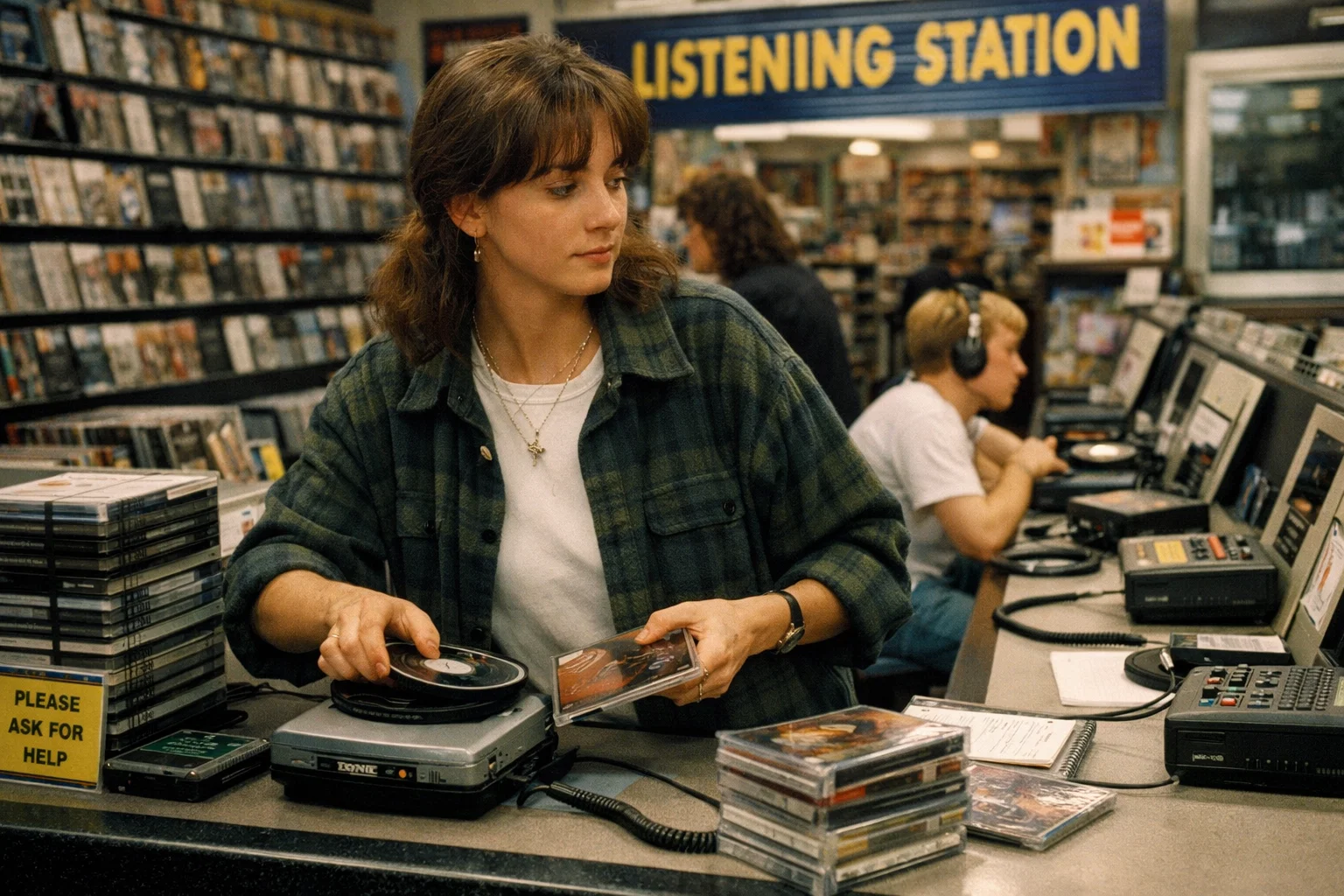
This was never one of the biggest jobs on the list, but it was real. In larger music stores, before streaming and instant previews, customers often had to ask staff to queue up a CD or help manage a listening station. Somebody kept the area working, handled requests, switched discs, and made sure equipment did not get wrecked by bored teenagers. Once digital sampling became normal, that little slice of retail culture had no reason to stick around.
Toll Booth Collector
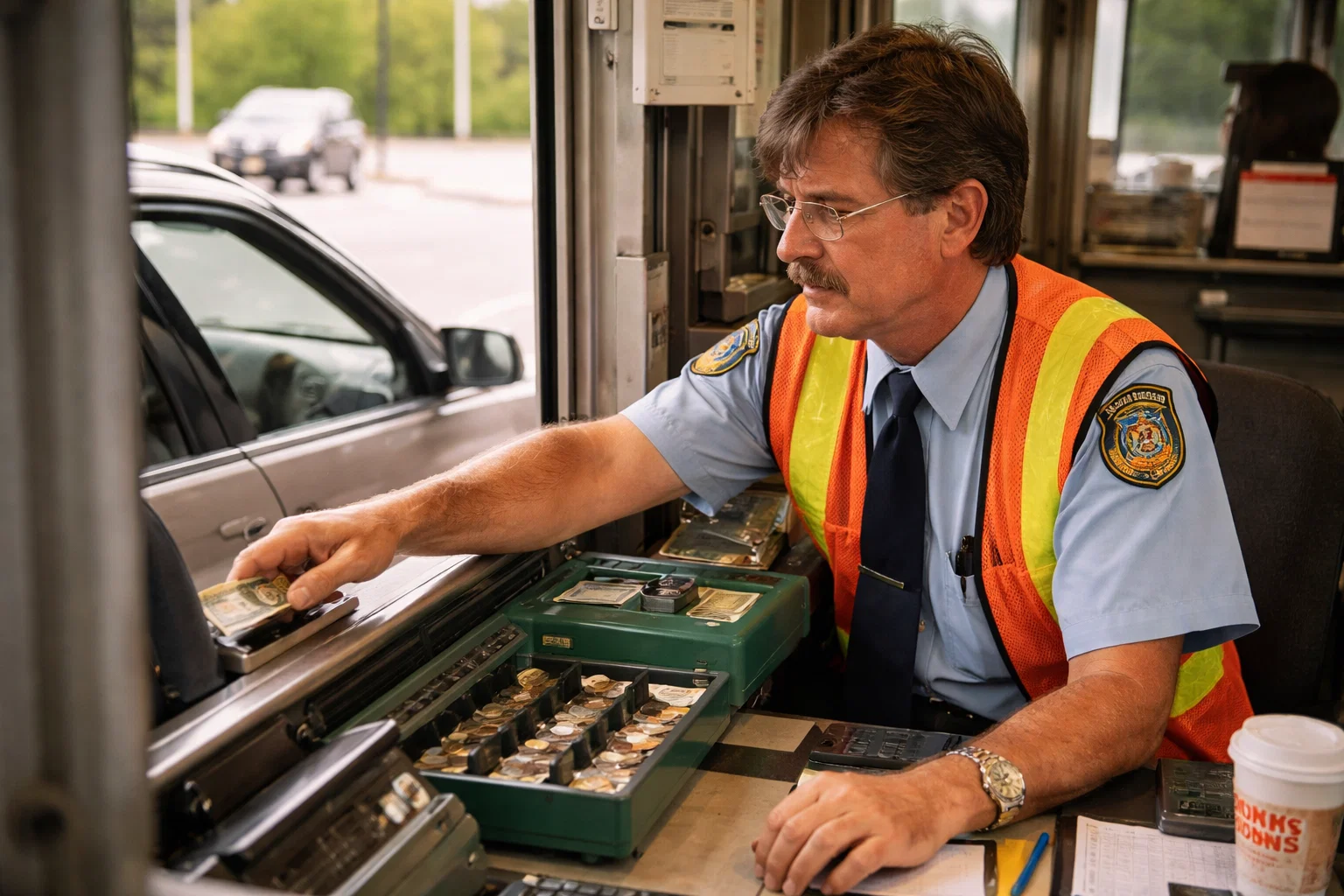
Not every place got rid of them at once, and a few still lingered longer than expected, but the classic cash toll collector has mostly been pushed aside by transponders, cameras, and plate-based billing. For decades, it was one of the most familiar jobs on the road, even if most drivers barely registered the person in the booth beyond the exchange itself. Then, lane by lane, the human part was removed. It did not feel dramatic while it was happening. It just became increasingly obvious that the old setup slowed everything down.
Movie Projectionist
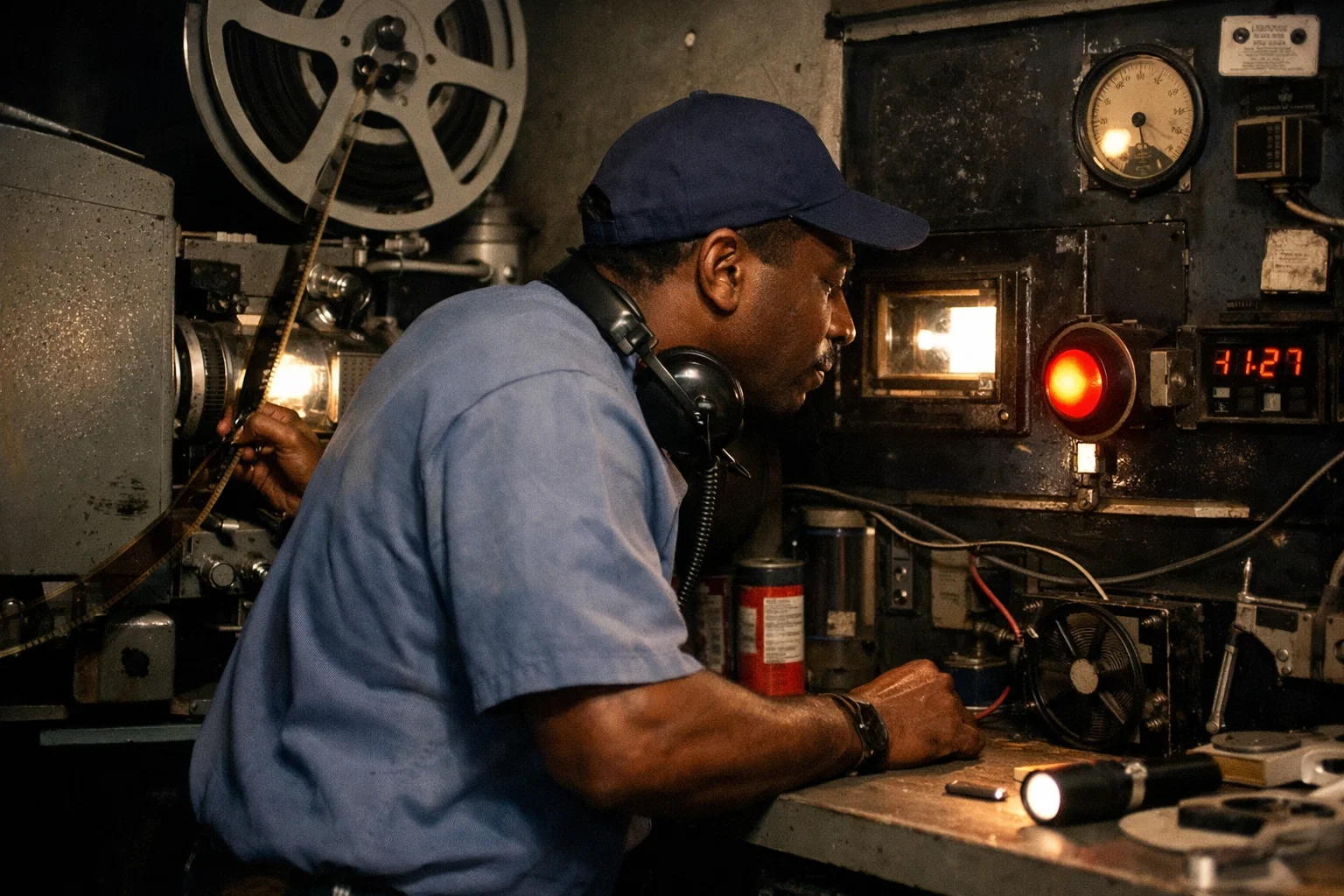
There are still projectionists in a few places, especially repertory theaters, archives, and festivals that actually handle film. But the older version of the job was a very particular kind of booth work, threading reels, watching for problems, timing changeovers, dealing with breakdowns before the audience caught on. Digital cinema changed all of that. The booth remained, the title sometimes remained, but the day-to-day craft shifted so much that it stopped being the same occupation.
Directory Assistance Operator
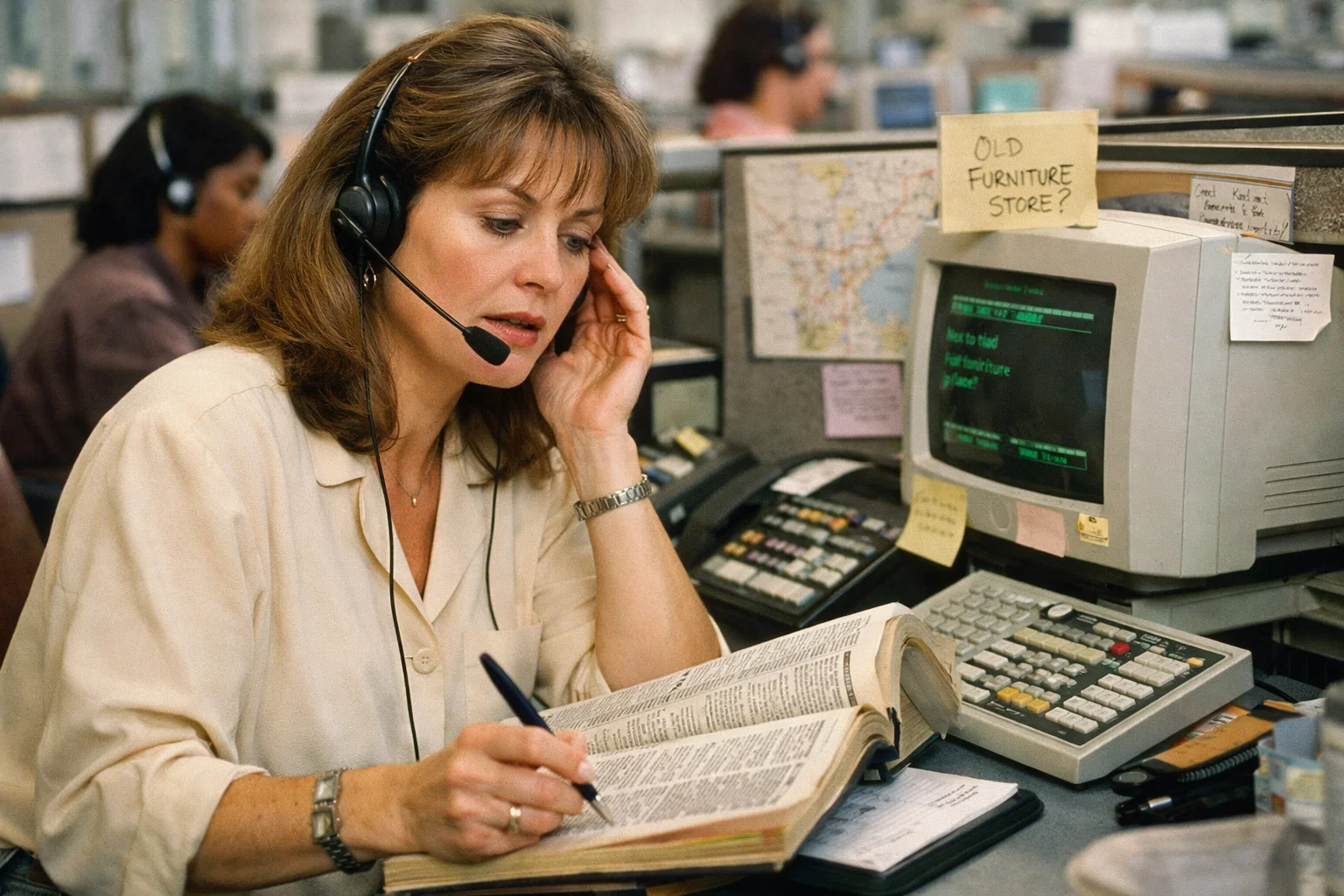
People once dialed a number to ask another person for a number. That alone tells you how different the information economy used to be. Operators had to search quickly, interpret vague requests, handle accents and misspellings, and somehow stay calm while a caller insisted the restaurant was “next to that old furniture place, you know the one.” Search engines and smartphones made the whole service feel unnecessary in a hurry. It is one of the clearest examples of a job that got swallowed by convenience.
Film Splicer in Local TV News
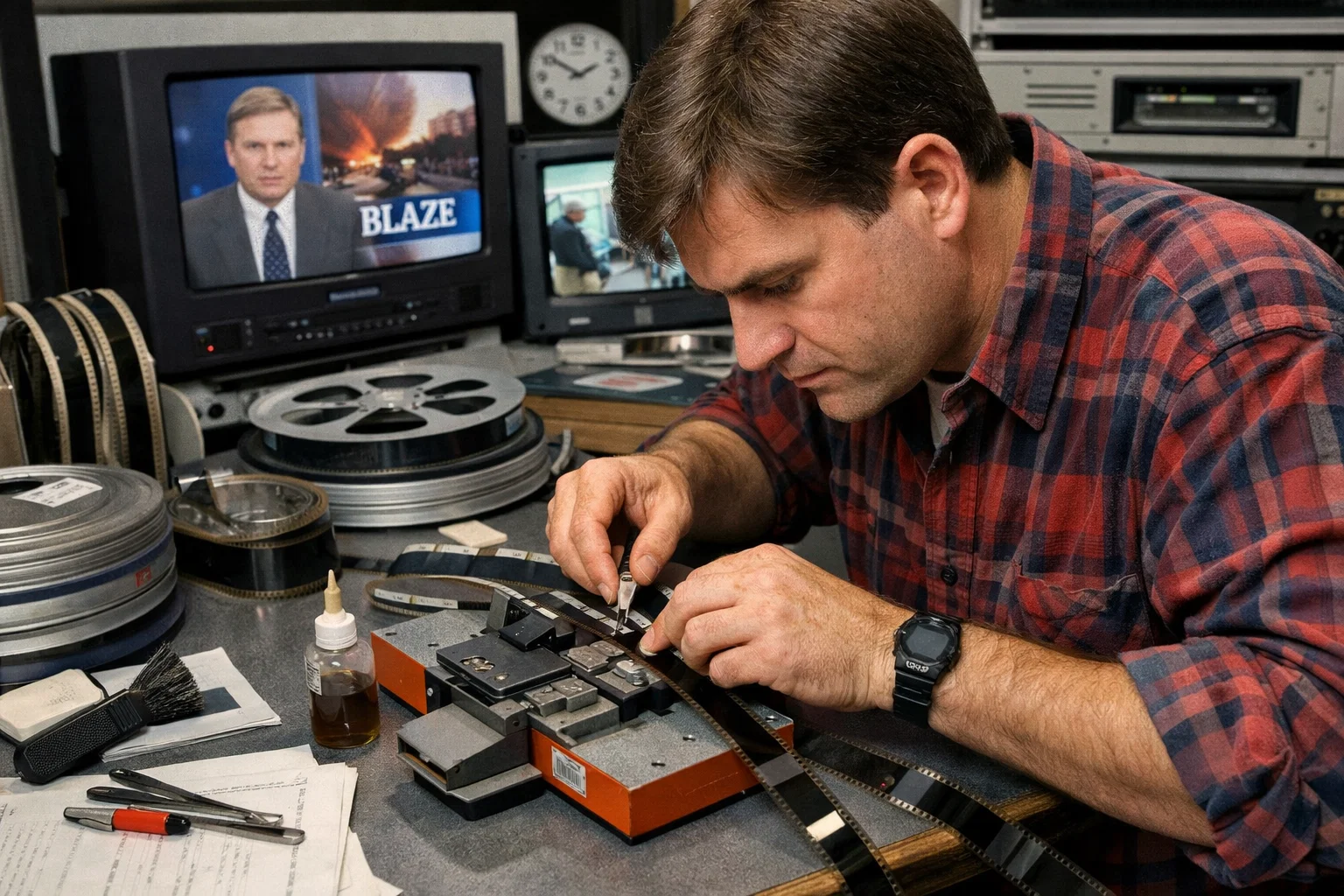
Before digital editing became standard, local TV stations relied on workers who physically cut and joined film for news packages and broadcast segments. It was precise work and often rushed, because news deadlines are not forgiving. Once stations moved to non-linear digital systems, that mechanical skill mostly stopped being part of the workflow. Editing stayed, obviously. Splicing did not.
Fax Machine Operator
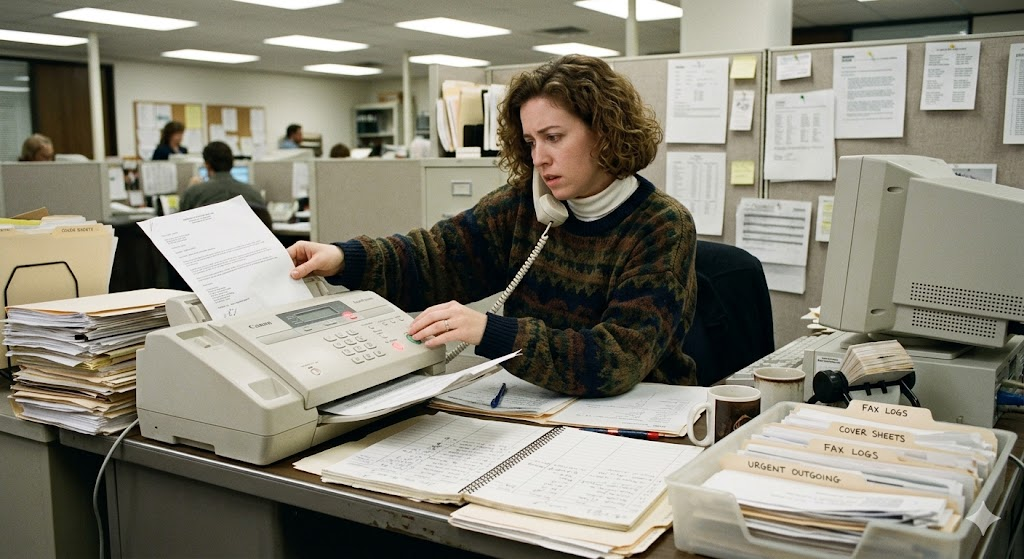
For a while, especially in hospitals, law offices, government buildings, and big corporate departments, faxing was important enough to be somebody’s actual lane. These workers handled incoming documents, resent failed transmissions, kept logs, sorted cover sheets, and dealt with the constant low-grade panic that came with time-sensitive paperwork getting stuck halfway through. Email, scanning, PDFs, and cloud sharing didn’t kill faxing everywhere, but they did wipe out the stand-alone job built around feeding paper into a machine and waiting for that confirmation tone.
What stands out now is how many of these roles were connected to ordinary little routines, renting a movie, making a call, dropping off film, asking somebody for help with a trip. The technology changed, but so did the texture of daily life around it. These jobs did not all disappear for the same reason, and they did not vanish at the same speed. They just slowly stopped fitting the world people were building.
In the mood for more?
You can check out 20 Jobs Celebrities Had Before They Made It Big In Hollywood, or 15 Jobs That Sound Made-Up but Are Very Real (and Some Pay Surprisingly Well). If you want to learn about historic rare jobs, you can check out 13 Unusual Jobs From History That People Rarely Hear About.
Images generated by AI