
The evolution of the global workforce has entirely transformed how modern society defines a standard day at the office. Walking into a job today means encountering digital automated systems, cloud databases, and climate-controlled environments engineered to maximize human efficiency. However, previous centuries relied on a vast network of bizarre, manual, and highly specialized occupations that modern professionals would find completely unrecognizable. Before widespread automation and electricity streamlined daily survival, communities created incredibly distinct roles to solve specific local challenges, manage public utilities, and handle religious or healthcare demands.
The fascinating reality of these obsolete occupational structures highlights just how radically technology can reshape human labor within a single generation. The truth is that many historical jobs required exceptional physical tolerance, remarkable manual coordination, and a willingness to operate on the absolute fringes of respectable society. Before modern public utilities or digital networks organized our urban spaces, citizens relied on human alarms, professional pest control experts, and manual infrastructure laborers to keep cities functioning. Let’s take a look at fourteen extraordinary and highly unusual positions from the past, offering a captivating glimpse into the forgotten roots of human industry.
1. Knocker-upper
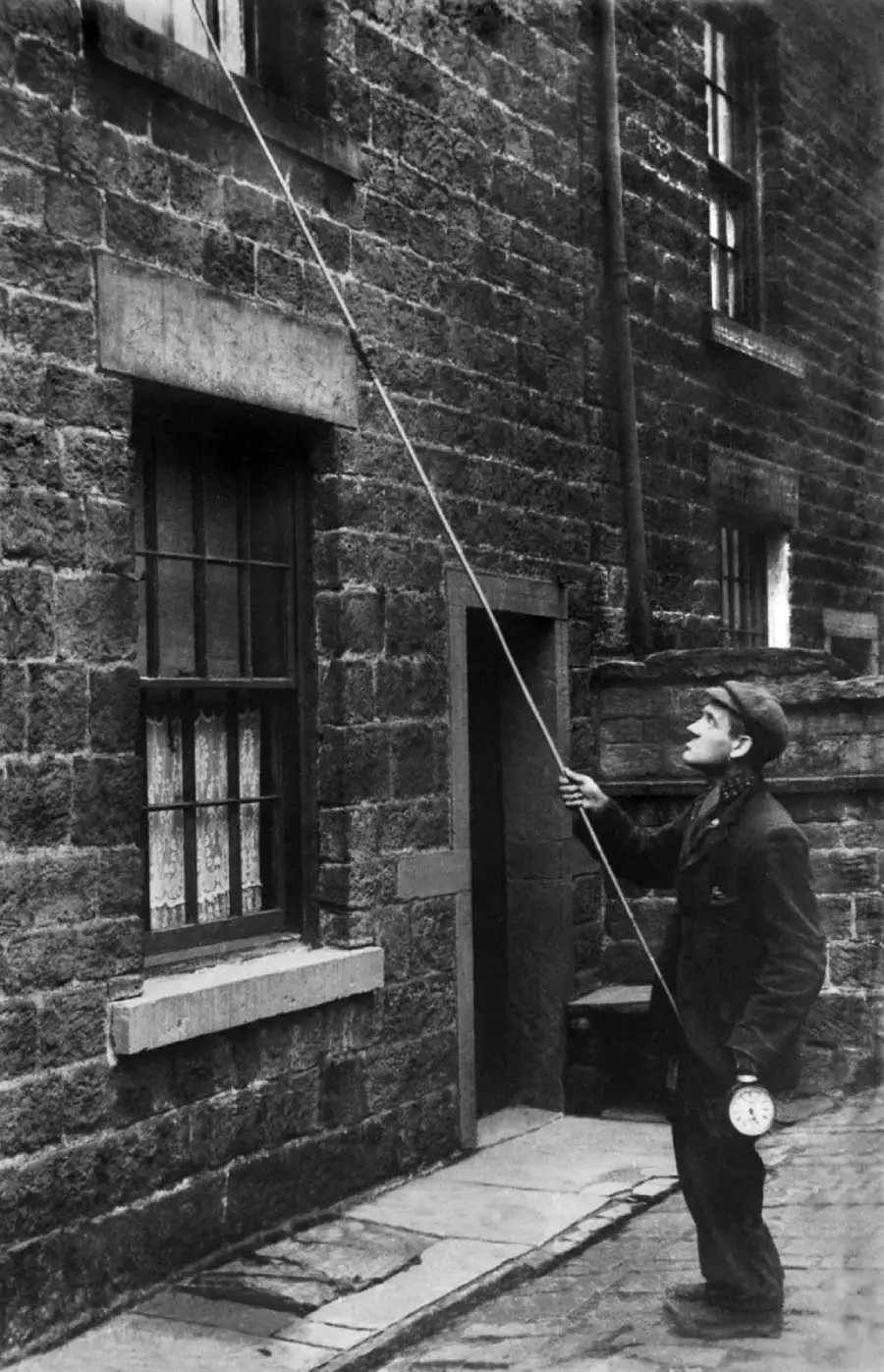
Before mechanical alarm clocks became affordable, these specialized professionals walked industrial streets in England and Ireland to wake workers before dawn by tapping on windows with long bamboo poles or pea-shooters. This human wake-up service charged a few pence per week and was so vital to factory efficiency that it survived in some manufacturing towns until the 1970s.
2. Leech collector
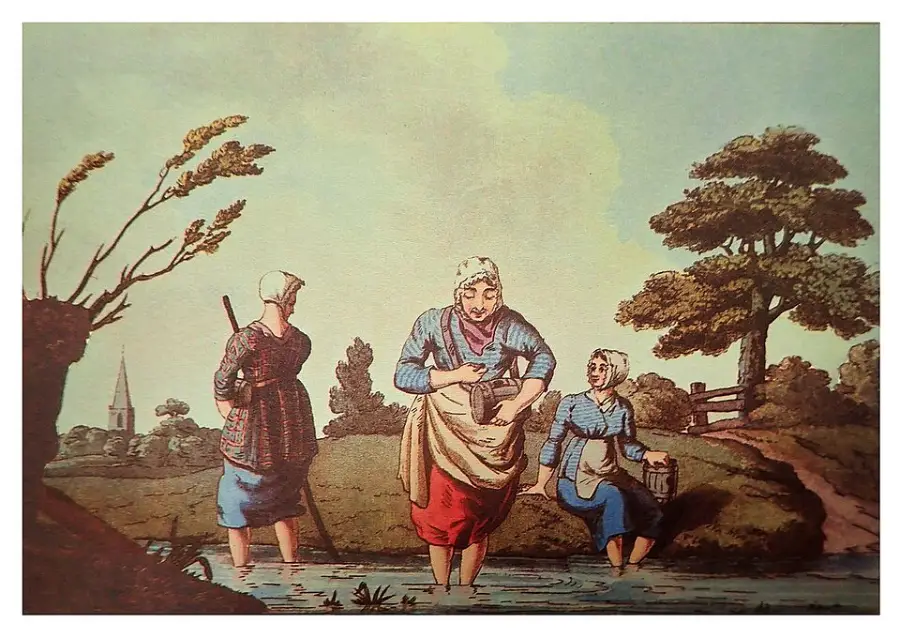
Widespread medical reliance on bloodletting created an insatiable demand for live leeches, prompting collectors to wade directly into murky bogs and rivers using their own legs as live bait. During peak market shortages, this demanding job actually paid significantly better than traditional agriculture, making it a highly lucrative option for impoverished rural laborers.
3. Sin-eater
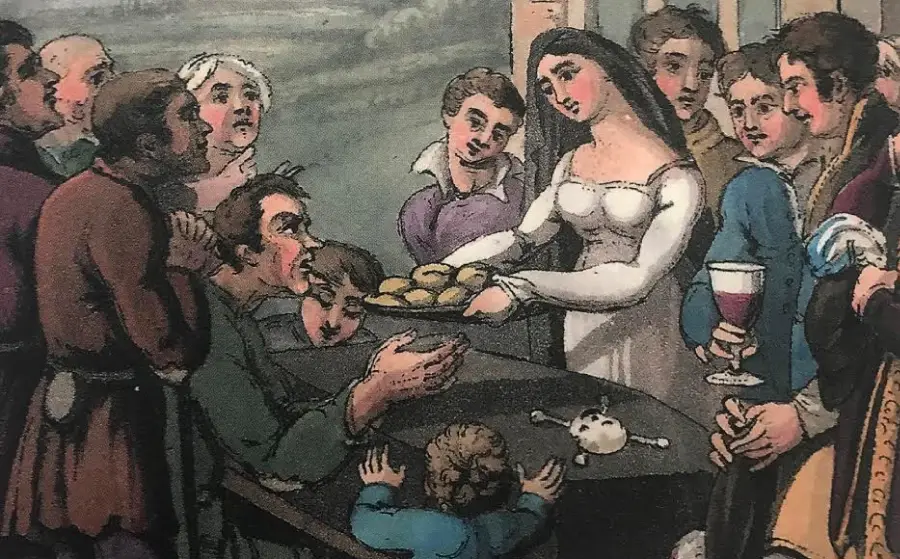
Rural families in Wales and England routinely hired these social outcasts to sit over a deceased relative’s body and consume bread and beer, symbolically absorbing the dead person’s unconfessed transgressions so their soul could ascend to heaven. Because they legally traded money for spiritual contamination, sin-eaters lived entirely on the absolute margins of society until the practice faded at the close of the nineteenth century.
4. Poison squad tester
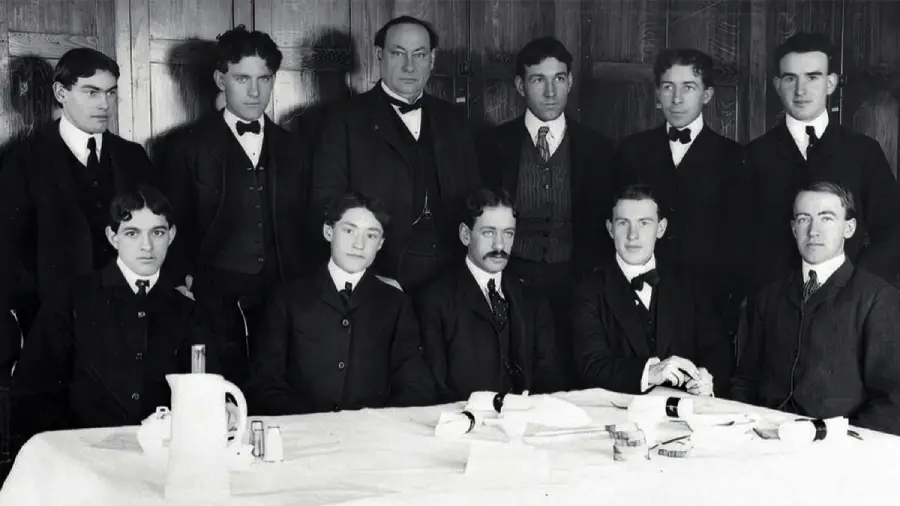
At the turn of the twentieth century, the United States Department of Agriculture actively recruited brave volunteers to intentionally eat meals laced with dangerous preservatives like formaldehyde, sulfuric acid, and borax. Dubbed the Poison Squad by national newspapers, this experimental group’s documented illnesses led directly to the passage of America’s very first consumer food safety regulations.
5. Human scarecrow (Crow scarer)
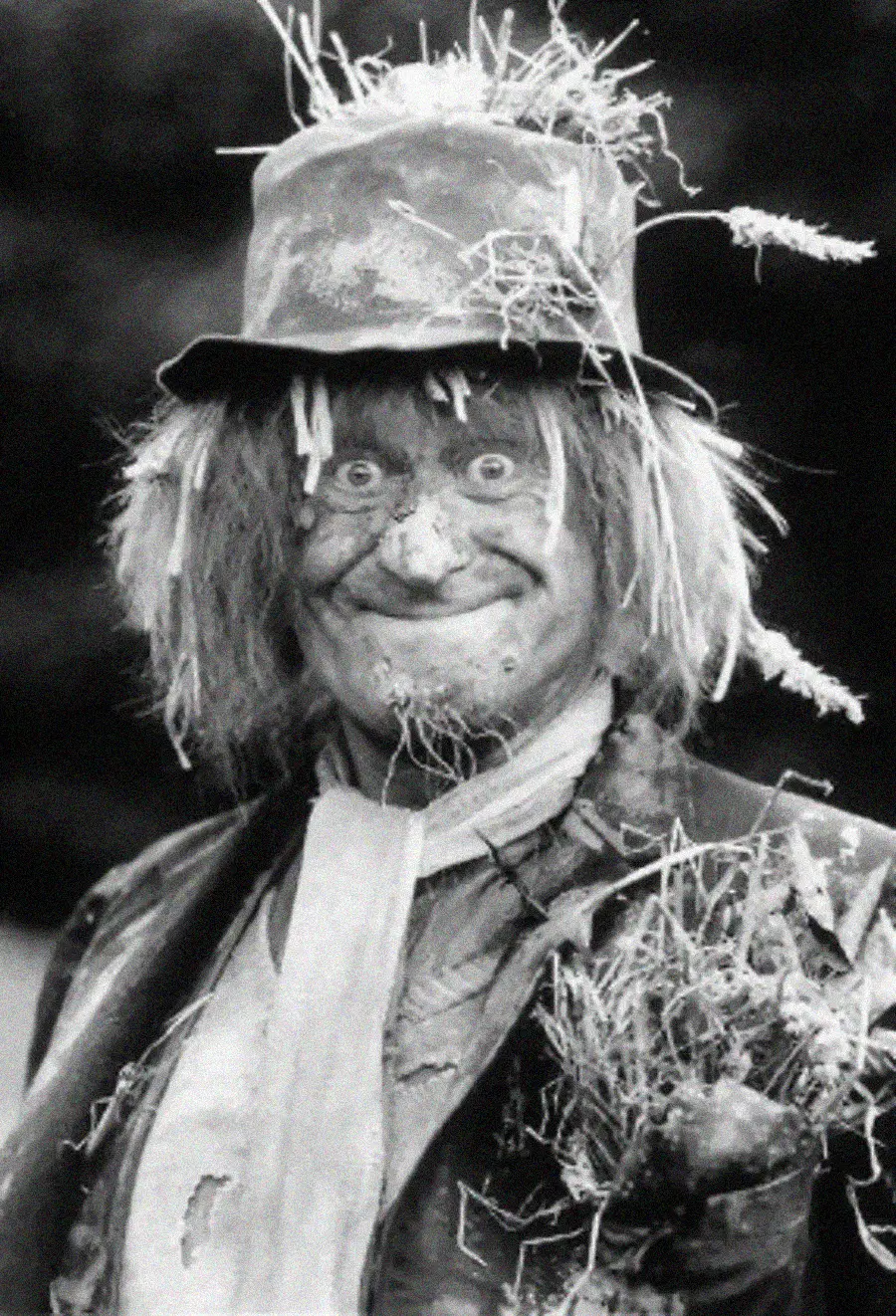
Before stuffed straw figures became a farming standard, landowners hired young teenagers to sprint across agricultural fields all day, making loud noises to protect crops from invading crows. Official English census records from 1891 specifically document children as young as thirteen, including a boy named William Mockett, working this entry-level agricultural job.
Trending on The Scroller

6. Factory reader
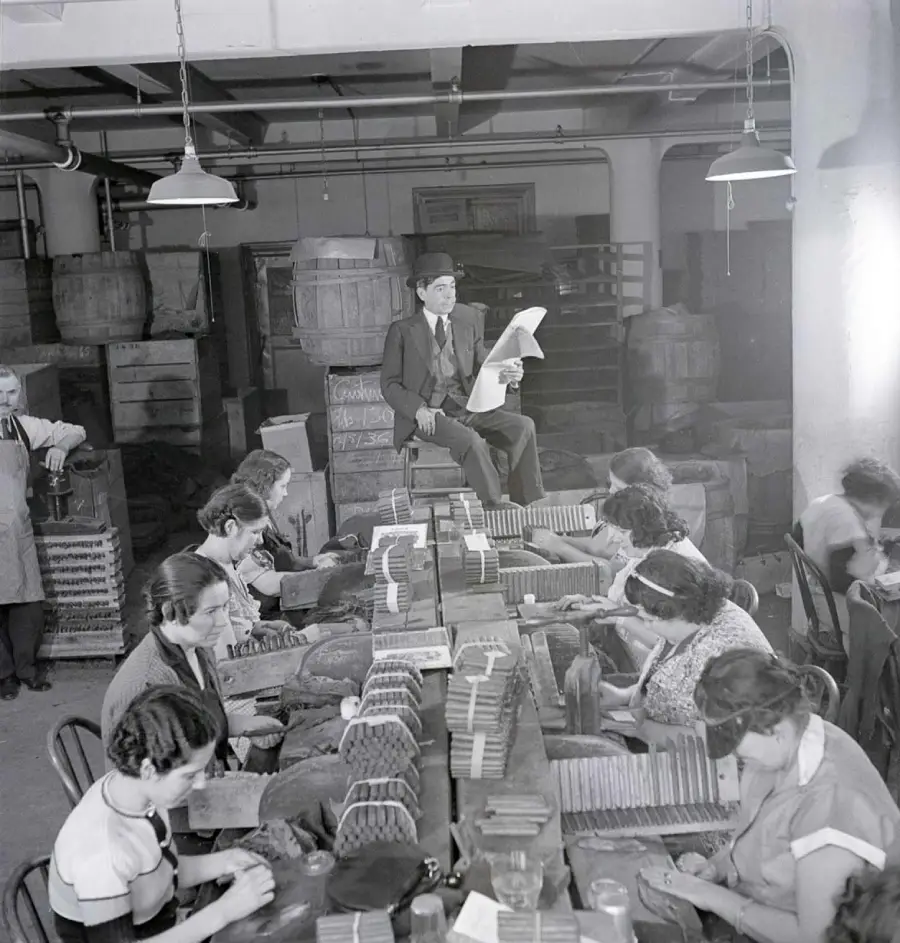
Nineteenth-century cigar, textile, and canning workers frequently pooled their personal wages together to hire a professional reader whose sole responsibility was reading newspapers, political texts, and novels aloud to the factory floor. This worker-funded entertainment and education system provided a vital intellectual outlet until it was completely replaced by commercial radio networks.
7. Fuller
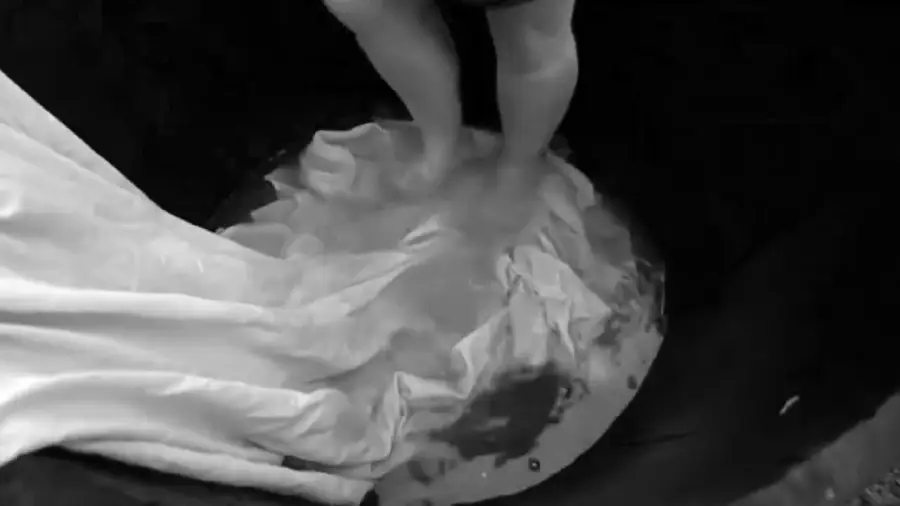
From ancient Roman times until the eighteenth century, these textile workers cleaned and compacted raw, woven wool by trampling it inside large vats filled with water.
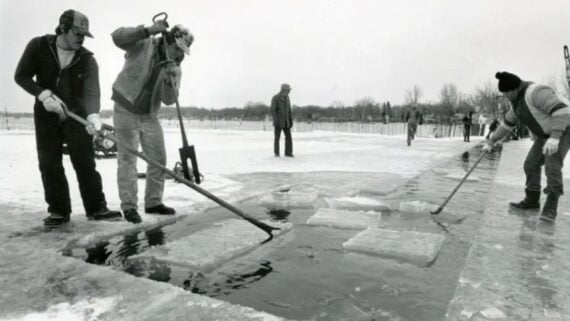
8. Ice cutter
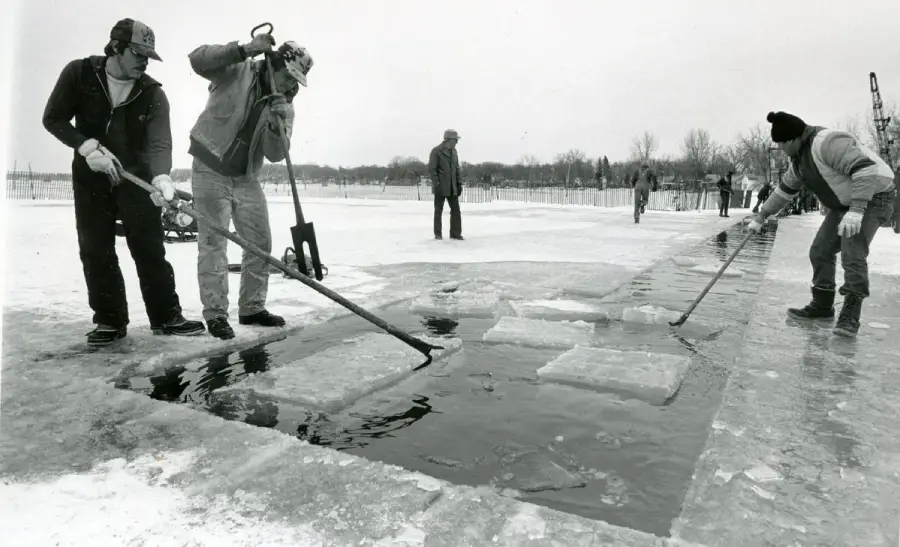
Before the invention of electric refrigeration, harvesting frozen water was a massive winter industry that required teams of laborers to carve enormous blocks out of frozen lakes and rivers using giant hand saws. The cold-weather profession was incredibly hazardous, as slipping into the freezing water beneath the moving ice sheets was frequently fatal for the workers.
Sign up for our newsletter
9. Gandy dancer
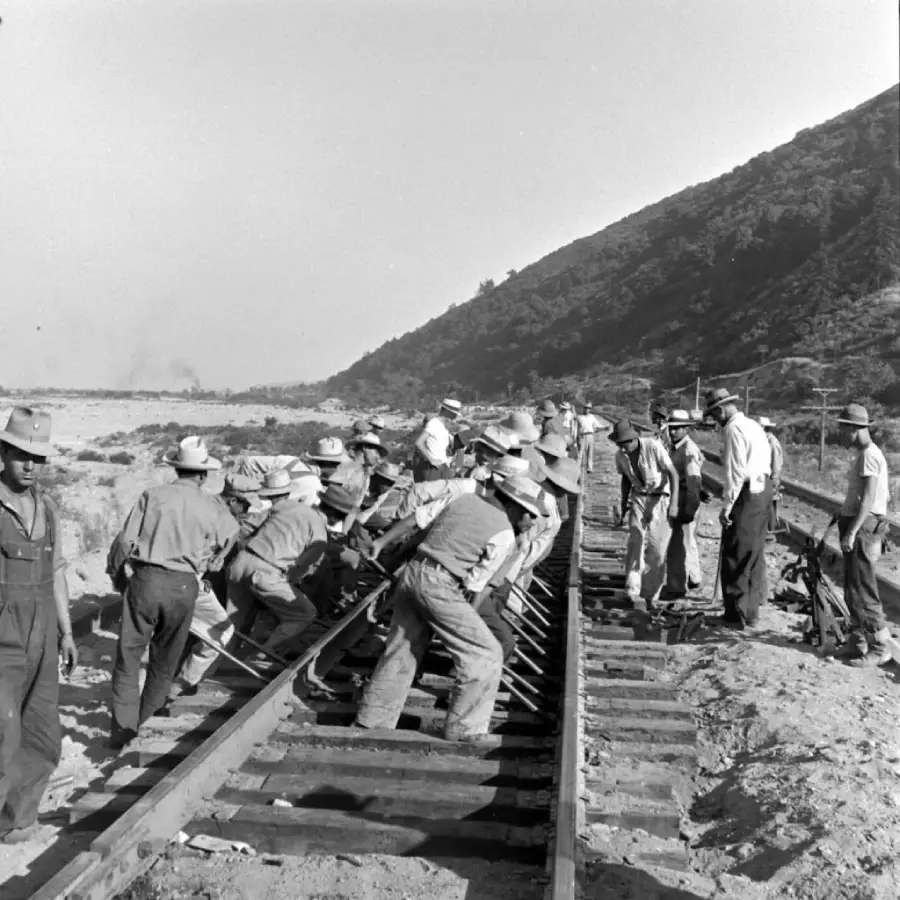
These specialized railroad track crews utilized rhythmic, synchronized work songs to coordinate the exact moments they lifted and pried massive steel rails into perfect alignment using heavy iron levers. The distinct rhythm of these songs was entirely functional rather than decorative, ensuring the team moved in flawless harmony until automatic leveling machinery took over in the mid-twentieth century.
10. Telephone switchboard operator
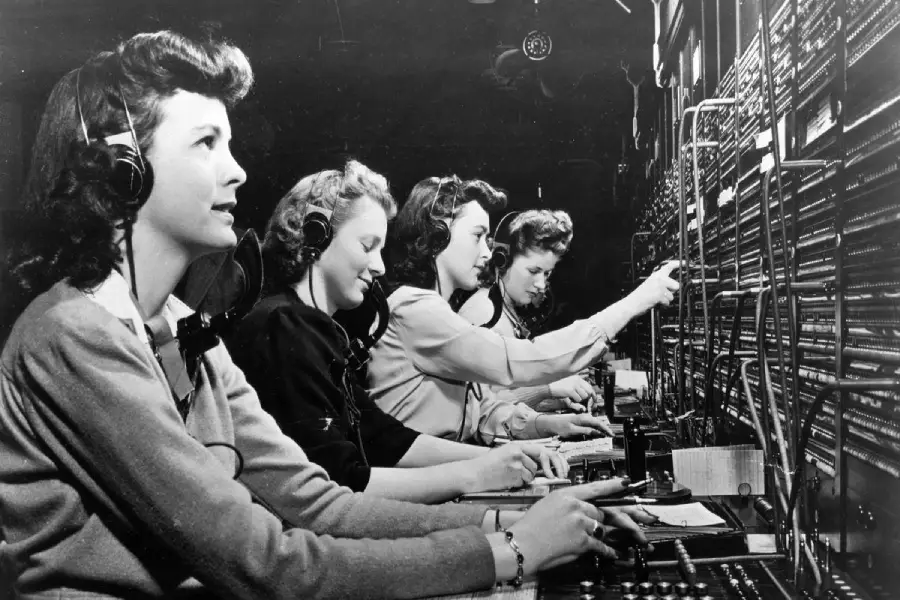
Establishing a telecommunications connection before the digital era required human operators to manually route every individual phone call by plugging physical cords into towering jack panels. While young boys initially held these positions, corporate supervisors quickly replaced them with women because they proved to have significantly greater patience and better customer service manners, with some rural networks retaining them into the 1960s.
11. Mudlark
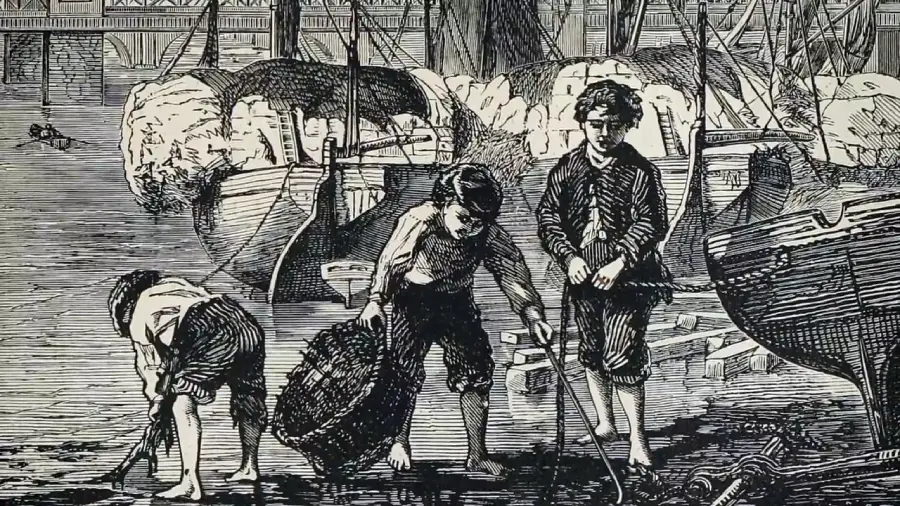
Victorian-era mudlarks spent their days combing through the toxic mud of the River Thames at low tide to scavenge for bits of coal, old rope, animal bones, and scrap metal to resell for a tiny survival wage. While it stood as one of the lowest rungs on the nineteenth-century social ladder, modern archaeologists heavily credit mudlarks for preserving thousands of historical artifacts by ignoring items they deemed financially worthless.
12. Slubber doffer
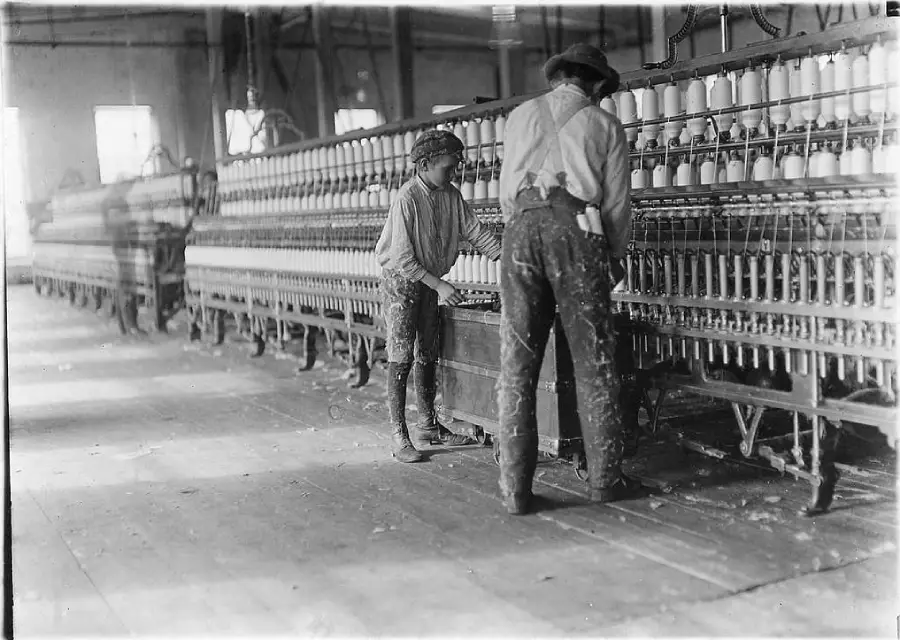
Working inside chaotic nineteenth-century textile mills, these young laborers were tasked with rapidly removing empty bobbins from spinning machinery and replacing them with full spindles without stopping the moving gears. This incredibly fast-paced task was assigned almost exclusively to children due to their nimble hands, resulting in frequent and rarely documented workplace injuries.
13. Gas lamplighter
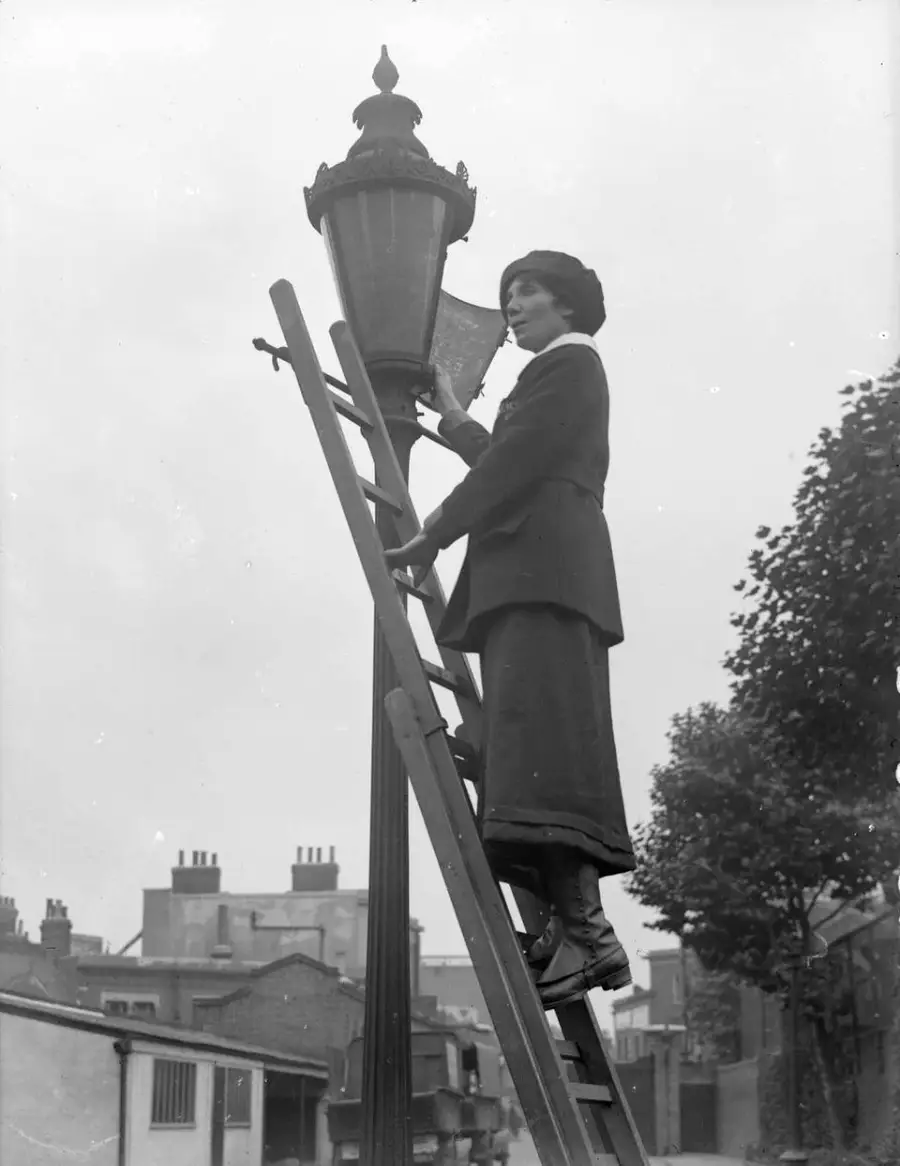
Every evening before municipal electrical grids existed, street lamplighters marched down urban avenues with long, flame-tipped rods to manually ignite individual gas streetlights before darkness fell. This precisely timed circuit had to be repeated in reverse at dawn to extinguish the flames, a proud tradition that a few historic European neighborhoods still maintain today for purely ceremonial purposes.
Want to know more about interesting jobs?
Revisiting these demanding and unusual vintage occupations serves as an excellent reminder of the incredible dedication, physical endurance, and manual problem-solving that shaped our shared ancestry. Looking back over these human alarm clocks, factory readers, and manual railway crews proves that while modern office hardware and software applications change completely across the centuries, the value of disciplined human labor remains entirely constant. When we choose to look past the modern convenience of our current computer screens to appreciate the rigorous analogue history of the classic workspace, we gain a much deeper understanding of commercial history. If you enjoyed this detailed look back at the workplace traditions that defined past generations of workers, make sure to explore these 15 Strange Jobs That Pay Surprisingly High Salaries or 15 High-Paying Jobs from 1975 That No Longer Exist. You can also check out these 20 Vintage Photos That Show How Dangerous Jobs Used to Be.