
The modern job market is much stranger than the average careers page suggests. Somewhere right now, a person is tasting dog food, retrieving golf balls from a muddy pond, or getting paid to smell another person’s armpit. Some of these occupations grew out of new industries, while others have quietly existed for decades. All of them are real, although explaining them at a family gathering may take a while.
1. Intimacy Coordinator
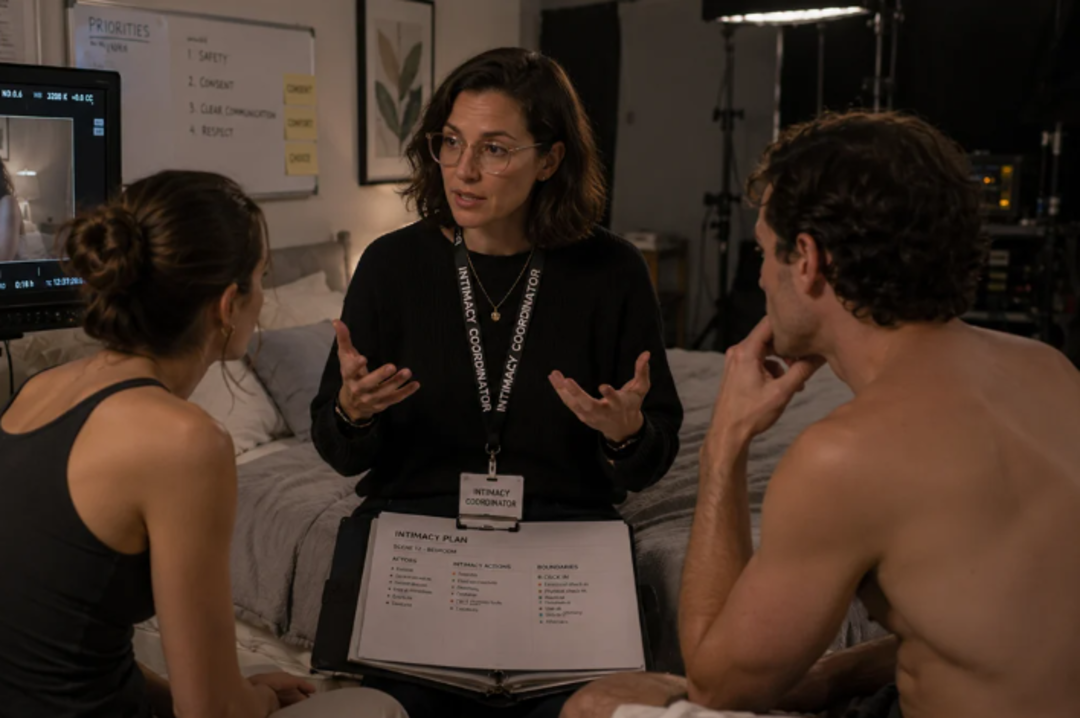
Film and television productions hire intimacy coordinators to help plan scenes involving nudity or other physically sensitive material. They discuss boundaries with performers, communicate those limits to directors, and help choreograph the scene so everyone knows exactly what will happen. The profession has become increasingly formalized, and a SAG-AFTRA agreement covering intimacy coordinators took effect in February 2026. In practical terms, they perform some of the same safety and coordination work that stunt coordinators provide, just in a very different kind of scene.
2. Golf Ball Diver
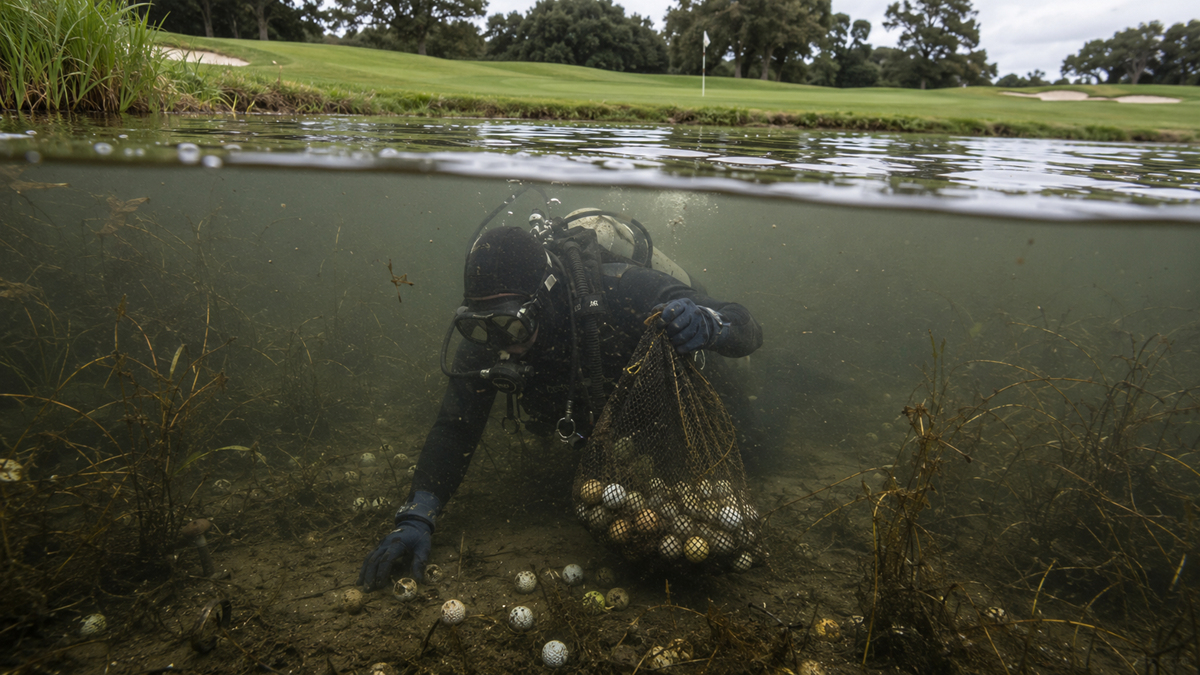
Those golf balls disappearing into water hazards do not always remain there. Commercial divers enter course ponds, often in near-zero visibility, and collect thousands of balls that can be cleaned and resold. The job requires proper diving certification rather than a mask, a net, and unreasonable confidence. Divers may also encounter fishing hooks, broken equipment, thick vegetation, and the occasional territorial animal beneath the surface.
3. Professional Cuddler

Professional cuddlers offer scheduled sessions of strictly platonic physical contact. Clients might talk, sit together, hold hands, or cuddle under clearly established rules. It sounds casual, but practitioners need strong communication skills and firm boundaries, particularly when working alone with strangers.
4. Pet Food Sensory Evaluator
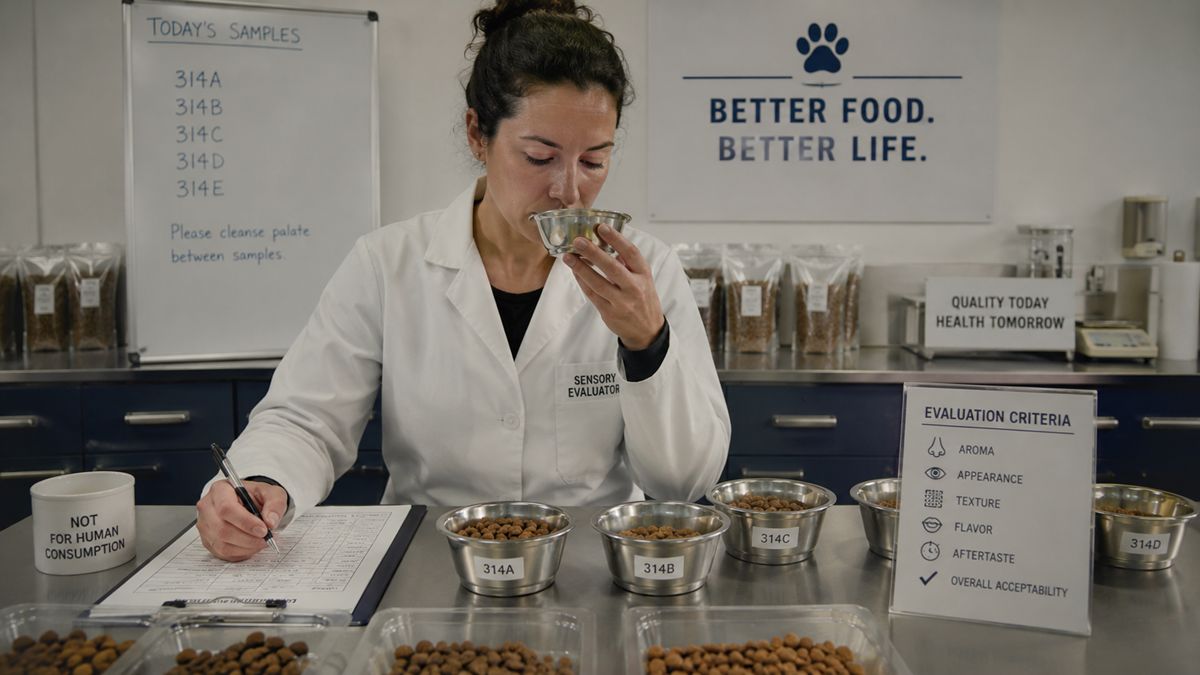
Before a new pet food reaches a bowl, someone may need to inspect its smell, texture, consistency, and even flavor. Human sensory evaluators usually do not swallow the product, but they may chew a small amount to judge qualities that laboratory equipment cannot fully describe. Their notes help manufacturers spot problems such as excessive grittiness, an unpleasant aftertaste, or a batch that smells noticeably different from the previous one. The glamorous part is apparently scheduled for another department.
5. Snake Milker
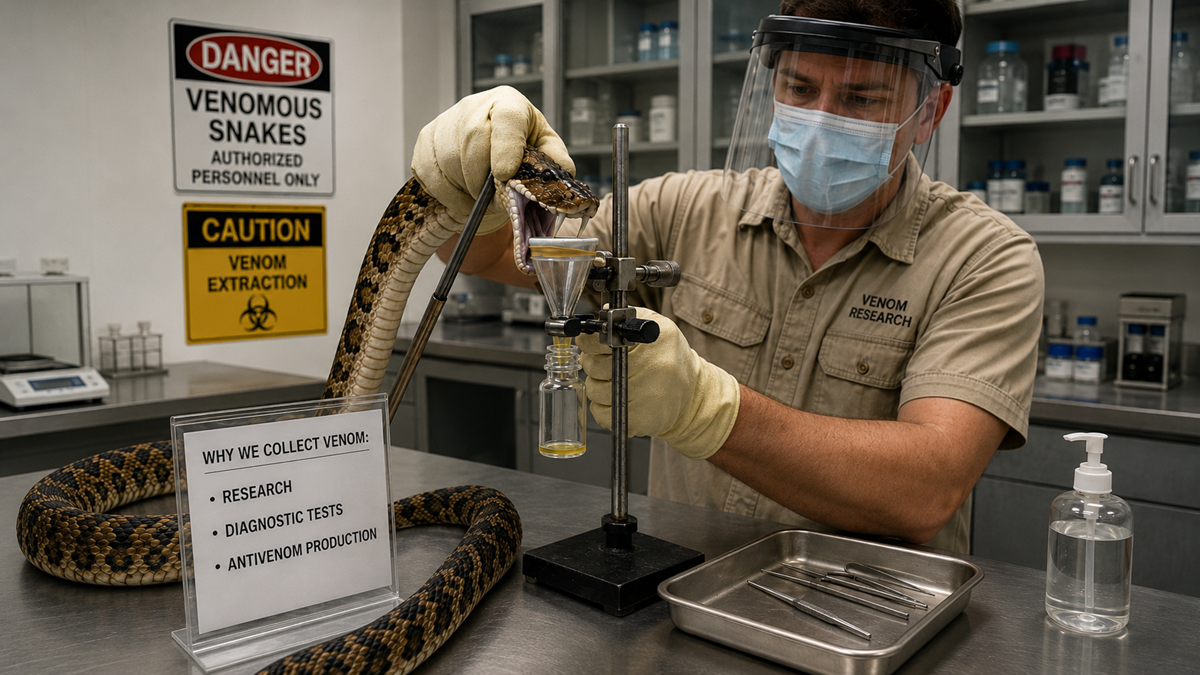
The word “milker” makes this job sound much gentler than it is. Snake milkers carefully restrain venomous snakes and encourage them to release venom into a collection container. That venom can then be used for research, diagnostic testing, and the production of antivenom. It is precise laboratory work involving an animal capable of turning one small mistake into a medical emergency.
Trending on The Scroller


6. Odor Judge
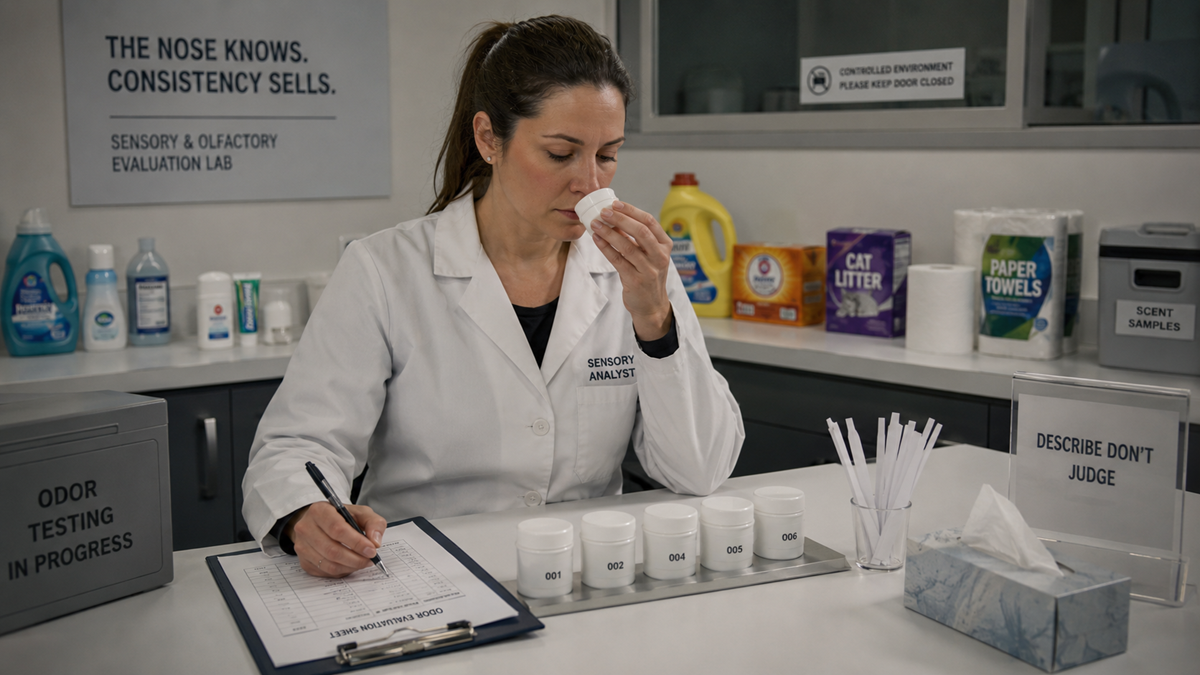
Deodorant, detergent, toothpaste, cat litter, paper products, and countless other goods need to pass smell tests before reaching stores. An odor judge, sometimes called an olfactory or sensory analyst, evaluates those scents under controlled conditions. Depending on the product, that might mean smelling a fabric sample, a room, a container, or an actual human volunteer. A sensitive nose helps, but the more important skill is describing an odor consistently instead of simply declaring that something smells terrible.
7. Professional Queuer

Some people dislike waiting in line enough to hire another person to do it. Professional queuers hold places for clients outside government offices, restaurants, product launches, ticket counters, and limited events. The customer arrives later and takes over the position according to the rules of the service being used. It may not require a specialized degree, but patience is non-negotiable.
8. Foley Artist
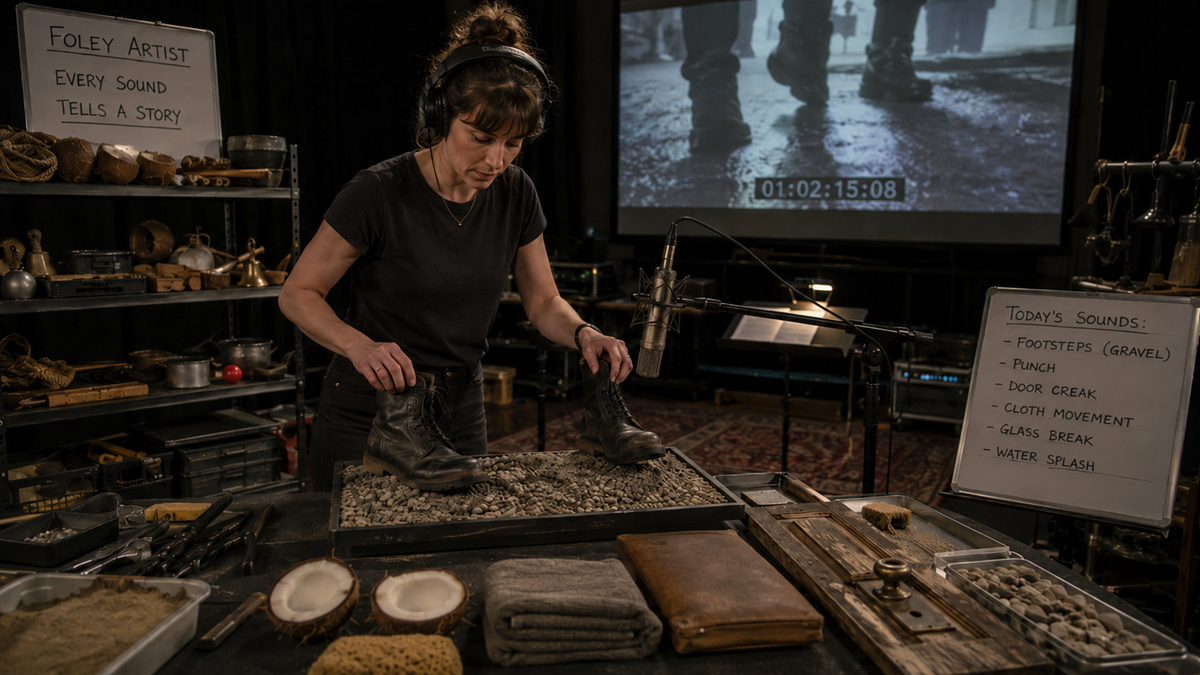
A Foley artist creates the everyday sounds added to films and television shows after shooting has finished. Footsteps might be made with several pairs of shoes on different surfaces, while a punch could involve hitting a cushion, a piece of meat, or something even less obvious. The artist performs these noises in time with the picture, turning a quiet studio into a convincing street, battlefield, kitchen, or haunted basement. A collection of coconut shells, old doors, gravel trays, and broken household objects can be a perfectly respectable set of professional tools.
Sign up for our newsletter
9. Insectary Manager
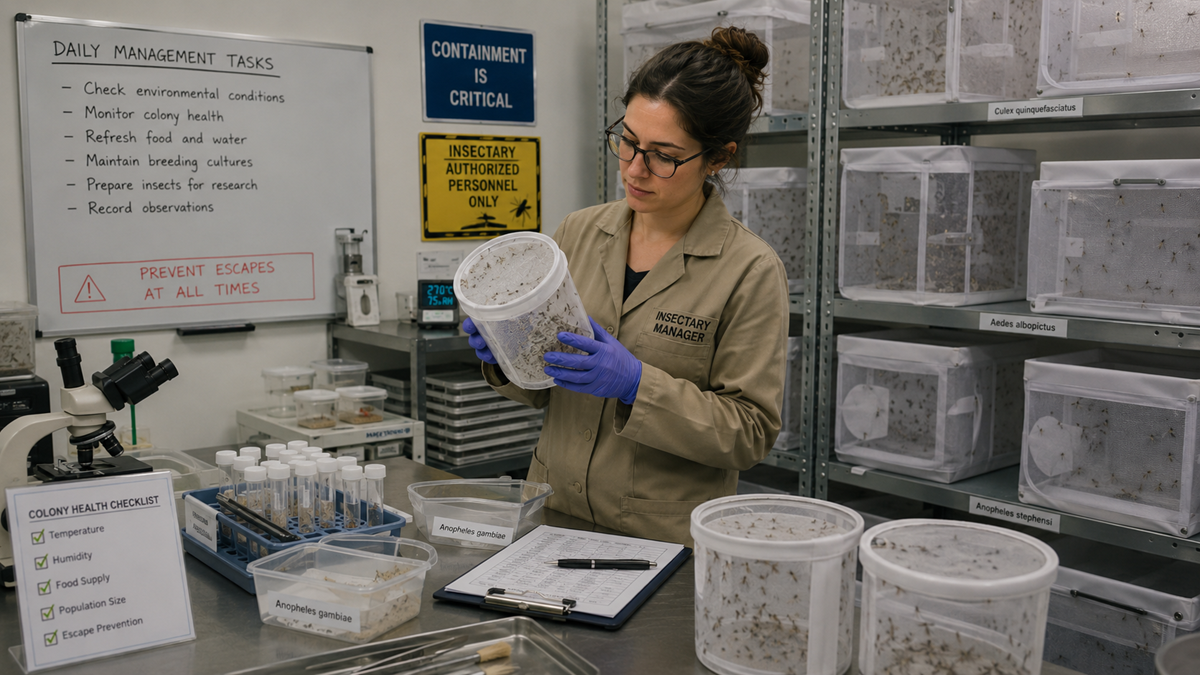
An insectary manager oversees facilities where mosquitoes, flies, beetles, or other insects are raised for scientific work. The job can involve controlling temperature and humidity, preventing colonies from escaping, maintaining breeding populations, and supplying researchers with insects of a particular age or species. Universities, agricultural companies, public health programs, and laboratories all have reasons to maintain carefully managed bug populations. “The mosquitoes got out” is presumably one of the worst possible workplace updates.
10. Flavorist

Flavorists create and refine the tastes used in food, drinks, medicines, toothpaste, and other consumer products. Their work combines chemistry, sensory training, creativity, and an unusually detailed understanding of how ingredients interact. A strawberry flavor, for example, may be built from numerous compounds rather than anything taken directly from a strawberry. The profession is sometimes described as a kind of composing, except the finished piece is experienced by the tongue rather than the ears.
11. Human Scarecrow

Birds are often smart enough to realize that a motionless scarecrow is not much of a threat. Some farms, vineyards, fishponds, and airfields therefore employ people to patrol an area, make noise, wave flags, or use other harmless methods to move birds along. The work can be repetitive and weather-dependent, but it protects crops and reduces dangerous bird activity. It is one of the rare jobs where running across a field while shouting at geese can count as a productive afternoon.
12. Mermaid Performer

Professional mermaids appear at aquariums, resorts, festivals, private parties, and underwater shows. Performers train to swim in heavy monofins, hold their breath, communicate underwater, and stay in character while surrounded by spectators. The costume may look whimsical from the other side of the glass, but moving safely without the independent use of both legs takes serious practice. Some performers also need scuba qualifications, lifeguard training, or experience with underwater stunt work.
13. Professional Mourner

Hiring people to mourn at funerals is an old custom that continues in several parts of the world. Professional mourners may cry, sing, pray, perform traditional laments, or help create the public atmosphere expected at a ceremony. The role varies widely by culture and can carry religious, social, or theatrical elements. It sounds unusual in places where grief is treated as entirely private, but organized mourning has a long history.
14. Mystery Hotel Guest

Hotels sometimes pay inspectors or contract mystery guests to stay anonymously and evaluate the entire experience. They check the reservation process, cleanliness, staff behavior, room service, noise levels, mattress comfort, and dozens of details an ordinary guest might overlook. After checking out, they produce a structured report rather than a furious online review. Getting paid to sleep in hotels sounds relaxing until every dusty lampshade becomes part of the assignment.
15. Water Sommelier

Water does not simply taste like water to a trained specialist. A water sommelier studies mineral content, carbonation, texture, source, temperature, and the way different waters interact with food. They may advise restaurants, lead tastings, develop beverage menus, or work with premium water brands. The idea can sound excessive until someone serves two waters side by side and the differences become unexpectedly obvious.
16. Professional Sleeper

Sleep laboratories need participants for clinical studies, while mattress companies and hotels occasionally employ testers to evaluate sleeping conditions. The assignment may involve spending nights connected to monitoring equipment, following a strict sleep schedule, or recording detailed observations about comfort and interruptions. Being paid to sleep is real, but being watched by researchers while sensors track every movement is less luxurious than the title suggests.
17. Research Chef
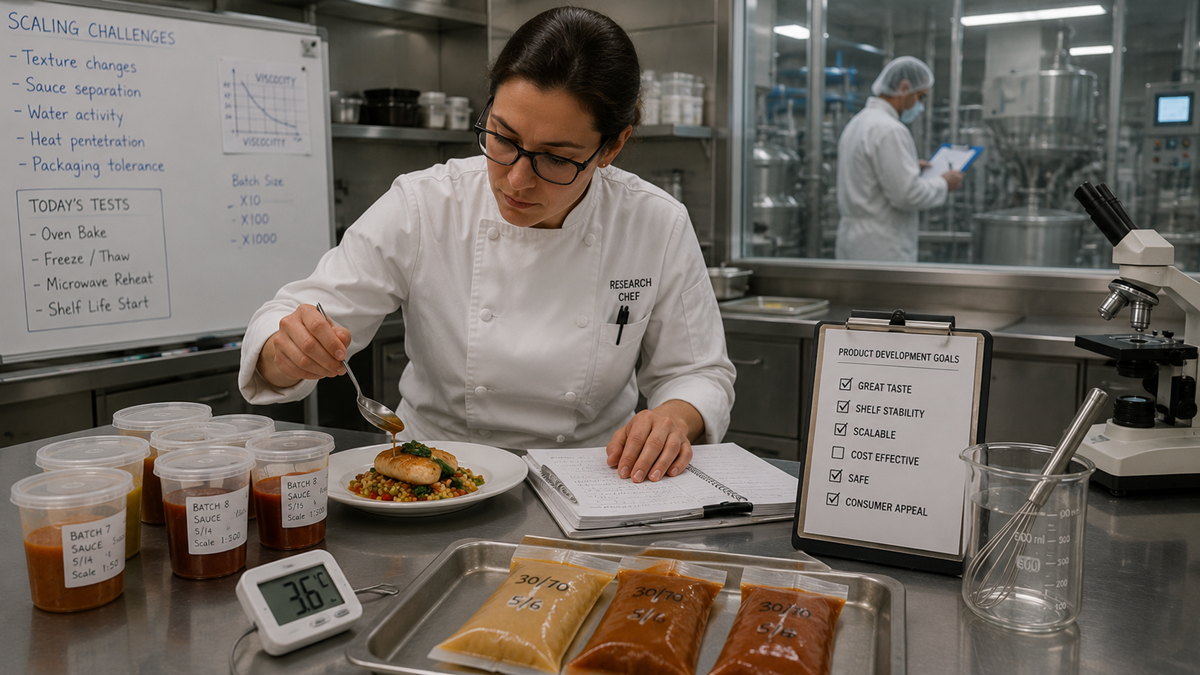
A research chef works between the restaurant kitchen and the laboratory. These specialists develop foods that must taste appealing while also surviving factory production, shipping, freezing, reheating, or months on a store shelf. A recipe that works beautifully for four people may behave very differently when produced in batches of several thousand. The chef therefore has to understand cooking, food science, manufacturing equipment, safety requirements, and the mysterious reason a sauce suddenly separates when scaled up.
In the mood for more?
Check out 15 Jobs That Sound Made-Up but Are Very Real (and Some Pay Surprisingly Well), or take a look at 14 Jobs That Did Not Exist Before the Internet. If you want to see more surprising sides of working life, you can check out 14 Jobs That Completely Disappeared in the Last 30 Years.
Images generated by AI