Modern life often keeps neighbors tucked behind glowing screens, yet hundreds of towns around the world still shut down their streets every year to celebrate bizarre traditions passed down through generations. Whether throwing tons of ripe fruit or riding massive logs down steep mountainsides, these annual rituals turn ordinary citizens into enthusiastic participants.
Outsiders stumbling into these local festivals for the first time often wonder how such wild customs ever started in the first place. From seventeenth-century devil costumes in quiet Spanish villages to freezing coffin races in the Rocky Mountains, every eccentric gathering carries deep historical roots and fierce community pride. Exploring these unforgettable events proves that nothing bonds a town together quite like shared chaos. Here are twelve unusual traditions that still unite entire communities today.
1. Up Helly Aa fire festival in Lerwick
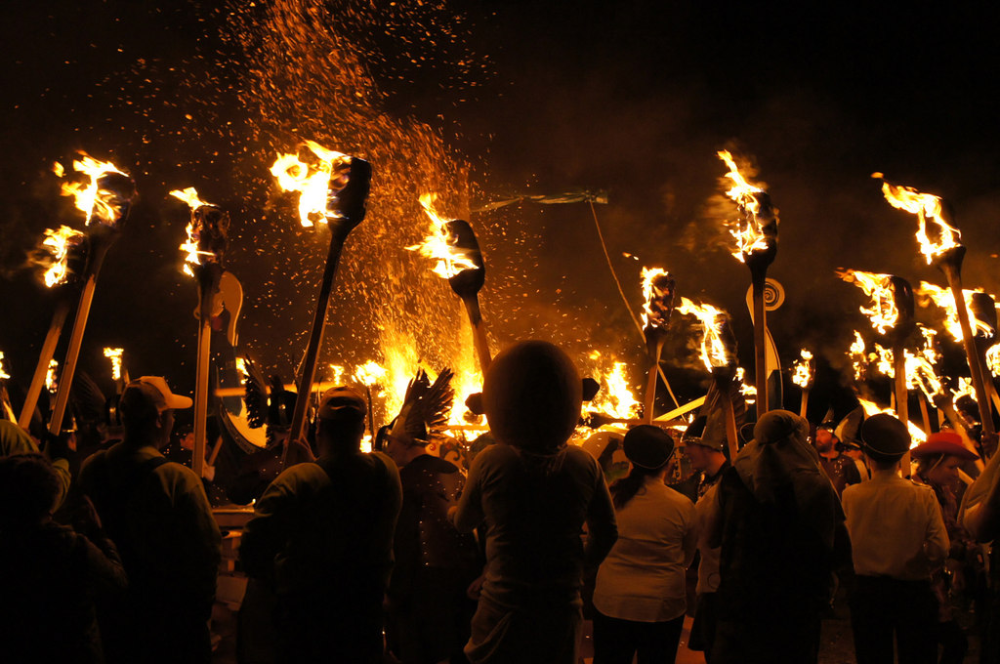
Established in its modern form in 1881 in Scotland’s Shetland Islands, this midwinter Viking festival culminates in a dramatic torchlit procession through the dark streets of Lerwick. Led by an elected chief known as the Guizer Jarl, hundreds of costumed locals march in winged helmets and sheepskins before tossing blazing torches into a full-scale replica wooden longship.
2. El Colacho Baby Jumping in Castrillo de Murcia
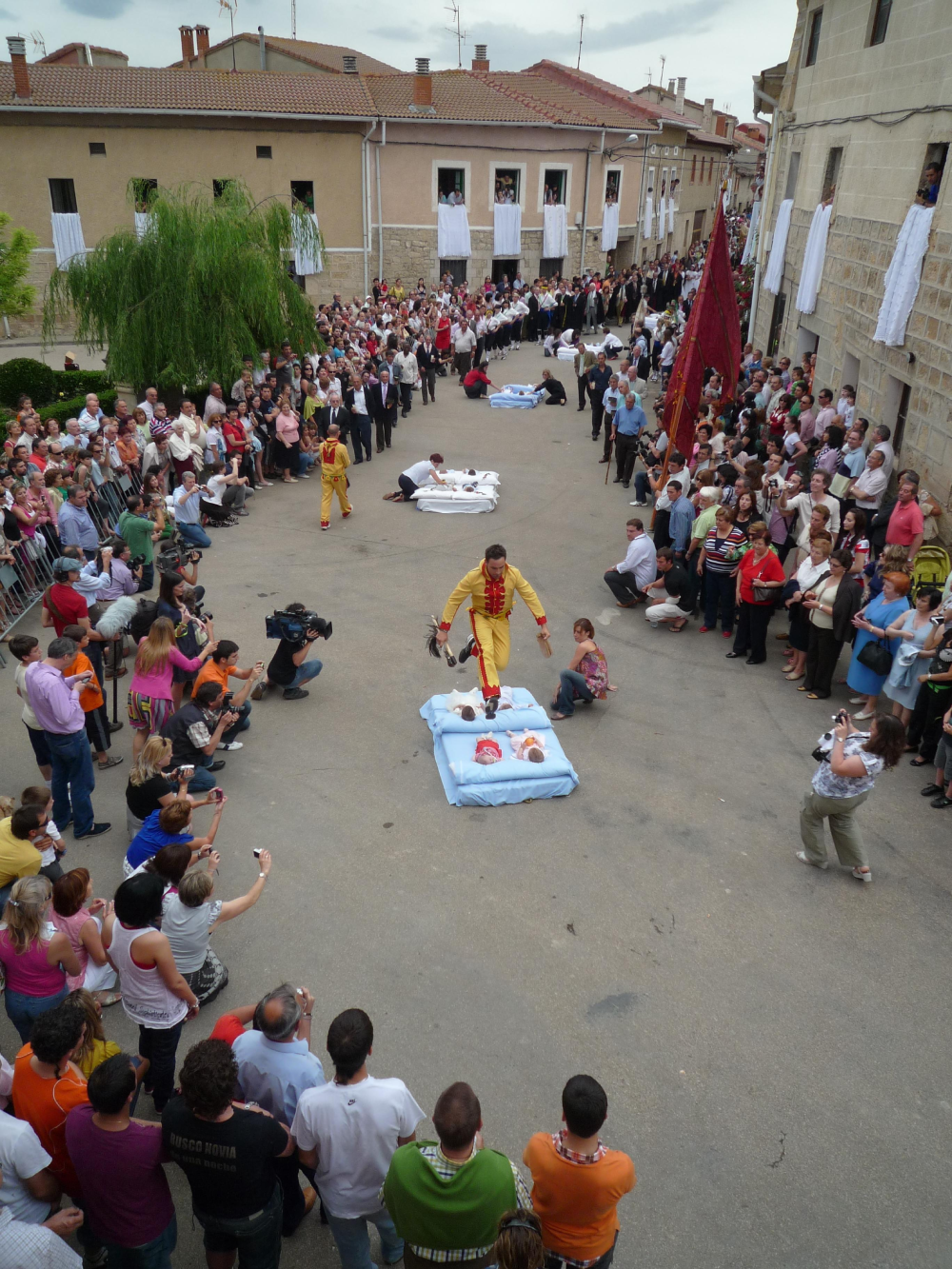
Dating back to 1620 in northern Spain, this startling Corpus Christi ritual features local men dressed in bright red and yellow harlequin suits holding horsehair whips. Known as El Colacho, the costumed figures sprint down the street and leap directly over rows of cushioned mattresses holding babies born during the previous year to cleanse them of original sin.
3. The Battle of the Oranges in Ivrea
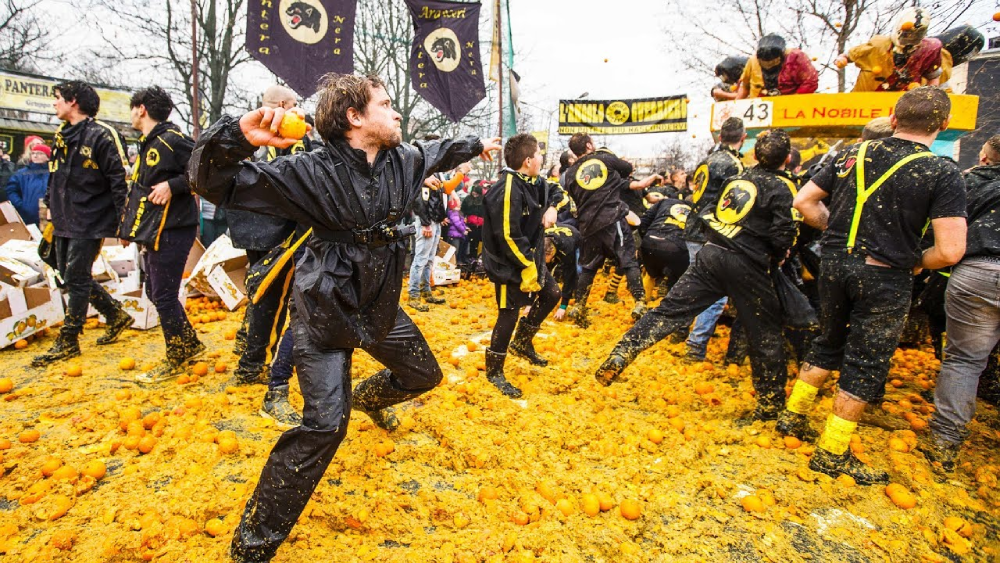
Inspired by a twelfth-century uprising against a tyrannical local ruler, Ivrea’s modern carnival food fight was formalized in 1808 and takes over this northern Italian town every February. Nine neighborhood foot teams hurl hundreds of tons of Sicilian oranges at padded defenders riding in horse-drawn wooden carts, staining the cobblestones bright citrus orange.
4. Onbashira log riding in Nagano
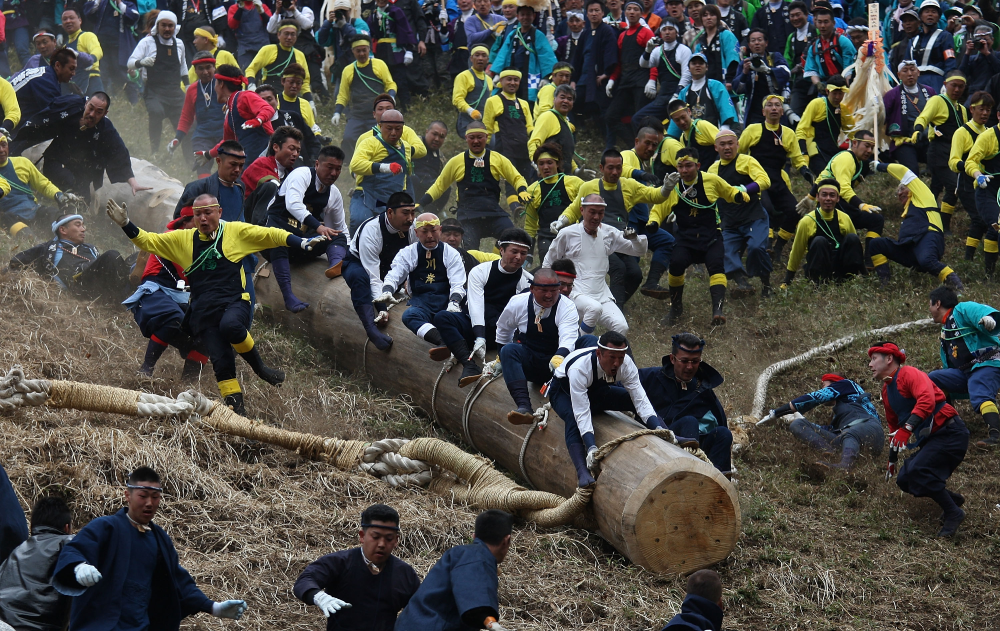
Celebrated every six years since at least 804 AD around Japan’s Lake Suwa, this perilous Shinto festival requires teams of local men to fell sixteen massive fir trees high in the mountains. Clinging fiercely to the stripped, sixteen-ton trunks without safety harnesses, riders hurtle down near-vertical muddy slopes before hauling the sacred pillars to the four corners of Suwa Grand Shrine.
5. La Tomatina in Buñol
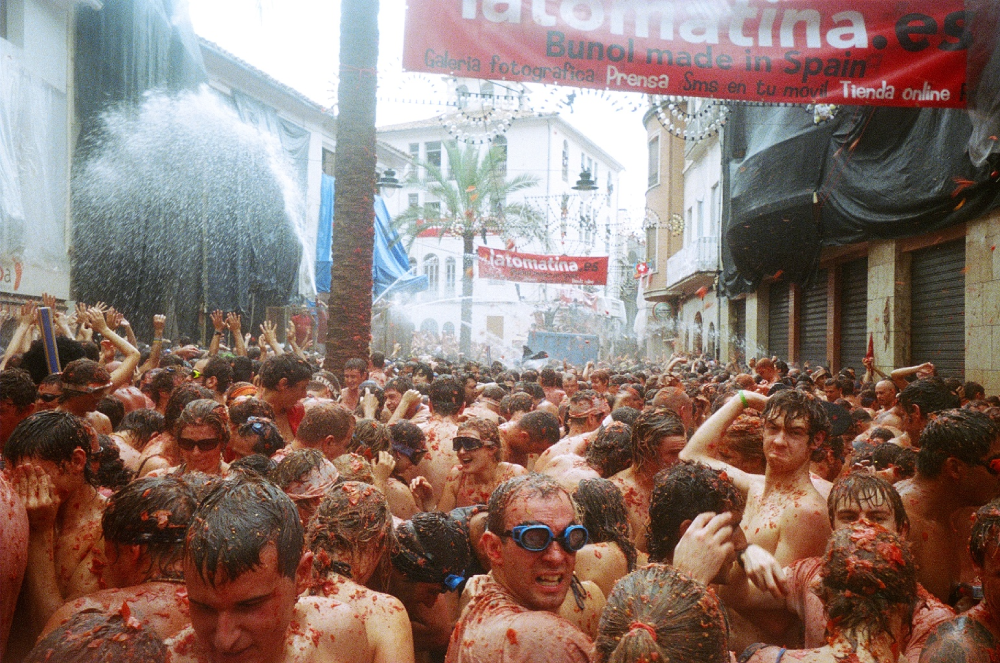
What began in August 1945 as an impromptu street brawl between local youths knocking over a vegetable stand during a parade has evolved into Spain’s most famous food fight. Every final Wednesday of August, roughly twenty thousand townspeople and visitors pack Buñol’s narrow streets to pelt one another with over one hundred tons of squished, overripe tomatoes.
Trending on The Scroller


6. Night of the Radishes in Oaxaca
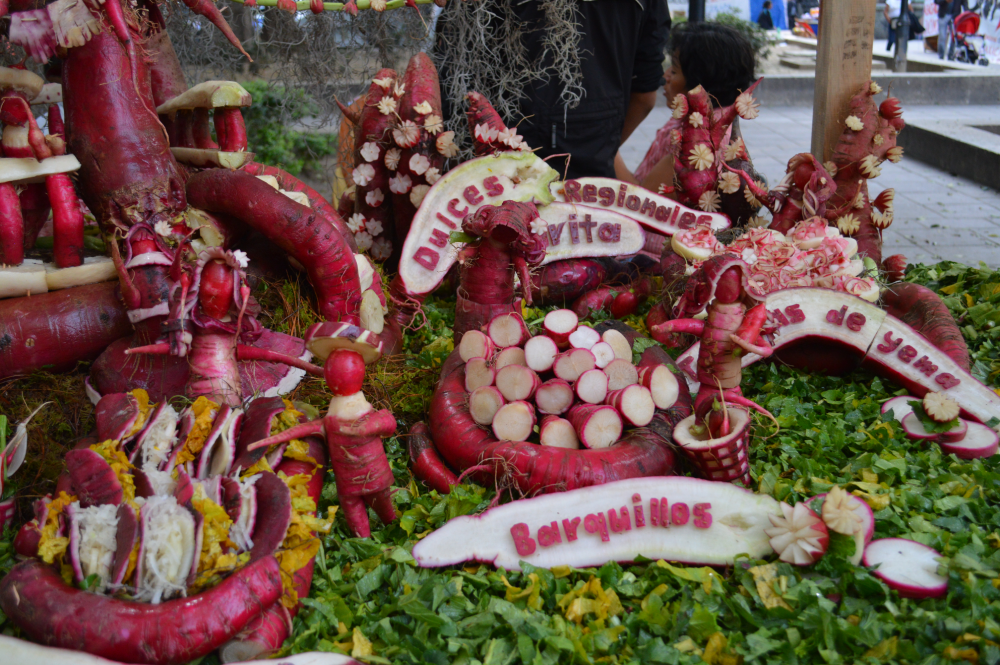
Officially launched in 1897 by Oaxaca City Mayor Francisco Vasconcelos, this quirky Christmas season competition celebrates the region’s colonial agricultural heritage. Every December 23, more than one hundred local artisans spend hours carving oversized, gnarly red radishes into intricate nativity scenes, historical figures, and dancing skeletons displayed around the main square.
7. The Lopburi Monkey Buffet Festival
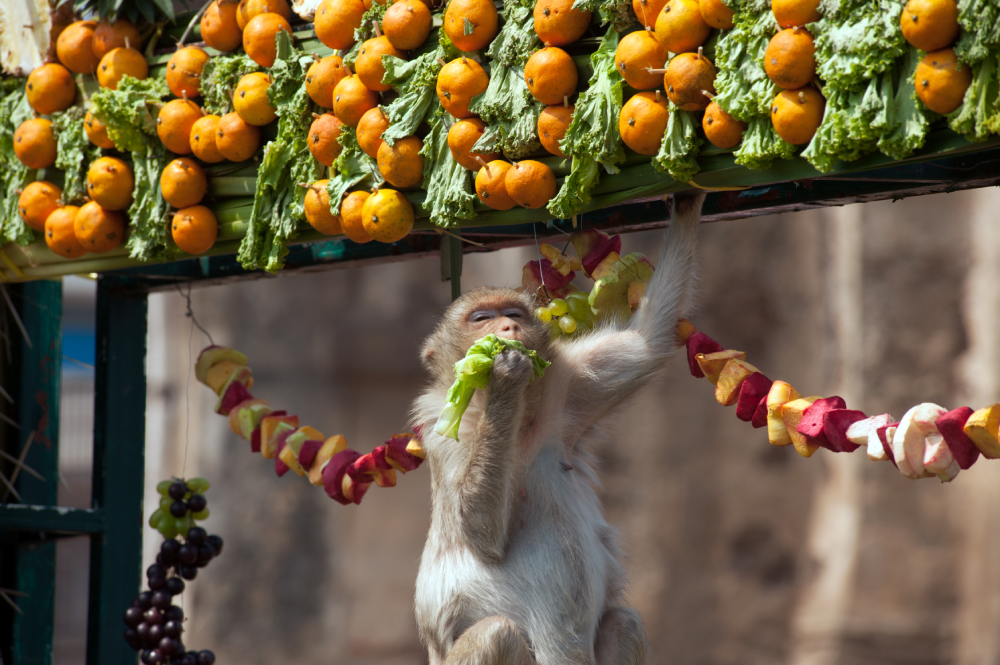
Founded in 1989 by local businessman Yongyuth Kitwatananusont to thank the town’s macaques for drawing tourists, this annual November feast takes over the ancient Khmer ruins of Phra Prang Sam Yot. Residents spend days constructing towering pyramids of tropical fruits, sticky rice, and colorful jellies before unleashing thousands of hungry monkeys onto the banquet tables.
8. Naki Sumo Crying Baby Festival in Tokyo
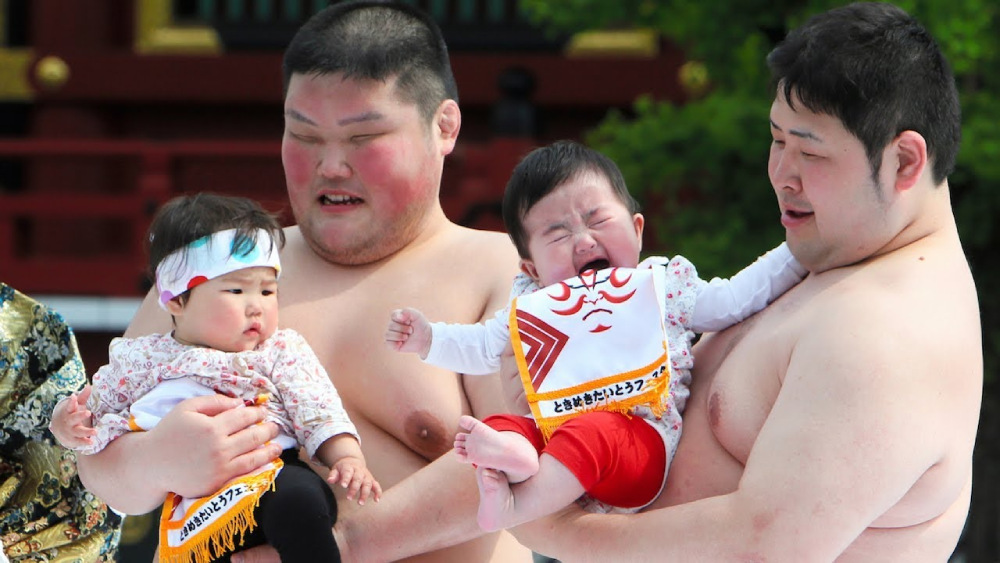
Practiced at Tokyo’s historic Senso-ji Temple and shrines across Japan for over four hundred years, this lively spring ritual is believed to ward off evil spirits and ensure infant health. Two amateur sumo wrestlers stand inside a traditional ring holding babies face-to-face, gently bouncing them and making funny faces until a referee declares the loudest, fastest crier the winner.
Sign up for our newsletter
9. Frozen Dead Guy Days in Colorado
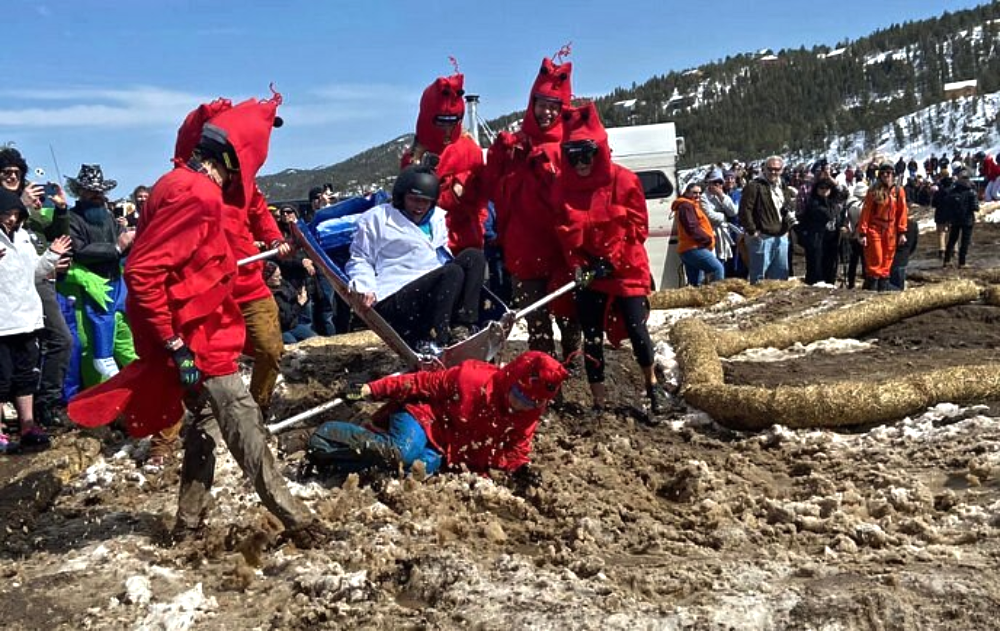
Originally started in 2002 in the mountain town of Nederland before moving to Estes Park, this eccentric March festival honors Bredo Morstøl, a Norwegian grandfather kept cryogenically frozen in a backyard shed since 1993 by his grandson Trygve Bauge. Thousands of bundled-up revelers gather in the snow to compete in costumed coffin races, icy polar plunges, and frozen salmon tossing.
10. The Atherstone ball game in Warwickshire
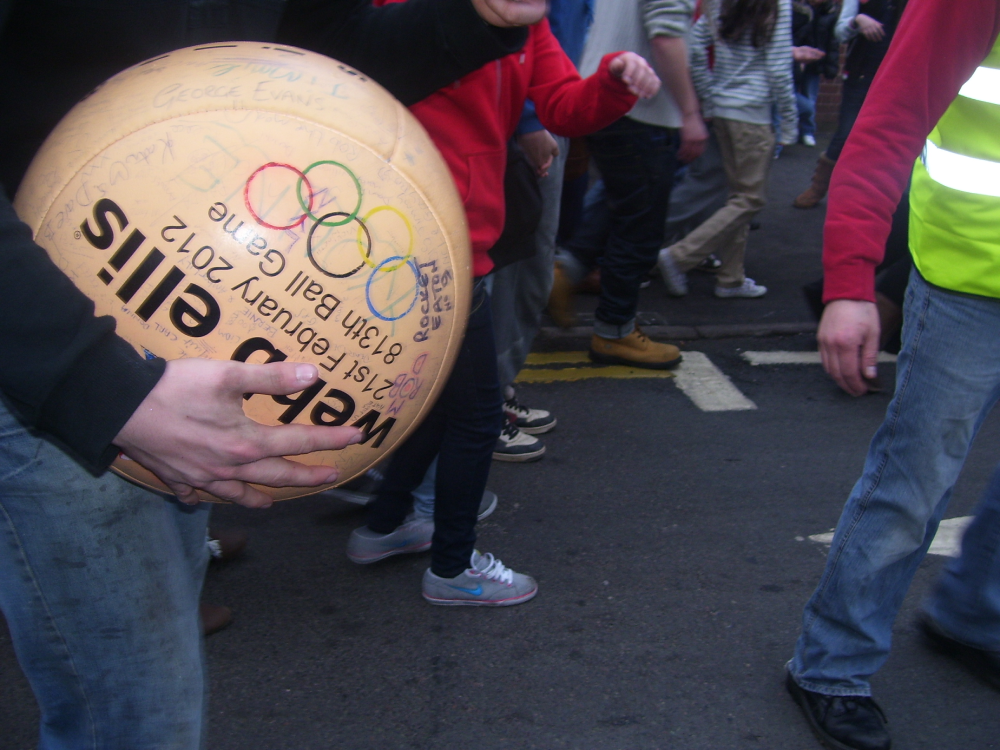
Played every Shrove Tuesday since 1199 under a tradition dating back to King John, this medieval street football match transforms a quiet English market town into a roaring, two-hour scrum. Hundreds of residents crowd along Long Street to wrestle over a heavy, water-filled leather ball decorated with ribbons, with whoever holds the battered prize when the siren sounds declared the champion.
11. Boryeong mud festival in South Korea
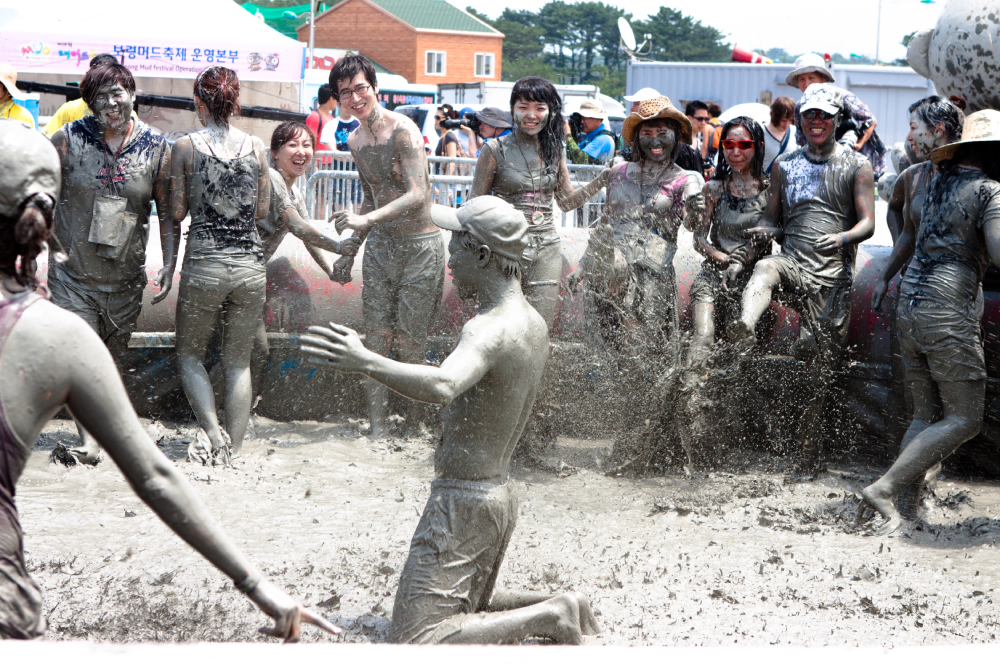
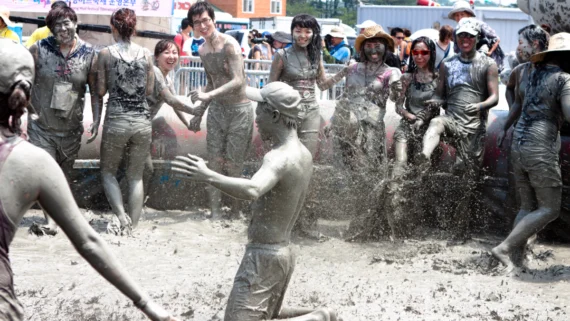
Created in 1998 by local officials to market mineral-rich cosmetics sourced from nearby coastal flats, this massive July gathering draws millions of people to Daecheon Beach. Neighbors and travelers alike dive into giant inflatable pools, wrestle in slick gray tidal mud, and dance under open-air concerts covered head-to-toe in drying clay.
12. Alpine Krampuslauf parades in Austria
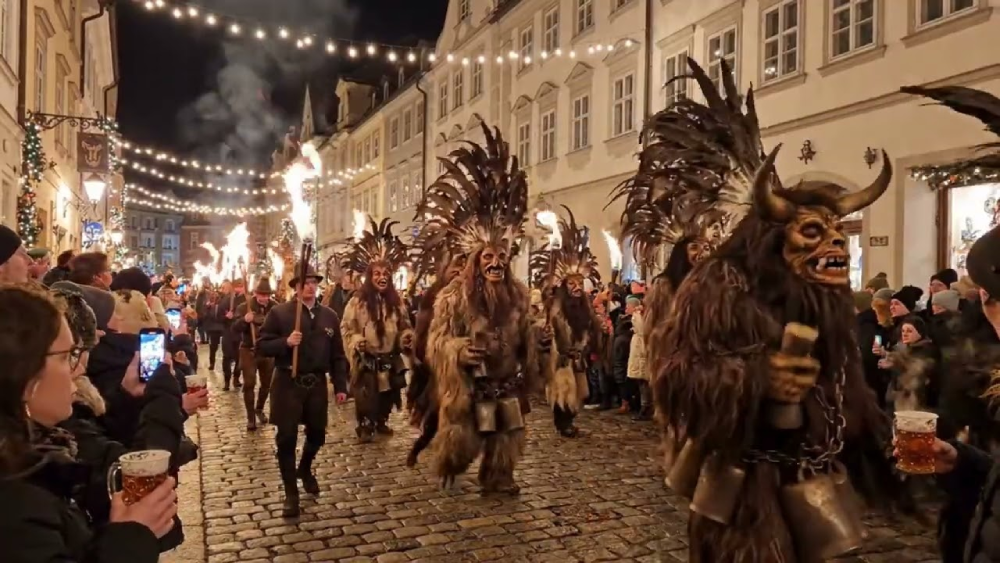
Drawn from centuries-old pre-Christian Alpine folklore, December nights across Austrian towns like Bad Gastein and Salzburg bring out hundreds of residents dressed in hand-carved wooden demon masks and shaggy sheepskin coats. Clanging heavy cowbells and waving birch switches, these terrifying Krampus figures march through snowy village streets alongside Saint Nicholas to playfully frighten crowds into good behavior.
Explore more interesting traditions:
Watching entire towns leap over mattresses, hurl tons of tomatoes, or haul giant logs down muddy mountains shows how deeply shared rituals can anchor a community across centuries. No matter how strange these annual gatherings look to outsiders, they remind us that coming together in person still beats celebrating alone behind a screen. If you enjoy exploring eccentric human behavior and bizarre historical events, make sure to check out these 12 Historical Accidents That Created Traditions or these Practical Origins of Traditions: 19 Everyday Customs. You can also explore these Weird Competitions: 16 Real Contests Around the World.